2027 Online Forensic Science Degrees for Students Who Want Evidence Technician Roles

Co-Founder and Chief Data Scientist
Evidence technician candidates often confront a dilemma: acquiring specialized training without sacrificing current employment or personal obligations. The Bureau of Labor Statistics projects a 14% increase in forensic technician roles through the next decade, signaling growing demand yet intensifying competition. Simultaneously, the National Center for Education Statistics reports online forensic science program enrollment rising by 35% since 2022, illustrating a shift toward flexible learning models designed to accommodate working adults and career changers.
This accessibility reshapes how aspiring technicians balance timing, cost, and credentialing requirements amid evolving employer expectations. This article maps out online forensic science degree options that align with these real-world imperatives to help students secure evidence technician positions effectively.
Key Things You Should Know
- Online forensic science degrees often omit hands-on lab access, limiting skill acquisition crucial for evidence technician roles; this tradeoff can reduce immediate job readiness despite theoretical knowledge, demanding supplementary in-person training.
- Employer data from 2024 DOJ reports show 62% of forensic employers prioritize candidates with applied crime scene experience over online credentials alone, pressuring students to secure internships or fieldwork beyond virtual curricula.
- Tuition costs for accredited online programs average 15%-30% lower than campus counterparts per NCES 2024 data, but extended completion times-often 20% longer-raise opportunity costs for career pivoters balancing income and training duration.
What is an online forensic science degree and how does it prepare evidence technicians?
Online forensic science degree programs for evidence technician careers offer essential technical skills but carry inherent limitations that prospective students must weigh carefully. These degrees blend criminalistics theory with practical lab and crime scene methods, covering core tasks like evidence collection, preservation, documentation, and chain of custody management. They distinctly focus on forensic biology, chemistry, toxicology, and digital forensics, equipping students to handle multidisciplinary evidence challenges. However, purely online education often cannot replicate the rigor of hands-on lab experience, making supplemental local internships or fieldwork critical to meet employer standards and legal requirements.
Employers seek candidates proficient in technical procedures and knowledgeable of courtroom admissibility rules, standards commonly integrated into accredited online curricula. Yet, graduates lacking experiential training may encounter hiring difficulties, particularly in handling complex evidence scenarios such as homicide or narcotics investigations, where errors can jeopardize prosecutions. Practical experience with validated skills remains a decisive differentiator in this sector.
The U.S. Bureau of Labor Statistics projects 14% growth in forensic science technician jobs through 2033, with around 2,700 openings annually, reflecting stable demand. Students must realistically assess the tradeoff between program convenience and comprehensive skill development. For more nuanced career insight, exploring forensic careers resources is advisable.
Online forensic science education prepares evidence technicians best when programs integrate virtual labs with mandated off-site internships, ensuring graduates transition effectively into evidence technician roles equipped for professional challenges.
What education level and coursework are typically required for entry-level evidence technician jobs?
Entry-level evidence technician positions typically require at least an associate degree in forensic science, criminal justice, or a related field, but employers increasingly prefer candidates with a bachelor's degree due to heightened technical demands and competitive hiring standards. Typical coursework for evidence technician jobs in forensic science must cover crime scene investigation methods, chain of custody procedures, evidence collection and preservation, and foundational knowledge in forensic biology, chemistry, and digital forensics. Municipal and state crime labs often value practical internships or hands-on lab experience since case complexity and evidence volume can be substantial.
Employers expect candidates to demonstrate proficiency with evidence management software and to understand legal standards critical for courtroom admissibility. For instance, forensic units in metropolitan police forces emphasize meticulous procedural documentation and contamination control, making legal studies and ethics integral to training. Those lacking direct experience frequently face extended training periods or restricted duties at the outset. Compared to associate degrees, bachelor-level programs embed advanced topics like forensic toxicology and digital investigations, aligning with the multidisciplinary expertise increasingly demanded in private forensic service firms and crime labs.
Professionals pivoting from allied fields often accelerate entry through targeted certifications paired with foundational academics, though those relying solely on certificates usually hit salary plateaus and promotion limits. The relevance of degree-level education is further illustrated by salary data; Champlain College's online Bachelor of Science in Computer Forensics & Digital Investigations reports median earnings of $89,716 according to OnlineU, reflecting the premium placed on comprehensive training. For additional context on compensation, consider how much do autopsy techs make.

How do online forensic science programs compare to campus-based options for future technicians?
Choosing between online forensic science degree programs vs campus-based options involves assessing the practical skill gaps employers emphasize for evidence technician roles. While online programs offer theoretical parity and increased accessibility-evidenced by 27 distance learning degrees listed for 2025 on Educations.com-they typically lack immediate hands-on lab experiences. This deficit requires remote students to independently arrange internships or supervised fieldwork with local crime labs or law enforcement agencies to develop the essential competencies in evidence collection and crime scene processing.
Employers often expect candidates who qualify for technician positions to demonstrate verified practical skills through direct in-person training or labs, which campus-based programs integrate as a core part of their curriculum. Campus students benefit from streamlined access to lab resources and scheduled fieldwork, accelerating their readiness and reducing time-to-employment compared to remote learners who must manage logistics and self-discipline around these crucial experiences.
From a workforce perspective, the flexibility of online programs can be valuable for working professionals but hinges on securing quality externships. Prospective students should prioritize programs that embed lab requirements and have recognized partnerships to avoid gaps in career-critical training. For guidance in related health science fields, consider reviewing the online exercise physiology degree as an example of how online options balance theory and applied skills.
In sum, the best online forensic science programs for evidence technician careers are those that strategically blend academic convenience with verifiable practical experience-without which passing employer thresholds for technician roles remains a significant hurdle.
What accreditation should online forensic science degrees have for evidence technician careers?
Online forensic science degree accreditation for evidence technician roles extends beyond regional accreditation, which confirms basic academic standards and eligibility for federal aid. Specialized recognition, such as from the Forensic Science Education Programs Accreditation Commission (FEPAC), directly ensures curriculum alignment with the operational demands of evidence handling, crime scene protocols, and legal standards. Employers in law enforcement and criminal investigation increasingly require candidates to graduate from such accredited programs to meet stringent hiring criteria and pass certification exams by organizations like the International Association for Identification (IAI).
For prospective students weighing over 80 available programs, distinguishing those meeting these specific regional accreditation standards for forensic science programs from less rigorous options is critical. Programs lacking FEPAC endorsement often cut costs or offer flexible scheduling but may inadequately prepare graduates for practical tasks and chain-of-custody integrity, hurting their employability in jurisdictions where forensic accuracy is paramount.
Evidence technician candidates should confirm that an online degree's coursework and virtual lab components meet certification standards relevant to their target state or agency. Working professionals seeking credential upgrades must prioritize programs tied to their licensing requirements to avoid prolonged retraining. Additionally, students interested in health sciences or related fields might also consider options to study exercise science online for broader career adaptability.
What core classes and lab experiences do online forensic science majors usually include?
Evidence technician roles demand more than theoretical knowledge; they require practical mastery of forensic workflows, particularly in evidence collection, chain-of-custody, and analytical instrumentation. Online forensic science majors must therefore integrate hands-on training with scientific principles, preparing students to analyze fingerprints, bodily fluids, fibers, and trace materials with methods like chromatography and spectrometry. This practical rigor shapes employability, as employers expect clear documentation and procedural accuracy over just conceptual familiarity.
Quantitative skills are non-negotiable. Coursework in statistics and data interpretation equips students to produce valid forensic reports, critically influencing case outcomes. However, online delivery poses a challenge for physical lab work access, often mitigated through partnerships with local institutions or sophisticated virtual labs that simulate real-world scenarios.
For example, an evidence technician conducting fiber analysis must navigate chemical processes alongside strict lab protocols, which vary by jurisdiction and agency software systems. Such variability requires adaptable training rather than generic curricula, directly impacting courtroom credibility and career viability.
Arizona State University Online's enrollment of 52,896 learners exemplifies the scale needed to maintain these specialized resources remotely. This extensive infrastructure supports more robust lab experiences, which is often a key differentiator among online programs seeking to balance theory with applied practice in forensic science education.
How long do online forensic science degree programs take and what do they cost?
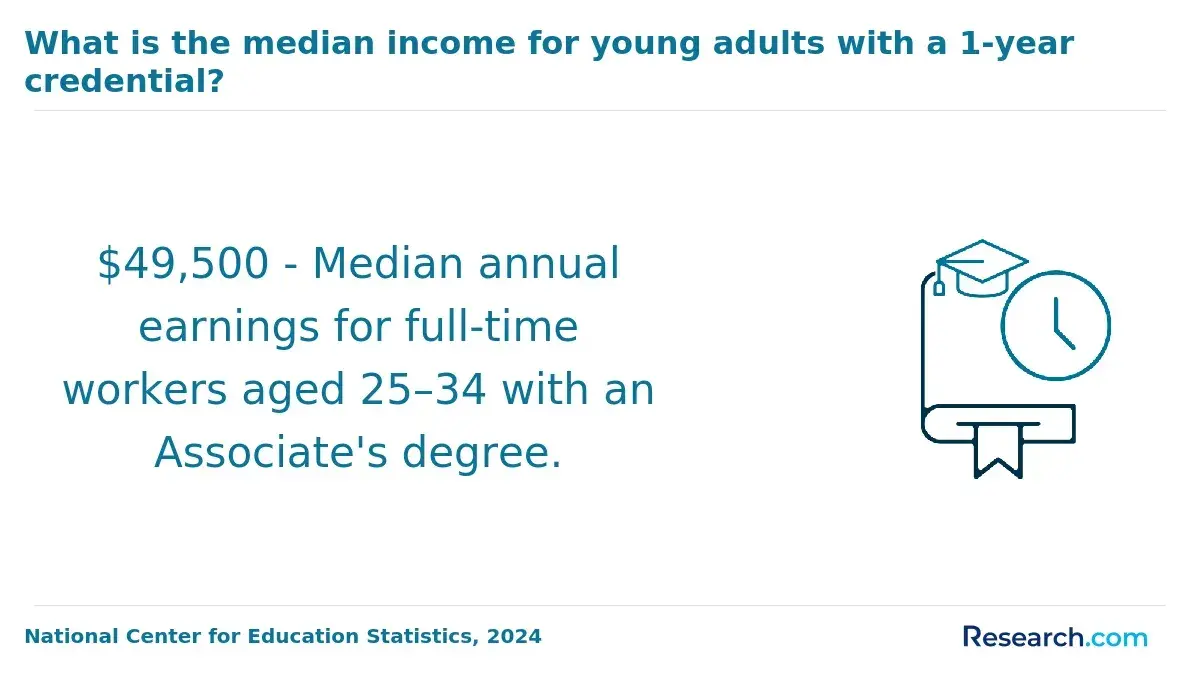
Completing an online forensic science degree demands weighing the practical timeline and financial investment against tangible workforce outcomes. Associate programs typically span 2 years and may offer online lab simulations, appealing to working adults seeking a quicker transition into evidence technician roles with manageable upfront costs. Bachelor's degrees require approximately 3 to 4 years full-time and often exceed $60,000 at private institutions, which can be a significant barrier but potentially lead to higher earning ceilings and eligibility for advanced investigative positions.
Cost distribution varies broadly: in-state students at public universities might expect $7,000 to $15,000 annually, whereas out-of-state or private options can surpass $20,000 per year. Total degree costs range from about $15,000 for associate degrees at community colleges to beyond $60,000 for bachelor's programs at private schools.
Employers prioritize students who complete accredited programs featuring hands-on labs or field partnerships, underscoring the necessity for practical skill demonstration beyond theoretical study. Candidates must also plan for additional expenses and time dedicated to internships and certification to meet hiring standards.
With a projected 12.8% job growth and a median salary near $72,060 for crime scene investigators (according to ASU Online), the decision involves distinct tradeoffs:
- Shorter associate degrees offer faster, lower-cost entry with limited advancement.
- Bachelor's degrees demand significant time and financial resources but align better with long-term salary gains and job stability.
- Practical experience is often the deciding factor for employers over degree title alone.
What are the typical admission requirements for online forensic science bachelor's programs?
Applicants to online forensic science bachelor's programs face clear gatekeeping measures rooted in practical workforce requirements. Minimum GPAs around 2.5 to 3.0 and a high school diploma or equivalent anchor admissions, while foundational coursework in biology, chemistry, and mathematics is non-negotiable given forensic science's technical demands. Programs often still consider standardized test scores, yet an evolving admissions landscape sometimes relaxes this criterion, reflecting broader shifts in higher education policy.
Working professionals can leverage prior college credits or related associate degrees to reduce time and tuition costs, a strategic advantage that accelerates completion of the typical 120-credit-hour curriculum-such as that offered by Arizona State University Online. However, candidates without sufficient science preparation must factor in extended timelines and added expenses for prerequisite courses, a tradeoff that directly impacts their return on educational investment.
Additional hurdles like background checks and drug screenings, particularly for programs partnered with law enforcement agencies, emphasize that admission decisions extend beyond academics to include trustworthiness with sensitive evidence. Moreover, proficiency in English, usually evidenced by TOEFL or IELTS scores for non-native speakers, is critical given the emphasis on reading complex materials and drafting precise lab reports necessary for courtroom testimony.
Admissions processes sometimes incorporate critical thinking assessments or written evaluations underscoring communication skills, reflecting employer expectations that graduates synthesize scientific findings clearly and accurately. Navigating accreditation status and state licensing requirements remains essential, as these affect employability and the ability to meet jurisdictional forensic standards.
In essence, prospective students must assess whether program demands align with their background and professional goals, carefully weighing upfront preparation against the long-term value of forensic roles that require both technical mastery and communicative precision.
What job roles can graduates pursue in evidence handling and crime scene processing?
Graduates of online forensic science programs focused on evidence handling typically begin in roles requiring precise adherence to protocols that safeguard the integrity and legal admissibility of physical evidence. Positions such as evidence technician or crime scene processor involve tasks including fingerprint dusting, DNA swabbing, and chain-of-custody documentation. These roles often demand collaboration with law enforcement and strict compliance with procedural standards to prevent contamination and ensure prosecutorial reliability.
Employers in government and private forensic laboratories expect candidates to demonstrate both technical mastery and an understanding of legal frameworks governing evidence. Programs like ASU's 30-credit-hour Professional Science Master's in Forensic Science are structured to deliver concentrated knowledge efficiently, though this accelerated format may limit exposure to emerging forensic technologies and hands-on experience early on.
Long-term career progression often depends on acquiring specialized certifications or experience in niche areas like digital forensics or toxicology. Practical, on-the-job training remains essential due to continually evolving methods and procedural updates. Graduates improve their marketability by selecting coursework emphasizing chain-of-custody regulations, forensic database systems, and evidence-handling best practices.
Understanding that these positions often require irregular hours and rapid, error-free processing is critical. Individuals must weigh the tradeoff between shorter academic programs and the necessity for ongoing professional development to meet real-world demands in high-pressure investigative environments.
What salary ranges and benefits can evidence technicians expect in different U.S. settings?
Evidence technician salaries in the U.S. vary considerably based on agency type and location, with entry-level positions at local agencies near $40,000 and federal roles, such as those within the FBI or DEA, starting closer to $55,000. Urban areas typically offer salaries approaching or exceeding $65,000 due to higher living costs. This disparity requires candidates to weigh financial compensation against factors like commute time and schedule flexibility often seen in county roles.
Benefits differ sharply across settings: federal positions commonly include comprehensive healthcare, retirement plans like the Thrift Savings Plan, and paid leave, whereas smaller municipal or county agencies may offer less consistent packages. Overtime can significantly impact total earnings, potentially adding 10-20%, but availability depends heavily on agency demand and funding stability. Private sector forensic labs, contrastingly, tend to offer stable salaried roles but with limited overtime and less job security.
Applicants confronting competitive hiring conditions should recognize institutional benchmarks-such as a minimum 3.00 GPA or top 25% class rank at Arizona State University Online-as indicative of employer expectations emphasizing academic rigor. Strategically, prospects must balance these academic standards and real-world job prospects with lifestyle and financial priorities when planning a career in forensic science.
What is the job outlook for evidence technicians and related forensic support roles?
Evidence technician employment is expected to grow about 7% from 2024 to 2034, marginally outpacing general occupational growth. However, this increase is uneven, concentrated primarily in urban areas with active crime labs. Practical skills dominate hiring decisions: candidates with hands-on lab experience and proficiency in emerging forensic technologies have a distinct advantage. Agencies frequently require in-person training, making fully online forensic science degrees less immediately competitive unless supplemented with internships or on-site practicums.
The educational pipeline reveals a notable imbalance: over 250 campus-based forensic science programs exist compared to fewer than 30 distance-learning options as of 2025. This scarcity of online programs that integrate practical competencies forces online learners to seek additional fieldwork to meet employer expectations.
In practice, evidence technicians must rapidly execute tasks like evidence collection, chain of custody documentation, and initial sample processing-skills rarely mastered without physical lab access. For example, municipal police departments expect new hires to demonstrate procedural rigor that often requires direct exposure during training.
Prospective students face a tradeoff: flexible online pathways increase accessibility but risk limited hands-on skill development, while campus programs more effectively facilitate experiential learning and networking with employers. Prioritizing programs with established field partnerships is critical to align education with operational demands and improve job prospects after graduation.
Other Things You Should Know About Forensic Science
Field experience is not always necessary during an online forensic science degree as many programs offer virtual labs and simulations that effectively teach technical skills. Although hands-on experience is beneficial, these tools can provide a solid foundation for those aspiring to evidence technician roles in 2027.
Many do not require a lab internship for graduation, but employers often expect 100 to 200 hours of supervised evidence handling or crime scene lab practice. Programs aligned with IAI or ASCLD/LAB standards usually include a practicum, simulated chain-of-custody work, or approved local field placement.
In 2027, online forensic science programs with law enforcement partnerships offer students valuable networking opportunities, real-world insights, and potential internships. These alliances provide practical experience and connections that are beneficial when seeking employment as an evidence technician.
Yes, students are often required to learn specific software skills such as using crime scene reconstruction tools and digital forensics software. These skills are crucial for evidence analysis and documentation in modern forensic science practices, meeting industry standards for evidence technicians in 2027.
References
- How to become a forensic science technician | edX https://www.edx.org/become/how-to-become-a-forensic-science-technician
- Online Forensic Science Degree https://www.aiuniv.edu/degrees/criminal-justice/bachelors-forensic-science
- Online Degree Programs from GMC Online https://online.gmc.edu/programs/forensic-laboratory-technology/
- What is an Evidence Technician and How to Become One https://www.allcriminaljusticeschools.com/specialties/evidence-technicians/
- How to Become a Forensic Science Technician | University of Bridgeport https://www.bridgeport.edu/news/how-to-become-a-forensic-science-technician/
- Forensic Science Technicians: Salary, career path, job outlook, education and more - RaiseMe https://www.raise.me/careers/life-physical-and-social-science/forensic-science-technicians/
- Top Online Forensic Science Degree Programs https://www.forensicscolleges.com/online
- Online Forensic Science Degrees | OnlineColleges.net https://www.onlinecolleges.net/degrees/forensic-science/
- What does a Field Evidence Technician do? Career Overview, Roles, Jobs | ACTE https://careers.acteonline.org/career/field-evidence-technician
- Forensic Science Technician Education Requirements: What You Need to Know https://www.scuhs.edu/mshgg-article/forensic-science-technician-education-requirements-what-you-need-to-know/