2027 Self-Paced Online Religious and Christian Studies Bachelor's Degree Programs

Co-Founder and Chief Data Scientist
Balancing full-time employment with educational goals presents a significant challenge for adults seeking to enter the religious and Christian studies field. Many prospective students struggle to find accredited programs that allow them to advance academically without sacrificing work or personal commitments. According to recent data, enrollment in self-paced online religious and Christian studies bachelor's degree programs increased by 27% over the past five years, reflecting growing demand for flexible learning options.
This article examines the best self-paced online programs available, highlighting how they accommodate working professionals and facilitate a smooth transition into religious and Christian studies careers.
Key Benefits of Self-Paced Online Religious and Christian Studies Bachelor's Degree Programs
- Self-paced online religious and Christian studies bachelor's programs offer unparalleled flexibility, enabling working professionals to balance education with career and personal commitments efficiently.
- Students benefit from accelerated skill acquisition by advancing through competency-based modules at their own pace, often completing degrees faster than traditional timelines.
- These programs provide cost-effective pathways to accredited credentials, frequently featuring credit transfer options and prior learning assessments to reduce overall tuition and time investment.
What Are Self-Paced Online Religious and Christian Studies Bachelor's Degree Programs, and How Do They Differ From Traditional Online Formats?
Self-paced online religious and Christian studies bachelor's degree programs allow learners to complete coursework independently without fixed start dates or cohort pacing. Unlike traditional online programs that follow semester calendars and group progressions, self-paced models offer flexible competency-based religious and Christian studies bachelor's degrees centered around open enrollment and milestone-based advancement. Students can begin anytime and move ahead once they demonstrate mastery, rather than adhering to scheduled deadlines or group discussions.
This structure is notably different from asynchronous-but-scheduled formats, which still require weekly commitments and peer interaction. Self-paced learners manage their own timelines, tailoring study plans to fit personal and professional responsibilities without regular instructor-led checkpoints, which demands a strong sense of discipline.
- Open Enrollment: Students enroll year-round without the restrictions of semester start dates, appealing to those with unpredictable schedules or urgent educational goals.
- Flexible Timelines: Learners progress through courses and assessments at their own pace, accommodating diverse life commitments and learning speeds.
- Milestone-Based Progression: Advancement depends on completing specific competencies or assignments, emphasizing mastery before moving forward, which aligns well with competency-based education trends.
- Time Management and Accountability: Without cohort peer accountability or scheduled live sessions, students must independently maintain motivation, often using digital tools and personalized plans to track progress.
- Faculty Interaction: Support is available on demand via virtual office hours, email, or forums, rather than through regular live classes or group projects.
- Ideal Candidates: This format benefits working professionals, caregivers, and non-traditional students seeking maximum flexibility and who prefer self-directed learning.
- Rising Popularity: The self-paced structure is increasingly favored for faith-based degrees, especially by those wanting to advance careers without the constraints of traditional academic calendars.
Prospective students should also explore transfer credit policies, prior learning assessments, and financial aid eligibility when researching programs. Many self-paced programs incorporate these elements to support timely degree completion and affordability. For those curious about online programs that pay well, self-paced religious and Christian studies degrees can offer a viable path to career advancement while accommodating personal schedules.
Which Accredited Institutions Offer Self-Paced Online Religious and Christian Studies Bachelor's Degree Programs?
Several regionally accredited institutions in the United States offer self-paced online Religious and Christian Studies bachelor's degree programs tailored for working professionals, non-traditional students, and those seeking maximum flexibility. These programs often embrace competency-based education models, allowing learners to advance by demonstrating mastery instead of following rigid semester schedules. This flexibility suits individuals balancing career, family, or other commitments while pursuing academic goals.
- Capella University: Features a competency-based Bachelor of Science in Christian Ministry through its FlexPath format. Tuition is charged as a flat subscription fee per six-month term, enabling students to complete unlimited courses during this period. Capella holds regional accreditation from the Higher Learning Commission (HLC). Average completion ranges from two to three years, influenced by transfer credits and course intensity.
- Liberty University: Offers a self-paced online Bachelor of Science in Religion with multiple concentrations, including Christian Studies. Tuition is charged per credit hour, with frequent online student discounts. Liberty University is accredited by the Southern Association of Colleges and Schools Commission on Colleges (SACSCOC). Students commonly graduate in three to four years, with accelerated options available.
- Western Governors University (WGU): Provides a competency-based Bachelor of Arts in Christian Leadership and Ministry leveraging a subscription tuition model for unlimited course access every six months. It is regionally accredited by the Northwest Commission on Colleges and Universities (NWCCU). Completion typically takes two to three years depending on individual pacing.
- Grand Canyon University: Delivers a flexible Bachelor of Arts in Christian Studies charged per credit hour with regular promotions. It is regionally accredited by the Higher Learning Commission (HLC). Completion time varies from three to five years based on course load and transfer credits.
- Colorado Christian University: Offers a self-paced Bachelor of Arts in Bible and Theology designed for adult learners, charging tuition per credit hour. It includes options for prior learning assessments to earn credit. This program holds regional accreditation from the Higher Learning Commission (HLC) and generally completes in three to four years, depending on transfer credits and study intensity.
These top accredited universities for self-paced online Christian Studies bachelor's degrees support flexible, individualized learning paths. Many accept transfer credits and recognize prior learning, making degree completion more efficient. Their tuition models-ranging from per-credit to subscription fees-offer diverse financial planning options, which can be supplemented by federal financial aid. For prospective students exploring how online degrees fit their professional and personal lives, this selection provides valuable options.
For those also interested in exploring related fields with affordable, flexible study options, check programs like an engineer degree online tailored for online learners.
2026 Update: Checking Ministry Practicum and Faith Community Requirements
For 2026, this section adds a practical review point for students comparing self-paced religious and Christian studies programs: how online coursework connects to real ministry, church, or community-based experience.
- Whether the degree requires a supervised practicum, internship, service project, or ministry portfolio.
- If students may complete field experience at their current church, nonprofit, school, or local ministry site.
- Who approves site supervisors and what documentation is required before starting placement hours.
- Whether self-paced courses must be completed in a certain order before fieldwork begins.
- If the program’s theological perspective aligns with the student’s denomination, ministry goals, or graduate study plans.
- How online students receive mentoring, pastoral feedback, or faculty guidance during applied projects.
Reviewing these details helps students choose a flexible program that supports both academic progress and meaningful preparation for ministry, teaching, service, or further theological study.
How Long Does It Take to Complete a Self-Paced Online Religious and Christian Studies Bachelor's Degree?
Completion times for self-paced online Religious and Christian Studies bachelor's degrees can vary widely. Some highly motivated students manage to finish in as few as 18 months, while most take between three and five years. Multiple elements influence these timelines, shaping how quickly students progress through their coursework.
- Prior Credits: Students with transferable credits from previous college work can reduce the course load significantly. Many programs allow credits from both general education and major-specific classes, so having a solid academic background often cuts down required time.
- Transfer Coursework: Credits accepted from accredited colleges offer another way to accelerate degree completion. Verifying an institution's transfer policies ahead of enrollment ensures students maximize these advantages.
- Weekly Study Hours: The pace depends heavily on the time committed each week. Those dedicating 15 to 20 hours or more can typically progress faster than individuals juggling work, family, or other responsibilities.
- Prior Learning Assessments: Some programs grant credit for work experience or previously acquired knowledge through assessments. This can eliminate the need to retake courses, shortening the overall timeline.
- Benchmark Data: According to the National Center for Education Statistics, bachelor's degrees in comparable online fields average four to six years for completion. Students in self-paced formats who remain disciplined have the chance to outperform these averages.
- Setting a Schedule: Developing a realistic timeline with milestones and regular goals helps maintain steady progress without burnout. Early planning is key to staying on track.
- Support Services: Access to advisors, tutoring, and peer groups provides motivation and guidance. Engagement with these resources often correlates with higher completion rates and faster degree attainment.
When asked about his experience, a professional enrolled in a self-paced online Religious and Christian Studies bachelor's program shared that balancing work and studies was challenging at first. He found the flexibility helpful but admitted, "Setting a firm weekly routine took a few months-I initially underestimated how quickly coursework could pile up." Leveraging prior work experience through assessments eased some course requirements, yet maintaining motivation during slower periods was "the hardest part." His advice for future students emphasized consistent communication with academic advisors and using available support to "keep momentum steady." He concluded that while the journey demanded discipline and persistence, the ability to tailor his pace to life's demands made it achievable.
What Are the Admission Requirements for Self-Paced Online Religious and Christian Studies Bachelor's Degree Programs?
High School Diploma or GED: Most programs require applicants to hold a high school diploma or GED to demonstrate readiness for college-level work. While this is a common admission criterion for self-paced online Christian studies degrees, some institutions offer conditional acceptance or preparatory courses for those without these credentials.
Minimum GPA Standards: Typically, applicants need a GPA between 2.0 and 2.5 on a 4.0 scale, reflecting basic academic capability. More selective programs enforcing admission criteria for self-paced online Christian studies degrees may require higher GPAs to manage a competitive applicant pool, whereas open-access programs often have lower or no GPA minimums.
Prerequisite Coursework: Certain online religious studies bachelor programs expect prior classes in writing, English, or introductory theology. However, many self-paced options provide foundational modules or use competency-based assessments, ensuring flexibility for students without specific prerequisites.
Open-Enrollment and Rolling Admissions: Many schools adopt rolling admission policies and open-enrollment models, easing access for non-traditional students, working adults, and those returning to education. These approaches reduce application barriers and accommodate diverse schedules.
Selectivity and Support: Selective programs generally offer increased academic support-like advising and tutoring-to help students handle rigorous coursework. In contrast, open-access programs prioritize adaptable pacing and tailored assistance, fitting the needs of students balancing multiple obligations.
Enhancing Your Application: If minimum requirements are not fully met, consider submitting strong letters of recommendation, a compelling personal statement, or documentation of relevant work experience. Taking preparatory courses can also bolster skills and improve application appeal.
For students exploring options, reviewing accredited programs such as those listed in the accredited online accounting degree resources can provide insight into flexible credit transfer and financial aid policies.
How Much Does a Self-Paced Online Religious and Christian Studies Bachelor's Degree Cost, and What Affects Tuition?
Tuition for self-paced online religious and Christian studies bachelor's degrees often follows one of two primary pricing models: per-credit fees or flat-rate subscriptions. Per-credit tuition typically ranges from $300 to $600, and with about 120 credits required for a degree, total costs can span $36,000 to $72,000 depending on completion time. Flat-rate subscription plans charge a fixed fee per term, usually between $2,500 and $5,000, allowing students to take unlimited courses and accelerate their progress if desired.
Additional fees beyond tuition can add substantially to overall expenses. Students should budget for technology fees, exam proctoring charges, required textbooks or digital materials, and software subscriptions, which together may total several hundred dollars each year.
Comparing per-credit rates and subscription fees requires attention to pacing. A school might offer low tuition per credit but extend the degree length, increasing the final price. Competency-based education models reward swift mastery of course content, potentially lowering total time and expense by allowing learners to progress at their own speed.
- Per-Credit Tuition: Most common pricing structure, with costs rising if degree completion is slow.
- Subscription Fees: Flat-term payments encourage faster course completion to reduce total cost.
- Additional Expenses: Hidden fees such as technology and proctoring can increase budget needs.
- Pacing Impact: Faster completion lowers costs, especially in competency-based formats.
A professional who recently completed her self-paced online religious and Christian studies bachelor's degree shared that managing the financial side wasn't always straightforward. She recalled, "It was reassuring to have control over how fast I advanced, but estimating the total price upfront was tricky because of extra fees and variable term lengths." She explained how balancing course workload and personal life required careful planning, yet the ability to accelerate when possible helped her stay motivated. "Knowing I could push through more classes and shorten my tuition terms made a real difference. It turned what felt like a daunting investment into an achievable goal."
What Financial Aid Options Are Available for Self-Paced Online Religious and Christian Studies Bachelor's Programs?
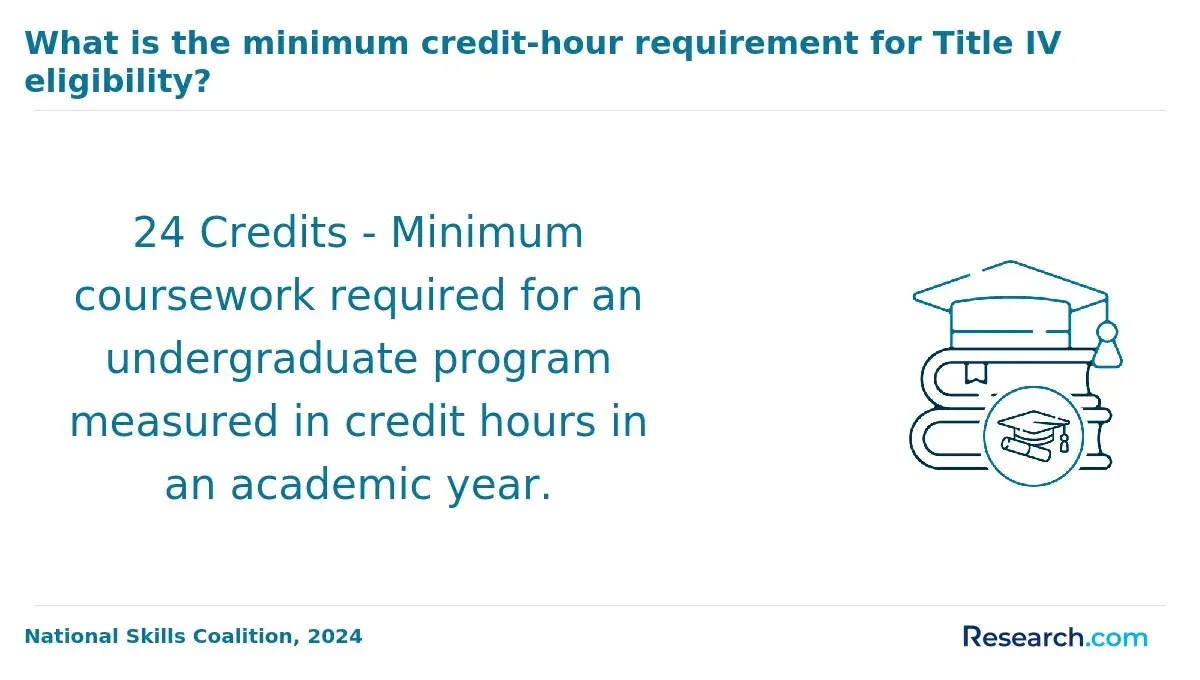
Students pursuing self-paced online Religious and Christian Studies bachelor's degrees have access to a variety of financial aid options, including federal, state, and institutional support. Because many of these programs utilize competency-based education (CBE) models, eligibility for FAFSA aid often depends on how schools equate student progress to credit hours rather than traditional semester measures. According to the College Board's Trends in Student Aid report, approximately 85% of undergraduates receive financial assistance, though non-traditional learners may face timing and qualification challenges.
Federal aid, such as Pell Grants and Direct Loans, typically supports students enrolled in accredited programs, but verifying how these apply to CBE courses is important. State financial aid differs widely-some states specifically fund online learners in Religious and Christian Studies, while others restrict assistance. Many institutions offer scholarships or grants geared toward students in these fields, which can significantly reduce overall tuition. Moreover, professional associations related to Religious and Christian Studies often provide discipline-specific scholarships that reward academic merit and service.
Because program formats and aid disbursement schedules can vary, it is vital to consult the financial aid office early. Confirming eligibility criteria and understanding how aid will be disbursed helps avoid unexpected difficulties during the course of study.
- Federal Aid Nuances: Pell Grants and Direct Loans are commonly available, but students in competency-based programs should verify how their progress is measured for FAFSA eligibility.
- State Aid Variation: Some states extend specific support to online Religious and Christian Studies students, so checking local programs is advisable.
- Institutional Scholarships: Colleges often provide targeted financial awards to Religious and Christian Studies majors to help offset education costs.
- Professional Scholarships: Field-specific grants from religious and Christian studies organizations offer additional funding opportunities.
- Early Financial Aid Consultation: Addressing aid eligibility and disbursement timing with school offices beforehand reduces uncertainty for self-paced learners.
How Do Competency-Based Education (CBE) Models Work in Self-Paced Online Religious and Christian Studies Programs?
Competency-based education (CBE) in self-paced online Religious and Christian Studies bachelor's degree programs centers on students demonstrating mastery of specific skills and knowledge through assessments rather than progressing based on traditional seat time. Learners advance by completing exams, projects, or portfolios that prove their competency, such as writing critical essays or completing scenario-based tasks, instead of attending fixed lecture hours.
For financial aid and accreditation, CBE programs often convert demonstrated competencies into credit hours. Some programs follow a direct assessment model, measuring progress solely by skills mastery without traditional credit hours, while others align assessments to credit-hour equivalents to satisfy federal aid requirements. Direct assessment programs typically offer more flexibility but may involve different eligibility criteria for financial aid compared to credit-hour CBE programs.
Institutions like Southern New Hampshire University use CBE models featuring regular assessments complemented by faculty mentors who provide personalized guidance. Western Governors University offers a fully online, competency-driven curriculum that allows students to leverage prior knowledge and receive timely faculty feedback. These programs are generally valued by employers for emphasizing demonstrated skills and practical knowledge in ministry and religious education.
Success in CBE programs demands strong self-discipline and independent motivation, as students manage their own schedules and deadlines. Prospective learners should assess whether they thrive in self-paced, self-assessment environments before enrolling.
Recent studies show enrollment in competency-based degree programs has increased by over 30% in the past five years, reflecting growing demand for flexible, skills-focused education.
- Self-Paced Mastery: Students progress by proving mastery through assessments instead of fixed class hours, allowing personalized learning speeds in Religious and Christian Studies.
- Credit Conversion: Competency achievements translate into credit hours for financial aid, with distinctions between direct assessment and credit-hour CBE models.
- Program Examples: Schools like Southern New Hampshire University and Western Governors University blend CBE with faculty support and practical evaluation methods.
- Student Readiness: Strong self-discipline and independent motivation are crucial to succeed in self-paced CBE learning environments.
- Growing Trend: Competency-based education programs have seen enrollment rise by over 30%, indicating increased interest in flexible education options.
What Accreditation Should a Self-Paced Online Religious and Christian Studies Bachelor's Program Hold?
Accreditation is vital when selecting a self-paced online Religious and Christian Studies bachelor's degree program, as it assures academic quality and institutional credibility. In the United States, regional accreditation is generally more prestigious and preferred by employers and graduate schools in the religious and Christian studies field due to its broader credit transferability and recognition. There are six regional accrediting bodies recognized by the U.S. Department of Education: Middle States Commission on Higher Education (MSCHE), New England Commission of Higher Education (NECHE), Higher Learning Commission (HLC), Southern Association of Colleges and Schools Commission on Colleges (SACSCOC), Western Association of Schools and Colleges Senior College and University Commission (WSCUC), and Northwest Commission on Colleges and Universities (NWCCU).
Most regionally accredited self-paced religious and Christian studies programs also maintain rigorous academic standards. Some additionally seek programmatic accreditation through faith-based bodies, although this is less widespread. Meanwhile, national accreditation typically applies to Bible colleges and religious institutions but is often viewed as less rigorous. Enrolling in nationally accredited or non-accredited programs carries risks such as limited credit transfer options and reduced acceptance by employers or graduate programs-factors that can hinder career advancement.
Prospective students researching self-paced online religious and Christian studies degrees should verify accreditation status via the U.S. Department of Education's accreditation database and the Council for Higher Education Accreditation (CHEA) directory. Utilizing these resources ensures enrollment in legitimate, high-quality programs. Those seeking flexibility and affordability might also explore options like the cheapest AACSB accredited online MBA programs to balance cost with credibility across various fields of study.
- Accreditation Types: Regional accreditation holds more weight than national accreditation and is preferred by employers and graduate schools for religious and Christian studies degrees.
- Regional Bodies: Six organizations oversee regional accreditation, including MSCHE, NECHE, HLC, SACSCOC, WSCUC, and NWCCU, each covering different U.S. regions.
- Programmatic Accreditation: Some programs may have additional religious or faith-based accreditations, but these are less common and typically supplementary.
- Risks of National Accreditation: National accreditation or lack of accreditation can limit credit transferability and reduce acceptance by employers and advanced degree programs.
- Verification Resources: Use the U.S. Department of Education's and CHEA's databases to confirm the accreditation legitimacy of self-paced online programs before enrollment.
- Career and Credit Impact: Accreditation affects both educational quality and long-term career prospects, including the ability to pursue further education.
How Many Transfer Credits Can Be Applied Toward a Self-Paced Online Religious and Christian Studies Bachelor's Degree?
Transfer credit policies for self-paced online Religious and Christian Studies bachelor's degree programs vary widely, but many institutions prioritize maximizing prior coursework value for adult learners. Transfer credits are typically evaluated based on course equivalency, accreditation of the previous institution, and relevance to degree requirements. Some programs stand out for accepting up to 90 transfer credits, offering a significant advantage to students with prior college experience by accelerating their path to graduation.
Many universities also award credit for military training following American Council on Education (ACE) recommendations, which benefits veterans and active service members by recognizing their service-related knowledge. Additionally, articulation agreements with community colleges create guaranteed pathways for credit transfer, easing the process and reducing uncertainty for new students. When exploring transfer credit policies for self-paced Religious and Christian Studies bachelor's programs, prospective students should consult specific institutional transfer credit pages or articulation databases to verify details.
Given the variation in transfer credit limits and acceptance criteria, requesting a formal evaluation before enrollment is highly advisable. This step clarifies how many credits will apply toward degree requirements, impacting the remaining coursework, total cost, and time needed to complete the program. For students interested in accelerated pathways and flexible scheduling, this information is crucial to plan effectively and avoid surprises.
- High Transfer Credit Limits: Institutions accepting up to 90 transfer credits allow students with extensive prior learning to finish their Religious and Christian Studies degrees more quickly.
- Military Credit Recognition: Credits from military training, evaluated through ACE guidelines, enable service members to leverage their experience for academic progress.
- Community College Agreements: Established articulation agreements guarantee credit acceptance from partnering community colleges, streamlining course credit reviews.
- Course Relevance Evaluation: Transfer credits must align closely with degree coursework; unrelated or outdated courses may be ineligible.
- Evaluation Before Enrollment: Obtaining an official credit evaluation beforehand helps students understand true remaining credits, costs, and timelines, enhancing enrollment decisions.
For those exploring degree acceleration in related fields, some institutions also offer quickest masters degree online options that leverage similar flexible credit policies and competency-based education models.
Can Students Earn Credit Through Prior Learning Assessment in Self-Paced Online Religious and Christian Studies Programs?
Prior Learning Assessment (PLA) enables students in self-paced religious and Christian studies bachelor's programs to earn academic credit for knowledge acquired outside traditional classrooms. This credit can come from professional experience, military training, industry certifications, and independent study. Students typically demonstrate their learning through portfolio submissions, challenge exams, or nationally recognized standardized tests such as CLEP and DSST.
Programs known for affordable tuition and flexible PLA policies often allow between 15 and 30 credit hours toward degree completion. These programs require applicants to submit detailed documentation-including course descriptions, certificates, and reflective narratives-that clearly maps prior learning onto program competencies for faculty evaluation.
The American Council on Education (ACE) plays a pivotal role by endorsing credit for many military and workplace training courses. This endorsement is especially beneficial for active duty military personnel and adult learners balancing careers, reducing time to graduation and overall costs.
Students seeking to maximize their PLA credits should meticulously organize evidence of their prior learning, ensuring alignment with course objectives. According to recent data from the National Center for Education Statistics, nearly 38% of first-time undergraduates have received prior learning credits, reflecting growing institutional acceptance of PLA.
- Flexible Credit Caps: Affordable programs usually permit 15 to 30 credit hours through PLA, accelerating academic progress.
- Multiple Assessment Options: Portfolios, challenge exams, CLEP, and DSST tests validate students' previous knowledge and skills.
- ACE Credit Support: Credit recommendations from ACE enhance the transferability of military and workplace training credentials.
- Comprehensive Documentation: Successful applicants submit clear evidence like syllabi, certifications, and narratives tied to course outcomes.
- Widespread PLA Adoption: Nearly four in ten new undergraduates report prior learning credits, indicating increased policy acceptance.
What Concentrations or Specializations Are Available in Self-Paced Online Religious and Christian Studies Bachelor's Programs?
Self-paced online religious and Christian studies bachelor's degree programs typically offer several specialization options, each aligned with distinct career paths and salary expectations. Selecting the ideal concentration can influence both job prospects and the duration required to complete the program, as some tracks involve more extensive coursework or mandated certifications.
- Pastoral Ministry: Tailored for future church leaders, this track emphasizes theology, preaching, and counseling. Graduates often seek ordination or certification and may need to complete supervised internships. The Bureau of Labor Statistics (BLS) cites a median annual wage near $55,000 for clergy, varying by denomination and location.
- Youth and Family Ministry: Focused on engagement with youth within religious communities, this concentration covers developmental psychology and group leadership. Roles often require background checks or certifications, especially when working with minors. Earnings range from $40,000 to $50,000 annually with stable growth.
- Religious Education: This pathway prepares students to teach religion or manage faith-based programs, with licensing requirements dependent on state and institutional standards. Salaries for educators generally fall between $45,000 and $60,000.
- Chaplaincy and Spiritual Care: Concentrating on spiritual support in healthcare or military settings, this area typically demands extra certification and clinical experience. Medical chaplains earn about $53,000 yearly according to the BLS.
- Theological and Scriptural Studies: Aimed at academic or research careers, this specialization prioritizes deep study of scripture and theology, often without internship demands, potentially allowing faster degree completion.
Choosing a concentration aligned with both personal interests and labor market needs helps optimize educational timelines and career readiness, particularly in the adaptable format of self-paced online programs.
What Graduates Say About Self-Paced Online Religious and Christian Studies Bachelor's Degree Programs
- Jesse: "Choosing a self-paced online religious and Christian Studies bachelor's degree was crucial for me as I balanced family responsibilities alongside work. The flexibility meant I could study whenever I found time, without sacrificing my income. Plus, the affordable tuition made advancing my education accessible, and since graduating, I've been able to step confidently into a leadership role in my local ministry."
- Kyle: "Reflecting on my experience, enrolling in a self-paced online religious and Christian Studies bachelor's program was a smart career move. The cost efficiency compared to traditional programs relieved financial stress, allowing me to focus on my studies. This degree has enriched my understanding and opened doors to opportunities in community outreach and counseling that I didn't have before."
- Aaron: "Professionally, obtaining my religious and Christian Studies degree online at my own pace was transformative. I specifically chose this path because it allowed me to continue building my career in education without interruption. The program's cost-effectiveness and comprehensive curriculum gave me the tools I needed to advance into specialized roles within faith-based educational organizations."
Other Things You Should Know About Religious and Christian Studies Degrees
Yes, many seminaries accept them if the degree comes from a regionally accredited institution and the transcript shows a standard 120-credit bachelor’s program. Admission offices may also require a minimum GPA, usually 2.5 to 3.0, and specific prerequisite Bible or theology coursework.
Self-paced online religious and Christian studies programs in 2027 typically offer virtual academic advising, technical support, tutoring, and career services. Students can access these resources online, ensuring assistance with coursework queries, technology issues, and career planning throughout their studies.
References
- Online Distance Learning and Online Correspondence Education Comparison https://www.christianleadersinstitute.org/online-distance-learning-and-online-correspondence-education-comparison/
- Prior Learning Assessment - Biola University https://www.biola.edu/educational-effectiveness/assessment/prior-learning-assessment
- Prior Learning Assessment https://www.loyno.edu/loyola-online/admissions/prior-learning-assessment
- Affordable, Accredited Online Bachelor Degree in Theology https://in-his-hands-international-bible-college.thinkific.com/bundles/bachelor-degree-in-theology
- Self-Paced Learning: What to Expect From a CBE Program https://www.umassglobal.edu/blog-news/self-paced-learning-expect-a-cbe-program
- Program: Religious Studies Minor https://catalog.kennesaw.edu/preview_program.php
- Prior Learning Credit https://portlandbiblecollege.org/academics/prior-ministry-experience/
- World's Largest platform as University Common Application https://www.planstudyabroad.uniagents.com/course-details.php
- DBU's Online Degrees: Pros and Cons for Christian Students https://www.dbu.edu/blog/online-degrees-pros-and-cons-christian-students.html
- Comparing Online Christian Colleges: A Decision Framework | CCU Online https://www.ccu.edu/blogs/cags/category/online-learning-tips/comparing-online-christian-colleges-a-decision-framework/