2027 What Requirements Do You Need for an Online Religious and Christian Studies Bachelor's Degree? Admission Rules, Credits & Eligibility

Co-Founder and Chief Data Scientist
Many prospective students face uncertainty about qualifying for an online Religious and Christian Studies bachelor's degree, especially when switching careers or balancing work and family. Admission requirements vary widely between programs, creating confusion about necessary credits, prior coursework, and eligibility criteria.
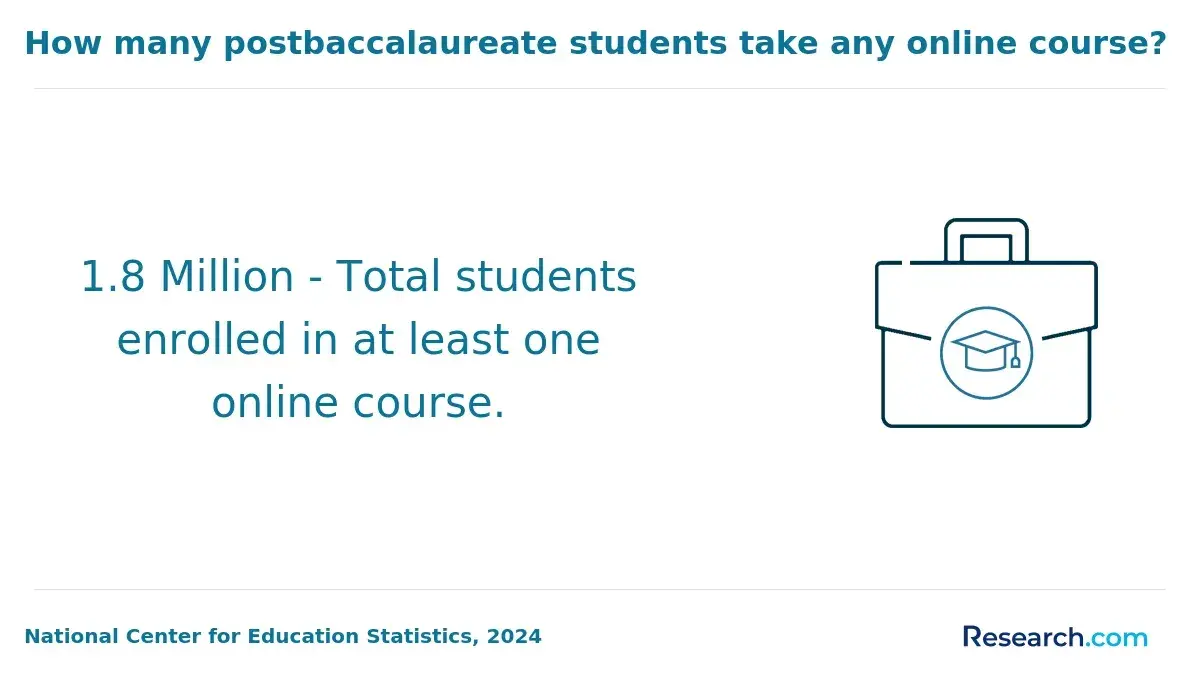
According to the National Center for Education Statistics, 35% of students enrolled in religious studies programs choose online options for flexibility. Understanding these rules is crucial for planning a successful academic path. This article clarifies typical admission standards, credit expectations, and eligibility, helping readers navigate and meet the demands of online Religious and Christian Studies degree programs effectively.
Key Benefits of Preparing for Online Religious and Christian Studies Bachelor's Degree Requirements
- Choosing the right program requires research into accreditation, faculty expertise, and curriculum focus to align with career goals in ministry, education, or counseling.
- Maximizing transfer credits from prior college work or military service can shorten degree completion time and reduce tuition costs significantly.
- Completing the degree opens doors to roles in pastoral leadership, nonprofit management, and religious education, with growth projected at 7% through 2030 in these fields.
What Are the Basic Eligibility Requirements to Apply for an Online Religious and Christian Studies Bachelor's Degree?
In undergraduate online admissions, eligibility refers to the essential qualifications a student must meet before applying to a program. It differs from acceptance, which follows application review, and from enrollment, which takes place after acceptance and administrative processes are complete. Eligibility establishes the minimum standards prospective students must satisfy before beginning their application for online religious and Christian studies bachelor's degree programs.
Most accredited programs set foundational eligibility criteria aligned with national standards and guidelines from the U.S. Department of Education. Common benchmarks include:
- High School Diploma or GED Equivalent: Completion of a recognized secondary education credential ensures readiness for college-level work and is a universal requirement.
- Minimum Age Requirements: Applicants usually must be between 16 and 18 years old, depending on institutional or state policies, to confirm legal capacity and maturity for academic commitments.
- Citizenship or Residency Status: Many programs accept international students; however, proof of legal residency, citizenship, or proper visa status is often necessary, especially for eligibility relating to federally funded financial aid.
- English Language Proficiency: Non-native speakers may need to demonstrate proficiency through exams like TOEFL or IELTS, ensuring their ability to engage with the course content effectively.
- Accreditation Awareness and Credits: Confirming that prior credits come from accredited institutions helps avoid delays and supports transfer credit eligibility, streamlining degree completion.
Prospective students aiming for online Christian studies bachelor's degree programs should consult each college's admissions pages carefully since requirements vary widely. It is also wise for them to inquire about financial aid and transfer credit policies. For those exploring cost-effective options, reviewing programs like the cheapest online masters in artificial intelligence may provide insights on affordable, credit-efficient pathways to degree completion.
What Is the Minimum GPA Required for Admission to an Online Religious and Christian Studies Bachelor's Degree Program?
The minimum GPA for admission to online Religious and Christian Studies bachelor's degree programs varies across institutions. Many programs accept a 2.0 cumulative high school GPA as the basic threshold, while more selective schools typically require a GPA of 2.5 or higher to ensure students are academically prepared. However, the required academic standing for online Christian studies bachelor's admission generally involves a holistic review process, where GPA interacts with class rank, standardized test scores, personal statements, and letters of recommendation to allow admissions committees a fuller understanding of an applicant's potential.
Some institutions distinguish between weighted and unweighted GPAs, with weighted GPAs reflecting course difficulty such as honors or Advanced Placement classes. Knowing which GPA type a school uses is important when evaluating your admission chances. Students who fall just below the typical GPA threshold might still qualify through conditional or probationary admission, providing an opportunity to prove academic commitment once enrolled.
A practical tip for prospective Religious and Christian Studies students is to carefully calculate and self-report their GPA on applications according to the school's method. This means adding up all grade points earned and dividing by the total number of courses, ensuring the calculation aligns with the institution to avoid delays or inaccuracies in the admissions process.
- Varied GPA Requirements: Some programs accept a 2.0 GPA while others require 2.5 or higher depending on selectivity and institutional policies.
- Holistic Admission Review: GPA is considered alongside test scores, letters of recommendation, and class rank to assess a complete academic and personal profile.
- Weighted vs. Unweighted GPAs: Knowing which GPA type is used affects how your academic record is evaluated during admissions.
- Conditional and Probationary Admission: Applicants below GPA thresholds may gain entry through alternative pathways emphasizing future academic success.
- Accurate GPA Reporting: Calculating and reporting GPA correctly helps ensure a smoother application process without delays.
Prospective students should also explore options for affordable degree completion paths by researching programs like the cheapest mlis degree online, which provide insight into cost-effective online education models that can serve as a guide for similar Religious and Christian Studies programs.
2026 Update: Ministry Experience and Online Participation Requirements
For this 2026 update, we reviewed requirement areas that can affect completion after admission, especially practical ministry, worship, and online engagement expectations in Religious and Christian Studies programs.
- Whether the program requires a practicum, internship, service-learning project, or supervised ministry experience
- If students must arrange their own placement through a church, nonprofit, school, or community organization
- Any expectations for live online classes, chapel participation, discussion attendance, or scheduled group projects
- Whether ministry placements require background checks, references, training, or approval from the department
- How theological tradition, denomination, or faith commitments may shape coursework and participation
- Whether online students need access to specific software, video tools, library resources, or proctored exams
Checking these details early helps students choose a program that fits their schedule, beliefs, local ministry access, and comfort with online learning requirements.
Many online bachelor's programs in religious and Christian studies, especially those catering to adult learners, have moved toward test-optional or test-free admissions. Applicants often can apply without submitting SAT or ACT scores, allowing schools to consider a broader range of factors such as prior academic work, professional experience, and overall GPA.
- Test-Optional Policies: Most programs allow students to decide if they want to submit standardized test results. Admissions committees weigh transcripts, letters of recommendation, and relevant coursework more heavily in these cases.
- When Test Scores Are Required: Some specialized programs, honors tracks, or merit scholarship considerations may still ask for SAT or ACT scores. Strong test results can increase competitiveness for these select opportunities.
- Typical Score Ranges: Accredited institutions often cite benchmark ranges around 1080 to 1200 for the SAT and 22 to 25 for the ACT. These scores are viewed as indicators of academic readiness but are not rigid cutoffs.
- Policy Differences: Requirements vary widely between schools and are continuously evolving since 2020. Prospective students should verify each program's current standards by consulting official admissions resources before applying.
- Current Trends: Over 1,800 U.S. colleges and universities adopted test-optional or test-blind admissions by 2023, marking a significant shift in undergraduate recruitment practices nationwide.
A professional pursuing an online religious and Christian studies bachelor's degree shared that navigating admissions was smoother without the pressure of standardized tests. He explained, "Being able to focus on my past coursework and work experience felt like a better reflection of my potential." However, he noted the importance of thorough planning, stating, "I made sure to ask the admissions office about scholarship eligibility since some still needed test scores. It helped me strategize how to highlight my strengths beyond numbers." This approach eased his transition back into education and helped him balance career and study goals.
Most accredited bachelor's programs in religious and Christian studies require about 120 credit hours, though some specialized tracks demand up to 128 or 130 credits based on major focus. These credits typically split between general education, core major courses, electives, and a capstone or practicum experience that applies learned concepts practically. The total credit hours for online Christian studies bachelor's degrees vary but generally align with this structure.
Academic credits use semester credit hours (SCH) or quarter credit hours, depending on the institution's calendar. One semester credit hour equates to about one hour of class per week per semester. Quarter credits represent shorter terms and convert to semester credits at roughly two-thirds the value. This conversion is crucial for students comparing programs or transferring credits.
Prior learning credits, including Advanced Placement (AP) scores and College-Level Examination Program (CLEP) results, often reduce the total credits needed, making it quicker and more cost-effective to complete a degree. Understanding how these credits factor into requirements can streamline your path in online religious and Christian studies degree credit requirements.
- Credit Hour Distribution: Programs allocate 30-40 credits to general education, 40-50 to major courses, 20-30 for electives, and 3-6 credits for capstone or practicum projects.
- Semester vs. Quarter Credits: Students must convert quarter credit hours to semester equivalents (1 quarter credit ≈ 0.67 semester credit) for accurate completion tracking and transfer.
- Transfer and Prior Learning Credits: Many schools accept credits from previous coursework, AP exams, or CLEP, reducing the need for additional online credits.
- Capstone and Practicum Components: These final projects or internships, worth 3-6 credits, integrate academic learning with practical application.
- Credit Variation by Program: While 120 credits is standard, some religious and Christian studies degrees require more to cover specialized or experiential learning.
For those seeking affordable education paths, exploring opportunities like transfer credits and prior learning assessments is vital. It's also helpful to consult resources such as best online bookkeeping certificate programs for financial aid strategies and credit optimization techniques applicable across fields.
Most online religious and christian studies bachelor's programs require foundational high school courses before admission. A strong command of English composition and literature is typically mandatory to ensure analytical reading and writing skills. Math prerequisites often include coursework up to Algebra II to develop logical thinking essential for critical analysis.
- Core Coursework: Completion of English and math classes is usually required to prepare students for the program's rigorous reading and reasoning demands.
- Recommended Humanities: Subjects like history, philosophy, or government are advised to deepen contextual understanding but may not be compulsory.
- Dual Enrollment Credits: Many institutions accept college credits earned during high school, allowing students to satisfy prerequisites early and potentially shorten time to degree.
- Remedial Options: Students lacking necessary preparation can often access bridge courses after enrollment, though this may extend their overall program duration.
- English Proficiency: Demonstrated skill in English, through coursework or tests, is critical for success in online discussions and assignments.
A professional who advanced their career after completing an online religious and christian studies bachelor's degree shared how navigating prerequisites initially felt overwhelming. She recalled having to confirm which high school classes transferred and the extra effort required to arrange dual enrollment credits before starting. While bridge courses eased some gaps, she emphasized that early preparation in English and critical thinking boosted her confidence and allowed a smoother transition to college-level work. The ability to track credits and communicate clearly with admissions made all the difference in managing her path efficiently from high school to degree completion.
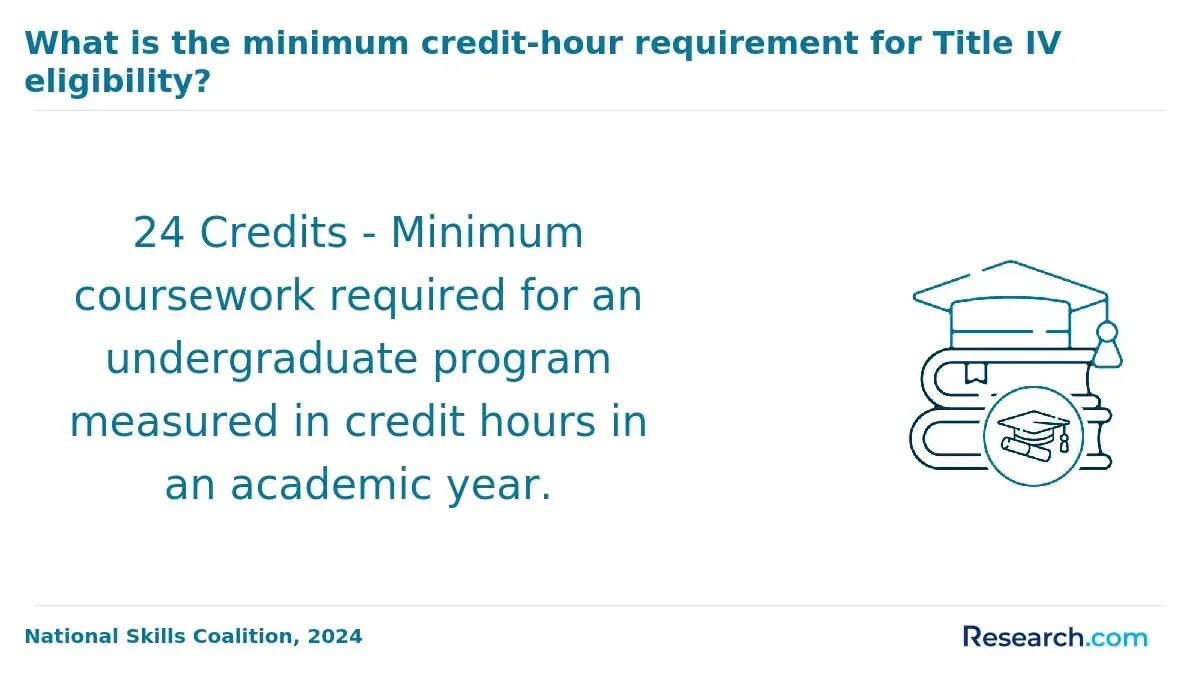
Most accredited institutions allow students to transfer between 60 and 90 credits toward an online religious and Christian Studies bachelor's degree, though exact limits differ depending on each school's policies and program requirements. Schools with transfer-friendly practices-often those having 2+2 articulation agreements connecting community colleges and universities-typically accept more credits, easing the transition for transfer students compared to institutions with stricter caps.
When evaluating transfer credits, registrars carefully review transcripts to determine how previous coursework aligns with the religious and Christian Studies curriculum. They compare course topics, credit hours, and academic level to assess equivalency. Credits that are unrelated to the discipline or come from unaccredited sources often do not qualify for transfer.
Prospective students should request an official transfer credit evaluation early in the admissions process. This helps clarify exactly how many credits will apply toward their degree, allowing more accurate planning of remaining coursework and avoiding unexpected delays.
- Maximum Transfer Credits: Most programs accept between 60 and 90 transfer credits, but specific limits vary by institution and the degree's structure.
- Transfer-Friendly Schools: Colleges with formal articulation agreements generally offer more flexible credit transfer options, making it easier for community college students to continue their studies.
- Transcript Evaluation: Registrars assess whether prior courses match the religious and Christian Studies program in content and rigor to determine credit applicability.
- Non-Transferable Credits: Credits from coursework unrelated to religious or Christian studies or from unaccredited institutions are typically excluded.
Recent data from the National Student Clearinghouse Research Center shows nearly 60% of adult learners use transfer credits when pursuing online degrees, underscoring the importance of understanding transfer policies early on.
Institutional Accreditation: Regional and national accreditations come from agencies recognized by CHEA or the U.S. Department of Education. Schools with regional accreditation often enforce more rigorous admission standards and offer degrees that are widely accepted by employers and graduate programs, ensuring greater career and educational mobility.
Programmatic Accreditation: Some Religious and Christian Studies disciplines require additional specialized accreditation from theological or discipline-specific bodies. These programmatic accreditors may set distinct admission criteria and curriculum standards that affect a student's eligibility and ultimately the value of the degree.
Credit Transferability: Transfer credits are typically honored more reliably between regionally accredited institutions. Students aiming for graduate education or positioning themselves for specific employers should prioritize accredited programs to ensure smooth credit transfer and degree recognition.
Graduate School Recognition: Degrees from unaccredited institutions often face rejection by graduate schools and licensing boards, which can limit professional advancement and the practical use of the degree even after completion.
Enrollment Decisions: Prospective students must thoroughly research a school's accreditation status before applying. Verification through official accreditor websites and direct communication with admissions offices about accreditation, recognition, and graduate outcomes is essential to avoid costly mistakes.
Recent studies indicate that over 85% of those holding online Religious and Christian Studies degrees strongly prefer accredited programs, reflecting how accreditation shapes employability and further education opportunities.
Official Transcripts: Obtain official high school transcripts sent directly from your institution to verify your academic history. If you have attended college, official college transcripts are also required to assess transfer credits. While some programs accept unofficial transcripts initially, official versions are mandatory before enrollment. These documents are essential when applying to an online religious and Christian studies bachelor's degree program in the US.
Government-Issued ID: A valid form of identification like a driver's license or passport is needed to verify your identity throughout the application process. Some schools may require notarized copies or additional proof if your ID is expired or unclear.
Application Essays or Personal Statements: Many online Christian studies bachelor's degree programs require a personal essay detailing your motivation, faith background, or career goals. This personal statement can distinguish your application by highlighting your commitment and suitability for the program.
Letters of Recommendation: Selective programs often request two or three recommendation letters from teachers, employers, or religious leaders who can vouch for your character and academic potential. These letters provide valuable external validation of your readiness for the field.
Résumé or Curriculum Vitae: Some programs suggest or require a résumé outlining relevant work, volunteer activities, or ministry experience. This document helps admissions committees evaluate your practical skills alongside your academic record.
Portfolio (If Applicable): Though uncommon, a portfolio showcasing creative or ministry-related work such as published articles or sermon outlines may be requested.
Certified Translations: International applicants need certified English translations of all non-English transcripts and documents. Accurate translations ensure fair assessment of foreign credentials.
Official vs. Unofficial Documents: Official documents are sealed, signed, or sent directly by issuing institutions to verify authenticity. Unofficial copies or scans may be accepted initially but are insufficient for final acceptance.
Time Management: Begin gathering your application materials at least two to three months before deadlines. Rolling admissions offer flexibility, but semester-based programs have firm cutoffs. Early preparation reduces stress and allows time to correct or request missing documents.
For those exploring paths to affordably earn this credential, consider researching the online human services degree as a related program with flexible credit and time options.
Most accredited U.S. online religious and Christian studies bachelor's degree programs require non-native English speakers to demonstrate proficiency in the English language. This measure ensures students can comprehend course materials, participate actively, and complete assignments at the expected academic level.
- Common Tests: Standardized exams such as the TOEFL iBT, IELTS Academic, and Duolingo English Test are widely accepted as proof of English proficiency in these programs.
- Minimum Scores: Typical undergraduate admission thresholds range from 61 to 80 on the TOEFL iBT, a band of 6.0 to 6.5 on the IELTS Academic, or equivalent scores on the Duolingo test.
- Exemptions: Applicants from English-speaking countries or those who have completed several years of prior education in English-medium institutions may be exempt from submitting test scores. Schools generally require official documentation to verify this background.
- Conditional Admission: Some programs offer conditional acceptance alongside ESL bridge courses or language support for students who do not yet meet minimum proficiency. This approach allows learners to earn credits while improving language skills.
Before applying to religious and Christian studies online programs, prospective students should verify each school's language proficiency policies. Asking admissions offices clear questions about their requirements and available support services is essential. This preparation helps align expectations and supports a smooth admission process.
For prospective students exploring accessible pathways to degree completion, especially those considering credit transfer and financial aid, institutions offering associates degrees online can serve as strategic stepping stones in a cost-effective, credit-efficient academic journey.
Additionally, understanding English language proficiency requirements for online Christian studies bachelor's programs is just one aspect within a broader set of admission criteria, including minimum GPA, test policies, accreditation, and transfer credit standards, all vital for successful enrollment and progression.
The College-Level Examination Program (CLEP) allows students to earn undergraduate credit by passing exams in various subjects. A score of 50 or higher, as advised by the American Council on Education (ACE), is accepted by over 2,900 colleges for credit transfer. However, policies differ; some religious and Christian studies online bachelor's programs accept CLEP credits broadly, while others restrict them to general education requirements.
- Institution-Specific Policies: Acceptance of CLEP credits varies between schools. Prospective students should confirm whether their program uses CLEP credits toward major requirements or only for general education.
- Other Prior Learning Options: Prior learning assessment (PLA) can include DANTES/DSST exams, portfolio evaluations, and credits for professional certifications, military experience, or work-related learning, broadening opportunities to earn credit.
- Early Communication: Contacting the registrar or admissions office early helps clarify credit transfer policies and can streamline course planning to avoid unnecessary classes.
- Cost and Time Savings: Leveraging CLEP exams and PLA options can reduce tuition expenses and shorten the time needed to complete a religious and Christian studies degree program.
Many public universities offer in-state tuition rates to online students regardless of where they live, often through the State Authorization Reciprocity Agreement (SARA). This agreement enables institutions in participating states to deliver online programs to students residing out-of-state without breaching specific state authorization regulations. This arrangement simplifies access for those pursuing an online religious and Christian studies bachelor's degree across state lines.
However, not every institution participates in SARA, and some may still assess out-of-state tuition for their online degrees. Confirming each school's tuition policies before applying can prevent unexpected financial burdens. Residency documentation might be necessary to qualify for in-state pricing, typically including items like utility bills, voter registration cards, or driver's licenses.
- Sara Overview: SARA is an interstate pact allowing member states to share regulatory oversight, letting eligible students enroll in online courses without state-specific approvals.
- Tuition Differences: While many schools offer in-state rates due to SARA, others maintain higher out-of-state fees, requiring careful research on tuition costs for religious and Christian studies programs.
- Proof Of Residency: Students may need to supply documents such as utility statements or state IDs to confirm residency eligibility for in-state tuition discounts.
- Verification Process: Contact admissions or financial aid offices to clarify how residency affects tuition and learn which documents are required to secure lower rates.
What Graduates Say About Preparing for the Online Religious and Christian Studies Bachelor's Degree Requirements
- Jase: "Pursuing an online religious and Christian Studies bachelor's degree was a defining choice for me, but understanding the exact admission requirements beforehand made all the difference. Knowing what documents and prerequisites were necessary helped me apply confidently and avoid delays. This clarity gave me an edge, allowing me to focus on my studies and career growth without unnecessary stress."
- Kyro: "Reflecting on my journey, I realize how crucial it was to grasp the credit policies and eligibility criteria early on. It enabled me to transfer a significant number of credits from previous courses, which sped up my graduation timeline and lowered costs. For anyone considering an online religious and Christian Studies degree, I can't recommend enough that you get familiar with these details upfront."
- Aaron: "Enrolling in an online religious and Christian Studies bachelor's degree program genuinely impacted my career trajectory. With a solid understanding of admission requirements and credit eligibility, I was able to choose a program perfectly aligned with my goals, opening doors to professional opportunities in ministry and community leadership. It's more than education-it's a foundation for meaningful work."
Other Things You Should Know About Religious and Christian Studies Degrees
The program should be accredited by a U.S. Department of Education-recognized institutional accreditor, and many Christian schools also seek approval from the Association for Biblical Higher Education (ABHE) or TRACS. Accreditation affects transfer credits, graduate school access, and federal financial aid eligibility.
Completion time for an online religious and Christian studies bachelor's degree generally ranges from three to four years for full-time students. Part-time students or those with transfer credits might need additional time, often extending the duration to five or more years. Accelerated programs are available at some institutions, allowing students to finish sooner with a more intensive course load.
- Uncovering the Nuances: Exploring the Criteria for a Christian University and Understanding State Religious Exemptions for Students https://www.eceiuniversity.org/post/uncovering-the-nuances-exploring-the-criteria-for-a-christian-university-and-understanding-state-re
- Top Online Schools That Accept Transfer Credits https://www.edvisorly.com/student-guides/online-schools-that-accept-transfer-credits
- BCS - Bachelor Of Christian Studies application form pdf download https://collegeadmission4u.com/courses/arts/bachelor-of-christian-studies/tags/application-form-pdf-download
- Online Undergraduate https://www.leeuniversity.edu/online/undergraduate/
- Ba In Religious Studies https://www.gotouniversity.com/programs/bachelors/united-states-of-america/philosophy-religion-and-theology/religion-and-theology/missouri-state-university/ba-in-religious-studies
- Online Bachelor's Degrees Admissions Requirements https://www.biola.edu/admissions/online-bachelors/requirements
- Credit for Prior Learning - Evangel University https://www.evangel.edu/colnews/prior-learning-assessment/
- How does accreditation work for Christian colleges and universities? https://christianconnector.com/Faqs/Accreditation_christian.cfm
- Christian education - Bachelor's degree https://www.zbs.com.ua/en/christian-education-bachelors-degree
- Transfer Students https://globalcu.edu/transfer-students/