2027 Regional vs National Accreditation for Online Religious and Christian Studies Bachelor's Degrees

Co-Founder and Chief Data Scientist
Imagine a student eager to pursue an online bachelor's degree in Religious and Christian Studies, torn between enrolling at a regionally accredited university known for broad credit transfer and employer recognition, and a nationally accredited institution promising more flexible scheduling and potentially lower costs. Concerns arise about whether credits will transfer seamlessly to graduate programs or if employers will value the degree equally. This dilemma often affects long-term academic and career plans in ministry, education, or counseling.
Currently, 45% of online Religious and Christian Studies students report transfer credit issues when changing schools. This article explores the differences between regional and national accreditation, highlighting their impact on academic standards, credit transferability, and career prospects to guide informed decisions.
Key Benefits of Regional vs National Accreditation for Online Religious and Christian Studies Bachelor's Degrees
- Regional accreditation typically offers broader recognition and higher credibility among employers and graduate schools compared to national accreditation, which is often limited to specific faith-based institutions.
- Credits earned through regionally accredited programs generally transfer more easily to other universities and qualify students for diverse graduate studies, while nationally accredited credits may face restrictions.
- Regional accreditation better supports academic and professional goals requiring rigorous standards, whereas national accreditation may suit students pursuing ministry roles within particular religious networks.
What Is the Difference Between Regional and National Accreditation for an Online Religious and Christian Studies Bachelor's Degree?
Regional and national accreditation represent two distinct types of institutional recognition for online Religious and Christian Studies bachelor's degrees. Regional accreditation is granted by one of several regional agencies recognized by the U.S. Department of Education, overseeing institutions within defined geographic areas and emphasizing broad academic quality and institutional integrity. National accreditation, conversely, is typically awarded by specialized agencies focusing on particular types of schools, such as religious or vocational institutions, with standards more closely aligned to their specific missions.
Regional accreditation tends to enforce more rigorous academic criteria covering faculty qualifications, curriculum, and resources. Considering that over 40% of undergraduate students in the U.S. now participate in online education, understanding these differences in accreditation for religious studies bachelor's degrees is vital for prospective students.
The practical implications between regional and national accreditation affect recognition, credit transfer, and acceptance by employers or graduate programs. Regional accreditation generally enjoys wider acceptance nationally, making credits more transferable among institutions and credentials more valued in professional and academic settings.
In contrast, nationally accredited programs may have limited credit transferability and face barriers when students seek to progress to graduate education or some employment sectors outside their network. Those pursuing an online Religious and Christian Studies bachelor's degree should carefully assess how accreditation impacts their goals and opportunities. For a broader perspective on related educational choices, see the best college majors that align with future career and academic success.
Which Agencies Provide Regional Accreditation for Online Religious and Christian Studies Bachelor's Degrees?
Regional accreditation in the United States is granted by a select group of recognized agencies that assess colleges and universities to ensure they maintain rigorous academic quality and institutional standards. This type of accreditation is held by about 68% of degree-granting institutions and significantly impacts credit transfer, degree recognition, and eligibility for advanced study.
For students exploring online religious and Christian studies bachelor's degrees, understanding the regional accrediting agencies is essential. The main regional accrediting bodies responsible for overseeing online religious and Christian studies degree programs include the following:
- The Middle States Commission on Higher Education (MSCHE): MSCHE accredits institutions primarily in Delaware, the District of Columbia, Maryland, New Jersey, New York, Pennsylvania, and Puerto Rico. It evaluates the academic quality of online religious and Christian studies programs within these areas.
- The New England Commission of Higher Education (NECHE): Covering Connecticut, Maine, Massachusetts, New Hampshire, Rhode Island, and Vermont, NECHE ensures that institutions maintain high standards for online religious and Christian studies offerings.
- The Higher Learning Commission (HLC): Serving a wide region that includes 19 north-central states ranging from Arizona to Ohio, HLC supervises many schools with online religious and Christian studies degrees.
- The Southern Association of Colleges and Schools Commission on Colleges (SACSCOC): SACSCOC accredits colleges in Alabama, Florida, Georgia, Louisiana, Mississippi, North Carolina, South Carolina, Tennessee, Texas, and Virginia, focusing on both traditional and online religious and Christian studies programs.
- The Western Association of Schools and Colleges Senior College and University Commission (WSCUC): WSCUC's scope includes California, Hawaii, and the Pacific Islands, accrediting institutions with online Christian and religious studies bachelor's degree offerings.
Each of these regional accreditation agencies plays a crucial role in maintaining academic standards and institutional integrity. Students should consider regional accreditation carefully, as recognition by these bodies often affects graduate school admissions and the transferability of credits when pursuing religious and Christian studies. For those seeking affordable options, exploring affordable online MFT programs may also be beneficial when researching related fields.
What Are the Main National Accrediting Bodies for Online Religious and Christian Studies Bachelor's Degree Programs?
National accreditation is generally awarded by organizations that focus on career-centered, technical, or faith-based institutions across the United States. It represents a specialized recognition, with around 6% of accredited schools holding national accreditation according to the Council for Higher Education Accreditation (CHEA). This form of accreditation often suits institutions with distinct missions or vocational goals, leading to multiple agencies overseeing online religious and Christian studies programs.
- Distance Education Accrediting Commission (DEAC): DEAC accredits institutions delivering career-focused and adult education primarily through distance learning, including many faith-based schools offering online religious studies.
- Association for Biblical Higher Education (ABHE): ABHE specializes in accrediting colleges and universities that concentrate on biblical and ministry-related education, covering undergraduate and graduate Christian studies and theology programs.
- Transnational Association of Christian Colleges and Schools (TRACS): This agency accredits evangelical Christian colleges and seminaries, many of which provide online degrees, emphasizing commitment to Christian values.
- Accrediting Council for Independent Colleges and Schools (ACICS): ACICS focuses on accrediting career-oriented schools, some of which include online programs related to religious studies, despite facing some controversy in the accreditation landscape.
Each of these bodies assesses schools based on mission alignment, academic quality, faculty expertise, and support services tailored to online and adult learners. Knowing which national accreditor is involved can assist prospective students in evaluating the specialized strengths and recognition of their chosen religious or Christian studies program.
How Do Admission Requirements Vary by Accreditation Type for an Online Religious and Christian Studies Bachelor's Degree?
Admissions criteria for regionally accredited online religious and Christian studies bachelor's programs usually emphasize academic rigor and preparation. Applicants are generally required to hold a high school diploma or equivalent, submit official transcripts, and provide supporting documents such as personal statements or recommendation letters.
Many of these programs enforce minimum GPA standards or standardized test scores, focusing on applicants' readiness to handle challenging coursework. This selective approach often leads to a more diverse student population, with about 60% of admitted students meeting established academic benchmarks, reflecting a commitment to maintaining quality standards.
By contrast, nationally accredited online religious and Christian studies programs commonly offer more inclusive admission policies, prioritizing accessibility to a broader range of learners. These programs typically accept a high school diploma or GED without requiring standardized test scores or extensive application materials.
The flexibility aims to accommodate non-traditional students, such as working adults or those returning to education after a gap. While this approach increases enrollment opportunities, prospective students should carefully consider how it aligns with their academic ambitions and future transfer options.
How Does Online Religious and Christian Studies Bachelor's Degree Tuition Differ by Accreditation Type?
Tuition rates for online religious and Christian studies bachelor's degree programs differ significantly based on accreditation type, institutional setup, and curriculum structure. National Center for Education Statistics data highlights that regionally accredited institutions generally charge higher tuition than nationally accredited ones. The trend reflects variations in program design and included services.
- Pricing Models: Nationally accredited schools often offer flexible tuition, such as flat rates per credit or accelerated timelines, which can reduce total costs. In contrast, regionally accredited programs usually have fixed annual fees covering additional student services.
- Cost Range: Tuition at regionally accredited universities often falls between $10,000 and $25,000 per year, whereas nationally accredited institutions typically charge between $5,000 and $15,000 annually.
- Included Services: Higher prices at regionally accredited schools often include academic advising, library access, and technology support bundled into tuition, while nationally accredited programs may have fewer bundled services.
- Credit Transfer Considerations: Lower tuition at nationally accredited schools comes with potential challenges in transferring credits, which might impact further education opportunities.
- Financial Aid Options: Comparing financial aid options for regionally and nationally accredited religious and Christian studies programs is crucial when evaluating true affordability and long-term value.
Prospective students should weigh these factors alongside their academic and career goals. For those exploring complementary fields, programs like cybersecurity masters online may offer insights into alternative pricing structures and accreditation impacts.
Can I Get Financial Aid for Both Types of Accredited Online Religious and Christian Studies Bachelor's Degrees?
Financial aid options for online religious and Christian Studies bachelor's degrees depend heavily on whether the institution holds regional or national accreditation and its participation in federal and state aid programs. Approximately 85% of college students receive some form of financial assistance, underscoring its role in supporting higher education. The availability and types of aid can vary considerably between accreditation types.
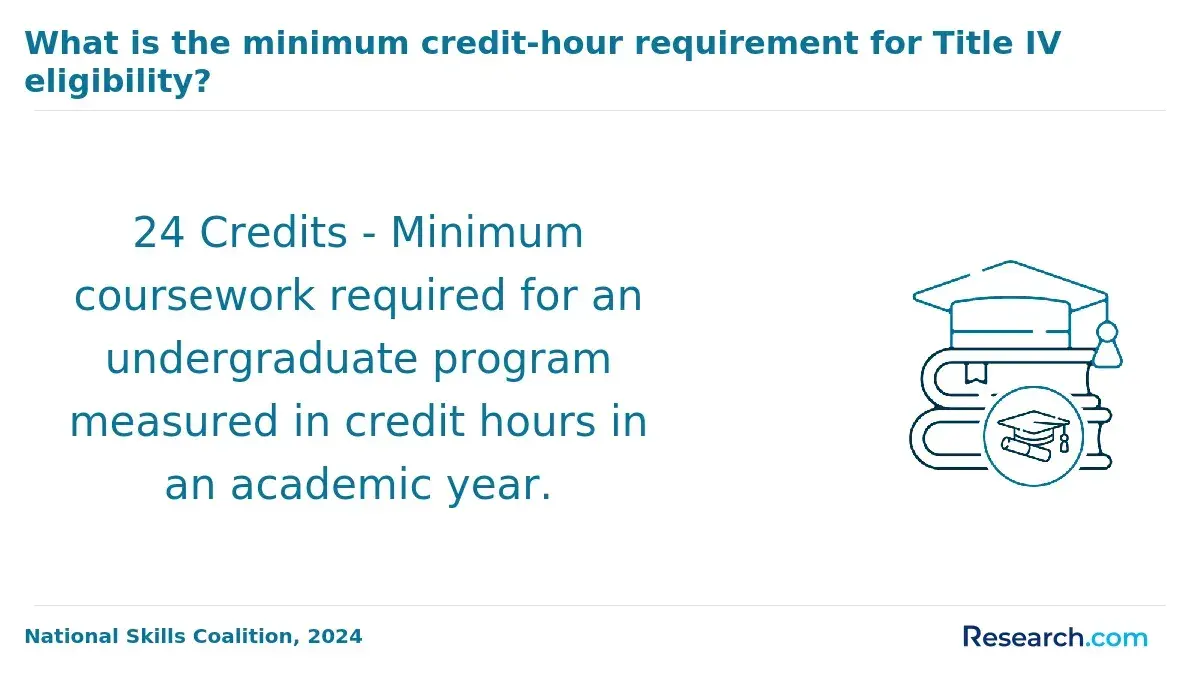
- Federal Pell Grants: These grants primarily support students at regionally accredited schools, which are more likely to participate in federal Title IV programs. While some nationally accredited institutions may offer Pell Grants, many do not, limiting opportunities for their students.
- Federal Student Loans: Students enrolled in regionally accredited religious and Christian Studies programs generally qualify for federal loans, including Direct Subsidized and Unsubsidized Loans. By contrast, nationally accredited schools often lack eligibility for these loans, reducing access to this form of aid.
- Work-Study Programs: Work-study opportunities are typically available through schools involved in federal aid programs, favoring regionally accredited institutions. Nationally accredited colleges seldom participate in these programs, making work-study options rare for their students.
- State Financial Aid: Eligibility for state aid often mirrors federal guidelines and favors regionally accredited programs. Some states may offer assistance to students from nationally accredited schools, but this is less common and varies by location.
- Institutional Scholarships: Both accreditation types may provide scholarships or grants funded by the schools themselves. The criteria and amounts depend on each institution rather than the accreditation status.
Can I Transfer Credits From a Nationally Accredited to a Regionally Accredited Online Religious and Christian Studies Bachelor's Degree?
Transferring credits from a nationally accredited to a regionally accredited online religious and Christian studies bachelor's degree program can be complex and varies greatly by institution. Factors such as the receiving school's institutional policies, the degree of course equivalency, and the overall recognition of accreditation play critical roles in determining transferability.
Typically, regionally accredited schools maintain higher academic standards and tend to accept transfer credits mainly from other regionally accredited institutions, making full transfer from nationally accredited programs less common.
Detailed course descriptions and syllabi often need to be submitted during evaluation, as regionally accredited programs carefully assess whether previous coursework aligns with their curriculum and rigor. This selective process reflects a broader trend in higher education, where regional accreditation is viewed as the gold standard for academic quality and transfer acceptability.
Does Accreditation Type Affect Job Opportunities After an Online Religious and Christian Studies Bachelor's Degree?
Accreditation type can influence how employers view online religious and Christian studies bachelor's degrees, depending on industry standards and hiring practices. Approximately 85% of employers favor candidates with degrees from regionally accredited schools, often due to their perceived academic rigor. This preference plays a significant role in career opportunities after online religious and Christian studies degrees.
- Employer Perception: Regional accreditation is generally seen as a mark of higher academic quality, making these degrees more recognizable across various sectors, including faith-based organizations. National accreditation, while often respected within specific religious communities, may be less familiar to some employers.
- Industry Expectations: Certain employers, especially within ministries or nonprofits, prioritize regional accreditation for roles that require graduate education or ordination because many graduate programs require regionally accredited degrees. However, some faith-based employers accept nationally accredited degrees aligned with their denominational beliefs.
- Hiring Filters: Automated résumé scans and application systems sometimes flag degrees from nationally accredited institutions as less rigorous, potentially limiting job opportunities in competitive markets. This hiring filter effect can influence the initial screening process significantly.
- Role-Specific Requirements: Graduate programs and religious bodies often require regionally accredited credentials for advanced roles, affecting career advancement. However, positions focused on specific religious traditions might place more emphasis on institutional affiliations than accreditation type.
Prospective students should carefully evaluate these factors and how they relate to the impact of accreditation on job prospects in religious and Christian studies. Considering program content and institutional reputation alongside accreditation is essential. For those exploring further education, reviewing options like an online masters in communication may also help diversify career pathways.
Will Accreditation Affect Eligibility for Advanced Degrees After an Online Religious and Christian Studies Bachelor's Degree?
Accreditation type significantly influences eligibility and admissions decisions for advanced degree programs after earning an online Religious and Christian Studies bachelor's degree. Approximately 90% of U.S. graduate schools prefer applicants from regionally accredited institutions, which typically enjoy broader recognition for academic quality and easier credit transfer.
Understanding these distinctions helps prospective students navigate graduate school options more effectively.
- Admissions Recognition: Graduate schools predominantly favor degrees from regionally accredited institutions due to their rigorous academic standards. Nationally accredited religious and christian studies bachelor's degree graduate eligibility may be limited, as many programs do not fully accept these degrees for admission.
- Credit Evaluation: Regional accreditation facilitates smoother credit transfer, reducing the need for additional assessments. National accreditation often leads to stricter scrutiny of transferred credits or prerequisite coursework, potentially delaying advanced degree progress.
- Institutional Policies: Policies vary among graduate schools, with some accepting nationally accredited degrees on a case-by-case basis, especially when programs align closely with their mission or religious focus. However, regionally accredited programs generally face fewer eligibility hurdles.
- Graduate Program Limitations: Certain master's or doctoral programs explicitly require graduation from regionally accredited schools to maintain academic consistency. This ensures adherence to widely recognized standards and can directly affect graduate program admission.
Prospective students should carefully verify graduate schools' accreditation policies before applying, especially when considering nationally accredited Religious and Christian Studies programs. Exploring specialized options like the shortest masters degree might also provide efficient pathways to advanced credentials for qualified applicants.
How Do I Choose Between Regional vs National Accreditation for an Online Religious and Christian Studies Bachelor's Degree?
When deciding between regional and national accreditation for an online religious and Christian studies bachelor's degree, students should weigh factors like institutional reputation, academic standards, and program flexibility. Regional accreditation tends to be more esteemed by employers and academic institutions and often ensures that credits transfer more easily between schools or count toward graduate programs.
National accreditation may better serve those seeking specialized religious programs or greater scheduling flexibility, though it might carry less recognition in broader academic or professional settings. Surveys reveal that approximately 60% of students prioritize accreditation status when selecting schools, reflecting its growing significance in higher education choices.
To make an informed decision, students should verify accreditation through official sources such as the U.S. Department of Education or the Council for Higher Education Accreditation. Reviewing a prospective school's transfer policies is essential, as regionally accredited institutions generally accept credits more readily from other regionally accredited schools.
It's also important to align the choice with long-term objectives-those aiming for advanced degrees or careers valuing traditional credentials may prefer regional accreditation. Conversely, students focused on faith-based learning experiences or scheduling flexibility might find national accreditation more suitable for their educational path.
What Graduates Say About Regional vs National Accreditation for Online Religious and Christian Studies Bachelor's Degrees
- Jake: "Choosing a regionally accredited online religious and Christian studies bachelor's program was important to me because I wanted to ensure my degree held value across various institutions and employers. The flexibility of the online format allowed me to balance work and study effectively, though I did have to stay disciplined to keep on track. Ultimately, this degree opened many doors for me in ministry and community outreach roles, confirming that the accreditation greatly enhanced my career prospects."
- Kyro: "Reflecting on my experience, I appreciated the ability to pursue a nationally accredited religious and Christian studies degree online, which offered a practical and affordable path toward advancing my education. While I missed some face-to-face interaction, the program's structure and support services helped bridge that gap. This degree has been invaluable in deepening my theological understanding and strengthening my credentials for chaplaincy work."
- Aaron: "As a professional seeking growth, I chose a regionally accredited online religious and Christian studies bachelor's program to elevate my qualifications with confidence in the program's academic rigor. The challenge of balancing coursework with job responsibilities was worth it, especially knowing the widespread recognition of regional accreditation. My enhanced theological insights and critical thinking skills have significantly benefited my counseling career."
Other Things You Should Know About Religious and Christian Studies Degrees
In 2027, regional accreditation is generally more favorable for credit transfer due to its stringent standards. Credits from regionally accredited institutions are widely accepted, while nationally accredited credits may face restrictions, impacting students' mobility and further education opportunities.
Religious institutions and denominations often prefer graduates from regionally accredited schools because these are seen as more academically rigorous. However, some religious organizations specifically recognize and endorse nationally accredited programs aligned with their doctrinal perspectives. It's important for students to verify institutional recognition depending on their intended career path within religious contexts.
A Christian studies bachelor's program should verify recognition by a U.S. regional accreditor listed by the Department of Education or by a national faith-based accreditor such as ABHE. For seminary-linked programs, ATS approval also matters for graduate-school planning and credit transfer.
References
- Online Bachelor's Degrees Admissions Requirements https://www.biola.edu/admissions/online-bachelors/requirements
- NationsUniversity https://nationsu.edu/
- Understanding the Difference Between Regional and National Accreditation https://www.qahe.org/article/understanding-the-difference-between-regional-and-national-accreditation/
- What Is an Accredited University? | National University https://www.nu.edu/blog/what-is-an-accredited-university/
- National Faith-Related Accrediting Organizations | Council for Higher Education Accreditation https://www.chea.org/national-faith-related-accrediting-organizations-accreditor-type
- 60 Most Affordable Online Christian Colleges https://www.greatvaluecolleges.net/affordable/accredited-online-christian-college-universities/
- Regionally Accredited Online Colleges: What You Need to Know | Tiffin University https://go.tiffin.edu/blog/regionally-accredited-online-colleges-what-you-need-to-know/
- Regional vs National Accreditation: What to Know https://www.faithonview.com/regional-vs-national-accreditation/
- Regional Accreditation vs National: Understanding Key Differences and Benefits - The Scholarship System https://thescholarshipsystem.com/blog-for-students-families/regional-accreditation-vs-national-understanding-key-differences-and-benefits/
- Online Undergraduate Admissions - Grace Christian University https://gracechristian.edu/admissions-aid/online-undergraduate-admissions/