2027 Part-Time vs Full-Time Online Religious and Christian Studies Bachelor's Degree Programs

Co-Founder and Chief Data Scientist
Balancing a full-time job and family commitments, a mid-career professional interested in pursuing a bachelor's degree in religious and Christian studies faces a tough choice: enroll full-time to finish quickly or part-time to manage time more effectively. Nearly 60% of online religious and Christian studies students report choosing part-time enrollment due to work and personal responsibilities. This decision impacts not only the duration of study but career prospects and financial planning. This article explores key differences between part-time and full-time online programs in religious and Christian studies, helping prospective students determine which path aligns best with their goals and circumstances.
Key Benefits of Part-Time vs Full-Time Online Religious and Christian Studies Bachelor's Degree Programs
- Part-time programs offer greater scheduling flexibility, allowing students to balance studies with work and family commitments more easily than full-time programs.
- Full-time online degrees typically enable faster completion, often within four years, while part-time students may take six years or more to graduate.
- Balancing education with personal and career responsibilities is generally more manageable in part-time study, reducing stress and supporting long-term academic success.
What Is the Difference Between Part-Time and Full-Time Online Religious and Christian Studies Bachelor's Degree Programs?
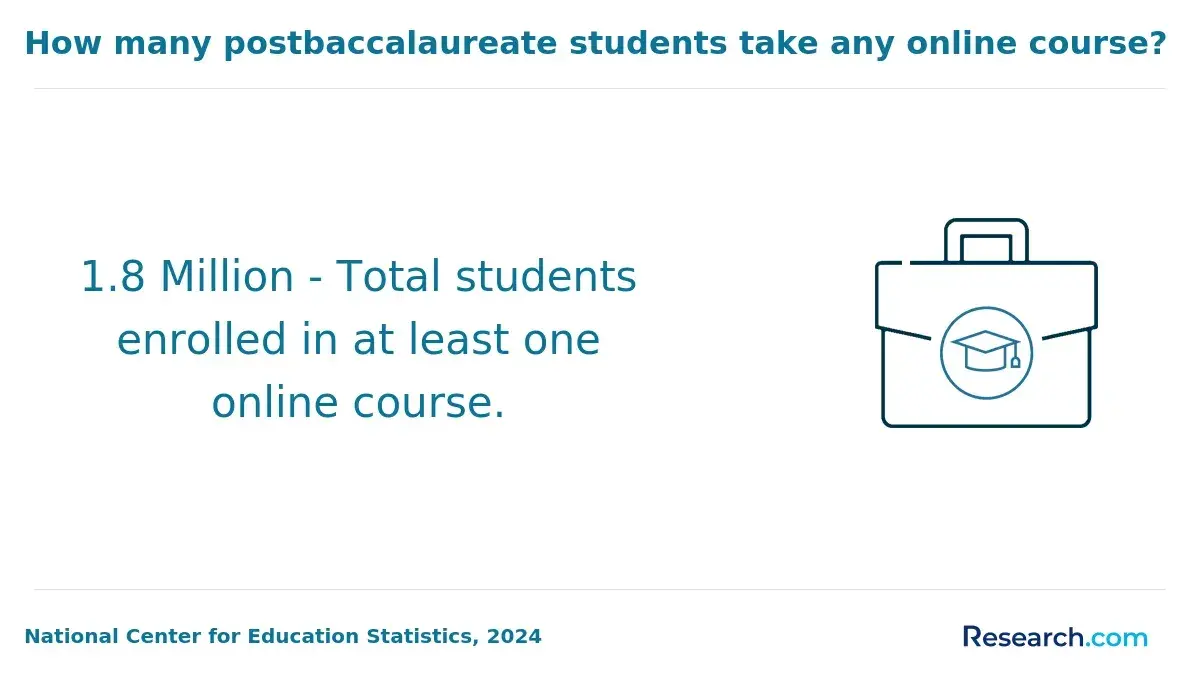
Part-time and full-time online religious and Christian studies bachelor's degree programs primarily differ in workload, pacing, and time commitment. About 36% of undergraduate online students in the U.S. enroll part-time, reflecting a strong preference for flexible study options. These variations influence how students balance their academic goals with personal and professional responsibilities.
Below is a comparison of part-time and full-time online religious studies bachelor's degree part-time vs full-time options to help students choose the best fit.
Part-Time Online Programs
- Course Load: Students take fewer courses each term, which lowers their weekly study hours and allows better balance with work or family commitments.
- Scheduling Flexibility: Often provide multiple start dates and the option to spread coursework across a longer period, ideal for those needing adaptable pacing.
- Study Intensity: The workload is less concentrated, offering students more time to absorb material and engage at a comfortable pace.
- Learning Environment: Utilize the same online platforms as full-time programs but support a more gradual progression through the curriculum.
Full-Time Online Programs
- Course Load: Students enroll in numerous courses per term-typically 12 to 15 credit hours-requiring substantial weekly study time.
- Scheduling Structure: Follow a more rigid schedule with fewer start dates, designed to complete the curriculum in a shorter period.
- Study Intensity: Demands consistent focus and time management to handle a concentrated workload and meet deadlines.
- Engagement Level: Encourages deeper immersion in coursework and faster-paced interaction with instructors and peers.
Those comparing part-time and full-time religious and Christian studies bachelor's degree options should consider their availability, learning preferences, and long-term academic objectives. For more advanced degree options with short durations, some students explore the benefits of a 1 year masters program online as a complementary path.
How Long Does It Take to Complete Part-Time vs Full-Time Online Religious and Christian Studies Bachelor's Degrees?
Completion time for a religious and Christian studies bachelor's degree online varies primarily based on whether students enroll full-time or part-time, as well as their individual pacing. According to the National Center for Education Statistics, the average bachelor's degree completion time for full-time students is approximately 4.5 years. These factors create clear distinctions in how long students typically take to finish their programs. Below is a comparison of part-time and full-time online program durations.
Part-Time Online Programs
- Enrollment Load: Part-time students usually take 6 to 9 credit hours per semester, which slows progression compared to full-time counterparts but offers more flexibility for balancing work or family commitments.
- Pacing Flexibility: This slower pace allows students to manage external responsibilities, but it often extends program duration to five to seven years, reflecting a typical completion time for part-time religious and Christian studies bachelor's degree candidates.
- Course Scheduling: Part-time programs often provide more varied start dates and accelerated sessions, which help maintain enrollment momentum despite the reduced course load.
- Progress Consistency: Student advancement depends heavily on consistently enrolling each term, making personal organization critical to avoid further delays.
Full-Time Online Programs
- Credit Intensity: Full-time students usually enroll in 12 to 15 credit hours per term, allowing faster completion aligned with traditional bachelor's programs.
- Structured Scheduling: Fixed semester cycles and sequential course requirements help promote steady progress through the curriculum.
- Duration Expectation: Most full-time students complete their degree in about four years, a duration that aligns well with students seeking a timely graduation.
- Focused Momentum: The heavier course load demands significant time commitment but facilitates quicker advancement toward graduation goals.
Students exploring options should consider how their personal pace fits with part-time or full-time structures. Those needing a flexible schedule might also explore accelerated programs similar to certain online social work programs, which offer alternatives for faster completion.
What Is the Workload for a Part-Time vs Full-Time Online Religious and Christian Studies Bachelor's Degree?
Students enrolled full-time in online religious and Christian Studies bachelor's programs generally take three to five courses per term, accumulating 12 to 15 credit hours per semester. This workload requires about 30 to 40 hours of study weekly, including reading, assignments, active participation in discussions, and exam preparation. Part-time students tackle one to two courses each term, totaling 3 to 6 credit hours, which translates to roughly 10 to 20 weekly study hours. This reduced pace offers greater flexibility, enabling learners to juggle other commitments while extending the time needed to finish the degree. Both schedules demand consistent engagement, but full-time study moves at a notably faster rhythm.
The level of academic rigor is similar between part-time and full-time formats, though full-time students face a denser concentration of simultaneous assignments and tighter deadlines. Their schedule requires adept time management and the ability to prioritize multiple tasks efficiently. Conversely, part-time students experience a lighter weekly workload with fewer overlapping deadlines, which can ease stress but calls for sustained dedication over a longer duration. Both groups need to remain actively involved in instructor interactions and discussion forums, albeit the volume of communication and assignment frequency is elevated for those studying full-time. Developing discipline and organizational skills is essential in both settings to meet the demands of online religious and Christian Studies coursework.
Which Option Is Better for Working Adults in an Online Religious and Christian Studies Bachelor's Degree?
Part-time and full-time online religious and Christian studies bachelor's degree programs both offer viable paths for working adults, depending largely on individual schedules, workload capacity, and personal commitments. Nearly 40% of online undergraduate students are employed full-time, demonstrating the need for adaptable study options. Several important factors differentiate these two approaches.
- Scheduling Flexibility: Part-time programs typically provide more adaptability, allowing students to spread coursework out over a longer period while balancing job and family responsibilities.
- Workload Intensity: Full-time students face a more demanding academic load each term, which may prove challenging for those with limited availability outside of work hours.
- Time Management: Maintaining full-time study requires regular, focused time blocks every week, whereas part-time study relies on enduring motivation over an extended timeframe.
- Pace of Completion: Full-time enrollment often leads to quicker graduation, typically in around four years, while part-time students frequently take six years or more to finish.
- Academic Engagement: Full-time learners may benefit from deeper immersion and more peer interaction, but part-time study offers better opportunities to balance school with outside commitments.
One working professional who enrolled in an online religious and Christian studies program shared her experience, emphasizing the balancing act required daily. She described the initial struggle to carve out consistent study hours amid family and job demands, but found that gradually adapting her routine made her coursework manageable. "It's been rewarding to see progress even on a part-time schedule," she reflected, noting that staying motivated without the constant immersion of a full-time cohort took conscious effort. Her story highlights how personal discipline and flexibility are key in navigating this journey, regardless of the study load chosen.
Can I Switch From Part-Time to Full-Time in an Online Religious and Christian Studies Bachelor's Degree?
Many online bachelor's degree programs in Religious and Christian Studies permit students to adjust their enrollment from part-time to full-time or vice versa, accommodating shifts in work, personal life, or academic progress. This flexibility is especially important for nontraditional learners balancing various responsibilities, with about 40% of these students changing their enrollment intensity during their studies. Such adaptability allows learners to manage their course loads according to their evolving circumstances. Changing enrollment status in online religious studies bachelor programs is a common practice, helping students align their education pace with life's demands.
When switching between part-time and full-time study, students must carefully consider factors like the increased academic workload and the pacing differences that could affect course completion timelines. Programs often require approval from academic advisors or registrars, and these procedural steps could influence anticipated graduation dates. Adjusting course load impacts weekly study hours and may change how courses are sequenced or when they are offered. For those interested in other affordable education options, exploring the cheapest cybersecurity degree programs can be beneficial.
How Does Tuition Differ for Part-Time vs Full-Time Online Religious and Christian Studies Bachelor's Degrees?
Tuition costs for online religious and Christian studies bachelor's degrees vary based on whether students enroll part-time or full-time, how quickly they progress, and the institution's billing methods. On average, the per-credit price for these programs hovers around $294 nationwide, which is slightly above traditional classroom rates. Next, we will explore how tuition typically differs between part-time and full-time online learners.
Part-Time Online Programs
- Per-Credit Billing: Tuition is usually charged by the credit, allowing students to pay only for the courses they take each term, which helps manage expenses incrementally.
- Extended Duration: Because part-time students take fewer credits each semester, their overall time to degree completion lengthens, potentially increasing total costs due to fee accumulations or rate changes.
- Flexible Payments: Distributing tuition payments over more terms can ease financial pressure but may also mean ongoing administrative or enrollment fees over time.
- Cost Control: This model suits those balancing work or family commitments who prefer to spread their tuition out instead of paying a larger sum upfront.
Full-Time Online Programs
- Flat Semester Rate: Full-time students generally pay a fixed amount per semester covering a set credit load, typically from 12 to 15 credits, regardless of actual course enrollment within that range.
- Higher Upfront Cost: The lump sum per term means a bigger immediate financial commitment but could lead to a lower cost per credit taken compared to part-time enrollment.
- Faster Completion: Taking more credits concurrently enables full-time students to finish their degree sooner, concentrating tuition payments into fewer terms.
- Potential Savings: Even though each term costs more, the reduced number of total terms might balance or reduce the overall expense for the degree journey.
A graduate of an online Religious and Christian Studies bachelor's degree shared that navigating tuition as a part-time student felt like a balancing act. "I appreciated paying only for what I took each term, but the cost stretched out longer than I expected," he explained. He also noted the uncertainty that came with tuition rate changes over the years, which sometimes made budgeting difficult. Conversely, he recalled peers who took full-time routes mentioning how the larger lump sums could be stressful upfront, but the quicker pace and fewer total payments gave them a sense of relief. His experience underscored how tuition differences often influence both financial planning and emotional wellbeing throughout an online degree path.
Which Option Offers Better Financial Aid for an Online Religious and Christian Studies Bachelor's Degree?
Financial aid availability for online religious and Christian studies bachelor's degree programs typically depends on enrollment status, eligibility criteria, and institutional policies. About 30% of part-time online students receive institutional financial aid, compared to 60% of full-time students. These figures illustrate how full-time enrollment often unlocks access to more financial support options.
Several types of financial aid show clear differences based on enrollment status:
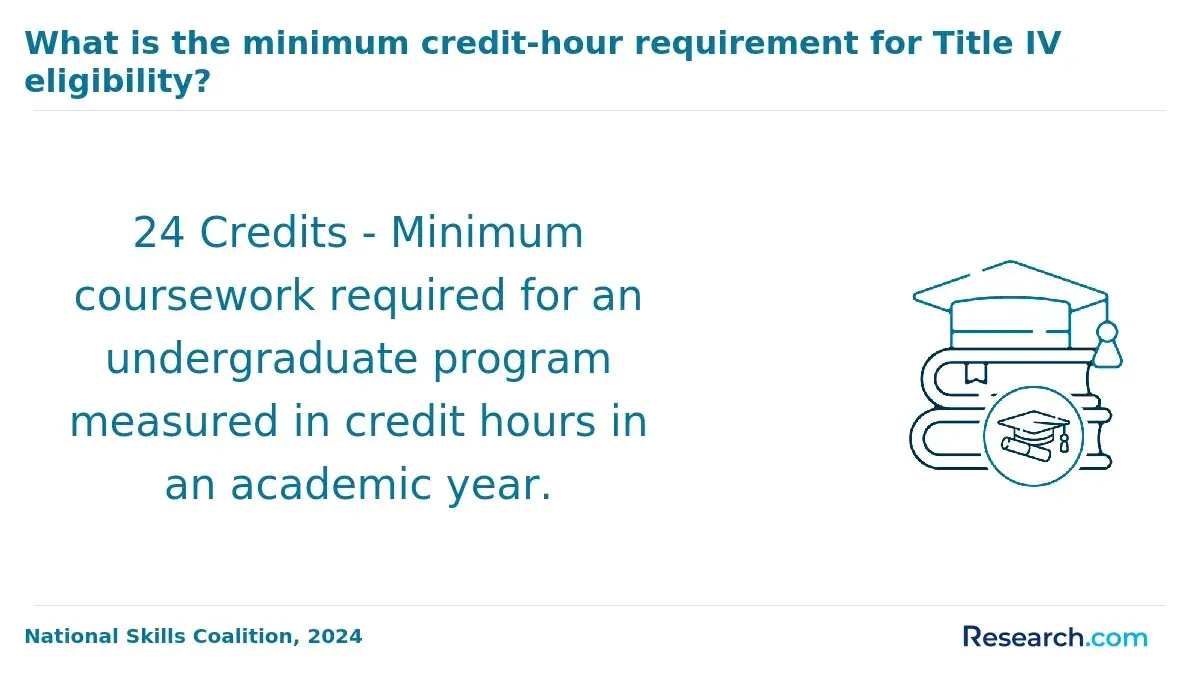
- Pell Grants: Primarily awarded to full-time students, though part-time students who enroll at least half-time may also qualify. Full-time learners generally have greater access due to minimum credit requirements.
- Federal Student Loans: Available to both part-time and full-time students, but full-time status can increase borrowing limits and loan options, providing more funding flexibility.
- Institutional Scholarships: Many institutions prioritize full-time students for scholarships, often limiting eligibility to those enrolled full-time or nearly full-time, reducing opportunities for part-time learners.
- State Grants: These grants frequently require full-time enrollment, so part-time students may face fewer opportunities depending on state-specific rules.
- Work-Study Programs: Usually designed with full-time students in mind, as these programs demand significant time commitments that part-time students might find challenging to meet.
Working adults and nontraditional learners balancing various responsibilities should carefully review aid policies at prospective institutions to maximize available support under their chosen enrollment status.
What Are the Pros and Cons of Part-Time vs Full-Time Online Religious and Christian Studies Bachelor's Degrees?
Choosing between part-time and full-time online religious and Christian studies bachelor's degree programs requires careful consideration of personal schedules and academic goals. Part-time options often suit those balancing work and family, while full-time programs appeal to students seeking quicker completion and deeper immersion. Below is a comparison highlighting the advantages and disadvantages of each.
Pros
- Flexibility (Part-Time): Allows students to manage studies alongside jobs or family responsibilities by taking fewer courses per semester.
- Deeper Understanding (Part-Time): The extended timeframe helps absorb complex theological and historical concepts at a reflective pace.
- Faster Completion (Full-Time): Enables those aiming for career advancement or graduate studies to finish more quickly.
- Immersive Experience (Full-Time): Promotes concentrated focus and greater interaction with faculty and peers.
Cons
- Longer Duration (Part-Time): Extending studies over more semesters may delay career goals or further education.
- Less Peer Engagement (Part-Time): Slower pace can limit opportunities for interaction and collaborative learning.
- Time Demands (Full-Time): Requires significant upfront commitment, making balance with work or family challenging.
- Limited Reflection (Full-Time): The accelerated pace may reduce time to thoroughly apply and reflect on course material.
Those interested in accelerated options might also explore an accelerated human services degree online, which shares some similarities in pacing and flexibility. Comparing part-time vs full-time online Christian studies bachelor's degree benefits and drawbacks can help students choose a program aligned with their personal circumstances and aspirations.
Does Part-Time vs Full-Time Affect Career Outcomes in an Online Religious and Christian Studies Bachelor's Degree?
Employers in 2023 increasingly focus on skills and demonstrated abilities rather than the speed or mode of degree completion, with 65% prioritizing these factors when hiring recent graduates. This trend affects perceptions of part-time vs full-time online religious studies degree job prospects, emphasizing the value of what students learn over how quickly they finish. Several key factors influence how career outcomes develop for students in either enrollment type.
- Skill Development: Deep engagement with the curriculum and practical skills acquisition holds equal importance whether studying part-time or full-time. Mastery of course content is critical to employer evaluation and career readiness.
- Work Experience Integration: Part-time online religious studies degree students often combine work and study, applying academic knowledge directly to real-world roles which can enhance employability. This integrated experience may appeal to employers seeking relevant job skills.
- Degree Credibility: Employers weigh institutional accreditation and program reputation more than enrollment status, reinforcing that degree credibility is a crucial element for career progression regardless of study pace.
- Progression Opportunities: Full-time students may benefit from easier access to internships and networking events, which can accelerate career advancement. These opportunities are less common but still attainable for part-time learners.
- Time Management and Discipline: Part-time students often develop robust organizational skills valued in ministry and nonprofit sectors, contributing positively to their career trajectories.
Prospective students balancing other commitments can consider these factors alongside their schedules to optimize outcomes. For those interested in related fields, exploring an online math bachelor's degree may also offer versatile career benefits.
What Mistakes Should I Avoid in Part-Time vs Full-Time Study?
Deciding between part-time and full-time study for an online religious and Christian studies bachelor's degree demands thoughtful planning. Retention rates in online programs can drop to 40%, often due to challenges like managing heavy workloads and conflicting schedules. Recognizing common mistakes can help students better prepare.
- Underestimating Workload: Both full-time and part-time learners frequently misjudge the effort required. Full-time students might expect more flexibility than reality allows, while part-time students can overlook how even a few courses need steady dedication.
- Poor Time Management: This affects all students but shows differently. Full-time enrollees risk burnout without efficient scheduling, while part-time students may struggle to keep consistent progress over longer periods, dampening motivation.
- Misaligned Schedules: Balancing work and study is difficult. Full-time students may face deadline conflicts with jobs, whereas part-time students might not coordinate course loads well, unintentionally extending their time to graduate.
- Unrealistic Expectations: Some full-time students falsely assume faster completion equals less stress, ignoring intense demands. Part-time students might feel less pressure to stay on track, leading to procrastination and learning gaps.
- Ignoring Support Resources: Overlooking academic advising or peer groups limits both groups. Engaging these supports helps navigate the unique challenges of religious and Christian studies online at any pace.
What Graduates Say About Part-Time vs Full-Time Online Religious and Christian Studies Bachelor's Degree Programs
- Jase: "Choosing a part-time online religious and christian studies program was essential for me since I was working full-time. Balancing coursework with my job was challenging, but the flexible schedule made it manageable and allowed me to stay committed without sacrificing my professional responsibilities. This degree has enriched my ministry work, giving me deeper insight into theology and counseling."
- Kyro: "Enrolling full-time in an online religious and christian studies program was a transformative experience that pushed me to discipline myself and engage deeply with the material. The community of learners and access to diverse resources helped me overcome the isolation often associated with online learning. Now, my career as a youth pastor benefits directly from the academic rigor and spiritual growth I gained through this program."
- Aaron: "As a full-time student in the online religious and christian studies bachelor's program, I found the academic challenges both demanding and rewarding. The structured curriculum and supportive faculty helped me navigate complex theological concepts while maintaining a busy personal life. Graduating from this program has opened doors to leadership roles within my church and enhanced my ability to contribute meaningfully to my community."
Other Things You Should Know About Religious and Christian Studies Degrees
Yes, part-time students in online religious and Christian studies programs can often participate in internships and ministry opportunities. These experiences are typically flexible and may be arranged to accommodate a part-time schedule, allowing students to gain practical experience while balancing their coursework and other commitments.
Part-time online students usually have access to faculty mentorship similar to full-time students. Many programs offer virtual office hours, discussion boards, and one-on-one advising to support students' academic and spiritual growth regardless of enrollment status.
Yes, most part-time online religious and Christian studies programs accept transfer credits from accredited institutions. Transfer policies vary by school, but generally, students can apply previously earned credits toward degree requirements, which can help reduce the total time and cost of completing the degree.
References
- Is Online Christian Education Right for You? | 5 Signs You’re Ready - Calvary Chapel University https://calvarychapeluniversity.edu/2025/06/is-online-christian-education-right-for-you/
- Full-time, part-time, online - which study mode is right for you? https://www.studentspace.pl/en/blog/post/studia-stacjonarne-zaoczne-wieczorowe---ktory-tryb-wybrac
- Are Online Seminary Programs Right for You? Assessing the Pros and Cons https://mcscollege.com/resources/are-online-seminary-programs-right-for-you-assessing-the-pros-and-cons
- Can I change from full time to part time study? https://usqassist.custhelp.com/app/answers/detail/a_id/1447/~/can-i-change-from-full-time-to-part-time-study%3F
- Christian Theology (Part-time) https://www.uwtsd.ac.uk/programme-courses/postgraduate-pgce/philosophy-theology-and-religious-studies/christian-theology-0
- Should I Consider a Part-Time Seminary Program? - Trinity Evangelical Divinity School (TEDS) https://www.tiu.edu/divinity/why-teds/should-i-consider-a-part-time-seminary-program/
- From part time to full time or vice versa https://student.uva.nl/en/information/from-part-time-to-full-time-or-vice-versa
- The Ultimate Guide to Flexible Online Degrees for Busy Working Adults - Grace Christian University https://gracechristian.edu/blog/the-ultimate-guide-to-flexible-online-degrees-for-busy-working-adults/
- Christian Studies Degrees: Bachelor, Associate & Online Class Info https://learningpath.org/articles/Christian_Studies_Degrees_Bachelor_Associate_Online_Class_Info.html
- DBU's Online Degrees: Pros and Cons for Christian Students https://www.dbu.edu/blog/online-degrees-pros-and-cons-christian-students.html