2027 Hybrid vs Fully Online Religious and Christian Studies Bachelor's Degree Programs

Co-Founder and Chief Data Scientist
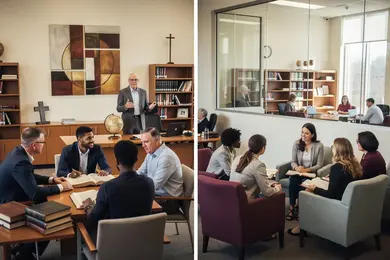
A working parent, passionate about theology, faces a tough choice: attend periodic on-campus sessions or complete all coursework remotely. Balancing family commitments with a desire for classroom interaction, they weigh the benefits of hybrid programs' in-person engagement against fully online options' scheduling freedom. Location and access to fellowship opportunities further complicate the decision.
Nearly 60% of students in online Christian and religious studies bachelor's degrees cite flexibility as a key reason for enrollment. This article examines the advantages and trade-offs between hybrid and fully online religious and Christian studies programs, helping prospective students identify the best fit for their academic and personal goals.
Key Benefits of Hybrid vs Fully Online Religious and Christian Studies Bachelor's Degree Programs
- Hybrid programs offer greater balance by combining scheduled in-person sessions with online coursework, enhancing flexibility compared to fully online formats that rely solely on remote participation.
- In-person interaction in hybrid formats fosters stronger peer connections and mentorship opportunities, which fully online programs may lack, impacting networking and support.
- Hybrid tracks support working students by accommodating professional duties with fewer rigid time commitments, while fully online studies provide maximum scheduling freedom but less direct engagement.
What Is a Hybrid vs Fully Online Religious and Christian Studies Bachelor's Degree?
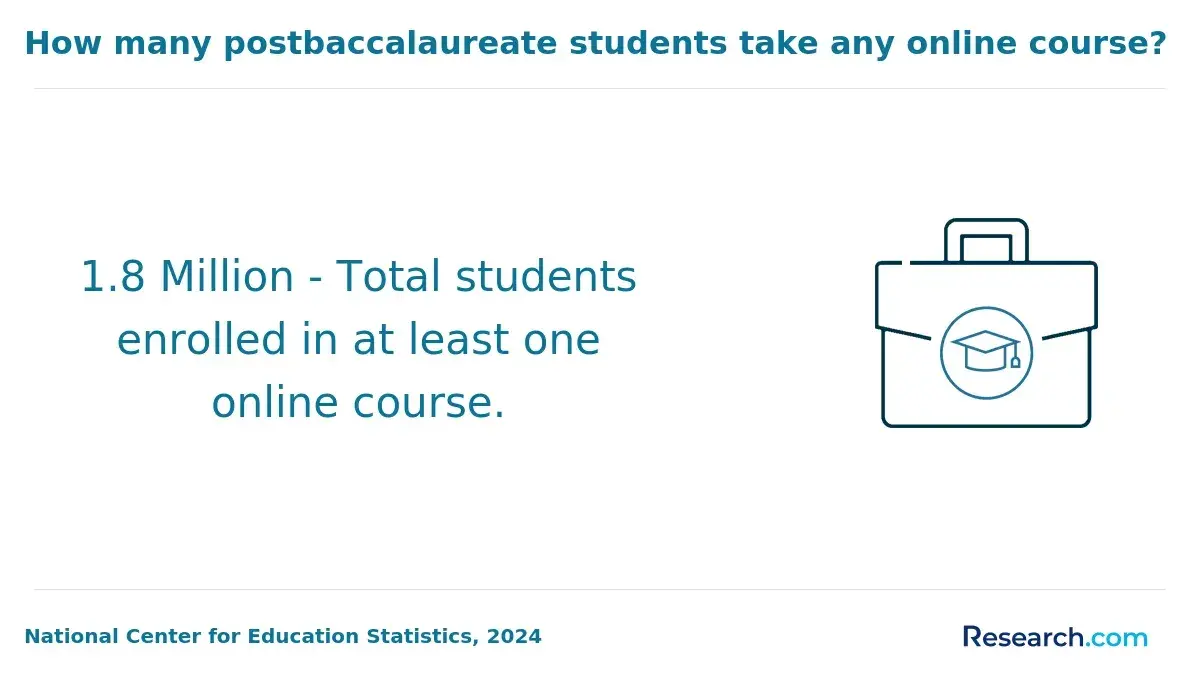
Hybrid and fully online religious and Christian studies bachelor's degree programs differ primarily in how course content is delivered, the level of in-person interaction, and the overall learning structure. According to recent data, nearly 45% of undergraduate students take at least one online course, highlighting the increasing adoption of online and hybrid education formats. Below is a detailed comparison of how these two program types are structured and delivered to help prospective students decide which aligns better with their needs.
Hybrid Programs
- Hybrid programs combine online coursework with scheduled in-person class sessions, giving students both digital flexibility and face-to-face learning experiences.
- Students must balance on-campus attendance with completing assignments online, requiring effective time management and planning.
- Regular in-person interaction with professors and classmates promotes immediate feedback, collaboration, and community engagement.
- The mixed learning format often provides a richer educational experience by integrating technology with physical campus resources.
Fully Online Programs
- Fully online programs deliver all course materials virtually through learning management systems, video lectures, discussion boards, and virtual meetings.
- These programs offer maximum scheduling flexibility, allowing students to complete coursework anytime before deadlines without in-person attendance.
- Online interaction relies on digital platforms, which fosters self-motivation but may feel less personal compared to hybrid formats.
- Emphasis is placed on developing digital literacy and independent learning skills to succeed in a fully virtual environment.
When evaluating hybrid vs fully online religious and Christian studies degrees, it's important to consider how each format matches your learning preferences and lifestyle. For those seeking flexible options that still involve direct faculty engagement, hybrid models may offer an ideal balance. Conversely, fully online programs suit students who prioritize convenience and self-directed study.
For students interested in expanding their qualifications beyond bachelor's degrees, exploring certificate programs that pay well can be a valuable next step.
How Does a Hybrid vs Fully Online Religious and Christian Studies Bachelor's Degree Program Work?
Hybrid and fully online religious and Christian studies bachelor's degree programs both follow structured academic pathways that fulfill degree requirements but differ mainly in course delivery and student interaction. Enrollment in online and hybrid courses has surged, with the National Center for Education Statistics reporting that over 40% of U.S. undergraduates took at least one distance education course in 2020-21. These distinctions shape how students engage with the curriculum and instructors, impacting the learning experience. Below is a comparison of the hybrid religious and Christian studies bachelor's degree program structure versus fully online delivery methods.
Hybrid Programs
- Course content is accessible online to allow flexible study times.
- Students attend scheduled on-campus classes for direct, face-to-face engagement.
- Class participation occurs through both live in-person sessions and online discussion forums.
- Communication happens via email, video calls, and physical meetings.
- There is a fixed timetable combining mandatory in-person attendance with asynchronous online coursework.
Fully Online Programs
- Students have complete access to all course materials online at any time.
- Class participation takes place through virtual discussions and collaborative online group projects.
- Occasional live sessions might be scheduled but are generally not mandatory.
- Communication primarily uses email, chat, and video conferencing platforms.
- Flexible pacing is allowed, with progress guided by deadlines instead of fixed class times.
Those exploring study options may also consider how these structures align with career goals by reviewing 4 year degrees that pay well.
Are Admission Requirements Different for Hybrid and Fully Online Religious and Christian Studies Bachelor's Degrees?
Admission standards for hybrid and fully online religious and Christian studies bachelor's programs generally align but may show subtle distinctions driven by delivery format and institutional practices. Most schools set similar baseline criteria yet adjust specific requirements to support the unique demands of face-to-face versus remote learning environments. Below are some of the key ways these admissions processes might differ.
- Academic Qualifications: Both program types typically demand a high school diploma or equivalent credential. Hybrid options sometimes expect additional in-person prerequisite coursework, especially when hands-on experiences like practicums are part of the curriculum, whereas fully online programs usually maintain a more general academic threshold.
- Technical Requirements: Candidates applying for fully online programs must demonstrate access to dependable internet, suitable technology, and comfort with digital communication platforms. Hybrid programs often require less stringent tech capabilities, given their partial reliance on classroom sessions.
- Application Materials: While transcripts and recommendation letters remain standard for both formats, hybrid applicants may need to supply further documentation that confirms their ability to commute or attend scheduled on-campus activities. Fully online applicants commonly submit conventional paperwork without these extra logistical proofs.
- Program-Specific Prerequisites: Some hybrid studies demand participation in campus orientations or spiritual development events as part of admission. Fully online options often replace these with virtual meetings or digital engagement opportunities.
- Interview or Placement Testing: In-person interviews or placement exams remain common in hybrid programs to assess suitability for classroom dynamics. Conversely, fully online programs might hold these sessions virtually or waive them entirely.
A student enrolled in a fully online religious and Christian studies bachelor's program shared that, although the admission process was straightforward, navigating technological requirements initially felt challenging. She recalled having to verify her internet stability and familiarize herself with the school's learning management system before final acceptance. Reflecting on this experience, she noted that the digital onboarding helped her gain confidence in remote communication early on, making the transition smoother than anticipated. "It wasn't just submitting documents," she explained, "but proving I could engage effectively in an online community, which turned out to be a valuable part of starting the program."
Is the Learning Experience Better in Hybrid vs Online Religious and Christian Studies Bachelor's Degrees?
Hybrid religious and Christian studies bachelor's programs offer a dynamic blend of in-person and online learning that enhances student engagement. Face-to-face sessions allow learners to interact directly with instructors and classmates, fostering lively discussions and timely feedback. This setting supports the development of a close-knit community and encourages accountability, often leading to more active participation. Students also gain access to campus resources such as libraries, study groups, and worship services, which enrich their educational experience. Balancing convenience with direct contact, hybrid formats suit those who value flexibility without sacrificing personal interaction.
Fully online religious and Christian studies degrees provide exceptional flexibility, enabling students to study from any location and often at their preferred pace. However, the absence of physical classrooms can reduce opportunities for spontaneous dialogue and diminish personal connection with peers and faculty. Although digital platforms like discussion boards and video conferencing attempt to replicate engagement, the effectiveness varies depending on program design. Online students often need to be self-motivated to utilize support services, which may be less accessible without campus presence. Despite these challenges, fully online options make religious and Christian studies education accessible to individuals managing busy schedules or geographic limitations.
Which Is More Flexible: Hybrid or Fully Online Religious and Christian Studies Bachelor's Degree?
Hybrid religious and Christian Studies bachelor's degree flexibility comparison reveals that these programs blend online coursework with mandatory in-person sessions. Students must attend scheduled campus classes, worship services, or group activities, which can constrain options for those facing geographic or mobility challenges. While offering some online convenience, hybrid formats still require a consistent physical presence, limiting full control over scheduling. This structure appeals to learners who value direct interaction but need some balance with digital study components. The regular campus visits demanded can be a barrier for students living far from the institution.
Fully online religious and Christian Studies program scheduling advantages lie in their remote accessibility and asynchronous learning formats. Students can engage with lectures, assignments, and discussions at any time, tailoring study schedules around work, family, or other responsibilities. This flexibility is a key reason why approximately 63% of online learners prefer fully online programs over hybrid models. For students seeking the most adaptable educational experience, fully online degrees allow maximum independence in managing their studies. Those interested in options for a cheap criminal justice degree often find similar benefits in the remote learning model.
What Is the Workload for Hybrid vs Fully Online Religious and Christian Studies Bachelor's Degrees?
Although hybrid and fully online religious and Christian studies bachelor's programs maintain comparable academic expectations, their delivery methods create distinct differences in pacing and time management. A 2023 study from the Online Learning Consortium found that students in fully online courses typically dedicate 15 to 20 hours weekly to coursework, a commitment similar to many hybrid formats. These varying structures influence how students plan and engage with their studies.
In hybrid religious and Christian studies programs, coursework is split between scheduled in-person classes and online activities. Students attend fixed lectures, group discussions, or chapel services, which provide a steady framework and require physical presence on campus. This setup encourages regular interaction and a consistent weekly routine, helping those who thrive with direct engagement. Outside of class, learners complete readings, assignments, and quizzes online, balancing independent study with the rhythm of on-campus sessions.
Fully online religious and Christian studies degrees emphasize asynchronous learning, allowing access to lectures, readings, and tasks anytime. This method offers flexibility, suiting students who juggle work or family responsibilities. However, it demands strong self-discipline and careful scheduling, as no live meetings enforce deadlines. The workload involves completing digital assignments, engaging on discussion boards, and self-directed study of theological topics, requiring proactive time management to stay on track.
How Does Tuition Compare for Hybrid vs Online Religious and Christian Studies Bachelor's Degrees?
Tuition costs for hybrid and fully online religious and Christian studies bachelor's degree programs can vary widely based on delivery format, institutional policies, credit hour requirements, and additional fees charged to students. On average, per-credit costs for hybrid options tend to be 10-15% higher than those for fully online programs, reflecting expenses related to campus resources and facilities.
- Per-Credit Costs: Hybrid programs typically charge more per credit hour than fully online programs, as they involve the use of physical campus resources, which increases operational expenses.
- Technology and Campus Fees: Fully online students generally pay technology fees to support digital learning platforms, but they often avoid the higher campus or facility fees that hybrid students must pay.
- Residency and Facility Charges: Hybrid students may be required to cover costs related to on-campus visits, parking permits, and classroom maintenance, fees usually waived for fully online learners.
- Payment Flexibility: Online programs sometimes offer more adaptable tuition payment structures based on course load, potentially reducing overall costs compared to hybrid programs, which often mandate stricter enrollment terms.
- Additional Mandatory Fees: Campus activities and resource fees commonly apply to hybrid students, increasing total tuition, whereas fully online students typically avoid these charges.
A graduate of a hybrid Religious and Christian Studies bachelor's degree shared that balancing tuition costs with the program's value was a personal challenge. He explained, "I realized early on that the higher costs were tied to mandatory campus visits and fees, which were not optional." He also mentioned that navigating these extra expenses required careful budgeting and impacted his decisions regarding course scheduling. "It wasn't just about tuition per se but factoring in parking, facility charges, and some unexpected mandatory fees," he added, underscoring the importance of understanding all cost components before enrolling in hybrid programs.
Do Employers Prefer Hybrid or Fully Online Religious and Christian Studies Bachelor's Degrees?
Employer perceptions of hybrid and fully online religious and Christian studies bachelor's degrees have shifted as online education has gained legitimacy. Studies show that over 85% of employers now recognize online degrees as equivalent to traditional ones, reflecting broader acceptance of these learning formats across the job market. This trend highlights evolving employer preferences for hybrid vs online Christian studies degrees specifically, which can influence hiring decisions.
- Balance of Interaction: Hybrid degrees are often valued for combining technological skills with face-to-face engagement. Employers see this format as evidence of a graduate's ability to navigate both digital communication and in-person settings, which is vital in many religious vocations.
- Flexibility and Skills: Fully online programs emphasize adaptability and proficiency with remote collaboration tools. Employers acknowledge that graduates from these programs are well-prepared for ministry or community leadership roles that increasingly rely on virtual communication methods.
- Social Engagement: Hybrid formats offer visible interpersonal experience through in-person components, which some employers consider an advantage when assessing communication and relational skills important in Christian studies careers.
- Accreditation and Rigor: Employers often regard the reputation and accreditation of the institution more than format. Fully online degree holders from rigorous programs are viewed as having competencies comparable to those with hybrid degrees.
Students weighing their options might also explore available online masters degrees in counseling, which share overlapping skill sets relevant to ministry and community leadership. Overall, understanding employer preferences for hybrid vs online Christian studies degrees can help candidates choose programs suited to their career goals and lifestyle.
Who Should Choose a Hybrid vs Fully Online Religious and Christian Studies Bachelor's Degree?
The choice between hybrid and fully online religious and Christian studies bachelor's degree programs largely depends on individual learning preferences, schedule flexibility, and lifestyle needs. Both formats can accommodate different student profiles effectively. Below is a comparison highlighting which type of student might benefit most from each format.
- Community Engagement: Students who value regular face-to-face interactions and campus involvement often prefer hybrid religious and Christian studies bachelor's degree benefits. These programs offer in-person discussions and access to campus-based resources that enhance spiritual and academic growth.
- Schedule Flexibility: Those with demanding jobs or family responsibilities may find fully online programs more suitable. The ability to study asynchronously allows learners to balance education with their daily commitments effectively.
- Hands-On Experiences: Hybrid formats support students who benefit from practical, hands-on learning experiences that require periodic on-site attendance, such as attending chapel services or group worship activities.
- Remote Accessibility: Fully online programs best serve learners in remote or rural areas where commuting to campus is impractical, providing a pathway to Christian education without geographic constraints.
- Self-Directed Learning: Students who excel in independent study and prefer managing their own coursework pace tend to thrive in fully online religious and Christian studies degree suitability environments.
- Partial Campus Immersion: Those seeking some campus immersion but who cannot commit full-time to in-person classes often benefit from hybrid programs that balance online convenience with occasional face-to-face experiences.
For students considering advanced studies, exploring the fastest masters degree online options may further inform their academic planning and career goals.
How Can I Succeed in a Hybrid vs Fully Online Religious and Christian Studies Bachelor's Degree Program?
Success in hybrid and fully online religious and christian studies bachelor's programs involves tailored approaches that reflect their unique formats. Hybrid programs blend in-person sessions with online components, offering structure and face-to-face interaction, while fully online formats demand strong self-motivation and digital proficiency. The following strategies highlight key differences and shared tactics for each setting.
- Time Management: Hybrid students coordinate scheduled campus classes with asynchronous assignments, whereas fully online learners must build a daily routine to maintain progress without physical class meetings.
- Active Engagement: Hybrid learners benefit from in-class discussions to clarify concepts, while fully online students should take initiative by participating in video calls, forums, and regular communication with instructors.
- Digital Tool Use: Proficiency with learning management systems, video lectures, and online libraries is essential for fully online students; hybrid students combine these with campus resources like libraries and study groups.
- Note-Taking: Hybrid students can mix handwritten and digital notes from live lectures; fully online students rely on well-organized digital notes to review material efficiently.
- Goal Setting and Feedback: Both formats require setting clear objectives and actively seeking instructor feedback to stay on track and improve understanding.
- Study Environment: Creating a distraction-free space supports focus for all students, though hybrid learners also benefit from prioritizing attendance, and online learners must be proactive in communication to remain connected.
What Graduates Say About Hybrid vs Fully Online Religious and Christian Studies Bachelor's Degree Programs
- Jase: "Choosing a fully online religious and christian studies program was essential for me as I needed flexibility around my full-time job and family commitments. The ability to access lectures and course materials anytime helped me balance life and study without feeling overwhelmed. Graduating has opened new doors in my ministry work and enhanced my understanding of theology in practical settings."
- Kyro: "Enrolling in a hybrid religious and christian studies bachelor's program challenged me to develop stronger time-management and self-discipline skills, but the combination of in-person and online learning really enriched my academic experience. I appreciated the community connection from face-to-face sessions, which complemented the convenience of online study. This degree has been instrumental in my career as a chaplain, enabling me to serve diverse populations more effectively."
- Aaron: "The decision to pursue my religious and christian studies degree fully online stemmed from my desire to engage deeply with faith-based scholarship while continuing to work remotely. Navigating coursework independently required perseverance, but the comprehensive support from instructors made a significant difference. Now, with my degree, I contribute to faith leadership and curriculum development in my church with greater confidence and insight."
Other Things You Should Know About Religious and Christian Studies Degrees
Yes, hybrid programs often incorporate in-person components that enable students to participate in worship services, community events, or ministry activities. These experiences help students apply their learning in real-world religious settings, enhancing practical understanding and spiritual growth. Fully online programs typically lack this direct connection but may encourage local involvement independently.
Students enrolled in fully online religious and Christian studies programs generally have access to faculty members through virtual office hours, emails, and discussion forums. While the mentoring may not be face-to-face, many faculty offer personalized guidance and support tailored to students' spiritual and academic development via digital platforms.
In 2027, library and research resources are typically more accessible in fully online programs due to comprehensive digital access, while hybrid programs might offer both digital resources and physical library access for students residing on or near campus. This blend can provide a versatile research experience, catering to varied student needs.
References
- 5 Tips for Going to Seminary Online https://seminary.grace.edu/5-tips-for-going-to-seminary-online/
- Apply to VST - Vancouver School of Theology https://vst.edu/students/apply-to-vst/
- Maximizing Success in Online Degree Programs: A Comprehensive Guide https://www.integrityseminary.net/blog/maximizing-success-in-online-degree-programs-a-comprehensive-guide
- DBU's Online Degrees: Pros and Cons for Christian Students https://www.dbu.edu/blog/online-degrees-pros-and-cons-christian-students.html
- How to Find the Best Online Degree Programs That Fit Your Schedule? - Grace Christian University https://gracechristian.edu/blog/how-to-find-the-best-online-degree-programs-that-fit-your-schedule/
- Online Experience https://www.wts.edu/community-life/online-experience
- How the Online Christian College Experience Is Different https://www.snu.edu/blog/how-the-online-christian-college-experience-is-different
- 10 Tips for Success in Online Seminary Programs - Calvin Theological Seminary https://calvinseminary.edu/resources/10-tips-for-success-in-online-seminary-programs/
- IIHSR University https://iihsruniversity.edu.pl/bachelor-of-theology
- Online and hybrid college programs explained. Flexibility, risk, and the real value equation | CG https://collegegrind.org/posts/online-and-hybrid-college-programs-explained/