2027 Online Religious and Christian Studies Bachelor's Degree Completion Programs for Working Adults

Co-Founder and Chief Data Scientist
Many working adults with partial college credits struggle to find flexible programs that allow them to complete a bachelor's degree in religious and Christian studies without sacrificing work or family commitments. Nearly 60% of students enrolling in online religious and Christian studies degree completion programs indicate time constraints as a primary barrier. These programs increasingly address adult learners' needs with asynchronous courses, credit for prior learning, and streamlined transfer policies. This article examines program structures, accreditation, transfer credits, tuition, and graduate outcomes to help prospective students select a degree completion program that aligns with their schedules, budgets, and career goals.
Key Benefits of Online Religious and Christian Studies Bachelor's Degree Completion Programs for Working Adults
- Online programs provide flexible scheduling tailored for working adults, allowing degree completion without disrupting professional responsibilities or personal commitments.
- Fully asynchronous coursework lets students study anytime, accommodating demanding work hours and eliminating income loss by avoiding traditional on-campus attendance.
- Degree completion pathways accelerate graduation by credit transfer and targeted curriculum, often shortening time compared to starting a new four-year degree from the beginning.
What Are Online Religious and Christian Studies Bachelor's Degree Completion Programs, and Who Are They Designed For?
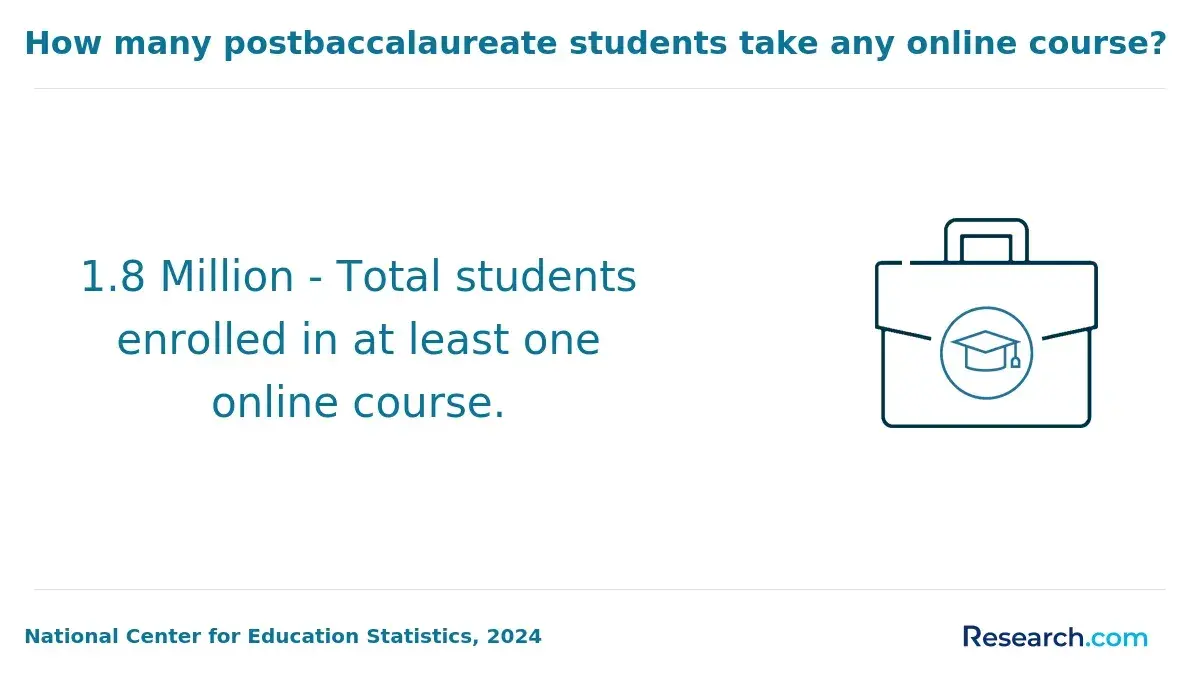
Degree completion programs in religious and Christian studies bachelor's degrees are designed specifically for working adults who have earned some college credits but have not yet finished their degrees. Unlike traditional four-year bachelor's programs that begin with freshmen and follow a fixed curriculum, these programs recognize prior learning to accelerate graduation. According to the National Center for Education Statistics (NCES), over 36 million Americans have some college but no degree, making these adults the primary audience. Completion programs accommodate busy professional schedules with flexible delivery models tailored to adult learners, often offering fully online or hybrid courses.
Completion programs feature several key benefits for students balancing work and life:
- Accelerated Format: Condensed courses enable students to complete their degree in two years or less.
- High Transfer Credit Acceptance: Programs accept a broad range of previously earned credits, reducing time and cost for degree completion.
- Online or Hybrid Delivery: Flexible course formats let students study anywhere and manage their schedules effectively.
- Flexible Scheduling: Asynchronous components allow learners to engage with material on their own time without fixed class hours.
How Do Online Religious and Christian Studies Degree Completion Programs Differ From Traditional Four-Year Religious and Christian Studies Bachelor's Degrees?
Online religious and Christian studies degree completion programs are tailored specifically for working adults with at least 60 college credits, offering a streamlined path distinct from traditional four-year bachelor's degrees. These completion programs require fewer total credits, usually 60 to 64, compared to the typical 120 credits of standard degrees. This adjustment reflects recognition of prior academic work and focuses on upper-division major coursework.
- Credit Requirements: Completion pathways reduce redundancy by accepting substantial transfer credits, lowering the total credits needed to graduate.
- Curriculum Sequencing: Flexible curricula replace many general education requirements with credit for prior learning or work experience. This competency-based model accelerates degree completion by emphasizing major-specific courses tailored for adult learners.
- Time to Completion: According to IPEDS data, students entering these programs with 60 or more credits generally finish within 18 to 24 months, versus nearly 48 months for traditional students. This efficiency suits working adults balancing multiple responsibilities.
- Cost Considerations: Many institutions offer lowered cost-per-credit-hour rates or flat-rate tuition for completion programs, easing financial planning for adult learners. Bundled pricing and tuition models reflect sensitivity to working adults' budgets.
Completion programs also award credit for life experience, military training, or professional certifications, further reducing coursework and respecting previously acquired competencies. This flexible degree option for working adults in religious and Christian studies contrasts with traditional programs, which emphasize a broad, campus-centered college experience over four years.
This practical trade-off between immersive education and focused degree completion allows students to choose the path best aligned with their career goals and life circumstances. For those seeking work-relevant degrees combined with time and cost efficiency, completion programs are increasingly preferred.
To explore how these degree options relate to market outcomes, including earnings, consider reviewing the highest earning degrees available.
2026 Update: Checking Faith Fit and Ministry Preparation Requirements
For this 2026 update, we added a student-focused checklist to help working adults look beyond format and cost when comparing online religious and Christian studies completion programs.
- Whether the program’s theological perspective aligns with your faith tradition, denomination, or ministry goals
- If courses include biblical studies, theology, ethics, church history, pastoral care, or practical ministry training
- Whether any chapel, retreat, residency, internship, or field ministry requirement must be completed in person
- How the program handles students from different Christian traditions or broader religious studies backgrounds
- If faculty have academic credentials, ministry experience, or both in areas relevant to your goals
- Whether the degree supports future seminary admission, lay ministry roles, nonprofit work, or church leadership pathways
Reviewing these fit factors can help students choose a completion program that supports both their academic progress and their personal or professional calling.
Which Accredited Universities Offer the Most Affordable Online Religious and Christian Studies Bachelor's Degree Completion Programs?
Eastern New Mexico University: Offers religious and Christian studies at $185 per credit hour for in-state students and $393 for out-of-state learners. This HLC-accredited institution accepts up to 90 transfer credits and incorporates theology and biblical languages, giving working adults a streamlined degree pathway.
Fort Hays State University: Charges a flat online tuition rate of $226 per credit hour for all students, regardless of residency. Accredited by the Higher Learning Commission, its bachelor's completion program allows up to 75 transfer credits and includes options for applied learning credits, aiding students with prior college experience.
Liberty University: As a private, SACSCOC-accredited school, Liberty's online degree costs $390 per credit hour. It offers specialized ministry electives and extensive evaluation of prior learning, designed to support adult learners seeking ministry preparation.
Columbia College: Maintains a flat rate of $390 per credit hour for all online religious and Christian studies students. Accredited by the Higher Learning Commission, its curriculum focuses on practical ministry skills and provides generous transfer policies, including military credit acceptance.
Northwest Christian University: This NWCCU-accredited Pacific Northwest institution charges about $420 per credit hour. Its program emphasizes flexibility for working adults, offering credit for prior learning and scheduling adapted to balance work and study demands.
Lower-cost programs tend to feature flat tuition rates, which remove residency-based pricing differences and benefit remote students. These schools also generally have flexible credit transfer policies and recognize military or experiential learning credits, reducing both cost and time to degree completion. Institutions charging higher per-credit fees often offer more focused ministry training or expanded elective options, reflecting their private status and specialized offerings.
A professional who enrolled in an online religious and Christian studies bachelor's degree completion program shared that the biggest challenge was navigating transfer credit evaluations while balancing a full-time job. He emphasized that flexible scheduling and prior learning assessments were crucial in enabling him to progress at a manageable pace. "It wasn't just about affordability," he noted; "the personalized support and acknowledgment of my past experiences made a real difference." This approach helped him stay motivated and complete the degree without significant career disruption, reinforcing the value of programs that accommodate adult learners' unique needs.
How Many Transfer Credits Can Working Adults Apply Toward an Online Religious and Christian Studies Degree Completion Program?
Credit Transfer Limits: Most online christian studies degree completion programs allow transfer of 60 to 90 semester hours, enabling working adults to carry over a substantial portion of previous coursework. This transfer credit policy helps reduce the time and expense required to earn a bachelor's degree.
Credit Equivalency Evaluation: Institutions conduct thorough reviews of transcripts to match prior courses with their religious and Christian studies curricula. Since not all credits fulfill program-specific requirements, evaluations are essential to confirm what transfers and what remains.
Articulation Agreements: Many schools maintain formal agreements with community colleges to ensure smooth credit transfer pathways. These partnerships clarify credit acceptance and assist working adults transitioning from associate degrees in navigating credit transfer limits for working adults in religious studies programs.
Credit Loss Statistics: Research from the U.S. Department of Education indicates that students typically lose about 40% of their credits when transferring. Choosing programs that offer structured or guaranteed pathways can minimize this loss and preserve more earned credits.
Military and Professional Credits: Top religious and Christian studies programs frequently accept credits based on the ACE's recommendations for military training and professional certifications. Veterans and professionals benefit greatly by converting experiential learning into academic credit.
Transcript Evaluation Request: Prospective students should request an official transcript evaluation before enrollment. This step clarifies how many credits will transfer and identifies outstanding degree requirements, enabling informed choices when completing an online christian studies degree.
Working adults interested in career flexibility may also explore a online cyber security degree as an alternative or complementary option.
What Are the Typical Admission Requirements for Online Religious and Christian Studies Bachelor's Degree Completion Programs?
Transfer Credit Hours: Applicants typically must have completed between 24 and 60 transferable college credits, often including general education coursework, to ensure a solid foundation before moving into advanced religious and Christian studies topics.
Minimum GPA: Most programs set a baseline cumulative GPA ranging from 2.0 to 2.5 on a 4.0 scale, although more competitive programs may require higher academic standing to qualify for admission.
Documentation Requirements: Official transcripts from all previously attended colleges are standard, and some programs also ask for letters of recommendation, personal statements, or evidence of prior religious studies experience.
Prerequisite Coursework: Many institutions expect prospective students to have completed introductory classes in religious and Christian studies as a prerequisite, ensuring preparedness for upper-division courses.
Open vs. Selective Admission: Open-admission programs offer easier entry but often provide less academic support, whereas selective programs limit enrollment and typically deliver stronger faculty interaction and greater professional credibility.
Conditional Admission: Some schools offer provisional acceptance for those who nearly meet criteria, allowing students to improve their academic standing through extra coursework or skill development opportunities.
Application Strengthening: Completing prerequisite courses at community colleges or showcasing relevant ministry or work experience can enhance the application and smooth the transition into the program.
One graduate, now established in her career after completing an online religious and Christian studies bachelor's degree, reflected on her admission journey, noting that while meeting GPA and credit hour requirements initially felt daunting, proactively taking prerequisite courses and carefully preparing her documentation eased the process. She valued the flexibility provided during her conditional admission period and felt supported by faculty as she adapted to the rigorous coursework, describing the experience as both challenging and deeply rewarding.
How Long Does It Take to Complete an Online Religious and Christian Studies Bachelor's Degree Completion Program as a Working Adult?
Transfer Credit Effects: Students with 90 transfer credits may finish an online religious and Christian studies degree in one to two years if they enroll consistently. Those transferring 30 to 60 credits usually need three to four years, depending on course loads each term.
Enrollment Pace: Part-time learners typically take around six credits per semester, extending completion to roughly four years. In contrast, full-time students taking 12 or more credits-especially in accelerated programs-can often graduate in less than three years. A pace of two courses per semester is a practical approach for full-time employees balancing work and study.
Accelerated Terms and Summer Sessions: Many programs use eight-week accelerated courses, enabling students to complete more classes each year. Enrolling during summer terms can further reduce overall time compared to traditional 16-week semester models.
Competency-Based Options: Some programs allow advancement upon demonstrating mastery instead of traditional seat time, which can shorten degree duration for motivated students with relevant experience.
Life Balance and Employer Support: Factors such as job flexibility, family commitments, and tuition assistance greatly affect pacing. Students with supportive employers and manageable outside obligations often progress faster than those facing greater constraints.
Industry Growth: Online bachelor's completion programs in religious and Christian studies have seen enrollment increases of over 20% in the past five years, highlighting growing demand among working adults seeking flexible education options.
What Financial Aid, Grants, and Employer Tuition Assistance Options Are Available for Online Religious and Christian Studies Completion Students?
Working adults pursuing an online religious and Christian studies bachelor's degree completion program can access a variety of financial aid options designed to ease the cost of education. Federal Pell Grants and Direct Loans remain available to eligible adult learners, with eligibility often influenced by income and enrollment status. Additionally, many states offer targeted grants for adult returners, which vary by region but can significantly offset expenses. Numerous institutions provide scholarships specifically aimed at non-traditional students completing degrees online, some focusing directly on religious and Christian studies.
Employer tuition assistance programs play an essential role in supporting working adults. Under IRS Section 127, employers may provide up to $5,250 annually in tax-free benefits toward undergraduate tuition, including online religious and Christian studies programs. This provision encourages employers to contribute substantially to employee education costs, reducing out-of-pocket payments.
Scholarships and fellowships tailored for adult learners in religious and Christian studies frequently originate from denominational foundations, faith-based organizations, and professional associations. Selection criteria often emphasize ministry involvement, community service, or prior professional experience, prioritizing those returning to complete their degrees.
Before enrollment, students should complete key financial aid steps to maximize support:
- File the FAFSA: Completing the Free Application for Federal Student Aid is crucial to access federal grants, loans, and some state financial aid regardless of age or enrollment status.
- Research State Grants: Investigate your state's adult learner-specific grants, as eligibility and amounts differ widely by region.
- Request Employer Tuition Benefit: Contact your human resources department to obtain formal documentation of your tuition assistance under IRS Section 127.
- Apply for Scholarships: Pursue institutional and external scholarships focusing on religious and Christian studies or programs for adult learners to supplement federal and employer aid.
How Does Per-Credit-Hour Tuition for Online Religious and Christian Studies Completion Programs Compare Across Accredited Institutions?
Per-credit-hour tuition rates for online Religious and Christian Studies degree completion programs typically range between $350 and $450, based on the most recent NCES and IPEDS data. This range varies depending on whether the institution is public, private nonprofit, or for-profit. For students transferring 60 to 90 credit hours, total tuition costs span from about $21,000 to $40,500 at accredited institutions, reflecting significant variability among programs.
Below is a cost-ranked overview of selected online programs, based on publicly available tuition and transfer credit policies:
- University A - $315 per credit hour; total cost $18,900 (60 credits)
- College B - $370 per credit hour; total cost $22,200 (60 credits)
- University C - $430 per credit hour; total cost $25,800 (60 credits)
- College D - $390 per credit hour; total cost $35,100 (90 credits)
- University E - $450 per credit hour; total cost $40,500 (90 credits)
Ancillary fees such as technology charges, proctoring fees for online exams, graduation fees, and textbook expenses often add several hundred dollars each semester. These additional costs can substantially raise the total financial burden beyond tuition. Some schools apply flat-rate fees regardless of credit hours, benefiting students with lighter course loads but potentially disadvantaging those taking heavier schedules.
A thoughtful comparison of tuition costs across accredited online Religious and Christian Studies completion programs should consider total cost, not just per-credit rates. Programs with lower per-credit rates may require more credits for graduation, meaning the lowest per-credit tuition does not always equate to the least expensive degree completion path. For working adults seeking flexible degree options, including community college transfers or military veterans, this information is key to informed decision-making.
- National Average Range: Per-credit-hour tuition for online religious and Christian studies completion programs typically falls within $350-$450 at accredited institutions, forming a benchmark for comparison.
- Total Program Cost: For 60 to 90 credit completions, total tuition varies widely, potentially doubling depending on credit requirements and institutional rates.
- Additional Fees Impact: Technology, proctoring, and graduation fees can significantly increase total expenses, with textbook costs also adding a non-negligible amount.
- Credit Hour Requirements: Programs with lower per-credit rates may require more credits to graduate, so the lowest tuition per credit hour does not always mean the least expensive total program cost.
For those exploring related flexible study options, resources such as the best online MBA in entrepreneurship can provide valuable insights into affordable accredited programs in other fields.
What Prior Learning Assessment and Credit-by-Exam Options Exist in Online Religious and Christian Studies Degree Completion Programs?
Prior learning assessment (PLA) options offer working adults pursuing online religious and Christian studies bachelor's completion programs valuable pathways to convert existing knowledge into academic credit, potentially shortening time to graduation. These programs often recognize credit-by-exam opportunities such as CLEP and DSST exams, accept portfolios demonstrating prior learning, and grant credit for evaluated military training via the American Council on Education (ACE) recommendations.
- Credit-By-Exam: Many online religious and Christian studies programs accept CLEP and DSST exams, allowing students to earn credit by demonstrating mastery of foundational subjects relevant to their degree completion.
- Portfolio Assessment: Students can submit documented evidence of prior learning, such as work experience or non-collegiate training, for portfolio review. Programs with flexible PLA policies may accept a broad range of evidence, enabling assessment of both academic and professional competencies.
- Military and Corporate Credit: The ACE credit recommendation system is crucial for military service members and individuals with corporate training. ACE evaluations facilitate the transfer of military and workplace credentials into college credit, supporting degree completion for veterans and working adults.
- Maximum Credit Limits: Top-ranked online religious and Christian studies completion programs often accept significant transfer credit, some allowing up to 90 semester hours through PLA combined with previous college coursework.
- Documentation Guidance: Students are encouraged to maintain thorough records, including transcripts, certificates, and detailed narratives, when preparing prior learning evidence. Clear, organized submissions enhance the likelihood of successful credit approval.
For those exploring affordable options, cheapest online degrees can provide additional resources tailored to budget-conscious learners aiming to complete their studies efficiently.
How Do Asynchronous Schedules in Online Religious and Christian Studies Programs Accommodate Full-Time Working Professionals?
- Flexible Scheduling: Fully asynchronous courses enable students to complete lectures, readings, and assignments on their own time, accommodating different time zones and irregular work hours without live session constraints.
- Assignment Structure: Coursework is designed with clear deadlines and modular tasks, allowing learners to progress steadily. Discussion boards encourage interaction at convenient times, promoting peer engagement without fixed meeting times.
- Assessment Variety: Online quizzes, essays, and projects are submitted digitally within set windows. This flexibility supports working adults balancing jobs, family, and studies.
- Format Comparisons: Synchronous and hybrid programs include scheduled live classes, benefiting those who prefer real-time interaction but posing challenges for shift workers or travelers. Fully asynchronous formats offer unmatched freedom but may lack immediate feedback.
- Eight-Week Terms: Some institutions adopt shorter eight-week courses, helping students focus on fewer subjects at once and better juggle academic responsibilities with professional demands.
- Time Management: Effective learners use calendars, task apps, and reminders to allocate daily study periods. Breaking tasks into manageable chunks reduces overwhelm.
- Digital Tools: Popular platforms include learning management systems, note-taking apps, and communication tools that streamline staying organized and connected with instructors.
What Concentrations and Career Tracks Are Available Within Online Religious and Christian Studies Degree Completion Programs?
- Pastoral Ministry: Prepares students for leadership in church settings, including roles such as pastors and youth ministers. The U.S. Bureau of Labor Statistics (BLS) projects about 3% growth in clergy employment with median annual earnings near $54,000. These concentrations generally fit within the standard 120-credit program without extending degree duration.
- Christian Education: Focuses on teaching biblical principles and often aligns with credentials for K-12 religious education roles. Graduates may work as religious educators or curriculum developers in schools. This track typically does not add extra credits, maintaining the usual program length and costs.
- Theological Studies: Emphasizes scripture, doctrine, and church history, suitable for those aiming for graduate work or chaplaincy certification. Healthcare chaplains earn similar median wages to clergy around $54,000, with steady job growth projections. Coursework integrates fully within the overall degree credits.
- Nonprofit and Mission Leadership: Builds skills in organizational management and fundraising for careers like nonprofit director or missionary coordinator. Certifications such as Certified Fund Raising Executive (CFRE) are accessible after graduation. The concentration's content is embedded in the core 120-credit structure without additional requirements.
- Counseling and Pastoral Care: Combines religious teachings with foundational counseling techniques to support roles as pastoral counselors or spiritual mentors. Though licensure often necessitates graduate degrees, this track lays important groundwork and fits within the main degree credits.
What Graduates Say About Online Religious and Christian Studies Bachelor's Degree Completion Programs for Working Adults
- Jase: "Choosing this online religious and christian studies program was a game-changer for me because of its strict accreditation standards and well-structured curriculum. I appreciated how the program respected my previous college credits with a generous transfer credit policy, saving me time and money. The flexible tuition model made it affordable while I balanced work and studies, giving me confidence to complete my degree successfully."
- Kyro: "Reflecting on my experience, the opportunity to apply prior learning credits really stood out. This program acknowledged my work and life experience, which accelerated my path to earning the degree. Additionally, the focus on practical employer outcomes helped me feel prepared and positioned for advancement in my faith-based career, making the entire journey worthwhile."
- Aaron: "The professionalism and clarity of this religious and christian studies bachelor's degree completion program impressed me from the start. Their transparent transfer credit policies eliminated guesswork, and the program's accreditation gave me peace of mind about the quality of my education. This degree has significantly enhanced my credentials, opening doors to new opportunities in ministry and community leadership."
Other Things You Should Know About Religious and Christian Studies Degrees
Most online religious and Christian studies completion programs offer dedicated academic advisors who assist with course selection, degree planning, and transfer credit evaluations. Students often have access to virtual tutoring, library resources, and technical support. Career services may include resume reviews, interview preparation, and connections to alumni networks relevant to ministry, education, or nonprofit sectors.
Some online religious and Christian studies programs offer flat-rate tuition or subscription models that allow students to take multiple courses for a single fee within a set period. This pricing can provide cost savings and flexibility for working adults who want to accelerate degree completion. Still, availability varies widely among institutions, so it is important to review each program's tuition structure carefully.
References
- Asynchronous Education vs Fixed Schedule Online Classes: Which Works for Working Professionals https://puie.ac/asynchronous-education-vs-fixed-schedule-online-classes-which-works-for-working-professionals/
- Online Christian Bachelors Degree Programs – Fully Equipped Bible Institute https://fullyequippedbibleinstitute.org/online-christian-bachelors-degree-programs/
- Religion, Christian Ministry Concentration (BA FLEX) http://catalog.swu.edu/preview_program.php
- Transfer Students https://globalcu.edu/transfer-students/
- Biblical Studies vs. Theology Degree: What’s the Difference? https://calvinseminary.edu/blog/biblical-studies-vs-theology-degree-difference/
- Southwestern Christian University - Prior Learning Assessment https://swcu.edu/academics/online-professional-studies/prior-learning-assessment
- Making Christian Education Affordable: Scholarship and Aid Options https://evcsonline.com/blog/making-christian-education-affordable-scholarship-and-aid-options
- 30 Most Affordable Online Theology Degrees | BestCollegeReviews.org https://www.bestcollegereviews.org/most-affordable-online-theology-degrees/
- Credit for Prior Learning https://www.oc.edu/academics/college-of-outreach-innovation/credit-for-prior-learning
- Unlocking the Benefits of a Free Bachelor’s Degree from an Online Bible School Seminary https://isdet.com/unlocking-the-benefits-of-a-free-bachelors-degree-from-an-online-bible-school-seminary/