2027 Online Religious and Christian Studies Bachelor's Degree Programs for Adult Learners Returning to School

Co-Founder and Chief Data Scientist
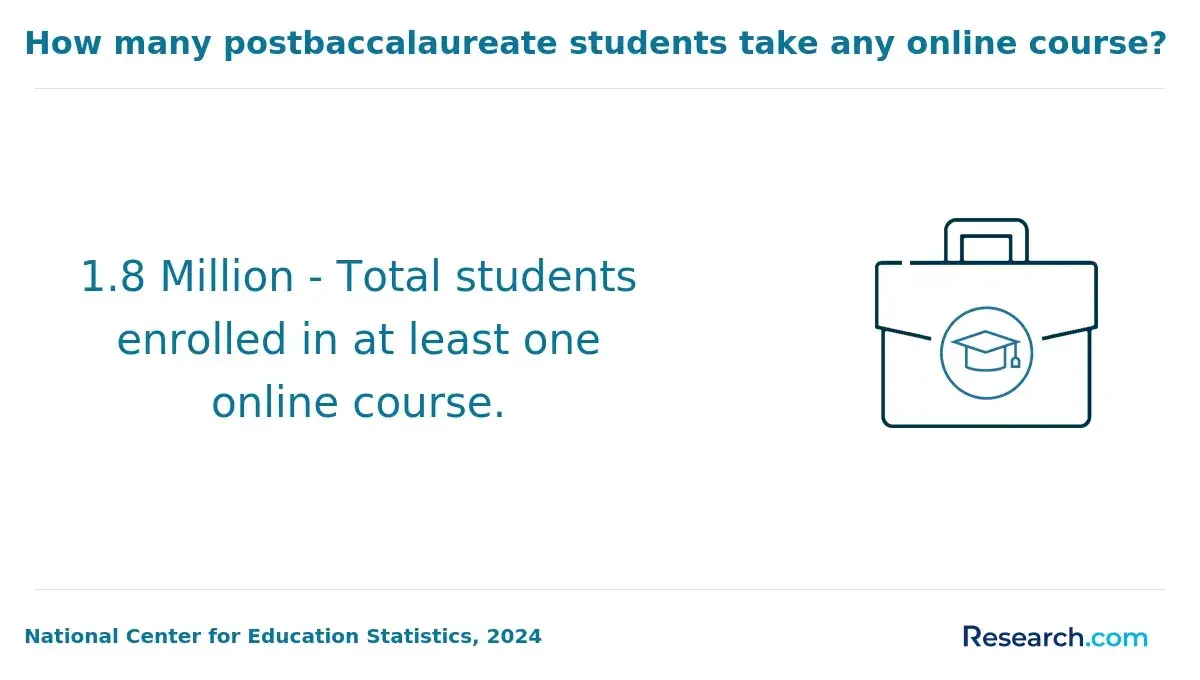
Many adult learners balancing jobs and family face challenges returning to school for a bachelor's degree in online religious and Christian studies. Limited campus access, rigid class schedules, and the need for meaningful spiritual engagement can hinder progress. According to the National Center for Education Statistics, over 40% of online postsecondary students are aged 25 or older, highlighting demand for flexible programs.
This article explores practical solutions, program types, and success strategies. It aims to guide adult learners in selecting online religious and Christian studies bachelor's degree programs that fit their unique schedules and career goals effectively.
Key Benefits of Online Religious and Christian Studies Bachelor's Degree Programs for Adult Learners Returning to School
- Online religious and Christian Studies bachelor's programs offer flexible scheduling, allowing working adults to balance education with careers and family responsibilities effectively.
- These programs emphasize practical skills such as critical thinking and ethical leadership, enhancing career advancement opportunities in nonprofit, education, and ministry fields.
- Students gain access to professional and peer networks through virtual forums and collaborative projects, which are crucial for career growth and community engagement.
Who Qualifies as an Adult Learner in an Online Religious and Christian Studies Bachelor's Degree?
Adult learners in online religious and Christian studies bachelor's degree programs typically include students who return to higher education beyond the traditional age range of 18-24 or after a significant break. These students often balance educational goals with work, family, and other responsibilities.
According to the National Center for Education Statistics, more than 40% of undergraduate students in the U.S. are nontraditional, emphasizing the importance of accommodating adult learners. Below are some common categories of adult learners eligible for online religious and Christian studies degrees.
- Working Professionals: Many adults already employed in ministry, counseling, or nonprofit settings pursue online programs to deepen theological knowledge or earn credentials that support leadership roles and career advancement.
- Career Changers: Those seeking to move into faith-based vocations or religious careers often return to complete their bachelor's degree, aligning their education with new professional goals.
- Parents and Caregivers: Adults managing family responsibilities value the flexibility of online scheduling, enabling them to fit coursework around busy personal lives.
- Military Veterans and Service Members: Utilizing educational benefits, these learners pursue theological studies online, accommodating deployments or frequent relocations.
- Returning Students: Individuals resuming education after a break for financial, health, or family reasons choose supportive, flexible online programs to complete their degrees.
Adult learners also share preferences for practical, real-world applications of their studies and often seek programs that recognize and build on their prior life experiences. For those interested in exploring various affordable options, programs like MBA online cheap demonstrate how cost-effective online pathways can facilitate continuing education.
The criteria for returning students in religious and Christian studies bachelor programs typically emphasize these flexible and accessible characteristics, accommodating unique life circumstances while promoting academic and professional growth.
What Are the Admission Requirements for an Online Religious and Christian Studies Bachelor's Degree for Adult Learners?
Admission requirements for adult learners seeking an online religious and Christian studies bachelor's degree are usually designed to recognize diverse educational backgrounds while ensuring students are prepared for the academic demands of online learning. These criteria balance flexibility for nontraditional paths with the need to confirm a student's readiness for success in the program.
Key requirements often include the following considerations.
- Proof of Prior Education: Applicants must typically provide a high school diploma or an equivalent credential such as a GED. Some institutions may also accept previous college coursework, which demonstrates a baseline academic preparedness for online religious and Christian studies bachelor's degree admission criteria.
- Application Form: Submission of a detailed application is essential. This document gathers personal, educational, and background information, helping schools systematically evaluate each candidate's suitability.
- Academic Transcripts: Transcripts from prior education provide insight into an applicant's academic history. Many programs accommodate adult learners by allowing flexible assessment of older transcripts, ensuring that those returning to education have their qualifications fairly considered.
- Basic Readiness Indicators: Institutions often assess technological skills and self-directed learning ability to confirm candidates are equipped for online coursework. This ensures that adult learners can navigate digital platforms and engage fully with virtual discussions.
- Personal Statement: Some programs request an essay outlining an applicant's motivation to pursue religious and Christian studies, offering admissions committees additional context on commitment and goals within this field.
These admission requirements align well with those of other fields, including pathways seen in advanced degrees such as a doctorate organizational leadership, emphasizing preparedness and purpose for adult learners returning to school.
2026 Update: Checking Ministry Practice and Spiritual Formation Requirements
This 2026 update adds guidance on the non-classroom parts of online religious and Christian studies bachelor’s programs, especially requirements that may affect adult learners serving in churches, nonprofits, or community roles.
- Whether the program requires a practicum, ministry internship, service hours, or supervised field experience.
- If placements can be completed through your current church, ministry, workplace, or local community organization.
- Any required spiritual formation activities, chapel participation, mentoring, retreats, or cohort meetings.
- Whether the program has a specific denominational perspective, faith statement, or conduct expectations.
- Who supervises ministry work and how evaluations, journals, or reflection assignments are submitted online.
- Whether background checks, church approval, or site agreements are needed before fieldwork begins.
Reviewing these requirements early helps adult learners avoid surprises and choose a program that supports both academic progress and meaningful spiritual preparation.
Do Adult Learners Need SAT or ACT for an Online Religious and Christian Studies Bachelor's Degree?
Most online bachelor's degree programs in religious and Christian studies tailored to adult learners typically do not require SAT or ACT scores for admission. Instead, these programs prioritize an applicant's academic background, life experience, and preparedness for college-level work when making admission decisions. In 2024, over 65% of four-year colleges and universities in the U.S. had adopted test-optional policies, reflecting a broader move away from standardized testing, especially for nontraditional students.
Waiving test requirements helps improve accessibility for adults who may have been out of school for a while and values alternative credentials such as professional achievements or prior coursework. This approach acknowledges that standardized tests often do not capture the full potential and readiness of adult learners returning to education.
When asked about his experience, an adult learner currently enrolled in an online religious and Christian studies bachelor's program shared that navigating the admissions process felt less daunting without the pressure of standardized tests. He explained, "I was initially worried about having to take the SAT again after so many years, but the school focused on my previous credits and work history instead, which made a huge difference."
He described feeling more confident and supported, noting that this flexibility allowed him to focus on preparing for coursework rather than test preparation. "It was a relief to know my life experience mattered just as much as test scores," he added, reflecting the growing trend among adult learners seeking meaningful, accessible paths back to education.
How Flexible Are Online Religious and Christian Studies Bachelor's Degree Programs for Adult Learners?
Flexibility remains a vital advantage of online learning, especially for adult learners balancing school with work and family life. Nearly nine in ten online students highlight flexible scheduling as a key factor in their education choices, showcasing how adaptable program structures aid in managing multiple responsibilities. This adaptability is central to flexible online Christian studies bachelor's programs for returning students.
Key flexibility features of online religious and Christian studies degree flexibility for adult learners include:
- Asynchronous Learning: Students can access course content anytime, allowing them to study when it best fits their schedule rather than follow fixed class times.
- Part-Time Enrollment: Many programs offer the option to take fewer courses per term, which helps adult learners maintain steady progress without overwhelming their personal or professional commitments.
- Accelerated Pacing: For motivated students eager to finish sooner, some programs provide accelerated courses that move faster than traditional semester lengths, supporting timely degree completion.
- Self-Paced Coursework: Learners control their progression through materials, dedicating extra time to challenging topics or quickly advancing through familiar subjects based on their comfort and needs.
- 24/7 Course Access: Online platforms ensure constant availability of lectures, readings, and assignments, enabling study during evenings, weekends, or any convenient time.
For those also interested in expanding practical skills alongside flexible religious studies, consider exploring a bookkeeping course designed to fit into a similar flexible schedule.
Can I Transfer Previous College Credits to an Online Religious and Christian Studies Bachelor's Degree?
Many online bachelor's degree programs in religious and Christian studies accept transfer credits, allowing students to accelerate their education and avoid repeating coursework. Nearly 38% of U.S. bachelor's students transferred credits during their studies, revealing a growing trend of credit mobility that benefits adult learners managing multiple responsibilities.
The following points highlight important factors in transferring prior college credits for these programs.
- Evaluation of Prior Coursework: Schools carefully assess transcripts to confirm that previous classes align with program standards, ensuring transferred credits are relevant and appropriate.
- Credit Limits: Most institutions set caps on transferable credits, often between 60 and 90 semester hours, to maintain program integrity and ensure students complete a significant portion of their degree on-site.
- Program Relevance: Courses in theology, biblical studies, ethics, philosophy, or related subjects generally transfer more smoothly than unrelated classes, emphasizing the value of subject matter compatibility.
- Benefits for Adult Learners: Accepting transfer credits can reduce time to degree completion, lessen academic burden, and support a better balance between education, work, and family life.
When I spoke with an adult learner who returned to school and completed an online religious and Christian studies bachelor's program, she shared how transferring credits was a mixed experience. Although the review process was thorough and sometimes nerve-wracking, it ultimately saved her a year of study.
She appreciated the flexibility to build on her past work but also stressed the importance of staying organized and proactive when submitting transcripts. "It felt like they truly valued my previous achievements while helping me stay on track for graduation," she said, reflecting a positive outcome from navigating transfer policies.
Does Work Experience Count Toward an Online Religious and Christian Studies Bachelor's Degree?
Many online religious and Christian studies bachelor's degree programs value the prior knowledge and expertise adult learners bring from work or life experiences. Nearly 70% of colleges offer some form of prior learning assessment (PLA) credit, which helps reduce the time and expenses associated with finishing a degree.
Below are common ways this experience is evaluated.
- Prior Learning Assessments: Students demonstrate their knowledge gained outside formal education through exams or standardized testing, allowing prior skills and understanding to count toward academic credit.
- Portfolio Reviews: Adult learners submit collections of documents illustrating relevant work, volunteer activities, or training that align with program learning outcomes, providing evidence of mastery.
- Competency-Based Evaluations: Specific skills and competencies developed in past employment are assessed against academic standards, recognizing practical expertise within the curriculum framework.
This approach translates real-world experience into academic progress, helping students accelerate degree completion. For those studying religious and Christian studies, work in ministry, teaching, or community service often reflects meaningful theological, ethical, and cultural insights.
Receiving credit for prior work encourages a tailored learning path and prevents unnecessary repetition of material. It validates lifelong learning and prepares adults for faith-based careers by integrating professional experience with academic development.
How Much Does an Online Religious and Christian Studies Bachelor's Degree Cost for Adult Learners?
Costs for an online religious and Christian studies bachelor's degree for adult learners can vary widely depending on factors like program structure and pacing. Many programs offer accelerated options that help reduce total expenses by allowing students to finish faster. On average, tuition for online bachelor's degrees in the U.S. ranges from $300 to $600 per credit hour.
Here are some common cost components adult learners should consider when planning their budgets:
- Tuition Per Credit Hour: This is typically the largest cost and varies greatly between institutions. Some programs charge a flat rate, while others base tuition on each individual credit.
- Technology Fees: Online learning platforms and support services often require additional fees. These help maintain digital infrastructure and provide technical assistance to students.
- Course Materials: Required textbooks, e-books, and supplemental study aids may add to expenses. Some programs include digital resources to help minimize these costs.
- Application And Enrollment Fees: One-time charges for processing applications or registering for courses are common and should be budgeted accordingly.
- Additional Expenses: Adult learners frequently use credit-by-exam or prior learning assessments, which may incur extra fees to evaluate and award credit for existing knowledge.
Taking these factors into account helps adult learners make informed financial decisions as they pursue flexible online Religious and Christian Studies bachelor's degree programs tailored to their needs.
Are There Financial Aid Options for Adult Learners in Online Religious and Christian Studies Bachelor's Degrees?
Financial aid plays a crucial role in helping adult learners manage the cost of online education, particularly for those pursuing religious and Christian studies bachelor's degree programs. Data from the National Center for Education Statistics reveals that nearly 85% of undergraduate students receive some form of financial aid, illustrating the broad availability of support for returning students.
These resources can significantly ease financial challenges for adults balancing education with other responsibilities. Below are common types of financial assistance that can help reduce the burden of tuition and related expenses.
- Grants: Often based on financial need or eligibility criteria, grants provide funding that does not require repayment. Federal Pell Grants are among the most accessible for adult learners seeking financial aid for adult learners in online Christian studies.
- Student Loans: Loans help cover tuition and other costs but must be repaid with interest. Federal student loans typically offer more favorable terms, including flexible repayment options and lower interest rates compared to private loans, making them a popular choice for many.
- Employer Tuition Assistance: Many employers support continuing education through tuition reimbursement or direct sponsorship programs. This form of assistance is especially valuable for working adults pursuing online degrees related to their career advancement.
- Payment Plans: Colleges often offer installment plans that allow tuition payments to be spread over time. This option enhances budgeting flexibility and reduces the pressure of lump-sum payments for adult students.
- Scholarships: There are scholarships and grants for online religious studies for adults that specifically target nontraditional students or those enrolled in Christian studies. Exploring these early in the application process can uncover valuable funding opportunities.
For a comprehensive perspective on how online education can fit into busy lives, adult learners may find useful information on the best online degrees for moms.
Do Employers Value Online Religious and Christian Studies Bachelor's Degrees for Adult Learners?
Employer perceptions of online bachelor's degrees, including those in religious and Christian studies, have evolved significantly over recent years. Increasingly, employers see these degrees as valid credentials, especially for adult learners returning to school.
A recent survey by the Society for Human Resource Management found that 71% of employers regard online degrees as equivalent to traditional campus degrees. This shift aligns with the broader trend toward skills-based hiring, where employers prioritize practical competencies and demonstrated abilities over institutional prestige.
Several factors influence employer perception of online Christian studies bachelor's degrees. Accreditation remains paramount, as degrees from regionally accredited programs carry more trust. Employers value how adult learners blend their education with real-world experience, which enriches their understanding of complex ethical, cultural, and organizational issues.
Ultimately, when candidates effectively demonstrate the relevance of their education to applicable skills, these degrees can enhance career prospects. Prospective students looking for affordable options often explore the most affordable online colleges to find programs that meet both quality and budget considerations, making the value of online religious and Christian studies degrees for adult learners more accessible than ever before.
How Do I Choose the Best Online Religious and Christian Studies Bachelor's Degree Program for Adult Learners?
Adult learners balancing work and personal life face a critical choice when selecting an online religious and Christian studies bachelor's program. A recent survey found that 67% of online adult students rank program flexibility among their top considerations.
The following points highlight essential factors to consider when making this decision.
- Accreditation: Ensure the institution holds recognized regional or national accreditation acknowledged by the U.S. Department of Education. This validation guarantees academic quality and transfers of credit.
- Program Flexibility: Look for asynchronous classes, multiple enrollment periods, and part-time options. These features enable learners to adapt their studies around professional and personal obligations.
- Curriculum Relevance: Choose programs that address current theological topics, pastoral care, and leadership development. A curriculum aligned with both career goals and personal faith growth enhances value.
- Student Support Services: Access to academic advising, technical help, and career counseling can improve retention and success throughout the program.
- Tuition and Affordability: Evaluate overall costs alongside financial aid, employer assistance, and flexible payment plans to ensure a manageable investment without excessive debt.
What Graduates Say About Online Religious and Christian Studies Bachelor's Degree Programs for Adult Learners Returning to School
- Jase: "Returning to school as an adult was driven by my desire to deepen my understanding of faith and theology while balancing work and family life. The flexibility of the online religious and Christian studies bachelor's degree program truly allowed me to learn at my own pace without sacrificing my responsibilities. This degree has not only enriched my personal spiritual journey but also opened doors to leadership roles in my community church."
- Kyro: "After years in a different career, I wanted a meaningful change that aligned with my values and passion for service. Pursuing an online religious and Christian studies bachelor's degree gave me access to comprehensive coursework from anywhere, which was vital given my busy schedule. Now, I feel equipped to contribute thoughtfully in my counseling ministry and lead faith-based workshops with confidence and credibility."
- Aaron: "The decision to return to school was fueled by both professional advancement and a personal calling to better understand religious texts and traditions. The online format of the religious and Christian studies bachelor's degree program made it possible to continue working full-time while studying. This degree has significantly enhanced my career prospects in nonprofit organizations focused on interfaith dialogue and community outreach."
Other Things You Should Know About Religious and Christian Studies Degrees
Most programs require a laptop or desktop computer, reliable broadband internet, a webcam, and access to learning platforms such as Canvas or Blackboard. Some courses also require Microsoft Office or Google Workspace. A few schools mandate a proctored exam app or browser lock software for quizzes.
Admission requirements vary, but typical criteria in 2027 include a high school diploma or GED, a personal statement, and possibly previous college credits. Some programs may require letters of recommendation or evidence of relevant work or life experience.
Yes, many online religious and Christian studies programs for adult learners in 2027 offer credit transfer options from previous academic work, with a cap typically around 90 credits. However, the acceptability of transferred credits depends on program-specific criteria and the relevance to the curriculum.
References
- The Ultimate Guide to Flexible Online Degrees for Busy Working Adults - Grace Christian University https://gracechristian.edu/blog/the-ultimate-guide-to-flexible-online-degrees-for-busy-working-adults/
- Christian Studies Degrees - AOE - Campbell University https://aoe.campbell.edu/academics/bachelor-programs/christian-studies/
- Strengthen Your Ministry at LIM https://www.loyno.edu/academics/colleges/loyola-online/bachelor-arts-ministry-theology-online
- World's Largest platform as University Common Application https://www.planstudyabroad.uniagents.com/course-details.php
- Mature Admission - Gordon Conwell https://www.gordonconwell.edu/admissions/mature-admission/
- Featured Christian Colleges https://onlinechristiancolleges.net/paying-for-an-online-christian-education/
- Flexible Study Options - Trinity Evangelical Divinity School https://www.tiu.edu/divinity/admissions/flexible-study-options/
- Free Online Bachelor of Theology – Courses Offered and Their Scope https://isdet.com/online-bachelor-of-theology-course-offerings/
- AA/BA in Religious Studies | Program Details https://beulah.edu/lp-aa-ba-in-religious-studies/