2027 Best Accredited Online Religious and Christian Studies Bachelor's Degree Programs

Co-Founder and Chief Data Scientist
Choosing an accredited online religious and Christian studies bachelor's degree program can overwhelm students seeking credibility and career relevance. Many struggle to identify programs that combine rigorous academic standards with flexible learning schedules. Studies show that graduates from accredited online religious and Christian studies programs experience a 15% higher employment rate in faith-based organizations than those from non-accredited schools.
As competition in ministry and nonprofit roles increases, accreditation ensures both quality education and employer trust. This article explores top accredited online programs tailored to equip students with the knowledge and skills necessary for meaningful careers in religious and Christian studies.
Key Points About the Best Accredited Online Religious and Christian Studies Bachelor's Degree Programs
- Students develop critical skills in theological analysis, ethical reasoning, and interfaith dialogue-essential for careers in ministry, counseling, or faith-based community leadership.
- Online programs reduce costs by eliminating commuting and housing expenses, often making accredited degrees 30% more affordable than on-campus options.
- Graduates gain access to diverse opportunities, including roles in non-profits, education, and religious organizations, supported by growing demand for culturally competent leaders.
What are the best accredited online Religious and Christian Studies bachelor's degree programs?
Choosing a top-tier accredited program is a strategic move for students aiming for long-term success in religious and Christian studies. Programs with strong accreditation typically show higher graduation rates-according to the National Center for Education Statistics, students in accredited online programs have a completion rate nearly 15% above the national average.
Below are some of the best accredited online Christian studies bachelor's degree programs that combine academic rigor with practical application.
- Liberty University: Known for its comprehensive online Christian studies program, Liberty University offers concentrations such as biblical studies, ministry leadership, and counseling. The program is fully accredited and features a proprietary learning platform that provides 24/7 access to lectures and resources, ideal for working students.
- Grand Canyon University: This university offers an accredited online bachelor's degree in Christian studies focused on apologetics and theology. The curriculum integrates practical ministry skills with contemporary cultural engagement, preparing students to effectively address modern religious challenges.
- Regent University: Regent University's online program is distinguished by its rigorous curriculum and accreditation by the Association of Theological Schools (ATS). It emphasizes leadership development within a Christian worldview, offering tracks in Christian education and pastoral ministry to tailor the learning experience.
- Colorado Christian University: This program features an accredited online bachelor's degree in biblical and theological studies with a Christ-centered curriculum designed for diverse ministry contexts. It stands out with a flexible pacing option that allows students to accelerate their degree based on prior learning and experience.
Each of these programs represents some of the top online religious studies bachelor's degrees with accreditation, ensuring students receive quality faith-based education accessible in flexible formats. For students interested in advancing beyond undergraduate study, exploring the widest range of online doctorate programs can be a valuable next step for deepening expertise and leadership opportunities in this field.
What accreditation standards should an online Religious and Christian Studies bachelor's degree program meet?
Online religious and Christian studies bachelor's degree programs must meet rigorous standards to ensure the quality of education matches that of traditional classroom settings. Over 200 institutions hold regional accreditation in this field, reflecting the importance of maintaining academic integrity across all learning formats. These benchmarks help students identify credible programs that uphold educational excellence and transparency.
Key accreditation factors include the following:
- Curriculum Quality: Programs should offer a comprehensive study of biblical texts, theology, church history, ethics, and ministry practices. Students can evaluate if the curriculum incorporates current scholarship and diverse Christian traditions by reviewing course descriptions and syllabi.
- Faculty Qualifications: Accredited programs typically require instructors to possess advanced degrees in theology, divinity, or related fields paired with relevant teaching or ministry experience. Checking faculty credentials on program websites gives insight into instructional expertise.
- Assessment Standards: Effective programs define clear learning outcomes and use consistent methods for evaluating student comprehension and skill development. Transparent grading policies and assessment tools demonstrate commitment to academic rigor.
- Support and Resources: Access to specialized theological libraries, online technologies, and academic advising tailored for religious studies students is essential. These resources enhance learning and provide necessary support to succeed in an online environment.
Students exploring regional accreditation standards for accredited Christian studies programs online should carefully verify these elements. For those interested in advanced leadership roles within educational or ministry settings, considering an online PhD in organizational leadership can be a valuable next step.
How can I check the accreditation status of an online Religious and Christian Studies bachelor's program?
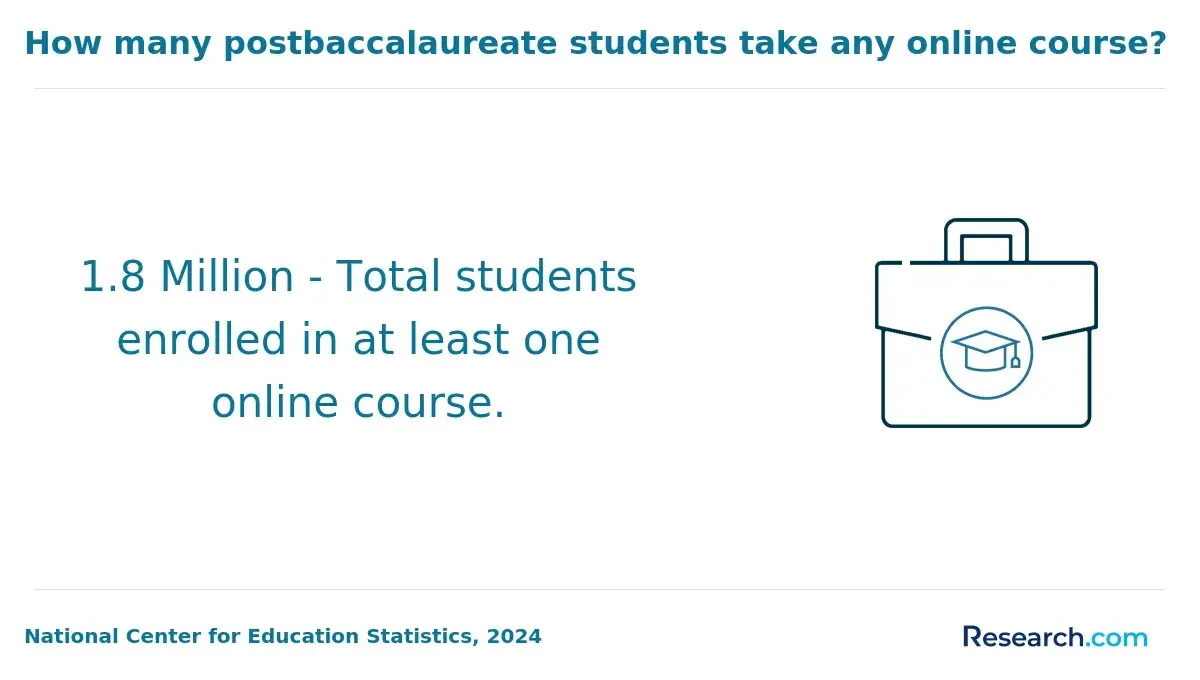
Verifying the accreditation of an online religious and christian studies bachelor's program is essential since not all schools accurately represent their credentials. Approximately 85% of students in the U.S. attend regionally accredited institutions, which often provide higher recognition than national accreditation.
To ensure a program's legitimacy, follow these key steps:
- Check Institutional Accreditation: Use the U.S. Department of Education's Database of Accredited Postsecondary Institutions and Programs (DAPIP) to confirm if the college or university holds recognized regional or national accreditation, crucial for financial aid and credit transfer.
- Verify Programmatic Accreditation: Review if the specific religious and christian studies program is accredited by specialized bodies like the Association of Theological Schools (ATS), ensuring adherence to academic standards in theology and ministry fields.
- Consult CHEA's Database: The Council for Higher Education Accreditation database assists in confirming the credibility of both institutions and their religious-related programs.
- Contact the School Directly: Request official documentation from the registrar or admissions office about the program's accreditation status to get current and accurate verification.
Why is it important to check if an online Religious and Christian Studies bachelor's program is accredited?
Accreditation serves as the essential gateway for accessing federal financial aid and ensuring your degree holds long-term value. Studies show that students in accredited programs have about a 90% chance of transferring credits to other institutions.
Below are critical reasons why meeting accreditation standards for online religious and Christian studies bachelor's degree programs is vital.
- Financial Aid Eligibility: Only accredited programs qualify for federal student loans and grants. Without this, funding your education becomes significantly more challenging.
- Credit Transferability: Accredited degrees allow easier credit transfers, which is crucial if you plan to switch schools or advance to graduate studies.
- Professional Recognition: Employers and graduate schools often require accredited credentials to verify the quality and legitimacy of your studies.
- Curriculum Integrity: Accreditation ensures the program's curriculum aligns with respected theological scholarship and ethical standards, key to effective ministry and religious education.
Many students opt for a fastest associates degree as a stepping stone, but choosing accredited bachelor's programs remains essential for career progression in Religious and Christian Studies.
Does the online Religious and Christian Studies curriculum mirror the rigor of on-campus programs?
Both online and traditional religious and Christian studies programs deliver rigorous curricula that prepare students well for careers in ministry, education, or related fields, though they emphasize different learning experiences.
- Curriculum Content: Both formats cover core subjects like theology, biblical studies, church history, and ethics, maintaining consistent academic standards and fostering critical thinking through research and textual analysis.
- Instructional Delivery: Traditional programs rely on in-person lectures and face-to-face discussions, promoting direct mentorship. Online programs use video lessons, discussion boards, and virtual office hours, offering flexible scheduling but demanding greater self-motivation.
- Practical Experience: Hands-on activities such as ministry practicums or group worship projects are common on campus. Online students often engage in virtual alternatives or locally arranged experiences, which vary in availability and intensity.
How much does it cost to attend an accredited online Religious and Christian Studies bachelor's degree program?
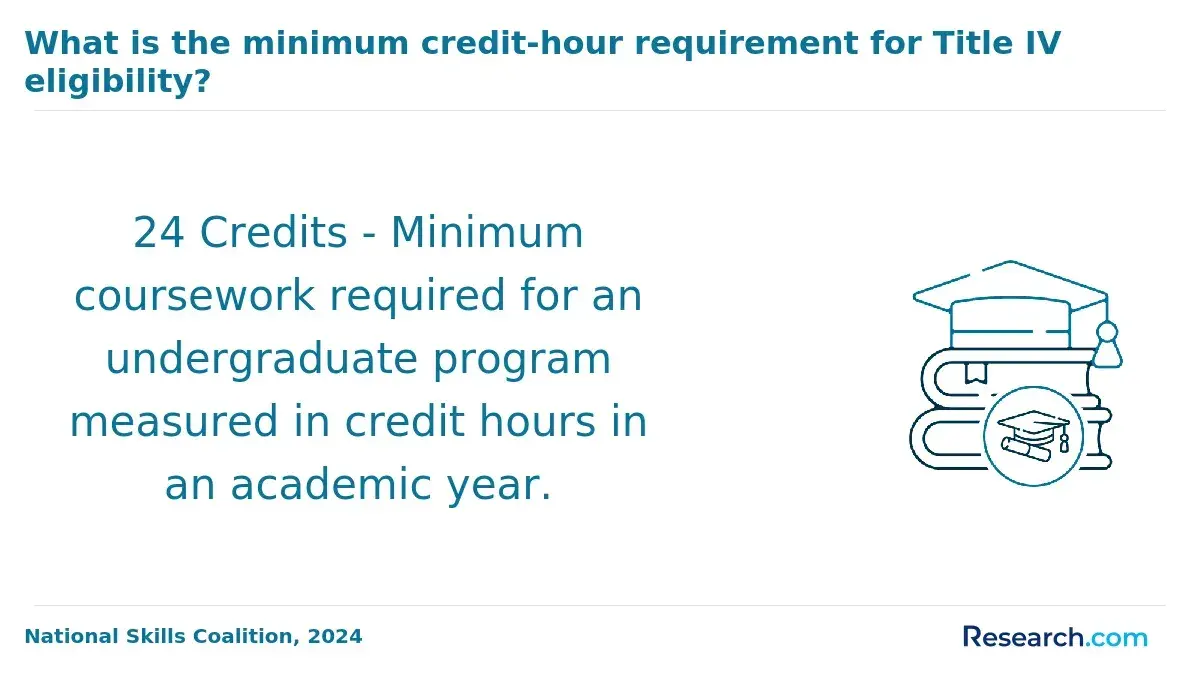
Careful evaluation of costs is crucial for students considering accredited online religious and Christian studies bachelor's programs. Tuition often ranges from $250 to $600 per credit hour, influenced by the institution's accreditation and geographic location. Beyond tuition, additional mandatory fees may include technology charges-typically $50 to $150 per semester-supporting online learning platforms, as well as digital textbook subscriptions that can cost between $100 and $300 per course.
Students should also account for other expenses like virtual lab or resource fees, generally $30 to $100 per semester, and annual administrative or registration fees around $100 to $200. Data indicates that online tuition for bachelor's degrees in this field can be 15% to 30% less expensive than on-campus options, highlighting notable savings for remote learners.
Compared to traditional campus programs, online religious and Christian studies degrees offer hidden cost benefits by eliminating expenses related to commuting, housing, and campus facilities. These factors can significantly reduce the overall financial burden, making transparent budgeting essential when planning educational investments in this discipline.
What financial aid options are available for Religious and Christian Studies students?
Exploring diverse funding sources can significantly reduce the overall debt burden for students pursuing an online religious and Christian studies bachelor's degree. Approximately 85% of undergraduates nationwide receive some form of financial aid, with federal programs distributing over $120 billion annually.
Various tailored options can help ease educational expenses for these students-consider the following:
- Federal Pell Grants: Need-based grants that do not require repayment, Pell Grants depend on factors such as family income and enrollment in an accredited undergraduate program in religious and Christian studies.
- Faith-Based Scholarships: Organizations like the National Christian Foundation offer scholarships to students active in ministry or faith-driven community service, typically requiring leadership roles within religious groups.
- Denomination-Specific Awards: Numerous churches and affiliated organizations sponsor scholarships for members of specific faith communities maintaining strong academic performance.
- Work-Study Programs: Available through federal or institutional channels, these programs provide part-time employment related to campus ministry or religious activities, enabling students to earn while gaining practical experience.
- Institutional Grants: Some universities offer grants or tuition discounts specifically for online religious and Christian studies students to support their theological education; these usually require application via the school's financial aid office.
Students should carefully review eligibility criteria and deadlines to maximize available funding opportunities, consulting accredited program advisors and denominational scholarship lists early in their application process.
What are the career outcomes for graduates of online Religious and Christian Studies bachelor's degree programs?
The job market for graduates of online religious and Christian studies bachelor's programs reflects growing appreciation for skills in theology, ethics, and cultural awareness. Modern employers value the specialized competencies and practical knowledge gained through an accredited religious and Christian studies curriculum, especially in roles focused on spiritual care and community leadership.
Below are key career options for those exploring job prospects for graduates of online religious and Christian studies bachelor's programs.
- Chaplain: Serving in hospitals, military, and correctional facilities, chaplains provide spiritual support and counseling tailored to diverse populations. An online religious and Christian studies degree equips students with the theological foundation and emotional intelligence necessary for this expanding field.
- Youth Minister or Pastoral Associate: These roles demand strong communication and leadership skills developed through coursework, helping professionals lead youth programs and community outreach initiatives vital to congregational growth and engagement.
- Nonprofit Program Coordinator: Graduates often work within faith-based organizations addressing social justice, poverty, and humanitarian aid. Their ethical understanding and organizational skills support effective program management in a growing nonprofit sector.
- Religious Educator: Teaching theology, scripture, and history in schools or seminaries, religious educators meet rising demand for qualified instructors in faith-based academic institutions.
- Writer and Editor: Specialists in religious content contribute to publishing, media, and digital platforms, where analytical and research abilities from the degree foster success.
Students interested in combining business knowledge with their religious studies might explore related programs-for example, an MBA in entrepreneurship offers skills that complement careers requiring leadership and management insight alongside spiritual or nonprofit vocations.
What is the employer perception of online Religious and Christian Studies graduates?
The acceptance of online degrees in religious and Christian studies has grown significantly as digital learning becomes more common. A 2023 survey from the Online Learning Consortium revealed that 72% of employers consider accredited online degrees just as credible as traditional ones in related fields. This change largely closes the trust gap that once existed between online and in-person education, especially when the programs hold proper accreditation.
Employers value the skills students gain through online coursework, such as digital project management, effective communication in virtual settings, and proficiency with technology tailored to religious education-like ministry platforms and theological research tools. These competencies show adaptability and self-discipline, which are essential in today's church, nonprofit, and faith-based organizations.
While the delivery method is no longer the main concern, hiring managers focus heavily on the institution's standing and the program's accreditation to confirm the candidate's qualifications. The reputation of the school remains a critical factor in evaluating the expertise of graduates in religious and Christian studies.
How can I choose the best accredited online Religious and Christian Studies bachelor's degree for my goals?
Choosing the best accredited online religious and Christian studies bachelor's degree requires a structured selection process to align personal career goals with the unique strengths of each program. With 45% of students opting for online programs due to their flexibility, understanding key factors can help prospective students make informed decisions. Consider the following criteria when evaluating programs:
- Curriculum Diversity: A broad curriculum covering theology, biblical languages, ministry, and ethics ensures a well-rounded education that prepares students for varied roles within faith communities and related fields.
- Faculty Expertise: Instructors with strong backgrounds in religious scholarship and ministry provide valuable mentorship and real-world perspectives, enhancing both understanding and practical application.
- Flexibility and Format: Programs offering asynchronous courses and manageable workloads accommodate students balancing work, family, and other commitments without sacrificing academic rigor.
- Student Support Services: Access to academic advising, career counseling, and technical assistance is vital for overcoming online learning challenges and supporting professional development.
When comparing tuition and accreditation standards for online religious and Christian studies bachelor's degrees, a clear understanding of program offerings and outcomes is crucial. Students often benefit from exploring related fields that complement their studies-such as pursuing a data science learning path, which can enhance career prospects in diverse environments.
What Graduates Say About Their Online Bachelor's in Religious and Christian Studies
- Jase: "Choosing an accredited online religious and Christian studies bachelor's degree was essential for me because I wanted a program that was respected by employers and faith communities alike. The flexibility allowed me to balance work and study without overwhelming my schedule, and the cost was surprisingly affordable compared to traditional on-campus options. This degree has opened doors for me in ministry work and has deepened my understanding of theology in practical ways."
- Kyro: "Reflecting on my decision to pursue an online religious and Christian studies degree, the accreditation was the main reassurance that the education I received met high academic standards. Affordability was also key, as the lower tuition fees made it possible without taking on excessive debt. Professionally, this degree has enhanced my credibility, enabling me to contribute thoughtfully in educational and community leadership roles."
- Aaron: "From a professional standpoint, earning my accredited online religious and Christian studies degree has been transformative. I appreciated how cost-effective the program was, which made it accessible while still delivering a rigorous curriculum. The online format suited my career as I could study at my own pace, and now I'm better equipped to engage in meaningful theological discussions and counseling in my work."
Other Things You Should Know About Religious and Christian Studies Degrees
In 2027, accredited online religious and Christian studies bachelor's degree programs typically include courses in biblical studies, theology, church history, ethics, and pastoral counseling. Some programs may also offer specialized courses in world religions, Christian philosophy, and ministry leadership to provide a well-rounded education.
Students typically need a reliable internet connection, a computer meeting minimum specifications, and software like Microsoft Office or Google Workspace. Some programs may also require specific applications for virtual classrooms or accessing course materials, so checking individual program requirements is essential.
Graduates with an online religious and Christian studies bachelor's degree in 2027 can pursue careers in ministry, education, counseling, and non-profit organizations. They may work as pastors, religious educators, or counselors, providing spiritual and community support. Some roles may require further study or certification.
References
- Can I Get a Religious Degree Online? | Faith Studies https://www.faithonview.com/can-i-get-a-religious-degree-online/
- Top 50 Low-Cost Online Bachelor's in Religious Studies and Theology https://www.greatvaluecolleges.net/affordable/online-religious-studies-theology-bachelors/
- Christian Studies Degrees: Bachelor, Associate & Online Class Info https://learningpath.org/articles/Christian_Studies_Degrees_Bachelor_Associate_Online_Class_Info.html
- Affordable, Accredited Online Bachelor Degree in Theology https://in-his-hands-international-bible-college.thinkific.com/bundles/bachelor-degree-in-theology
- How Do You Know If A University Is Accredited? https://www.accreditedschoolsonline.org/accreditation/
- Christian University Online - 5 Benefits of Attending https://gracechristian.edu/blog/5-benefits-of-attending-a-christian-university-online/
- 4 Benefits Of Earning Your Bible Degree Online - Independent Baptist Online College https://www.ibaptistcollege.org/4-benefits-earning-bible-degree-online/
- How Important is Accreditation? | The Puritan Board https://puritanboard.com/threads/how-important-is-accreditation.2418/
- Unlocking the Benefits of a Free Bachelor’s Degree from an Online Bible School Seminary https://isdet.com/unlocking-the-benefits-of-a-free-bachelors-degree-from-an-online-bible-school-seminary/
- How to Choose the Best Online Christian Degree Program for You - Beliefnet https://www.beliefnet.com/inspiration/a-better-me/education/how-to-choose-the-best-online-christian-degree-program-for-you.aspx