2027 Credit Requirements for a Business Administration Degree Explained

Co-Founder and Chief Data Scientist
Choosing a business administration degree is not only about picking a school or deciding between online and on-campus study. It is also a credit-planning decision. The number of credits you must complete affects tuition, transfer value, course load, graduation timing, and how quickly you can move into or advance within the business workforce.
Credit requirements can be confusing because they vary by degree level, program format, transfer policy, prior learning rules, and career goal. Many students pursuing a business administration degree struggle to understand credit requirements, causing delays in graduation and added costs. According to the National Center for Education Statistics, over 40% of business administration students take more than six years to complete their degree, often due to unclear credit transfer policies and inconsistent course loads. This inefficiency affects career entry timing in a competitive job market where 8% employment growth for business professionals is projected through 2031.
This guide explains how many credits business administration programs typically require, how core and elective credits are divided, whether online and accelerated programs differ, how transfer and work experience credits are evaluated, and how credit planning can affect graduation timelines and career outcomes.
Key Things to Know About Credit Requirements for Business Administration Degrees
- Total credits generally define program length, influencing the time and financial commitment required to complete a business administration degree.
- Transfer credits and recognition of prior learning can reduce coursework, allowing some students to accelerate graduation.
- Credit structures affect academic progression by determining credit load per term, impacting both cost and graduation timelines.
How Many Credits Are Required for a Business Administration Degree?
Most business administration degrees follow a predictable credit range, but the exact requirement depends on the degree level and the institution’s curriculum. The key is to look beyond the total number and understand which credits are required, which are flexible, and which may be satisfied through transfer or prior learning.
- Undergraduate business administration degree: A bachelor’s program typically requires 120-130 credits. These credits usually include general education courses, business core courses, major requirements, and electives. Common subjects include math, writing, social sciences, accounting, management, marketing, finance, and business law.
- Graduate business administration degree: A master’s-level business administration program generally requires approximately 30-60 credits. These credits focus more heavily on advanced business analysis, leadership, strategy, specialized electives, and applied projects rather than broad general education.
- Credit structure overview: Business administration credits are usually divided among general education, core business courses, concentration or specialization courses, and electives. A well-planned schedule should satisfy all categories, not just the total credit count.
Students comparing business administration with other graduate options should pay close attention to whether the program is designed for professional advancement, licensure preparation, or specialization. For example, online BCBA master’s programs follow a different professional pathway and may have credit expectations tied to field-specific requirements.
The safest approach is to review the degree audit or program map before enrolling. A program may advertise a familiar total credit range, but graduation depends on completing the right credits in the right categories.
How Many Core and Elective Credits Are Required for a Business Administration Degree?
Core and elective credits serve different purposes. Core courses build the business foundation every graduate is expected to have, while electives allow students to shape the degree around career goals such as finance, entrepreneurship, operations, human resources, information systems, or international business.
- Core courses credit requirements business administration: Core courses typically make up 60% to 70% of the total credits in a business administration degree. In a 120-credit bachelor’s program, this usually equals about 72 to 84 credits. These courses commonly cover accounting, finance, marketing, management, economics, business law, operations, analytics, and organizational behavior.
- Elective credits in business administration degree: Electives usually make up roughly 30% to 40% of the coursework, or about 36 to 48 credits in a 120-credit program. Electives may support a concentration, minor, internship, study abroad experience, or broader interdisciplinary study.
When choosing electives, students should avoid treating them as “extra” courses with little strategic value. Electives can strengthen a resume when they add measurable skills, industry knowledge, or preparation for a specific role. For example, a student interested in operations may benefit from electives in supply chain management or analytics, while a student targeting startups may prioritize entrepreneurship, business planning, and digital marketing.
Students considering people-focused or interdisciplinary career paths may also compare business coursework with related fields such as online counseling degrees, especially if their long-term goals involve organizational development, coaching, nonprofit leadership, or client-facing services.
Do Online Business Administration Programs Require the Same Number of Credits?
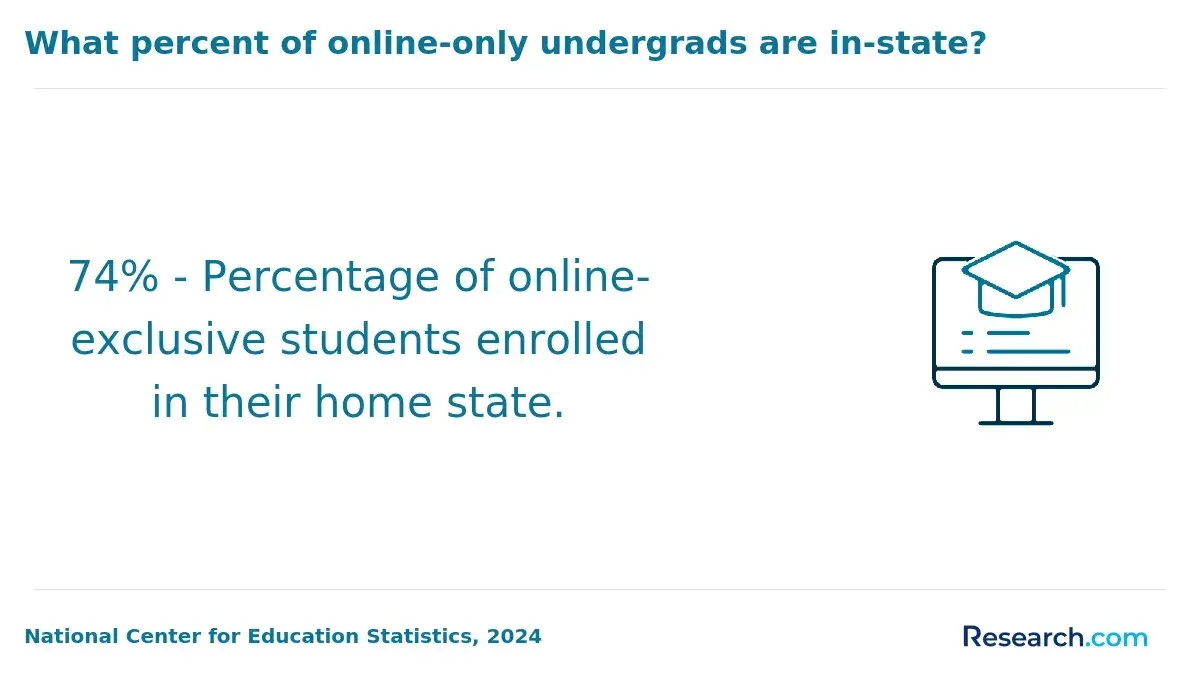
In most cases, online business administration programs require the same number of credits as comparable campus-based programs. The format changes how courses are delivered, not the academic standard required to earn the degree. Both online and traditional bachelor’s programs generally require between 120 and 130 credits to graduate.
This matters because students sometimes assume an online degree is shorter or less demanding. A legitimate online business administration degree should still require equivalent learning outcomes, assessment standards, and credit-hour expectations. Recent data shows that enrollment in online business administration programs has surged by more than 50% over the last five years, highlighting their rising popularity.
- Typical credit range: Online and in-person bachelor’s programs generally remain in the same 120 to 130 credit range, although individual schools may organize courses differently.
- Course delivery differences: Online programs often use learning management systems, recorded lectures, discussion boards, digital simulations, group projects, and virtual office hours. These tools may change the learning experience, but not the expected academic rigor.
- Flexible pacing: Many online programs offer asynchronous courses, multiple start dates, or part-time pathways. This flexibility can help working adults, parents, military students, and career changers keep progressing.
- Graduation timeline alignment: Full-time students are generally expected to complete a bachelor’s program within four years, whether the program is online or on campus. Part-time enrollment, transfer delays, failed courses, or limited course availability can extend that timeline.
Students comparing online options should review tuition per credit, transfer rules, accreditation, course sequencing, and student support services. Lists of business schools online can be useful starting points, but the best choice depends on whether the program’s credit structure fits your schedule and career plan.
One practical difference is pacing. Online students may be able to take courses year-round or complete shorter terms, but a heavier pace is not always better. Before increasing your course load, calculate the weekly time commitment for reading, assignments, exams, group work, and any required projects.
How Many Credits Are Required in Accelerated Business Administration Programs?
Accelerated business administration programs usually do not reduce the academic content required for the degree. Instead, they compress the time needed to complete the credits. This can be helpful for motivated students, but it also creates a more demanding schedule.
- Typical Credit Range: Accelerated undergraduate business administration degrees generally require about 120 to 130 credits, similar to traditional programs. Graduate and professional accelerated programs usually require between 30 and 48 credits, depending on specialization and admission criteria.
- Core and Electives Structure: Accelerated programs still divide credits among required business courses and electives. Students may have less flexibility in when courses are offered, so missed prerequisites can delay progress.
- Impact of Accelerated Pacing: Shorter terms often mean more weekly work per course. Students may complete the same number of assignments, exams, projects, and readings in less time. This pace can be difficult for students working full time or managing major family responsibilities.
- Transfer and Credit Policies: Previously earned credits may shorten the path to graduation, but accelerated programs can have strict transfer rules. Students should request an official transfer evaluation before committing to the program.
An accelerated program is most realistic for students who can maintain consistent study time, meet deadlines without extensive schedule flexibility, and handle overlapping coursework. It may be less suitable for students who need a lighter course load, extensive academic support, or more time to complete quantitative subjects such as accounting, finance, economics, or business analytics.
How Many Transfer Credits Are Accepted Toward a Business Administration Degree?
Transfer credit can reduce cost and shorten time-to-degree, but acceptance is never automatic. Schools evaluate transfer credits based on accreditation, course equivalency, grade requirements, age of coursework, level of study, and whether the credits fit the new program’s curriculum.
About 40% of students enrolled in bachelor's business administration programs are transfers, so credit evaluation is a major planning issue. Typical transfer credit limits vary by degree level:
- Associate Degree: These programs often allow 50-60% of credits to be transferred from accredited institutions, provided the courses match general education or introductory business requirements.
- Bachelor's Degree: Transfer acceptance usually ranges from 60-75%, depending on how well prior coursework aligns with general education, business core, major, and elective requirements.
- Master's and Professional Degrees: Transfer credits are usually more limited, generally between 6 and 12 credits. Graduate programs often require students to complete most advanced coursework through the degree-granting institution.
- Doctoral Programs: Credits are rarely accepted unless the prior graduate coursework is closely related and meets the program’s academic standards.
- Accelerated Programs: Transfer opportunities may be more restricted because course sequencing is compressed and prerequisites are tightly structured.
- Credit Application: Accepted credits typically apply first to general education or core requirements, then to electives, and finally to the total graduation minimum. A transferred course may count toward total credits without satisfying a specific business requirement.
To maximize transfer value, request a course-by-course evaluation before enrolling. Keep syllabi, catalogs, transcripts, and assignment descriptions from prior schools. If a course is denied, ask whether an appeal is possible and what documentation is required.
A common mistake is assuming that “accepted credits” and “credits applied to the major” mean the same thing. A school may accept many credits toward the total degree count while still requiring you to retake specific business core courses.
Can Work Experience Count Toward Business Administration Degree Credits?
Work experience can sometimes count toward a business administration degree through prior learning assessment (PLA), also called credit for experience. PLA is designed for students who can demonstrate college-level learning gained through employment, military training, certifications, entrepreneurship, management responsibilities, or professional development.
- Work Experience Evaluation: Universities may require resumes, job descriptions, supervisor letters, certifications, training records, portfolios, reflective essays, exams, or faculty interviews. The goal is to determine whether the experience matches specific course learning outcomes.
- Credit Limits: Institutions often cap the number of credits earned through prior learning assessment, generally allowing up to 30 to 50 percent of total degree credits. Limits vary, and some programs restrict PLA to elective credits rather than major requirements.
- Impact on Degree Completion: Work experience credit transfer for business degree programs can reduce tuition costs and shorten time-to-degree. Students with substantial experience in management, finance, marketing, operations, sales, entrepreneurship, or human resources may benefit most.
PLA is not the same as receiving credit simply for having a job. Students must document what they learned, how that learning aligns with academic standards, and why it is equivalent to a college course. For example, supervising employees may support credit for management principles only if the student can show knowledge of planning, leadership, communication, performance evaluation, and organizational decision-making.
Both online and campus-based business programs may recognize PLA, making it especially useful for working adults and career changers. Students comparing professional pathways outside business can also review fields such as accredited online marriage and family therapy programs, where credit, supervised experience, and credentialing rules may work differently.
Do Licensure Requirements Affect Credit Hours in a Business Administration Degree?
Licensure does not affect every business administration student. Many business careers, such as general management, marketing, operations, sales, project coordination, and entrepreneurship, do not require a state license. However, credit requirements can become more important when a student uses a business administration degree as a foundation for a regulated or credentialed career path.
Accounting is a common example. Students pursuing certain accounting-related credentials may need specific accounting, auditing, tax, ethics, or business law coursework beyond a general business administration curriculum. Finance, human resources, supply chain, project management, and analytics careers may also value certifications, though certification requirements are not the same as state licensure.
Licensure-related planning can affect credit hours in several ways:
- Additional coursework: Students may need extra courses in accounting, finance, ethics, compliance, or another specialized area.
- Specific course selection: Electives may need to satisfy credentialing requirements rather than personal interest alone.
- Internships or practical experience: Some career pathways expect documented experience, even when the degree itself does not require additional credits.
- State-by-state variation: Requirements vary by state and licensing authority, so students should confirm rules before choosing courses.
Online students should be especially careful. A program may be academically strong but not designed to meet every state’s credentialing expectations. Before enrolling, ask whether the curriculum supports your intended license or certification and whether additional coursework may be required after graduation.
Students weighing the cost of extra credits against potential earnings may also compare educational investments with broader career data, including resources that examine what job makes the most money.
How Do Universities Calculate Credits for a Business Administration Degree?
Universities use credit hours to measure academic workload. A credit hour usually reflects direct faculty instruction plus expected independent work. A common standard is one hour of instruction per week over a 15- to 16-week academic term, though online, accelerated, hybrid, and competency-based formats may structure that time differently.
- Lecture-based courses: A 3-credit lecture course typically includes three hours of weekly instruction across the term, plus reading, assignments, projects, and exam preparation outside class.
- Labs, practicums, or clinical components: These may require more scheduled or applied work per credit. Programs often expect two to three hours per credit hour for more hands-on learning activities.
- Capstone and project-based courses: Credit hours may reflect the total workload needed for research, consulting projects, business plans, presentations, simulations, or applied analysis.
- Credit variations by academic level and format: Graduate programs may require fewer total credits than bachelor’s programs, but each credit may involve more advanced reading, writing, analysis, and independent work. Online and on-campus formats should follow equivalent credit-hour expectations.
Accreditation helps maintain consistency in credit-hour standards, which supports credit transfer, financial aid eligibility, and program quality. Students pursuing a bachelor’s business administration degree should track progress toward the 120 to 130 credits usually required and confirm that credits apply to the correct categories.
Students interested in flexible study formats can compare online college degrees while checking whether each program clearly explains credit-hour expectations, course pacing, and graduation requirements.
How Do Business Administration Degree Credit Requirements Affect Graduation Timelines?
Credit requirements directly shape how long it takes to finish a business administration degree. Programs generally require between 120 and 150 total credits to graduate, depending on the institution, degree design, transfer policies, and any added requirements. The number of credits matters, but sequencing matters just as much.
- Core credits: Required business courses often must be completed in a set order. For example, introductory accounting or economics may be a prerequisite for upper-level finance, strategy, or analytics courses. Missing a prerequisite can delay graduation even if the student has enough total credits.
- Elective requirements: Electives can either speed up or slow down progress. Flexible elective options make scheduling easier, while limited or rarely offered electives can create bottlenecks.
- Transfer credits: Credits transferred from accredited institutions can reduce the number of credits a student must complete after enrollment. However, credits that transfer only as general electives may not shorten the major sequence as much as expected.
- Accelerated formats: Fast-track programs and condensed courses can help students complete credits more quickly, especially in online settings. The trade-off is a heavier weekly workload and less recovery time between assignments.
- Prior learning assessment: Credit for work experience, certifications, or military training can reduce course load and time-to-degree when the credits apply to the degree plan.
Students who want to graduate efficiently should map each term before enrolling. A strong graduation plan identifies required courses, prerequisites, transfer credits, elective options, course availability, financial aid minimums, and realistic weekly study time.
Online programs may offer more scheduling flexibility, but flexibility does not guarantee faster completion. Campus programs may have fixed schedules, but they can offer structured advising, predictable course rotations, and in-person support. The best timeline is the one a student can sustain without repeatedly dropping, failing, or retaking courses.
Do More Credits Lead to Better Career and Salary Outcomes for Business Administration Graduates?
More credits do not automatically lead to better salary outcomes. Employers usually care more about the degree, relevant skills, experience, internships, certifications, portfolio projects, leadership ability, and job performance than the raw number of credits completed. Extra credits are most valuable when they create a clearer qualification for a target role.
- Advanced concentrations: Additional credits in areas such as finance, marketing, or data analytics can improve access to specialized roles when the coursework builds skills employers actively seek.
- Licensure and certifications: Credits that support professional credentials may strengthen eligibility for regulated or credentialed career paths.
- Technical skill enhancement: Electives in data tools, information systems, operations, business intelligence, or digital marketing may make a graduate more competitive than unrelated extra coursework.
Extra credits may have limited value when they do not connect to a job goal.
- Lack of relevance: Additional credits unrelated to the student’s target industry may add cost without improving employability.
- Experience over credits: Many employers prioritize internships, work history, leadership examples, and measurable achievements over extra classroom credits.
- Entry to mid-level positions: For early career roles, additional undergraduate credits often do not raise pay unless they produce a specific skill, credential, or advantage in hiring.
A better question than “Should I take more credits?” is “Which credits improve my next career move?” Students should choose extra courses only when they support a concentration, certification, graduate school preparation, technical skill, internship requirement, or clearly defined career path.
What Graduates Say About The Credit Requirements for Their Business Administration Degree
Graduate experiences vary, but several themes are common: credit flexibility matters, cost per credit affects persistence, and extra coursework is most helpful when it connects to career goals.
- Armand: "The flexibility of the online business administration degree program allowed me to balance work and study, especially because I could plan credits around my schedule. The average cost per credit felt manageable, and taking extra credits in areas tied to management helped me pursue roles I had not considered before."
- Demi: "Looking back, the value came from choosing credits carefully rather than simply taking more classes. The online format made it easier to complete requirements when and where it suited me, and the added coursework gave me more confidence in applying business concepts at work."
- Hayden: "As a working professional, I needed a program with structure but enough flexibility to keep moving. The cost of the credits was competitive compared to traditional routes, and the extra courses I selected deepened my expertise in ways that strengthened my professional credibility."
Other Things You Should Know About Business Administration Degrees
Schools typically permit course repetition for improved grades or meeting credit requirements. However, limitations exist on the number of times a course can be repeated. Some institutions cap repeats at one or two attempts. Always consult specific university guidelines or speak to an academic advisor to understand restrictions.
In 2027, business administration students must earn 3-6 credits through internships. These are typically completed in the third or fourth year, offering practical experience and integrating classroom knowledge with real-world business environments.
In 2027, enrolling in upper-level business administration courses typically requires completing at least 60 credit hours of introductory and core coursework, including fundamental classes in accounting, economics, and management, as specified by academic institutions.
Yes, credits from summer or winter sessions can typically be applied toward fulfilling the credit requirements for a Business Administration degree. These sessions provide an opportunity to complete courses more quickly or manage a lighter load during the traditional semesters.
References
- Business Administration (BSBA) - Transfer to Wayne State University https://wayne.edu/transfer/pathway/oakland-community-college-business-administration-bsba
- Menu https://www.southernct.edu/mba/requirements/accelerated-mba
- Online Business Degree https://www.snhu.edu/online-degrees/bachelors/bs-in-business-administration
- Stevenson University https://www.stevenson.edu/online/about-us/news/how-long-does-it-take-to-get-a-business-degree-online/
- What Can You Do with a Business Admin Degree? | CTU Online https://www.coloradotech.edu/degrees/studies/business-and-management/articles/what-can-i-do-with-a-business-administration-degree
- Business Administration, BSBA/MBA Accelerated Program https://catalog.roosevelt.edu/undergraduate/business/business-administration-bsba-mba-accelerated-program/
- Business Core Courses https://www.umgc.edu/online-degrees/bachelors/business-core-courses
- Bachelor of Business Administration - Wikipedia https://en.wikipedia.org/wiki/Bachelor_of_Business_Administration
- How Long Does It Take to Get a Business Degree? https://campus.edu/blog/business/how-long-does-it-take-to-get-a-business-degree
- Online Bachelor Degree Completion | Business Administration | Merrimack https://online.merrimack.edu/bachelor-degree-completion/business-administration/