2027 Can You Get Licensed With an Online Business Administration Degree? Requirements, Rules, and What to Know

Co-Founder and Chief Data Scientist
An online business administration degree can support many business careers, but it usually does not create a license by itself. The key question is whether the degree satisfies the education requirements for the specific credential you want, such as accounting, real estate, financial advising, human resources, or another regulated business role.
This matters because management careers continue to draw strong interest. According to the U. S. Bureau of Labor Statistics, employment in management occupations is projected to grow 8% from 2022 to 2032. For students choosing between online and campus programs, the important issues are accreditation, required coursework, state rules, exams, supervised experience, and whether a licensing board recognizes the program.
This guide explains when an online business administration degree can be used for licensure, how state requirements differ, what exams or experience may be required, and which jobs typically do or do not require a license.
Key Benefits of Getting Licensed with an Online Business Administration Degree
- Licensure with an online business administration degree enhances professional credibility, meeting industry standards that increasingly value certified qualifications for managerial roles.
- It expands employment opportunities by qualifying graduates for diverse roles across sectors, improving job mobility in dynamic business environments.
- Licensed professionals typically experience higher long-term earning potential and greater advancement prospects, with certified managers earning up to 20% more than non-licensed peers.
Can You Get Licensed With an Online Business Administration Degree?
Yes, you can qualify for some licenses with an online business administration degree, but eligibility depends on the license, the state, and the program’s accreditation. Licensing boards usually focus less on whether the degree was earned online and more on whether the school is properly accredited, the curriculum includes required subjects, and the graduate meets exam and experience rules.
A business administration degree is broad, so it is not tied to one universal business license. Instead, graduates may use the degree as part of a pathway toward field-specific credentials. For example, a student interested in accounting may need specific accounting coursework before sitting for the CPA exam, while a graduate entering real estate, financial services, or human resources may face separate state or industry requirements.
What to verify before enrolling
- Institutional accreditation: Confirm that the college or university is accredited by a recognized accreditor. Many licensing boards will not accept credits from unaccredited schools.
- Program curriculum: Compare required courses with the licensing board’s education checklist, especially for accounting, finance, compliance, or HR-related credentials.
- State eligibility rules: Requirements can differ by location, even when the job title sounds the same.
- Experience requirements: Some credentials require supervised work, internships, or documented professional experience after graduation.
- Exam requirements: The degree may only satisfy the education portion; a separate exam may still be required.
The main advantage of an online business administration program is flexibility. Students can often continue working while completing courses in management, finance, marketing, business law, organizational behavior, and operations. That flexibility can be useful for working adults who need a degree but cannot relocate or attend daytime classes.
Students planning long-term academic or executive leadership roles may also compare business credentials with advanced pathways such as online edd programs, but licensure decisions should always begin with the rules for the specific profession and state.
Do Licensing Requirements for Business Administration Vary by State?
Yes. Licensing requirements can vary significantly by state because most regulated business activities are governed by state boards, agencies, or profession-specific regulators. The same online business administration degree may be acceptable in one state but require additional coursework, exams, or experience in another.
Licensing rules for business administration professionals are established to ensure a high level of professional competence before individuals enter the workforce. These requirements vary widely by state, with approximately 40% of states imposing unique licensure or certification standards, highlighting the complexity of navigating state licensing requirements for business administration degrees.
Common ways state rules differ
- Examinations: Some states require state-specific exams, while others accept national exams or do not require an exam for a particular role.
- Supervised experience: The required amount, type, and documentation of experience may differ. This can affect how quickly graduates become eligible.
- Continuing education: Renewal rules often include ongoing coursework, but the number of hours and approved topics can vary.
- Scope of practice: States may define what a licensed professional can legally do in different ways, especially in real estate, insurance, accounting, and financial services.
- Application documentation: Boards may require official transcripts, course descriptions, background checks, proof of experience, or exam scores.
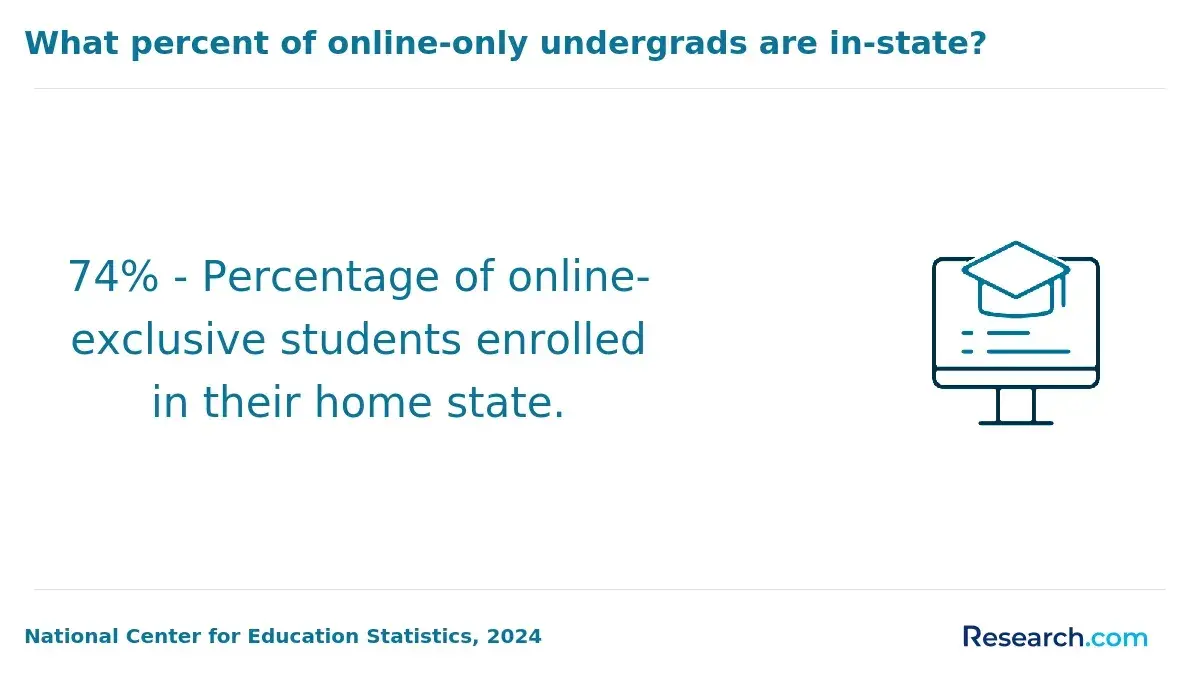
Students who may move after graduation should check requirements in both their current state and the state where they plan to work. This is especially important for online students, who may enroll in a school located outside their state of residence.
The same planning principle applies when comparing other state-regulated online degrees, including an accelerated psychology degree online. State authorization, board approval, and licensing eligibility should be checked before enrollment, not after graduation.
Are Online Business Administration Programs Different From Campus Programs for Licensure?
For licensure, the delivery format is usually not the deciding factor. An online business administration program and a campus-based program can both support licensing eligibility if they meet the same accreditation, curriculum, credit-hour, and documentation standards required by the licensing authority.
The format of a Business Administration program-whether online or on-campus-does not inherently affect a graduate's eligibility for professional licensure. Regulatory bodies prioritize accredited programs meeting educational standards over the mode of delivery. According to a 2023 Online Learning Consortium survey, there has been a 40% rise in licensing agencies accepting online degrees for credentialing in five years.
How online and campus programs are evaluated
- Curriculum coverage: Both formats must cover the required business competencies, such as accounting, management, business law, ethics, marketing, finance, and operations.
- Accreditation status: Licensing boards generally look for recognized institutional accreditation and, in some fields, may also consider program-level standards.
- Practical components: Internships, capstones, consulting projects, or workplace-based assignments may be offered in either format.
- Assessment quality: Online exams, projects, presentations, and case analyses must still demonstrate that students have mastered required competencies.
- Transcript clarity: Boards often review official transcripts. The transcript usually matters more than whether the course was completed online.
A licensed professional who earned his business administration degree online said the format required discipline but did not prevent him from meeting career goals. He found electives such as digital marketing and leadership especially useful because they aligned with his intended role. His main advice was to choose courses strategically, stay organized during exam periods, and verify licensing requirements early.
The practical takeaway is simple: an online degree can be licensure-friendly, but only if the program is legitimate, appropriately accredited, and aligned with the credential you plan to pursue.
Does an Online Business Administration Degree Require Clinical or Practicum Hours?
Most online business administration degrees do not require clinical hours because business administration is not typically a clinical profession. However, some programs include internships, practicums, capstone projects, consulting assignments, or workplace-based projects to help students apply business concepts in real organizations.
Clinical or practicum hours serve as structured, supervised experiences designed to prepare students for professional practice and licensure by providing hands-on skills development. In business administration, these experiences are usually practical rather than clinical. They may involve project management, budgeting, market research, operations analysis, HR support, or strategic planning.
In professions requiring clinical hours for business administration licensure or related credentials, these experiences usually involve a set number of supervised hours, often ranging from 100 to 600, at approved organizations. Such requirements ensure that students develop competencies under professional guidance before entering the workforce.
What practical experience may look like
- Typical hours and placement: A program may require a defined number of hours in a workplace connected to the student’s concentration, such as finance, marketing, entrepreneurship, healthcare administration, or operations.
- Supervision and evaluation: A faculty member, site supervisor, or experienced manager may evaluate the student’s work and confirm completion.
- Skills development: Students may practice communication, data analysis, budgeting, leadership, decision-making, and process improvement.
- Online program adaptations: Many online programs allow students to complete approved experiences locally or through their current employer.
Students should not assume that “online” means “no fieldwork.” If a license or certification requires supervised experience, ask the program how placements are approved, who documents the hours, and whether out-of-state students can complete requirements where they live.
Professionals comparing graduate-level management options may also review executive mba programs online, particularly if they want advanced business training without leaving the workforce.
What Licensing Exam Is Required After Earning an Online Business Administration Degree?
There is no single licensing exam for all online business administration graduates. The required exam depends on the profession. A graduate pursuing accounting may need the CPA exam, while someone entering real estate, insurance, securities, or another regulated field may need a different state or industry exam.
Licensing exams confirm that candidates meet minimum professional standards before practicing in regulated fields. Notably, about half of the candidates pass key industry exams like the CPA on their first attempt, underscoring the challenge and rigor involved.
Common exam considerations
- Exam name: The Certified Public Accountant (CPA) exam is one of the best-known exams for business graduates pursuing accounting or finance-related careers. Other fields use different licensing or certification exams.
- Exam content: The CPA exam includes sections on financial reporting, regulation, auditing, and business environment topics.
- Format: The CPA exam is administered by computer and consists of four separate parts that candidates can schedule independently.
- Preparation strategies: Candidates often spend months using review courses, practice questions, exam simulators, and structured study schedules.
- Retake policies: Candidates may retake sections multiple times but must follow mandatory waiting periods between attempts.
- Relevance for online graduates: Exam rules generally do not differ because a degree was earned online, but coursework and credit requirements may still vary by state board.
A licensed professional who earned an online business administration degree and pursued CPA licensure described the process as manageable but demanding. She said the online format helped her balance work, study, and exam preparation, but the CPA exam itself still required consistent preparation. Her advice to future candidates was to start early, map exam requirements before graduation, and avoid assuming that a degree alone guarantees exam eligibility.
Is Supervised Work Experience Required After an Online Business Administration Degree?
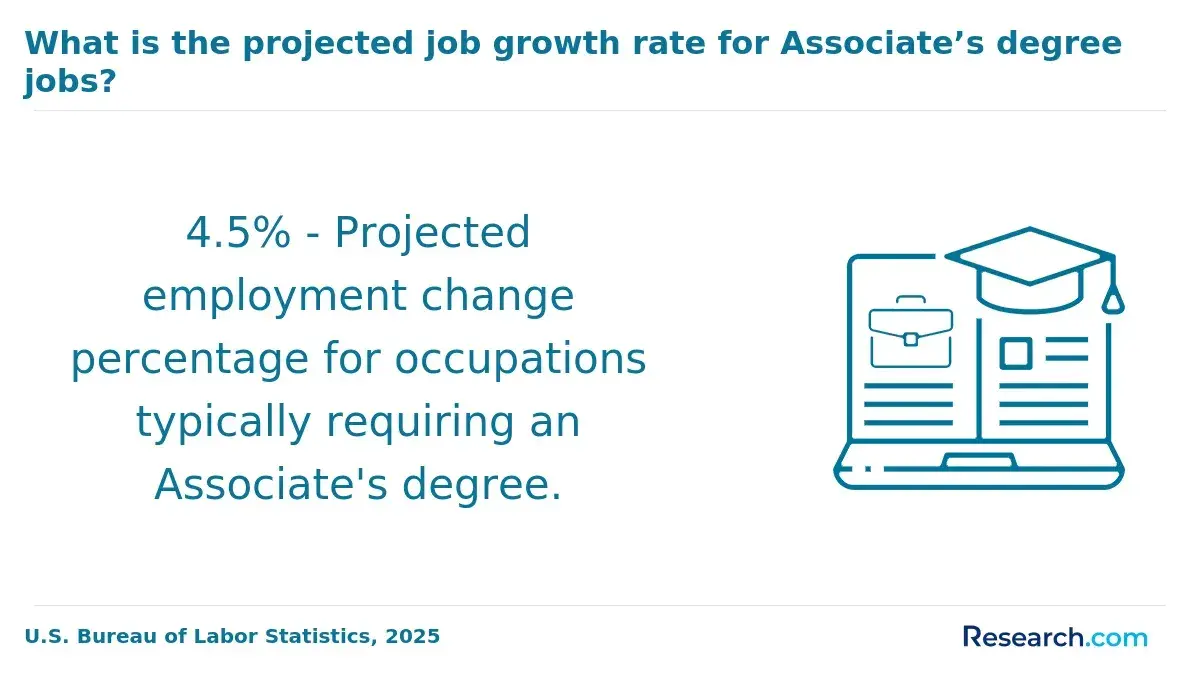
Supervised work experience is not required for every business administration graduate, but it may be required for certain licenses, certifications, or regulated roles. Even when it is not mandatory, internships and structured entry-level programs can make graduates more competitive by showing applied business experience.
Supervised work experience is not a mandatory requirement following an online business administration degree for professional certification or employment. However, engaging in supervised practice through internships or entry-level management programs plays a vital role in honing leadership skills and ensuring graduates are prepared for corporate responsibilities. Nearly 65% of business students participate in some form of internship or practicum to bridge the gap between academic theory and industry application.
What supervised experience may include
- Duration: Typically, supervised experiences last from three months to a year, depending on the company’s internship cycle or leadership development program structure.
- Typical settings: Students may work in corporate offices, non-profit organizations, startups, healthcare organizations, financial firms, or public agencies.
- Mentorship: A manager, supervisor, or senior professional may guide the student through projects, meetings, reporting, and workplace expectations.
- Skill development: Supervised roles can strengthen data analysis, financial literacy, communication, conflict resolution, project coordination, and leadership skills.
- Career readiness: Experience can improve job placement prospects for business graduates and for foreign medical graduates transitioning into healthcare administration.
The best approach is to treat supervised experience as both a licensing question and an employability question. Ask whether it is required for your intended credential, then consider whether completing an internship or practicum would strengthen your resume even if it is optional.
Does Licensure Reciprocity Apply to Online Business Administration Graduates?
Licensure reciprocity may apply to online business administration graduates, but it depends on the profession and the states involved. Reciprocity allows a professional licensed in one state to seek recognition in another state through a streamlined process. It does not always mean automatic approval.
For online graduates, the degree format is usually less important than whether the original license is active, the program meets accepted education standards, and the new state recognizes comparable requirements.
Factors that affect license transfer
- Eligibility criteria: Reciprocity generally requires that the original license is active and in good standing. The new state may also review exam scores, coursework, and experience.
- Accreditation and program standards: Licensing boards may verify that the online degree came from an accredited institution and included required coursework.
- State reciprocity agreements: Not all states have formal agreements for every business-related license. Some credentials are easier to transfer than others.
- Application procedures: Applicants may need official transcripts, proof of current licensure, exam results, work history, background checks, or additional state-specific forms.
- Field-specific variations: Reciprocity rules usually depend on the profession, such as accounting, real estate, insurance, or financial advising, rather than on whether the degree was online.
Graduates who expect to relocate should research portability before choosing a license path. A credential that works well in one state may require extra steps elsewhere. Students comparing business-related career value may also review the highest paying college majors to understand how education choices, credentials, and earning potential can intersect.
What Are the Pros and Cons of Online Business Administration Programs for Licensure?
Online business administration programs can be a strong option for students seeking flexible preparation for business credentials, but they require careful vetting. Enrollment has increased by over 30% in recent years as students seek adaptable learning options, but convenience should not replace due diligence on accreditation and licensing alignment.
Pros
- Flexibility: Online programs may allow students to keep working while completing coursework, which can be especially helpful for adults pursuing a career change or promotion.
- Accessibility: Students who live far from a campus can access business programs without relocating, as long as the program meets their state and licensing needs.
- Potential cost efficiency: Online study may reduce commuting, housing, and relocation costs. Students comparing affordability can review options such as the cheapest online bachelor's degree business administration when evaluating total degree cost.
- Workplace application: Students who are already employed can often apply course concepts immediately in their current roles.
Cons
- Licensing uncertainty: Some students enroll before checking whether the program satisfies state board requirements, which can create problems later.
- Limited in-person networking: Online students may need to be more intentional about building relationships with faculty, classmates, alumni, and employers.
- Practical experience gaps: Some programs offer fewer structured internships or employer partnerships than campus programs.
- Self-discipline demands: Online learning requires consistent time management, especially for students also preparing for licensing exams.
- Employer or board perception: While acceptance of online degrees has increased, some employers or credentialing bodies may still scrutinize program quality closely.
The best online program for licensure is not simply the most flexible one. It is the program that fits your schedule while also meeting accreditation, coursework, exam, and experience requirements for your intended career.
Does Getting Licensed With an Online Business Administration Degree Affect Salary?
Licensure can affect salary when it qualifies a graduate for regulated, specialized, or higher-responsibility roles. The degree format is usually not what drives the pay difference; the value comes from meeting professional standards, passing required exams, and gaining authority to perform work that unlicensed professionals cannot legally or commonly perform.
Obtaining licensure after earning an online business administration degree can significantly influence earning potential, with licensed professionals in related fields earning approximately 15-20% more on average than their non-licensed counterparts. This salary benefit reflects employers' recognition of verified competence and adherence to professional standards.
How licensure may improve earning potential
- Access to higher-paying roles: Some positions are closed to candidates without a license, especially in accounting, finance, real estate, insurance, and compliance-related fields.
- Eligibility for leadership positions: Employers may prefer licensed or certified professionals for roles involving risk, reporting, financial decisions, or regulatory oversight.
- Specialized responsibilities: Licensed professionals may take on duties that require technical knowledge, legal accountability, or client-facing authority.
- Enhanced job security: Credentials can support mobility and credibility during hiring, promotion, or organizational change.
Salary outcomes still depend on location, industry, employer, experience, job performance, and the specific license earned. Students should avoid assuming that any license automatically produces a raise. The strongest return usually comes when the credential is directly connected to a target role.
Graduates who want to deepen their expertise after a bachelor’s degree may also compare one year masters programs online, especially if an advanced degree supports their licensing, promotion, or specialization goals.
What Jobs Can You Get With or Without a License as an Online Business Administration Degree Holder?
An online business administration degree can lead to both licensed and non-licensed careers. The right path depends on whether the role involves regulated services, legal authority, client representation, or technical duties that require formal approval from a board or agency.
Licensing requirements can significantly shape the range of career opportunities available to graduates with an online business administration degree. While some roles demand formal licensure due to regulatory oversight, others rely primarily on skills and experience without mandatory certifications. Notably, a 2023 labor survey found that licensed professionals in business-related fields earn about 15% more on average than those in comparable non-licensed roles.
Jobs With a License
- Financial advisor: Advises clients on investments, planning, and financial strategies. Depending on the services offered, licensing or registration may be required.
- Real estate broker: Helps clients buy, sell, or lease property under state regulatory rules. Licensure is essential for legally facilitating many transactions.
- HR specialist: Handles employment policies, compliance, benefits, and workforce processes. Some roles rely on professional certification rather than state licensure, but credentials can strengthen advancement prospects.
Jobs Without a License
- Business analyst: Evaluates processes, data, systems, and organizational needs to recommend improvements. This role usually emphasizes analytical and communication skills rather than licensure.
- Operations manager: Oversees workflows, teams, budgets, logistics, and performance goals. Career growth typically depends on experience, leadership, and results.
- Marketing coordinator: Supports campaigns, content, events, market research, and client communication. Creativity, project management, and digital skills are usually more important than licensing.
Students who want maximum flexibility should choose electives and internships that support both licensed and non-licensed options. For example, accounting, finance, business law, analytics, and compliance courses may keep more credential pathways open.
What Graduates Say About Getting Licensed with an Online Business Administration Degree
- : "The affordability of the online business administration degree was a huge deciding factor for me. Considering the average cost, I found the program offered great value without compromising quality. The flexibility of online learning allowed me to balance work and study, and becoming licensed has truly elevated my professional opportunities. — Armando"
- : "Reflecting on my journey, the cost of obtaining my online business administration degree and licensure was reasonable, especially given the convenience of studying from home. The curriculum was thorough and engaging, which helped me build strong foundational skills. This credential has been instrumental in advancing my career in management. — Damien"
- : "I was initially concerned about the expense of an online business administration degree, but after researching, I realized it was quite cost-effective compared to traditional programs. The online format challenged me to be disciplined, and earning my license has opened doors I never expected. This education has been a pivotal investment in my professional growth. — Aiden"
Other Things You Should Know About Business Administration Degrees
Accreditation is critical for licensing eligibility because most licensing boards require degrees from regionally or nationally accredited institutions. Graduates from non-accredited online business administration programs may face rejection when applying for licenses. Ensuring the program holds proper accreditation increases the likelihood that your degree will be recognized by licensing authorities.
Yes, many graduates with an online business administration degree pursue professional certifications such as the Certified Business Manager (CBM) or Project Management Professional (PMP). While these certifications are not licenses, they enhance professional credibility and may be required or preferred in certain business fields. Certification requirements vary but typically involve passing an exam and meeting experience criteria.
State licensing boards, not universities, decide whether an online business administration degree counts. Most accept degrees from regionally accredited schools, but rules vary by profession and state. Check the exact board for fields such as real estate, insurance, or securities, because each may require specific coursework, exams, and supervised experience.
References
- Your Guide to an Online Business Degree https://www.coursera.org/articles/online-business-degree
- A State-by-State Guide to Business Licenses | Constant Contact https://www.constantcontact.com/blog/state-business-licenses/
- Difference between online MBA and on campus MBA https://www.ucanwest.ca/blog/education-careers-tips/how-to-decide-whether-to-earn-your-mba-online-or-on-campus
- Discover the Benefits of Earning a Degree in Business Administration Online https://onlinedegrees.nku.edu/programs/undergraduate/bsba/sales/benefits-of-business-admin-degree/
- What kind of certifications are available to add to my online Bachelor's degree in Business Administration? https://www.onlineschoolscenter.com/certifications-online-bachelors-degree-business-administration/
- US State Business Licenses - Avalara https://www.avalara.com/us/en/learn/licenses.html
- Remote Business Administration Jobs https://www.virtualvocations.com/q-remote-business-administration-jobs.html
- Business Administrator Certifications https://www.nobledesktop.com/careers/business-administrator/certifications
- Online Bachelor of Science in Business Administration | TUW https://www.tuw.edu/academics/business/business-administration-and-management/
- Pros & Cons of Online Degree Courses in 2025 https://amityonline.com/blog/pros-and-cons-of-online-degree-courses