2027 Online Business Administration Degree Programs Costs: Tuition & Fees

Co-Founder and Chief Data Scientist
An online Business Administration degree can be a practical path into management, operations, finance, marketing, entrepreneurship, or graduate business study—but only if the cost fits the outcome you expect. Tuition is not the only expense to compare. Fees, textbooks, transfer-credit rules, residency pricing, program length, and financial aid can change the real price substantially.
This guide explains what students typically pay for online Business Administration programs, what tuition usually includes, which factors raise or lower the final cost, and how online programs compare with campus-based options. It also reviews affordable and higher-cost school examples, financial aid eligibility, and how to think about return on investment before enrolling.
Key Points About Online Business Administration Degree Costs
- Average tuition for online Business Administration degrees ranges from $15,000 to $40,000, varying by school type and program length.
- Factors influencing cost include accreditation, faculty expertise, technology fees, and whether the institution is public or private.
- Investing in an online business degree often leads to higher earning potential and career growth, justifying upfront tuition expenses.
What Is the Average Cost of an Online Business Administration Degree?
The typical annual tuition for an online Business Administration bachelor's degree in the U.S. ranges from about $4,000 to $13,000. The amount a student actually pays depends on the school, residency rules, transfer credits, enrollment pace, and financial aid. After grants and scholarships, students pay approximately $4,256 each year for online programs on average, compared with the $6,586 average annual net price for traditional on-campus business degrees.
Public universities often provide the lowest advertised rates for in-state students. For example, Kennesaw State University lists yearly tuition of $4,770. Private colleges and accelerated online formats may cost more, with some programs totaling up to $13,000 for the full program. Pricing models also differ. Cal State East Bay charges $433 per credit, while Western Governors University uses a flat term model of $3,830 for each six-month period.
For working adults, Business Administration is often more flexible than more specialized business degrees because the curriculum applies across many roles and industries. However, the lowest tuition is not always the best value. Students should compare total program cost, accreditation, transfer-credit acceptance, graduation requirements, and career support before choosing a program.
What Is Typically Included in the Tuition for an Online Business Administration Degree?
Tuition for an online Business Administration degree usually covers the academic instruction and core systems needed to complete courses. It may also include some student services, but the details vary by institution. Before enrolling, students should ask for a written cost breakdown that separates tuition from mandatory fees and optional expenses.
- Course instruction: Tuition typically includes recorded or live lectures, assignments, assessments, class discussions, and access to instructors.
- Learning management system and technology access: Students usually receive access to the online classroom, course modules, assignment portals, discussion boards, and basic technical support.
- Academic support services: Many schools include virtual tutoring, writing support, online library access, academic advising, and career guidance for business students.
- Instructional materials: Some programs include digital textbooks, business case studies, databases, simulations, or embedded course materials. Others require students to buy materials separately.
Tuition often does not include every cost a student will face. Common add-ons include physical textbooks, exam proctoring fees, graduation fees, application fees, transcript fees, optional campus sessions, software subscriptions, a reliable computer, and high-speed internet access.
A strong cost comparison should focus on the total cost to complete the degree, not just the per-credit tuition rate. A program with slightly higher tuition may be less expensive overall if it includes course materials, accepts more transfer credits, or allows students to finish faster.
What Factors Influence the Cost of Pursuing an Online Business Administration Degree?
The cost of an online Business Administration degree is shaped by more than the school’s posted tuition. The biggest differences usually come from institution type, residency status, number of required credits, fees, and how quickly the student completes the program.
- Type of school: Public universities generally offer lower tuition to in-state residents, while private institutions and out-of-state rates can be significantly higher. For example, Florida residents might pay $4,200 annually in-state tuition, compared to $16,500 for out-of-state students.
- Residency status: Some public colleges charge different online tuition rates for residents and non-residents. Others use one flat online rate for all students, regardless of location.
- Credit-hour requirements and program length: Programs with more required credits or longer completion timelines usually cost more. Transfer credits, prior learning credit, and degree-completion pathways can reduce both tuition and time in school.
- Additional fees: Technology fees, administrative charges, textbooks, exam proctoring, software, and graduation fees can increase the final bill. Some programs also require on-campus residencies, which can add travel and lodging costs.
- Reputation, accreditation, and student support: Highly ranked or accredited schools may charge more. Strong advising, career services, experienced faculty, and business-specific resources can also be reflected in tuition.
Course delivery can matter as well. Asynchronous programs may be more affordable or easier to fit around work because students do not need to attend class at fixed times. Synchronous programs may offer more live interaction but can be less flexible. Students comparing accelerated graduate options can also review a one year masters program to understand whether a shorter timeline could reduce opportunity costs.
Online Business Administration programs are often cheaper than traditional campus-based programs, especially when students compare total attendance costs rather than tuition alone. According to the National Center for Education Statistics, in 2020 the average annual tuition and fees for an online bachelor's in Business Administration were $7,547 compared to $12,047 for on-campus programs. After financial aid, the average net price is $4,256 for online students, while on-campus students pay closer to $6,586.
The savings usually come from lower non-tuition expenses. Online students often avoid relocation, campus housing, commuting, parking, and some campus-based fees. Digital course materials may also reduce textbook costs, although this depends on the program.
Online is not automatically cheaper in every case. Some public universities still charge higher non-resident tuition for online students, and some private institutions price online programs at premium rates. Students should compare the full program cost, including fees and required credits, against the expected salary benefit and completion timeline. Shorter credentials can also be useful in some career paths; for example, students may compare a degree with certifications that pay well without a degree before deciding how much education they need.
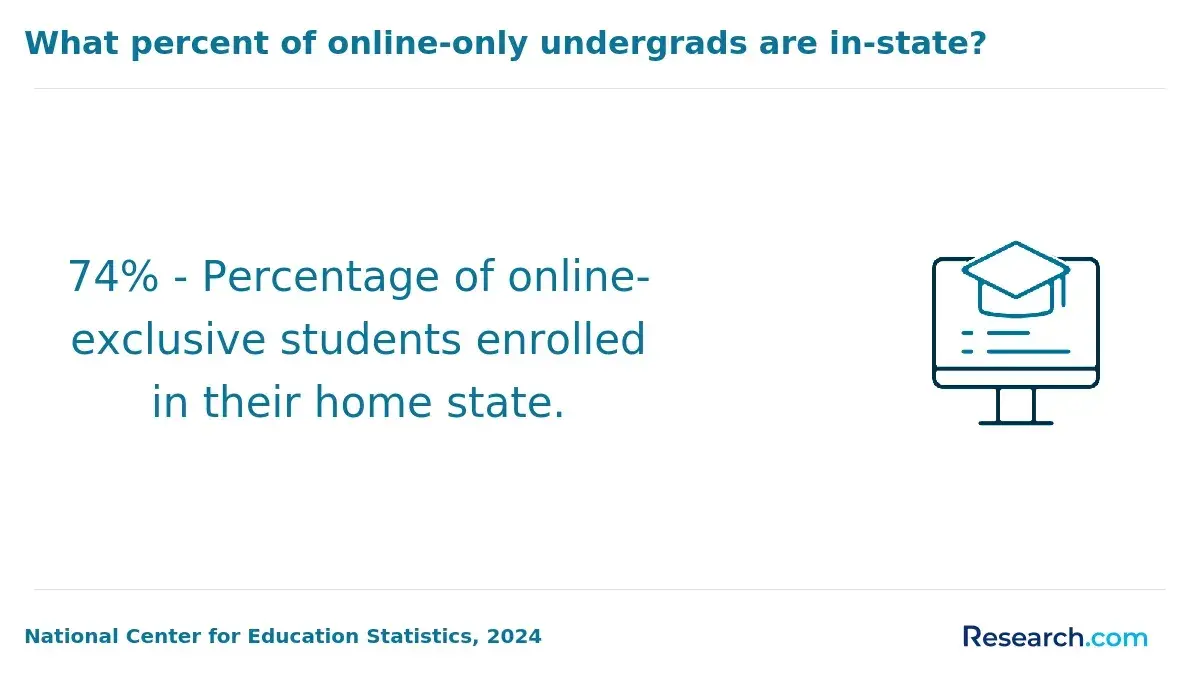
Yes, some online Business Administration programs still use in-state and out-of-state tuition, especially at public universities. However, policies vary widely. A fully online student may qualify for the same rate as in-state students, a separate online rate, or a higher non-resident rate depending on the institution.
Public universities often maintain different tuition rates because they receive state funding intended to support residents. That means non-resident online students may pay substantially more for the same degree. By contrast, many private colleges and online-focused institutions use flat-rate tuition for all students regardless of location.
Students should also check for regional tuition reciprocity agreements, such as the Western Undergraduate Exchange, which may lower costs for eligible students from participating states. Because policies can differ even within the same state university system, students should verify residency classification, online tuition rules, and fee schedules directly with the school before applying.
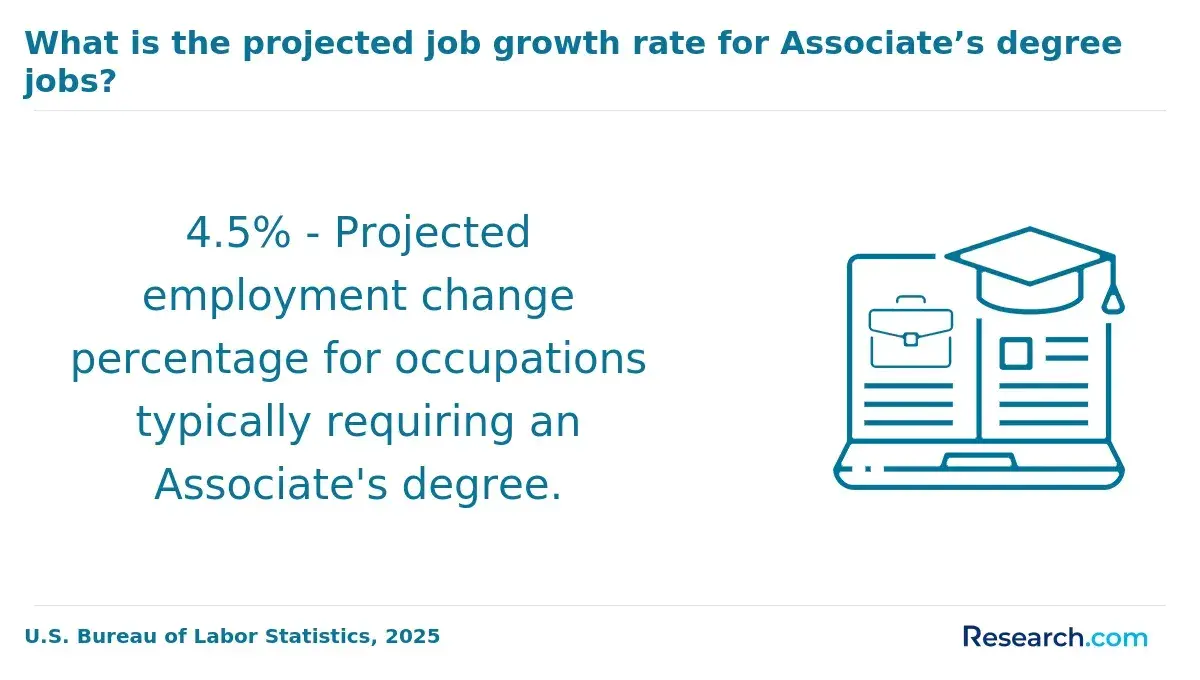
The most affordable online Business Administration programs tend to combine low tuition with flexible pacing, transfer-friendly policies, and limited extra fees. Students looking for a business administration degree online accredited should compare accreditation, total credits required, transfer-credit limits, and whether books or digital materials are included.
Examples of lower-cost options include:
- Eastern University: Offers a 100% online BS in Business Administration with tuition ranging from $2,500 to $7,500 per year. Textbooks are included in the course fees, and financial aid options can help working students reduce out-of-pocket costs.
- Western Governors University (WGU): Uses a competency-based model with a flat tuition rate of $3,830 per 6-month term. Students who can move quickly through coursework may lower their total cost by completing more requirements in each term.
- California State University, Fullerton: Provides an online degree completion program requiring previous college credits, charging $1,500 per class and an estimated $5,742 per year for in-state undergraduates.
Other affordable options include the University of Houston-Clear Lake, which charges about $7,380 per year for Texas residents, and Kennesaw State University with annual costs around $4,770. These schools may be especially cost-effective for students who already have transferable credits.
Affordability should be weighed against career goals. A lower-cost program is strongest when it also supports the student’s intended path in management, operations, accounting, marketing, sales, human resources, or entrepreneurship. Students comparing business paths can also review majors with strong earning potential before committing to a concentration.
The most expensive online Business Administration programs are usually offered by institutions with strong brand recognition, extensive student services, specialized faculty, or graduate-level business curricula. A higher price may bring additional resources, but it does not automatically guarantee a better return on investment.
Notable higher-cost examples include:
- Arizona State University: Offers an online undergraduate Business Administration degree with an annual tuition cost of approximately $24,780, placing it among the more expensive online undergraduate options in this field.
- Portland State University: Charges around $19,380 per year for its online bachelor's program in business administration.
- Valparaiso University: Its online MBA program has total tuition nearing $29,988. Montclair State and West Virginia University offer similarly pricey MBA programs with total tuition above $27,000.
Students considering a higher-cost program should ask what the added price buys: stronger employer recognition, specialized concentrations, internship or networking access, career coaching, alumni support, or better completion outcomes. They should also compare debt burden against expected salary growth. For broader program comparisons, students can review this list of best schools online.
Many graduates can recover the cost of an online Business Administration degree within about 2 to 3 years after finishing, especially MBA graduates. The timeline depends on tuition paid, financial aid received, debt level, current income, career advancement, and whether the degree helps the student move into a higher-paying role.
Salary outcomes are a major part of the return-on-investment calculation. Bachelor's holders start at an average of around $66,500, while MBA graduates often begin closer to $120,000. Employment rates exceeding 74% in the field also support demand for business-trained professionals, although individual results vary by location, industry, experience, and job function.
Lower-cost online programs can shorten the payback period. With an average net price of about $4,256 annually after financial aid, online programs may require less borrowing than many campus-based options. Students can improve their return by transferring credits, applying for grants and scholarships, using employer tuition assistance, choosing an accredited program, and selecting concentrations aligned with in-demand roles.
Yes. Online Business Administration students in the United States are generally eligible for financial aid if they attend an accredited institution and meet the aid program’s requirements. Online and campus students typically use the same federal aid process, beginning with the Free Application for Federal Student Aid (FAFSA).
To qualify for many federal aid programs, students must be U.S. citizens or eligible non-citizens, enroll at least half-time, usually six credits per term, and maintain required academic progress. Award amounts may depend on family income, enrollment status, cost of attendance, and other aid received.
- Pell Grants: Federal grants that do not need to be repaid and are awarded based on financial need. For eligible students, they can cover a meaningful share of tuition.
- Federal Direct Loans: Subsidized and unsubsidized loans that must be repaid after graduation or when enrollment drops below required levels. Eligibility depends on FAFSA results and enrollment status.
- Employer Tuition Assistance: Many employers reimburse or prepay tuition for job-related degrees such as business administration. Policies vary by employer, and some require continued employment after completion.
Students may also qualify for state grants, institutional scholarships, merit awards, private scholarships, military education benefits, veterans benefits, or payment plans. Before borrowing, students should compare grant and scholarship options first, then estimate monthly loan payments against realistic post-graduation earnings.
Online Business Administration programs are likely to remain in demand because they serve working adults, transfer students, military learners, and career changers who need flexible scheduling. Business remains a broad field, and online delivery allows schools to reach students who cannot relocate or attend daytime classes.
Cost trends are less certain. Current tuition for online Business Administration programs ranges from $10,000 to $30,000 per year, with public universities generally offering lower rates than private institutions. Community colleges and state schools can provide more affordable routes, especially for in-state residents and students who transfer credits into a bachelor’s program.
Tuition for online business degrees is expected to rise modestly due to inflation and increased demand for digital education. At the same time, more schools are using scholarships, grants, transfer pathways, flat-rate tuition, and payment plans to keep programs competitive. Students should compare the posted price with the net price after aid, required fees, accreditation status, and expected career value before enrolling.
What Students Say About The Cost of Pursuing Online Business Administration Programs
- : "The professional insights I've obtained through my online Business Administration program far exceed the cost of attendance. Finishing this degree has not only expanded my knowledge but also improved my confidence in managing real business challenges, making it a smart financial and career move. —Aiden"
- : "Reflecting on my journey, the cost of pursuing an online Business Administration degree was a significant consideration. However, the flexible schedule and affordable tuition allowed me to balance work and studies effectively, ultimately leading to a promotion that justified every dollar spent. —Damien"
- : "Choosing an online Business Administration degree was a game changer for me. Despite the average cost being manageable compared to traditional programs, the skills I've gained are already opening doors to better positions and higher salaries. It's been a worthwhile investment in my future. —Armando"
Other Things You Should Know About Business Administration Degree Program Costs
The average cost of an online Business Administration degree in 2027 typically ranges from $30,000 to $70,000. Factors such as institution type, residency status, and program length can influence the overall price, with additional savings possible through transfer credits or financial aid.
Yes. Many online Business Administration programs assess a graduation or commencement fee at the end of the degree, often ranging from $25 to $150. This charge is usually billed after degree completion and is separate from tuition, technology fees, and proctored exam costs.
Transfer credits can significantly reduce the overall tuition and fees for an online Business Administration degree by allowing students to bypass certain courses. This can decrease the number of credit hours required, resulting in lower total educational costs.
Yes, many online Business Administration degree programs in 2027 include additional technology or course fees. These can cover the cost of digital platforms, e-books, and specialized software required for coursework. Prospective students should check individual program details to understand the complete fee structure.
- Bachelor of Business Administration Online https://www.wichita.edu/academics/online/business/index.php
- BSc Business Administration (study online) | University of London https://www.london.ac.uk/study/courses/undergraduate/bsc-business-administration-study-online
- BBA Fee Breakdown: How Much Does an Online BBA Degree Cost? https://www.nexford.edu/insights/how-much-does-an-online-bba-degree-cost
- Payment and Financial Aid https://online.hbs.edu/more-info/payment-financial-aid/
- Quantic School Review: Drawbacks & ROI of Online MBA Programs - The Quantic Blog https://quantic.edu/blog/2025/07/01/quantic-school-review-drawbacks-roi-of-online-mba-programs/
- How Much is Tuition? Online Tuition Costs | SNHU https://www.snhu.edu/tuition-and-financial-aid/online
- Online vs Regular MBA cost: Which One Is More Affordable in 2025? https://ebsedu.org/blog/online-vs-regular-mba-cost