
2027 How to Become a Marriage and Family Therapist (MFT) in Cleveland, OH: License Requirements & Salary

Co-Founder and Chief Data Scientist
If you want to become a Marriage and Family Therapist (MFT) in Cleveland, the decision is not only about choosing a graduate program. You also need to understand Ohio licensure rules, supervised clinical hours, exam requirements, realistic salary expectations, private practice regulations, and the kinds of employers hiring therapists in the Cleveland area. This guide explains the full path from education to licensure and career growth so you can decide whether MFT work fits your goals, budget, timeline, and preferred clinical setting.
Cleveland can be an appealing market for future MFTs because the region combines large healthcare systems, community mental health agencies, private practices, teletherapy opportunities, and a diverse client population. The source data cited for this article reports rising demand for licensed MFTs in the Cleveland metropolitan area, with employment projections anticipating a 15% growth over the next ten years. Salary figures vary by source and role type, with the article citing approximately $55,000, approximately $58,000, and a broader annual range of $50,000 to $75,000 for MFTs in Cleveland.
Key Things to Know About Becoming a Marriage and Family Therapist in Cleveland, OH
- The basic path is graduate education, supervised clinical practice, a licensing exam, and ongoing continuing education through Ohio’s regulatory system.
- Cleveland-area demand is described as growing, with employment expected to increase by 15% over the next decade and another projection citing a 20% increase by 2030.
- Reported Cleveland salary estimates vary: the article cites approximately $55,000, approximately $58,000, and a typical range of $50,000 to $75,000 per year.
- Ohio licensure information in the source text includes a master’s degree requirement, supervised clinical experience, and the national MFT exam; cited supervised-hour figures include 2,000 hours and 3,000 hours, so applicants should confirm current requirements directly with the Ohio Counselor, Social Worker, and Marriage and Family Therapist Board.
- MFTs in Cleveland may work in hospitals, community agencies, private practices, group practices, schools-adjacent support settings, teletherapy platforms, and integrated behavioral health teams.
- Steps to become a Marriage and Family Therapist in Cleveland, OH
- How Ohio law shapes the MFT scope of practice in Cleveland
- Degree requirements for becoming an MFT in Cleveland
- Average MFT salary in Cleveland, OH
- How long MFT graduate school takes in Cleveland
- MFT tuition costs and financial aid options
- Ohio MFT licensure requirements
- Cleveland job outlook for MFTs
- How Cleveland MFTs can build and keep a client base
- Career advancement options for MFTs in Cleveland
- Insurance billing and reimbursement for MFTs
- Legal requirements for opening a private practice
- Early-career challenges for Cleveland MFTs
- Adding substance abuse counseling to an MFT practice
- Whether dual licensure makes sense for Cleveland MFTs
Quick Answer: How do you become an MFT in Cleveland?
To become an MFT in Cleveland, you generally need to earn a qualifying master’s or doctoral degree in marriage and family therapy or a closely related field, complete supervised clinical experience, pass the national MFT licensing exam, and meet Ohio’s continuing education rules after licensure. Because Ohio’s licensing rules control practice in Cleveland, applicants should use the Ohio Counselor, Social Worker, and Marriage and Family Therapist Board as the final authority before enrolling in a program or counting supervised hours.
| Decision point | What to verify before moving forward |
| Graduate program | Confirm that the curriculum supports Ohio MFT licensure and includes required clinical training. |
| Supervised hours | Check whether your hours, supervisor credentials, and client-contact categories meet Ohio Board rules. |
| Exam preparation | Plan for the national MFT exam administered through the licensing process. |
| Career setting | Compare agency work, hospital-based care, group practice, teletherapy, and private practice before choosing your first role. |
| Long-term cost | Budget for tuition, books, exam fees, unpaid or low-paid internship time, supervision, liability insurance, and continuing education. |
What are the steps to become a Marriage and Family Therapist in Cleveland, OH?
The Cleveland path to becoming an MFT follows Ohio’s statewide licensing structure. You start with graduate education, move into supervised clinical training, pass the required exam, and then maintain your license through continuing education. The process is manageable, but it requires careful planning because program fit, internship placement, supervisor qualifications, and documentation can affect your timeline.
- Earn a relevant graduate degree. Most aspiring MFTs pursue a master’s degree in marriage and family therapy, counseling, psychology, or a closely related clinical field. Cleveland-area options cited in the source text include Case Western Reserve University’s Master of Science in Marriage and Family Therapy, John Carroll University’s Counseling program with a specialization in marriage and family therapy, and Cleveland State University’s graduate counseling programs.
- Complete supervised clinical experience. The source material references both 2,000 hours and approximately 3,000 hours of supervised experience. Because this requirement is licensing-critical, applicants should confirm the current number, eligible settings, and supervisor rules with the Ohio Counselor, Social Worker, and Marriage and Family Therapist Board before beginning post-degree work.
- Prepare for and pass the national MFT exam. Candidates must pass the licensing exam connected to the MFT credentialing process. Exam review courses, professional workshops, study groups, and supervision can help candidates identify weak areas before testing.
- Apply for Ohio licensure and maintain it. Once licensed, MFTs must follow renewal rules, including continuing education. Ohio renewal requirements cited in the article include 30 hours of continuing education every two years, with at least three hours in ethics.
| Stage | Main task | Common Cleveland settings | What can slow you down |
| Graduate school | Complete clinical coursework and practicum requirements. | University clinics, counseling centers, community agencies, and hospital partnerships. | Choosing a program that does not clearly align with Ohio MFT licensure. |
| Supervised practice | Accumulate board-eligible clinical hours. | Community mental health centers, hospitals, private practices, and integrated care programs. | Insufficient documentation or supervision that does not meet Ohio rules. |
| Licensing exam | Pass the national MFT examination. | Exam preparation may be supported through professional associations and supervisors. | Waiting too long to study or misunderstanding application deadlines. |
| Early career | Build competence, referral relationships, and a sustainable caseload. | Agencies, group practices, teletherapy providers, and healthcare systems. | Underestimating billing, documentation, and administrative workload. |
Teletherapy and integrated behavioral health are important trends for new MFTs to understand. They can expand access to clients, but they also require careful attention to privacy, informed consent, documentation, payer rules, and whether the therapist is legally allowed to serve clients located outside Ohio.
How does Cleveland, OH law define the scope of practice for MFTs?
Cleveland does not create a separate MFT license outside Ohio law. Licensed MFTs practicing in Cleveland operate under state-defined rules that describe what they may do clinically, what they may not do, and what ethical duties they must follow. In practical terms, MFTs assess and treat mental, emotional, relational, and behavioral concerns through a family-systems lens. They may work with individuals, couples, families, and groups when the work falls within their training and legal scope.
A Cleveland MFT’s daily work may include intake assessments, treatment planning, couples therapy, family therapy, crisis-informed support, referral coordination, progress notes, and collaboration with physicians, social workers, counselors, schools, courts, or community agencies. The defining feature of MFT practice is not simply “therapy with families.” It is the clinical focus on relationships, patterns, roles, communication, conflict, and the effect of mental health conditions on family systems.
There are also clear limits. MFTs do not prescribe medication. They must follow confidentiality laws, informed consent requirements, mandated reporting duties, and record-keeping expectations. They also need to practice only within areas where they have appropriate education, supervision, and competence.
| MFTs in Cleveland can typically do | MFTs should not assume they can do |
| Provide therapy to individuals, couples, families, and groups within Ohio’s MFT scope. | Prescribe psychiatric medication. |
| Diagnose and treat mental and emotional disorders when permitted by state rules and training. | Practice across state lines without checking the client’s location and the other jurisdiction’s rules. |
| Coordinate with healthcare, school, court, and social service professionals when authorized. | Offer specialty services without adequate training, supervision, or documentation of competence. |
| Use teletherapy when legal, ethical, and privacy requirements are met. | Ignore HIPAA, payer, platform security, or informed consent obligations. |
Integrated care is especially relevant in Cleveland because therapists may work alongside medical providers, addiction specialists, case managers, and behavioral health teams. If you want to add skills related to addiction treatment, reviewing online addiction counseling degree options can help you compare complementary training paths.
What degree do you need to become an MFT in Cleveland, OH?
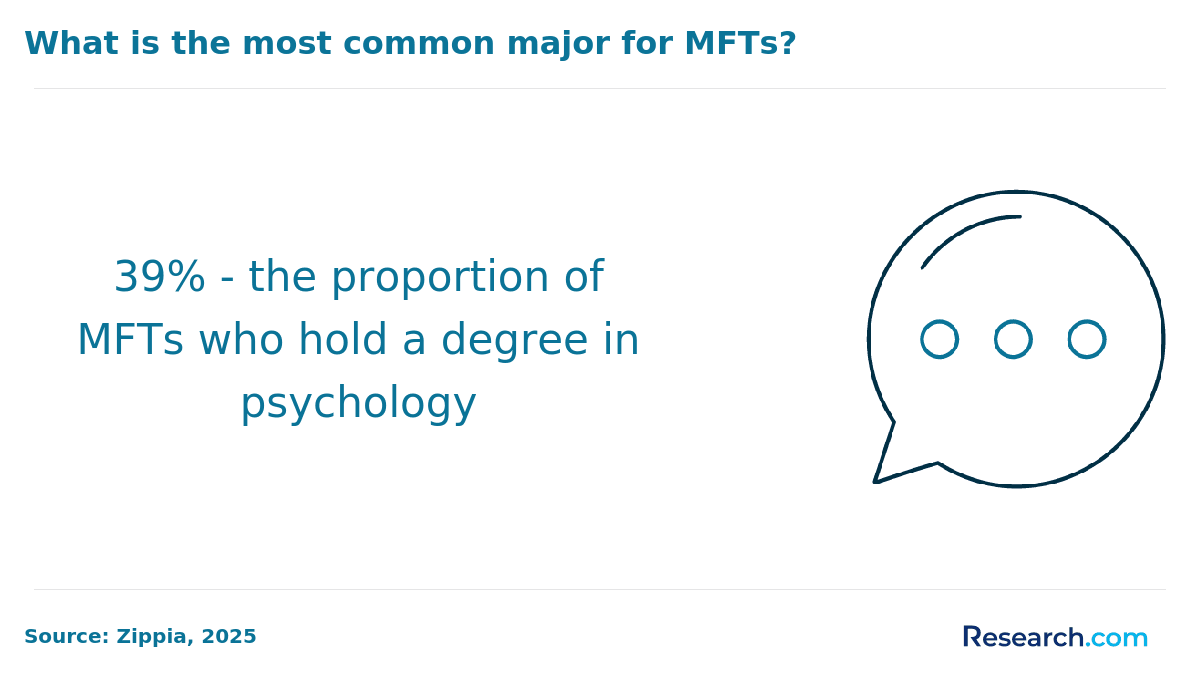
Future MFTs in Cleveland generally need a graduate degree that satisfies Ohio’s educational requirements for MFT licensure. The most direct route is a master’s degree in marriage and family therapy. Some candidates pursue counseling or psychology degrees with coursework and clinical training that align with MFT requirements, but those students should be especially careful to confirm that the program meets Ohio Board expectations before enrolling.
Typical MFT-related graduate coursework includes family systems theory, human development, psychopathology, ethics, couples counseling, family therapy methods, assessment, diagnosis, multicultural counseling, trauma-informed practice, and supervised clinical practicum. The practicum and internship components matter because they are where students begin applying theory with real clients under supervision.
The source text identifies Case Western Reserve University, Cleveland State University, and John Carroll University as Cleveland-area institutions connected to MFT or counseling preparation. It also mentions Case Western Reserve University’s Master of Arts in Counseling with an emphasis on marriage and family therapy, Cleveland State University’s Master of Science in Marriage and Family Therapy, and John Carroll University’s Master’s in Counseling program as pathways that may prepare students for MFT-related certification or licensure goals.
| Program feature | Why it matters for Ohio MFT licensure | Question to ask admissions |
| Licensure alignment | A degree is useful only if it supports the credential you plan to seek. | Does this program meet Ohio MFT educational requirements? |
| Clinical placement support | Internship access can affect graduation timing and supervised-hour progress. | Where do students complete practicum and internship placements in the Cleveland area? |
| Faculty supervision and advising | Strong advising can prevent licensing mistakes. | Who reviews student progress toward Ohio Board requirements? |
| Modality | Online, hybrid, and campus programs can differ in flexibility and placement support. | If the program is online or hybrid, how are local clinical placements arranged? |
| Specialization options | Training in trauma, addiction, children, adolescents, or couples work can improve career fit. | What electives or certificates are available for MFT students? |
If you need a flexible format or want to compare options outside Northeast Ohio, explore online MFT programs and confirm that any program you consider can support Ohio licensure before you commit.
What is the average salary for a marriage and family therapist in Cleveland, OH?
The article’s salary figures for Cleveland MFTs are not identical, so readers should treat them as estimates rather than guarantees. It cites an average annual salary of approximately $55,000 in the introduction, approximately $58,000 in the summary bullets, and a typical Cleveland salary range of $50,000 to $75,000 per year. It also states that monthly earnings may fall between $4,200 and $6,250 and that the Ohio state average is about $65,000 annually.
Entry-level MFTs in Cleveland are described as often starting near $45,000 to $50,000 per year. More experienced therapists, clinical supervisors, specialists, and private practitioners may earn more, with the source text stating that salaries can sometimes exceed $80,000. Actual earnings depend on employer type, licensure level, caseload, payer mix, specialty, supervision status, and whether the therapist is salaried, fee-for-service, or self-employed.
| Career situation | Salary information cited in the source text | What affects the number |
| General Cleveland estimate | Approximately $55,000 and approximately $58,000 are both cited. | Data source, job setting, experience level, and whether the figure reflects mean or median pay. |
| Typical Cleveland range | $50,000 to $75,000 annually. | Agency role, hospital role, group practice, teletherapy, and private practice differences. |
| Monthly estimate | $4,200 to $6,250. | Employment status, benefits, unpaid administrative time, and caseload consistency. |
| Entry-level range | $45,000 to $50,000 annually. | Limited post-licensure experience, supervision needs, and early client-base development. |
| Higher-earning path | Sometimes exceeding $80,000. | Specialization, supervision credentials, private practice, teletherapy, and leadership roles. |
One Cleveland MFT described the early years as a mix of clinical learning and business reality: “Building a caseload while keeping up with paperwork was harder than I expected. Additional training in trauma-informed care helped me qualify for better roles, and teletherapy expanded the number of clients I could serve. The work can be emotionally demanding, but the flexibility and peer support in the local professional community have made the career sustainable.”
How long does it take to complete a master's degree in marriage and family therapy in Cleveland, OH?
A master’s degree in marriage and family therapy in Cleveland commonly takes 2 to 3 years of full-time study. The source text describes these programs as typically requiring 60 to 70 credit hours, or about six to eight academic semesters. Some accelerated formats may shorten coursework to 18 to 24 months through compressed terms, year-round enrollment, or heavier course loads.
Coursework is only part of the overall timeline. Supervised practicum, internship, and post-degree clinical hours can extend the path to independent licensure. The article cites 2,000 to 3,000 hours of supervised internship or clinical experience and notes that this stage can add 1 to 2 years beyond coursework. Students who work full time, study part time, change placements, or have difficulty finding qualified supervision may need longer.
| Path | Approximate coursework timeline cited | Best fit | Trade-off |
| Full-time master’s program | 2 to 3 years. | Students who can prioritize graduate study and clinical training. | Less flexibility for full-time work. |
| Accelerated program | 18 to 24 months. | Students with strong time availability and readiness for intensive study. | Higher weekly workload and less room for schedule disruptions. |
| Part-time study | May extend beyond the typical timeline. | Working adults, parents, and students managing other responsibilities. | Longer time before licensure and earnings growth. |
| Post-degree supervised practice | May add 1 to 2 years beyond coursework. | Graduates completing Ohio clinical experience requirements. | Requires careful tracking of hours, supervision, and direct client contact. |
Before choosing a program, ask how quickly students usually graduate, how clinical placements are assigned, whether evening or weekend practicum options exist, and how the school supports students who need part-time scheduling. If you are still weighing whether the investment makes sense, this guide to what you can do with an MFT degree can help you evaluate career outcomes.
What is the cost of tuition for MFT programs in Cleveland, OH, and are there financial aid options?
The cost of becoming an MFT in Cleveland depends heavily on school type, residency status, enrollment pace, and how long it takes to complete clinical training. The source text reports that public universities in Ohio generally charge between $10,000 and $20,000 per year for in-state graduate tuition, while private schools can exceed $30,000 annually. Because many MFT programs take two to three years, total tuition can range from $20,000 to over $60,000.
Tuition is not the only expense. Students should also budget for textbooks, background checks, technology fees, transportation to clinical sites, professional association dues, licensing exam fees, continuing education, and the possibility of unpaid or low-paid internship hours. Cleveland’s moderate cost of living compared with larger metropolitan areas may help, but program choice and internship structure can still create significant financial pressure.
| Cost category | What to include in your budget | Cost-control question |
| Tuition | Public in-state graduate tuition, private-school tuition, and total program length. | What is the total program cost, not just the per-credit rate? |
| Clinical training | Practicum, internship, transportation, supervision-related costs, and unpaid hours. | Are placements paid, unpaid, or employer-based? |
| Licensure | Exam fees, application fees, background checks, and documentation costs. | What licensing expenses should students expect before earning full licensure? |
| Continuing education | Workshops, ethics credits, specialty training, and renewal-related education. | Does the employer reimburse continuing education after graduation? |
| Opportunity cost | Reduced work hours during coursework or internship. | Can I study part time without losing clinical placement access? |
Financial aid options may include federal student loans, grants, institutional scholarships, assistantships, employer tuition reimbursement, and local scholarship opportunities. The source text names the Ohio Association for Marriage and Family Therapy (OAMFT), the Ohio College Opportunity Grant (OCOG), the Cleveland Foundation, and Ohio Mental Health and Addiction Services as possible resources or funding-related avenues. Students seeking lower-cost pathways can also compare affordable online counseling degree options, while verifying that any program supports Ohio licensure goals.
What are the requirements for MFT licensure in Cleveland, OH?
MFT licensure in Cleveland is regulated at the state level by the Ohio Counselor, Social Worker, and Marriage and Family Therapist Board. The source text describes the core requirements as a qualifying master’s or doctoral degree, supervised clinical experience, and the national MFT licensing exam administered by the Association of Marital & Family Therapy Regulatory Boards (AMFTRB).
The supervised-experience figures in the source material vary. One section cites 2,000 hours, while other sections reference approximately 3,000 hours, at least 3,000 hours of supervised clinical experience, and a minimum of 1,500 hours completed post-degree under a licensed MFT supervisor. Another cited detail states that at least 500 hours must involve direct client contact with couples and families. Because licensure depends on exact compliance, candidates should not rely on summaries alone. Confirm current rules directly with the Ohio Board before choosing a program, accepting a supervisor, or submitting hours.
| Licensure component | Information cited in the article | What applicants should do |
| Degree | Master’s or doctoral degree in marriage and family therapy or a closely related field from an accredited program. | Ask the program to document how its curriculum maps to Ohio MFT licensure. |
| Supervised experience | Figures cited include 2,000 hours, approximately 3,000 hours, and at least 3,000 hours. | Verify the current requirement with the Ohio Board before counting hours. |
| Direct client contact | A minimum of 500 hours with couples and families is cited. | Track client type and service category carefully from the start. |
| Post-degree supervision | The source text cites a minimum of 1,500 hours completed post-degree under a licensed MFT supervisor. | Confirm supervisor eligibility and documentation format before beginning. |
| Exam | National MFT licensing exam administered by AMFTRB. | Build exam preparation into your post-degree timeline. |
| Renewal | 30 hours of continuing education every two years, including at least three hours in ethics. | Keep completion records and use approved providers. |
The source text also notes that licensed professional counselors or social workers may have an endorsement route to MFT licensure in some circumstances. If you are comparing counseling careers more broadly, reviewing career options with a counseling degree can help you understand how MFT roles differ from related mental health professions.
What is the job market outlook for MFTs in Cleveland, OH?
The Cleveland job outlook for MFTs is described as positive in the source text, although the cited growth figures vary. It reports around 430 MFT professionals in the area as of 2023 and projects a 20% increase in MFT employment by 2030, compared with a national average growth rate of 15%. Elsewhere, the source text cites a 16% growth in MFT jobs statewide by 2030, an annual growth rate of 12% in Cleveland, and a 22% national growth rate until 2032. Treat these as cited projections, not guaranteed outcomes.
Demand is tied to several practical factors: broader awareness of mental health, greater acceptance of couples and family therapy, continued need for community-based services, and growth in integrated care models. Cleveland’s healthcare infrastructure may also support roles in hospitals, outpatient behavioral health, family service agencies, addiction-related programs, and multidisciplinary clinics.
| Hiring setting | Why MFTs may be needed | Skills that can improve competitiveness |
| Community mental health agencies | High need for accessible therapy, crisis support, and family services. | Documentation, trauma-informed care, cultural competence, and case coordination. |
| Hospitals and healthcare systems | Integrated behavioral health and family support around illness, trauma, and adjustment. | Interdisciplinary teamwork, brief intervention models, and medical-setting communication. |
| Private and group practices | Demand for couples therapy, family therapy, and specialized outpatient care. | Niche specialization, referral building, scheduling reliability, and insurance knowledge. |
| Teletherapy platforms | Expanded access for clients who prefer remote care or face transportation barriers. | Telehealth ethics, privacy practices, virtual engagement, and cross-jurisdiction awareness. |
| Addiction and co-occurring disorder programs | Families often need support when substance use and mental health concerns overlap. | Substance use training, relapse-prevention knowledge, and family-systems interventions. |
New graduates can strengthen their job prospects by gaining solid clinical references, pursuing training in trauma-informed care or child and adolescent therapy, documenting supervised experience carefully, and learning how to work with diverse families across Cleveland’s urban and suburban communities.
How can MFTs attract and retain a consistent client base in Cleveland, OH?
A steady client base comes from trust, visibility, clinical fit, and reliable operations. For Cleveland MFTs, local referrals still matter, but many clients now begin their search online. A therapist’s website, directory profiles, insurance listings, reviews where permitted, and community reputation all influence whether prospective clients make contact.
- Build a clear local presence. Explain who you help, what problems you treat, whether you offer couples or family sessions, and whether appointments are in person, remote, or hybrid.
- Create referral relationships. Connect with physicians, pediatricians, schools, churches, attorneys, employee assistance programs, community agencies, and other therapists who do not specialize in family systems.
- Make access simple. Publish accepted insurance plans, session availability, teletherapy options, fees, and intake steps when appropriate.
- Choose a niche carefully. Examples include premarital counseling, high-conflict couples, blended families, adolescent-parent conflict, trauma-affected families, or families dealing with addiction.
- Retain clients ethically. Use collaborative treatment goals, measure progress, communicate expectations, and avoid overpromising outcomes.
MFTs who also want to collaborate with education-focused professionals may find it useful to understand adjacent credential pathways, including affordable teacher certification options in Cleveland, especially when serving families connected to school systems.
How can MFTs advance their careers in Cleveland, OH?
MFT career growth in Cleveland can happen through specialization, supervision, leadership, private practice, interdisciplinary work, teaching, consulting, or program development. The best advancement path depends on whether you want higher clinical complexity, more autonomy, a larger income ceiling, or broader influence in the behavioral health system.
The source text highlights major healthcare institutions such as the Cleveland Clinic and University Hospitals as places where therapists may gain exposure to specialized populations, interdisciplinary teams, trauma-related work, addiction concerns, and chronic illness. It also identifies the Ohio Association for Marriage and Family Therapy (OAMFT) as a resource for workshops, networking, continuing education, and professional connection.
| Advancement path | When it makes sense | What to build first |
| Clinical specialization | You want deeper expertise and clearer referral positioning. | Training in trauma, addiction, child and adolescent therapy, couples therapy, or family systems interventions. |
| Clinical supervision | You want to mentor newer therapists and move into leadership. | Strong documentation habits, ethical decision-making, and supervisor training. |
| Private practice | You want autonomy over schedule, niche, fees, and client mix. | Business planning, insurance billing knowledge, referral networks, and liability protection. |
| Healthcare or agency leadership | You want program influence, team management, or administrative responsibility. | Interdisciplinary communication, quality improvement, and staff supervision skills. |
| Policy, advocacy, or program development | You want to improve systems of care beyond individual sessions. | Community partnerships, data-informed practice, and knowledge of behavioral health funding. |
Technology skills are becoming more important. MFTs who can deliver effective teletherapy, use electronic health records accurately, protect client privacy, and understand payer documentation expectations may be better prepared for changing practice models.
How can MFTs effectively manage insurance billing and reimbursement in Cleveland, OH?
Insurance billing can determine whether a private or group practice remains financially stable. MFTs who accept insurance need accurate credentialing, clean documentation, correct coding, timely claim submission, and a system for tracking denials and appeals. Even excellent clinicians can lose revenue if their billing process is disorganized.
- Credential with payers before relying on insurance income. Panel approval can take time, and each insurer may have different requirements.
- Document medical necessity clearly. Notes should support diagnosis, treatment goals, interventions, and progress.
- Track claims weekly. Do not wait months to discover repeated denials or missing authorizations.
- Know your contracts. Reimbursement rates, telehealth rules, cancellation policies, and client cost-sharing terms can differ by payer.
- Decide whether to outsource billing. A biller costs money, but errors and unpaid claims can cost more.
Some MFTs also expand interdisciplinary partnerships with related professionals. For example, understanding how to become a BCBA in Cleveland can help therapists identify collaboration opportunities when serving families affected by behavioral, developmental, or educational concerns.
What are the legal requirements for starting a private practice as an MFT in Cleveland, OH?
Opening a private practice in Cleveland requires more than an active MFT license. You need to satisfy Ohio professional rules, comply with local business requirements, protect client information, manage risk, and create systems for billing, records, and emergency procedures. The source text states that private practices are prevalent in Cleveland, with about 45% of licensed MFTs operating independently or in group settings, and that demand for MFT services increased by 6% between 2020 and 2023.
The article describes the licensure foundation as a master’s or doctoral degree from a COAMFTE-accredited program or an equivalent recognized institution, at least 3,000 hours of supervised clinical experience, and a minimum of 1,500 hours completed post-degree under a licensed MFT supervisor. As with all licensure details, confirm the current rule language directly with the Ohio Board before making business decisions.
| Private practice requirement | Why it matters | Practical action |
| Ohio MFT licensure | You must be legally authorized to provide MFT services. | Verify your license status, scope, and any supervision restrictions. |
| Business registration | Your practice must operate as a lawful business entity or sole proprietorship as applicable. | Register the business name and structure with appropriate authorities. |
| Local zoning and permits | Office-based or home-based practice may be subject to local rules. | Check Cleveland zoning, lease restrictions, and building requirements. |
| Liability insurance | Professional liability coverage helps protect against claims related to clinical services. | Purchase coverage before seeing clients independently. |
| Confidentiality and records | Client privacy and documentation are core legal and ethical responsibilities. | Use secure records, informed consent forms, retention policies, and privacy practices. |
| Insurance panels | Panel participation can increase access but adds administrative complexity. | Compare reimbursement rates, credentialing timelines, and billing workload. |
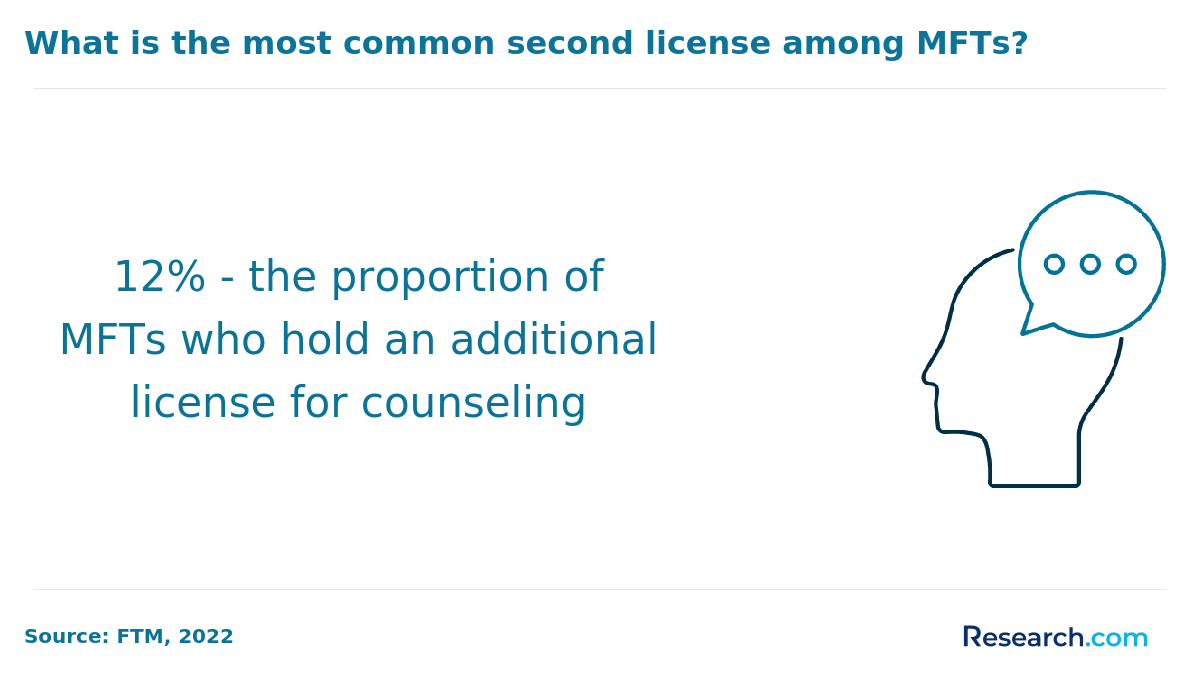
Additional credentials such as Licensed Professional Clinical Counselor (LPCC) status are not described as mandatory for Ohio MFT private practice in the source text, but they may expand services, referral channels, or reimbursement options depending on the therapist’s goals and legal eligibility.
What challenges do MFTs face when starting their careers in Cleveland, OH?
Early-career MFTs often expect the hardest part to be the clinical work. In practice, many struggle just as much with supervision logistics, documentation, billing, productivity expectations, client no-shows, emotional fatigue, and the transition from student to professional. Cleveland’s mental health market offers opportunities, but new therapists still need strategy and support.
| Common mistake | Why it creates problems | Better approach |
| Choosing a program without checking licensure alignment | You may graduate with missing coursework or clinical requirements. | Ask for written confirmation of Ohio MFT licensure preparation. |
| Tracking supervised hours casually | Incomplete records can delay licensure. | Log hours consistently and review them with your supervisor. |
| Looking only at tuition | Internship, exam, transportation, and lost income can be substantial. | Calculate total cost of attendance and opportunity cost. |
| Assuming online programs automatically qualify | Licensure rules vary by state and program design. | Confirm Ohio eligibility before enrolling in any online or out-of-state program. |
| Entering private practice too soon | Clinical, legal, and business demands can overwhelm new clinicians. | Build supervision, consultation, billing systems, and referral networks first. |
| Relying only on rankings or reputation | A respected school may not be the best fit for your schedule, budget, or clinical goals. | Compare placement support, licensure outcomes, cost, and faculty expertise. |
If you are comparing MFT work with other therapy credentials, this guide on how to become a therapist in Cleveland can help you understand adjacent licensing routes and career expectations.
Can MFTs integrate substance abuse counseling into their practice?
Yes, MFTs can often incorporate substance-use-related family work when it fits their legal scope, competence, and training. This can be valuable in Cleveland because families frequently need help with communication, boundaries, relapse stress, trust repair, parenting concerns, and co-occurring mental health challenges when substance use is present.
However, MFTs should be careful not to market or deliver specialized substance abuse treatment beyond their qualifications. If your goal is to diagnose and treat substance use disorders as a primary specialty, work in addiction programs, or meet specific employer requirements, you may need additional education, supervised experience, or credentials. A practical starting point is learning how to become a substance abuse counselor in Cleveland and comparing those requirements with your MFT scope.
Should MFTs consider dual licensure to expand their practice in Cleveland, OH?
Dual licensure can be useful, but it is not automatically worth the time and cost. Cleveland MFTs may consider an additional counseling, social work, addiction, or behavioral health credential if it clearly supports their clinical niche, employer requirements, reimbursement goals, or long-term practice model. The benefit is broader flexibility; the drawback is more education, supervision, exams, fees, renewals, and compliance obligations.
| Dual licensure may make sense if... | It may not be necessary if... |
| You want to qualify for roles that specifically require another license. | Your desired MFT roles already accept your license and experience. |
| You plan to specialize in an area with separate credential expectations. | You can gain needed competence through continuing education and supervision. |
| You want more payer, referral, or employment flexibility. | The added credential would not change your client population or income prospects. |
| You are prepared for additional renewal and ethics obligations. | You are already struggling to manage current licensing and practice demands. |
If you are weighing another mental health credential, review mental health counselor requirements in Cleveland before deciding whether the extra pathway aligns with your goals.
What do marriage and family therapists in Cleveland, OH have to say about their careers?
-
: "
“Studying marriage and family therapy at Case Western Reserve University helped me develop both clinical skill and confidence. Cleveland’s communities are varied, and that has pushed me to become more culturally aware and flexible in my work with couples and families. The local professional network has also made it easier to feel connected instead of isolated.” - Ron
"
-
: "
“Cleveland State University helped me see how much family therapy can contribute to community wellness. Working in Cleveland means facing real-world challenges, including economic stress and neighborhood-level barriers, but it also means seeing therapy strengthen resilience in practical ways.” - Ethel
"
-
: "
“Ursuline College gave me a foundation that translated well into Cleveland’s healthcare environment. The need for integrated care is real, and MFTs who understand both family systems and collaboration with other providers have meaningful opportunities to grow.” - Mae
"
Related Articles for Nearby Cities
- 2027 How to Become a Marriage and Family Therapist (MFT) in Detroit, MI: License Requirements & Salary
- 2027 How to Become a Marriage and Family Therapist (MFT) in Toledo, OH: License Requirements & Salary
- 2027 How to Become a Marriage and Family Therapist (MFT) in Pittsburgh, PA: License Requirements & Salary
- 2027 How to Become a Marriage and Family Therapist (MFT) in Columbus, OH: License Requirements & Salary
- 2027 How to Become a Marriage and Family Therapist (MFT) in Buffalo, NY: License Requirements & Salary
- 2027 How to Become a Marriage and Family Therapist (MFT) in Fort Wayne, IN: License Requirements & Salary
- 2027 How to Become a Marriage and Family Therapist (MFT) in Cincinnati, OH: License Requirements & Salary
- 2027 How to Become a Marriage and Family Therapist (MFT) in Indianapolis, IN: License Requirements & Salary
- 2027 How to Become a Marriage and Family Therapist (MFT) in Lexington, KY: License Requirements & Salary
- 2027 How to Become a Marriage and Family Therapist (MFT) in Washington DC: License Requirements & Salary
References:
- Marriage and family therapist salary information for Ohio: https://www.allpsychologyschools.com/marriage-and-family-therapy/salary/ohio/
- Dayforce job posting referenced in the source article: https://us242.dayforcehcm.com/CandidatePortal/en-US/thecenters/Site/LPEARLYLEARNING/Posting/View/18535
- Ohio MFT degree and career information: https://careersinpsychology.org/mft-degrees-schools-employment-oh/
- Multisystemic Therapy therapist job listing in the Cleveland area: https://jobs.thetrakgroup.com/Multisystemic-Therapy-MST-Therapist-Lorain-County-Jobs-in-Cleveland-OH/12253902
- Larchmere Center for Well-being careers page: https://www.larchmerecenterforwellbeing.com/careers
- AAMFT information on MFT license portability: https://www.aamft.org/AAMFT/Advocacy/MFT%20License%20Portability.aspx
- Family Therapy Magazine discussion of license portability and compacts: https://ftm.aamft.org/decisions-decisions-decisions-considerations-regarding-license-portability-and-compacts/
- Association of Social Work Boards guidance on getting licensed in another state or province: https://www.aswb.org/licenses/how-to-get-a-license/getting-licensed-in-another-state-or-province/
- AMFTRB state requirements resource: https://amftrb.org/state-requirements/
- Ohio MFT license overview: https://www.mft-license.com/states/ohio-mft-license/
Key Insights
- Becoming an MFT in Cleveland requires more than earning a degree; you need a licensure-aligned program, eligible supervision, exam preparation, and careful documentation.
- Ohio rules govern MFT practice in Cleveland, so the Ohio Counselor, Social Worker, and Marriage and Family Therapist Board should be your final source for licensure requirements.
- Salary estimates in the source text range from approximately $55,000 to $58,000 on average, with a broader cited range of $50,000 to $75,000 and entry-level estimates near $45,000 to $50,000.
- The source text cites multiple supervised-hour figures, including 2,000 and 3,000 hours; verify the current requirement before choosing a supervisor or submitting hours.
- The best MFT program is not always the highest-profile option. Prioritize licensure alignment, clinical placement support, total cost, schedule fit, and faculty expertise.
- Private practice can offer autonomy, but it also adds billing, legal, marketing, insurance, privacy, and business-management responsibilities.
- Career growth in Cleveland is strongest for MFTs who combine family-systems expertise with practical skills in trauma-informed care, teletherapy, integrated care, documentation, and referral development.
Other Things You Should Know About How to Become a Marriage and Family Therapist in Cleveland, OH
Aspiring MFTs in Cleveland, OH need to complete 200 hours of supervisory experience to qualify for licensure in 2027. The supervision must be under an approved supervisor and should include both individual and group formats as defined by the state regulations.
The Ohio Counselor, Social Worker, and Marriage and Family Therapist Board issues MFT licenses for Cleveland and all of Ohio. Applicants must meet Ohio’s education, supervised experience, and exam requirements before the board can approve an independent license.


