
2027 How to Become a Mental Health Counselor in West Virginia

Co-Founder and Chief Data Scientist
Becoming a mental health counselor in West Virginia means preparing for a licensed clinical role in a state where access to behavioral health care remains a serious workforce and public health issue. Mental Health America ranked West Virginia 42nd in 2024 for overall adult and youth access to care, including factors such as insurance coverage, treatment availability, and mental health workforce capacity.
For students, career changers, and helping professionals, the central question is not only whether counseling is a meaningful career. It is whether you can meet West Virginia’s education, supervised experience, examination, and licensure requirements—and whether the career path fits your goals, finances, and preferred work setting.
This guide explains how to become a Licensed Professional Counselor (LPC) in West Virginia, what counselors actually do, how long the process can take, which specializations are available, how practicum and supervised experience work, and what job conditions to consider before entering the field.
Quick Answer: How do you become a mental health counselor in West Virginia?
To become a mental health counselor in West Virginia, you generally need to earn a bachelor’s degree, complete a graduate degree in counseling or a closely related field, finish required practicum or internship training, obtain supervised post-graduate clinical experience, pass the National Counselor Examination (NCE) or the National Clinical Mental Health Counseling Examination (NCMHCE), and apply through the West Virginia Board of Examiners in Counseling. Candidates typically complete 3,000 hours of supervised experience after a master’s degree in counseling or 1,500 hours after a doctoral degree in counseling or its equivalent.
| Requirement | What it means for aspiring counselors in West Virginia |
| Graduate education | A master’s degree in counseling is the common route, though a doctorate program can also satisfy requirements. |
| Practicum or internship | Graduate programs must include supervised field experience, usually ranging from 100 to 1,000 hours depending on the program. |
| Supervised experience | West Virginia requires either 3,000 hours after a master’s degree or 1,500 hours after a doctoral degree. |
| Licensing exam | Candidates must pass the NCE or NCMHCE. |
| Licensure process | Applicants must first obtain a provisional license while completing clinical requirements before earning the full LPC credential. |
| Career outlook | The job outlook for mental health counselors is projected to grow 28% through 2030. |
Key Things You Should Know About Becoming a Mental Health Counselor in West Virginia
- West Virginia needs more qualified mental health counselors as anxiety, depression, substance use disorders, and access barriers continue to affect residents across the state.
- The job outlook for mental health counselors is strong, with projected growth of 28% through 2030.
- Mental health counselors in West Virginia earn average annual wages of $47,520, though pay can vary by specialization, employer, location, and experience.
- Telehealth is changing counseling practice in West Virginia by expanding access for rural and underserved communities, but internet access and reimbursement issues can still limit its reach.
- Future opportunities may come from closer integration of behavioral health services with primary care, schools, community organizations, and substance use treatment programs.
- What does a mental health counselor do in West Virginia?
- What steps are required to become a mental health counselor in West Virginia?
- How should students prepare for counseling careers in West Virginia?
- Why does practicum experience matter for West Virginia counseling students?
- Which counseling specializations can West Virginia LPCs pursue?
- How could policy changes improve mental health counseling in West Virginia?
- Is West Virginia a strong state for mental health counselors?
- How does substance abuse counseling support West Virginia’s behavioral health system?
- How can you pay for counseling education in West Virginia?
- What is the demand for mental health counselors in West Virginia?
- Can affordable online education help advance a counseling career in West Virginia?
- What other mental health careers are available in West Virginia besides counseling?
- What jobs can mental health counseling graduates pursue in West Virginia?
- Can mentoring and networking help counselors grow faster in West Virginia?
- What challenges do mental health counselors face in West Virginia?
- Should you consider private practice as a West Virginia counselor?
- What are the key LPC license requirements in West Virginia?
- Which advanced certifications can strengthen a counseling career in West Virginia?
- Can mental health counseling lead to school psychology in West Virginia?
- How can interdisciplinary training improve mental health care in West Virginia?
- How do West Virginia counselors manage license renewal and professional development?
What does a mental health counselor do in West Virginia?
Mental health counselors help clients understand, manage, and recover from emotional, behavioral, and psychological difficulties. In West Virginia, that work often includes counseling people affected by anxiety, depression, trauma, substance use disorders, family stress, grief, and the social pressures that come with poverty, rural isolation, and limited access to care.
The need is substantial. KFF reported that around 38% of adults in West Virginia experienced mental health issues, including symptoms of anxiety or depression, in 2023. Counselors help address those needs through assessment, treatment planning, individual and group counseling, crisis support, referrals, and coordination with other providers.
Depending on their license, specialization, and employer, mental health counselors in West Virginia may work in:
- community mental health centers
- hospitals and integrated care clinics
- schools and colleges
- substance use treatment programs
- correctional or rehabilitation settings
- nonprofit and government agencies
- telehealth organizations
- private practice
Strong counseling in West Virginia also requires cultural awareness. Counselors often serve close-knit communities where privacy concerns, stigma, transportation barriers, and distrust of formal systems can affect whether clients seek help. Building trust is not a side skill. It is central to effective practice.
Current trends shaping counseling work in West Virginia
- Telehealth expansion: Remote counseling can help reach rural residents, but broadband access, technology comfort, and insurance reimbursement can determine whether teletherapy is practical.
- Community-based care: Local programs can reduce barriers when they are supported by schools, clinics, nonprofits, faith communities, and public health agencies.
- Substance use and co-occurring disorders: Counselors who understand addiction, trauma, and mental health together are especially important in areas affected by the opioid crisis.
- Integrated behavioral health: More care models connect mental health services with primary care, which can help clients receive support earlier.
One counselor practicing in a West Virginia city described the work as demanding but deeply personal: “When I began practicing here, I had to learn how much trust matters. Some clients were hesitant to talk about mental health at all. Over time, I saw people become more open, especially when they felt respected and not judged.”
If you are comparing counseling careers across states, it can be useful to read about other licensing pathways, such as Vermont LPC career advice, while remembering that West Virginia’s board requirements control your eligibility to practice in the state.
What steps are required to become a mental health counselor in West Virginia?
The path to LPC licensure in West Virginia is structured. You move from academic preparation to supervised practice, then to examination and full licensure. The details matter because missing a required practicum, choosing the wrong graduate program, or misunderstanding supervision rules can delay licensure.
- Earn a bachelor’s degree. Most future counselors begin with a four-year degree in psychology, counseling, social sciences, human services, or a related field. The bachelor’s degree does not license you to practice independently, but it prepares you for graduate-level counseling study.
- Complete a qualifying graduate degree. A master’s degree in mental health counseling is the most common route. Graduate programs usually include counseling theories, ethics, human development, assessment, diagnosis, group counseling, multicultural counseling, research, and supervised fieldwork. A doctorate program can also satisfy requirements.
- Finish practicum or internship training. West Virginia requires applicants to have completed a graduate degree with a practicum or internship. Depending on the program, this experience usually covers 100 to 1,000 hours.
- Obtain a provisional license. Candidates must first secure a provisional license while completing post-graduate supervised clinical experience.
- Complete supervised clinical hours. West Virginia requires 3,000 hours of supervised experience after a master’s degree in counseling or 1,500 hours of supervised experience after a doctoral degree in counseling or its equivalent.
- Pass the required national exam. Applicants must pass either the National Counselor Examination (NCE) or the National Clinical Mental Health Counseling Examination (NCMHCE).
- Apply to the West Virginia Board of Examiners in Counseling. Your application should document education, supervised experience, exam results, and any other state-required materials, including background checks if required.
- Maintain your license through continuing education. Once licensed, counselors must keep up with professional development and renewal requirements set by the state.
| Stage | Key decision | What to verify before moving forward |
| Bachelor’s degree | Choose a relevant undergraduate foundation | Confirm that your coursework prepares you for graduate counseling admissions. |
| Master’s or doctoral program | Select a licensure-focused counseling program | Ask whether the program meets West Virginia LPC academic and practicum expectations. |
| Practicum or internship | Build real client-service experience | Confirm supervision quality, site expectations, and whether hours may count toward state requirements. |
| Provisional licensure | Begin supervised post-graduate practice | Follow board rules before providing services under supervision. |
| Full LPC application | Document eligibility clearly | Keep organized records of supervision, exam scores, and graduate transcripts. |
Students who may eventually pursue licensure in more than one state can benefit from comparing requirements elsewhere, such as the LPC education requirements Maryland. This is especially relevant for counselors interested in mobility through the Counseling Compact.
How should students prepare for counseling careers in West Virginia?
Preparation should begin before you enroll in a graduate program. The right school, field placement, supervisor, and professional network can affect how smoothly you move into licensure and employment.
Choose a program with licensure in mind
Look for counseling programs that clearly align with West Virginia LPC requirements. Many students prioritize programs accredited by the Council for Accreditation of Counseling and Related Educational Programs (CACREP), because CACREP accreditation signals that the curriculum has been reviewed against counseling education standards. However, students should still confirm directly with the West Virginia Board of Examiners in Counseling or the program that the degree supports LPC eligibility.
Compare counseling with adjacent graduate paths
Counseling is not the only mental health graduate route. Some students may be better suited to social work, psychology, marriage and family therapy, or school counseling. Reviewing the difference between MSW and MS in counseling can help you avoid choosing a degree that does not match your intended role.
Build experience before graduation
Volunteer work, peer support roles, crisis line experience, behavioral health internships, and human services employment can help you confirm that counseling fits your personality and professional goals. These experiences can also strengthen graduate school applications.
Join professional communities early
Organizations such as the West Virginia Counseling Association can help students meet supervisors, learn about workshops, understand local workforce needs, and find mentors. Career fairs, state mental health initiatives, and university partnerships can also connect students with employers.
| Question to ask before enrolling | Why it matters |
| Does this program prepare graduates for LPC licensure in West Virginia? | Not every counseling-related degree automatically meets state requirements. |
| Is the practicum or internship built into the curriculum? | West Virginia requires graduate field experience, and weak placement support can delay progress. |
| Are supervision and site placements available near where I live? | Rural students may need to plan carefully for travel, telehealth placements, or local site availability. |
| What are the total costs beyond tuition? | Fees, commuting, technology, books, background checks, and exam costs can affect affordability. |
| What are graduate outcomes? | Ask about licensure exam preparation, placement support, employer relationships, and alumni career paths. |
Why does practicum experience matter for West Virginia counseling students?
Practicum and internship training are where counseling students begin applying classroom knowledge with real clients under supervision. In West Virginia, this experience is not optional. Applicants must complete a graduate degree that includes a practicum or internship, typically ranging from 100 to 1,000 hours depending on the program.
The West Virginia Board of Examiners in Counseling allows an applicant to receive up to 600 hours of credit toward the 3,000-hour minimum requirement for work completed during a master’s program internship. That can make program structure important when comparing schools.
Strong practicum placements help students develop core clinical skills, including intake interviewing, documentation, treatment planning, crisis response, ethical decision-making, and referral coordination. They also expose students to West Virginia’s real service needs, including substance use treatment, rural access gaps, trauma care, and family stress.
A counselor who completed practicum training in Charleston described the experience this way: “At first, the pace of the clinic felt intimidating. Supervision helped me slow down, listen better, and understand how to turn theory into actual care. The moment I realized how much it meant for a client to feel heard, I knew the field was right for me.”
How to make the most of practicum and internship
- Choose sites that match your intended specialization, such as substance use, schools, trauma, or community mental health.
- Ask how often you will receive supervision and what documentation is required.
- Keep detailed records of hours, populations served, and clinical duties.
- Seek feedback on both clinical skills and professional behavior.
- Use placements to build relationships with potential employers and supervisors.
Which counseling specializations can West Virginia LPCs pursue?
Specialization can help counselors serve specific populations, build expertise, and sometimes pursue higher-paying or more flexible roles. In West Virginia, specialization should be chosen based on community need, personal fit, supervision availability, and long-term career goals.
| Specialization | Client focus | Average annual salary stated | When this path may fit |
| Substance Abuse Counseling | Clients affected by addiction and co-occurring mental health needs | $43,121 | Best for counselors who want to work in recovery programs, community clinics, or crisis-affected communities. |
| Child and Adolescent Counseling | Children and teens experiencing anxiety, depression, behavioral issues, school stress, or family disruption | $52,119 | Best for counselors comfortable working with minors, caregivers, schools, and developmental concerns. |
| Trauma-Informed Care | Clients recovering from abuse, violence, loss, disasters, or other traumatic experiences | $50,905 | Best for counselors interested in resilience, safety, stabilization, and long-term recovery work. |
| Marriage and Family Therapy | Couples, families, and relational systems | $59,579 | Best for professionals who want to focus on communication patterns, conflict, parenting, and family dynamics. |
| Pastoral Counseling | Clients seeking mental health support integrated with faith-based guidance | $38,394 | Best for counselors serving faith communities or clients who want spiritual context in care. |
Pastoral counselors may pursue Christian counselor certification when their professional goals involve integrating counseling skills with faith-informed support.
West Virginia counselor wages are lower than the national average of $60,080. This does not mean the career is not worthwhile, but it does make financial planning important. Students should compare program costs, loan repayment opportunities, employer benefits, supervision costs, and long-term advancement options before committing to a graduate program.
The chart below shows the share of counselors who report challenges connected to compensation and debt.
How could policy changes improve mental health counseling in West Virginia?
Policy decisions affect whether West Virginians can access counseling and whether counselors can afford to stay in the field. Workforce shortages, reimbursement challenges, rural access barriers, and educational costs cannot be solved by individual counselors alone.
Several policy approaches could strengthen counseling services in the state:
- More funding for community-based mental health programs: Local clinics and nonprofit providers often serve high-need clients with limited resources.
- Loan repayment and retention incentives: Programs that reduce educational debt can make it easier for counselors to work in underserved or rural areas.
- Telehealth reimbursement support: Teletherapy can expand access, but it must be financially sustainable for providers.
- Workforce pipeline investment: Partnerships among schools, universities, clinics, and state agencies can help recruit and train future counselors.
- Integrated care models: Connecting behavioral health with primary care can help clients receive mental health support earlier and with less stigma.
Students who want to enter the profession and contribute to these broader improvements should first understand the state licensing pathway. Research.com’s guide on how to become a therapist in West Virginia provides additional detail on education, supervision, and licensing steps.
Is West Virginia a strong state for mental health counselors?
West Virginia can be a meaningful place to practice counseling, especially for professionals motivated by community impact. It is also a state where counselors should be realistic about salary, caseloads, access barriers, and workforce strain.
| Factor | Potential advantage | Important caution |
| Cost of living | The cost of living in West Virginia is 9% lower than the national average. | Lower living costs may help, but salaries can still feel tight depending on debt, family needs, and location. |
| Licensing mobility | West Virginia is a member of the Counseling Compact. | While compact implementation is being developed, out-of-state LPCs may work in West Virginia by applying for licensure through endorsement. |
| State support | The West Virginia Department of Health and Human Resources (DHHR) has provided rounds of the Statewide Therapist Loan Repayment Project (STLR) for counselors and other behavioral health professionals. | Students should confirm current eligibility, application windows, service obligations, and funding availability. |
| Telehealth | Remote care may create more ways to reach rural clients. | Internet access, client privacy, and reimbursement can limit telehealth effectiveness. |
| Community impact | Counselors can build long-term relationships in underserved communities. | Close communities may also raise confidentiality concerns and boundary challenges. |
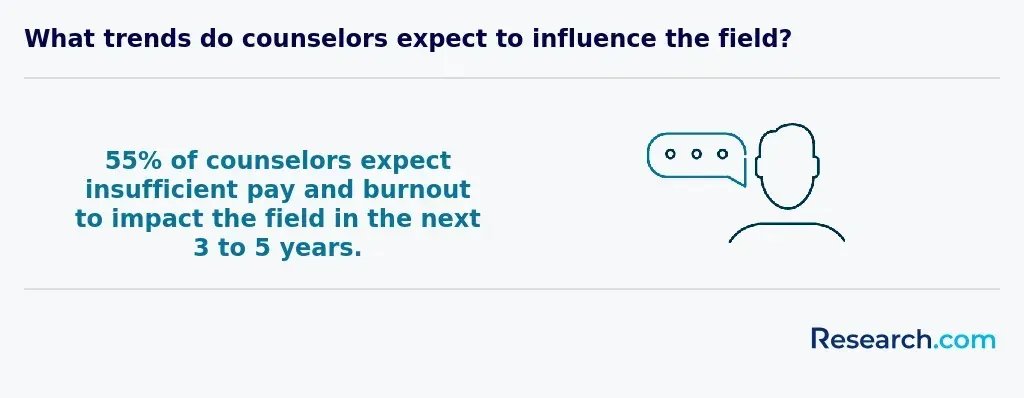
According to the American Counseling Association, most counselors in the U.S. expect improvements in pay and burnout over the next three to five years. West Virginia counselors may benefit from these broader workforce shifts if funding, reimbursement, and employer support continue to improve.
How does substance abuse counseling support West Virginia’s behavioral health system?
Substance abuse counseling is especially important in West Virginia because addiction and mental health conditions frequently overlap. Counselors who understand both substance use and mental health can help clients address withdrawal, relapse prevention, trauma, family conflict, depression, anxiety, and recovery planning in a coordinated way.
This specialization also supports the broader behavioral health system by reducing pressure on primary care providers, emergency departments, and general mental health clinicians who may not have advanced addiction training. If this path aligns with your goals, review Research.com’s guide on how to become a substance abuse counselor in West Virginia.
How can you pay for counseling education in West Virginia?
Graduate counseling education can be expensive, and West Virginia counselor salaries make cost control especially important. Before enrolling, compare the full cost of attendance, not just tuition. Include fees, books, technology, travel to practicum sites, exam fees, background checks, supervision-related costs, and lost wages if you reduce work hours.
Possible funding options include merit-based scholarships, state grants, federal student aid, institutional payment plans, work-study opportunities, employer tuition assistance, and loan repayment programs for eligible mental health professionals. Students who are still choosing an undergraduate foundation may also compare lower-cost online options, including the cheapest online social work degree, if social work principles fit their long-term goals.
Ways to reduce education-related debt
- Choose an accredited program that clearly supports your intended license.
- Ask whether graduate assistantships, tuition discounts, or employer partnerships are available.
- Compare online, hybrid, and campus options based on total cost and field placement support.
- Use transfer credits when allowed, but confirm they will not interfere with licensure eligibility.
- Research loan repayment programs before graduation, not after you already accept a job.
What is the demand for mental health counselors in West Virginia?
Demand for mental health counselors in West Virginia is driven by several overlapping needs: limited access to providers, high rates of anxiety and depression, substance use treatment needs, and growing acceptance of mental health care. The field’s projected growth rate of 28% through 2030 suggests strong opportunities for qualified professionals.
Hiring can occur across several settings:
- Healthcare facilities: Hospitals, primary care clinics, and behavioral health programs need counselors to support patients with mental health and substance use needs.
- Local organizations: Nonprofits and government agencies employ counselors to deliver community-based services. This industry is the highest-paying field for mental health counselors in the country.
- Telehealth providers: Organizations expanding telemedicine rely on LPCs to deliver accessible mental health care, especially to clients who face transportation barriers.
- Private practices: Some counselors build independent or group practices to serve local clients, though this path requires business planning and compliance knowledge.
- Schools and colleges: Student mental health needs continue to create demand for professionals who can provide counseling, referral, and prevention services.
The chart below shows average wages for counselors in the top-paying industries.
Can affordable online education help advance a counseling career in West Virginia?
Affordable online education can help working adults, rural students, and current helping professionals move toward counseling-related credentials without relocating. Online programs can also reduce commuting costs and offer more flexible schedules.
However, online does not automatically mean better or cheaper. Students should verify accreditation, licensure alignment, practicum placement support, technology requirements, faculty access, and whether the program can place students in West Virginia-approved field settings. For counselors interested in school-based work, comparing school counseling online programs can be a practical starting point.
| Online counseling education may work well if... | Be careful if... |
| You need flexibility because of work, caregiving, or location. | The program does not clearly explain how practicum or internship placements are arranged. |
| You live far from a campus-based counseling program. | You assume any online counseling degree automatically meets West Virginia licensure rules. |
| You are comfortable with virtual learning and independent time management. | You need frequent in-person faculty support or a highly structured classroom environment. |
| The program has strong advising and licensure guidance. | The school cannot provide clear answers about LPC eligibility. |
What other mental health careers are available in West Virginia besides counseling?
Mental health counseling is one route into behavioral health, but it is not the only option. Depending on your interests, you may prefer a role focused on families, schools, social services, psychology, addiction recovery, or rehabilitation.
For example, students interested in relational therapy may explore how to become a marriage and family therapist in West Virginia. Marriage and family therapists often work with couples, families, and individuals through a systems-based lens, which differs from the typical LPC pathway.
| Career path | Best fit for people interested in... |
| Mental health counselor | Individual, group, and community-based counseling across a range of mental health concerns. |
| Marriage and family therapist | Couples, family systems, communication patterns, and relationship conflict. |
| School counselor | Student support, academic planning, prevention programs, and school-based services. |
| Social worker | Case management, advocacy, community resources, and social determinants of health. |
| School psychologist | Assessment, learning needs, behavioral interventions, and student development. |
| Substance abuse counselor | Addiction recovery, relapse prevention, and co-occurring behavioral health needs. |
What jobs can mental health counseling graduates pursue in West Virginia?
A graduate degree in mental health counseling can lead to several roles, especially after meeting state licensure requirements. The right job depends on your license status, supervision needs, specialization, and preferred population.
- Substance Abuse Counselor: Supports clients in recovery from addiction and often works with co-occurring mental health concerns.
- School Counselor: Helps students manage academic stress, social challenges, bullying, anxiety, family disruption, and college or career planning.
- Geriatric Counselor: Works with older adults coping with grief, health changes, isolation, caregiving stress, and life transitions.
- Rehabilitation Counselor: Assists people with disabilities, injuries, or functional limitations as they build independence and improve quality of life.
- Community Mental Health Counselor: Provides counseling, assessment, treatment planning, and referrals in local agency settings.
- Private Practice Counselor: Offers independent or group-practice counseling after meeting licensure and business requirements.
A West Virginia counselor who started her career in Charleston after graduating from West Virginia University explained: “The work can carry a lot of emotional weight, especially when clients are facing addiction and family strain. But when someone begins to trust the process and takes a step forward, that progress makes the difficult days worth it.”
Can mentoring and networking help counselors grow faster in West Virginia?
Mentorship can help new counselors avoid common licensing, supervision, and career mistakes. A strong mentor can explain local employer expectations, help you evaluate specializations, prepare for supervision, and understand the realities of practicing in rural or underserved communities.
Networking also matters because many counseling opportunities develop through clinics, universities, professional associations, internship sites, and community partnerships. Students can strengthen their professional network by attending workshops, joining local counseling organizations, staying connected with practicum supervisors, and engaging with programs at the best psychology schools in West Virginia.
Practical networking steps
- Ask faculty members which local agencies regularly hire counseling graduates.
- Stay in contact with practicum and internship supervisors.
- Attend state counseling conferences or continuing education events.
- Request informational interviews with LPCs in your preferred specialization.
- Build relationships with social workers, psychologists, physicians, school staff, and addiction professionals.
What challenges do mental health counselors face in West Virginia?
Counseling in West Virginia can be rewarding, but it also comes with practical and emotional challenges. Understanding these issues before entering the field helps students make better decisions about education, supervision, and work settings.
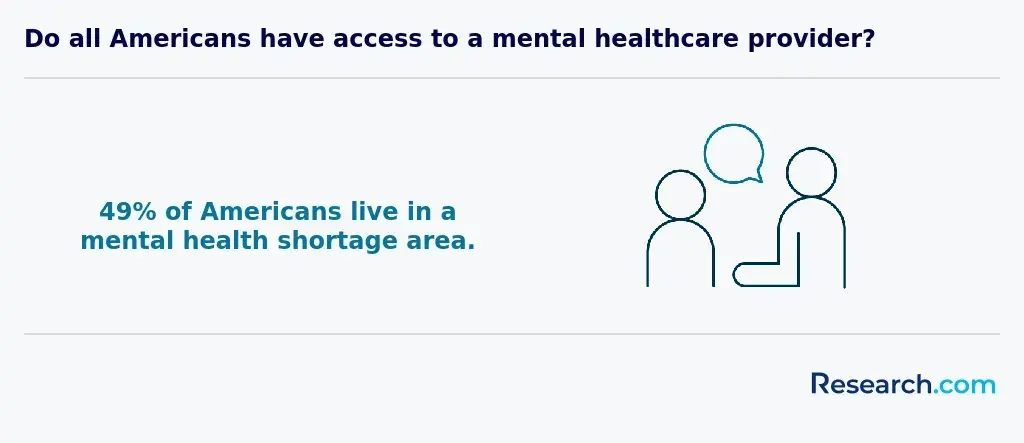
- Access shortages: Almost half of Americans live in mental health shortage areas, according to the National Institute for Health Care Management. In West Virginia, 112 areas fall into this category, according to the Health Resources and Services Administration in 2024. Clients may have to travel long distances or wait for care.
- Complex licensure steps: The process to become a counselor requires careful planning, documentation, supervision, and examination. Students who do not track requirements early can face delays.
- Economic stressors affecting clients: Poverty, limited employment options, transportation issues, and family instability can intensify mental health needs and complicate treatment plans.
- Training and workforce pipeline limits: Underfunding and limited interest in the profession can affect access to quality education and supervision opportunities.
- Burnout risk: Heavy caseloads, crisis work, administrative demands, and emotional labor can affect counselor well-being.
- Boundary concerns in small communities: Counselors may encounter clients outside the office, which requires strong ethical judgment and confidentiality practices.
| Common mistake | Better approach |
| Choosing a program based only on tuition | Compare accreditation, licensure alignment, practicum support, supervision access, and total costs. |
| Assuming all online programs meet West Virginia LPC requirements | Ask the program and the state board how the degree supports licensure. |
| Waiting until graduation to learn supervision rules | Understand provisional licensure and supervised hour documentation before finishing your degree. |
| Ignoring salary and debt realities | Estimate monthly loan payments, local wages, benefits, and loan repayment eligibility before enrolling. |
| Relying only on rankings | Use rankings as one input, but prioritize licensure fit, cost, outcomes, and field placement quality. |
| Underestimating burnout | Choose supportive work settings, seek supervision, maintain boundaries, and develop self-care practices early. |
Should you consider private practice as a West Virginia counselor?
Private practice can give counselors more control over schedule, clinical focus, client population, and service model. It can also increase responsibility. A private practice owner must manage compliance, documentation, insurance billing, marketing, taxes, client acquisition, crisis planning, and ethical boundaries.
This path usually makes the most sense after a counselor has solid clinical experience, a clear niche, dependable referral sources, and the ability to handle business operations. Counselors who prefer institutional support, predictable benefits, or team-based care may be better suited to agencies, hospitals, schools, or group practices.
If you want to diversify your counseling career into school-based services, Research.com’s guide on how to become a school counselor in West Virginia explains another pathway for serving children, adolescents, and educational communities.
What are the key LPC license requirements in West Virginia?
West Virginia LPC candidates must meet academic, clinical, examination, and documentation requirements. The typical pathway includes a qualifying graduate degree, required practicum or internship experience, provisional licensure, supervised clinical hours, a passing score on the NCE or NCMHCE, and a complete application to the West Virginia Board of Examiners in Counseling.
Because licensing rules affect whether you can legally practice, students should not rely only on school marketing materials. Confirm requirements directly with the licensing board and keep copies of transcripts, syllabi if needed, supervision agreements, hour logs, and exam documentation. For a focused overview, see Research.com’s guide to LPC license requirements in West Virginia.
Which advanced certifications can strengthen a counseling career in West Virginia?
Advanced certifications can help licensed counselors build specialized competence and stand out for roles involving trauma, addiction, couples and family work, school-based services, clinical supervision, or integrated care. The value of a certification depends on whether it improves your clinical skill, supports your preferred client population, and is recognized by employers or referral sources.
For counselors interested in relationship-focused practice, reviewing the marriage counselor education requirements in West Virginia can help clarify how family and couples counseling credentials differ from general LPC preparation.
Before paying for an advanced certification, ask:
- Is this credential respected by employers in West Virginia?
- Does it require supervised experience or only coursework?
- Will it improve my ability to serve my target population?
- Can it support higher compensation, private practice growth, or promotion?
- Does it satisfy any continuing education requirements?
Can mental health counseling lead to school psychology in West Virginia?
Mental health counseling can provide a useful foundation for work in educational environments, but school psychology is a distinct profession with its own preparation, assessment training, and school-based practice requirements. Counselors who want to move toward school psychology may need additional coursework in educational psychology, testing, learning differences, behavioral assessment, and school systems.
This transition may appeal to professionals who want to combine mental health knowledge with student assessment, intervention planning, and collaboration with teachers and families. To understand the timeline and requirements, review How long does it take to become a school psychologist in West Virginia?.
How can interdisciplinary training improve mental health care in West Virginia?
West Virginia’s behavioral health needs often require more than one professional perspective. Counselors who understand social work, primary care, addiction treatment, education, public health, and community services can coordinate better care for clients with complex needs.
Interdisciplinary training can help counselors make stronger referrals, communicate with medical and social service providers, and address barriers such as housing, transportation, family instability, and poverty. Learning about social worker education requirements in West Virginia can also help counseling students understand how social work and counseling roles overlap and differ.
How do West Virginia counselors manage license renewal and professional development?
Licensed mental health counselors in West Virginia must follow state renewal rules and complete required continuing education. Continuing education helps counselors stay current on ethics, legal standards, evidence-based practices, assessment, telehealth, trauma care, addiction treatment, and changes in clinical expectations.
Ongoing professional development should be more than a compliance task. Counselors can use it to build a specialization, qualify for leadership roles, prepare for private practice, reduce burnout, and improve client outcomes. If your goal is to enter the field as efficiently as possible, review Research.com’s guide to the quickest path to becoming a counselor in West Virginia.
Key Insights
- West Virginia needs more mental health counselors, but the profession requires careful planning because licensure depends on the right graduate degree, practicum, supervision, exam, and application process.
- The standard LPC pathway includes graduate counseling education, a practicum or internship, provisional licensure, 3,000 supervised hours after a master’s degree or 1,500 hours after a doctoral degree, and the NCE or NCMHCE.
- Average annual earnings for mental health counselors in West Virginia are $47,520, below the national average of $60,080, so students should compare program cost, debt, salary expectations, and loan repayment opportunities before enrolling.
- High-need specializations in West Virginia include substance abuse counseling, child and adolescent counseling, trauma-informed care, marriage and family therapy, and pastoral counseling.
- Telehealth, integrated care, and community-based programs may expand access, especially in rural areas, but reimbursement, broadband access, and provider shortages remain challenges.
- The best program is not necessarily the cheapest or highest ranked. The strongest choice is the one that is accredited or otherwise licensure-aligned, affordable, transparent about outcomes, and able to support West Virginia practicum and supervision requirements.
Related Articles for Nearby States
- 2027 How to Become a Mental Health Counselor in Virginia
- 2027 How to Become a Mental Health Counselor in Ohio
- 2027 How to Become a Mental Health Counselor in Kentucky
- 2027 How to Become a Mental Health Counselor in Pennsylvania
- 2027 How to Become a Mental Health Counselor in Maryland
- 2027 How to Become a Mental Health Counselor in North Carolina
- 2027 How to Become a Mental Health Counselor in Tennessee
- 2027 How to Become a Mental Health Counselor in Indiana
- 2027 How to Become a Mental Health Counselor in South Carolina
- 2027 How to Become a Mental Health Counselor in Georgia
References:
- American Counseling Association. (2024). Counseling Workforce Survey Report. https://www.counseling.org/resources/research-reports/counseling-workforce-report
- KFF. (2023). Mental Health in West Virginia. https://www.kff.org/statedata/mental-health-and-substance-use-state-fact-sheets/west-virginia
- Health Resources and Services Administration. (2024, June 30). Designated Health Professional Shortage Areas Statistics. https://data.hrsa.gov/topics/health-workforce/shortage-areas
- Mental Health America. (2024). 2024 State of Mental Health in America. https://mhanational.org/issues/state-mental-health-america
- U.S. Bureau of Labor Statistics. (2024, April 3). May 2023 state occupational employment and wage estimates - West Virginia. Occupational Employment and Wage Statistics. https://www.bls.gov/oes/current/oes_wv.htm
- West Virginia Board of Examiners in Counseling. (n.d.). Board Rules. Retrieved August 2024, from https://wvbec.org/wvbec-board-rules
- West Virginia Higher Education Policy Commission. (2024, April 24). Mental Health Loan Repayment Program accepting applications from licensed mental health professionals practicing in West Virginia. https://www.wvhepc.edu/news/mental-health-loan-repayment-program-accepting-applications-from-licensed-mental-health-professionals-practicing-in-west-virginia-2
Other Things You Should Know About Mental Health Counseling in West Virginia
In 2027, to become a licensed mental health counselor in West Virginia, candidates need to complete at least 3,000 hours of supervised clinical work experience. This includes 1,500 hours in direct client contact and 100 hours of face-to-face supervision.
To become a mental health counselor in West Virginia in 2027, you need to earn a master's degree in counseling or a related field from an accredited program. The program must include at least 60 semester hours of coursework and cover essential areas such as human growth, counseling theory, and ethics.
The West Virginia Board of Examiners in Counseling licenses mental health counselors. Applicants must complete a qualifying graduate degree, supervised experience, and pass the National Clinical Mental Health Counseling Examination before receiving LPC or LPC-eligible status under state rules.


