2027 Best Online Certificate Programs

Co-Founder and Chief Data Scientist
Choosing an online certificate program is usually a practical decision: you want a credential that improves your skills, fits around work, costs less than a full degree, and is actually respected by employers. The challenge is that certificates vary widely. Some are short professional credentials from companies or training providers; others are postsecondary or graduate certificates issued by colleges and universities. Some can help you qualify for entry-level work, while others are better for promotion, specialization, licensure preparation, or a future degree pathway.
This guide explains how online certificate programs work, which fields offer strong career relevance, what they may cost, how to check credibility, and how to decide whether a certificate is worth your time and money. You will also find practical comparisons, questions to ask before enrolling, and common mistakes to avoid so you can choose a program that supports your career goals rather than simply adding another line to your resume.
Quick Answer: Are Online Certificate Programs Worth It?
Online certificate programs can be worth it when the credential is connected to a clear job skill, recognized by employers in your field, offered by a credible institution or organization, and priced in proportion to your expected career benefit. They are especially useful for working adults, career changers, and professionals who need focused training without committing to a full degree. However, a certificate is not automatically valuable. Before enrolling, verify accreditation or industry recognition, confirm whether the credential meets licensing or certification requirements, compare total costs, and ask how graduates use the certificate in the labor market.
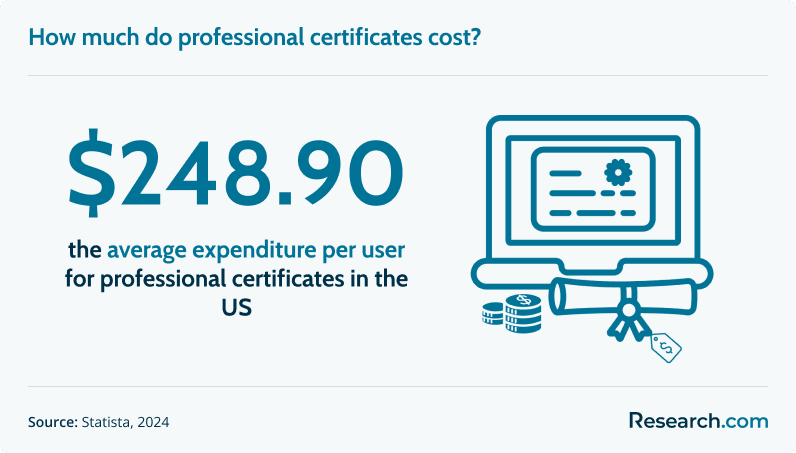
- The average expenditure per user for professional certificates in the United States is $248.90, showing that many learners use these credentials as a lower-cost professional development option.
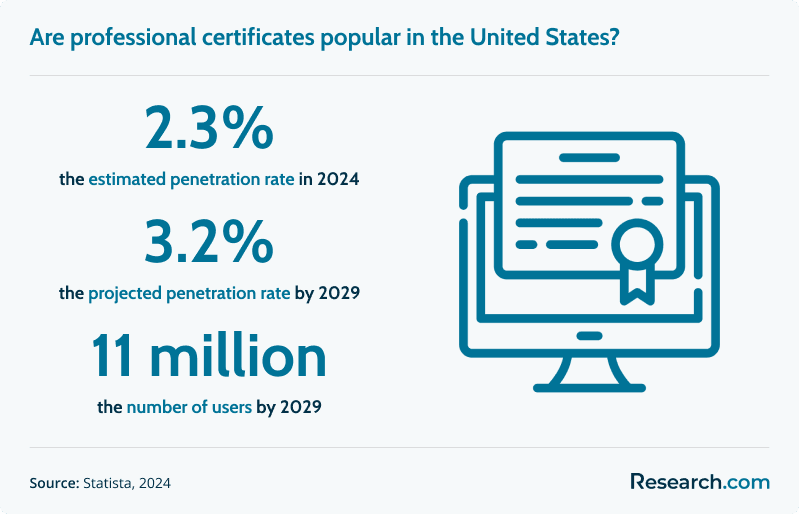
- The estimated penetration rate for professional certificates is projected to rise from 2.3% in 2024 to 3.2% by 2029, suggesting continued interest in shorter, career-focused credentials.
- Online certificates are most useful when they teach measurable skills, prepare students for recognized exams, or stack into a degree program.
Related Fast Online Degree Fields to Compare Before Choosing a Certificate
Some students begin with a certificate and later decide that a full degree offers better long-term mobility. The fields below commonly appear in online and accelerated formats. Use them as comparison points if you are deciding between a short certificate, an associate degree, a bachelor’s degree, or a graduate pathway.
1. Nursing
Online nursing pathways are often designed for students who already hold some healthcare experience or who need flexible coursework while completing clinical requirements locally. Programs may cover patient care, anatomy, pharmacology, and healthcare ethics. Because nursing is a regulated profession, students should confirm clinical placement rules, state approval, and licensure eligibility before enrolling.
2. Computer Science
Computer science programs generally focus on programming, algorithms, software engineering, databases, and systems design. They can be a better fit than a short certificate for students who want broad technical preparation for software development, data work, cybersecurity, or graduate study. Certificates may still be useful for learning a specific language, platform, or tool.
3. Healthcare Administration
Healthcare administration programs prepare students for operational and leadership roles in healthcare organizations. Coursework often includes health policy, finance, compliance, organizational behavior, and healthcare delivery systems. A certificate may help professionals add a specialized skill, while a degree may be more appropriate for management-track roles.
4. Management
Management programs build skills in leadership, planning, operations, human resources, and decision-making. A management certificate can help employees prepare for supervisory responsibilities, but a degree may carry more weight for broader advancement across industries such as finance, retail, nonprofit work, and business services.
5. Management Information Systems
Management information systems combines business strategy with technology. Students study topics such as database management, systems analysis, IT project management, and business process improvement. Certificates can be useful for specific systems or analytics tools, while MIS degrees provide a wider foundation for technology leadership roles.
6. Social Work
Online social work programs usually combine academic coursework with supervised field experience. Students learn about human behavior, social welfare policy, case management, and intervention methods. Because many social work roles are licensed, students should verify whether a program meets state requirements before assuming an online credential will qualify them for practice.
7. Accounting
Accounting programs train students in taxation, auditing, financial reporting, cost accounting, and regulatory compliance. A certificate can help learners develop bookkeeping or tax preparation skills, while a full degree may be required for more advanced accounting roles or preparation for professional credentials.
8. Economics
Economics programs teach students to interpret markets, policy decisions, consumer behavior, and statistical trends. Online study may include microeconomics, macroeconomics, econometrics, and data analysis. A certificate can add analytical tools, but a degree is usually more useful for research, policy, finance, or graduate-level pathways.
9. Business Administration
Business administration programs provide broad training in finance, marketing, operations, entrepreneurship, and organizational management. Students who want flexible career options may prefer a degree, while those who need a targeted skill—such as project management, digital marketing, or business analytics—may benefit from a shorter certificate.
10. Special Education
Special education programs prepare educators to support learners with disabilities and diverse instructional needs. Coursework may address inclusive classrooms, behavior strategies, individualized education plans, and assessment. Because teacher preparation and special education credentials are state-regulated, students should confirm licensure alignment before enrolling.
- Best online certificate programs for 2027
- What an online certificate program is
- Why online certificates are becoming more common
- Online certificates versus traditional certificate programs
- Main benefits of earning an online certificate
- How accreditation applies to online certificates
- Whether employers recognize online certificates
- Typical online certificate costs
- Admission requirements by certificate type
- How long online certificate programs take
- How to choose the right online certificate program
- Affordable online certificate options
- Career and salary impact
- How to balance work and online study
- Future trends in online certificates
- Accelerated certificate fields
- Financial aid for online certificates
- Challenges to prepare for
- Using a certificate toward an accelerated bachelor's degree
- Career support services
- Certificates and master's degree pathways
- How to measure certificate ROI
- How certificates complement fast-paced degree programs
- Pairing certificates with fast online master's programs
- Certificates and accelerated associate degrees
- How to check program credibility
- Using certificates before undergraduate study
- Combining certificates with affordable online bachelor's degrees
- Certificates and high-paying career paths
- Certificates before doctoral study
- Questions to ask before enrolling
10 Best Online Certificate Programs for 2027
The best online certificate program depends on your career stage. Entry-level learners may need a postsecondary certificate that prepares them for a first job or certification exam. Working professionals may need a graduate or professional certificate that proves expertise in a specialized area. The following fields are strong options to compare because they connect to defined skills, recognizable occupations, or growing workforce needs.
| Certificate field | Best for | Credential level commonly seen | Key caution before enrolling |
| Health Policy | Healthcare professionals, analysts, and managers interested in policy and systems-level work | Graduate-level or professional certification | Check whether the curriculum fits policy analysis, compliance, finance, or management goals |
| Data Analytics | Learners who want applied skills in data interpretation, visualization, and analytics tools | Professional certificate or graduate certificate | Review the software, statistics, and portfolio projects included |
| Public Health | Professionals interested in health education, epidemiology, community health, or health policy | Graduate-level certificate | Confirm whether the program aligns with CHES, CPH, or employer expectations |
| Alternative Teacher Certification | Career changers pursuing teaching roles | Post-baccalaureate or graduate-level certification | Verify state teacher certification requirements before enrolling |
| Medical Billing and Coding | Students seeking healthcare administration or medical records roles | Postsecondary or professional certification | Make sure the program prepares for recognized coding exams |
| Dental Assistant | Learners preparing for chairside and administrative dental office work | Postsecondary certificate | Check clinical, X-ray, and state credential rules |
| Medical Assisting | Students interested in combined clinical and administrative healthcare work | Postsecondary or professional certification | Ask whether externships and certification exam preparation are included |
| Medical Transcriptionist | Detail-oriented learners interested in healthcare documentation | Postsecondary or professional certification | Consider automation trends and whether additional skills are included |
| Counseling | Professionals adding specialized mental health or counseling knowledge | Graduate-level certification | Do not assume a certificate alone meets counseling licensure requirements |
| Home Health Aide | Students preparing for direct home-based patient support roles | Postsecondary or professional certification | Confirm state training, competency, and employer requirements |
1. Health Policy
A health policy certificate is designed for learners who want to understand how laws, regulations, financing, and organizational decisions affect healthcare delivery. Coursework may address policy analysis, advocacy, health economics, and compliance. Graduates may pursue policy, administration, or analyst roles. Medical and health services managers have projected job growth of 29% from 2023 to 2033, and healthcare policy analysts have an average annual salary of $96,920 as of 2024. Relevant credentials may include Certified in Healthcare Compliance (CHC) and Certified Healthcare Financial Professional (CHFP), which are typically associated with graduate-level or professional study.
- Johns Hopkins University Bloomberg School of Public Health - Certificate in Health Policy and Management
- Georgetown University McCourt School of Public Policy - Certificate in Health Policy
- Duke University Sanford School of Public Policy - Health Policy Certificate
2. Data Analytics
Data analytics certificates focus on collecting, cleaning, analyzing, and presenting data so organizations can make better decisions. Many programs include statistics, data visualization, databases, and machine learning concepts. This field is attractive because data scientists are projected to grow by 36% from 2023 to 2033. As of 2024, data scientists can expect an average annual salary of $78,785. Common professional credentials include Certified Analytics Professional (CAP) and Microsoft Certified: Data Analyst Associate.
- University of Michigan School of Information Technology - Data Analytics Certificate
- University of California, Berkeley School of Information Technology - Online Data Science Certificate
- Columbia University School of Professional Studies - Data Analytics Certificate
3. Public Health
Public health certificates prepare students to support community health, prevention programs, health education, epidemiology, and policy initiatives. Health education specialists are expected to grow by 7% from 2023 to 2033, and they earn an average annual salary of $69,790 as of 2024. Recognized credentials in this area may include Certified Health Education Specialist (CHES) and Certified in Public Health (CPH), commonly connected to graduate-level preparation.
- Johns Hopkins University Bloomberg School of Public Health - Certificate in Health Policy and Management
- Georgetown University McCourt School of Public Policy - Certificate in Health Policy
- Duke University Sanford School of Public Policy - Health Policy Certificate
4. Alternative Teacher Certification Programs
Alternative teacher certification programs help individuals who already hold a degree move into teaching. These programs often combine education coursework with supervised classroom practice. Middle school and high school teacher employment is projected to decline by 1% from 2023 to 2033, but demand can differ by state, subject, and district. The average annual salary for teachers in this category is $58,603 as of 2024. Common credential pathways may involve National Board for Professional Teaching Standards (NBPTS) recognition or teacher certification through state departments of education.
- American Association of Colleges for Teacher Education (AACTE)
- National Council on Teacher Quality (NCTQ)
5. Medical Billing and Coding
Medical billing and coding certificates train students to work with medical terminology, coding systems, insurance claims, compliance rules, and patient health information. Medical records specialists are projected to grow by 9% from 2023 to 2033, and the average annual salary in this field is $53,690 as of 2024. Credentials such as Certified Coding Associate (CCA) and Certified Professional Coder (CPC) are commonly associated with postsecondary or professional certification routes.
- American Academy of Professional Coders (AAPC) - Certified Coder (CPC)
- National Center for Healthcare Management (NCHM) - Medical Billing and Coding Specialist
- University of Alabama at Birmingham (UAB) - Medical Billing and Coding Certificate
6. Dental Assistant
Dental assistant certificates prepare students for clinical and administrative duties in dental offices. Training may cover chairside assisting, patient communication, dental records, infection control, and X-ray procedures. Dental assistant employment is projected to grow by 8% from 2023 to 2033, and the average annual salary is $47,350 as of 2024. Recognized credentials include Certified Dental Assistant (CDA) and National Entry Level Dental Assistant (NELDA).
- Penn Foster College
- Herzing University
- National College of Business and Arts
7. Medical Assisting
Medical assisting certificates prepare students to support healthcare teams through patient intake, basic clinical procedures, medical terminology, scheduling, and office administration. Medical assistants are projected to grow by 15% from 2023 to 2033. As of 2024, medical assistants can expect an average annual salary of $43,350. Common credentials include Certified Medical Assistant (CMA) and Registered Medical Assistant (RMA).
- Penn Foster College
- Herzing University
- National College of Business and Arts
8. Medical Transcriptionist
Medical transcriptionist certificates teach students to convert healthcare recordings into accurate written documentation while applying medical terminology, anatomy knowledge, privacy rules, and formatting standards. The occupation is projected to decline by 5% from 2023 to 2033, so students should look for programs that also build broader health information, editing, or documentation technology skills. The average annual salary is $39,090 as of 2024. Credentials may include Registered Medical Transcriptionist (RMT) and Certified Medical Transcriptionist (CMT).
- American Academy of Professional Coders (AAPC) - Certified Medical Transcriptionist (CMT)
- National Center for Healthcare Management (NCHM) - Medical Transcription Specialist
- University of Alabama at Birmingham (UAB) - Medical Transcription Certificate
9. Counseling
Counseling certificates can help professionals build knowledge in counseling methods, ethics, mental health, behavioral disorders, or substance abuse support. Substance abuse, behavioral disorder, and mental health counselors are projected to grow by 19% from 2023 to 2033, and counselors in this category can expect an average annual salary of $60,080 as of 2024. Credentials such as National Certified Counselor (NCC) and Certified Clinical Mental Health Counselor (CCMHC) are generally connected to graduate-level preparation and may not replace state licensure requirements.
- Southern New Hampshire University - Graduate Certificate in Mental Health Counseling
- Capella University - Graduate Certificate in Mental Health Counseling
- Liberty University - Graduate Certificate in Counseling
10. Home Health Aide
Home health aide programs prepare learners to provide basic support to patients in home-based care settings. Training may include personal care, communication, safety, mobility assistance, and basic health monitoring. Home health aides are projected to grow by 21% from 2023 to 2033, and the average annual salary is $33,380 as of 2024. Common credentials include Home Health Aide Certification and Certified Nursing Assistant (CNA), depending on the employer and state requirements.
What Is an Online Certificate Program?
An online certificate program is a focused course of study delivered mostly or entirely through digital platforms. Unlike a degree, it usually concentrates on a specific skill set, occupation, tool, or professional area. Certificates may be offered by colleges, universities, employers, professional associations, or online learning platforms. The value of the certificate depends on who awards it, what it teaches, whether it is accredited or industry-recognized, and how closely it matches your career goal.
Postsecondary Certificates
Postsecondary certificates are typically designed for students who have a high school diploma or equivalent and want job-focused preparation. Examples include medical billing and coding, medical assisting, dental assisting, home health aide training, and some entry-level technology certificates. These programs can be useful for learners entering a field for the first time.
Graduate Certificates
Graduate certificates are usually intended for students who already hold a bachelor’s degree and want advanced specialization. Examples include health policy, public health, counseling, project management, and educational leadership. Some graduate certificates may stack into a master’s program. Students considering a broader science or healthcare pathway may also compare certificate options with a biotechnology master's degree online.
Professional Certificates
Professional certificates are often created for working adults who need to update skills, learn a tool, or meet employer expectations. They may be awarded by companies, industry groups, or professional training providers. Examples include data analytics credentials, project management training, coding certifications, or healthcare compliance credentials.
Are Online Certificate Programs Popular?
Online certificate programs have become more common because they offer a shorter and often more flexible way to learn career-relevant skills. They appeal to people who cannot pause work for a full degree, professionals who need to keep up with changing technology, and career changers who want to test a new field before making a larger education investment. Learners interested in behavioral health, for example, may compare certificate options with the fastest master's in applied behavior analysis online if they need a more advanced credential.
In the United States, professional certificates are gaining measurable traction. In 2024, the estimated penetration rate is projected at 2.3%, and it is expected to reach 3.2% by 2029. By that year, there are projected to be approximately 11.4 million users of professional certificates in the country.
How Do Online Certificate Programs Differ From Traditional Certificate Programs?
The main difference is delivery. Online certificates let students complete coursework remotely, often through asynchronous lessons, recorded lectures, digital assignments, discussion boards, and virtual labs. Traditional certificate programs usually require students to attend classes in person at scheduled times.
| Factor | Online certificate | Traditional certificate |
| Schedule | Often more flexible; may include self-paced or asynchronous coursework | Usually follows fixed class meeting times |
| Location | Can be completed from home if technology requirements are met | Requires commuting or living near the campus or training site |
| Hands-on learning | May use simulations, virtual labs, local placements, or hybrid requirements | Often easier to deliver in-person practice, labs, and demonstrations |
| Networking | Requires intentional effort through online forums, projects, and career services | Face-to-face networking may feel more natural |
| Best fit | Working adults, remote learners, career changers, and students needing flexibility | Students who prefer classroom structure or need intensive hands-on training |
Both formats can be legitimate. The better choice depends on your learning style, schedule, field requirements, and whether the program includes any required clinical, practicum, lab, or exam preparation components. Students comparing teaching pathways may also review affordable online teaching degree programs if a certificate alone will not meet their professional goals.
What Are the Benefits of Pursuing an Online Certificate?
Online certificates are most valuable when they solve a specific problem: learning a new tool, qualifying for an exam, documenting a skill, preparing for promotion, or exploring a career change. Their benefits are practical rather than automatic.
- Flexibility: Many programs allow students to study around work, caregiving, or irregular schedules.
- Focused skill development: Certificates usually concentrate on a narrower topic than a degree, which can make them faster to complete.
- Career signaling: A relevant certificate can show employers that you have taken initiative to build current skills.
- Lower cost than many degrees: Certificates often require a smaller upfront investment than a full academic program.
- Stackable potential: Some certificates can apply toward a later degree, though transfer credit is never guaranteed.
For example, students exploring behavioral health may use applied behavior analysis programs online to compare certificates, degrees, and career preparation requirements.
Are Online Certificate Programs Accredited?
Some online certificate programs are connected to accredited colleges or universities, while others are issued by companies, bootcamps, training providers, or professional organizations. Accreditation usually applies to the institution or a specialized program, not every short course in the same way. That is why students should ask exactly what is accredited and by whom.
In healthcare management, some programs may be connected to institutions or programs with accreditation from organizations such as the Commission on Accreditation of Healthcare Management Education (CAHME). In technology-related academic programs, accreditation may involve the Accreditation Board for Engineering and Technology (ABET). In public health, accreditation may come from the Council on Education for Public Health (CEPH). Students considering data-focused graduate education may also compare certificates with the cheapest data science masters online if they want a credential that may carry broader academic value.
Industry certificates can also be valuable even when they are not “accredited” in the academic sense. Credentials from established technology, healthcare, compliance, and professional organizations may be recognized because employers understand what the exam or training represents. For additional credential comparisons, review online certifications that pay well.
Are Online Certificates Recognized by Employers?
Employers may recognize online certificates when the credential is relevant, current, verifiable, and issued by a trusted provider. Recognition is strongest when the certificate prepares students for an industry-standard exam, demonstrates a portfolio of work, or comes from a college, university, professional association, or major employer-recognized organization.
Recognition also depends on the field. In technology, employers may value platform-specific credentials if they match the tools used on the job. In healthcare, employers often care about compliance, certification exams, clinical requirements, and state rules. In education and speech-related fields, students should be especially careful about licensure alignment; for example, those reviewing accelerated speech pathology programs online should confirm whether the pathway meets professional requirements.
A certificate can strengthen a resume, but it rarely replaces required experience, licensure, a degree, or a strong interview. The best strategy is to connect the certificate to job postings you are targeting and confirm that employers actually request or value that credential.
How Much Do Online Certificates Cost?
Online certificate costs vary by provider, level, field, and length. Some professional certificates cost only a few hundred dollars, while college-issued or graduate certificates can cost several thousand dollars. A professional certificate in data analytics may cost around $1,200 to $2,500, while a postsecondary certificate in medical billing and coding might cost approximately $800 to $1,500. Graduate certificates often range from $3,000 to $10,000.
For context, the average expenditure per user for professional certificates in the United States is $248.90. This figure reflects professional certificate spending broadly and does not mean every program is that inexpensive. Students comparing a certificate with a full credential can also review affordable online degrees.
| Cost factor | Why it matters | Question to ask |
| Tuition or course fee | This is the headline price, but it may not include everything | Is the quoted cost per course, per credit, or for the whole program? |
| Books and software | Technology programs may require paid tools or subscriptions | Are software licenses included? |
| Exam fees | Some certificates prepare students for a separate certification exam | Is the certification exam fee included in tuition? |
| Clinical, practicum, or externship costs | Healthcare and education programs may require local placements | Who arranges the placement, and are there extra fees? |
| Transfer credit value | A certificate may be more valuable if it applies toward a future degree | Can these credits transfer into a degree program in writing? |
What Are the Admission Requirements for Online Certificate Programs?
Admission requirements depend on whether the certificate is postsecondary, graduate-level, or professional. Requirements can also vary by field, especially in healthcare, counseling, and education where prior coursework, background checks, or supervised experience may be involved.
Postsecondary Certificates
Postsecondary certificate programs commonly require a high school diploma or equivalent. Some programs also expect basic computer literacy, prerequisite coursework, healthcare exposure, or placement testing. Medical billing and coding, medical assisting, dental assisting, and home health aide programs may have additional documentation or health-related requirements.
Graduate Certificates
Graduate certificates usually require a bachelor’s degree. Some programs may also ask for relevant professional experience, transcripts, letters of recommendation, a statement of purpose, or standardized test scores. This is common in fields such as health policy, counseling, data analytics, and education.
Professional Certificates
Professional certificates often have more flexible entry requirements, especially when they are designed for skill development rather than academic credit. However, advanced professional credentials may require prior education, work experience, or eligibility for an external exam. Students considering counseling-related study can compare certificate requirements with online Christian counseling degree offerings if they need a broader academic route.
Educational attainment and employment outcomes are also important context. The unemployment rate for individuals with a doctoral degree is 1.6%, according to the referenced education data, which illustrates how higher levels of education can be associated with stronger labor market stability. A certificate can help, but its effect depends on field demand, employer recognition, and how it fits into your broader education and experience.
How Long Does It Take to Complete an Online Certificate Program?
Completion time depends on the certificate level, pacing, and whether the program includes clinical, practicum, or exam-preparation requirements. Postsecondary certificates may take several months to a year. Graduate certificates may take one to two years. Professional certificates can sometimes be completed in a few weeks, though some take up to a year depending on schedule and depth.
Time matters because opportunity cost matters. A short program can help you update skills quickly, but a longer certificate may carry more academic credit, more rigorous assessment, or stronger preparation for certification exams. Data scientist roles have the highest projected job growth among the highlighted occupations, at 36% from 2023 to 2033, which shows why many learners are drawn to specialized technical credentials.
What Factors Should I Consider When Choosing an Online Certificate Program?
The right certificate should match a specific goal. Do not choose based only on convenience or name recognition. Evaluate whether the program teaches the skills employers request, whether the credential is credible, and whether the price is reasonable for the career outcome you expect.
| Selection factor | What to verify | Why it matters |
| Accreditation or recognition | Institutional accreditation, specialized accreditation, or industry recognition | A weak credential may not help with employment, licensure, or transfer credit |
| Curriculum | Course topics, tools, projects, labs, and exam alignment | The certificate should teach job-relevant skills, not just theory |
| Total cost | Tuition, fees, books, software, exam costs, and travel if applicable | A low tuition price can hide additional expenses |
| Time commitment | Weekly workload, deadlines, live sessions, and completion timeline | A program only works if it fits your schedule realistically |
| Career outcomes | Graduate employment data, employer partnerships, internships, or career services | Programs should be transparent about how graduates use the credential |
| Instructor qualifications | Academic background, industry experience, and professional credentials | Career-focused programs need instructors who understand current workplace expectations |
| Transferability | Whether credits apply to a future degree | Stackable certificates can improve long-term education value |
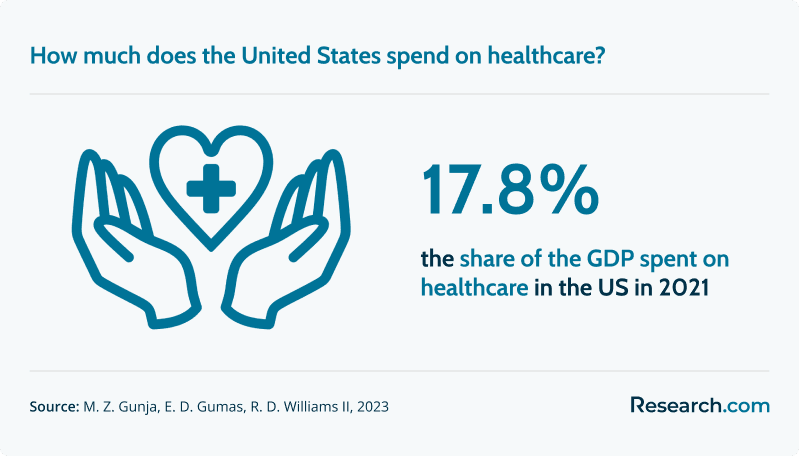
Healthcare is a particularly important area for careful program review. In 2021, healthcare spending represented 17.8% of the GDP in the United States, which reflects the scale of the sector. Students considering healthcare leadership may compare certificate options with the cheapest online healthcare management degree programs.
What Are the Most Affordable Options for Online Certificate Programs?
The most affordable option is not always the lowest advertised price. A certificate is affordable when the total cost is manageable and the credential provides a realistic path to a job skill, promotion, exam eligibility, or degree credit. Community colleges, public universities, employer-sponsored programs, professional associations, and low-cost online learning platforms may all offer budget-conscious options. Healthcare students can start by comparing affordable online medical assistant programs if they want a practical entry-level pathway.
- Ask whether fees, software, books, and exam costs are included.
- Look for employer tuition assistance or reimbursement.
- Compare certificate cost against the salary range for your target role, but avoid assuming a raise is guaranteed.
- Check whether the certificate can transfer into an associate, bachelor’s, or graduate program.
How Do Online Certificate Programs Improve Job Prospects and Earning Potential?
An online certificate can improve job prospects when it fills a visible gap between your current qualifications and the requirements of the jobs you want. For example, a data analytics certificate may help a business professional show technical skill; a medical coding certificate may prepare a student for coding roles; and a healthcare compliance certificate may support advancement in health administration.
Certificates can also help employees qualify for more responsibility, but salary outcomes vary. A credential does not guarantee a higher wage. Its impact depends on your experience, location, employer, occupation, and whether the certificate is respected in the field. Students looking for shorter credentials with strong earning potential can compare options in quick certifications that pay well.
How Can You Balance Work and Study With Online Certificates?
Online learning is flexible, but it still requires structure. Many students underestimate the weekly time commitment because there is no commute or classroom schedule. The most successful learners treat a certificate like a recurring professional obligation.
Build a Weekly Study Plan
- Block specific study hours before the course begins.
- Schedule difficult coursework when you have the most energy, not only after long workdays.
- Use assignment deadlines to plan backward instead of studying only when something is due.
Use Digital Tools Intentionally
- Place lectures, exams, and project deadlines on a digital calendar.
- Use a task manager to break large assignments into smaller steps.
- Keep files, notes, and readings organized by module.
Set Expectations With Others
- Tell your employer early if your program may affect availability.
- Ask family or household members for support during exam weeks or project deadlines.
- Use instructor office hours or academic support before you fall behind.
Working adults who need flexible and cost-conscious options can also compare the most affordable online universities in USA.
What Future Trends Will Shape Online Certificate Programs?
Online certificate programs are being shaped by employer demand for shorter, skills-based credentials; wider use of micro-credentials; and growing interest in stackable credits that can lead to degrees. Artificial intelligence and data analytics are also influencing course delivery, feedback, tutoring tools, and competency-based learning models. Students should look for programs that update curricula regularly, include applied projects, and clarify how the certificate connects to jobs or advanced study. If a full degree may offer better long-term value, compare certificate pathways with highest-paying online degrees.
Popular Fields With Accelerated Options
Accelerated certificate options are common in fields where employers need practical skills and students want faster entry or advancement. Common areas include:
- Healthcare Administration: Useful for learners interested in health policy, operations, compliance, and patient care coordination.
- Data Analytics: Appropriate for students who need skills in visualization, statistical analysis, dashboards, and machine learning concepts.
- Management: Helpful for employees preparing for leadership, planning, operations, or team supervision.
Some accelerated certificates can also become part of a longer education plan. Students who want to continue beyond a certificate can compare options such as the fastest bachelor's degree.
Is Financial Aid an Option for Online Certificate Programs?
Financial aid depends on the institution, program length, credit status, and federal aid eligibility. Some certificate programs at accredited colleges may qualify for federal aid, institutional scholarships, grants, payment plans, or employer tuition assistance. Others, especially noncredit professional certificates, may not qualify for the same funding. Students who need federal aid should look for schools and programs that clearly explain eligibility, including FAFSA-approved online certificate programs.
What Challenges Should You Anticipate in Online Certificate Programs?
The biggest challenges are usually self-management, technology access, limited in-person networking, and uncertainty about credential value. Online students must stay on schedule without the daily structure of a classroom. Technical issues can also slow progress if the learning platform, software, or internet connection is unreliable.
Another challenge is quality control. Some certificates are rigorous and employer-recognized; others are inexpensive but have little market value. Before enrolling, compare the curriculum, instructor qualifications, career services, and outcomes. If you may need broader academic preparation, review best online degrees as an alternative or next step.
Can an Online Certificate Lead to an Accelerated Bachelor's Degree?
Yes, some online certificates can help students move into an accelerated bachelor’s degree, but only if the receiving institution accepts the coursework for credit. Transfer policies vary. Before enrolling, ask whether the certificate is credit-bearing, whether credits are transcripted, and which degree programs have accepted those credits in the past. Students planning a bachelor’s pathway can compare options for an accelerated bachelor's degree online accredited.
Do Online Certificate Programs Offer Career Support Services?
Many online certificate programs provide career support, but the depth varies. Strong programs may offer resume feedback, interview preparation, employer connections, job boards, portfolio reviews, alumni networking, or internship support. Weak programs may provide only basic self-service resources. Ask what services are included, whether they are available to certificate students, and whether support continues after completion. Students planning graduate study after a certificate can also compare 1 year graduate programs.
Can an Online Certificate Pave the Way to the Easiest Master's Degree?
An online certificate may support admission to a master’s program by showing recent coursework, focused preparation, or professional commitment. It may also help with prerequisite knowledge. However, certificates do not automatically make graduate school easy, and transfer credit depends on institutional policy. Students comparing graduate pathways should review how certificate credits apply before choosing among options such as the easiest master's degree.
How Can You Measure the ROI of Your Online Certificate Program?
To measure return on investment, compare the full cost of the certificate with the realistic career benefit. Include tuition, fees, books, software, exam fees, time away from paid work, and any travel or practicum expenses. Then compare those costs with potential benefits such as qualification for a certification exam, stronger job applications, promotion eligibility, portfolio development, or credit toward a degree.
| ROI question | Why it matters |
| Does the certificate appear in job postings for my target role? | This shows whether employers are actively asking for the credential or skill set |
| Will I earn academic credit? | Credit-bearing certificates may have more long-term value if you continue your education |
| Does the program prepare me for an external certification exam? | Exam preparation can make the credential more recognizable |
| Can I complete the program without taking on unmanageable debt? | A certificate should not create financial strain disproportionate to its benefit |
| Are alumni outcomes transparent? | Employment and advancement data can help you judge whether the program delivers results |
You can also compare certificate value with lower-barrier degree options, including easy online colleges.
How Can Online Certificates Complement Fast-Paced Degree Programs?
Online certificates can complement accelerated degree programs by helping students build targeted skills before, during, or after a degree. For example, a student in business may add a data analytics certificate, while a healthcare administration student may add compliance or policy training. If the certificate is credit-bearing, it may also reduce time to completion, but students should confirm transfer rules in writing. Compare options with fast paced degree programs.
Can a Fast Online Master's Degree Amplify the Benefits of Your Online Certificates?
A fast online master's degree can strengthen the value of prior certificates when the credentials align. For example, a certificate may show applied skill, while the master’s degree provides advanced theory, leadership preparation, or research depth. The key is sequencing: choose certificates that build toward your graduate goals instead of collecting unrelated credentials.
How Can an Accelerated Associate Degree Complement Your Online Certificate Strategy?
An accelerated associate degree can provide broader academic structure while a certificate supplies targeted job skills. This combination may be useful for students entering healthcare, business, IT, or technical support roles. Before enrolling, compare whether the certificate is enough for your target job or whether an accelerated associate degree would provide stronger long-term mobility.
How Can You Evaluate the Credibility of an Online Certificate Program?
Start by verifying the provider. Check institutional accreditation, specialized accreditation if relevant, instructor qualifications, employer partnerships, curriculum detail, and graduate outcomes. Be cautious of programs that promise guaranteed jobs, vague “industry recognition,” or extremely fast completion without explaining assessments and skill standards. If a certificate is marketed as a bridge to a degree, ask for written transfer policies and compare similar pathways such as an associate's degree online in 6 months.
Can Online Certificates Facilitate a Transition to Undergraduate Studies?
Online certificates can help students transition into undergraduate study when they are credit-bearing and aligned with a degree plan. They may also build confidence for students returning to school after time away. However, transfer credit is controlled by the receiving institution. Students who want a low-cost bachelor’s route should compare certificate options with affordable online bachelors degrees.
Can a Bachelor's Degree Online Cheap Further Boost Your Career After Online Certificates?
Yes, combining certificates with a low-cost bachelor’s degree can create a stronger education profile than either option alone, especially when the credentials align with a clear career path. A certificate can show specialized skill, while a degree can provide broader academic preparation and access to roles that require a bachelor’s credential. Students planning this route should compare transfer policies, total cost, and program outcomes before choosing a bachelor's degree online cheap.
Can Online Certificates Lead to High-Paying Career Opportunities?
Online certificates can contribute to higher-paying opportunities when they support skills that employers value and when they are paired with experience, strong performance, and sometimes further education. They are not a shortcut to guaranteed high income. For students targeting six-figure career paths, a certificate may be one piece of a longer plan that includes a degree, portfolio, licensure, or specialized experience. Compare long-term options such as a bachelor's degree that pay 100k.
Can Online Certificates Boost Your Prospects for Doctoral Studies?
An online certificate can strengthen a doctoral application if it addresses a clear academic gap, demonstrates recent graduate-level performance, or adds research-relevant skills. It is most useful when the coursework aligns with your intended doctoral field. It will not replace required degrees, research experience, or admissions standards, but it can show focused preparation. Students comparing advanced pathways may review the shortest doctoral degree options.
Common Mistakes to Avoid When Choosing an Online Certificate
- Choosing based only on speed: A very short program is not useful if it does not teach job-ready skills or prepare you for a recognized exam.
- Ignoring accreditation or recognition: Always verify the provider and the credential’s standing in your field.
- Assuming online means easier: Flexible programs still require deadlines, exams, projects, and independent study.
- Looking only at tuition: Add books, software, exam fees, technology, and any required practicum costs.
- Assuming licensure eligibility: Education, healthcare, counseling, and social work credentials may have state-specific requirements.
- Collecting unrelated certificates: Multiple credentials help only when they support a coherent career story.
- Skipping employer research: Review job postings and talk to hiring managers before paying for a credential.
Questions to Ask Before Enrolling
- Who awards the certificate, and is the institution or program accredited?
- Is the certificate credit-bearing or noncredit?
- Does the program prepare students for a recognized certification exam?
- What software, tools, labs, simulations, or projects are included?
- Are there clinical, practicum, externship, or field placement requirements?
- What is the total cost, including fees and exams?
- Can the credits transfer into a future degree?
- What career services are available to certificate students?
- Do employers in my target field request this credential?
- What completion support is available if I fall behind?
Key Insights
- Online certificates are best for focused career goals: skill upgrades, exam preparation, career changes, promotions, or stackable credit toward a degree.
- Credential quality matters more than format. Employers are more likely to value certificates from accredited institutions, reputable industry organizations, or providers with strong employer recognition.
- Costs vary widely. Professional certificate spending averages $248.90 per user in the United States, but many specific programs cost more, including data analytics certificates around $1,200 to $2,500, medical billing and coding certificates around $800 to $1,500, and graduate certificates from $3,000 to $10,000.
- Data analytics, health policy, public health, medical assisting, home health aide training, and counseling-related certificates can connect to fields with defined workforce needs, but outcomes depend on location, experience, and credential recognition.
- Licensure-sensitive fields require extra caution. Teaching, counseling, nursing, social work, dental assisting, and some healthcare roles may have state-specific rules that an online certificate alone may not satisfy.
- The smartest approach is to start with job postings, identify the skills or credentials employers actually request, verify program credibility, calculate total cost, and choose the shortest credible path that supports your next career move.
References:
- Indeed. (2024). Data analyst salary in United States. Retrieved September 27, 2024, from Indeed.
- Indeed. (2024). Counselor salary in United States. Retrieved September 27, 2024, from Indeed.
- Salary.com. (2024). Public school teacher salary. Retrieved September 27, 2024, from Salary.com.
- U.S. Bureau of Labor Statistics. (2024). Occupational employment and wages, May 2023 - 29-2072 Medical records specialists. Retrieved September 27, 2024, from BLS.
- U.S. Bureau of Labor Statistics. (2024). Occupational employment and wages, May 2023 - 31-9094 Medical transcriptionists. Retrieved September 27, 2024, from BLS.
- U.S. Bureau of Labor Statistics. (2024). Occupational employment and wages, May 2023 - 31-9092 Medical assistants. Retrieved September 27, 2024, from BLS.
- U.S. Bureau of Labor Statistics. (2024). Occupational employment and wages, May 2023 - 21-1091 Health education specialists. Retrieved September 27, 2024, from BLS.
- U.S. Bureau of Labor Statistics. (2024). Occupational employment and wages, May 2023 - 31-1120 Home health and personal care aides. Retrieved September 27, 2024, from BLS.
- U.S. Bureau of Labor Statistics. (2024). Medical and health services managers. Retrieved September 27, 2024, from BLS.
- U.S. Bureau of Labor Statistics. (2024). Health education specialists. Retrieved September 27, 2024, from BLS.
- U.S. Bureau of Labor Statistics. (2024). Medical records specialists. Retrieved September 27, 2024, from BLS.
- U.S. Bureau of Labor Statistics. (2024). Dental assistants. Retrieved September 27, 2024, from BLS.
- U.S. Bureau of Labor Statistics. (2024). Medical transcriptions. Retrieved September 27, 2024, from BLS.
- U.S. Bureau of Labor Statistics. (2024). Home health and personal care aides. Retrieved September 27, 2024, from BLS.
- U.S. Bureau of Labor Statistics. (2024). Education pays. Retrieved September 27, 2024, from BLS.
- U.S. Bureau of Labor Statistics. (2024). Medical assistants. Retrieved September 27, 2024, from BLS.
- U.S. Bureau of Labor Statistics. (2024). School and career counselors and advisors. Retrieved September 27, 2024, from BLS.
- ZipRecruiter. (2024). Health care policy analyst salary. Retrieved September 27, 2024, from ZipRecruiter.
Other Things You Should Know About Online Certificate Programs
Yes, if the program is offered by an accredited institution and appears in the U.S. Department of Education’s eligible aid database. Students can use federal aid only for programs that meet Title IV rules, such as approved clock-hour or credit-hour requirements.
In 2027, top online certificate programs are often approved by industry bodies like ANSI, ATD, and PMI. These endorsements ensure programs meet industry standards, enhancing their credibility and recognition in professional circles. Verify specific program accreditation through respective industry body websites.