2027 Best Online Behavioral Health Management Degrees for Nonprofit Behavioral Health Careers

Co-Founder and Chief Data Scientist
Choosing an online behavioral health management degree is really a career decision: do you want to lead programs that respond to mental health, substance use, housing, crisis, and community-care needs? SAMHSA's 2023 National Survey on Drug Use and Health, released in 2024, estimated that 23.1% of U. S. adults had a mental illness in the past year, underscoring why nonprofits need skilled managers.
This guide is for adult learners comparing online programs, costs, accreditation, and nonprofit career outcomes so they can choose a degree that fits their goals and avoids expensive mismatches.
Key Things You Should Know
- Behavioral health management is usually found under related online majors such as human services administration, healthcare administration, behavioral health science, community health, public health, social services, or nonprofit management rather than one single standardized degree title.
- For nonprofit leadership roles, the strongest programs combine behavioral health systems, grant funding, ethics, data reporting, supervision, program evaluation, and community partnerships instead of focusing only on counseling theory.
- BLS May 2024 wage data shows relevant nonprofit-facing management roles vary widely, with social and community service managers at a median annual wage of $78,240 and medical and health services managers at $117,960, so role type and employer size strongly affect ROI.
What is an online behavioral health management degree and how does it prepare you for nonprofit work?
An online behavioral health management degree is a business-and-services-focused program that prepares students to coordinate mental health, substance use, crisis response, case management, community outreach, and integrated care programs. It is different from a clinical counseling degree because the main emphasis is on operations, program quality, compliance, funding, staff coordination, and client access rather than psychotherapy practice.
For nonprofit careers, the best-fit degrees are often interdisciplinary. You may see titles such as bachelor's in human services administration, behavioral health science, healthcare administration, community health, public health, nonprofit management, or social services leadership. At the graduate level, relevant options may include a master's in health administration, public administration, human services, social work administration, or nonprofit leadership.
The distinction matters because many nonprofit behavioral health agencies employ both licensed clinicians and nonclinical managers. If your goal is to become a therapist, an online masters degree in mental health counseling is usually a more direct path. If your goal is to manage a clinic, oversee grants, run outreach programs, improve access, or coordinate services, behavioral health management is often the better match.
These programs typically prepare students for nonprofit work by building skills in several connected areas:
- Program operations: scheduling services, coordinating referrals, supervising teams, managing caseload systems, and monitoring service delivery.
- Funding and grants: understanding Medicaid billing basics, government contracts, philanthropic grants, donor reporting, and restricted funding rules.
- Compliance and quality: applying HIPAA, documentation standards, trauma-informed practice, outcome reporting, and ethical decision-making.
- Community systems: working with schools, hospitals, shelters, courts, public health agencies, recovery organizations, and crisis response teams.
- Leadership: managing staff burnout, building inclusive services, using data dashboards, and communicating with boards or funders.
This degree is most useful for people who want mission-driven leadership without necessarily becoming licensed clinicians. It can also be valuable for current case managers, peer support specialists, outreach workers, administrative coordinators, and nonprofit employees who want to move into supervisory or director-level roles.
Which accredited online behavioral health management programs are best for nonprofit behavioral health careers?
The "best" online program depends on whether you want direct service leadership, healthcare operations, substance use program management, community health, or nonprofit administration. Because behavioral health management is not always a stand-alone major, strong candidates often sit in adjacent departments and let you tailor electives, fieldwork, or capstone projects toward behavioral health nonprofits.
The table below summarizes program types that are commonly worth comparing. Use it as a decision framework rather than a fixed ranking, because availability, tuition, transfer credit, and state authorization can change.
| Program type | Best fit for nonprofit behavioral health careers | What to look for | Potential limitation |
| Bachelor's in human services administration | Case management supervisors, program coordinators, community services managers | Courses in social services systems, nonprofit operations, ethics, crisis response, and program evaluation | May not include enough healthcare finance or reimbursement content for clinic operations roles |
| Bachelor's in behavioral health science or behavioral science | Behavioral health program staff moving toward supervision | Behavioral health, substance use, trauma, family systems, and community intervention coursework | May be more direct-service oriented than management oriented unless electives add leadership training |
| Bachelor's in healthcare administration with behavioral health electives | Clinic operations, compliance, quality improvement, and integrated care settings | Healthcare law, budgeting, quality management, data systems, and reimbursement coursework | May need supplemental nonprofit or behavioral health-specific experience |
| Bachelor's or master's in nonprofit management | Development, grants, executive leadership, and program director roles | Grant writing, fundraising, board governance, evaluation, public policy, and financial management | May not provide enough behavioral health context unless paired with relevant work experience |
| Master's in public administration, health administration, or human services leadership | Experienced professionals targeting director, operations, or executive roles | Strategic planning, policy, budgeting, organizational leadership, and applied capstone projects | May be less useful for entry-level applicants without prior behavioral health or nonprofit experience |
For readers comparing management-oriented programs, a broader healthcare administration online pathway can be especially relevant when the target employer is a nonprofit clinic, federally qualified health center, hospital-affiliated behavioral health program, or integrated care organization.
When building your shortlist, prioritize institutions with recognized institutional accreditation, transparent tuition, transfer-friendly policies, and curriculum that includes behavioral health systems rather than only general business administration. If you already work in a nonprofit, ask whether your current role can support a capstone, internship, or applied project tied to program improvement.
How do online behavioral health management degrees compare to campus-based programs for nonprofit roles?
Online and campus-based programs can both prepare students for nonprofit behavioral health management, but they serve different types of learners. Online programs often work best for adults already employed in human services, healthcare, social services, or nonprofit administration because they can apply class projects directly to their workplaces.
The table below compares the trade-offs that matter most for nonprofit career preparation. The goal is not to declare one format universally better, but to help you choose the format that supports your schedule, networking needs, and career stage.
| Factor | Online degree | Campus-based degree | Best choice when |
| Schedule | Often asynchronous or evening-friendly | More fixed class times | Online is stronger if you work full time or have caregiving responsibilities |
| Field experience | May allow local internships or workplace-based projects | May have established relationships with nearby agencies | Campus can help if you need built-in local placement support |
| Networking | Broader geographic network; requires intentional participation | More face-to-face faculty and peer interaction | Campus may help if you are entering the field with no local contacts |
| Cost control | Can reduce relocation and commuting costs | May offer campus scholarships or assistantships at some schools | Online may be better if total attendance cost is lower, not just tuition |
| Career relevance | Strong if assignments connect to current nonprofit work | Strong if local agencies recruit from the program | Choose the format with better employer alignment in your target region |
Online learning is now common across professional fields, so employers usually focus more on accreditation, skills, experience, and program reputation than on whether classes were taken remotely. The same cost-and-flexibility logic used to compare a construction management degree online can apply here: the format is valuable when it helps you finish without leaving the workforce, but it should still provide applied projects, faculty access, and credible credentials.
Campus programs may be a better choice if you are changing careers and need structured local internships, live supervision, and direct access to agency recruiters. Online programs may be the smarter choice if you already work in behavioral health or human services and need a degree to qualify for promotion, grant leadership, or administrative roles.
What admission requirements do online behavioral health management programs typically have for adult learners?
Admission requirements depend on degree level, but online programs that serve adult learners often emphasize prior college credit, work history, transfer evaluations, and readiness for writing-intensive coursework. Applicants should look beyond minimum GPA requirements and ask how the program treats previous credits, military training, professional certifications, and workplace learning.
Most bachelor's programs ask for the following materials, especially when the applicant is transferring from a community college or returning after a break:
- High school diploma, GED, or equivalent documentation
- Official transcripts from all colleges previously attended
- Minimum GPA requirement or conditional admission pathway
- Transfer credit evaluation before or shortly after admission
- Short application statement or admissions questionnaire, depending on the school
- English placement, math placement, or general education review when required
Graduate programs are usually more selective. A master's in health administration, human services leadership, public administration, or nonprofit management may require:
- Bachelor's degree from an accredited institution
- Professional resume showing relevant work or volunteer experience
- Statement of purpose explaining career goals in behavioral health, human services, or nonprofit leadership
- Letters of recommendation, often from supervisors or faculty
- Minimum undergraduate GPA, with possible probationary admission for applicants below the threshold
- Prerequisite coursework in statistics, social science, healthcare, or management for some programs
Adult learners should pay special attention to transfer policies. A program with a slightly higher tuition rate may still be more affordable if it accepts more prior credits and shortens time to graduation. Before applying, ask for a written degree plan showing exactly which credits transfer and which courses remain.
Common admissions mistakes include applying before checking state authorization, assuming all prior credits will count toward the major, and choosing a graduate program before confirming whether it expects prior human services experience. These mistakes can extend the timeline and increase total cost.
What courses and concentrations are offered in online behavioral health management programs for nonprofit careers?
Strong online behavioral health management programs combine social-service knowledge with practical management skills. The most useful curriculum for nonprofit careers teaches students how behavioral health programs are funded, staffed, evaluated, regulated, and improved.
The table below shows common courses and why they matter in nonprofit settings. It can help you compare whether a program is truly aligned with behavioral health leadership or is only a general management degree with a few service-related electives.
| Course area | What it covers | Why it matters in nonprofits |
| Behavioral health systems | Mental health, substance use, crisis services, prevention, recovery, and integrated care models | Helps managers understand how clients move through fragmented service systems |
| Human services administration | Program design, service coordination, staff supervision, documentation, and client-centered practice | Builds day-to-day management skills for agencies serving vulnerable populations |
| Healthcare finance and reimbursement | Budgeting, Medicaid basics, payer systems, billing concepts, and cost control | Supports sustainability in clinics and community-based behavioral health programs |
| Grant writing and nonprofit funding | Proposal development, funder reporting, restricted grants, and outcome measures | Prepares students for one of the most important revenue functions in nonprofit agencies |
| Program evaluation | Logic models, performance indicators, surveys, data collection, and continuous improvement | Helps agencies show impact to boards, funders, regulators, and community partners |
| Ethics, law, and compliance | Privacy, informed consent, mandated reporting, equity, documentation, and risk management | Reduces organizational risk and supports ethical service delivery |
| Leadership and workforce management | Supervision, conflict resolution, burnout prevention, team culture, and change management | Addresses retention challenges common in high-stress behavioral health environments |
Concentrations vary by institution, but nonprofit-focused students should look for options that add targeted expertise. Useful concentrations may include substance use services, community health, public health, healthcare administration, nonprofit management, social services leadership, trauma-informed care, health informatics, or population health.
Technology is becoming more important in behavioral health management. Programs that teach data dashboards, electronic health record workflows, telehealth operations, privacy-aware analytics, and AI-assisted administrative tools can be useful, as long as they also cover ethics, bias, confidentiality, and human oversight.
How long do online behavioral health management degrees take, and what do they cost?
Program length depends on degree level, transfer credits, enrollment pace, and whether the program uses standard semesters, accelerated terms, or competency-based coursework. Cost depends on tuition, fees, books, technology requirements, practicum expenses, and how many credits you still need.
The table below summarizes common timelines and cost drivers. Use it to estimate the scale of the investment before requesting program-specific tuition quotes.
| Credential | Typical completion time | Cost factors to compare | Best fit |
| Undergraduate certificate | Several months to about 1 year | Per-credit tuition, certificate fees, transferability into a degree | Working adults testing the field or adding nonprofit skills |
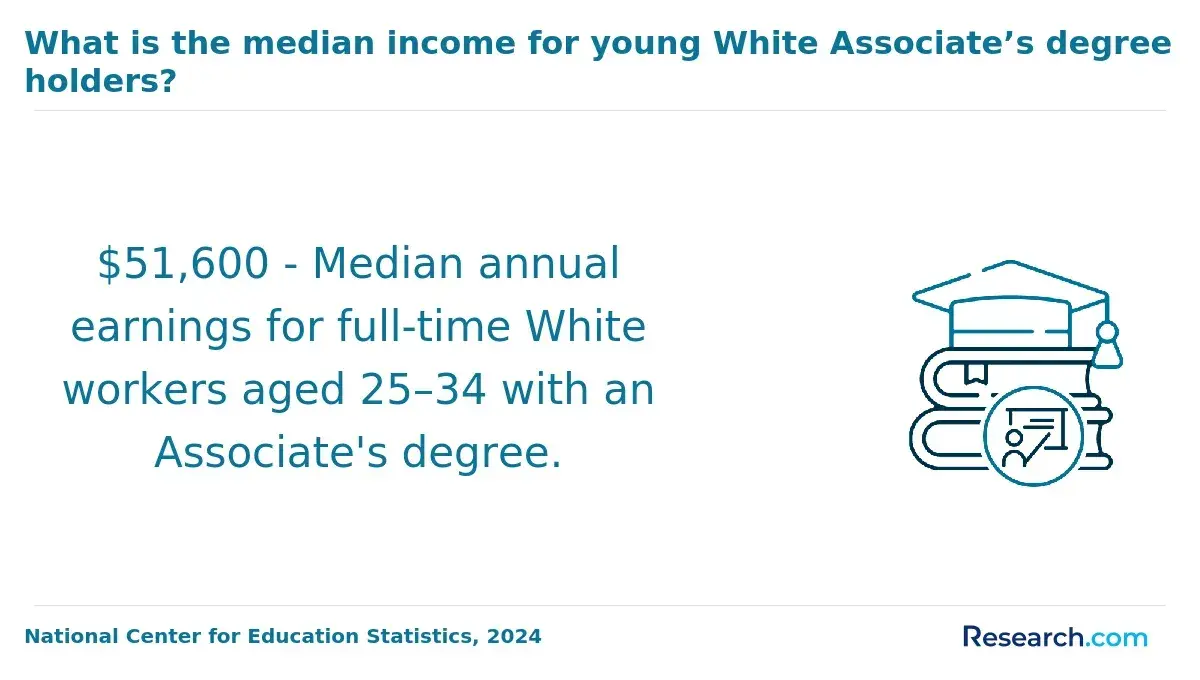
| Associate degree | About 2 years full time; longer part time | Community college tuition, transfer agreements, general education requirements | Students seeking entry-level case management or transfer preparation |
| Bachelor's degree | About 4 years full time; shorter with transfer credits | Remaining credits, online fees, transfer limits, residency requirements | Adults seeking coordinator, supervisor, or management-track roles |
| Master's degree | About 1 to 3 years depending on pace | Graduate tuition, employer reimbursement, practicum requirements, capstone costs | Experienced professionals targeting director or senior management roles |
For financing, graduate students should know that Federal Student Aid lists the annual Direct Unsubsidized Loan limit for many graduate or professional students at $20,500 for the 2024-25 award year. That figure is not a recommendation to borrow the full amount; it is a reminder to compare debt against realistic nonprofit salary ranges before enrolling.
To reduce total cost, use a step-by-step comparison rather than relying only on advertised tuition:
- Ask each school for a written transfer credit evaluation before committing.
- Calculate total program cost using remaining credits, required fees, books, and any internship expenses.
- Check whether your employer offers tuition assistance, professional development funds, or schedule flexibility.
- Compare part-time and full-time pacing to see whether slower enrollment reduces borrowing or delays promotion too much.
- Look for stackable certificates that apply directly toward the degree instead of stand-alone credentials that do not transfer.
Accelerated programs can be worthwhile when you have strong transfer credits, stable work hours, and prior experience. They can be risky if compressed terms reduce your ability to complete writing-heavy projects or participate in field experiences. Similar to evaluating an accelerated construction management degree, the question is not only speed; it is whether the faster format still supports learning, advising, and career outcomes.
What behavioral health management jobs in nonprofits can you pursue with this degree?
Nonprofit behavioral health agencies hire managers at different levels, from team leads to executive directors. Your options depend on degree level, work experience, state rules, and whether the role includes clinical supervision. A management degree can strengthen your candidacy, but many employers still expect hands-on experience with clients, programs, grants, or healthcare operations.
The table below outlines common nonprofit roles and how they connect to behavioral health management training. Titles vary by organization, so focus on responsibilities rather than title alone.
| Role | Typical responsibilities | Common education fit | Important note |
| Behavioral health program coordinator | Coordinate services, track referrals, support reporting, communicate with partners, and monitor program activities | Associate or bachelor's degree with human services experience | Often a practical entry point into management |
| Case management supervisor | Supervise case managers, review documentation, manage caseload distribution, and support quality improvement | Bachelor's degree plus direct service experience | May require field-specific experience more than a management title |
| Substance use program manager | Oversee recovery services, peer support, outreach, compliance, and referral networks | Bachelor's or master's degree; state credential may help | Clinical duties may require separate licensure or certification |
| Grant or program evaluation manager | Develop reports, track outcomes, manage funder requirements, and support proposal renewals | Bachelor's or master's degree with data and writing skills | Strong option for students who like analysis and communication |
| Clinic operations manager | Manage scheduling, workflows, quality metrics, billing coordination, and administrative staff | Healthcare administration or behavioral health management degree | Healthcare finance and compliance coursework is especially useful |
| Director of community programs | Lead multiple programs, supervise managers, manage budgets, and represent the agency externally | Master's degree or bachelor's degree with substantial experience | Often requires grant, budget, and partnership experience |
Entry-level students should not expect to move directly into senior leadership without field experience. A smart pathway is to start in case management, intake coordination, peer support administration, outreach, or program assistant roles, then move into supervision after demonstrating reliability, documentation quality, and knowledge of community resources.
This degree may be less suitable if your goal is to provide independent therapy, diagnose mental health conditions, or bill as a licensed clinician. In those cases, you should compare counseling, social work, psychology, marriage and family therapy, or psychiatric nursing pathways that meet state licensure rules.
What salary ranges and advancement opportunities exist in nonprofit behavioral health management roles?
Salaries in nonprofit behavioral health management vary by role, region, agency size, funding sources, and whether the position requires clinical credentials. Nonprofit pay may be lower than some hospital or private-sector healthcare roles, but it can offer mission alignment, leadership responsibility, public service loan forgiveness eligibility for qualifying employers, and broad community impact.
BLS May 2024 wage data provides a useful national reference point, though it does not isolate every nonprofit behavioral health title. Use these figures as labor-market context, not as a guaranteed outcome.
| Occupation | Relevant nonprofit behavioral health roles | May 2024 median annual wage | How to interpret it |
| Social and community service managers | Program manager, community services manager, nonprofit program director | $78,240 | Closest broad match for many nonprofit human services management roles |
| Medical and health services managers | Clinic operations manager, behavioral health operations director, quality manager | $117,960 | More relevant when the role is tied to clinical operations, healthcare systems, or larger provider organizations |
| Substance abuse, behavioral disorder, and mental health counselors | Clinical or direct-service roles that may feed into management | $59,190 | Useful comparison for students deciding between direct practice and administration |
Advancement usually comes from combining education with practical achievements. Nonprofits often promote people who can stabilize programs, retain staff, manage grants, improve documentation, build partnerships, and show measurable outcomes.
A realistic advancement path may look like this:
- Start in direct service, intake, outreach, peer support administration, or program assistance to learn client needs and agency workflows.
- Move into coordination by managing schedules, referrals, reporting, volunteers, or small project teams.
- Build management evidence through grant reports, quality improvement projects, budget tracking, and supervision.
- Pursue a bachelor's or master's degree when it aligns with promotion requirements or director-level goals.
- Develop specialized expertise in areas such as substance use services, crisis systems, integrated care, housing programs, or data evaluation.
The strongest candidates can translate mission into operations. They understand both the human side of behavioral health and the management side of keeping services funded, staffed, compliant, and effective.
How do accreditation and state requirements impact behavioral health management and related licensure?
Accreditation and state rules are two of the most important checks before enrolling. Institutional accreditation affects credit transfer, federal financial aid eligibility, employer recognition, and graduate school options. State requirements affect whether a degree supports licensure, certification, or regulated practice.
For a nonclinical management role, institutional accreditation is usually the primary academic requirement. For clinical counseling, social work, addiction counseling, marriage and family therapy, or psychology licensure, programmatic accreditation and state board approval may matter much more. A behavioral health management degree alone generally does not qualify someone to diagnose or provide independent therapy.
Before enrolling, verify these items directly with the school and, when relevant, your state board:
- Institutional accreditation: Confirm the institution is accredited by a recognized accrediting agency and that the online program is included under the institution's accreditation.
- State authorization: Make sure the school is authorized to enroll online students in your state, especially if you may need internships or field placements.
- Licensure alignment: If you want counseling, social work, or addiction credentials, ask for a written statement explaining whether the program meets your state's educational requirements.
- Field placement rules: Check whether internships can be completed where you live and whether the school helps secure approved sites.
- Transfer and graduate school recognition: Ask whether credits are likely to transfer and whether graduates are eligible for related graduate programs.
A major red flag is a program that implies broad licensure eligibility without naming the specific state, credential, and board requirements. Another red flag is vague accreditation language that does not identify the accrediting agency. If your career goal involves regulated clinical practice, do not rely on admissions marketing alone; confirm requirements with the licensing authority.
How can you evaluate and choose a reputable online behavioral health management program?
Choosing a reputable program requires matching curriculum, cost, accreditation, format, and career outcomes to your specific nonprofit goal. A good program for a future clinic operations manager may not be the best program for a grant writer, community outreach director, or substance use program supervisor.
Use the following steps to compare programs in a practical order:
- Define your target role first, such as program coordinator, clinic operations manager, case management supervisor, grants manager, or community programs director.
- Match the degree title to the role by checking whether the curriculum covers behavioral health systems, nonprofit funding, compliance, leadership, and evaluation.
- Verify institutional accreditation and, if relevant, state licensure or certification alignment before discussing tuition.
- Request a written transfer credit review and total cost estimate, not just the per-credit tuition rate.
- Ask how online students complete internships, capstones, applied projects, or workplace-based assignments.
- Review faculty experience to see whether instructors have backgrounds in behavioral health, human services, public health, healthcare operations, or nonprofit leadership.
- Compare student support, including advising, writing help, career services, disability services, and access to faculty.
- Ask for examples of employer partnerships, alumni roles, or capstone projects related to behavioral health nonprofits.
Several common mistakes can lead to poor fit. Students often choose the cheapest program without checking total credits remaining, pick a counseling-adjacent degree that does not meet licensure rules, overlook online field placement support, or assume a general business degree will be enough for behavioral health leadership. A better approach is to choose the program that gives you the most relevant evidence for your next role.
It can also help to compare how other career-focused online degrees present outcomes, costs, and scheduling. For example, evaluating a construction management degree can show why adult learners should examine accreditation, applied learning, employer alignment, and total completion time rather than relying on speed or tuition alone.
The best choice is usually the program that helps you finish affordably, build job-relevant projects, and move toward a clearly defined nonprofit behavioral health role without creating unnecessary licensure or debt risk.
Other Things You Should Know About Behavioral Health Management
Many online programs offer financial aid through federal grants, scholarships, or institutional aid. Check with each school's financial aid office for specific options. The FAFSA application is crucial for accessing most government-based financial assistance for 2027 programs.
The best online behavioral health management degrees in 2027 typically require students to complete an internship or practicum. These experiential learning opportunities provide practical experience essential for careers in nonprofit behavioral health, allowing students to apply classroom knowledge in real-world settings.
Many 2027 online behavioral health management degrees require a capstone in the final term, usually worth 3 to 6 credits. The project often includes a nonprofit case analysis, budgeting plan, or service-delivery improvement proposal, and it is completed under faculty supervision.
References
- Core Solutions' Guide to Behavioral Health EHR Selection https://www.coresolutionsinc.com/core-solutions-guide-to-behavioral-health-ehr-selection
- Behavioral Health Career Descriptions | SAMHSA https://www.samhsa.gov/about/careers/behavioral-health-workforce/careers-by-state/descriptions
- Online vs On-Campus HIM Programs: How to Choose | Health Information Management Programs https://healthinformationmanagementprograms.com/guides/online-vs-campus-him-programs/
- 2025 Most Affordable Healthcare Administration Degrees Online https://www.onlineu.com/most-affordable-colleges/healthcare-administration-degrees
- Reaching Better Behavioral Health Outcomes with Mental Health Tools https://www.proemhealth.com/reaching-better-behavioral-health-outcomes-with-mental-health-tools
- Behavioral Health Workforce - Career Roadmap - Mayor's Office of Community Mental Health https://mentalhealth.cityofnewyork.us/workforce-career-roadmap
- Nonprofit Career Guide: Jobs, Skills & Career Paths https://momentivesoftware.com/blog/nonprofit-career-guide/
- A Complete Guide to Careers in Behavioral Health Fields https://behavioralhealth.careers/blog/careers-in-behavioral-health-guide/
- 9 Mental Health Careers You Can Pursue with a BA https://www.nec.edu/news/9-mental-health-careers-you-can-pursue-with-a-ba
- Online Health & Human Services Degree https://www.marian.edu/academics/programs/bachelors/online/health-human-services.php