2027 Best Human Resources Degrees for Working Adults

Co-Founder and Chief Data Scientist
Balancing a full-time job while pursuing a human resources degree often leaves working adults overwhelmed by conflicting schedules and limited program flexibility. As the human resources field grows-projected to increase by 7% through 2031, according to the U. S. Bureau of Labor Statistics-finding accessible education options is crucial. Many professionals struggle to find accredited programs that accommodate their responsibilities without sacrificing quality. This article explores the best human resources degrees tailored for working adults, highlighting flexible, reputable programs designed to advance careers while managing work-life commitments effectively.
Key Things to Know About Human Resources Degrees for Working Adults
- Most human resources degrees for working adults offer flexible online or hybrid formats, allowing students to balance employment and study efficiently.
- Programs often include accelerated pacing options, enabling completion in as little as 18 months to meet urgent career advancement goals.
- Employer-relevant curricula and dedicated support services increase job placement rates, with HR roles projected to grow 10% through 2032 according to the U.S. Bureau of Labor Statistics.
What Are the Best Human Resources Degrees for Working Adults?
The best human resources degrees for working adults vary depending on key factors such as schedule flexibility, career alignment, and return on investment. With the rise of online education, many professionals now have the opportunity to pursue accredited degrees through part-time or fully remote programs that fit their busy lives. Programs designed for working adults typically balance practical skills and flexible pacing to support career advancement.
Consider these degree options that align well with the needs of employed students:
- Bachelor's in Human Resources Management: Offers foundational HR knowledge with options for evening or online classes, providing essential skills without disrupting full-time employment.
- Master's in Human Resources or Organizational Development: Focuses on leadership and strategic HR skills, ideal for those aiming for managerial roles while maintaining career momentum.
- Certificates in Human Resources: Short, career-focused credentials that can be earned part-time to quickly enhance specific skills and adapt to employer demand.
- Bachelor's in Business Administration with HR Specialization: Combines broad business acumen with HR expertise, often delivered with flexible scheduling to accommodate professional commitments.
- Master's in Labor Relations: Concentrates on employee relations and negotiation, useful for professionals seeking advanced knowledge without compromising their work schedule.
Those interested in expanding their knowledge can explore resources like the artificial intelligence degree online programs for supplemental skills. Choosing from top accredited human resources programs for professionals requires attention to how the curriculum fits career goals and lifestyle demands.
What Are the Admission Requirements for Working Adults in Human Resources Degree Programs?
Admission requirements for working adults in human resources degree programs often diverge from those for traditional students to better accommodate career responsibilities and life experience. Nearly 40% of graduate students enroll part-time, balancing their education with full-time employment, which has influenced program flexibility and admissions policies. These differences reflect an understanding of the unique needs adult learners face when pursuing further education.
Key admission considerations for working adults include:
- Prior Work Experience: Relevant industry experience is highly valued to demonstrate practical skills and professional commitment, often compensating for lower traditional academic metrics.
- GPA Expectations: Programs may accept a lower GPA from applicants if they have strong professional achievements that indicate readiness and potential for graduate study.
- Standardized Test Waivers: Many human resources programs waive GRE or GMAT requirements for candidates with significant work experience or prior academic success, easing entry barriers for adult learners.
- Professional Recommendations: References from supervisors or employers can provide critical insight into applicants' job performance and reliability, supporting their candidacy.
- Flexibility: Part-time, evening, and online options are widely offered to accommodate working adults, making it easier to integrate studies with career and personal commitments.
For those exploring entry requirements for adult learners in HR programs, it's also helpful to research options like online degrees in counseling, which often share similar flexible admission policies tailored to working professionals.
What Coursework Is Required in Human Resources Degree Programs for Working Adults?
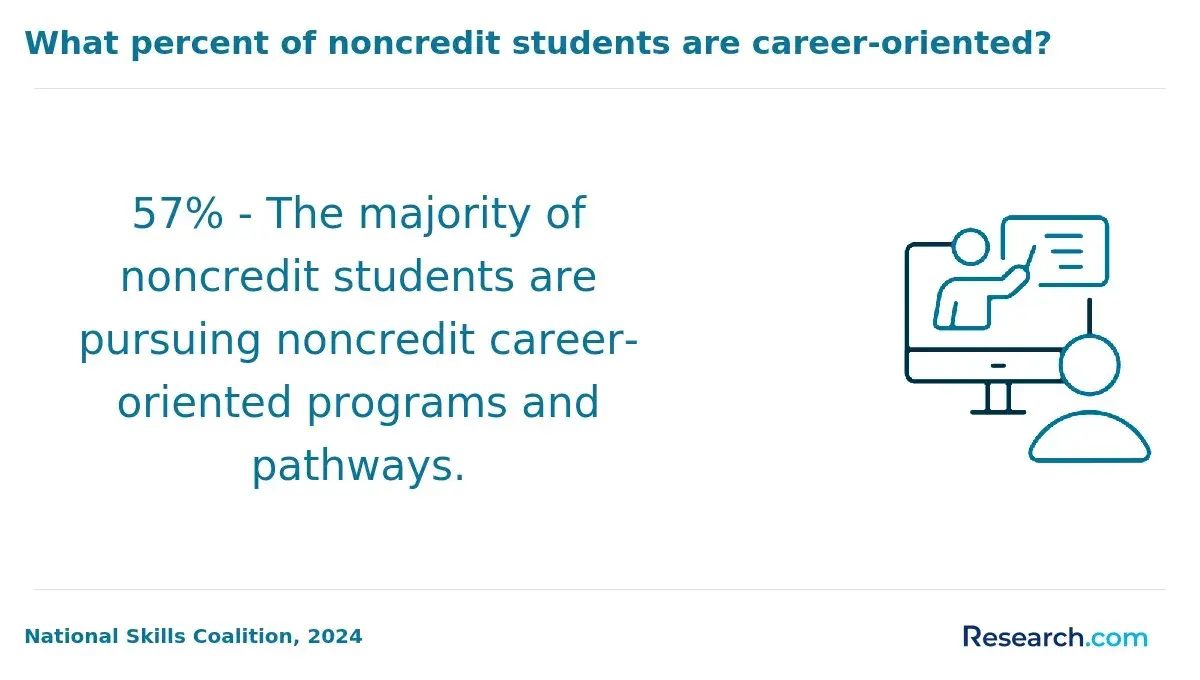
Coursework in human resources degree programs for working adults is carefully structured to balance career relevance, practical skills, and flexible learning. Nearly 60% of adult learners enrolled in these programs study part-time, allowing them to manage full-time jobs and family responsibilities effectively. These programs include essential coursework for human resources degrees that support both immediate job roles and long-term career growth.
Common required classes in human resources programs often focus on critical management and leadership skills. Key areas include:
- Employment Law and Compliance: Covers labor laws, workplace regulations, and compliance protocols to help professionals reduce legal risks and uphold ethical standards in various work environments.
- Talent Acquisition and Workforce Planning: Teaches strategic recruitment and selection, providing tools to align workforce needs with organizational goals and improve employee retention.
- Compensation and Benefits Management: Focuses on designing competitive pay structures and benefits packages that attract and motivate talent while enhancing job satisfaction.
- Performance Management and Training: Emphasizes evaluation techniques and training program development to boost workforce productivity and employee growth.
- Organizational Behavior and Leadership: Explores team dynamics and change management, equipping learners with leadership skills to foster effective teams and organizational transformation.
This curriculum equips working adults with practical tools and strategic insights tailored to the evolving demands of human resources careers. For those considering advancement or a career change, programs sometimes intersect with related fields like psychology, with options such as an online psychology masters offering complementary perspectives.
Breakdown of Private Fully Online Nonprofit Schools

Completion times for a human resources degree vary widely among working adults due to individual circumstances and commitments. On average, it takes between three and six years for those balancing full-time employment to earn their degree. Several key factors contribute to this variation.
Consider these influences on how long the degree may take:
- Program format: Flexible options like online or part-time programs allow students to fit education around busy schedules, but this flexibility can also extend the overall duration of the degree.
- Course load: Taking fewer credits per semester helps manage work demands but naturally slows progress toward graduation.
- Prior credits: Students with transferable college credits or professional certifications might shorten their study time by bypassing certain courses.
- Work schedule: Demanding jobs with irregular hours reduce available study time, which can prolong degree completion.
- Accelerated tracks: Some programs offer fast-paced or competency-based learning routes for students who can commit more time, enabling earlier graduation.
When asked for his thoughts on this topic, a professional who completed an online human resources degree while working shared his experience. He described juggling late-night study sessions after long workdays and weekends dedicated to projects and exams. He noted how self-discipline became crucial, as motivation fluctuated amid work pressures and family commitments. Despite the challenges, he expressed satisfaction in gradually earning credits that aligned with his career goals and emphasized that the ability to tailor study pace was vital to his success. "It wasn't easy, but breaking tasks into manageable pieces helped me stay focused," he said, highlighting that real-world responsibilities shaped his approach to finishing the degree.
Cost plays a significant role for working adults pursuing a human resources degree, with nearly 40% of part-time students choosing human resources or business-related fields. Balancing expenses with employment requires careful budgeting and awareness of tuition trends.
Several factors contribute to the overall cost of obtaining a human resources degree for adults managing work and study:
- Tuition per Credit: Charges often depend on the number of credits taken, varying widely between public and private institutions. This directly impacts total expenses based on course load and pacing.
- Program Length: The total credits required affect duration and cost. Many programs offer part-time or accelerated schedules to help students spread out costs and maintain work commitments.
- Additional Fees: Expenses like registration, technology use, and resource fees can add up, especially in online or hybrid formats where digital infrastructure support is needed.
- Textbooks and Materials: Required learning tools represent an important cost factor, though digital versions and rentals may provide affordable alternatives.
- Delivery Format: Online programs often reduce commuting and housing expenses, providing flexibility that suits employed learners looking to minimize costs.
Balancing work, education, and personal life makes financial aid a vital resource for adults pursuing human resources degrees. Access to funding options helps ease the financial burden and maintain focus on both academic and professional goals.
Several financial aid sources are tailored to support adult learners in human resources programs:
- Federal Financial Aid: Includes Pell Grants and federal loans accessed through the FAFSA application. Eligibility considers factors such as income, enrollment level, and satisfactory academic progress.
- Employer Tuition Assistance: Many employers offer reimbursement or support for degree programs related to employees' roles, encouraging career development within human resources.
- Scholarships for Adult Learners: Various organizations award scholarships specifically to working adults or non-traditional students, often based on career aspirations, demographics, or educational goals.
- Grants: State and private grants provide funds that don't require repayment, frequently awarded based on financial need or targeted criteria related to adult education or human resources fields.
- Tax Benefits: Tax credits like the Lifetime Learning Credit can reduce out-of-pocket costs for qualified educational expenses, offering valuable financial relief during degree completion.
When asked about her experience managing finances during her studies, a professional who earned a human resources degree while working shared how navigating financial aid options was critical. She recalled feeling overwhelmed initially, but found that carefully applying for federal aid and securing tuition assistance from her employer significantly lightened the cost load. "It wasn't just about the money-it was about feeling supported so I could focus on my studies without constant financial stress," she explained. Her process involved multiple applications and some uncertainty, but the combination of resources made completing her degree attainable alongside a full-time job and family commitments.
Working adults enrolled in human resources programs often juggle the demands of full-time jobs, family obligations, and coursework, making dedicated institutional support essential for their academic progress. These services help students navigate their responsibilities and maintain momentum toward degree completion.
- Flexible Scheduling: Offering asynchronous classes and adaptable deadlines, this service allows students to study around their work and personal commitments. It ensures learners can access coursework anytime, promoting steady progress without sacrificing responsibilities.
- Academic Advising: Advisors provide tailored course planning and career alignment, helping students select classes that fit their goals and schedules. Personalized guidance reduces confusion and supports timely graduation.
- Career Services: These resources connect students to job placement assistance, resume support, and professional development opportunities. Such support bridges the gap between education and employment, enhancing career advancement prospects.
- Tutoring: Targeted academic help addresses difficult topics and reinforces classroom learning, preventing students from falling behind. This focused assistance promotes confidence and academic success.
- Mental Health Resources: Counseling and stress management services support emotional well-being during demanding periods. This care helps students maintain resilience and balance while managing their multiple roles.
Human resources programs for working adults are typically accredited by recognized agencies, ensuring they meet established educational standards. This accreditation guarantees that the curriculum is rigorous and faculty are qualified, which supports a high-quality learning experience. Employers recognize degrees from accredited programs as credible, enhancing job prospects for graduates. Additionally, only students enrolled in accredited programs qualify for federal financial aid, making it easier for working adults to finance their education. Enrollment trends show a steady rise in adult learners pursuing graduate degrees, highlighting the growing need for flexible and credible options.
Accreditation also enhances the long-term value of a human resources degree by enabling credit transfer between institutions, which is essential for students who may relocate or continue education later. It ensures eligibility for professional certifications or licensure that employers often require for career growth in human resources roles. This formal recognition provides a trustworthy pathway for advancement, as graduated students gain credentials that hold weight in the competitive job market. For working adults, attending accredited programs supports both immediate and future professional opportunities.
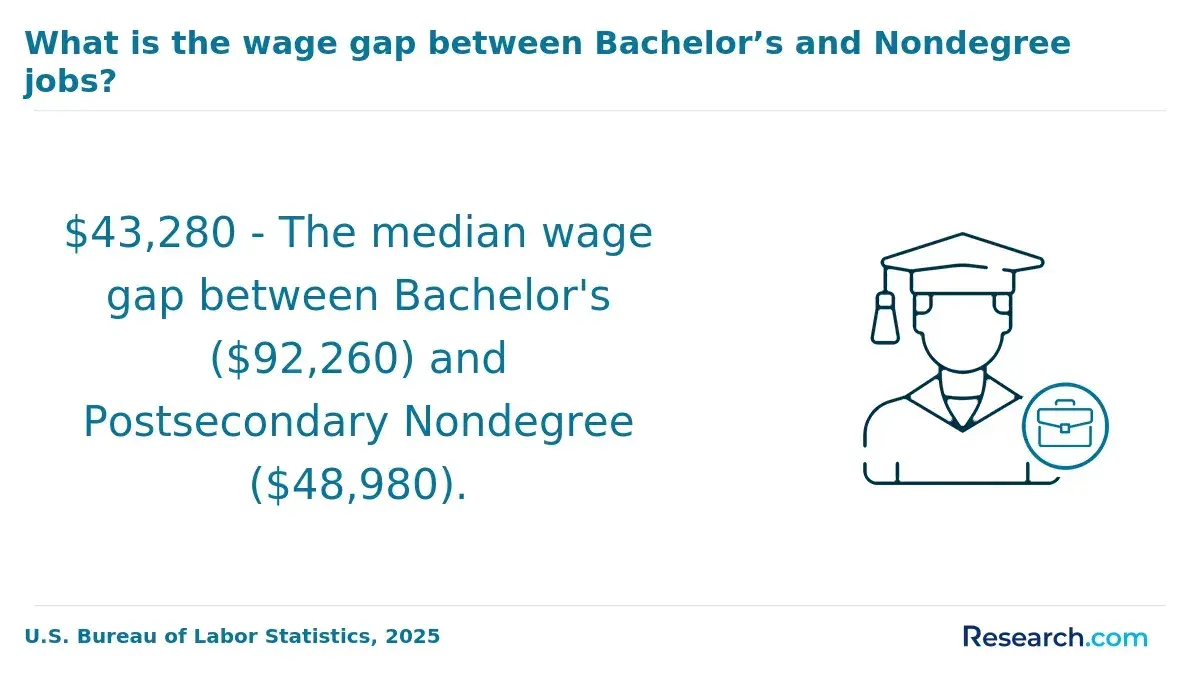
Salary growth is a powerful incentive for working adults contemplating a human resources degree, with professionals typically earning between $50,000 and $90,000 annually in the U.S., depending on experience and job role. This financial benefit reflects how additional education can enhance both skills and professional opportunities.
- Industry Demand: Rapid expansion in workforce needs across certain sectors results in higher compensation for HR professionals holding specialized degrees. Industries emphasizing talent management and compliance tend to reward advanced HR education more generously.
- Role Advancement: Degree holders often gain access to management or specialist HR positions, which come with elevated salary prospects. This upward mobility is a key driver of career growth with HR degree for working adults seeking to move beyond entry-level roles.
- Employer Policies: Some organizations implement structured salary increases or incentives for employees with accredited human resources degree credentials, reflecting their value placed on formal education.
- Years of Experience: While a degree can open doors, professional tenure remains critical, with salary progression generally increasing alongside accumulated experience in the HR field.
- Specialization within HR: Concentrations such as compensation and benefits or labor relations can command higher pay rates compared to generalist roles, offering targeted career paths that maximize earning potential.
For those evaluating the best bachelor degrees to increase their earning potential, a human resources degree offers measurable benefits, especially when aligned with strategic career planning. More detailed information about degree options and salary outcomes can be found at best bachelor degrees.
A human resources degree enables working adults to qualify for higher-level, more specialized, or leadership-oriented roles, moving beyond entry-level positions. For experienced professionals, this degree deepens knowledge in workforce management, organizational behavior, and strategic planning, which are crucial for career advancement.
Below are key career options with a Human Resources degree for professionals seeking roles that involve greater responsibility and influence:
- HR Manager: This role involves overseeing recruitment, employee relations, and regulatory compliance. The leadership and communication skills gained through an HR degree are essential for managing teams and shaping workplace culture.
- Talent Acquisition Specialist: Focused on sourcing and hiring high-caliber candidates, this position requires strategic approaches taught in advanced human resources courses, enabling specialists to drive organizational growth.
- Compensation and Benefits Manager: Responsible for designing and administering employee compensation programs, this role leverages knowledge of labor laws and financial planning gained through HR education to ensure competitive and compliant salary structures.
- Training and Development Manager: Plans and implements programs that enhance employee skills and career paths, using expertise in organizational development cultivated during the HR degree.
- HR Business Partner: Acts as a strategic advisor to executive leadership by aligning HR initiatives with business objectives, demonstrating the advanced strategic insight provided by human resources studies.
For working adults interested in flexible, accredited programs that accommodate full-time employment, many pursue online degrees in human resources. These programs offer convenience while maintaining rigorous training that supports long-term career advancement.
Human resources degree job opportunities for working adults often open doors to leadership roles that require both practical experience and advanced education. Leveraging these credentials can significantly enhance one's ability to impact organizational success.
What Graduates Say About Their Human Resources Degrees for Working Adults
- Renzo: "Choosing an online human resources degree while working full-time was challenging, but the flexible schedule made it manageable. I was pleasantly surprised by the reasonable tuition, which averaged around $15,000, making it a smart investment compared to traditional programs. Completing the degree truly opened doors for me, leading to a promotion and greater responsibilities within my company."
- Jasmine: "Deciding to pursue a part-time human resources degree was a thoughtful decision influenced by balancing family and career. The overall cost was a concern, but understanding that the investment was about $10,000 to $20,000 helped me commit financially. Reflecting on my journey, the credentials have enhanced my professional credibility and allowed me to lead more strategic HR initiatives."
- Jay: "I enrolled in an online human resources program to advance my career without giving up my current job. The tuition was surprisingly affordable for a specialized degree, and the ability to learn at my own pace was key. Finishing the program boosted my confidence and positively impacted my career trajectory, culminating in a leadership role within HR."
Other Things You Should Know About Human Resources Degrees
In 2027, many universities and colleges offer flexible part-time human resources programs tailored for working adults. These programs often allow students to balance their studies with professional and personal responsibilities, making it feasible to pursue a degree while working.
Cohort-based programs offer networking opportunities and peer support, crucial for working adults balancing education and careers. These programs foster collaborative learning and often align with workplace dynamics, enhancing practical skills. Cohorts typically progress together, providing a structured path toward degree completion.
Yes. Most accredited human resources degree programs require official transcripts from every college attended, even if no degree was completed. Schools use them to verify prerequisite coursework, cumulative GPA, and transfer credits. Many programs also require a 2.0 or 2.5 minimum GPA for admission.
- what courses are required for hr - A comprehensive guide https://www.bmc.net/blog/general-blog-posts/what-courses-are-required-for-hr
- 2025 Most Affordable Online Human Resources Degrees https://www.onlineu.com/most-affordable-colleges/human-resources-degrees
- 12 Best HR Training Programs for 2026 https://www.aihr.com/blog/human-resources-training/
- Bachelor of Human Resource Management https://www.conestogac.on.ca/fulltime/bachelor-of-human-resource-management
- Human Resources Salary: Your 2025 Guide https://www.coursera.org/articles/human-resources-salary
- Everything You Need to Know About Working in Human Resources https://www.rasmussen.edu/degrees/business/blog/working-in-human-resources/
- What Can You Do with an HR Degree? | University of Phoenix https://www.phoenix.edu/articles/hr/what-can-you-do-with-an-hr-degree.html
- Online Human Resource Certificates https://www.snhu.edu/online-degrees/certificates/human-resource-management
- National Human Resources Association https://humanresources.org/benefits
- HR Management https://www.pointpark.edu/academics/schools/business/undergraduateprogram/humanresourcesmanagement