
2027 ESL Teacher Requirements & ESOL Certification in Massachusetts

Co-Founder and Chief Data Scientist
Becoming an ESL teacher in Massachusetts means more than choosing an education program and passing a test. The state has specific licensure rules, practicum expectations, MTEL exam requirements, renewal standards, and professional development obligations that affect how quickly you can enter the classroom and how far your license can take you.
This guide is for career changers, undergraduate education majors, licensed teachers adding an ESOL credential, and out-of-state educators trying to understand whether they meet Massachusetts requirements. It explains the main certification routes, exams, renewal rules, timelines, costs, salary expectations, and decision points so you can choose the path that fits your background and career goals.
Quick answer: How do you become an ESL teacher in Massachusetts?
To teach ESL in Massachusetts, you generally need a bachelor’s degree, completion of a Massachusetts Department of Elementary and Secondary Education-approved educator preparation pathway, supervised ESL classroom experience, passing MTEL scores, and a state licensure application through the educator licensing system. Candidates typically take the MTEL Communication and Literacy Skills test and the MTEL English as a Second Language subject test. A Professional License must be renewed every five years with the required Professional Development Points.
Key things to know about ESL teaching requirements and ESOL certification in Massachusetts
- A bachelor’s degree is the baseline requirement. Massachusetts candidates usually need a bachelor’s degree plus approved teacher preparation that includes ESL methodology, linguistics, language acquisition, and supervised practice with English learners.
- ESOL certification requires specialized preparation. Candidates may complete a state-approved 25-credit endorsement or a master's degree that includes ESL coursework, depending on the pathway and credential being pursued.
- Field experience matters. Practicum, internship, or mentored classroom experience is essential because ESL teachers need to translate theory into instruction for multilingual learners with different academic and language needs.
- Licensure is not a one-time step. Massachusetts teachers must plan for renewal, Professional Development Points, SEI-related expectations, and ongoing learning as student demographics, instructional tools, and language acquisition research continue to evolve.
- What are the education requirements to teach ESL in Massachusetts?
- How do you get ESOL certified in Massachusetts?
- What are the alternative routes to becoming an ESL teacher in Massachusetts?
- What exams are required for ESL teacher certification in Massachusetts?
- How often do ESL teachers need to renew their certification in Massachusetts?
- What are the continuing education requirements for ESL teachers in Massachusetts?
- What are the essential steps for obtaining ESL teacher certification in Massachusetts?
- How long does it take to become an ESL teacher in Massachusetts?
- What distinguishes entry-level and advanced ESL teacher certifications in Massachusetts?
- Does Massachusetts have reciprocity for ESL certification?
- Is there a demand for ESL teachers in Massachusetts?
- How much do ESL teachers make in Massachusetts?
- Are there significant costs involved in obtaining ESL certification in Massachusetts? Review salary context. Compare cost considerations.
What are the education requirements to teach ESL in Massachusetts?
Massachusetts expects ESL teacher candidates to build both general teaching competence and specialized knowledge of how multilingual students learn English while continuing to develop academic content skills. The right educational route depends on whether you are starting college, already hold a bachelor’s degree, or are a licensed teacher adding ESOL preparation.
At minimum, candidates should expect to complete a bachelor’s degree and a state-approved educator preparation program. Many candidates also pursue graduate certificates, licensure-only programs, or master’s degrees to satisfy ESOL coursework and strengthen their classroom readiness.
| Education option | Best for | What it usually provides |
| Bachelor’s degree in ESL, TESOL, education, or a related field | Students beginning their teacher preparation from the undergraduate level | Foundational coursework in teaching, language development, classroom management, and learner assessment |
| State-approved educator preparation program | Candidates seeking Massachusetts licensure | Required pedagogy, ESL-specific preparation, supervised practice, and alignment with state licensure standards |
| Post-baccalaureate or graduate certificate in ESL | Career changers or licensed teachers who already have a degree | Focused ESOL coursework that may help meet academic requirements without completing a full graduate degree |
| Master’s degree in ESL/TESOL | Teachers seeking deeper specialization, advancement, or a higher level of licensure | Advanced study in linguistics, second-language acquisition, curriculum design, assessment, and multilingual learner education |
- Bachelor’s degree: A bachelor’s degree in ESL, TESOL, education, or another acceptable field is typically the starting point. The degree alone is not always enough; candidates still need approved teacher preparation and ESOL-specific requirements.
- Approved educator preparation: Massachusetts places heavy emphasis on programs reviewed by the Department of Elementary and Secondary Education because these programs connect coursework with practicum expectations and licensure standards.
- Graduate or post-baccalaureate preparation: Candidates who did not major in education can use certificate, licensure-only, or graduate programs to add the specialized ESOL coursework needed for teaching English learners.
- Advanced study: A master’s degree is optional for some candidates but common among teachers who want stronger preparation, improved salary placement, or future leadership opportunities.
If you are still comparing undergraduate routes, reviewing online bachelor’s in education programs can help you understand how flexible degree formats may fit Massachusetts teacher preparation goals. Before enrolling, confirm that the program supports the specific license you plan to pursue in Massachusetts.
How do you get ESOL certified in Massachusetts?
ESOL certification in Massachusetts follows a sequence: complete the required academic preparation, gain supervised classroom experience, pass the required MTEL assessments, and submit a licensure application. The process is manageable, but candidates should verify each requirement early because missing practicum hours, exam results, or program approval can delay licensure.
- Earn a bachelor’s degree. The degree can be in any field, but candidates must also complete education and ESOL-specific coursework through an approved route.
- Complete a state-approved teacher preparation program. This program should include training in language acquisition, ESL instructional methods, assessment, cultural responsiveness, and classroom practice.
- Complete supervised ESL fieldwork. Candidates must fulfill a minimum of 150 hours in a supervised ESL classroom setting under the guidance of a licensed ESL teacher.
- Pass required MTEL exams. Most candidates need the MTEL Communication and Literacy Skills test and the MTEL English as a Second Language subject test.
- Meet language proficiency expectations if required by the program. Some programs ask candidates to show intermediate proficiency in a non-English language to support cultural and linguistic awareness.
- Apply through the state licensure process. After completing degree, program, practicum, and testing requirements, candidates submit documentation and pay applicable fees through the state licensing system.
| Certification step | Why it matters | Common mistake to avoid |
| Choose an approved program | Program approval helps ensure that coursework and field experience match Massachusetts licensure standards. | Assuming any TESOL certificate automatically qualifies for Massachusetts licensure. |
| Plan practicum hours early | The minimum of 150 hours must be completed in an appropriate supervised ESL setting. | Waiting until the final semester to secure placement. |
| Schedule MTEL exams strategically | Testing can affect when you can apply for licensure or begin teaching under certain pathways. | Underestimating preparation time or retake scheduling. |
| Prepare documentation | Transcripts, program verification, exam scores, and experience records may be required. | Submitting incomplete records and delaying application review. |
What are the alternative routes to becoming an ESL teacher in Massachusetts?
Alternative routes are especially important for candidates who already have a bachelor’s degree, have teaching experience in another state, or want to move into ESL from another profession. These options can shorten the route into classrooms, but they still require candidates to meet Massachusetts standards.
| Alternative route | Who should consider it | Important trade-off |
| Provisional License Pathway | Candidates with a bachelor’s degree who pass the required MTEL exams and want to begin teaching while completing additional requirements | It can provide faster classroom entry, but candidates still need to progress toward the Initial License. |
| Performance Review Program for Initial Licensure (PRPIL) | Provisional license holders with teaching experience who can demonstrate classroom competence | It emphasizes evidence of teaching performance rather than a traditional coursework sequence. |
| Licensure-only ESOL program | Degree holders who need focused licensure preparation without completing a master’s degree | It may be efficient, but candidates should confirm that it meets the exact license requirements they need. |
| Graduate certificate in ESL/ESOL | Licensed teachers or career changers needing targeted ESL coursework | A certificate may support licensure preparation but may not, by itself, grant full licensure. |
| Master’s degree in TESOL or multilingual learner education | Candidates seeking comprehensive preparation, specialization, and potential advancement | It usually requires more time and tuition investment than certificate or licensure-only options. |
| Out-of-state credential review | Teachers already certified elsewhere who are moving to Massachusetts | Massachusetts reviews credentials case by case, so additional exams or coursework may still be required. |
The best route depends on your starting point. A career changer may prioritize a licensure-only pathway. A classroom teacher may choose a graduate certificate to add ESL expertise. A candidate aiming for leadership, curriculum development, or higher salary placement may prefer a master’s degree despite the longer timeline.
-
: "
One Massachusetts ESL teacher who entered through a provisional route described the transition as practical but demanding: classroom experience helped make the coursework real, while mentorship made it easier to connect lesson planning, assessment, and language-development goals.
"
What exams are required for ESL teacher certification in Massachusetts?
Massachusetts uses licensure exams to verify that teacher candidates have general communication skills and ESL-specific knowledge. Candidates should confirm current testing rules with their preparation program and the state licensing office because requirements can vary by license type and pathway.
- MTEL Communication and Literacy Skills: This assessment evaluates reading and writing skills expected of Massachusetts educators across license areas.
- MTEL English as a Second Language subject matter test: This exam focuses on ESL instruction, linguistics, language acquisition, assessment, and strategies for multilingual learners. It is required for ESL PreK–6 or 5–12 licenses.
- Sheltered English Immersion (SEI) Endorsement Assessment: This assessment verifies knowledge of methods used to support English learners in mainstream academic settings and is required for most core academic teachers, including many candidates connected to ESL licensure.
- Alternative assessments to MTEL effective 2025: Massachusetts recognizes 26 alternative options that may allow some candidates to demonstrate readiness through routes other than traditional testing, including practical or portfolio-based evidence.
| Exam or assessment | What it measures | Planning advice |
| MTEL Communication and Literacy Skills | Academic reading and writing skills needed for teaching | Take it early enough that a retake, if needed, does not delay licensure. |
| MTEL English as a Second Language | ESL pedagogy, language acquisition, linguistics, and learner assessment | Align preparation with your ESOL coursework and practicum experience. |
| SEI Endorsement Assessment | Instructional strategies for English learners in content classrooms | Ask your program whether the endorsement is built into your preparation route. |
| Alternative assessments effective 2025 | Candidate readiness through approved nontraditional options | Confirm eligibility before assuming an alternative assessment applies to your license. |
Teachers who later move into administration, policy, or college-level leadership may also compare advanced study options such as a PhD in Higher Education Administration online, although this is not required for Massachusetts ESL classroom licensure.
How often do ESL teachers need to renew their certification in Massachusetts?
Massachusetts ESL teachers with a Professional level license renew every five years. Renewal is intended to keep educators current in content knowledge, pedagogy, English learner instruction, and district priorities.
- Renewal cycle: A Professional level license must be renewed every five years. Teachers can check their specific renewal date through their ELAR profile with the Massachusetts Department of Elementary and Secondary Education.
- Professional Development Points: Renewal requires at least 150 PDPs across required areas such as Sheltered English Immersion or Bilingual Education, content knowledge, pedagogy, and strategies for teaching diverse learners.
- Minimum category expectations: At least 15 PDPs are required in each of the required sections, with remaining points earned through approved professional learning activities.
- Multiple licenses: Teachers who hold additional licenses must complete an extra 30 PDPs for each additional license, with half focused on content relevant to that license.
- Individual Professional Development Plan: Teachers working in Massachusetts public schools must maintain an IPDP, and at least 80% of the plan must align with school or district goals.
- Application and fees: Teachers complete renewal through ELAR and pay applicable fees. Waiting until the end of the cycle can create avoidable risk if documentation is missing.
What are the continuing education requirements for ESL teachers in Massachusetts?
Continuing education is not just a compliance task for ESL teachers. It is how educators stay current on multilingual learner assessment, culturally responsive instruction, literacy development, content-area language support, and state expectations for English learner services.
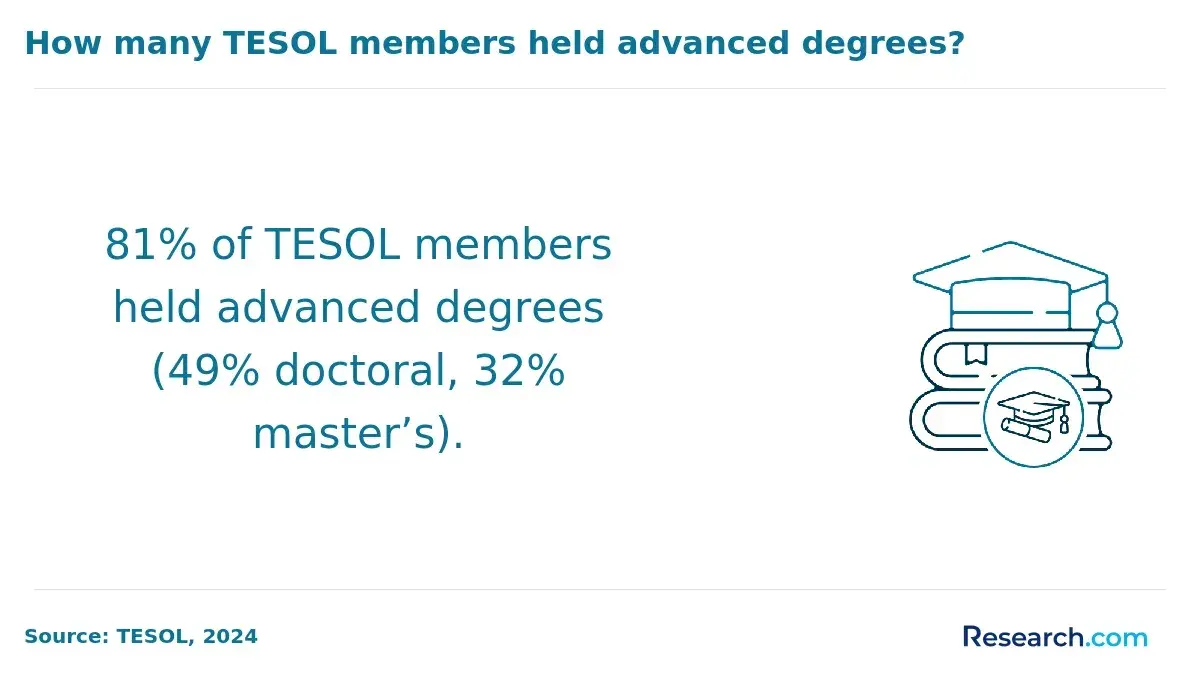
- 150 PDPs every five years: ESL teachers with a Professional License must complete 150 Professional Development Points during each renewal cycle for the primary license.
- 30 PDPs for each additional license: Teachers with more than one credential must complete 30 more PDPs per additional license during the same five-year period.
- Approved professional learning: PDPs may come from graduate courses, workshops, seminars, in-service training, curriculum development, school-based learning communities, and other qualifying professional development.
- SEI Endorsement: Core academic teachers assigned ELL students must obtain the SEI Endorsement within 12 months. This may be completed through DESE-approved courses, the SEI MTEL, or an approved educator preparation program.
- Documentation: Teachers should keep certificates, transcripts, and other proof of completion and upload or report required documentation through the Educator Licensure and Renewal system.
- Content-specific expectations: At least 15 PDPs must focus on ESL/ESOL content, and another 15 must address strategies for teaching English Language Learners.
- Graduate education option: Some teachers use graduate study to satisfy PDPs and build credentials. If cost is a major constraint, comparing affordable online education degree options can help identify lower-cost academic routes, though candidates should verify Massachusetts licensure alignment before enrolling.
| Continuing education requirement | Amount or timing | How to plan for it |
| Primary Professional License renewal | 150 PDPs every five years | Spread PDPs across the cycle instead of saving them for the final year. |
| Additional license renewal | 30 PDPs per additional license | Choose professional development that supports both classroom practice and license-area content. |
| SEI Endorsement for eligible teachers | Within 12 months when required | Ask your district or program whether approved coursework, MTEL, or preparation-program completion is the best route. |
| ESL/ESOL content focus | At least 15 PDPs | Select learning tied directly to English learner instruction, assessment, or curriculum. |
| Strategies for English Language Learners | At least 15 PDPs | Prioritize practical training that improves academic language support in real classrooms. |
What are the essential steps for obtaining ESL teacher certification in Massachusetts?
The essential path is to confirm your target license, choose an approved preparation route, complete required coursework and fieldwork, pass the necessary MTEL assessments, gather documentation, and submit your application. Candidates should not rely only on general education advice because ESL requirements can differ by grade level, prior licensure, and preparation route.
- Identify the license you need. Decide whether you are pursuing ESL PreK–6, 5–12, an endorsement route, or another related credential.
- Check your current standing. Review your degree, prior coursework, teaching experience, and any out-of-state credentials.
- Choose a Massachusetts-aligned preparation program. Confirm that the program is designed for the license you want, not just general TESOL knowledge.
- Complete practicum or internship requirements. Make sure your placement meets the supervised ESL classroom expectations.
- Pass required exams or approved alternatives. Build exam preparation into your timeline before student teaching or job applications create pressure.
- Apply and monitor your license status. Submit transcripts, program verification, exam scores, and fees through the state process.
For candidates also comparing English language arts teaching routes, Research.com’s guide to Massachusetts English teacher requirements can help clarify where English teaching and ESL licensure overlap and where they differ.
How long does it take to become an ESL teacher in Massachusetts?
The full route to becoming an ESL teacher in Massachusetts commonly takes 5 to 7 years when it includes undergraduate study, teacher preparation, practicum, exams, and licensure processing. Candidates who already hold a bachelor’s degree or a teaching license may move faster through post-baccalaureate, licensure-only, or graduate certificate pathways.
| Stage | Typical time involved | What can change the timeline |
| Bachelor’s degree | Typically four years of full-time study | Transfer credits, part-time enrollment, prior coursework, or changing majors |
| Teacher preparation or ESL specialization | Usually one to two years after the bachelor’s degree | Program format, course sequencing, practicum availability, and prior licensure |
| Practicum or student teaching | Often one semester within the preparation program | Placement availability and schedule compatibility |
| MTEL preparation and testing | Can take several months | Study time, test dates, score release schedules, and retakes |
| Initial certification application | Processing can range from one to three months | Completeness of documentation and application volume |
A realistic timeline should include room for exam preparation, documentation, and practicum scheduling. Candidates working full time while completing coursework may need additional time, but they may also gain valuable school-based experience while progressing toward licensure.
-
: "
A Massachusetts ESL teacher described the timeline as structured but intense: coursework, practicum duties, and MTEL preparation often overlapped, making planning and flexibility just as important as academic preparation.
"
What distinguishes entry-level and advanced ESL teacher certifications in Massachusetts?
Massachusetts uses a tiered licensure structure. Entry-level credentials are designed to verify that a candidate is ready to begin teaching, while advanced or Professional level licensing reflects continued effectiveness, experience, and professional learning.
| License stage | Main purpose | What candidates should prepare for |
| Provisional or early pathway options | Allows qualified candidates to begin or transition into teaching under specific conditions | Passing required exams and planning how to move toward the Initial License |
| Initial License | Confirms completion of core preparation, testing, and supervised teaching requirements | Classroom entry, induction, mentoring, and continued professional growth |
| Professional License | Recognizes more advanced professional standing after additional requirements are met | Ongoing PDP completion, renewal planning, and potential movement into leadership or specialized roles |
Teachers planning long-term careers should understand how each stage affects employability, renewal, salary placement, and advancement. For a broader explanation of Massachusetts licensure levels and requirements, see Research.com’s guide to Massachusetts teacher certification requirements.
Does Massachusetts have reciprocity for ESL certification?
Massachusetts does not provide automatic ESL certification reciprocity that simply converts an out-of-state credential into a Massachusetts license. Out-of-state educators should expect a credential review that examines prior licensure, degree records, educator preparation, supervised teaching experience, and required assessments.
This does not mean experienced teachers must start over. It means Massachusetts evaluates whether their prior preparation is equivalent to state expectations. Some educators may qualify with limited additional steps, while others may need coursework, exams, or further documentation.
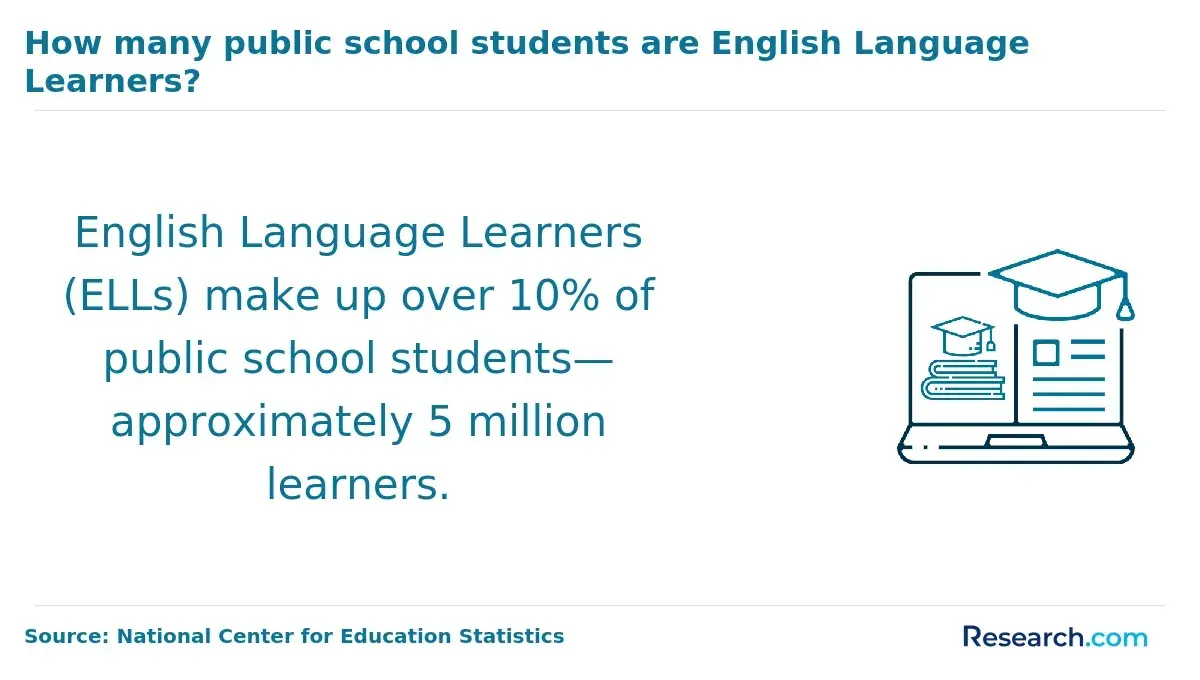
The state’s careful review is especially important because Massachusetts public schools serve more than 70,000 English language learners, and ESL teachers need preparation aligned with local standards. However, this case-by-case process can delay hiring or licensure for relocating educators, so candidates should begin the review before committing to a job move when possible.
- Ask before relocating: Contact the licensing office or a Massachusetts-approved program to identify likely gaps in your credentials.
- Collect records early: Keep transcripts, course descriptions, supervised teaching verification, licenses, and exam scores organized.
- Do not assume a TESOL certificate is enough: Non-state certificates may be useful professionally but may not meet Massachusetts public school licensure requirements.
- Plan for testing: Even experienced teachers may need Massachusetts-specific assessments or approved alternatives.
Is there a demand for ESL teachers in Massachusetts?
Massachusetts has seen a 25% increase in its English language learner population over the past decade, creating sustained need for teachers who can support multilingual students in academic English, content-area learning, and school integration. Demand is especially visible in districts with large immigrant and multilingual communities.
ESL teachers are needed across K–12 public schools, adult education, community programs, and districts serving newly arrived students. Urban districts such as Boston, Worcester, and Springfield often have substantial ESOL needs, while Gateway Cities, regional centers, and some rural communities may also need qualified educators as immigration patterns shift.
The demand outlook is not risk-free. Local staffing depends on district budgets, federal and state funding, enrollment patterns, and program design. Recent data suggest ongoing vacancies and project a growth rate in ESOL support approaching 30% annually, contingent on maintained or increased funding. Candidates should treat demand as favorable but not guaranteed in every district or setting.
Current trends affecting ESL teachers in Massachusetts
- More multilingual classrooms: Teachers increasingly need strategies that work across different home languages, prior schooling backgrounds, and academic readiness levels.
- Greater attention to content-area language: ESL instruction is not only conversational English; teachers help students access math, science, social studies, and literacy standards.
- Alternative assessment pathways: The 26 recognized options effective 2025 reflect a broader move to evaluate teacher readiness through more than traditional testing alone.
- Technology and AI tools: Translation apps, adaptive learning systems, and AI-supported feedback can assist instruction, but they do not replace trained teachers who understand language development, assessment, and student context.
- Adult education needs: Nearly half a million working-age residents seek to improve their English proficiency, which supports demand beyond traditional K–12 classrooms.
Educators interested in adjacent education careers may also compare fields such as school libraries, instructional support, or adult learning. For example, Research.com’s guide to affordable online library science master’s degrees may be useful for teachers exploring related roles in educational services.
How much do ESL teachers make in Massachusetts?
Pay is one of the main reasons candidates compare ESL teaching with other education careers. In Massachusetts, salaries vary by district, union contract, degree level, years of service, school type, and teaching assignment. Candidates should use salary figures as planning estimates rather than guarantees.
The average ESL teacher salary in Massachusetts is approximately $61,921 per year, with most reported salaries ranging from $45,300 to $68,800. The national average ESL teacher salary is about $52,701 annually. Top earners may make upwards of $87,000 to $138,700 depending on qualifications and experience.
| Salary factor | How it can affect pay |
| Type of institution | Public schools generally pay ESL teachers about 6% more than private schools in Massachusetts, often due to district funding and collective bargaining agreements. |
| Education level and certification | Advanced degrees and specialized ESOL credentials can improve placement on salary schedules, especially where contracts reward graduate credits or master’s degrees. |
| Experience and seniority | Teachers often earn more as they accumulate years of service, take on mentoring, or assume additional responsibilities. |
| Teaching setting | K–12 public schools may provide more predictable compensation than adult education programs or private language institutes. |
| Location | Urban areas such as Boston may offer higher pay, but candidates should compare compensation against local cost of living. |
| Additional stipends | Some educators may receive extra pay for mentoring, extracurricular assignments, or service in high-need districts. |
Teachers considering advanced academic credentials should weigh cost, time, and career goals carefully. An online doctorate degree in education cost comparison may be useful for educators considering leadership, research, or administrative roles, but a doctorate is not necessary for standard ESL teacher licensure.
Are there significant costs involved in obtaining ESL certification in Massachusetts?
Yes. The largest cost is often tuition for undergraduate, post-baccalaureate, certificate, licensure-only, or graduate study. Candidates should also budget for MTEL registration, application fees, transcript requests, background checks if required by placements or employers, preparation materials, transportation to practicum sites, and possible retake costs.
| Cost category | Why it matters | How to reduce risk |
| Tuition and program fees | Program cost varies widely by institution, format, and degree level. | Compare total program cost, not just per-credit tuition. |
| Testing fees | MTEL exams and possible retakes can add to the total cost of licensure. | Use coursework, practice materials, and study schedules to reduce retake risk. |
| Application and processing fees | Licensure applications require official submission and fee payment. | Submit complete documentation the first time to avoid delays. |
| Practicum-related expenses | Student teaching or internships may require travel, schedule changes, or reduced work hours. | Ask programs how placements are arranged and whether evening, weekend, or local options exist. |
| Continuing education | Teachers must maintain PDPs for renewal every five years. | Use district-sponsored training, approved workshops, and graduate courses that serve multiple goals when possible. |
Cost planning should also include time. A longer route can mean additional tuition and delayed earnings, while a faster route may require a heavier workload. For broader timeline planning, see How long does it take to become a teacher in Massachusetts?.
What do ESL teachers in Massachusetts say about their career?
ESL teachers often describe the work as rewarding because it combines language instruction, academic support, family engagement, and cultural bridge-building. They also emphasize that the role can be demanding: lesson planning must account for different proficiency levels, students may have interrupted schooling, and teachers often collaborate with content-area colleagues, counselors, interpreters, and families.
- After completing ESOL certification at Boston Teachers College, Alexandra said the strongest part of her early career was working in a school community that treated multilingualism as an asset. She found the work challenging, but she valued helping students build confidence as they learned academic English. Alexandra
- Dante credited Northeastern Learning Institute with giving him a practical foundation for the classroom. He described his first teaching role in Massachusetts as fast-paced, especially when adapting lessons for students with different educational backgrounds, but said collaboration with colleagues helped him improve quickly. Dante
- Lorry said the ESOL certification experience at Cape Cod Professional Studies helped her understand the needs of immigrant and adult learners. She described the career as purpose-driven because language instruction often supports employment, further education, and stronger participation in the community. Lorry
Common mistakes to avoid when pursuing ESL certification in Massachusetts
| Mistake | Why it can hurt your plans | Better approach |
| Choosing a program without checking Massachusetts licensure alignment | A general TESOL or ESL certificate may not satisfy state public school requirements. | Confirm approval status, license area, practicum structure, and MTEL preparation before enrolling. |
| Focusing only on tuition | Lower tuition may not mean lower total cost if credits do not transfer, practicum support is weak, or exam support is limited. | Compare tuition, fees, placement support, completion timeline, and licensure outcomes. |
| Waiting too long to prepare for MTEL exams | Testing delays can postpone student teaching, hiring, or licensure application submission. | Map exam dates and study time into your first advising plan. |
| Assuming online programs automatically meet Massachusetts requirements | Online coursework may be convenient but not always designed for Massachusetts licensure. | Ask whether the program leads to the exact Massachusetts ESL license you need. |
| Ignoring renewal requirements | Professional License holders must plan for PDPs and renewal every five years. | Track PDPs continuously and align your IPDP with district goals when required. |
| Assuming salaries are guaranteed | Pay depends on district contracts, experience, education level, and assignment type. | Review district salary schedules and compare cost of living before accepting an offer. |
Questions to ask before choosing an ESL certification program in Massachusetts
- Is the program approved for the Massachusetts ESL license or endorsement I want?
- Does the program include the minimum supervised ESL classroom experience required for licensure?
- How does the program prepare students for the MTEL Communication and Literacy Skills test and the MTEL English as a Second Language subject test?
- Can I complete coursework online, in person, or in a hybrid format, and does the format affect practicum placement?
- What support does the program provide for career changers, working adults, or already licensed teachers?
- Will credits from this program apply toward a master’s degree if I decide to continue?
- What are the total costs, including fees, testing, materials, and field placement expenses?
- How are practicum placements arranged, and are placements available near where I live or work?
- What happens if I do not pass an MTEL exam on the first attempt?
- How does the program help graduates move from Initial License requirements toward Professional License renewal planning?
Key insights
- Massachusetts ESL certification is a structured licensure process. Candidates need a bachelor’s degree, approved preparation, supervised ESL classroom experience, MTEL exams or approved alternatives, and a formal state application.
- The best pathway depends on your background. Undergraduate students, career changers, licensed teachers, and out-of-state educators each have different route options and should not assume one program fits all situations.
- Time planning matters. The traditional route can take 5 to 7 years, but candidates with prior degrees or licenses may qualify for shorter post-baccalaureate, licensure-only, or review-based options.
- Demand is supported by multilingual learner growth. Massachusetts has seen a 25% increase in its English language learner population over the past decade, but hiring still varies by district funding, location, and program needs.
- Salary can be competitive, but it is not automatic. The average ESL teacher salary in Massachusetts is approximately $61,921, with reported variation based on district, experience, degree level, and teaching setting.
- Renewal should be planned from the start. Professional License holders renew every five years and must complete 150 PDPs, with additional requirements for teachers who hold more than one license.
- Do not choose a program based only on convenience. Before enrolling, verify Massachusetts approval, practicum support, exam preparation, total cost, and whether the credential leads to the specific ESL role you want.
Related Articles for Nearby States
- 2027 ESL Teacher Requirements & ESOL Certification in Rhode Island
- 2027 ESL Teacher Requirements & ESOL Certification in Connecticut
- 2027 ESL Teacher Requirements & ESOL Certification in New Hampshire
- 2027 ESL Teacher Requirements & ESOL Certification in New York
- 2027 ESL Teacher Requirements & ESOL Certification in Vermont
- 2027 ESL Teacher Requirements & ESOL Certification in New Jersey
- 2027 ESL Teacher Requirements & ESOL Certification in Maine
- 2027 ESL Teacher Requirements & ESOL Certification in Pennsylvania
- 2027 ESL Teacher Requirements & ESOL Certification in Delaware
- 2027 ESL Teacher Requirements & ESOL Certification in Maryland
References:
- Advancing or Extending a License - Office of Educator Licensure https://www.doe.mass.edu/licensure/advance-extend-renew-license.html
- License Renewal https://massteacher.org/employment-and-licensure/license-renewal
- Massachusetts Teacher Professional License Renewal Package - ED Technology Specialists https://edtechnologyspecialists.com/massachusetts-teacher-recertification-packages/
- TESOL Certification in Massachusetts | How to Become an ESL Teacher in MA | ESL Endorsement and Jobs https://www.eslteacheredu.org/massachusetts/
- Professional Massachusetts License and License Renewal | Lesley University https://lesley.edu/academics/graduate-school-of-education/certification-and-educator-licensure/professional-ma-license
- Massachusetts Teacher Licensure for Out-of-State Applicants: A Step-by-Step Guide - Moreland University https://moreland.edu/resources/blog-insights/massachusetts-teacher-licensure-for-out-of-state-applicants-a-step-by-step-guide
- Massachusetts Teacher Reciprocity Agreements | Teaching certification in MA for out-of-state teachers - Teaching Certification https://teaching-certification.com/teaching/massachusetts-teacher-reciprocity/
- Teacher License Reciprocity: State Profiles - Education Commission of the States https://www.ecs.org/teacher-license-reciprocity-state-profiles/
- Initial Teacher Licensure in English as a Second Language https://www.worcester.edu/programs/certificate-program-teacher-esl/
- Licensure Only, English to Speakers of Other Languages (ESOL) | Salem State University https://www.salemstate.edu/academics/school-education/graduate-teacher-preparation/licensure-only-esol
Other Things You Should Know About the ESL Teacher Requirements & ESOL Certification in Massachusetts
The Massachusetts Department of Elementary and Secondary Education (DESE) issues ESOL teacher licenses in 2027. Applicants must apply through the state’s Educator Licensure and Renewal system, submit required transcripts and test results, and meet the content and pedagogy requirements set by DESE for licensure.
Renewing ESL teacher certification in Massachusetts involves completing professional development requirements, including 150 PDPs, and applying through the Massachusetts Department of Elementary and Secondary Education. Renewal occurs every five years and requires adherence to state-specific guidelines.
For ESL certification in Massachusetts, candidates must take the Massachusetts Tests for Educator Licensure (MTEL), specifically the ESL subject test and the Communication and Literacy Skills test. These assessments evaluate proficiency in language instruction and general literacy skills necessary for ESL teaching.


