2027 Online Kinesiology Bachelor's Degree Completion Programs for Working Adults

Co-Founder and Chief Data Scientist
Balancing work, family, and education poses a significant challenge for many adults seeking to complete a bachelor's degree in kinesiology. Nearly 68% of online kinesiology students are working at least part-time, highlighting the need for flexible programs tailored to busy schedules. Without clear guidance on transfer credits or program structure, these students risk prolonging their degree completion and incurring unnecessary expenses.
This article examines how accredited online kinesiology bachelor's degree completion programs accommodate working adults through streamlined credit policies, tuition models, and employer outcomes, helping readers select the best path to advance their careers efficiently and affordably.
Key Benefits of Online Kinesiology Bachelor's Degree Completion Programs for Working Adults
- Online kinesiology bachelor's degree completion programs offer flexibility, allowing working adults to balance studies with professional and personal commitments seamlessly.
- Fully asynchronous coursework enables professionals to study anytime, preventing income loss and accommodating unpredictable work schedules.
- These programs often accelerate graduation timelines by recognizing prior credits, saving time compared to starting a traditional four-year degree from scratch.
What Are Online Kinesiology Bachelor's Degree Completion Programs, and Who Are They Designed For?
Online kinesiology bachelor's degree completion programs specifically serve adults who have earned some college credits but have not yet completed a bachelor's degree. Unlike traditional four-year programs that start with general education courses, these completion programs focus on upper-level coursework needed to graduate. The National Center for Education Statistics (NCES) reports that nearly 37 million Americans fall into the category of having some college experience but no degree. These programs offer flexible scheduling, often through online or hybrid formats, making them ideal for working adults balancing career and family. For working adults seeking the best transfer-friendly kinesiology degree programs, these options provide a practical and efficient route to degree completion.
Key features of these programs include:
- Accelerated Format: Programs use condensed semesters or fast-paced courses, enabling quicker degree completion than standard timelines.
- High Transfer Credit Acceptance: Many programs accept a substantial number of previously earned college credits, minimizing redundant coursework and saving time and money.
- Flexible Delivery: Courses are offered online or in hybrid formats, allowing students to study around work commitments and personal life.
- Growing Demand: Increasingly, employers require bachelor's degrees for jobs that once did not, making completion programs critical for career advancement.
Working adults looking to progress their careers may also explore related accelerated healthcare paths, such as a medical.assistant program, which offers similarly fast-track options.
How Do Online Kinesiology Degree Completion Programs Differ From Traditional Four-Year Kinesiology Bachelor's Degrees?
Online kinesiology degree completion programs offer distinct advantages for working adults who have already accumulated 60 or more college credits, primarily through flexible credit requirements and curriculum design. These programs reduce the total credit hours needed by recognizing prior coursework, life experience, or competency-based assessments, unlike traditional bachelor's degrees that often require a full general education sequence.
- Credit Requirements: Completion programs accept a broader range of transfer credits and substitutes, making them ideal for adults seeking efficient pathways toward degree completion.
- Curriculum Sequencing: These programs are curriculum-mapped to adult learners, enabling self-paced progression through major-specific kinesiology courses while replacing some lower-level requirements with online modules tailored to busy professionals.
- Time to Completion: IPEDS data shows students entering with approximately 60 credits can complete online kinesiology degree completion programs in 12 to 24 months, compared with nearly four years for traditional students starting from scratch.
- Cost Per Credit Hour: Though credit hour pricing is comparable or slightly lower in completion programs, the overall tuition tends to be significantly less due to fewer required credits, supporting affordability for transfer students and mid-career professionals.
- Prior Learning Options: Completion programs typically award credit for military training, certifications, and workplace experience more liberally than traditional pathways.
Understanding the differences between online and traditional kinesiology bachelor programs helps students pick a path that matches their schedule, budget, and professional goals. Whether you're a community college transfer student, a military veteran, or a mid-career professional, this flexible structure aligns with your needs more than ever before. For example, adults interested also might explore affordable healthcare degrees, such as programs highlighted by the cheapest np school.
2026 Update: Checking Hands-On Requirements Before Enrolling
For the 2026 refresh, we added guidance on how working adults should evaluate applied learning expectations in online kinesiology completion programs, especially when courses include labs, practicums, internships, or local site work.
- Confirm whether any exercise science, anatomy, or biomechanics courses require in-person labs or proctored skill assessments.
- Ask if practicum or internship hours can be completed near your home or workplace.
- Check whether the program helps students secure approved local sites or expects students to arrange placements independently.
- Review any background check, immunization, CPR, or liability insurance requirements tied to field experiences.
- Find out how evening, weekend, or compressed placement options work for full-time employees.
- Clarify whether prior professional experience in fitness, coaching, therapy support, or wellness settings can satisfy any applied requirement.
Understanding these requirements early helps students avoid schedule conflicts and choose a program that fits both their career goals and current work responsibilities.
Which Accredited Universities Offer the Most Affordable Online Kinesiology Bachelor's Degree Completion Programs?
University of Central Florida: Charges a uniform online tuition of $219.87 per credit hour for all students, regardless of residency. The program offers a bachelor's in health sciences with a kinesiology emphasis and is accredited by the Southern Association of Colleges and Schools Commission on Colleges (SACSCOC). It supports transfer credits liberally and is mindful of military learners' needs.
California State University, East Bay: Features a kinesiology degree completion option with in-state tuition at $300 per credit and out-of-state at $375. The institution is regionally accredited by the WASC Senior College and University Commission (WSCUC) and aligns its content with standards from the Commission on Accreditation of Allied Health Education Programs (CAAHEP).
Western Carolina University: Offers a Bachelor of Science in exercise science that integrates kinesiology courses. In-state online tuition is $245 per credit hour, while out-of-state students pay $866. Accredited by SACSCOC, the program emphasizes transfer credit flexibility and includes practicum experiences aimed at working adults.
University of North Carolina at Greensboro: Maintains a single flat rate of $300 per credit for all online students. The kinesiology program is backed by SACSCOC accreditation and provides robust academic advising and recognition of prior learning credits, designed for part-time students balancing employment.
Northern Arizona University: Has an online tuition set at $466 per credit for all learners and holds accreditation from the Higher Learning Commission (HLC). Its kinesiology degree completion program focuses on health promotion and physical education, accepts up to 90 transfer credits, and offers multiple start terms annually.
Programs with the lowest tuition frequently feature flat online rates regardless of residency and allow significant transfer credit acceptance. These cost-effective options also hold strong regional accreditation and relevant programmatic endorsements. Mid-tier universities often charge tuition differentials based on residency and may include additional practicum fees. Prospective students should balance tuition, transfer policies, accreditation, and program design when selecting the best fit.
Reflecting on his journey, a professional who enrolled in an online kinesiology bachelor's degree completion program shared that the transition back to academics after years in the workforce was both exciting and daunting. "Balancing job responsibilities with coursework required careful time management," he explained. He valued how his prior experience and previous credits were acknowledged, which eased the pathway to graduation. The flexible online format allowed him to maintain employment while steadily progressing, though he recalled moments of frustration navigating technology and coordinating with advisors. Ultimately, he felt the program's support structures and clear transfer policies were pivotal in successfully completing his degree and advancing his career.
How Many Transfer Credits Can Working Adults Apply Toward an Online Kinesiology Degree Completion Program?
Transfer credit policies for online kinesiology degree completion programs generally allow students to apply between 60 and 90 semester hours from previous college work, though the exact limit depends on the institution's standards and accreditation. Most schools require students to complete a majority of upper-division courses within their kinesiology curriculum to maintain academic integrity.
- Credit Evaluation: Institutions carefully review transcripts to determine if prior coursework aligns with program requirements, focusing on course content, earned grades, and accreditation.
- Articulation Agreements: Formal agreements between community colleges and four-year universities simplify transfers by guaranteeing credit acceptance for agreed-upon courses, reducing common credit loss.
- Transfer Credit Caps: Caps typically range from 60 to 90 semester hours, ensuring a balanced transfer process while preserving core program requirements for working adults in kinesiology programs.
- Credit Loss Data: According to the U.S. Department of Education's transfer summit, students lose about 40% of credits during transfers; selecting programs with structured or guaranteed transfer pathways can minimize this loss.
- Military and Professional Credit: Some degree programs accept ACE-recommended credits for military training and professional certifications, providing veteran and mid-career professionals more transfer options.
- Transcript Evaluation: Prospective students should request official transcript evaluations before enrollment to understand how many credits will transfer and how they apply toward degree completion.
To explore options for colleges with accelerated programs that offer transfer-friendly policies, consider institutions prioritizing seamless credit transfers and support for working adults completing kinesiology degrees.
What Are the Typical Admission Requirements for Online Kinesiology Bachelor's Degree Completion Programs?
- Transfer Credit Requirements: Applicants usually need between 24 and 60 semester credit hours from accredited colleges, often including general education and some kinesiology-related courses to qualify for program entry.
- GPA Standards: Most selective programs require a minimum GPA between 2.5 and 3.0, while open admission options may have more flexible academic thresholds but might require extra advising or preparatory classes.
- Supporting Documents: Official transcripts from all previous institutions are mandatory, and some programs also ask for letters of recommendation, personal essays, or evidence of relevant work experience.
- Prerequisite Coursework: Entry into many programs demands prior completion of foundational subjects such as anatomy, physiology, and exercise science. Candidates lacking these must often complete prerequisites separately before continuing.
- Admission Policies: Open admission programs typically offer greater accessibility and increased academic support, but selective programs tend to carry stronger reputations recognized by employers.
- Conditional Admission: Some universities may admit students provisionally if they do not fully meet standards, with the expectation that satisfactory progress in initial courses will secure full acceptance.
- Enhancing Your Application: Prospective students can boost their chances by finishing required courses ahead of time, maintaining a solid GPA, and emphasizing relevant volunteer or job experiences.
Speaking with a professional who completed an online kinesiology bachelor's degree, she reflected on balancing family responsibilities while navigating the admission process. She recalled how gathering all transcripts and meeting prerequisite requirements felt overwhelming initially, but proactively completing community college courses beforehand gave her confidence. The support from academic advisors helped demystify conditional admission options, which she considered before meeting all criteria directly. Her experience highlighted that persistence and preparation were key, ultimately opening doors to advance within her chosen career.
How Long Does It Take to Complete an Online Kinesiology Bachelor's Degree Completion Program as a Working Adult?
Transfer Credit Effect: Students entering with 90 credits can often complete their kinesiology degree in about one year when enrolled full time. Those starting with 30 credits typically need two to three years, given the common 120-credit graduation requirement, so the more credits transferred, the shorter the timeline.
Enrollment Load: Part-time learners averaging six credits per semester generally finish in three to four years, balancing work and study. Full-time students taking 12 or more credits each term may complete the program in around two years or less.
Accelerated Terms: Many kinesiology programs use eight-week courses, enabling students to take more classes annually. This structure offers flexibility and speeds up degree completion for working adults.
Competency-Based Options: Some institutions let students progress by demonstrating mastery rather than attending fixed class hours. This approach can shorten time to degree, especially for those with relevant professional or life experience.
Summer Sessions: Enrolling during summer months helps maintain academic momentum, potentially cutting months off the total completion time compared to traditional academic year schedules.
Typical Scenario: A full-time worker taking two courses per semester, including summers with eight-week terms, could finish roughly 30 remaining credits in 3 to 4 semesters-approximately 1.5 to 2 years.
Life Factors: Variables like family commitments, job pressures, and employer tuition assistance should influence scheduling decisions. Strong organizational skills paired with employer support often lead to faster completion.
Recent Data: The National Center for Education Statistics (2023) reports over 40% of bachelor's degree earners under 35 attend part time and require more than four years, underscoring the need to plan realistic timelines tailored to working adults' circumstances.
Breakdown of Private Fully Online Nonprofit Schools

What Financial Aid, Grants, and Employer Tuition Assistance Options Are Available for Online Kinesiology Completion Students?
Students completing an online kinesiology bachelor's degree have access to diverse financial aid options that help manage educational expenses. Federal Pell Grants and Direct Loans remain vital resources, available to eligible adult learners. Additionally, many states provide grants specifically for adults returning to college, which can greatly reduce personal costs. Institutional scholarships aimed at non-traditional students are increasingly prevalent, often rewarding prior academic progress or professional accomplishments.
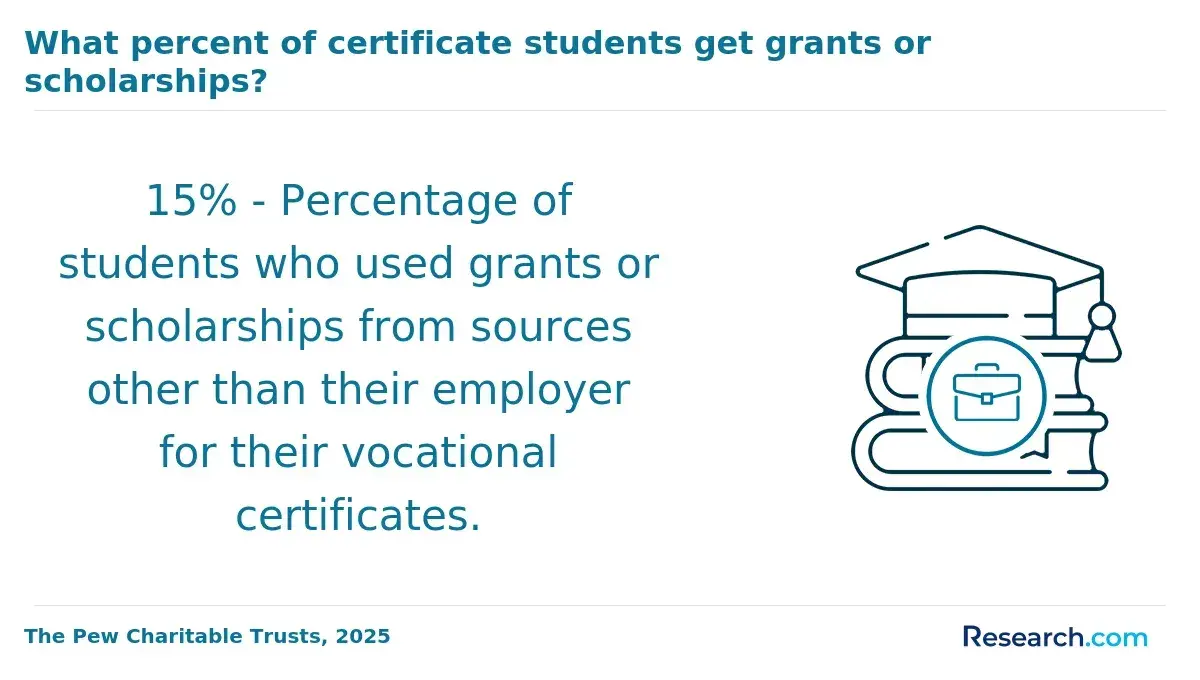
Employer tuition assistance programs are a critical funding source for working adults. Under IRS Section 127, employers can provide up to $5,250 annually in tax-free education benefits for undergraduate study. These benefits make employer tuition reimbursement a tax-efficient option for financing an online kinesiology degree. It is important to contact your HR department to understand available tuition reimbursement plans and how to apply.
There are also scholarships and fellowships designed specifically for adult learners returning to complete a kinesiology degree. These awards consider the challenges faced by working students and often feature flexible eligibility criteria to accommodate varied schedules and responsibilities.
Before enrolling, ensure you complete all necessary financial aid applications to maximize funding:
- File the FAFSA: Submitting the Free Application for Federal Student Aid unlocks access to federal Pell Grants, Direct Loans, and many state and institutional awards.
- Explore State Grants: Investigate your state's offerings for adult learners, noting specific eligibility requirements and funding levels.
- Review Employer Benefits: Consult your employer's HR department to obtain tuition assistance agreements and clarify reimbursement procedures.
- Apply for Scholarships: Seek out scholarships and fellowships targeting returning adult students and kinesiology majors to supplement your financial aid package.
How Does Per-Credit-Hour Tuition for Online Kinesiology Completion Programs Compare Across Accredited Institutions?
Per-credit tuition costs for online kinesiology bachelor's degree completion programs show significant variation across accredited institutions. According to NCES and IPEDS data, the national average cost per credit hour for these programs generally falls between $350 and $450. Well-known online programs tend to price within this range, while some public universities offer lower rates near $250 and private schools may charge upwards of $500 per credit hour. This range reflects the diversity in tuition models and program structures found nationwide.
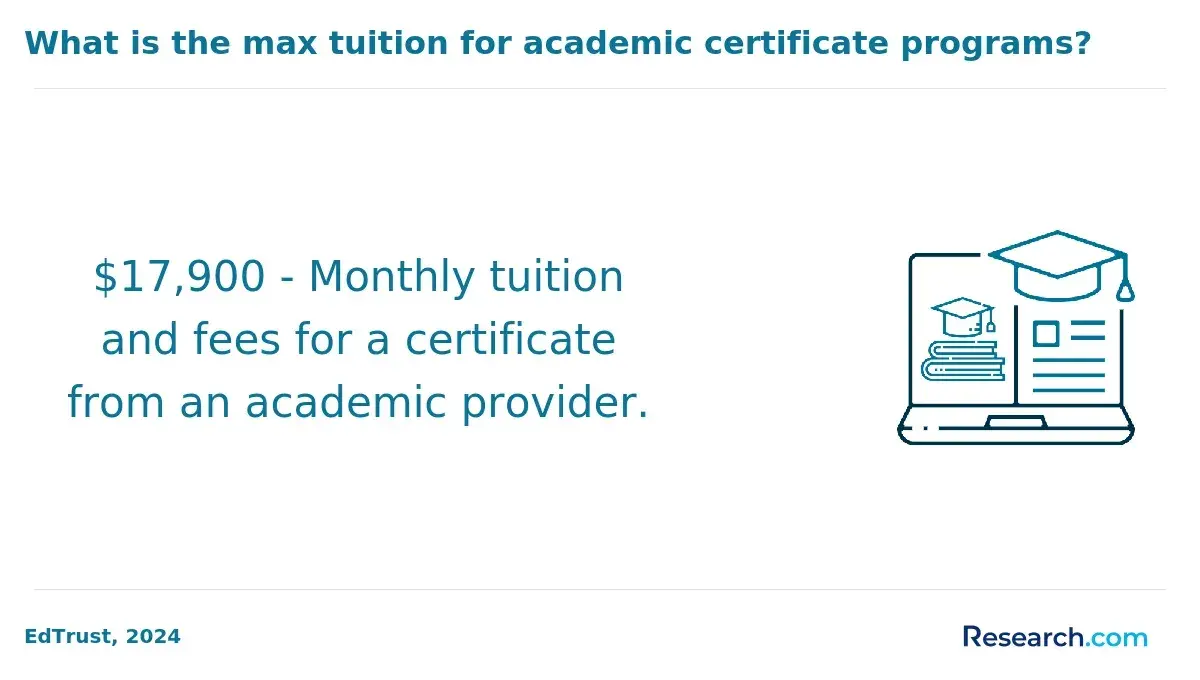
A cost-ranked comparison of selected programs highlights these differences. Western State University charges $265 per credit hour, which equates to $15,900 for the 60 credits typically required for degree completion. Midwestern Online University's rate is $390 per credit hour, with a total of $23,400 for 60 credits. Southeastern College stands at the higher end, billing $510 per credit hour and totaling $30,600 for 60 credits. For students who have already earned 90 transfer credits, the remaining 30 credits substantially reduce the total cost of the program.
Ancillary fees such as technology fees, graduation fees, online proctoring charges, and textbooks can add several hundred dollars each term, impacting the overall affordability. These additional costs sometimes mean that programs with lower per-credit tuition may not be the most economical choice once all fees are included. Prospective students should carefully analyze the complete cost structure rather than focusing solely on sticker tuition.
Working adults seeking to complete their online kinesiology degree per-credit tuition comparison should also explore options for prior learning assessments and employer tuition benefits to maximize savings. For complementary guidance on related fields, consider resources about online degrees in nutrition.
- Variable Tuition Rates: Tuition per credit hour varies widely between public and private institutions, influenced by delivery methods and institutional resources.
- Transfer Credit Impact: Accumulated transfer credits dramatically decrease total tuition by reducing remaining credit requirements.
- Ancillary Fees Matter: Technology, proctoring, and graduation fees can significantly increase the total cost beyond advertised per-credit rates.
- Total Cost vs. Per Credit: High per-credit tuition does not always result in higher overall costs if total required credits are fewer or additional fees are lower.
What Prior Learning Assessment and Credit-by-Exam Options Exist in Online Kinesiology Degree Completion Programs?
Prior Learning Exams: Many online kinesiology degree completion programs accept CLEP and DSST exams, allowing students to demonstrate proficiency in foundational topics through standardized testing. These exams reduce required coursework and accelerate degree completion for working adults with prior knowledge.
Portfolio Assessment: Some institutions offer portfolio reviews where students submit documented evidence of professional experience, certifications, or training. This flexible option enables credit awards based on real-world learning, particularly valuable for mid-career professionals.
ACE Credit Evaluation: The American Council on Education (ACE) provides recommended college credit for military training and corporate education programs. Military veterans and those with employer-sponsored training can convert experience into academic credits recognized by many accredited kinesiology programs.
Maximum Credits Accepted: Top online kinesiology programs vary but often accept up to 90 credits through PLA, combining credit-by-exam, military evaluation, and portfolio credit. This extensive allowance helps students transfer community college credits or prior learning efficiently.
Documentation Preparation: To ensure a smooth PLA process, students should collect official transcripts, detailed training descriptions, certificates, and a reflective essay that maps their prior learning to academic outcomes. Proper preparation improves evaluation success and credit granting.
Submission Process: Most programs require students to submit PLA evidence during the application or early advising phase. Early engagement with academic counselors clarifies institutional requirements and the types of acceptable documentation for prior learning assessment.
Applicants aiming to complete an online kinesiology degree can benefit greatly by exploring these prior learning assessment options. Whether transferring community college credits, using credit-by-exam policies, or leveraging military and corporate training evaluated via ACE, working adults gain pathways to shorten time to graduation efficiently. For those also interested in related fields, details on affordable pathways such as a nutritionist degree online are available from reputable sources.
How Do Asynchronous Schedules in Online Kinesiology Programs Accommodate Full-Time Working Professionals?
- Asynchronous Flexibility: Fully asynchronous kinesiology programs let students complete coursework anytime, fitting studies around varying work shifts or life commitments without live meeting requirements.
- Assignment Structure: Coursework typically includes recorded lectures, discussion boards, and deadline-driven assignments, allowing learners to engage thoughtfully and submit work on their own schedules.
- Comparison to Other Formats: Unlike synchronous or hybrid models that require scheduled class times, asynchronous formats maximize convenience for travelers and caregivers but reduce real-time interaction opportunities.
- Eight-Week Terms: Many schools offer condensed eight-week courses enabling students to concentrate on fewer subjects per term, simplifying balance between academics and professional duties.
- Time Management Tools: Successful online learners often use digital calendars, task management apps, and reminder systems to maintain consistent study habits despite busy lives.
- Effective Strategies: Setting regular study times, breaking material into small segments, and leveraging peer discussion forums help maintain engagement and progress efficiently.
What Concentrations and Career Tracks Are Available Within Online Kinesiology Degree Completion Programs?
Exercise Science: Concentrating on human movement and fitness evaluations, this track prepares graduates for roles like exercise physiologists and fitness instructors. Median annual pay approximates $50,000, with programs generally fitting within the 120-credit degree structure without adding extra coursework.
Health Promotion and Wellness: Focused on community health initiatives and prevention, this area equips students to become health educators or wellness coaches. Salaries typically range from $40,000 to $60,000, and some programs offer certifications that enhance employment opportunities. These concentrations usually do not extend total credit requirements.
Sports Management: Concentrated on managing athletic programs and marketing, this specialization leads to careers such as sports coordinators and event managers with median incomes near $60,000. It commonly stays within standard credit limits and may include industry-recognized certifications.
Rehabilitation Sciences: Designed for aspiring physical or occupational therapy assistants, this track may add a few credit hours and requires certification exams after graduation. Graduates often earn median salaries ranging from $50,000 to $70,000 and improve qualifications for healthcare roles.
Biomechanics and Motor Control: Centered on movement efficiency and injury prevention, this less common concentration suits research or athletic training careers. It can involve additional credits depending on the institution and aligns with athletic training certifications.
What Graduates Say About Online Kinesiology Bachelor's Degree Completion Programs for Working Adults
- Conrad: "Choosing an accredited program gave me confidence that my degree would be respected by employers and professional organizations. The structured online format allowed me to balance work and study efficiently, which made completing my Kinesiology degree feasible despite a busy schedule. Additionally, the clear transfer credit policies meant I didn't lose any of my previously earned credits, saving both time and tuition costs."
- Will: "Reflecting on my experience, the flexibility this program offered through prior learning assessments really stood out. Being able to apply my work experience toward my degree accelerated my completion and lowered overall expenses. I also appreciated how the program's emphasis on rigorous curriculum standards prepared me well for advancing in my career within the health and fitness industry."
- Jodi: "From a professional standpoint, the transparent tuition model helped me plan financially without surprises, which made the commitment much easier. The smooth transfer credit process respected my earlier coursework, avoiding redundancy and frustration. Most importantly, earning my online Kinesiology degree significantly boosted my job prospects and opened doors to new roles that require a bachelor's level credential."
Other Things You Should Know About Kinesiology Degrees
Most online kinesiology bachelor's degree completion programs in 2027 do not require internships, but some might recommend them for practical experience. Always check the specific requirements of each institution to confirm if an internship is needed.
Yes, many 2027 kinesiology degree completion programs review military and corporate training through ACE or the National College Credit Recommendation Service. Schools usually require official transcripts, course descriptions, and a minimum grade of C or better before awarding up to 30 transfer credits.
To access online kinesiology programs in 2027, students need a reliable internet connection, a computer with updated software, and basic proficiency in digital tools and platforms. Some programs may specify compatible operating systems or require access to specific virtual learning environments.
References
- Best Online Kinesiology Degree Programs, Updated for 2026 https://www.kinesiologydegrees.org/programs/online
- Financial Aid For Online College Students | LearnHowToBecome.org https://www.learnhowtobecome.org/career-resource-center/financial-aid-for-online-colleges/
- Online College Tuition Comparison: Online vs. In-Person https://www.uagrantham.edu/blog/online-college-tuition-comparison-online-vs-in-person/
- Top 15 Affordable Exercise Science Degree Online Programs https://www.sports-management-degrees.com/affordable-online-bachelors-sports-science/
- Online Kinesiology Degree – Highly Rated, Quick, Affordable https://exsci.cuchicago.edu/kinesiology/degrees/bachelors/
- Kinesiology - Exercise Science Focus A.S. - Transfer Degree https://www.clcillinois.edu/programs/biodv/kinesiology/kinesiology-exercise-science-focus-as-transfer-degree
- Top 15 Low-Cost Online Bachelor's in Kinesiology 2020 https://www.greatvaluecolleges.net/rankings/online-bachelors-kinesiology/
- Kinesiology Online https://louisiana.edu/online/majors-minors/kinesiology-online
- Courses Outside UCalgary https://kinesiology.ucalgary.ca/current-students/undergraduates/courses-outside-ucalgary
- What Financial Aid Options Are Available for Online Education? - Lakewood University https://lakewood.edu/online-education-financial-aid-3/