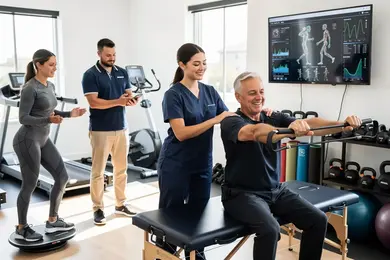
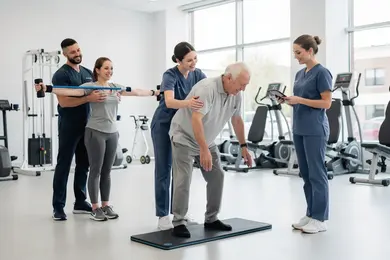
2027 Hybrid vs Fully Online Kinesiology Bachelor's Degree Programs

Co-Founder and Chief Data Scientist
Balancing a full-time retail job with a deep interest in human movement science, a prospective student weighs logging in to classes anytime versus driving hours to campus twice a week. While full online programs offer unmatched schedule flexibility, hybrid options promise crucial hands-on practice and direct interaction with professors and peers. This tension between convenience and engagement shapes the crucial choice of a kinesiology bachelor's degree format. With employment in allied health fields growing 14% through 2030, program type directly impacts readiness for practical careers. This article examines hybrid versus fully online kinesiology programs, guiding students to decide based on their unique needs and goals.
Key Benefits of Hybrid vs Fully Online Kinesiology Bachelor's Degree Programs
- Hybrid kinesiology programs offer greater learning flexibility by combining online coursework with scheduled on-campus labs, supporting hands-on skill development alongside remote study.
- Fully online programs provide limited in-person interaction, which may reduce networking but increase accessibility for students with geographic or time constraints.
- Hybrid formats better accommodate balancing education with work and personal responsibilities by scheduling some face-to-face sessions while maintaining mostly remote flexibility.
What Is a Hybrid vs Fully Online Kinesiology Bachelor's Degree?
Hybrid and fully online kinesiology bachelor's degree programs differ mainly in how coursework is delivered, the amount of in-person interaction, and the overall learning framework. A 2021 National Center for Education Statistics report found that about 35% of undergraduates took at least one online course, highlighting the rising demand for flexible study options. Below is a comparison of these two formats to help students see which best suits their lifestyle and learning preferences.
Hybrid Programs
- Course delivery combines in-person attendance with online coursework, promoting a balance of direct experience and digital learning.
- Scheduling requires students to be available for fixed times when attending labs, seminars, or practical sessions on campus.
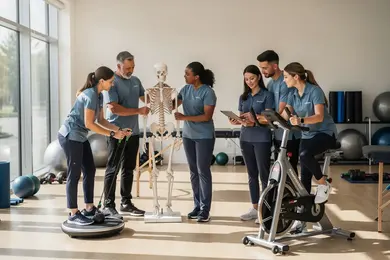
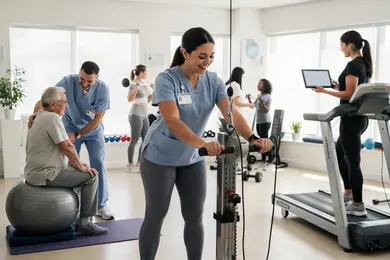
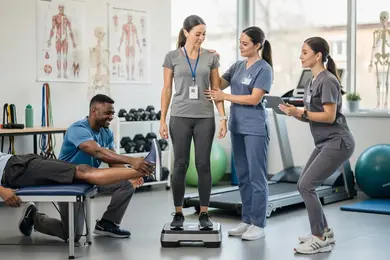
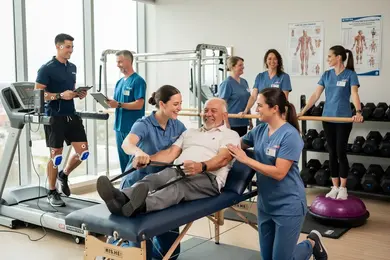
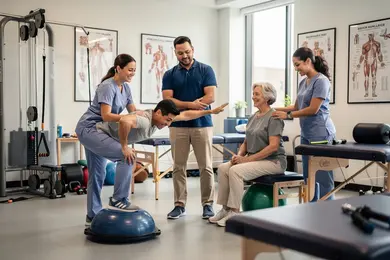
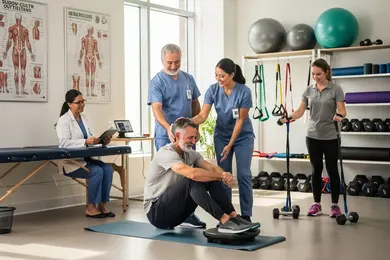
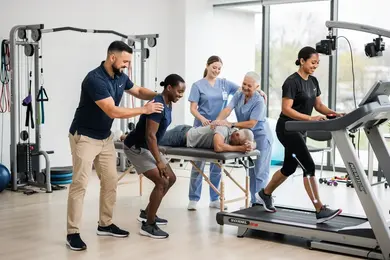
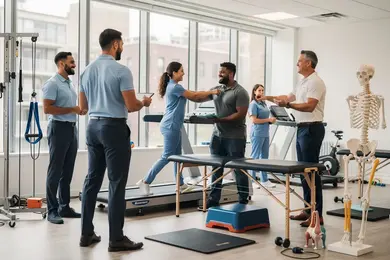
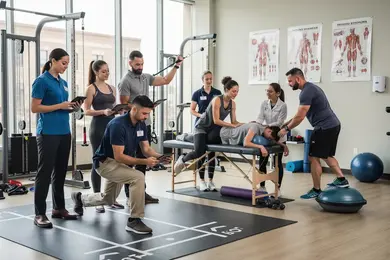
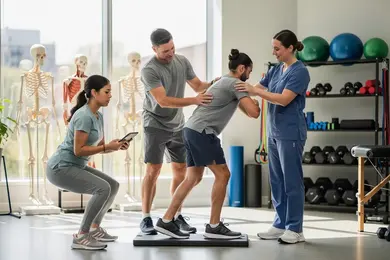
- Programs facilitate face-to-face interaction with instructors and peers, crucial for mastering hands-on techniques in kinesiology.
- The learning experience integrates physical practice with digital lectures, supporting students who want practical training alongside theoretical study.
- Hybrid kinesiology bachelor's degree programs advantages often include enhanced engagement and real-world skill development.
Fully Online Programs
- All coursework, including lectures, discussions, and assessments, occurs remotely through digital platforms.
- Scheduling is usually asynchronous, allowing students to access classes and materials anytime to fit their own pace.
- Interaction happens virtually via video calls, forums, and messaging, requiring strong self-motivation and communication skills.
- The focus is on fostering independent study habits and self-discipline to succeed without on-campus presence.
- Many students explore options like easy masters degrees online after completing a fully online kinesiology degree program structure that supports flexible lifelong learning.
How Does a Hybrid vs Fully Online Kinesiology Bachelor's Degree Program Work?
Both hybrid and fully online kinesiology bachelor's degree programs follow structured academic pathways designed to provide essential knowledge and skills, but they differ in how coursework is delivered and how students interact with instructors and peers. According to the National Center for Education Statistics, enrollment in online courses at degree-granting postsecondary institutions increased by over 75% between 2010 and 2020, highlighting growing interest in these learning formats. Comparing the hybrid kinesiology bachelor's degree program structure with fully online kinesiology degree delivery methods reveals distinct approaches to education.
Hybrid Programs
- Coursework is split between on-campus sessions and asynchronous or synchronous online lessons.
- Class participation includes both in-person discussions and online forums or video conferences.
- Schedules often have fixed times for on-campus meetings alongside flexible online deadlines.
- Communication happens through classroom interaction, email, learning management systems, and virtual meetings.
Fully Online Programs
- All coursework is completed entirely online without any required on-campus attendance.
- Class participation takes place via discussion boards, live webinars, and group projects using specialized software.
- Schedules mostly offer asynchronous learning, allowing students to access materials and submit assignments flexibly.
- Instructor and peer interaction occurs mainly through email, chat tools, video calls, and online collaboration platforms.
Prospective students seeking flexible degree options might also explore affordable master's degrees online to continue their education beyond the bachelor's level.

Are Admission Requirements Different for Hybrid and Fully Online Kinesiology Bachelor's Degrees?
Admission criteria for hybrid and fully online kinesiology bachelor's programs often share common academic standards, but they can differ based on how each institution structures its curriculum and policies. While both typically require proof of prior education and documentation, nuances arise tied to the delivery format. The following points highlight important distinctions prospective students should consider.
- Technical Requirements: Fully online programs usually require applicants to have dependable technology, including a computer with specific capabilities like a webcam and steady internet access. Hybrid students may face fewer technical demands since some sessions happen in person, reducing reliance on digital tools.
- Health and Immunization Documentation: Hybrid formats often ask for proof of immunizations or health clearances due to required physical attendance in labs or fitness spaces. Fully online students generally do not need to submit these documents because their coursework is completed remotely.
- Prerequisites Involving Hands-On Experience: Some hybrid programs mandate prior certifications such as CPR or first aid to prepare students for face-to-face practical labs. Conversely, fully online options may accept equivalent theoretical courses instead of these in-person requirements.
- Application Materials and Essays: Hybrid applicants might need to provide essays or statements detailing their capacity and willingness to attend on-campus sessions. Fully online applicants are more likely to focus their application on readiness for virtual learning and self-discipline.
- Interviews and Placement Testing: Hybrid programs sometimes conduct on-campus interviews or skill assessments to evaluate practical competencies, whereas fully online programs may offer virtual alternatives or waive such requirements.
One student enrolled entirely online shared how the application process felt both straightforward and unique. She mentioned, "I appreciated that I didn't have to worry about health forms or coming to campus, but I had to demonstrate my comfort with technology clearly." She found the remote interview process less intimidating since it was conducted via video call, allowing her to express her motivation without the stress of travel. Reflecting on this, she noted that while the core academic criteria were similar to those of hybrid students, the focus on digital readiness was a clear difference. This insight helped her feel prepared and confident entering the fully online environment.
Is the Learning Experience Better in Hybrid vs Online Kinesiology Bachelor's Degrees?
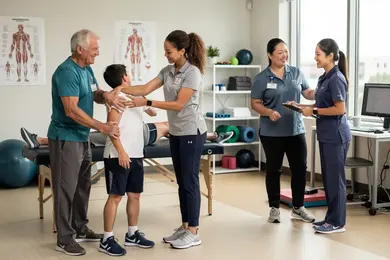
Hybrid kinesiology bachelor's degree programs offer a rich learning environment by blending online flexibility with direct in-person interaction. Students gain immediate access to instructors during face-to-face sessions, which encourages personalized feedback and guidance.
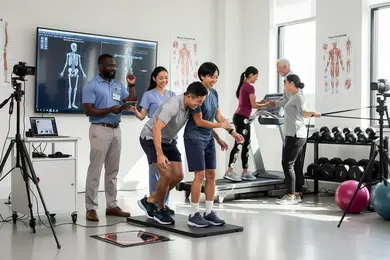
This setup also promotes stronger connections with peers through collaborative activities and hands-on practice, essential in a discipline focused on physical assessment and movement. Furthermore, hybrid students typically benefit from on-campus amenities such as labs and fitness centers, which enhance practical skill development. These combined elements create a dynamic atmosphere that caters to different learning styles and keeps motivation high.
Fully online kinesiology programs emphasize convenience, enabling students to study from anywhere and often on their own schedule. Interaction mainly occurs through virtual tools like discussion forums and video calls, which can limit the spontaneous communication found in traditional settings. Access to physical resources is either limited or replaced by virtual alternatives, possibly reducing the opportunity for direct hands-on experience.
Despite these challenges, many learners value the entirely online option for its adaptability to busy or remote lifestyles, though success often depends on their self-motivation and comfort with technology. Overall, the fully online format prioritizes flexibility but may require more effort to achieve the personal engagement and practical learning naturally present in hybrid programs.
Which Is More Flexible: Hybrid or Fully Online Kinesiology Bachelor's Degree?
Hybrid kinesiology degree flexibility comparison reveals that these programs blend online learning with scheduled on-campus sessions, which often include essential labs or practicums. This design offers some adaptability in managing coursework remotely, but students must adhere to fixed in-person commitments that can restrict spontaneous scheduling.
Typically, hybrid formats run on a regular weekly timetable, requiring students to carefully coordinate their travel and daily obligations to maintain attendance. This balance provides benefits from both direct interaction and remote study, but may challenge those seeking complete control over their time. Such a structure suits learners who want a combination of hands-on experience and online convenience.
Fully online kinesiology program scheduling advantages lie in the ability to attend classes asynchronously and access materials remotely, allowing students to determine when and where they engage with their studies. This format supports flexibility by removing physical attendance barriers, accommodating varied lifestyles and professional demands.
According to a 2023 EDUCAUSE report, roughly 70% of online students choose fully online programs primarily for this scheduling freedom. For individuals prioritizing autonomy over timing, fully online degrees often present the optimal environment. For related online academic options with considerable flexibility, prospective students might explore the best 2 year construction management degree online as an example of accelerated remote learning pathways.
What Is the Workload for Hybrid vs Fully Online Kinesiology Bachelor's Degrees?
Although hybrid and fully online kinesiology bachelor's degree programs generally maintain comparable academic expectations and credit loads, their differences in course delivery shape how students manage their time and handle workload. A 2022 Online Learning Consortium study noted that students in either format spend roughly 15 to 20 hours per week on coursework, but the organization of these hours varies notably between hybrid and fully online programs.
In hybrid kinesiology programs, students split their time between in-person classes and online coursework. Regularly scheduled campus sessions for lectures, labs, or practical exercises require students to commit to fixed times, which can help establish a steady routine but limits flexibility. Outside these mandatory on-site meetings, students engage in online assignments, reading, and projects that can be completed on a more flexible schedule. This combination demands effective planning to accommodate both structured face-to-face instruction and adaptable online study periods.
Fully online kinesiology programs mostly rely on asynchronous learning, allowing students to access lectures and materials at their convenience. This format offers greater scheduling flexibility but necessitates strong self-motivation and disciplined time management to keep pace with course requirements. Assignments, discussions, and assessments are completed digitally without set session times, although occasional live events may occur. This model suits learners who can independently organize their studies but may challenge those who thrive on real-time interaction and external accountability.
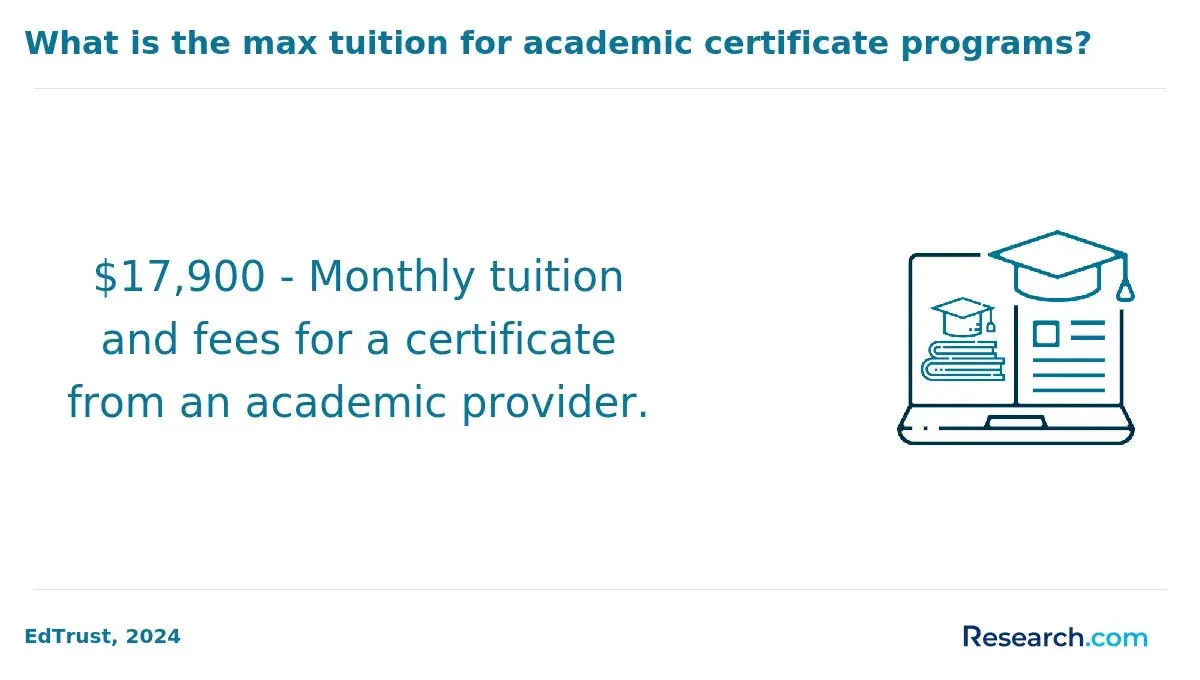
How Does Tuition Compare for Hybrid vs Online Kinesiology Bachelor's Degrees?
Tuition for hybrid and fully online kinesiology bachelor's degree programs varies widely depending on delivery format, institutional policies, credit requirements, and additional fees. Studies show that online courses often cost 10% to 15% less per credit than hybrid or traditional formats, reflecting reduced campus-related expenses. This difference influences students weighing costs against their learning preferences and lifestyle needs.
- Per-Credit Costs: Fully online kinesiology degrees generally offer lower per-credit tuition since they eliminate expenses tied to physical classrooms and campus maintenance, making them more affordable for many students.
- Technology Fees: Both hybrid and online programs may charge technology fees, but fully online students often pay higher fees to support digital platforms, remote software, and technical assistance essential for virtual learning.
- Campus Fees: Hybrid students frequently incur additional campus or facility fees linked to lab usage, equipment, and in-person sessions, costs fully online students typically avoid.
- Residency-Based Tuition: Hybrid programs are more likely to enforce in-state versus out-of-state tuition distinctions due to required on-campus attendance, while fully online programs often provide flat tuition rates regardless of residency.
- Payment Flexibility: Fully online programs tend to offer greater flexibility with payment options and multiple session start dates throughout the year, potentially easing financial planning compared to hybrid formats.
Reflecting on these tuition differences, a graduate of a hybrid kinesiology program shared that navigating both in-person and online financial obligations was challenging. "I had to carefully budget for extra campus fees I hadn't anticipated, like lab access and equipment rentals, which added up quickly," he explained. Managing payments across different semesters and balancing these expenses alongside work commitments required constant attention. Despite these hurdles, he appreciated the blend of face-to-face learning and online flexibility but noted that understanding the full cost structure upfront would have helped reduce stress during enrollment.
Do Employers Prefer Hybrid or Fully Online Kinesiology Bachelor's Degrees?
Employers' perceptions of hybrid and fully online kinesiology bachelor's degrees have shifted markedly as online education gained legitimacy in recent years. A notable trend from the National Association of Colleges and Employers indicates that around 80% of employers now are open to hiring candidates with online degrees, reflecting broader acceptance of digital learning. This shift affects how employers view graduates from hybrid and fully online kinesiology programs, especially in today's evolving job market preferences for hybrid and online kinesiology degrees.
- Practical Training: Hybrid programs are often preferred because they combine in-person labs and coursework, offering direct hands-on experience. Fully online degrees may face skepticism since remote learning must rely on virtual simulations or at-home lab kits, which some employers see as less immersive.
- Institution Reputation: Employers prioritize the accreditation and reputation of the school over delivery format. Graduates from accredited kinesiology programs-hybrid or fully online-are evaluated mainly on competencies, internships, and clinical experiences.
- Networking and Engagement: Hybrid formats are valued for fostering campus engagement and face-to-face mentorship, which can enhance networking opportunities. This interaction may prepare students better for collaborative, in-person work environments.
- Flexibility and Adaptation: The perception gap between hybrid and fully online degrees is narrowing as remote education technologies and workplace flexibility improve. Employers increasingly recognize that fully online kinesiology graduates can be equally prepared for professional roles.
Students weighing their options should consider these employer views carefully. For those seeking more remote options, it's helpful to explore accredited kinesiology programs, including the online degree in real estate listings for insight into quality online education models available across disciplines.
Who Should Choose a Hybrid vs Fully Online Kinesiology Bachelor's Degree?
The decision between enrolling in a hybrid or a fully online kinesiology bachelor's degree program depends largely on individual learning preferences, schedule flexibility, and lifestyle needs. Hybrid programs offer a mix of in-person and online classes, while fully online programs provide complete remote access. Understanding who benefits most from each format can help students find the right fit for their academic and personal goals.
- Face-to-Face Interaction: Students who thrive with personal engagement benefit from hybrid kinesiology bachelor's degree benefits, as these programs offer opportunities to connect with instructors and peers during scheduled campus visits.
- Hands-On Learning: Those needing physical practice or lab sessions as part of their coursework find hybrid programs more suitable since they include in-person components essential for experiential learning.
- Structured Schedule: Learners who prefer a balanced routine with some campus time but also require flexibility for work or family obligations should consider hybrid formats for their blend of structure and convenience.
- Full Flexibility: Working adults or parents who require studying entirely on their own time benefit most from fully online kinesiology degree suitability, avoiding the need to commute or adhere to a campus schedule.
- Self-Motivation: Independent learners who maintain discipline without supervision typically excel in fully online programs, which demand strong self-direction and time management.
- Location Constraints: Students living far from campus or in rural areas find fully online options more accessible, enabling them to pursue education without geographic barriers.
For those exploring flexible degree options beyond kinesiology, many well-regarded graphic design schools online provide similar hybrid and fully online learning formats to suit diverse needs.
How Can I Succeed in a Hybrid vs Fully Online Kinesiology Bachelor's Degree Program?
Success strategies vary between hybrid and fully online kinesiology bachelor's degree programs due to their differing formats and interaction levels. Tailoring study habits and engagement approaches to fit each structure can boost student performance and satisfaction. Below are key tactics to thrive in either learning environment.
- Time Management: Hybrid students should create weekly plans that balance on-campus classes and online tasks, accounting for commuting and lab sessions. Fully online learners benefit from consistent daily schedules that mirror typical class times to maintain discipline.
- Dedicated Study Space: Fully online students gain advantage by setting up quiet, distraction-free areas at home to enhance focus, while hybrid students can adapt between campus and home settings.
- Active Engagement: Participation in in-person labs and discussions is crucial for hybrid learners, whereas fully online students should actively join virtual forums and video calls to deepen understanding.
- Use of Digital Tools: Both formats require familiarity with learning management systems and multimedia resources; hybrid students use these to supplement classwork, while online students depend on them entirely for content access and interaction.
- Communication: Hybrid students can leverage face-to-face opportunities like office hours and study groups, while fully online learners need to initiate regular virtual contact with instructors and peers to stay connected.
- Self-Motivation: While important for all, fully online students often need stronger self-discipline and goal-setting strategies to manage their greater independence effectively.
What Graduates Say About Hybrid vs Fully Online Kinesiology Bachelor's Degree Programs
- Conrad: "Choosing a fully online kinesiology bachelor's program was a game-changer for me since it allowed me to balance work and studies without sacrificing either. The flexibility to access lectures anytime really helped me stay on top of my coursework despite a hectic schedule. Ultimately, earning my degree online gave me the confidence and credentials needed to advance into a rewarding career in physical therapy."
- Walker: "Enrolling in a hybrid kinesiology degree was initially daunting, but the blend of in-person labs with online lectures made for a dynamic learning experience. Navigating the technology platforms and coordinating with professors online improved my self-discipline and time management skills significantly. This program prepared me well for my role in sports rehabilitation, where both scientific knowledge and practical skills are essential."
- Joseph: "Pursuing my kinesiology bachelor's fully online was motivated by the need to continue working full-time while earning my degree. The program's clear structure and accessible faculty support helped me overcome challenges that come with remote learning. Today, having completed the degree, I feel professionally equipped and more competitive in the wellness and fitness industry than ever before."
Other Things You Should Know About Kinesiology Degrees
Admission requirements for hybrid kinesiology bachelor's programs in 2027 typically include a high school diploma or equivalent, completion of prerequisite courses in biology and chemistry, and a minimum GPA of 2.5. Some programs may also require standardized test scores or personal statements.
Networking is generally more accessible in hybrid kinesiology programs since students participate in face-to-face activities and campus events. Fully online students can still build professional connections through virtual platforms, online groups, and organized meetups, but may require more proactive effort to engage with peers and faculty.
A hybrid kinesiology program in 2027 offers benefits like face-to-face interaction for hands-on courses while retaining the flexibility of online learning for theoretical classes, providing a balanced approach to learning essential skills and knowledge critical in the kinesiology field.
References
- Exploring Career Paths in Kinesiology: University Comparison - Course Sidekick https://www.coursesidekick.com/health-science/30285016
- Kinesiology and Exercise Science Colleges https://www.collegetuitioncompare.com/search/
- Nontraditional student trying to go to school for kinesiology http://ask.metafilter.com/325491/Nontraditional-student-trying-to-go-to-school-for-kinesiology/amp
- Online Kinesiology Degree Programs: Review Top Schools https://www.edumed.org/online-schools/kinesiology-degrees/
- How Can You Get the Most Out of an Online College Program? https://www.bluefield.edu/blog/get-most-online-college-program/
- Online and hybrid college programs explained. Flexibility, risk, and the real value equation | CG https://collegegrind.org/posts/online-and-hybrid-college-programs-explained/
- Best Online Kinesiology Degree Programs, Updated for 2026 https://www.kinesiologydegrees.org/programs/online
- Online Kinesiology Degree | Proven Path to Success 2025 https://edudegrehub.com/online-kinesiology-degree/
- Best Online Bachelor's in Kinesiology - 2018's Best https://www.onlinecollege.org/bachelors/kinesiology/
- Future Of Education: Exploring Hybrid Bachelor's Degree Programs https://www.bachelorsdegreecenter.org/hybrid-bachelors-degree-programs/