2027 Online Kinesiology Bachelor's Degree Program Costs: Tuition & Fees

Co-Founder and Chief Data Scientist
Many students face uncertainty when estimating the total cost of earning an online kinesiology bachelor's degree. Hidden fees, variable tuition rates, and additional expenses can complicate budgeting decisions. Recent data reveals that 45% of online undergraduate students report concerns about unexpected costs impacting their ability to complete their degree.
This challenge often deters prospective students from pursuing their degrees or causes delays in graduation. This article will clarify the typical tuition and fees associated with online kinesiology bachelor's programs. It aims to provide transparent, detailed cost information to assist students in planning their educational investment effectively.
Key Things to Know About Online Kinesiology Bachelor's Degree Program Costs
- Tuition for online kinesiology bachelor's programs often varies between per-credit rates and flat semester fees, significantly impacting total costs depending on course load and residency status.
- Additional expenses can include technology fees, course materials, and proctoring services, which collectively increase the overall financial commitment beyond tuition alone.
- Prospective students should explore scholarships, grants, and payment plans early to effectively manage costs and avoid excessive student debt while pursuing their degree.
What Is the Average Cost of an Online Kinesiology Bachelor's Degree?
The average tuition for online kinesiology bachelor's programs in the U.S. typically ranges from $300 to $600 per credit hour, resulting in an estimated total cost between $36,000 and $78,000. A recent report from the National Center for Education Statistics highlights that the average tuition per credit hour for public online undergraduate programs is about $350, illustrating why costs can vary widely.
These figures reflect general tuition rates for online kinesiology bachelor's programs but usually exclude additional fees and expenses. Prospective students examining typical total cost of online kinesiology undergraduate degrees including fees should consider these tuition ranges as a baseline for budgeting.
Most online kinesiology bachelor's degrees require around 120 to 130 credit hours for graduation, with tuition priced on a per-credit basis. This structure means final tuition depends largely on the number of credits completed and the cost per credit hour.
Understanding this breakdown helps students anticipate overall expenses without surprises. Those interested in related health science pathways might also explore online PharmD programs, which share similar cost considerations and credit-based pricing models.
What Factors Affect the Cost of an Online Kinesiology Bachelor's Degree?
The total cost of an online kinesiology bachelor's degree varies based on several key elements that influence pricing structures. Factors like credit requirements, program length, and tuition models play significant roles in determining overall expenses.
Being aware of these can help prospective U.S. students better navigate tuition variations by state and institution for online kinesiology degrees.
- Credit Hour Requirements: Most programs require between 120 and 130 credit hours, though specialized tracks or practicum experiences may increase this number. Since tuition is typically charged per credit, programs demanding more credits will inevitably cost more.
- Program Length and Enrollment Pace: Degrees usually take about four years to complete, but accelerated or part-time options affect the timeline and cost differently. Accelerated programs often have higher per-credit rates, while part-time enrollment can extend duration and increase ancillary fees.
- Tuition Pricing Models: Schools vary between charging per credit and using a flat rate per term or semester. These pricing models, coupled with enrollment load, can significantly impact total tuition expenses.
- Residency Status: In-state students often pay lower tuition compared to out-of-state students, which creates notable cost differences dependent on residency. Understanding this distinction is crucial when comparing programs.
- Mandatory Fees: Additional fees for technology, lab equipment, course materials, and administration add several hundred to thousands of dollars to the final bill. These fees differ widely across institutions.
Prospective students should also consider how cheapest online BSN programs and other health-related degrees manage costs. Exploring financial aid and scholarship options for U.S. kinesiology students can further clarify budgeting for these expenses.

2026 Update: Payment Timing and Refund Rules to Check
For the 2026 refresh, this section adds a budgeting angle focused on when online kinesiology students may need to pay, not just how much the degree costs.
- Tuition due dates for each term, session, or accelerated course format.
- Whether the school offers monthly payment plans and when enrollment is required.
- Drop, withdrawal, and refund deadlines before committing to a course load.
- When charges appear for lab-based, practicum, internship, or field experience courses.
- How part-time enrollment affects billing schedules and aid disbursement timing.
- Deadlines for employer tuition reimbursement forms, receipts, or grade verification.
Checking these timing details can help students avoid short-term cash flow problems and choose a program schedule that fits their budget throughout the degree.
Online kinesiology bachelor's degree programs generally cost less than traditional on-campus options. For public, in-state students, the typical annual tuition for traditional undergraduate study is around $9,800, while online programs often offer lower per-credit fees, sometimes reducing expenses by 15% to 25%.
These savings can add up significantly throughout a four-year degree.
Several key factors contribute to the potential cost benefits of online kinesiology degrees:
- Reduced Campus Fees: Students enrolled online avoid extra fees related to campus facilities, student organizations, and technology support for in-person learning, which can add hundreds to each semester's cost.
- Commuting Savings: Online learning eliminates transportation, parking, and housing expenses associated with attending classes on campus, which can be substantial, especially in urban areas.
- Flexible Course Load: The ability to pace coursework allows some students to spread out tuition payments over time, making education more manageable financially alongside work or personal commitments.
- Lower Per-Credit Rates: Some institutions price online credits more affordably than those taken in person, reflecting reduced overhead costs for physical classrooms and facilities.
- Digital Materials: Online programs often include electronic resources, reducing or removing the need to purchase costly printed textbooks and supplies.
When discussing whether an online kinesiology degree is truly cheaper, a graduate shared that although tuition was more affordable, navigating financial aid and balancing work with study presented challenges. He said, "Managing payments across multiple semesters helped, but staying disciplined without on-campus reminders was tough."
Ultimately, the convenience and cost savings outweighed initial difficulties, making the online path a smarter choice for his lifestyle and budget.
Online kinesiology bachelor's degree tuition rates can either remain consistent each term or vary depending on the number of credits a student takes. About 40% of undergraduate online programs in the U.S. use a fixed tuition rate, making budgeting more predictable. However, many schools charge per credit, leading to fluctuating expenses based on course load.
This variation in online kinesiology bachelor's degree tuition costs across U.S. schools affects how students plan their finances.
- Per-Credit Billing: Tuition is calculated by multiplying the cost per credit hour by the number of credits enrolled, which can differ each term. This approach offers flexibility but causes total costs to vary semester to semester.
- Flat-Rate Term Pricing: Some institutions charge a set fee for a maximum number of credits per term, which encourages students to take full course loads to maximize value while keeping expenses steady.
- In-State vs. Out-of-State Rates: Public universities often charge higher tuition for out-of-state students, but certain online kinesiology bachelor's degree programs waive this difference, making rates the same regardless of residency.
- Annual Tuition Changes: Tuition rates may increase annually, so what starts as a fixed rate might rise over the duration of the program, requiring ongoing financial planning.
- Related Programs: Students interested in health-related online education might also consider exploring medical billing and coding schools online, which have their own pricing structures and opportunities.
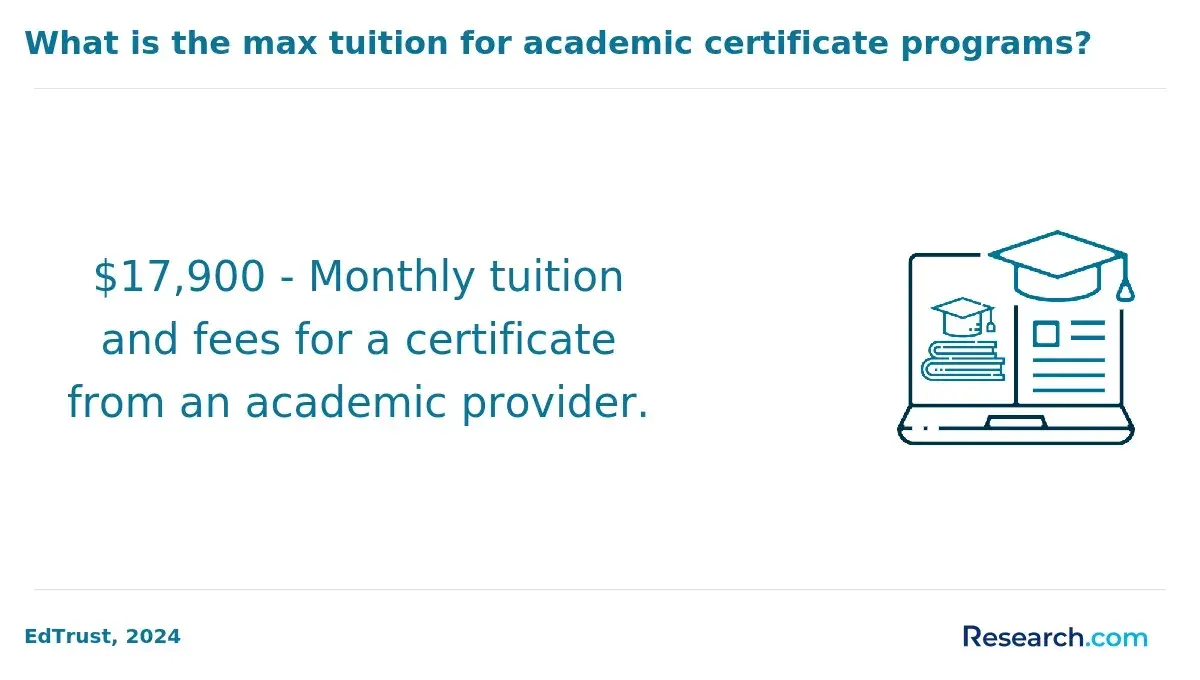
Technology fees are a regular part of online bachelor's degree programs, covering the digital resources essential for coursework delivery. On average, these fees range between $50 and $300 per semester for students pursuing online degrees in the United States.
Below are some of the primary components these fees typically support.
- Learning Management Systems: Platforms like Blackboard or Canvas organize course content, assignments, and grades, providing a centralized hub for students and faculty to interact efficiently throughout the semester.
- Virtual Labs and Simulations: These tools offer practical, hands-on experiences by replicating laboratory environments and exercises crucial to understanding kinesiology concepts without needing a physical campus setting.
- Specialized Software Licensing: Access to programs used for biomechanics analysis, exercise physiology, and data interpretation is included, enabling students to engage deeply with their field using professional-grade tools.
- Video Conferencing Tools: Live lectures, group collaborations, and one-on-one meetings rely on secure and reliable video platforms that facilitate real-time interaction between students and instructors.
- Platform Maintenance and Upgrades: Continuous updates and technical support ensure all online educational systems run smoothly, securely, and remain accessible during the entire course period.
These technology fees make it possible for kinesiology students to participate fully in course activities designed to mirror traditional classroom experiences through digital means. Instead of physical campus facilities, the investment focuses on the virtual tools and infrastructure vital for successful remote learning.
Textbook and course material expenses make up a key portion of the overall cost for students pursuing an online kinesiology bachelor's degree. Data from the College Board indicates that undergraduate students in the United States spend an average of $1,240 yearly on textbooks and supplies.
Factoring these costs into your budget is essential when planning for an online degree program.
Several elements influence the total price of textbooks and materials for kinesiology students:
- Required Course Materials: Specific courses often require certain textbooks, workbooks, or lab manuals, whose prices can vary significantly depending on the edition and subject matter.
- Digital vs. Print Formats: Digital textbooks generally cost less than printed versions. Many programs promote digital options to help students lower their expenses.
- Bundled Resources: Textbooks sometimes include access codes for online platforms, practice tests, or multimedia content, which can increase the overall purchase price.
- Supplemental Learning Tools: Additional items like anatomy models, specialized software, or equipment needed for kinesiology courses may add to material costs.
Being aware of these cost factors can help prospective students explore strategies such as renting, buying used books, or utilizing library resources to manage expenses while earning an online kinesiology bachelor's degree.
Federal, state, and institutional financial aid options are available to many students pursuing an online kinesiology bachelor's degree, making education more affordable. Around 60% of online students receive some form of financial aid, underscoring its vital role.
Understanding how to qualify for scholarships for online kinesiology programs can help prospective students access these resources effectively.
- Federal Aid: Programs like Pell Grants and Direct Loans are accessible to eligible students enrolled in accredited online degree programs. Completing the Free Application for Federal Student Aid (FAFSA) is essential and must be submitted annually to determine aid eligibility.
- State Aid: Many states provide grants or tuition reimbursement programs for residents attending approved institutions. Availability and criteria vary widely, so students should check their state's requirements to see what financial aid options apply to online kinesiology bachelor's degrees in the US.
- Institutional Support: Colleges and universities often offer additional grants, loans, or work-study opportunities tailored for online students. Work-study enables earning part-time income, often related to one's field of study, which can help offset educational expenses.
- Eligibility Requirements: Key conditions include maintaining satisfactory academic progress, demonstrating financial need, and enrolling at least half-time in an eligible program. These criteria ensure aid is directed to students who are actively pursuing their degrees and require financial assistance.
- Types of Aid: Grants generally do not require repayment, whereas federal loans have fixed interest rates with repayment plans after graduation. Institutional aid terms vary, so careful review is advised before accepting any offer.
For those interested in expanding their options beyond kinesiology, exploring accredited degrees such as CAHME accreditation MHA programs can be beneficial.
Online kinesiology bachelor's degree programs usually offer more affordable tuition than traditional on-campus options, but students seeking affordable financial aid options for US online kinesiology students can further reduce costs using various strategies. Surveys show that nearly 60% of online students adopt cost-saving measures such as credit transfer or digital resources to minimize expenses.
Below are some practical ways to lower the overall cost of earning an online kinesiology degree.
- Transfer Credits: Applying previously earned credits from community colleges or accredited institutions shortens the time and tuition required to graduate. Careful evaluation of course equivalencies is vital, but this can significantly reduce billed credit hours.
- Digital Textbooks: Opting for digital learning materials instead of print versions can save hundreds of dollars per semester. Many programs include free online resources as part of course fees, further cutting down expenses.
- Manage Course Load: Balancing full-time and part-time enrollment across semesters can prevent tuition spikes and make students eligible for lower-rate pricing, reducing financial strain while maintaining progress.
- Minimize Additional Fees: Selecting programs with little or no technology, lab, or miscellaneous fees avoids unexpected charges. Reviewing fee schedules carefully before enrollment helps identify the best financial value.
- Explore Healthcare Management Programs: For students seeking accelerated options, consider the fastest online master's in healthcare management as an alternative path that may align with career goals and offer competitive tuition rates.
Online kinesiology bachelor's degrees offer significant benefits in terms of accessibility and flexibility, enabling students to balance their studies with work or personal commitments. This format reduces additional expenses like commuting and housing, making it a cost-effective alternative to traditional programs.
Graduates typically experience strong employment prospects, with health and wellness careers projected to grow roughly 13% over the next decade, providing a favorable outlook for job stability and income potential. Such factors contribute to the overall value and return on investment of pursuing this degree online.
Deciding if the degree is worth the expense depends largely on individual ambitions and learning styles. Students seeking advancement in fields like health sciences or fitness industries may find the credential essential for professional licensing and career growth.
Additionally, those preferring self-paced study models can benefit from the program's structure. Long-term professional development also plays a role, as the foundational knowledge gained supports ongoing career opportunities in related disciplines.
What Graduates Say About Online Kinesiology Bachelor's Degree Program Costs
- Hannah: "After carefully weighing the cost of an online kinesiology bachelor's degree, I found the investment well worth it. The flexibility allowed me to study without sacrificing my job, which helped balance expenses over time. This degree truly opened new doors in my career, proving that sometimes you have to spend a little more to gain a lot in professional growth."
- Riley: "Choosing an online kinesiology program was a challenging decision, especially considering the varied costs and the potential for hidden fees. I learned to navigate these pros and cons by prioritizing programs that offered transparent pricing and financial aid. Reflecting back, the convenience and quality of education I received significantly outweighed the initial financial concerns."
- Perry: "From a professional standpoint, investing in an online kinesiology bachelor's degree was a strategic move despite the higher upfront costs compared to traditional paths. The program's structure helped me manage expenses effectively while gaining skills that immediately impacted my career. Ultimately, this degree enhanced my credibility and opened up advanced job opportunities in the health sector."
Other Things You Should Know About Kinesiology Degrees
Yes. Many online kinesiology bachelor's programs add technology fees, virtual lab fees, and online course fees on top of tuition. Common charges include about $15 to $50 per credit for online delivery and separate lab fees of roughly $50 to $200 for science-based courses.
Yes, financial aid is available for online kinesiology bachelor's degree students in 2027. Options include federal aid such as Pell Grants and Direct Loans, state aid, scholarships, and institutional grants. Prospective students should consult their chosen institution’s financial aid office for specific opportunities and eligibility requirements.
Students enrolled in accredited online kinesiology bachelor's programs are eligible for the same federal financial aid options as traditional students, including grants, loans, and work-study opportunities. Additionally, some schools provide scholarships and grants targeted to kinesiology or health science majors. It is important to consult financial aid offices to explore available funding sources.
Some online kinesiology bachelor's programs differentiate tuition based on whether a student is in-state or out-of-state, while others charge a uniform rate for all online learners. Public universities especially may have varying tuition rates linked to residency status. Prospective students should verify this information with each program to understand how residency affects overall costs.
- Cost of an Online Degree: Calculate the Cost of Your Higher Education https://www.edumed.org/articles/cost-of-an-online-degree/
- Kinesiology Online https://louisiana.edu/online/majors-minors/kinesiology-online
- Kinesiology (Online), B.S. https://www.nccu.edu/academics/undergraduate-programs/kinesiology-online-bs
- Cost of Online Education vs. Traditional Education [2025]: Comparison https://educationdata.org/cost-of-online-education-vs-traditional-education
- How Fast Can You Pay Off a Kinesiology Degree? https://exsci.cuchicago.edu/bs-kinesiology-tuition-recovery-time/
- Online Bachelor of Science in Kinesiology https://calbaptist.edu/academics/programs/online-bachelor-of-science-kinesiology/
- Best Online Kinesiology Degree Programs, Updated for 2026 https://www.kinesiologydegrees.org/programs/online
- Tuition + Fees https://www.ualberta.ca/en/kinesiology-sport-recreation/programs/undergraduate-programs/admissions/tutitions-and-fees.html
- Online Kinesiology Degree – Bachelor's in Kinesiology – ECU Online https://online.ecok.edu/online-degrees/bs-bachelors-kinesiology/