2027 Online Interior Design Bachelor's Degree Programs With No Prerequisites

Co-Founder and Chief Data Scientist
Many career changers face the challenge of breaking into interior design without prior education or experience in the field. Traditional programs often require prerequisites, creating barriers for those eager to start fresh. However, online interior design bachelor's degree programs with no prerequisites offer a direct pathway, accommodating busy schedules and diverse backgrounds.
According to the U. S. Bureau of Labor Statistics, employment for interior designers is projected to grow 7% from 2022 to 2032, faster than average for all occupations. This article examines programs that remove entry obstacles and provides guidance to help prospective students transition smoothly into interior design careers.
Key Benefits of Online Interior Design Bachelor's Degree Programs With No Prerequisites
- Online interior design bachelor's programs with no prerequisites offer flexible scheduling, allowing working professionals to balance education with career and personal commitments effectively.
- These programs enable accelerated skill acquisition through focused curricula, helping students quickly develop practical interior design competencies valued in the job market.
- Students can build recognized interior design credentials on timelines and budgets tailored to their needs, often benefiting from open-admission policies and financial aid options.
What Does 'No Prerequisites' Mean for Online Interior Design Bachelor's Degree Programs, and Who Benefits Most?
In online bachelor's degree programs for interior design, "no prerequisites" means applicants are not required to have completed specific coursework, exams, or formal academic qualifications before admission. This differs from open admission policies, which guarantee entry to all applicants regardless of background, and from low-barrier enrollment, which might require minimal documentation or conditions. No prerequisites programs specifically eliminate requirements such as prior classes in design, math, or art, making these degree paths accessible to students who are new to the field or returning after a break. These no prerequisites online interior design bachelor's programs provide flexibility and access for a broad range of learners.
The student populations who benefit most include career changers seeking new opportunities without preparatory courses, working adults balancing education with job and family responsibilities, returning learners reentering academia after interruptions, and first-generation college students who face challenges with traditional academic barriers. Enrollment data from the National Center for Education Statistics (NCES) shows rising numbers of non-traditional students-such as working adults and part-time learners over age 25-favor programs with no prerequisites because they better fit diverse educational and life circumstances.
This article will explore several important topics to help prospective students make informed decisions about no prerequisite interior design degrees, including:
- No Prerequisites Defined: Clarifies what it means when a program removes prior coursework or exam requirements, differentiating from open-admission and low-barrier policies.
- Who Benefits Most: Highlights how career changers, working adults, returning learners, and first-generation students can leverage these programs for success.
- Program Quality and Accreditation: Offers guidance on evaluating the legitimacy and educational standards of these programs to ensure a valuable academic experience.
- Financial and Support Resources: Describes financial aid options, student services, and credit transfer policies that improve access and student success.
- Career Outcomes: Provides insights into how these degrees translate into job market opportunities and professional growth within interior design.
For those interested in other flexible degree programs accommodating diverse learners, you can also explore options such as an online msw program, which similarly caters to working adults and career changers.
Which Accredited Online Interior Design Bachelor's Programs Accept Students With No Prior College Coursework?
Several regionally accredited institutions provide online interior design bachelor's degree programs that accept students with no prior college coursework, either through open enrollment policies or by offering bridge and foundational courses. These programs help working adults, first-generation students, and career changers gain the necessary skills without formal prerequisites.
- Academy of Art University: With open admissions for many programs-including its online interior design degree-the Academy welcomes students lacking prior college credits. Foundational courses are integrated to build essential skills. This university is regionally accredited by the Western Association of Schools and Colleges (WASC) and enrolls over 7,000 students, many of whom juggle education with work.
- Southern New Hampshire University (SNHU): SNHU is committed to accessible education, allowing students to enroll without formal prerequisites. It supplements its online interior design program with bridge courses focusing on design principles and computer-aided drafting. Accredited by the New England Commission of Higher Education (NECHE), SNHU serves more than 130,000 online learners and offers extensive student support.
- Fort Hays State University: This Midwestern public university permits flexible admissions, not strictly requiring previous studies. Students can complete introductory courses during their degree. It holds accreditation from the Higher Learning Commission (HLC) and enrolls roughly 15,000 students, many pursuing online degrees.
- Liberty University: Liberty's fully online interior design bachelor's program is open to students without prior college classes. The curriculum includes foundational options suitable for career changers and first-generation students. The school is regionally accredited by the Southern Association of Colleges and Schools Commission on Colleges (SACSCOC) and supports over 100,000 online students worldwide.
- University of the People: While not offering a specialized interior design bachelor's degree, University of the People is a notable example of open enrollment with no prerequisites for many programs. Accredited by the Distance Education Accrediting Commission (DEAC), it provides affordable tuition and foundational pathways that reflect growing trends in accessible design education.
Most online interior design bachelor's degrees with open enrollment prioritize regional accreditation to ensure academic quality despite low entry barriers. These programs commonly offer bridge or foundational coursework to prepare students who lack a college background. When exploring no-prerequisite options, prospective students should evaluate support services, financial aid availability, transfer credit policies, and career outcome assistance. Verifying accreditation and enrollment data through trusted sources like the NCES College Navigator and College Scorecard can further validate program legitimacy. For those balancing education with other responsibilities, seeking programs with practical design training and accessible advising is crucial. Additionally, exploring opportunities such as the cheapest online master's in counseling can provide inspiration on navigating affordable, flexible higher education pathways.
2026 Update: Portfolio and Technology Readiness Before Enrolling
For this 2026 refresh, we added a practical readiness check for students entering online interior design bachelor’s programs without prior coursework, focusing on tools, creative preparation, and project expectations.
- Confirm whether the program requires design software access and whether licenses are included or purchased separately.
- Check computer specifications for rendering, drafting, video meetings, and large visual files.
- Ask if beginners receive training in digital portfolios, presentation boards, and basic drawing tools.
- Review sample assignments to understand how much hands-on studio work can be completed from home.
- Look for requirements related to cameras, measuring tools, materials, or workspace documentation.
- Find out when portfolio reviews begin and how feedback is delivered in online courses.
This helps first-time interior design students avoid hidden preparation gaps and choose a program that matches their current equipment, budget, and creative experience.
How Do Open-Admission Policies in Online Interior Design Programs Differ From Traditional Selective Admissions?
Open-admission policies in online interior design bachelor's programs allow enrollment without the usual academic barriers, such as minimum GPAs or portfolios. This differs from selective admissions, which require specific qualifications, and conditional admissions, where students must meet requirements like developmental courses. Rolling admissions continuously accept applications but maintain selective criteria. Institutions such as Southern New Hampshire University and American Public University System openly document their low-barrier admissions, with IPEDS data confirming these policies.
- Policy Definition: Open admission accepts applicants holding a high school diploma or equivalent, removing competitive entry hurdles common in traditional programs. This inclusive approach prioritizes accessibility for diverse learners.
- Admission Alternatives: Selective programs scrutinize academic records and portfolios while conditional admission requires meeting developmental milestones. Rolling admissions evaluate candidates throughout the year but do not forsake selectivity. Open admission bypasses these filters.
- Academic Support: To accommodate varied student backgrounds, many open-admission schools provide developmental classes and orientations. These help bridge gaps in foundational knowledge without compromising academic standards.
- Considerations: Since open-admission classes include a broader academic range, students should reflect on whether this environment aligns with their learning preferences and career ambitions.
- Institutional Examples: Public data from universities like the University of Illinois Springfield confirm open-admission policies for degrees including art and design.
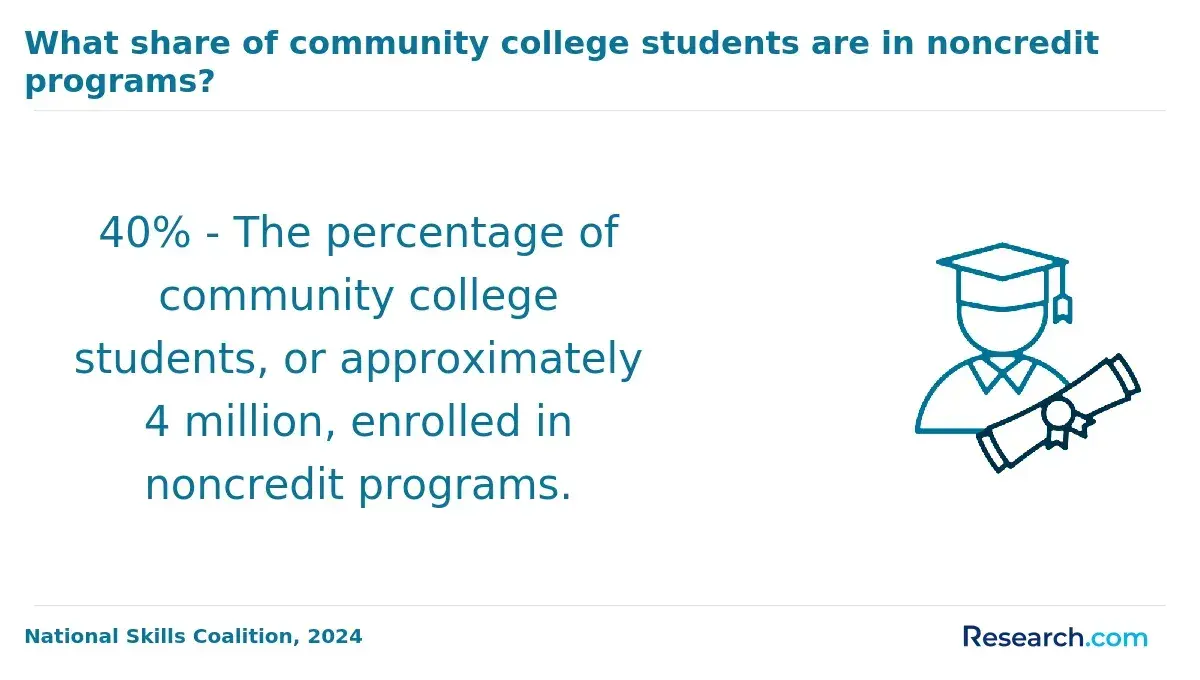
- Recent Trends: Nearly 40% of U.S. public two-year colleges operate open admissions, signaling growing demand for accessible higher education.
A professional who enrolled in an online interior design bachelor's with no prerequisites described his experience as both challenging and empowering. He mentioned, "Starting without a formal background was intimidating, but the programs' developmental support helped me build confidence." He appreciated that the open-admission policy allowed him to pursue his passion despite a career change and previous academic gaps. Reflecting on the process, he said, "It wasn't just about meeting criteria-it was about having a real opportunity to learn and grow at my own pace." This flexibility proved critical for balancing studies with work and family obligations.
What Are the Typical Enrollment Requirements for No-Prerequisite Online Interior Design Bachelor's Programs?
While "no-prerequisite" typically refers to the absence of prior design experience or a professional portfolio, online Bachelor’s in Interior Design programs still maintain standard institutional enrollment requirements.
Proof of High School Completion: Most no-prerequisite online interior design bachelor programs require applicants to submit a high school diploma or equivalent, like a GED. This ensures foundational academic preparation despite waived prerequisite coursework.
Minimum Age Requirements: Generally, students must be at least 18 years old to enroll. However, some institutions with open admission policies for online interior design bachelor degrees offer dual-enrollment options that allow younger students to start coursework during high school.
English Proficiency: For non-native English speakers, providing standardized test scores such as TOEFL or IELTS, or evidence of prior instruction in English, is typically necessary. This requirement guarantees students can effectively comprehend and interact with course material.
Application Materials: Even when academic prerequisites are waived, candidates should prepare thoughtful application portfolios. These often include personal statements or letters of intent, helping admissions committees evaluate motivation and program fit.
Alternative Pathways: Those lacking traditional credentials can pursue GED certification or participate in dual-enrollment during high school to qualify for admission. Public colleges frequently have more flexible enrollment approaches compared to private nonprofit schools.
Career changers and first-generation students can navigate these criteria confidently when applying. Additionally, exploring resources like mft online programs may offer insights into flexible enrollment structures that parallel accessible approaches in interior design education.
Are No-Prerequisite Online Interior Design Bachelor's Programs Available at Regionally Accredited Universities?
Regional accreditation plays a vital role for no-prerequisite online interior design programs by ensuring high academic standards recognized nationwide. Credits from regionally accredited institutions are generally transferable, which is essential for students who may wish to continue their education elsewhere. Employers also tend to respect degrees from these universities more, adding to graduates' professional credibility. Additionally, regional accreditation is usually required for accessing federal financial aid options like grants and loans, supporting students who need monetary assistance.
It's important to note that regional accreditation differs from national accreditation. Nationally accredited programs often have less rigorous standards, and their credits may not transfer to regionally accredited schools. While national accreditation is common among vocational or career-focused programs, it may not provide the same academic value or recognition, so students should prioritize regional accreditation when choosing accessible interior design programs.
- Accrediting Agency: Confirm the university's regional accreditation through the U.S. Department of Education or CHEA databases to ensure legitimacy.
- Program Accreditation: Check if the interior design program has specialized accreditation from relevant design organizations, which can enhance its quality and recognition.
- Financial Aid Eligibility: Verify that the school participates in federal financial aid programs, crucial for students without prerequisites who may rely on support.
- Credit Transfer Policies: Review the institution's stance on accepting transfer credits to maintain future flexibility.
One professional who completed a no-prerequisite, regionally accredited online bachelor's in interior design reflected on her experience as a balancing act filled with uncertainty and motivation. "Starting without any prior experience was daunting," she shared, "but the program's structure allowed me to build foundational skills step by step. I appreciated how the school's accreditation assured me that my degree would be respected by employers and credit-worthy if I decided to continue my studies." She also highlighted how the availability of federal financial aid helped manage costs while she transitioned careers, and how accessible student services made the learning journey less isolating. Her story underscores that such programs, though rare, offer a credible and supportive pathway for career changers and first-generation students alike.
How Do Students Without Academic Prerequisites Catch Up in Online Interior Design Bachelor's Courses?
Many online interior design bachelor's programs that accept students without prior academic prerequisites implement targeted support to help learners build essential skills. These measures are crucial for bridging gaps in foundational knowledge and improving student success.
- Developmental Courses: Programs often include introductory classes in drawing, CAD, basic math, and art history to lay a groundwork before progressing to advanced topics. These bridge courses help students develop competencies needed to keep pace with the core curriculum.
- Tutoring Services: Personalized tutoring-offered through institutional centers or specialized experts-guides students through complex coursework and software tools, enhancing comprehension and practical skills.
- Peer Mentoring: Connecting newcomers with experienced students or alumni provides both academic advice and motivational support. Peer mentors encourage networking and build confidence within the learning community.
- Self-Assessment Tools: Reputable programs encourage learners to evaluate their readiness using quizzes, skill checklists, or preparatory modules. Early identification of areas needing improvement promotes timely engagement with support resources.
- Flexible Learning Options: Modular course designs or part-time study paths allow students to balance remediation with other commitments, enabling steady progress at a personalized pace.
According to NSSE data, strong student support services correlate noticeably with increased retention and graduation rates in online education. As nearly half of adult learners reenter higher education without previous degrees, such structures-like foundational "Design Fundamentals" courses offered by some accredited schools-are vital for widening access and fostering success in the field.
What Support Services Help No-Prerequisite Students Succeed in Online Interior Design Bachelor's Programs?
Students enrolled in online interior design bachelor's programs with no prerequisites often rely on a broad spectrum of support services designed to foster academic achievement and personal well-being. These resources are essential for learners managing work, family, and studies simultaneously, contributing to higher retention and lower dropout rates. According to U.S. News Best Online Bachelor's Programs rankings, institutions with robust student support systems report retention rates 15% above those with fewer services.
- Academic Advising: Tailored guidance helps students select suitable courses and manage their academic workload efficiently. Advisors provide ongoing virtual support through appointments and outreach, easing course planning for those returning to education.
- Mental Health Resources: Many programs grant access to licensed counselors via telehealth, offering confidential assistance for stress, anxiety, and other challenges that affect student success.
- Disability Accommodations: Compliance with ADA standards ensures equitable learning through services like extended test time, note-taking aid, and screen reader compatibility.
- Career Counseling: Dedicated career centers offer resume reviews, interview prep, and virtual job fairs, helping graduates transition into the design industry effectively.
Asynchronous services such as recorded tutorials and online discussion boards provide flexibility for learners juggling multiple responsibilities. Virtual advising and counseling also accommodate diverse time zones and schedules. Investing in programs with nationally recognized support infrastructures not only enhances academic outcomes but also sustains motivation, reducing the risk of leaving a program unfinished before obtaining an interior design degree.
Can Transfer Credits or Prior Learning Assessments Replace Prerequisites in Online Interior Design Programs?
Transfer credits and Prior Learning Assessments (PLA) offer valuable options for students seeking to replace prerequisites in online interior design bachelor's degree programs, saving time and reducing tuition expenses. Many programs accept transfer credits from accredited institutions, commonly allowing up to 60 semester hours or more, helping students avoid retaking introductory courses. This flexibility supports working adults or first-generation students navigating entry requirements.
- Transfer Credit Flexibility: Accredited online interior design programs often accept significant transfer credits-sometimes up to 75% of degree requirements at schools like Thomas Edison State University, Excelsior College, and Southern New Hampshire University-accelerating progress for students.
- Prior Learning Assessments (PLA): Standardized exams such as CLEP and DSST assess knowledge in various fields. Passing these can replace prerequisite or general education classes, providing credit for demonstrated competency.
- ACE Credit Recommendations: The American Council on Education evaluates military training, workplace experience, and certifications related to interior design, recommending credits many institutions honor for prerequisite waivers.
- Documenting Prior Learning: Effective submission of transcripts, certificates, professional portfolios, and detailed work experience descriptions is essential. Comprehensive documentation boosts chances for credit and prerequisite waivers via PLA.
- Growing Trends: Over 40% of adult learners now use PLA or transfer credits to shorten degree completion time, reflecting increasing institutional acceptance in online education.
When selecting programs that do not require prior coursework or formal academic prerequisites for admission, students should verify credit transfer policies alongside quality and accreditation standards. Financial aid and student support services also play key roles in successful degree completion. For those interested in alternatives beyond interior design, exploring counseling masters programs online may offer comparable flexibility in credit transfer and PLA usage.
What Is the Average Time to Completion for No-Prerequisite Online Interior Design Bachelor's Degree Programs?
Online interior design bachelor's degree programs without prerequisites typically follow a standard framework of about 120 credit hours, which sets the baseline for the average completion time for no-prerequisite online interior design degrees. However, the actual time to graduation varies widely based on factors such as enrollment pace, term lengths, and transfer of prior credits. These elements significantly influence how quickly a student can finish their degree.
- Credit Hour Requirements: Most programs align with traditional bachelor's degrees requiring around 120 credit hours. Students balance general education, major-specific courses, and electives, which affect the typical duration of online interior design bachelor's programs without prerequisites.
- Enrollment Pace: Options for part-time or full-time study impact completion speed. Full-time students usually finish faster, while flexible pacing supports working adults or career changers needing extended time.
- Term Lengths: Accelerated programs often feature shorter, eight-week terms instead of traditional 16-week semesters. These formats enable students to complete courses more quickly, sometimes finishing in three years or less.
- Prior Credit Transfer: Transferring college credits or industry certifications can reduce total credit requirements, shortening time to graduation and easing the transition for career changers.
- Accelerated Program Examples: Accredited online schools like Savannah College of Art and Design and the Academy of Art University offer year-round enrollment and competency-based formats supporting faster completion.
- Completion Rates: IPEDS data reveals open-admission online programs generally have longer median times to degree compared to selective-admission institutions offering more structured support and retention efforts.
- Cost and Opportunity: Time to completion directly affects total tuition fees and opportunity costs such as lost income or delayed career advancement, making it a vital consideration when evaluating program options. For related pathways, students can also explore slp bridge programs supporting smooth academic transitions.
How Does Tuition Compare Between No-Prerequisite and Standard Online Interior Design Bachelor's Programs?
Per-credit tuition for no-prerequisite online interior design bachelor's programs generally aligns with or falls slightly below rates at traditional selective institutions, especially among public universities. Private and for-profit schools with open admissions sometimes charge higher tuition, reflecting differences in funding models and institutional priorities.
- Tuition Rates: Open-enrollment programs often mirror public university pricing but may be costlier at private institutions where tuition revenues account for a larger share of operational budgets.
- Additional Fees: Many no-prerequisite options include mandatory charges for foundational or developmental courses to prepare students lacking prior academic experience, which increases the overall expense compared to programs that require prerequisites.
- Institutional Type: Public schools offering no-prerequisite paths tend to have lower tuition due to state subsidies, whereas private and for-profit institutions often rely more on tuition income, influencing higher prices.
- Program Delivery and Support: Programs catering to students new to interior design sometimes bundle enhanced academic support services or career resources into their fees, elevating cost relative to standard admissions programs.
- Total Cost Awareness: Prospective students should assess the full degree cost-including tuition, fees, and extra coursework-rather than just per-credit rates to avoid unexpected financial burdens inherent in developmental course requirements.
Which Online Interior Design Bachelor's Programs Allow Students To Start Without A High School Diploma Or GED?
Many accredited online interior design bachelor's programs welcome applicants presenting a GED, HiSET, or TASC in lieu of a traditional high school diploma. These equivalency credentials simplify the application by fulfilling general admission requirements, provided official documentation like test scores and transcripts is submitted. This openness allows non-traditional students to pursue degrees without prior formal academic credentials.
- GED Acceptance: Numerous institutions explicitly recognize GED and similar certificates as valid high school equivalents. Applicants typically must verify eligibility with official records, aligning with standard admission criteria.
- Conditional Enrollment: Some programs offer probationary admission for GED recipients, requiring them to complete developmental courses or uphold a minimum GPA before advancing in interior design study.
- International Considerations: Applicants educated outside the U.S. often need credential evaluations from accredited agencies and may be asked for English proficiency proof to confirm equivalency and academic readiness.
- Open-Admission Policies: Certain online colleges emphasize low barriers to enrollment, targeting adult learners and career changers by providing accessible pathways into accredited interior design programs without demanding prior coursework.
- Support and Aid: Eligible students can access tutoring, advising, and financial aid like federal grants or scholarships. These resources mitigate challenges tied to non-traditional backgrounds and enhance retention and success.
What Graduates Say About Their Online Interior Design Bachelor's Degree Program With No Prerequisites
- Augustus: "Choosing an online interior design bachelor's degree program with no prerequisites was a game-changer for me because it allowed me to start immediately without worrying about prior credits. The affordability of the program helped me balance learning and finances, which is crucial when you're just starting out. Since graduating, I've landed my first job in a top firm and feel confident that my education prepared me well for the challenges ahead."
- Antonio: "Reflecting on my journey, the independence offered by the online interior design bachelor's degree was invaluable-I could study at my own pace while working part-time. The program's reasonable cost made it accessible, and I didn't have to worry about upfront prerequisites holding me back. Professionally, the degree broadened my portfolio and opened doors to freelance opportunities I never imagined possible."
- Julian: "As someone transitioning careers, I chose an online interior design bachelor's degree with no prerequisites to reset my professional path without the stress of extra requirements. I appreciated that the tuition was manageable, which made pursuing my passion feasible. Completing the program has significantly boosted my credibility in the industry and allowed me to establish a solid client base quickly."
Other Things You Should Know About Interior Design Degrees
Graduates of no-prerequisite online interior design bachelor's programs in 2027 can pursue various career paths, such as interior design consultant, project manager, or junior designer. The demand for creative design solutions in both residential and commercial spaces is increasing, offering opportunities for growth and specialization.
Employers generally focus on the quality and accreditation of the degree rather than the admission requirements alone. Degrees from accredited online programs with comprehensive curricula and practical training are typically respected. However, some employers may prefer candidates from schools with selective admissions or those who have strong portfolios and professional experience alongside their degree.
No. Many open-admission programs do not require a portfolio at entry, but some ask for a short creative statement or drawing sample after enrollment. Interior Design program accreditation is usually reviewed by bodies such as CIDA later, while portfolio requirements may appear before studio courses or graduation reviews.
References
- What You Need to Know About Studying Interior Design Online - HomeByMe https://home.by.me/en/decor-magazine/professionals/becoming-pro/what-need-to-know-studying-interior-design-online/
- Online Interior Design Courses | Diplomas & Degrees | National Design Academy https://www.nda.ac.uk/
- Online Degrees Make Design Dreams Possible — New York School of Interior Design https://www.nysid.edu/atelier-mag/online-degrees-make-design-dreams-possible
- How long does it take to complete an undergraduate degree? - Answers https://www.answers.com/education/How_long_does_it_take_to_complete_an_undergraduate_degree
- Are You Thinking Of Changing Careers To Become An Interior Designer? https://www.idbs.online/are-you-thinking-of-changing-careers-to-become-an-interior-designer/
- World's Largest platform as University Common Application https://www.planstudyabroad.uniagents.com/course-details.php
- Eligibility for admission to institutes offering interior designing courses https://www.educationobserver.com/forum/showthread.php
- Online College Tuition Comparison: Online vs. In-Person https://www.uagrantham.edu/blog/online-college-tuition-comparison-online-vs-in-person/
- RPL (Record of Prior Learning) https://www.istitutomarangoni.com/en/rpl-record-of-prior-learning-istituto-marangoni-london
- How to build a design career without an interior design degree. What no one will tell you - In Detail Interiors https://www.indetailinteriors.com/how-to-build-a-design-career-without-an-interior-design-degree-what-no-one-will-tell-you/