2027 Online Interior Design Bachelor's Degree Programs With Open Enrollment

Co-Founder and Chief Data Scientist
Imagine a working adult aspiring to enter the interior design field but hindered by rigid admission timelines and prerequisites at traditional programs. Approximately 35% of prospective interior design students report enrollment delays due to strict application deadlines and complex admission requirements.
Online interior design bachelor's degree programs with open enrollment provide flexible entry points, allowing learners to start coursework without waiting for conventional semesters. This article explores the best online interior design bachelor's degrees offering open enrollment, helping prospective students find programs that accommodate their schedules and expedite their journey into the creative industry.
Key Benefits of Online Interior Design Bachelor's Degree Programs With Open Enrollment
- Flexible start dates in online interior design bachelor's programs allow students to begin coursework multiple times annually, accommodating varied schedules and accelerating degree completion.
- Open enrollment policies reduce traditional barriers, enabling easier access for nontraditional students without strict GPA or standardized testing requirements.
- Online delivery offers working students convenience, facilitating study alongside careers and family commitments through asynchronous classes and digital resources.
Who Qualifies for an Online Interior Design Bachelor's Degree With Open Enrollment?
Open enrollment policies for online interior design bachelor's degree programs aim to expand access by reducing traditional admission barriers. Nearly 45% of online college students identify as nontraditional learners, reflecting the diverse student body these programs attract. These programs prioritize inclusivity and flexibility, welcoming individuals from varied backgrounds and circumstances. Below are common groups eligible under online interior design bachelor's degree open enrollment requirements.
- Recent Graduates: Recent high school graduates often qualify and may prefer these programs for a flexible start to their interior design studies without the need to meet competitive admissions criteria.
- Working Adults: Adults balancing careers or family commitments benefit from the ability to pursue interior design studies online, facilitating upskilling or career changes with schedules that fit their lifestyle.
- Nontraditional Students: Those returning to education after a break or managing multiple responsibilities find open enrollment programs accommodating to their unique needs and previous academic histories.
- Prior College Experience: Individuals with some college credits but no degree can continue their education in interior design without facing stringent prerequisites, aiding degree completion.
- Military Members and Veterans: Open enrollment is often designed to serve service members and veterans seeking accessible, convenient education options to help transition to civilian interior design careers.
This open approach places greater emphasis on student readiness and motivation rather than strict admissions qualifications. It encourages a more diverse interior design workforce by welcoming learners from various academic and life experiences. Prospective students interested in program affordability and accessibility might explore the cheapest easiest online degree options available, which often include open enrollment paths. Understanding specific eligibility criteria for online interior design bachelor programs can empower more students to achieve their design education goals.
What Is the Difference Between Open Enrollment and Rolling Admission in an Online Interior Design Bachelor's Degree?
Open enrollment and rolling admission are often confused but represent distinct approaches to admission and enrollment timing in online interior design bachelor's degree programs. According to recent studies, more than 40% of undergraduate distance learners choose programs offering flexible admission practices. These trends highlight the importance of recognizing the differences between these two models to select the best path for your educational goals. Below is a detailed comparison of each approach.
Open Enrollment
- Admission Flexibility: Open enrollment allows students to enroll at nearly any time throughout the year without strict application deadlines, making it highly flexible for diverse schedules.
- Application Timing: There are typically no formal deadlines, enabling learners to start programs as soon as they are ready, which is ideal for nontraditional students balancing other commitments.
- Evaluation Process: Open enrollment often involves minimal or no selective review, focusing instead on broad accessibility and continuous intake.
- Enrollment Structure: This model supports asynchronous starts, meaning students can begin coursework independently of fixed academic terms.
Rolling Admission
- Admission Flexibility: Rolling admission accepts applications on a continual basis but adheres to periodic start dates aligned with academic terms, offering moderate flexibility.
- Application Timing: Applications can be submitted over extended periods, though candidates must apply ahead of designated enrollment windows.
- Evaluation Process: Applicants are evaluated individually as they apply, allowing for ongoing assessment rather than batch decisions.
- Enrollment Structure: Students begin their studies according to scheduled semesters or terms, which creates a more structured timeline than open enrollment.
Students exploring how open enrollment programs work in online interior design bachelor's degrees may also consider the variety of learning models and start times available. For additional insights on flexible online education options, including counseling programs, visit the best online cacrep counseling programs.
2026 Update: Studio and Technology Readiness Before You Enroll
For the 2026 update, this section adds a practical readiness check for students considering open enrollment interior design programs, especially those who may begin coursework soon after being accepted.
- Confirm the computer specifications needed for design software, rendering tools, and large project files.
- Check whether courses require specific software subscriptions or provide student access through the school.
- Review studio supply expectations, such as drafting tools, sample materials, measuring equipment, or presentation boards.
- Ask how critiques, design reviews, and project presentations are handled in the online format.
- Look for orientation modules that explain file submission standards, digital portfolios, and instructor feedback cycles.
- Make sure your workspace can support hands-on projects, video meetings, and organized material storage.
Checking these details before enrolling helps students avoid early setbacks and choose an online interior design program that fits both their schedule and creative workflow.
What Are the Admission Requirements for an Online Interior Design Bachelor's Degree With Open Enrollment?
Admission criteria for online interior design bachelor's degrees with open enrollment tend to be more flexible than traditional programs, catering to a broad spectrum of learners, including working adults and career changers. Recent data indicates that about 60% of creative field online programs use nonrestrictive admissions, enabling easier access to higher education. The following outlines common qualifications applicants must meet.
- Educational Background: Applicants are typically expected to show proof of a high school diploma or an equivalent credential, ensuring readiness for collegiate studies.
- Application Requirements: Submission often includes a completed application form, personal details, and occasionally a brief statement of purpose or learning goals to convey the applicant's motivations.
- Identity Confirmation: Institutions require verification of identity to maintain integrity and comply with enrollment standards for online learners.
- Online Learning Preparedness: Candidates might complete an orientation or a short assessment focused on technical skills and self-discipline to confirm suitability for remote instruction.
A current student enrolled in an online interior design bachelor's program with open enrollment shared that despite the straightforward entry criteria, the process felt personal and well-supported. He remarked, "It wasn't just about ticking boxes; the advisors made sure I understood how to navigate online tools and stay on track." He also mentioned that initial concerns about managing assignments remotely eased once he engaged with the orientation activities, which helped build confidence before classes began.
Which Online Interior Design Bachelor's Degree Programs Have Open Enrollment?
Open enrollment options are increasingly offered across various academic disciplines to boost accessibility for diverse learners, such as working professionals and those balancing personal commitments. Currently, about 40% of higher education students in the U.S. engage in some form of online learning, highlighting the shift toward flexible education models. This trend is reflected in several online interior design bachelor's programs with open enrollment.
The following categories commonly provide pathways designed to accommodate nontraditional students interested in a bachelor's degree in interior design accepting open enrollment students:
- Residential Interior Design: Concentrates on designing practical and attractive living spaces, emphasizing both comfort and style suited for homes.
- Commercial Interior Design: Focuses on functional and inviting environments for retail, offices, and hospitality venues, addressing user experience in public spaces.
- Sustainable Design: Prioritizes environmentally responsible materials and energy-efficient solutions to promote green interiors that minimize ecological impact.
- Universal Design: Emphasizes accessibility and inclusivity by creating spaces that accommodate people with diverse abilities and age groups.
- Interior Architecture: Merges architectural understanding with interior aesthetics to enhance spatial functionality and design coherence.
Many online interior design bachelor's programs with open enrollment offer asynchronous learning and multiple start dates, enabling flexible scheduling year-round. For students seeking adaptable education options, exploring programs with open admissions is a practical route into interior design education. Additionally, those evaluating program affordability and flexibility may find helpful resources like the best online accounting program rankings to compare costs across disciplines.
How Do I Apply to an Online Interior Design Bachelor's Degree With Open Enrollment?
Applying for an online interior design bachelor's program with open enrollment is designed to be simple and accessible. This approach minimizes barriers and speeds up the process, allowing students to begin their studies promptly. The steps below outline what applicants typically experience when enrolling.
- Create an Account: Start by registering on the school's online application portal. This account will be your primary access point for submitting information and receiving updates.
- Complete the Application: Fill out a straightforward form requesting personal and educational details. These applications focus on ease, often requiring just essential information.
- Submit Documents: Provide necessary paperwork such as your high school diploma or GED and transcripts from past colleges if applicable. Some programs might ask for a portfolio or statement, though this is rare in open enrollment settings.
- Confirm Enrollment: Review your selected courses, start dates, and clarify payment or financial aid status. This assures your spot in the program before classes begin.
- Receive Next Steps: Expect guidance on orientation, online platform access, and academic advising to help you navigate your coursework successfully.
A graduate of an online interior design bachelor's program with open enrollment shared her experience, noting that the application felt "refreshingly uncomplicated" after dealing with more traditional, competitive admissions. She appreciated how quickly she moved from application to enrollment, saying, "I was nervous about submitting a portfolio, but it wasn't required, which saved me time and reduced stress." The streamlined process made it possible to focus on balancing work and family while preparing to learn from home. "The institution's clear instructions and prompt communications helped me feel confident every step of the way," she reflected, highlighting how accessibility shaped her educational journey positively.
Can I Start an Online Interior Design Bachelor's Degree at Any Time?
Many online interior design bachelor's degree programs with open enrollment provide flexible start dates, allowing students to begin their studies at different times throughout the year. This adaptability supports those balancing education with work or personal commitments. About 60% of these programs offer multiple or rolling start options, though availability depends on each program's structure and policies.
Key factors to keep in mind include:
- Continuous Enrollment: Some programs use rolling admissions, enabling students to enroll and start as soon as they are accepted without waiting for standard semester schedules.
- Multiple Start Dates: Other programs may have quarterly or tri-semester start times, letting learners begin in various seasons such as winter, spring, summer, or fall.
- Program Pacing: Options like part-time or accelerated tracks influence both how quickly students move through their coursework and when they can commence their studies.
- Administrative Timing: Even with open enrollment, students should account for the time needed to complete applications, receive admissions decisions, and register for classes before starting.
- Course Scheduling: Certain courses or specializations might be available only during specific terms, which can affect the ideal start date depending on the student's focus area.
Is It Easier to Get Into an Online Interior Design Bachelor's Degree With Open Enrollment?
Online interior design bachelor's degree programs with open enrollment typically remove common admissions barriers such as GPA requirements and standardized test scores, offering greater access to a wider range of students. This model allows nearly any applicant with a high school diploma or equivalent to start the application process without the limitations of competitive admissions. About 30% of U.S. postsecondary institutions have adopted nonselective admissions policies, reflecting a broader shift toward inclusivity and flexibility in higher education, especially in online formats. These policies particularly benefit nontraditional learners, including working adults and those returning to education after a break.
Despite the easier entry pathway, open enrollment does not eliminate all expectations. Students must still demonstrate basic readiness for college-level work by submitting proof of prior education and completing the application process, which may include placement assessments. Continued progress through coursework is also required to remain in the program. Therefore, while open enrollment expands opportunities, success in an online interior design program demands commitment, self-motivation, and effective time management throughout the academic journey.
How Much Does an Online Interior Design Bachelor's Degree With Open Enrollment Cost?
Costs for an online interior design bachelor's degree with open enrollment can vary widely, influenced by the program's structure, institution type, and fee policies. On average, tuition for online bachelor's programs in the U.S. ranges from about $300 to $600 per credit hour, which creates substantial variation in overall expenses. These factors, along with additional fees, define the financial commitment for students pursuing such degrees. Here are key cost components to consider for open enrollment interior design programs.
- Tuition Per Credit Hour: This is the largest cost factor, with most bachelor's degrees requiring roughly 120 credits. Higher tuition per credit increases the total cost significantly, making it essential to review the pricing structure of each program carefully.
- Technology and Online Learning Fees: These fees help maintain the digital platforms used for coursework, remote engagement, and student services. They are often charged each semester or annually and add to the total program cost, though usually smaller than tuition.
- Course Materials: Programs typically necessitate specialized textbooks, software licenses for design tools, and other resources. These materials represent an additional financial burden outside of tuition and fees.
- Administrative Fees: Registration, graduation, and miscellaneous administrative expenses further contribute to the cost. These fees vary by institution and are sometimes overlooked in budgeting.
Students should assess these expenses carefully when researching the cost of open enrollment interior design programs to find the best fit for their budget and goals. For those comparing costs across disciplines, exploring options like the best online mba under 30k might offer useful insights into affordable online education options.
Are There Disadvantages to Open Enrollment Online Interior Design Bachelor's Degrees?
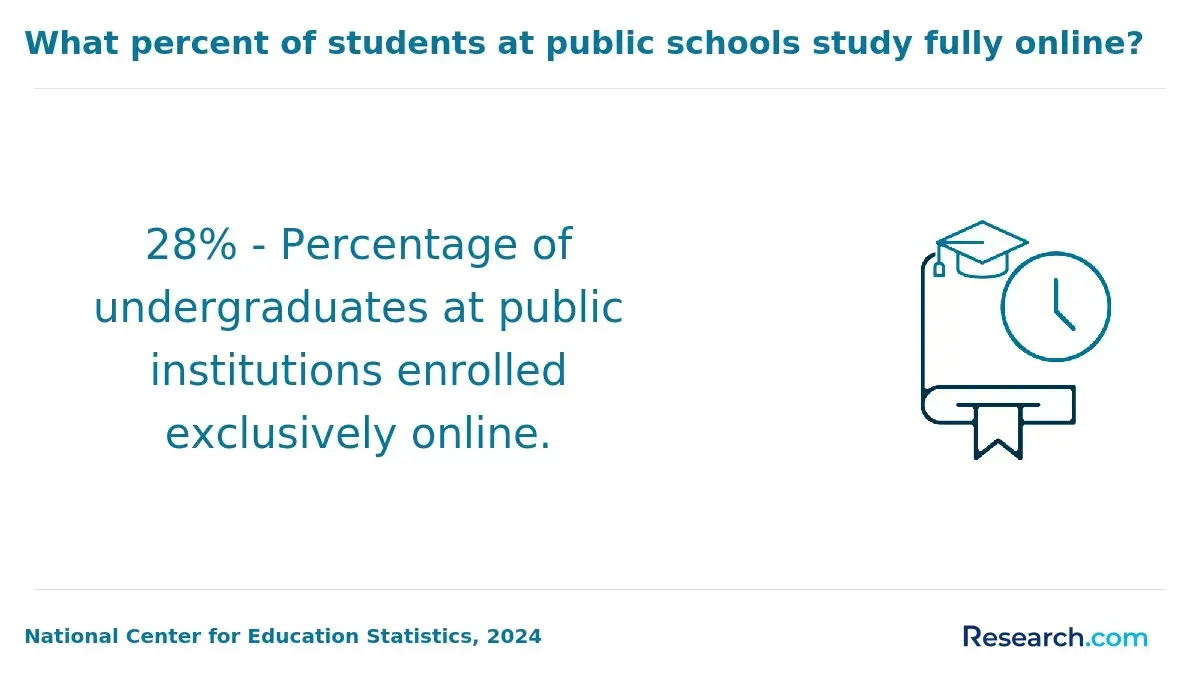
Open enrollment policies in online interior design bachelor's degree programs make higher education more accessible, especially for nontraditional students. Yet, these policies come with limitations that can impact student success. For instance, the National Center for Education Statistics reports an average retention rate of only about 58% for fully online bachelor's degree students, highlighting some challenges associated with flexible admission models. Below are some potential disadvantages of open enrollment for interior design programs.
- Less Selective Admissions: These programs often accept students with diverse academic backgrounds, which may affect the overall cohesion and preparedness of the cohort. This variability can challenge instructors who must address a wide range of skill levels.
- Varying Student Readiness: Many students enter with differing levels of self-management and discipline, which complicates pacing and instructional strategies. Students less prepared for the demands of online learning may struggle to keep up.
- Limited Cohort Interaction: The open, often asynchronous format reduces opportunities for real-time collaboration and networking, crucial for the creative field of interior design. This can hinder community building and peer support.
- High Demand for Self-Discipline: Flexible schedules require strong motivation and time management. Without these, students may find it difficult to complete coursework on time or stay engaged.
Students considering open enrollment online interior design degrees should weigh these limitations alongside the advantages of accessible admission. Evaluating personal learning styles is essential because the limitations of flexible admission interior design programs require a high level of self-direction.
For those also comparing costs, understanding electrical engineering online tuition costs can provide useful perspective on pricing within technical and design-related fields.
How Do I Manage Time in an Open Enrollment Online Interior Design Bachelor's Degree?
Managing time well is crucial for those enrolled in flexible, self-paced online interior design bachelor's degree programs. Research from the Online Learning Consortium shows that about 40% of online students face challenges with time management, which impacts their ability to complete courses. Applying effective strategies can help students maintain steady progress and meet their academic goals.
- Consistent Study Schedule: Establish regular blocks of time dedicated to coursework to build a routine. This approach minimizes procrastination and keeps important deadlines within reach.
- Task Prioritization: Rank assignments by urgency and difficulty to ensure critical work gets attention first. Utilizing to-do lists or digital planners aids in organizing and tracking tasks efficiently.
- Minimizing Distractions: Select a quiet, dedicated study space to enhance focus. Reducing interruptions from phones and social media during study periods boosts overall productivity.
- Regular Progress Tracking: Monitor your advancement through course milestones to stay accountable. Adjusting plans based on this feedback helps celebrate achievements and address challenging areas promptly.
What Graduates Say About Online Interior Design Bachelor's Degree Programs With Open Enrollment
- Augustus: "Choosing an online interior design bachelor's degree with open enrollment was perfect for my unpredictable work schedule. The flexibility allowed me to learn at my own pace, though staying motivated through the self-directed coursework was sometimes challenging. Now, I've applied what I learned directly to my freelance projects, which has opened new doors professionally."
- Antonio: "What drew me to the open enrollment option was the ability to start immediately without waiting for a traditional semester. Balancing family commitments alongside demanding assignments required serious time management, but the program's accessible resources helped me succeed. Earning this degree boosted my confidence and credibility in the competitive interior design field."
- Julian: "The open enrollment online interior design bachelor's program appealed to me because it embraced diverse learning styles and allowed me to revisit course material anytime. Navigating group projects remotely proved tricky, emphasizing the need for strong communication skills. Ultimately, this degree has been instrumental in advancing my career and expanding my design network globally."
Other Things You Should Know About Interior Design Degrees
Many programs do not require a portfolio for admission, but they may ask for a high school diploma or GED, transcripts, and a minimum GPA such as 2.0. If a portfolio is optional, it is often reviewed for placement, scholarship, or transfer decisions rather than admission.
Graduates can pursue careers as interior designers, space planners, or design consultants. They may also work in specialized fields like sustainable design or event coordination. Employers range from design firms and architectural companies to furniture manufacturers and retail businesses.
Online interior design bachelor's degree programs with open enrollment typically include courses in design principles, computer-aided design (CAD), color theory, lighting design, and furniture history. These are complemented by business-centric subjects like marketing, project management, and client relations to ensure a well-rounded education.
References
- Is interior design course expensive? - Home Design Institute - Paris https://homedesigninstitute.com/question/506/is_interior_design_course_expensive/
- 10 Time Management Tips To Help Interior Designers Work Less and Play More | Design Manager https://www.designmanager.com/blog/10-time-management-tips-to-help-interior-designers-work-less-and-play-more
- Open Admission Online Colleges: How Do They Work? https://www.accreditedschoolsonline.org/online-colleges/open-enrollment/
- Expert Interior Design Tips To Create Your Dream Space — Open Colleges https://www.opencolleges.edu.au/blogs/articles/the-interior-design-boom-all-you-need-to-know-about-interior-design-online
- Interior Design Programs | Berkeley College https://berkeleycollege.edu/academics/undergraduate-degrees/interior-design/index.html
- Interior Design | West Valley College https://www.westvalley.edu/academics/interior-design/
- Interior Design BA(Hons) (Online) https://www.falmouth.ac.uk/study/online/undergraduate/interior-design
- Distance and online learning Interior Design Degrees | Emagister https://www.emagister.co.uk/degrees/distance_learning_interior_design_degrees-tdist-395.htm
- The Top Benefits of Taking an Online Interior Design Course in 2024 https://idea-worldwide.com/blog/the-top-benefits-of-taking-an-online-interior-design-course-in-2024/
- Bachelor's Degree (BFA) in Interiors: Planning/Strategy/Design https://academics.uky.edu/programs/bachelors/interiors-planningstrategydesign