2027 Highest Level of Exercise Science Degree You Can Achieve: Academic Progression Explained

Co-Founder and Chief Data Scientist
The key question for many exercise science students is not simply whether to earn another degree, but which credential is necessary for the career they actually want. A bachelor's degree can support entry-level fitness, wellness, and health promotion roles. A master's degree can open doors to more specialized practice, management, and applied research. The highest academic path, however, is designed for people who want to produce original research, teach at the university level, lead complex programs, or influence policy and clinical practice.
According to the National Center for Education Statistics, enrollment in graduate-level exercise science programs increased by 12% over the past five years, reflecting growing demand for advanced credentials. That growth makes it more important to understand the full degree ladder before committing time, money, and career momentum to a graduate or doctoral program.
This guide explains the highest level of exercise science degree, what doctoral programs typically require, what students study, how long completion can take, which skills and certifications matter, and how to decide whether the investment fits your goals.
Key Benefits of the Highest Level of Exercise Science Degree
- Achieving the highest level in exercise science offers advanced expertise, enabling professionals to design complex interventions backed by evidence-based research, enhancing client outcomes significantly.
- Graduates often assume leadership or academic roles, influencing curriculum development and guiding future practitioners, thereby advancing the discipline's standards and practices.
- Doctoral-level holders gain unique research opportunities, contributing innovations that improve physical performance, rehabilitation techniques, and earning potential, typically exceeding national average salaries in the field.
What is the Highest Level of Exercise Science Degree You Can Earn?
The highest level of exercise science degree you can typically earn in the United States is a Doctor of Philosophy (PhD) in exercise science or a closely related field, such as kinesiology, human performance, biomechanics, or exercise physiology. This is generally considered a terminal research degree because it represents the highest academic credential in the discipline.
A PhD is different from an undergraduate or master's degree in both purpose and expectations. Bachelor's and master's programs usually emphasize applied knowledge, professional preparation, and technical competence. A doctoral program expects students to generate new knowledge through original research, advanced methodology, scholarly writing, and a dissertation.
This degree is most appropriate for students who want to become university professors, principal investigators, research scientists, senior program leaders, or policy contributors in areas related to physical activity, health, rehabilitation, and performance. It can also strengthen credibility for professionals who want to lead evidence-based initiatives in healthcare, sports performance, public health, or corporate wellness.
The academic path usually moves from a bachelor's degree to a master's degree and then to a doctorate, although some institutions may offer direct-entry doctoral routes for exceptionally prepared applicants. Students still exploring undergraduate or flexible entry points may compare an online sport science degree with campus-based exercise science programs before deciding whether a long-term doctoral path is realistic.
Enrollment data from the National Center for Education Statistics indicates about a 10% growth in doctoral health-related programs, including exercise science, between 2015 and 2020, which reflects increasing demand for highly trained professionals. Students considering adjacent healthcare pathways may also review online RN to BSN programs without clinical requirements if their goals extend beyond exercise science into nursing or broader health services.
What Are the Admission Requirements to the Highest Level of Exercise Science Degree?
Admission to doctoral exercise science programs is selective because these programs are built around advanced research, faculty mentorship, and long-term scholarly productivity. Only about 56% of applicants to doctoral programs in health-related fields are accepted, which shows why preparation matters well before the application deadline.
Most applicants need more than a transcript. Doctoral committees usually look for evidence that the candidate understands research, can handle graduate-level science, has a focused academic direction, and fits the expertise of available faculty. A strong application explains not only why the student wants a doctorate, but also what type of research contribution they are prepared to make.
- Prior degree: Many programs expect a relevant master's degree or equivalent academic preparation in exercise science, kinesiology, physiology, biomechanics, public health, rehabilitation science, or a related field.
- Academic performance: A minimum GPA of around 3.0 is often essential, although competitive applicants may need stronger records, especially in research methods, statistics, anatomy, physiology, and advanced science coursework.
- Research or professional experience: Prior work in a laboratory, clinical exercise setting, performance center, rehabilitation environment, or published research project can show readiness for doctoral-level work.
- Standardized tests: Some programs require GRE scores, while others have made them optional or no longer use them. Applicants should verify requirements directly with each target institution.
- Research proposal or statement of purpose: Programs often want a clear explanation of the applicant's research interests, preferred methods, career goals, and alignment with faculty expertise.
- Letters of recommendation: Strong references from professors, research supervisors, clinicians, or professional mentors help confirm the applicant's academic ability, independence, and persistence.
- Interview: An interview may be used to assess motivation, communication skills, research fit, and whether the applicant understands the demands of doctoral study.
A common mistake is applying broadly without identifying faculty fit. In doctoral exercise science admissions, a strong match with a professor's research agenda can be as important as meeting the minimum requirements. Applicants should read faculty publications, contact potential advisors when appropriate, and be ready to explain how their interests connect to the department's strengths.
Students comparing doctoral health pathways outside exercise science may also look at online DNP programs without dissertation to understand how professional doctorates differ from research-focused PhD programs.

What Core Subjects Are Studied in the Highest Level of Exercise Science Degree?
Doctoral exercise science coursework is designed to help students become independent scholars and expert problem-solvers. Instead of simply learning established principles, students examine unresolved questions, evaluate evidence quality, design studies, and apply advanced analytical tools to human movement, performance, health, and disease prevention.
The exact curriculum depends on the department and concentration. A student focused on biomechanics may spend more time on motion analysis and neuromuscular control, while a student focused on clinical exercise physiology may study chronic disease, cardiopulmonary function, and exercise testing. Still, most doctoral programs share several core academic areas.
- Advanced Exercise Physiology: Students examine cellular, molecular, cardiovascular, metabolic, and neuromuscular responses to exercise. This subject supports research into performance, adaptation, fatigue, aging, and chronic disease.
- Biomechanics and Motor Control: This area focuses on the mechanics of human movement and how the nervous system coordinates motion. It is especially relevant to injury prevention, rehabilitation, ergonomics, and sports performance.
- Research Methods and Statistics: Doctoral students learn how to design rigorous studies, select appropriate measures, analyze complex data, interpret findings, and recognize limitations in scientific evidence.
- Exercise Psychology and Behavior Change: This subject explores motivation, adherence, health behavior, mental health, and the social factors that influence physical activity participation.
- Clinical Exercise Physiology: Students study exercise assessment and prescription for people with chronic disease, disability, or elevated health risk, with emphasis on evidence-based intervention and safety.
Beyond formal coursework, doctoral students often complete seminars, independent studies, teaching assignments, grant-writing exercises, laboratory rotations, conference presentations, and dissertation research. These experiences are not add-ons; they are central to learning how exercise science knowledge is created, tested, challenged, and applied.
When comparing programs, applicants should look closely at laboratory resources, faculty publications, available datasets, research populations, assistantship expectations, and dissertation support. Choosing a program based only on course titles can be misleading because the strongest doctoral fit often depends on mentorship and research infrastructure.
Students weighing health-related academic options may find it useful to compare program rigor and admissions expectations with resources such as guides on accessible nursing programs, especially if they are deciding between exercise science and another healthcare field.
How Long Does It Take to Complete the Highest Level of Exercise Science Degree?
Doctoral degrees in exercise science, such as PhDs, usually require between four and seven years to complete after earning a bachelor's degree. Full-time students often finish within four to five years, while part-time students who are balancing employment, family responsibilities, clinical work, or teaching may take closer to six or seven years or beyond.
The timeline depends on program structure, prior graduate credit, research design, dissertation scope, and funding. A student entering with a master's degree may be able to move through coursework more quickly, but the dissertation still requires original research, data collection, analysis, writing, revision, and committee approval.
- Coursework: Doctoral students typically complete advanced classes in physiology, biomechanics, statistics, research design, and their chosen specialization.
- Comprehensive or qualifying exams: Many programs require students to demonstrate mastery before moving fully into dissertation work.
- Research development: Students refine their research question, secure approvals, develop protocols, and prepare for data collection.
- Dissertation: This stage can be the longest and least predictable, especially when human subjects, laboratory scheduling, participant recruitment, or complex analysis are involved.
- Assistantships or professional duties: Teaching, clinical hours, internships, or research assistantships can provide funding and experience but may also affect pacing.
National education statistics suggest that median completion time for health-related doctoral degrees is about six years, which is a useful planning estimate for many exercise science doctoral candidates. Applicants should ask programs about average time to completion, attrition, funding duration, dissertation expectations, and whether students commonly publish before graduating.
What Skills Do You Gain at the Highest Level of Exercise Science Degree?
The highest level of exercise science education develops skills that go beyond technical knowledge. Doctoral students learn how to ask better questions, evaluate imperfect evidence, lead complex projects, and communicate findings to audiences that may include scientists, clinicians, athletes, administrators, policymakers, and the public.
- Advanced analytical thinking: Students learn to evaluate complex datasets, critique research literature, identify methodological weaknesses, and draw careful conclusions from evidence.
- Research design and problem-solving: Doctoral training builds the ability to develop research questions, select valid measures, manage protocols, analyze results, and adapt when data or recruitment do not go as planned.
- Strategic decision-making: Graduates learn to balance scientific findings with real-world constraints, such as budget, staffing, participant safety, institutional priorities, and ethical requirements.
- Leadership: Advanced study often involves supervising students, coordinating research teams, managing timelines, and contributing to department or laboratory priorities.
- Scientific communication: Students practice writing manuscripts, presenting at conferences, defending research decisions, and translating technical findings for non-specialist audiences.
- Ethical judgment: Doctoral programs emphasize research integrity, responsible data handling, informed consent, professional boundaries, and accountability in clinical or applied settings.
One professional who completed this level of exercise science study described the experience as both demanding and formative. Managing a multifaceted research project required balancing data collection, analysis, team coordination, and unexpected findings. The challenge was not only maintaining scientific rigor, but also learning how to lead others through uncertainty.
That combination of independence and accountability is one of the main reasons doctoral training can prepare graduates for roles that require judgment, not just subject-matter knowledge.
What Certifications Can You Get With the Highest Level of Exercise Science Degree?
A doctoral degree can establish deep academic expertise, but certifications can still matter for applied roles. Employers in clinical exercise physiology, sports performance, rehabilitation, and wellness may want proof that a professional can translate research knowledge into safe, standardized practice.
Certification requirements vary by employer, state, setting, and patient population. A PhD does not automatically grant clinical licensure, and a certification is not the same as a license. Students should review the requirements for their intended role before assuming a degree alone will qualify them.
- Certified Exercise Physiologist (EP-C): Offered by the American College of Sports Medicine (ACSM), this credential validates knowledge in exercise testing, interpretation, and prescription. It can complement doctoral-level research training for professionals working in wellness, fitness, or clinical-adjacent settings.
- Registered Clinical Exercise Physiologist (RCEP): Also from ACSM, the RCEP credential reflects advanced clinical competence in working with medically complex patients and can strengthen qualifications for healthcare-based exercise physiology roles.
- Certified Strength and Conditioning Specialist (CSCS): Provided by the National Strength and Conditioning Association (NSCA), CSCS is widely recognized in sports performance, athlete development, and strength and conditioning environments.
- Certified Clinical Exercise Physiologist: This credential can support professionals focused on rehabilitation, chronic disease management, and specialized clinical exercise programming.
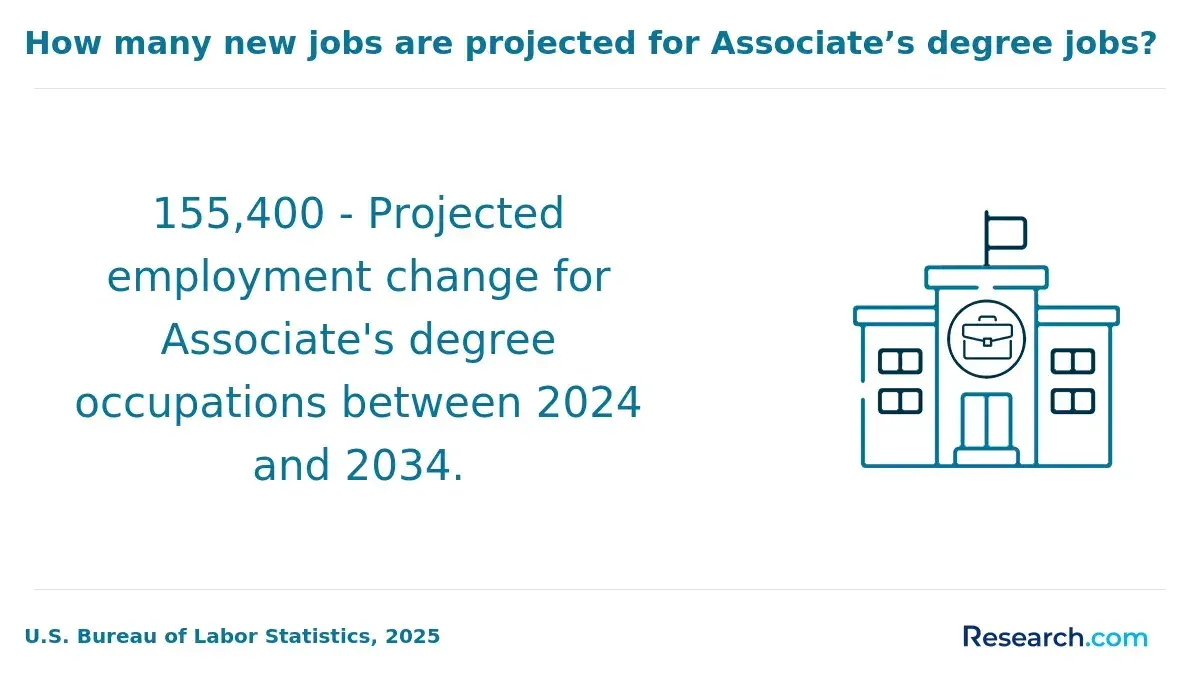
Advanced exercise science certifications serve as practical benchmarks of professional readiness and are increasingly relevant as employment growth in health and fitness careers outpaces average rates by 11% through 2032, according to the U.S. Bureau of Labor Statistics.
When choosing certifications, doctoral students should work backward from the job they want. A future professor may prioritize research publications and teaching experience, while a hospital-based exercise physiologist may need clinical credentials and supervised experience. A sports performance professional may benefit more from strength and conditioning credentials, field experience, and athlete-centered programming expertise.
Students interested in broader healthcare operations and leadership may also consider an affordable healthcare administration degree online as a complementary path to advanced exercise science training.
Breakdown of Private Fully Online For-profit Schools

What Careers Are Available for Graduates With the Highest Level of Exercise Science Degree?
A doctoral-level exercise science degree can lead to careers in research, higher education, clinical leadership, sports performance, public health, policy, and organizational wellness. The best fit depends on the student's dissertation focus, research productivity, certifications, teaching experience, and professional network.
The demand for experts in health specialties related to exercise science is expected to grow faster than average, according to the U.S. Bureau of Labor Statistics. Even so, a doctorate is not equally necessary for every role. It is most valuable when the position requires research leadership, advanced analysis, faculty eligibility, program design, or high-level decision-making.
- Academic Researcher or Professor: These professionals teach, mentor students, publish research, seek grants, and contribute to the scientific understanding of exercise, performance, rehabilitation, and health.
- Clinical Exercise Physiologist: In healthcare settings, these specialists may support exercise testing, rehabilitation, chronic disease management, and patient-centered exercise interventions.
- Wellness Program Director: Directors design, evaluate, and manage health promotion or fitness initiatives for employers, communities, universities, or healthcare organizations.
- Policy Advisor or Consultant: Graduates may use research expertise to inform public health guidelines, physical activity initiatives, injury prevention strategies, or community health programs.
- Corporate Health Researcher: These professionals evaluate workplace wellness strategies, employee health interventions, and outcomes tied to productivity, healthcare costs, and participation.
A graduate who earned the highest level of an exercise science degree described the path as challenging but career-changing. The combination of rigorous coursework and research demands required sustained discipline, but it also strengthened her ability to analyze complex health questions and lead collaborative projects.
For many graduates, the doctorate is most powerful when paired with a clear professional identity: researcher, educator, clinician, performance scientist, administrator, or consultant. Without that direction, students may spend years earning a credential that is impressive but not targeted enough for the roles they want.
What Is the Average Salary for Graduates of the Highest Level of Exercise Science Degree?
Salary outcomes for doctoral exercise science graduates vary widely because the degree can lead to very different work settings. A university researcher, hospital-based specialist, sports performance director, consultant, and corporate wellness leader may all hold advanced exercise science credentials but operate in different labor markets.
Graduates with the highest exercise science degrees typically start with salaries around $65,000 annually. With experience, professionals holding doctoral degrees in exercise science often surpass $120,000 per year, especially when they move into leadership, advanced clinical roles, administration, consulting, or specialized program direction.
- Early-career earnings: Starting salaries around $65,000 annually are common in roles where graduates are building experience in research, academia, clinical leadership, or specialized health positions.
- Long-term earning potential: Experienced professionals may surpass $120,000 per year when their work includes management responsibility, advanced specialization, grant leadership, consulting, or administrative oversight.
- Industry variation: Academic and research jobs may offer stability and scholarly advancement but can have more modest starting salaries. Healthcare, corporate wellness, and performance settings may offer different compensation patterns depending on credentials and responsibilities.
- Leadership and specialization: The highest salaries are usually tied to roles that combine subject expertise with leadership, business impact, clinical responsibility, or high-level research output.
Students should compare salary expectations against tuition, funding, assistantships, time out of the workforce, and the opportunity cost of spending several additional years in school. A fully funded doctoral program can change the financial calculation significantly, while an unfunded path may require more caution.
Those exploring cost-conscious healthcare education options may also review programs such as the cheapest RN to BSN pathways to compare how different health fields approach affordability and career mobility.
How Do You Decide If the Highest Level of Exercise Science Degree Is Right for You?
The highest level of exercise science degree is right for you if your goals require research expertise, doctoral-level credibility, university teaching eligibility, or leadership in specialized health, performance, or policy settings. It may not be necessary if your main goal is entry-level fitness work, general wellness coaching, or roles where certifications and experience matter more than a doctorate.
Graduates with a doctorate tend to experience about a 15% higher employment rate in specialized roles, highlighting potential career advantages. Still, the decision should be based on fit, not prestige alone.
- Career goals: Clarify whether you want to become a professor, research scientist, clinical leader, policy advisor, consultant, or senior program director. If your target job does not require a doctorate, a master's degree or certification may be more efficient.
- Research interests: A doctoral program is built around inquiry and original contribution. If you do not enjoy research design, writing, analysis, and long-term independent work, the program may feel misaligned.
- Time and financial investment: Be prepared for 3 to 6 years of study beyond earlier degrees and consider tuition, funding, assistantship workload, lost wages, relocation, and delayed full-time earnings.
- Prior academic preparation: Strong preparation in science, statistics, writing, and research methods is important for succeeding in rigorous doctoral coursework and dissertation work.
- Long-term benefits: Consider salary potential, career flexibility, influence, and access to specialized roles, then weigh those benefits against the demands of the program.
A useful test is to read recent dissertations and faculty publications from programs you are considering. If the questions excite you and match the kind of work you want to do for several years, doctoral study may be a strong fit. If the content feels disconnected from your career goals, a shorter or more applied credential may be the better choice.
Is Pursuing the Highest Level of Exercise Science Degree Worth It?
Pursuing the highest level of exercise science degree can be worth it for students who need a doctorate to reach their goals in academia, research, advanced clinical leadership, policy, or high-level program administration. It is less likely to be worth it for students who want a faster route into practice or who do not need doctoral training for their desired job.
According to the Bureau of Labor Statistics, those with doctoral-level education tend to enjoy higher median salaries and greater job security compared to individuals holding only bachelor's or master's degrees. In exercise science, the value of the degree is strongest when it leads to roles that specifically reward research capacity, advanced specialization, and leadership responsibility.
A terminal degree can deepen expertise in biomechanics, physiology, behavioral science, research methods, and evidence-based intervention. It can also improve credibility for grant applications, university teaching, scholarly publication, policy input, and specialized program leadership.
The trade-off is substantial. Doctoral study often requires four to six years beyond undergraduate studies, along with tuition, research demands, potential relocation, and possible lost income during full-time enrollment. The workload requires persistence, self-direction, academic writing ability, and tolerance for uncertainty, especially during dissertation research.
The degree is most worth it when three conditions are present: the career outcome requires or strongly rewards doctoral training, the student has a clear research or specialization focus, and the financial plan is realistic. Without those conditions, the prestige of the credential may not justify the cost and time involved.
What Graduates Say About Their Highest Level of Exercise Science Degree
- Major: "Completing my highest level of exercise science degree was a worthwhile investment despite the average cost of attendance being around $30,000 to $50,000. The program equipped me with advanced knowledge in biomechanics, physiology, and nutrition, which I now apply daily in my clinical practice. This degree truly elevated my career, opening doors to leadership roles I hadn't imagined before."
- Douglas: "Reflecting on the cost of pursuing the highest degree in exercise science, I initially worried about affordability, but the comprehensive training in research methods, exercise prescription, and health promotion made the expense feel justified. The core competencies I gained have allowed me to design tailored programs that improve client outcomes significantly. It has profoundly influenced my professional growth and credibility in the health field."
- Ezra: "With tuition fees averaging between $30K and $50K, my highest level exercise science degree was a significant financial commitment, yet it was crucial for honing my analytical and practical skills in sports performance and rehabilitation. This advanced education has enhanced my ability to collaborate with multidisciplinary teams and secure specialized job opportunities, proving to be an essential catalyst in my career advancement."
Other Things You Should Know About Exercise Science Degrees
The Commission on Accreditation of Allied Health Education Programs (CAAHEP) accredits PhD programs in Exercise Science in 2027. Accreditation ensures the program meets specific educational standards, providing assurance of quality and credibility for students pursuing advanced degrees.
To enroll in a PhD program in Exercise Science, candidates typically need a master's degree in a related field, relevant research experience, and standardized test scores like the GRE. Some programs may also require professional experience or published research.
References
- 6 Reasons a Master’s Degree in Exercise Science Can Transform Your Career https://experience.bastyr.edu/admissions-blog/masters-degree-in-exercise-science
- Accelerated Pathways: 3-Year B.S. and 4-Year M.S. | Exercise Science | ESU https://www.esu.edu/exercise-science/accelerated-pathways.cfm
- 5 Certifications in Sports Science https://www.sports-management-degrees.com/lists/5-certifications-in-sports-science/
- Accredited Exercise Science: Fitness Industry Prospectus https://www.essa.org.au/Web/Web/Resources/Tools-and-templates/AES-fitness-industry-prospectus.aspx
- Exercise Science Degree Careers: The complete list https://traineracademy.org/blog/exercise-science-careers/
- Exercise Science Degree Programs & Career Guide 2025 https://www.nutritioned.org/exercise-science-degree/
- Sport, Health and Exercise Science Graduate Outcomes https://www.bath.ac.uk/guides/sport-health-and-exercise-science-graduate-outcomes/
- Certifications You Can Earn with a Master’s in AES https://exsci.cuchicago.edu/certifications-with-masters-in-applied-exercise-science/
- Admission Requirements https://www.gannon.edu/academic-offerings/health-professions-and-sciences/undergraduate/applied-exercise-science/admission-requirements/
- What can you do with an exercise science degree? https://www.cmich.edu/blog/all-things-higher-ed/what-can-you-do-with-an-exercise-science-degree