2027 Which Schools Offer Flexible Start-Anytime Enrollment for an Exercise Science Program?

Co-Founder and Chief Data Scientist
Choosing an exercise science program is not only about the curriculum. For many working adults, career changers, military learners, caregivers, and students returning after time away, the first question is whether they can begin without waiting months for the next semester. Start-anytime enrollment is designed for that problem: it gives students more control over when they enter a program and, in many cases, how quickly they move through coursework.
That flexibility matters because over 45% of adult learners seek programs with flexible start dates to better balance work, family, and education. In exercise science, where students may be preparing for roles in fitness, wellness, rehabilitation support, coaching, or graduate study, delays can affect both career timing and motivation.
This guide explains how start-anytime exercise science programs work, what admissions and transfer processes usually look like, how online and campus formats differ, what to check for accreditation and employer recognition, and how to compare programs before enrolling.
Key Benefits of Flexible Start-Anytime Enrollment for a Exercise Science Program
- Flexible start-anytime enrollment allows students to begin exercise science programs monthly, rather than waiting for traditional semesters, enabling quicker progress and adaptation to personal schedules.
- Unlike rigid academic terms, these programs use rolling admissions and modular courses, providing continuous access to learning materials and assignments without the constraints of fixed deadlines.
- This model supports working adults and career changers by offering asynchronous coursework; online enrolments in exercise science increased by 35% in recent years, highlighting demand for flexible scheduling.
What does "start anytime" mean in an exercise science program?
In an exercise science program, “start anytime” usually means students are not limited to one or two traditional semester start dates. Instead, the school may offer rolling admission, monthly starts, short academic sessions, or self-paced modules that let admitted students begin coursework at several points during the year.
This does not always mean a student can enroll today and begin every class tomorrow. Schools still need time to review applications, process transcripts, confirm financial aid eligibility, and place students in the right courses. The key difference is that students typically do not have to wait for a fall or spring semester if they miss a deadline.
How start-anytime enrollment usually works
- Rolling or frequent admission: Applications may be reviewed throughout the year instead of during a narrow admissions window.
- Modular coursework: Courses may be broken into shorter units so students can enter the sequence more easily.
- Flexible pacing: Some programs allow students to accelerate, pause between modules, or take a lighter course load when work or family demands increase.
- Advising tied to the student’s schedule: Academic advisors may help students build a plan based on transfer credits, career goals, and availability.
The main benefit is reduced waiting time. A motivated student may be able to begin sooner and maintain momentum, while a working adult can choose a start date that fits around employment, caregiving, or relocation. This model is part of a broader shift toward flexible higher education, including a 35% rise in rolling admissions programs reported by Eduventures.
Students comparing flexible health-related pathways may also find it useful to look at how other programs handle scheduling, such as RN to BSN online programs without clinicals, where calendar flexibility is also a major concern for adult learners.
What are the admission requirements for start-anytime exercise science programs?
Admission requirements for start-anytime exercise science programs are usually similar to traditional programs, but the timeline is more flexible. Applicants still need to prove academic readiness, submit required documents, and meet school-specific standards before they can enroll.
Common requirements include:
- Prior education: Most undergraduate programs require a high school diploma or equivalent. Transfer applicants may also need official transcripts from every college previously attended.
- GPA standards: Many institutions require a cumulative GPA ranging from 2.0 to 3.0. More selective programs may apply higher standards or review applicants holistically.
- Standardized tests: SAT or ACT scores are often waived for online, start-anytime programs, especially for adult learners or students with prior college credit.
- Relevant experience: Professional, volunteer, coaching, fitness, athletic training, or health-related experience is not always required, but it can strengthen an application.
- Personal statement: Some schools ask applicants to explain their motivation, career goals, and readiness for independent or online study.
- Technology readiness: Online programs may require reliable internet access, a suitable computer, and the ability to use learning management systems, video platforms, and digital lab tools.
What applicants should confirm before applying
Students should ask whether admission is truly rolling or simply offered through several fixed start dates. They should also confirm when transcripts must be received, whether financial aid can be processed before the intended start date, and whether any prerequisite courses are required before entering major coursework.
Flexible calendars are not unique to exercise science. Students comparing different health and clinical education routes may also review online DNP programs without dissertation to see how flexible admissions structures are used in other degree pathways.
Can transfer students enroll immediately in start-anytime exercise science programs?
Transfer students may be able to enroll quickly, but “start anytime” does not always mean immediate placement into the exact courses they want. The main factor is how fast the school can evaluate prior credits and determine where the student fits in the exercise science curriculum.
Transfer applicants should pay close attention to these issues:
- Credit evaluation: Schools must review previous coursework to decide whether credits apply to general education, electives, prerequisites, or major requirements. This can take longer if course descriptions or syllabi are missing.
- Prerequisite alignment: Exercise science programs often build on anatomy, physiology, biology, biomechanics, kinesiology, statistics, or health science foundations. If prior courses do not match, students may need additional coursework before taking upper-level classes.
- Application timing: A program may have frequent start dates, but transfer students usually need extra documentation, including official transcripts and sometimes course catalogs or syllabi.
- Enrollment eligibility: Advisors may allow students to begin with general education or elective courses while the final credit review is completed, but this varies by institution.
A graduate of an exercise science degree program described the transfer process as a mix of optimism and uncertainty: “I hoped to start right away, but the credit evaluation took longer than expected. The school's online system helped streamline some steps, but waiting for prerequisite confirmation was nerve-wracking.”
The lesson for transfer students is simple: start the transcript process early. Request official transcripts, gather syllabi for science and health-related courses, and ask admissions staff for a realistic start-date estimate before making work or financial commitments.
Are start-anytime exercise science programs offered in both online and on-campus formats?
Start-anytime exercise science programs are most common online. The format works well with asynchronous courses, modular lessons, and frequent entry points. On-campus versions exist less often because labs, faculty schedules, equipment use, and cohort-based classes usually require fixed calendars.
- Online availability: Many start-anytime programs use online course delivery because students can access lectures, readings, assignments, and discussions without being tied to a classroom schedule.
- On-campus limitations: Campus programs often follow semester calendars. Courses involving movement analysis, exercise testing, or supervised lab work may require set meeting times and coordinated access to facilities.
- Hybrid options: Some programs combine online theory courses with scheduled in-person labs, intensives, practicums, or local field experiences. These can offer flexibility without removing hands-on learning.
- Scheduling flexibility: Online formats are usually better for students working irregular hours, living far from campus, or balancing caregiving responsibilities.
- Learning preferences: Students who want face-to-face coaching, direct equipment practice, or frequent faculty interaction may prefer a campus or hybrid model, even if it offers fewer start dates.
Data from the National Center for Education Statistics shows a majority of adult learners prefer online or hybrid health-related degrees due to flexibility. Students comparing online options in this field can also review an online sports science degree pathway to understand how distance-based study is commonly structured.
How does a start-anytime exercise science program structure academic terms and course modules?
Start-anytime exercise science programs usually replace the traditional long semester with shorter terms, modular courses, or rolling course starts. The goal is to make entry and progression easier while still preserving the sequence needed for science-based learning.
- Modular course design: Courses may be organized into focused units covering topics such as anatomy, exercise physiology, biomechanics, nutrition, health promotion, testing and assessment, or program design.
- Shortened academic terms: Terms typically range from four to eight weeks, significantly shorter than conventional 15-week semesters. This can help students complete credits faster, but it also increases weekly workload.
- Flexible pacing: Some programs allow students to take one module at a time; others let students stack courses if they can manage the intensity. Students should be realistic about work hours and study time.
- Continuous enrollment: Programs may keep enrollment open year-round, allowing students to begin at the next available module rather than waiting for a semester.
- Mastery-based progression: In some formats, students move forward after demonstrating competency in a module. This can benefit experienced learners but may be challenging for students who need more instructor-led structure.
What students should watch for
Shorter terms can be convenient, but they are not easier. A compressed anatomy or physiology course may require steady weekly study, regular assessments, and strong time management. Before enrolling, students should ask how long they have to complete each module, what happens if they fall behind, and whether labs or practical assignments have fixed deadlines.
How do tuition payment schedules work for start-anytime exercise science programs?
Tuition payment schedules in start-anytime exercise science programs often follow the student’s course or module enrollment rather than a traditional semester bill. This can make costs more manageable, but it also requires careful planning because each start date may create its own payment deadline.
- Per-term or per-module billing: Students may be charged only for the courses or modules they register for during a specific academic period. This can reduce the amount due upfront compared with a full-semester load.
- Installment plans: Some schools allow students to divide tuition into smaller payments across a term or module. Students should check for enrollment fees, late fees, or automatic withdrawal requirements.
- Payment deadlines: Deadlines typically occur shortly before or at the start of each module. Missing a payment deadline can delay access to coursework or affect registration.
- Financial aid timing: Students using federal aid, scholarships, employer tuition assistance, or military benefits should confirm how disbursement works with nontraditional start dates.
- Budgeting for pace: Accelerating through modules can shorten completion time, but it may also bring tuition charges closer together. Slower pacing may spread out costs but extend the overall timeline.
The best approach is to request a written cost breakdown before enrolling. Students should ask what is included in tuition, whether lab kits or software cost extra, and how refunds work if they drop a module after starting.
Students comparing affordability across healthcare education pathways may also review easy nursing schools to get into for broader context on admissions access and cost planning.
Do start-anytime exercise science programs accept transfer credits?
Many start-anytime exercise science programs accept transfer credits, but policies vary widely. Acceptance depends on the institution, the age of the credits, course grades, accreditation of the prior school, and whether the coursework matches the new program’s requirements.
- Evaluation of prior coursework: Schools compare previous classes with their own curriculum to determine whether credits meet general education, elective, prerequisite, or major requirements.
- Credit limits: Typically, schools allow only a portion of total credits to transfer-commonly between half and three-quarters of the overall program-to maintain academic integrity and ensure students complete enough coursework through the degree-granting institution.
- Prerequisites: Even accepted transfer credits may not replace required foundational courses if the content does not align with the exercise science sequence.
- Effect on start dates: Acceptance of transfer credits generally doesn't delay enrollment, so students can begin as soon as they're admitted without waiting for credit evaluations to finish. However, course placement may not be finalized until the review is complete.
One student who transferred into a start-anytime exercise science program said the process required preparation: “I wasn't sure how many of my previous credits would count, so I gathered all my transcripts and course descriptions upfront.”
His experience shows why transfer students should not rely on unofficial estimates alone. Before committing financially, students should ask for a transfer credit review, confirm which requirements remain, and understand whether any science courses must be retaken because they are outdated or do not meet program standards.
Are start-anytime exercise science degree programs accredited?
Some start-anytime exercise science degree programs are accredited, but students should verify this before enrolling. Flexible scheduling does not determine quality; accreditation does. A legitimate program should be offered by an institution recognized by an appropriate accrediting agency, and some programs may also hold specialized accreditation or approvals relevant to health and exercise science education.
Institutional accreditation is the baseline. Regional accreditors such as the Middle States Commission on Higher Education (MSCHE) or the Higher Learning Commission (HLC) review colleges and universities for academic quality, governance, student services, and financial stability. This matters for credit transfer, graduate school admission, employer recognition, and access to many forms of financial aid.
Some exercise science-related programs may also carry specialized accreditation or recognition from organizations such as the Commission on Accreditation of Allied Health Education Programs (CAAHEP). Students pursuing certification, graduate study, or roles connected to clinical, rehabilitation, or allied health settings should check whether their intended pathway requires a specific type of accredited education.
How to verify accreditation
- Check the school’s accreditation page and identify the accrediting agency by name.
- Confirm the accreditor through official databases or the accreditor’s own website.
- Ask whether accreditation applies to the institution, the specific program, or both.
- Confirm whether the program meets requirements for any certification, licensure, or graduate program you plan to pursue.
Students should be cautious with programs that advertise speed and flexibility but provide vague accreditation information. If the admissions team cannot clearly explain accreditation status, transferability, and credential recognition, that is a reason to pause before enrolling.
Do employers respect start-anytime exercise science degrees?
Employers generally care less about the phrase “start anytime” and more about the credibility of the school, the relevance of the curriculum, and the graduate’s skills. A start-anytime exercise science degree from an accredited institution can be respected when it prepares students for real workplace demands.
- Accreditation: Employers prioritize degrees from accredited institutions. Program-level recognition, when relevant, can add credibility, especially in health, fitness, wellness, or allied health environments.
- Alignment with industry standards: Strong programs cover core areas such as anatomy, physiology, kinesiology, biomechanics, exercise testing, program design, nutrition basics, and health behavior change.
- Practical skills development: Employers value graduates who can assess client needs, interpret fitness data, design safe exercise plans, communicate clearly, and adjust programs based on goals and limitations.
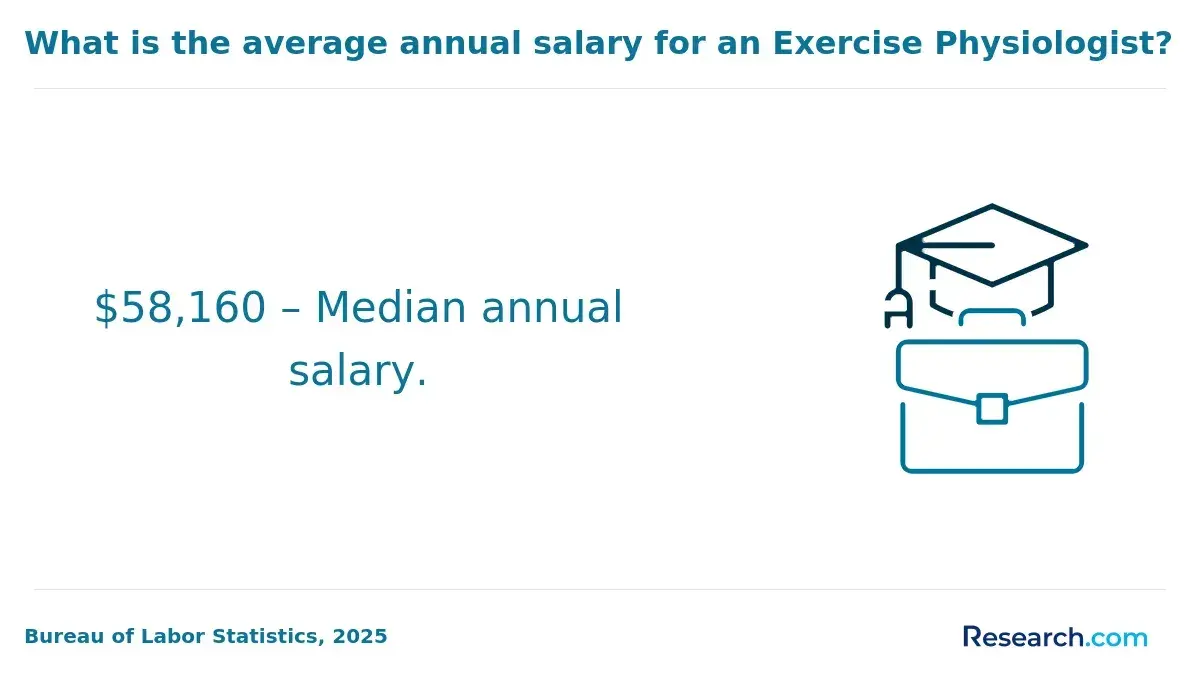
- Professional reputation and demand: The exercise science profession continues to enjoy strong demand, with an estimated growth rate of 9% through 2031 by the U.S. Bureau of Labor Statistics.
- Experience and competency focus: Internships, practicums, certifications, coaching experience, research projects, and applied portfolios often matter as much as the delivery format.
Students should not assume that flexible means inferior, but they also should not assume every flexible program is strong. Before enrolling, ask employers, graduate programs, or certification bodies whether the degree will support your intended goal.
For students comparing cost and employer value across healthcare-related credentials, reviewing cheap NP programs can provide a useful point of comparison for how affordability, accreditation, and professional recognition interact.
What factors should students consider when choosing a start-anytime exercise science program?
The best start-anytime exercise science program is not simply the one that lets you begin soonest. It is the one that fits your schedule, budget, academic background, and career goal without sacrificing credibility or student support.
- Accreditation: Verify institutional accreditation first. If your career path involves certification, allied health work, or graduate study, ask whether program-level accreditation or completion of NCCA-accredited certifications is relevant to your goal.
- Program format and pacing: Flexible start anytime enrollment Exercise Science programs often use online or hybrid models, allowing students-particularly working adults and career changers-to balance studies with other responsibilities. According to the National Center for Education Statistics, about 35% of postsecondary students participate in distance education, reflecting demand for adaptable scheduling.
- Credit transfer policies: Students with previous college credits or certifications should request a formal transfer review. Generous transfer policies can reduce both time and cost, but only if accepted credits apply to required courses.
- Cost and financial aid: Compare tuition, fees, lab materials, technology costs, books, payment plans, refund rules, and financial aid timing. For a broader affordability comparison, programs described as the cheapest RN to BSN program online show how students in health-related fields often evaluate total cost, not just tuition.
- Employer recognition: Ask whether graduates work in fitness, wellness, coaching, corporate health, rehabilitation support, or graduate programs. Outcomes should match the roles you want.
- Hands-on learning: Exercise science is applied. Look for labs, simulations, practicums, field experiences, case studies, or projects that help you practice assessment and program design.
- Student support: Flexible programs should still offer advising, tutoring, library access, career services, technical support, and clear communication from instructors.
- Alignment with career goals: Ensure the curriculum matches your target path. The Bureau of Labor Statistics projects a 9% growth in exercise science-related occupations between 2024 and 2034, but specific roles may require certifications, graduate education, or supervised experience.
A practical way to compare programs is to ask three questions: Will this credential be recognized? Can I realistically complete the workload with my current responsibilities? Will the curriculum move me toward the job, certification, or graduate program I want?
What Graduates Say About Flexible Start-Anytime Enrollment for a Exercise Science Program
- : "I was initially drawn to the exercise science degree program because the start-anytime enrollment dates let me begin without waiting for a traditional semester. That mattered because I was working and needed a schedule I could actually manage. The average cost was reasonable compared with other programs I researched, and after graduating, the degree helped me move forward as a fitness coach. — Major"
- : "Rolling start dates gave me the freedom to begin when the timing was right in my life. The program's cost was manageable, especially when I considered the career advancement opportunities it supported. The practical coursework has been valuable in my work as a physical therapist, particularly when developing tailored rehabilitation plans. — Douglas"
- : "Choosing an exercise science degree with start-anytime enrollment fit my unpredictable schedule. Although the cost was slightly higher than some alternatives, being able to start immediately and progress at my own pace made the decision worthwhile. The degree strengthened my credentials and credibility as a sports performance specialist. — Ezra"
Other Things You Should Know About Exercise Science Degrees
Yes, some start-anytime exercise science programs may limit the availability of certain specialized courses or electives to specific enrollment periods. Core or foundational courses are usually open year-round, but advanced topics might follow a more traditional semester schedule. Prospective students should review the course catalog carefully to ensure the required classes align with their intended start date.
In 2027, certain schools offer flexible, start-anytime enrollment options for exercise science degrees. Notable institutions include Purdue Global and University of Maryland Global Campus, known for their adaptable online platforms catering to students seeking flexible scheduling without traditional semester constraints.
Since most start-anytime exercise science programs are delivered online or in hybrid formats, students need reliable internet access and a computer capable of running educational software and video conferencing tools. Institutions typically specify minimum technical requirements during the application process. Ensuring these requirements are met is critical to maintaining consistent participation and access to course materials.
While start-anytime enrollment is more common among private and online institutions, some public universities have begun expanding flexible start dates to accommodate diverse student needs. However, availability varies widely by state and institution. Prospective students should check individual public universities' websites or contact admissions offices directly to verify whether start-anytime options exist for their desired exercise science program.
References
- Sport and Exercise Science BSc (Hons) | York St John University https://www.yorksj.ac.uk/courses/undergraduate/sport/sport-and-exercise-science-bsc-hons/
- How to Apply – Undergraduate Program | Department of Kinesiology https://kins.uconn.edu/exercise-science/how-to-apply-undergraduate-program/
- Interested in Kinesiology? A Degree in Exercise Science may be for you! | Bryan University Online© https://bryanuniversity.edu/faq/interested-in-kinesiology-a-degree-in-exercise-science-may-be-for-you/
- Sport and Exercise Science BSc Hons https://www.nottingham.ac.uk/studywithus/ugstudy/courses/UG/2026/Sport-and-Exercise-Science-BSc-Hons-U6USPEXS.html
- Exercise Science Careers: Paths with Degrees https://www.fitnessmentors.com/exercise-science-careers/
- 5 steps to start a fitness program https://www.mayoclinic.org/healthy-lifestyle/fitness/in-depth/fitness/art-20048269
- Exercise Science Standards and Course Development https://essa.secure-platform.com/course-accreditation/
- Exercise Science News https://www.setonhill.edu/academics/degrees-programs/undergraduate-programs/exercise-science-bs.html
- Welcome https://smk.sum.edu.pl/tuition-fees/
- Exercise Science https://www.salisbury.edu/academic-offices/health-and-human-services/health-sciences/exercise-science/