2027 Return on Investment (ROI) of an Exercise Science Degree Program

Co-Founder and Chief Data Scientist
An exercise science degree can be a smart investment for students who want careers in fitness, rehabilitation, wellness, sports performance, or preparation for graduate health programs. It can also be a poor fit if the program is expensive, the career goal requires additional credentials, or the student expects a high salary immediately after graduation.
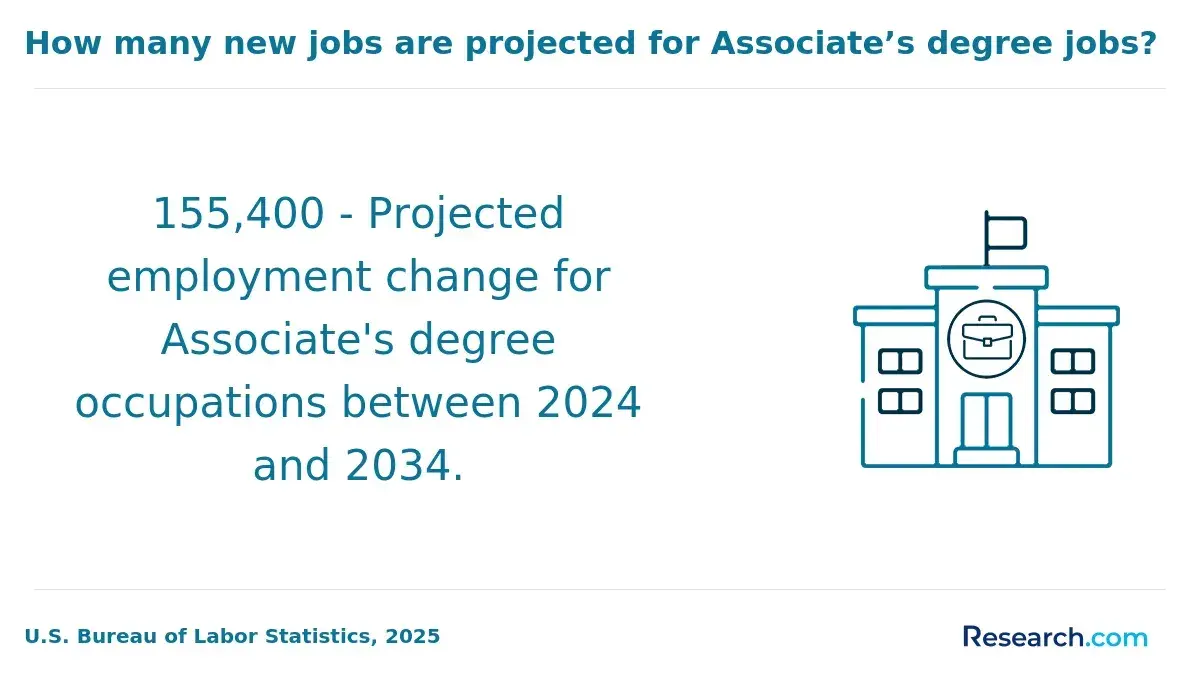
The financial question is straightforward: will the degree help you earn enough, soon enough, to justify tuition, fees, time out of the workforce, and possible student debt? Entry-level salaries averaging around $50,000 annually can make the degree worthwhile for some graduates, especially when costs are controlled. The U. S. Bureau of Labor Statistics projects an 11% growth rate for exercise physiologists over the next decade, which points to solid demand, but job title, location, experience, certification, and employer type all affect outcomes.
This guide explains how to evaluate the ROI of an exercise science degree by looking at program costs, financial aid, completion time, salary expectations, online versus on-campus formats, accreditation, promotion potential, and industries with stronger earning prospects.
Key Things to Know About Exercise Science Degree ROI
- Graduates with an exercise science degree report a median starting salary around $45,000, with 10% annual growth reflecting rising demand for health and fitness professionals.
- Exercise science skills offer career advancement in diverse sectors like rehabilitation, sports, and wellness, enhancing job stability amid evolving healthcare needs.
- Flexibility across industries such as corporate wellness, clinical research, and athletics supports sustained long-term earning potential and professional development.
How is ROI calculated for an exercise science degree program?
ROI for an exercise science degree is calculated by comparing the total cost of earning the degree with the income and career benefits it is likely to produce. A strong ROI does not always mean the cheapest program or the highest salary. It means the degree supports a realistic career path without creating debt that is difficult to repay.
A practical ROI review should include both direct and indirect costs, then compare those costs with expected earnings after graduation.
| ROI factor | Why it matters | What to check before enrolling |
| Tuition and fees | These are the most visible costs and often determine how much a student needs to borrow. | Compare total program cost, not just cost per credit. |
| Books, supplies, and lab costs | Exercise science programs may include science courses, lab work, equipment, and course materials. | Ask whether lab fees, software, testing materials, or equipment are included in published tuition. |
| Opportunity cost | Full-time study may reduce current income, while part-time study may delay graduation. | Estimate the income you may give up while enrolled. |
| Time to completion | The longer the program takes, the later you begin earning from the credential. | Review transfer credit policies, course availability, and internship requirements. |
| Post-graduation salary | Starting pay determines how quickly education costs can be recovered. | Look at outcomes for the specific jobs you plan to pursue, not only broad averages. |
| Long-term advancement | ROI improves if the degree leads to promotions, certifications, graduate study, or higher-paying specialties. | Confirm whether your target roles require additional credentials beyond the degree. |
A simple way to think about ROI is this: add every cost of the degree, subtract grants or scholarships that do not need to be repaid, then compare the remaining investment with expected salary growth over time. Students comparing ROI across healthcare education paths may also review affordable pharmacy degree programs to see how tuition, credential requirements, and earning timelines differ by field.
How much does an exercise science degree program cost?
The cost of an exercise science degree depends on school type, residency status, delivery format, enrollment pace, and whether the program includes clinical, lab, internship, or certification-related expenses. Tuition is only one part of the budget. A realistic cost estimate should include everything required to complete the degree and become competitive for jobs.
This matters because debt can reduce ROI even when graduates find employment. With the average master's degree graduate in the U.S. carrying over $66,000 in student loan debt, students should calculate the full cost before committing to a program.
- Tuition and mandatory fees: Public, private, in-state, out-of-state, online, and on-campus programs may charge very different rates. Always calculate the total degree cost rather than relying on a single semester estimate.
- Books and materials: Anatomy, physiology, biomechanics, nutrition, and research courses may require specialized textbooks, lab manuals, software, or assessment tools.
- Living and relocation expenses: Housing, food, transportation, parking, and relocation can significantly increase the cost of attendance, especially for students who move to attend an on-campus program.
- Opportunity cost: Students who reduce work hours or leave full-time employment to study should count lost income as part of the investment.
- Internship and fieldwork costs: Some placements may require commuting, background checks, health documentation, uniforms, liability coverage, or unpaid hours.
- Certification and exam costs: Depending on the career goal, graduates may pursue additional credentials after the degree, which can add fees and study time.
One recent graduate described the cost issue clearly: working part time helped reduce borrowing, but lab schedules, commuting, and moving away from family created expenses that were easy to underestimate. The lesson is not that the degree is too expensive for everyone. The lesson is that students should build a complete budget before enrolling and avoid assuming tuition is the only major cost.
What financial aid is available for exercise science degree programs?
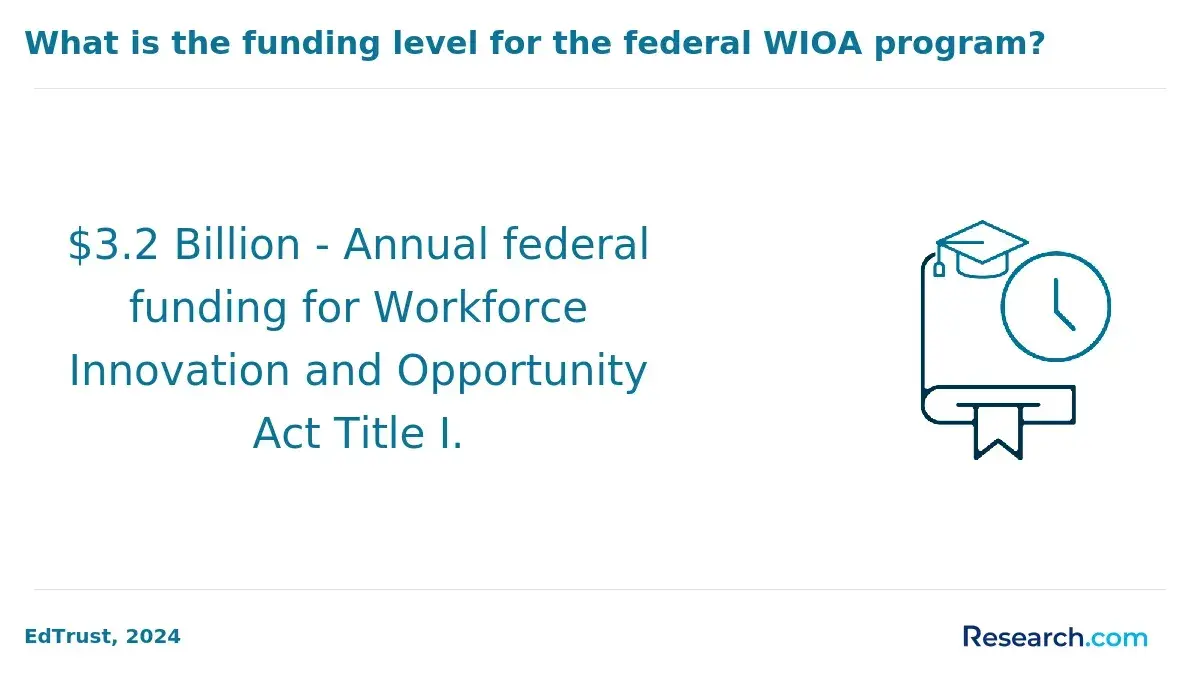
Financial aid can improve the ROI of an exercise science degree by lowering out-of-pocket costs and reducing the amount a student needs to borrow. Nearly 70% of graduate students rely on federal loans, so understanding aid options early can make a major difference in repayment pressure after graduation.
Students should prioritize aid that does not need to be repaid before turning to loans. They should also ask whether aid applies to summer courses, online enrollment, part-time study, internships, or required fees.
- Scholarships: Scholarships may be awarded for academic performance, financial need, athletic background, community service, professional goals, or department-specific criteria. They directly lower tuition costs and do not require repayment.
- Grants: Grants are typically need-based and may help cover tuition or living expenses. Because they usually do not require repayment, they can improve ROI more than loans.
- Fellowships: Fellowships are more common at the graduate level and may support research, teaching, or specialized study. They can provide funding while also adding experience that strengthens a resume.
- Employer tuition assistance: Students already working in fitness, healthcare, wellness, public safety, or education should ask whether their employer reimburses tuition for job-related coursework.
- Federal student loans: Federal loans must be repaid, but they generally offer borrower protections and repayment options that private loans may not provide.
- Departmental awards: Exercise science, kinesiology, health sciences, and allied health departments may offer smaller awards that are not widely advertised. Ask the program directly.
Before accepting any aid package, compare the net price after scholarships and grants, the amount you would need to borrow, and the likely monthly payment after graduation. A program with a higher advertised tuition may be more affordable if it offers stronger aid.
Breakdown of Public Fully Online Title IV Institutions (In Percentage)

How long does it take to complete an exercise science degree?
Completion time affects ROI because it determines when students finish paying tuition, stop accumulating education-related costs, and begin using the degree in the labor market. A faster program may reduce costs, but speed should not come at the expense of required labs, internships, or preparation for certifications and graduate study.
The best timeline depends on the student's starting credits, work schedule, finances, and career goal.
- Enrollment status: Full-time enrollment usually leads to faster completion, while part-time enrollment can help working students keep income and avoid excessive borrowing.
- Program format: Online, hybrid, accelerated, and on-campus formats may follow different calendars. Some offer shorter terms or more flexible pacing.
- Transfer credits: Prior coursework in biology, anatomy, physiology, statistics, or general education may reduce the number of credits needed.
- Experiential requirements: Internships, practicums, capstone projects, or thesis requirements can add time, but they may also improve employability.
- Course sequencing: Science courses often have prerequisites. Missing one course in a sequence can delay graduation if it is offered only at certain times.
- Work and family responsibilities: Flexible scheduling can protect income and prevent burnout, but it may extend the total time to degree completion.
One graduate who completed the program while working full time noted that the extended timeline made financial sense because it allowed steady income throughout school. The trade-off was a longer path to graduation. For many students, that trade-off is worthwhile if it limits debt and allows them to complete internships or applied projects with more focus.
Is ROI higher for online or on-campus exercise science programs?
ROI can be higher in either format. Online programs often reduce commuting, relocation, and opportunity costs, while on-campus programs may provide easier access to labs, equipment, faculty, peer networks, and local internships. Online enrollment in health-related degrees has increased by over 15% annually, reflecting broader acceptance of flexible learning, but students still need to confirm that the format fits the practical requirements of exercise science.
The right choice depends on the student's budget, schedule, learning style, and career target. Students who need flexibility may compare programs such as an online exercise science degree, while those who want frequent hands-on lab access may prefer a campus-based option.
| Factor | Online programs | On-campus programs |
| Cost control | May reduce commuting, relocation, parking, and schedule-related costs. | May include higher campus-based expenses but can offer local facilities and services. |
| Work flexibility | Often better for students who need to keep a job while studying. | May be harder to combine with full-time work if courses are scheduled during the day. |
| Hands-on learning | May use local placements, virtual tools, or intensive labs depending on the program. | Often provides direct access to labs, equipment, and in-person demonstrations. |
| Networking | Can be strong if the program offers active advising, virtual events, and local internship support. | Often provides easier informal networking with faculty, classmates, and nearby employers. |
| Employer perception | Usually depends more on accreditation, institution reputation, skills, and experience than format alone. | May feel more familiar to some employers, especially for roles requiring lab-heavy preparation. |
Students should ask online programs how they handle labs, practicums, internship placement, faculty support, and career services. Students comparing flexible healthcare pathways may also find useful format comparisons in easiest online DNP programs, particularly around how online programs manage clinical or applied requirements.
What is the average salary after earning an exercise science degree?
Salary after an exercise science degree varies by role, setting, location, experience, and additional credentials. The average exercise science graduate salary typically ranges from $40,000 to $65,000 annually in the United States. Entry-level salaries may be lower in general fitness roles and stronger in healthcare-adjacent, rehabilitation, corporate wellness, or specialized performance settings.
Students should not evaluate salary using the degree title alone. They should evaluate the job they plan to pursue with the degree.
- Industry: Healthcare, rehabilitation, sports performance, corporate wellness, public health, and fitness employers may have very different pay structures.
- Geographic location: Pay often differs between metropolitan, rural, and high-cost areas. Higher salaries may also come with higher living costs.
- Prior experience: Internships, coaching experience, personal training, research work, or healthcare exposure can help graduates compete for stronger roles.
- Specialization: Skills in clinical exercise physiology, biomechanics, strength and conditioning, wellness programming, or data-informed performance work may improve marketability.
- Certifications: Some employers prefer or require job-specific certifications, which can affect hiring and salary progression.
- Career level: Entry-level roles often start lower, while management, specialist, and advanced clinical paths may raise earning potential over time.
Students comparing salary outcomes across health-related degree options may also review a healthcare management degree online to understand how administrative career paths differ from exercise science roles. The strongest salary fit is the one aligned with the student's preferred work setting, tolerance for additional credentials, and long-term advancement plan.
Does an exercise science degree lead to promotions?
An exercise science degree can support promotions, but it does not guarantee them. Its value is strongest when paired with relevant work experience, measurable results, leadership skills, and any certifications required for the target role. In health, fitness, rehabilitation, and wellness settings, employers may use degrees as screening criteria for coordinator, specialist, supervisor, or management positions.
Promotion potential is one reason ROI should be measured over several years, not only by the first job after graduation.
- Credential requirements: Some employers require a bachelor's or graduate degree for advancement into leadership, clinical support, wellness management, or specialized roles.
- Leadership preparation: Coursework in physiology, program design, assessment, research, and health behavior can support supervisory or program management responsibilities.
- Employer tuition reimbursement: Degree holders may become eligible for additional education support, especially if their employer values continued professional development.
- Internal promotion policies: Organizations may give preference to employees who combine formal education with strong job performance.
- Experience synergy: The degree is most powerful when it reinforces practical achievements, such as improving client outcomes, managing wellness programs, supporting rehabilitation teams, or leading staff training.
Working professionals who are comparing advancement-focused healthcare credentials may also review cheapest FNP programs online to see how cost, licensure, and promotion pathways differ in nursing. For exercise science graduates, the promotion case is strongest when the degree fills a specific requirement for the next role rather than serving as a general credential with no career plan.
Which industries offer the best ROI for exercise science graduates?
The best ROI for exercise science graduates usually comes from industries where the degree is directly connected to employer demand, career ladders, and specialized skills. ROI is weaker when graduates enter low-paying roles with limited advancement or when they need additional credentials they did not budget for.
- Healthcare and rehabilitation: Hospitals, clinics, rehabilitation centers, and therapy-adjacent settings can provide stable demand and clearer advancement paths. Students should verify role requirements because some positions require licensure, certification, or additional education.
- Sports performance and strength and conditioning: These roles can be rewarding for graduates interested in athletes, training systems, and performance outcomes. Income may depend heavily on experience, certifications, reputation, and employer type.
- Corporate wellness and occupational health: Employers investing in employee health may hire graduates to support wellness programs, injury prevention, fitness initiatives, or health education. These roles can offer a balance of stability and program leadership opportunities.
- Fitness, coaching, and personal training: This field may be accessible, but earnings can vary widely by location, clientele, sales model, and certifications. ROI is stronger for graduates who build a clear niche or move into management.
- Research and academia: Research assistant, lab, and teaching-related paths can suit students interested in graduate school, biomechanics, physiology, or public health. Longer-term ROI may depend on advanced degrees.
- Government and public health: Public agencies, community health organizations, and prevention-focused programs may offer stable employment and mission-driven work, though salary growth may be moderate.
Students should match industry choice to their financial needs and professional strengths. A graduate who wants predictable income may evaluate healthcare or corporate wellness differently from a graduate who wants sports performance entrepreneurship. Those comparing cost-control strategies in advanced healthcare education may also review the cheapest DNP program online to see how minimizing debt can affect ROI in a different healthcare pathway.
Does accreditation affect ROI for an exercise science degree?
Accreditation can affect ROI because it influences financial aid eligibility, credit transfer, employer confidence, and preparation for further study or credentials. In exercise science, students should look at both institutional accreditation and any program-level recognition that may matter for their career goals.
Institutional accreditation is especially important because it is commonly tied to access to federal financial aid and the transferability of credits. Without recognized accreditation, students may face barriers when applying to graduate programs, seeking employer reimbursement, or proving that their education meets expected standards.
Accreditation also helps reduce career risk. Employers may view accredited programs as more reliable because they have been reviewed against established academic standards. For students pursuing roles that may require certification, licensure, or graduate admission, attending an accredited institution can help avoid preventable eligibility problems.
Before enrolling, students should verify accreditation directly through the school's website and recognized accreditor sources. They should also ask the program which certifications, graduate programs, or career pathways its curriculum is designed to support. A lower-cost program may still be a poor investment if its accreditation status limits employment or further education options.
Is an exercise science degree worth it?
An exercise science degree can be worth it for students who choose an affordable, accredited program and use the degree toward a specific career path in fitness, wellness, rehabilitation support, sports performance, public health, or graduate health preparation. It is less likely to be worth it for students who borrow heavily without confirming salary expectations, job requirements, or whether additional credentials will be needed.
The return on investment depends on tuition expenses, fees, aid, debt, format, and duration of study, which typically spans two to four years. Graduates often earn between $50,000 and $60,000 annually in entry-level roles such as physical therapy assistants or fitness trainers, though requirements for specific jobs can vary by state, employer, and credential. Salary growth may require experience, certifications, specialization, or advanced education.
The degree is most likely to pay off when students do the following before enrolling:
- Choose an accredited program with transparent total costs.
- Limit borrowing through scholarships, grants, employer support, or lower-cost formats.
- Confirm the job titles they want and the credentials those roles require.
- Build experience through internships, labs, coaching, research, or healthcare exposure.
- Compare likely earnings with expected loan payments after graduation.
The growing focus on preventive health supports demand in health and wellness fields, but demand alone does not guarantee a strong personal ROI. The best decision is based on the student's target career, program cost, debt tolerance, and willingness to pursue additional qualifications if needed.
What Graduates Say About The ROI of Their Exercise Science Degree
- : "Choosing an exercise science degree as a traditional student felt like a strategic investment, but I had to think carefully about the cost. With the average cost around $40,000 to $60,000, I wanted a path that would lead to real opportunities. Earning a role in sports rehabilitation helped confirm that the investment made sense for my goals. — Stephanie"
- : "Completing an online exercise science degree gave me the flexibility I needed without sacrificing rigor. Paying approximately $30,000, which was below traditional program averages, made the decision easier to justify. Moving into a corporate wellness coordinator role soon after graduation made the ROI feel practical and worthwhile. — Dora"
- : "As a part-time student, I chose exercise science because I needed to manage costs while continuing to work. My expenses were closer to $25,000 spread out over several years, and that slower pace helped me avoid unnecessary financial pressure. The degree strengthened my credibility and contributed to promotions in physical therapy practice management. — Leila"
Other Things You Should Know About Exercise Science Degrees
Yes, work experience can significantly impact the ROI of an exercise science degree. Practical experience through internships or entry-level jobs helps graduates develop skills that increase employability and earning potential. Employers often value hands-on experience in addition to academic credentials in this field.
Specializing in areas like sports medicine, biomechanics, or clinical exercise physiology can enhance career prospects and salary potential. Specialized knowledge often opens doors to higher-paying jobs and positions of greater responsibility, thereby improving the return on investment.
References
- The University Courses With The Highest Return On Investment - Here Student Living https://herestudents.com/the-university-courses-with-the-highest-return-on-investment/
- 10 Most Affordable Exercise Science and Kinesiology Bachelor's Programs - The Best Health Degrees https://www.besthealthdegrees.com/most-affordable-exercise-science-bachelors/
- The Economics of Accreditation: Costs, Benefits, ROI - Course Accreditation https://course-accreditation.com/blog/the-economics-of-accreditation-costs-benefits-roi/
- 6 Reasons a Master’s Degree in Exercise Science Can Transform Your Career https://experience.bastyr.edu/admissions-blog/masters-degree-in-exercise-science
- Top 20 Careers With a Master’s in Exercise Science | PLNU https://www.pointloma.edu/resources/health-sciences/top-20-careers-masters-exercise-science
- Tuition and Financial Aid | BS in Exercise Science https://www.qu.edu/schools/health-sciences/programs/bachelors-degree/bs-in-exercise-science/tuition-and-financial-aid/
- What can I do with an Exercise Science degree? Jobs & Career Paths - Concordia University | Student Success Centre - Concordia University https://www.concordia.ca/students/success/career-planning/paths/exercise-science.html
- Is College Worth it? | Return on Investment Analysis of College Degree https://educationdata.org/college-degree-roi
- The Most Popular College Degrees Ranked by Return on Investment (ROI) After 5 Years in the Workforce - StudentChoice.org https://www.studentchoice.org/news/the-most-popular-college-degrees-ranked-by-return-on-investment-roi-after-5-years-in-the-workforce/