2027 Part-Time vs Full-Time Online Interior Design Bachelor's Degree Programs

Co-Founder and Chief Data Scientist
Imagine a mid-career professional balancing a full-time job and family responsibilities while aiming to break into the interior design field. Financial constraints and time management challenges prompt a difficult question: should they pursue a full-time online Interior Design bachelor's degree for quicker entry or opt for a part-time path that offers more flexibility? According to recent industry data, over 60% of online Interior Design students juggle work alongside their studies, highlighting the demand for adaptable learning schedules.
This article examines the differences between part-time and full-time online Interior Design bachelor's degree programs to help prospective students make informed decisions aligned with their personal and professional goals.
Key Benefits of Part-Time vs Full-Time Online Interior Design Bachelor's Degree Programs
- Part-time online interior design programs offer greater scheduling flexibility, allowing students to balance classes with work or family commitments more effectively than full-time options.
- Full-time programs typically enable degree completion in 3-4 years, while part-time study may extend this to 5-7 years, affecting career entry timing.
- Balancing education with personal responsibilities is often easier in part-time formats, as the reduced course load lessens stress and supports sustained academic performance.
What Is the Difference Between Part-Time and Full-Time Online Interior Design Bachelor's Degree Programs?
Part-time and full-time online interior design bachelor's degree programs differ significantly in workload, pacing, and time commitment. About 30% of online students choose part-time enrollment, valuing its flexibility to balance education with other life responsibilities. These choices reflect important distinctions in how students experience and manage their degree progression and schedule.
The structural differences between these enrollment options can guide students in selecting the best path for their circumstances.
Part-Time Online Programs
- Course Load: Students usually take fewer than 12 credit hours per term, allowing them to manage their studies alongside work or family obligations.
- Scheduling Flexibility: These programs offer more adaptable course selections and pacing, letting students design a schedule that fits their availability.
- Study Intensity: The lighter term load means students can spread their academic responsibilities over a longer period, absorbing material at a more relaxed pace.
- Duration Variation: While the overall program length extends, the flexible nature often helps maintain steady progress without overwhelming commitments.
Full-Time Online Programs
- Course Load: Full-time students typically enroll in 12 or more credit hours each semester to complete the degree faster.
- Scheduling Structure: These programs usually follow a more rigid schedule with back-to-back classes requiring consistent weekly engagement.
- Study Intensity: Full-time study demands a focused and immersive approach, supporting rapid mastery of course content within compressed timelines.
- Time Commitment: Students need to dedicate substantial hours weekly to maintain pace and meet academic expectations.
For working adults and nontraditional learners weighing these options, it can be useful to explore FAFSA approved online colleges that offer online interior design bachelor's degree programs with varying flexibility and duration to suit diverse needs.
How Long Does It Take to Complete Part-Time vs Full-Time Online Interior Design Bachelor's Degrees?
The time it takes to complete an online interior design bachelor's degree can vary widely based on enrollment type and student pace. According to the National Center for Education Statistics, full-time students typically finish a bachelor's degree in about four years, while part-time learners often extend beyond six years. These differences highlight how enrollment intensity influences program duration and progression.
Part-Time Online Programs
- Flexible Credit Load: Part-time students usually take between 6 to 9 credit hours per term, allowing them to balance education with work or personal commitments, which naturally slows degree completion.
- Extended Course Sequencing: Due to lighter course loads, prerequisites and advanced classes may be spread out over multiple terms, adding to the total time required.
- Variable Scheduling: Some courses might be unavailable each term, causing part-time students to wait or adjust their plans, especially in online interior design programs with limited offerings.
- Asynchronous Learning: Many part-time online courses are asynchronous, providing schedule flexibility but maintaining set deadlines that shape pacing.
Full-Time Online Programs
- Standard Credit Load: Full-time students generally enroll in 12 to 15 credit hours each term, enabling steady progress through required courses and faster completion.
- Consistent Scheduling: Consecutive semesters or terms with minimal breaks help maintain momentum and reduce time to degree.
- Curriculum Structure: Predetermined course sequences promote efficient progression through prerequisite and core interior design classes.
- Focused Pace: The continuous and intensive study format supports finishing the degree in approximately four years on average.
Prospective students comparing typical duration for part-time and full-time online interior design degrees may also want to explore options such as accelerated online programs that can shorten overall completion time.
What Is the Workload for a Part-Time vs Full-Time Online Interior Design Bachelor's Degree?
Full-time students enrolled in online interior design bachelor's degree programs generally manage a heavier academic schedule, often taking four to five courses each term. This workload demands roughly 30 to 40 hours weekly, including time devoted to studying, projects, assignments, and participating in online discussions. The accelerated pace means students face regular deadlines that require consistent focus and effective time management. In contrast, part-time students tend to handle only one or two courses per semester, reducing their weekly study hours to about 10 to 20.
This slower rhythm provides greater flexibility for balancing education with work or personal commitments while allowing more time for coursework. The academic intensity also varies between the two formats. Full-time learners frequently juggle multiple overlapping deadlines and more complex projects, such as digital drafts and design presentations, necessitating strong organizational skills and multitasking abilities.
Part-time students encounter fewer simultaneous demands, giving them the chance to concentrate more deeply on individual assignments, though this can extend the total time needed to complete the program. Both paths require discipline and proactive planning, especially since online learning involves minimal direct supervision. While full-time students contend with faster turnaround expectations, part-time learners must maintain steady progress over a slower timeline to succeed.
Which Option Is Better for Working Adults in an Online Interior Design Bachelor's Degree?
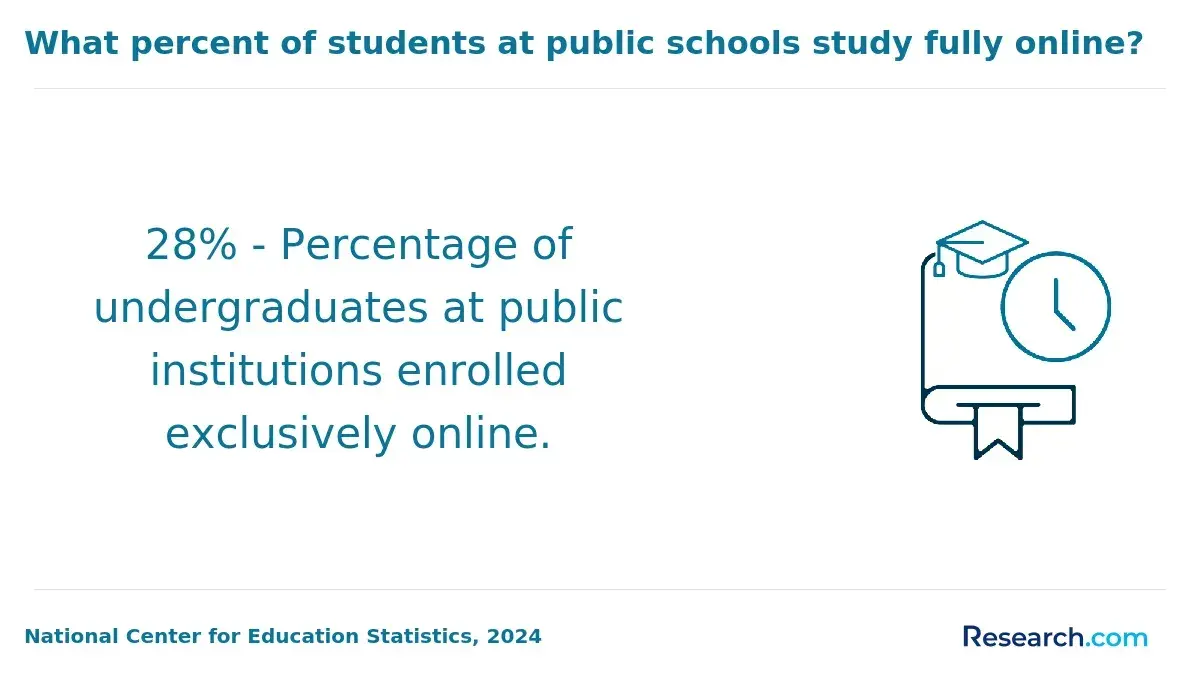
Both part-time and full-time online interior design bachelor's programs can accommodate working adults, depending on their individual availability and ability to balance various responsibilities. The National Center for Education Statistics reports that approximately 40% of students taking distance education courses are also employed, highlighting the need for adaptable study options. Below are key differences to consider when selecting a path.
- Scheduling Flexibility: Part-time programs often offer more adaptable schedules, enabling students to balance coursework with job and family demands. Full-time tracks are typically more structured and require consistent weekly attendance.
- Workload Intensity: Full-time students face a heavier and more concentrated workload, which may conflict with busy work or personal lives. Part-time students experience a lighter weekly burden by spreading classes over a longer period.
- Time Management: Managing multiple projects simultaneously comes with full-time study, necessitating excellent organizational skills. Part-time learners can focus on fewer assignments at once, easing stress for those with limited free time.
- Pace of Completion: Full-time enrollment usually accelerates degree completion, often within four years. Part-time study extends program length but can better accommodate long-term life balance.
A working professional who recently enrolled in an online interior design bachelor's program described the experience as "both rewarding and challenging." She noted that juggling coursework alongside a full-time job required deliberate planning and occasional sacrifices, especially during intensive project weeks. However, she appreciated the flexibility to adjust her study schedule around peak work periods. "It's a constant balancing act, but being able to progress at my own pace without stepping away from my career has made it worthwhile," she shared, emphasizing how individual circumstances shape the optimal approach to online education.
Can I Switch From Part-Time to Full-Time in an Online Interior Design Bachelor's Degree?
Many online bachelor's degree programs in interior design offer students the option to switch between part-time and full-time enrollment as their academic progress or personal schedules evolve. This flexibility is increasingly common, with nearly 40% of students in nontraditional online learning reporting at least one change in their enrollment status during their program. Such adaptable pathways allow students to better manage work commitments, family responsibilities, and shifting educational objectives.
When considering how to switch from part-time to full-time interior design online, it's important to understand that these options reflect a growing trend in higher education that supports varied pacing. This adaptability helps learners align their studies with life circumstances without sacrificing long-term degree goals. Before changing enrollment status in online interior design programs, students should consider several factors, including the impact on academic workload and course pacing. Full-time study demands a higher weekly time commitment and faster course completion, requiring strong time management skills.
Additionally, program policies often mandate approval from academic advisors or administrators and impose deadlines for making such transitions during academic terms. These changes may also affect graduation timelines and availability of certain resources. Students seeking more information on flexible degree options might also explore related fields, such as a criminal justice online degree, which similarly accommodates diverse enrollment needs.
How Does Tuition Differ for Part-Time vs Full-Time Online Interior Design Bachelor's Degrees?
Tuition costs for online interior design bachelor's degrees can vary widely depending on whether a student enrolls part time or full time, as well as how institutions bill for their programs. On average, the cost for these programs ranges from $15,000 to $40,000, influenced heavily by credit load and pacing. The following details how tuition typically differs between part-time and full-time online study.
Part-Time Online Programs
- Per-Credit Fees: Tuition is often calculated on a per-credit basis, meaning students pay only for the classes they take each semester, which allows for flexibility but can extend overall costs.
- Extended Payment Period: Spreading course loads across multiple semesters results in smaller payments over time but may increase the total tuition expense due to longer enrollment.
- No Flat Rates: Many schools charge part-time students strictly by credit without offering discounted rates or flat fees, so cumulative costs can add up depending on program length.
- Flexible Scheduling: Because part-time students register for fewer credits, they can better manage tuition payments alongside personal and professional commitments.
Full-Time Online Programs
- Higher Upfront Cost: Full-time study usually involves registering for a full credit load each term, requiring larger semester payments that may be challenging but can shorten time to degree completion.
- Potential Flat Fees: Some institutions offer flat tuition rates or reduced per-credit pricing to full-time students, making this option more cost-efficient per credit.
- Accelerated Completion: Paying more upfront often means finishing the program faster, which can reduce overall living and indirect costs.
- Less Payment Frequency: Fewer semesters mean fewer tuition bills, easing long-term financial planning despite higher individual payments.
A graduate of an online interior design bachelor's degree shared that managing tuition as a part-time student required careful budgeting, especially since payments were spread over many terms. He mentioned, "It was a balancing act between keeping up with course fees each quarter and maintaining my job." He also noted feeling anxious early on about the total cost increasing because of the extended timeline. However, this pacing allowed him to avoid debt accumulation and juggle family responsibilities. Reflecting on full-time tuition, he admitted the upfront costs would have been daunting but acknowledged it might have shortened the stress period overall.
Which Option Offers Better Financial Aid for an Online Interior Design Bachelor's Degree?
Financial aid availability for online interior design bachelor's degree students largely depends on enrollment status, individual eligibility requirements, and specific institutional policies. While full-time students often have access to a wider range of aid, part-time learners are still eligible for meaningful financial support. For example, approximately 35% of part-time online college students receive some form of financial aid, demonstrating that assistance extends beyond full-time enrollment. Below is a comparison of common financial aid types for part-time versus full-time online interior design students.
- Federal Pell Grants: These grants are awarded mainly based on financial need. Full-time students generally qualify for the maximum amount, whereas part-time students receive prorated funds depending on their course load.
- Federal Direct Student Loans: Both enrollment groups can access subsidized and unsubsidized loans. However, full-time students usually have higher borrowing limits, potentially allowing greater loan amounts.
- Institutional Scholarships: Most college scholarships favor full-time students, but some institutions offer awards specifically for part-time students who balance work and study commitments.
- State Grants: Similar to Pell Grants, state-funded aid often prioritizes full-time enrollees, though eligibility varies widely by state and some accommodate part-time students.
- Work-Study Programs: These programs typically require at least half-time enrollment. Part-time students meeting this threshold may qualify, but funding limitations generally increase full-time students' chances of receiving awards.
What Are the Pros and Cons of Part-Time vs Full-Time Online Interior Design Bachelor's Degrees?
Choosing between part-time and full-time online interior design bachelor's degree programs requires carefully considering flexibility, workload, and career objectives. Each approach offers distinct advantages and challenges that affect students' pace, focus, and overall experience. Below is a clear comparison of the pros and cons of each option.
Pros
- Flexible Scheduling: Part-time programs allow students to balance work, family, or other commitments with a lighter course load each semester.
- Reduced Stress: The slower pace of part-time study often enables more thorough learning and less pressure.
- Faster Completion: Full-time study offers an accelerated path, ideal for motivated students eager to enter the workforce quickly.
- Immersive Learning: Full-time programs provide intensive engagement with coursework, accelerating skill acquisition.
Cons
- Extended Duration: Part-time degrees often take twice as long, delaying career advancement and possibly increasing total tuition costs.
- Ongoing Expenses: Longer enrollment in part-time programs may lead to accumulating fees and living costs.
- High Time Commitment: Full-time study can require a significant daily investment, challenging for those with jobs or family duties.
- Potential Burnout: The intensity of full-time programs sometimes causes burnout and limits time for practical experience outside class.
Students comparing flexibility and workload differences in online interior design bachelor's degrees should weigh which factors matter most. For those interested in accelerating their education further, considering an accelerated masters in psychology may provide insight into intensive program formats that balance speed with rigor.
Does Part-Time vs Full-Time Affect Career Outcomes in an Online Interior Design Bachelor's Degree?
Choosing between part-time vs full-time online interior design degree career impact often concerns prospective students balancing work and education. A 2023 survey by the National Association of Colleges and Employers found that 72% of employers prioritize skills and portfolio quality over how quickly a degree was earned. This trend reflects a shift toward skills-based hiring in design fields, regardless of enrollment type.
Factors influencing career outcomes in online interior design programs include:
- Skill Development: Whether studying part-time or full-time, mastery of essential design software, material knowledge, and creative problem-solving drives success. These competencies come from both coursework and hands-on projects that prepare students for real-world challenges.
- Work Experience Integration: Part-time students often apply their learning directly to current jobs, enhancing practical understanding. Full-time students build experience through internships or freelance projects, both routes strengthening their professional portfolios.
- Degree Credibility: Accreditation from recognized design education bodies is critical and matters more than enrollment status, signaling to employers that the curriculum meets industry standards.
- Progression Opportunities: Employers value candidates who engage in ongoing professional development. Both part-time and full-time learners can pursue certifications and additional learning to stay competitive in the field.
Prospective students should weigh how enrollment type fits their lifestyle and career goals in interior design. Those looking for flexibility might explore online graduate schools with low GPA requirements that support diverse learner needs. Ultimately, career readiness depends more on the quality of work and relevant experience than on whether a degree is completed part-time or full-time.
What Mistakes Should I Avoid in Part-Time vs Full-Time Study?
Deciding between part-time and full-time study for an online interior design bachelor's degree demands thorough preparation to prevent setbacks that impact academic progress. Research indicates nearly 40% of online learners struggle to manage their workload and stay engaged. Identifying common mistakes can help avoid these challenges.
- Underestimating Workload: Many students, whether part-time or full-time, underestimate the intensity of online coursework. Full-time learners might expect a lighter commitment, while part-time students often overlook the time needed for projects and design software mastery.
- Poor Time Management: Balancing study with work and family without face-to-face class structures is tough. Part-time students especially face challenges fitting study into their busy schedules, which can lead to falling behind.
- Misaligned Scheduling: Choosing courses without checking deadlines or synchronous session times creates conflicts. This issue often affects part-time students who must coordinate classes with other responsibilities.
- Unrealistic Pace Expectations: Full-time students sometimes anticipate a faster graduation, not accounting for the depth and critique-heavy nature of interior design assignments.
- Lack of Interaction: Both part-time and full-time students risk isolation by not proactively engaging with instructors and classmates, which can hinder learning and motivation.
What Graduates Say About Part-Time vs Full-Time Online Interior Design Bachelor's Degree Programs
- Augustus: "Choosing the part-time online interior design program was essential for me since I was balancing a full-time job and family responsibilities. Navigating the coursework required a lot of self-discipline, but the flexible schedule allowed me to learn at my own pace without sacrificing my career. Graduating has opened doors to freelance opportunities that I never thought possible before."
- Antonio: "Enrolling full-time in an online interior design degree challenged me to stay consistently engaged, especially without the traditional classroom environment. I found that using digital tools and participating in virtual critiques enhanced my skills profoundly. This immersive experience gave me the confidence to transition seamlessly into a professional role at a high-end design firm."
- Julian: "I opted for a part-time online interior design degree program to maintain steady income while advancing my education. The biggest hurdle was managing time effectively, but the program's structure and support system were invaluable. Earning this degree has significantly boosted my credibility and client base as an independent interior designer."
Other Things You Should Know About Interior Design Degrees
Yes. Accredited programs often accept up to 60 semester credits from prior college work, which can shorten completion time by one to two years. Schools usually require a minimum grade of C or higher in transferred courses, and studio or major-specific classes are often not transferable.
Students in online interior design programs for 2027 need reliable internet, a computer with graphic design software like AutoCAD, and video conferencing tools. Some programs may require specific hardware capabilities to support design applications and virtual reality tools used in coursework.
In 2027, part-time online interior design students are often eligible for internships, similar to their full-time counterparts. However, availability and eligibility can vary by institution, so it is crucial for students to check specific program details and build connections with career services to enhance internship opportunities.
References
- Is it possible to transfer from full-time to part-time and vice versa? https://bizbase.techinfus.com/en/mojno-li-perevestis-s-ochnogo-na-zaochnoe-i-naoborot.html
- Can I switch from part time to full time doing Open Uni https://www.thestudentroom.co.uk/showthread.php
- Interior Design BA(Hons) (Online) https://www.falmouth.ac.uk/study/online/undergraduate/interior-design
- Can You Really Study Interior Design Online? - National Design Academy https://www.nda.ac.uk/blog/study-interior-design-online/
- Interior Design Certificate vs Degree - Interior Design School https://www.coursesoo.com/interior-design-certificates-vs-degree/
- The Benefits of Online Learning https://www.baid.co.uk/blog/the-benefits-of-online-learning
- Can I change from full time to part time study? https://usqassist.custhelp.com/app/answers/detail/a_id/1447/~/can-i-change-from-full-time-to-part-time-study%3F
- Online vs. On-Campus Interior Design Course Which is Right for You? - IWP Academy https://iwpacademy.com/blog/online-vs-on-campus-interior-design-course-which-is-right-for-you/
- 7 Common Mistakes to Avoid When Picking an Interior Design Program https://www.voguefashioninstitute.com/7-common-mistakes-to-avoid-when-picking-an-interior-design-program/
- Online vs Offline Interior Design Courses: Which is Right For You? - paperloftdesigninstitute.com https://paperloftdesigninstitute.com/online-vs-offline-interior-design-courses-which-is-right-for-you/