2027 Best ABSN Programs for Career Changers

Co-Founder and Chief Data Scientist
Transitioning into an accelerated nursing program often presents a complex puzzle: balancing rigorous academic schedules with existing work and personal commitments, while navigating limited admissions slots concentrated in a handful of schools. A recent National Center for Education Statistics report reveals a 45% surge in enrollments for accelerated nursing tracks since 2024, underscoring a growing demand that outpaces program capacity and strains flexibility for career changers.
This trend forces prospective students to weigh program structure, clinical placement opportunities, and institutional support carefully. This article evaluates top accelerated nursing programs optimized for mid-career entrants, helping identify options that best align with evolving professional and personal demands.
Key Things You Should Know
- Accelerated nursing programs average 16 months, a 25% shorter duration than traditional pre-licensure routes, but compressed clinical hours present readiness tradeoffs affecting early-career critical thinking, per 2024 AACN workforce analyses.
- Employers prioritize ABSN graduates demonstrating immediate competency with EHR systems and diverse care settings; programs integrating direct EHR training report 30% higher job placement within 6 months, according to the National Council of State Boards of Nursing.
- Cost barriers remain acute: median ABSN tuition increased 12% since 2022 while cohort sizes shrink, limiting access for career changers; federal aid covers less than 45% of total cost, necessitating supplemental financing for most students.
What is an ABSN program and how does it serve career changers?
For career changers weighing accelerated absn programs for career changers, the crucial consideration is balancing the compressed timeline against the demanding clinical and coursework load. These programs condense nursing education into 12 to 24 months, eliminating general education repetition and focusing intensively on core nursing competencies. This makes the pathway leaner but requires full-time dedication, with little margin for outside obligations, a significant tradeoff compared to traditional BSN routes.
Employers favor graduates from accredited programs meeting NCLEX-RN standards, reflecting practical workforce needs amid nursing shortages. Practical realities include rapidly assimilating pharmacology, anatomy, and patient care skills while managing clinical placements-a pace that can strain those juggling family or jobs.
The rise in accelerated entry-level baccalaureate nursing programs-from 235 in 2010 to 330 nationally-indicates increased acceptance but also greater variability in clinical exposure and didactic intensity. Applicants should critically assess factors such as NCLEX pass rates and clinical rotation networks to optimize employability.
For second career nurses, benefits of absn programs for second career nurses include leveraging prior science education when available, but non-science backgrounds often require prerequisite completion before entry. Understanding these program demands upfront equips candidates to align decisions with their financial and personal circumstances.
Students can explore options via accelerated nursing programs near me to identify pathways that suit their timeline and preparedness.
How do ABSN admission requirements differ for applicants with non-nursing backgrounds?
Applicants without prior nursing credentials face a substantial barrier in accelerated baccalaureate nursing programs, where admission criteria emphasize recent STEM coursework completion such as anatomy, physiology, microbiology, and chemistry, typically with a GPA benchmark of 3.0 or higher. Requirements for non-nursing applicants to ABSN programs demand that these science prerequisites be completed within about five years to confirm academic currency, adding a preparatory timeline that can delay program entry by 6 to 12 months.
The practical reality is that career changers from unrelated fields-such as business or humanities-must often compensate for limited clinical exposure by acquiring volunteer or healthcare experience. This gap challenges their alignment with employer expectations for practical competence upon program completion. Admissions panels also weigh standardized exams like TEAS or HESI more stringently for non-nursing candidates, reflecting the program's intensive pace and rigorous clinical skill demands.
Many ABSN admission criteria for career changers hinge on demonstrating both academic readiness and clinical proficiency rapidly due to rolling admissions cycles, which heightens the risk of missed application windows. Graduates, however, tend to realize solid earnings-around $89,010 annually, or $42.79 hourly-according to NursingProcess.org as of 2025, affirming the pathway's long-term financial viability.
This extended preparatory phase has a tradeoff: while initial investment in prerequisites and clinical experience prolongs entry, it suits those willing to pivot strategically. For those exploring alternatives, cheapest direct entry MSN programs may offer a different route worth considering.
What key factors define the best ABSN programs for career changers?
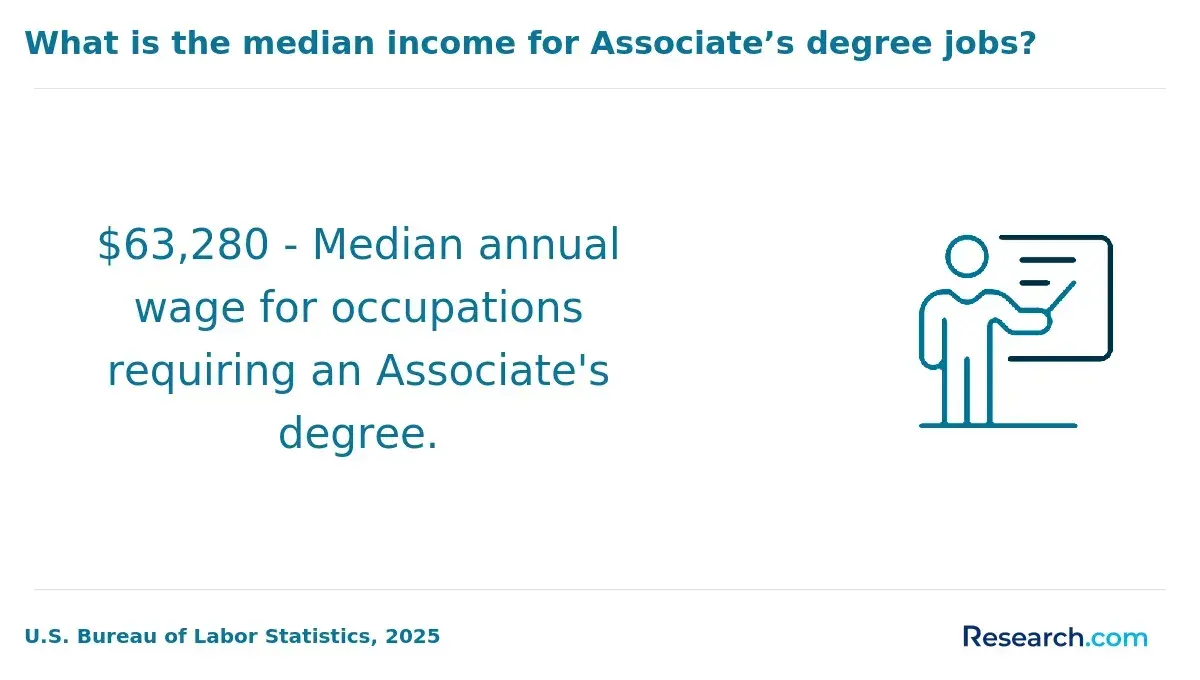
Accelerated nursing programs for career changers in the US must balance rapid completion with rigorous clinical training to produce ready graduates without undue workforce interruption. Among the top factors influencing accelerated bs nursing programs for career changers is rolling admissions, which provide essential scheduling flexibility for those managing jobs or family commitments. Programs offering this flexibility typically align with outcomes such as an average starting salary of $61,250 annually or $29.45 per hour, reflecting practical financial realities.
Program accreditation by recognized bodies like CCNE or ACEN remains a non-negotiable criterion since it impacts federal financial aid eligibility and employer recognition. More importantly, clinical placement partnerships that secure high-quality, diverse hands-on experience complement strong NCLEX-RN pass rates above 85% as critical indicators of graduate readiness.
Students entering these programs from non-healthcare fields face challenges that demand tailored academic advising, simulation lab access, and foundational science refreshers to avoid delays in licensing and employment. For example, a career changer moving from a non-clinical background benefits from integrated curricula that prevent extended time-to-degree while ensuring competency.
Choosing a program emphasizing employer networks in high-demand healthcare markets improves job placement rates and wage growth potential, especially in acute care, outpatient, or specialty units. Evaluating programs includes considering cost, length, clinical quality, and career support to optimize career sustainability. Prospective students may also review nursing programs easy to get into as part of their decision matrix.
How long do ABSN programs take and what schedules work for working adults?
Accelerated BSN programs for working adults pose a complex balancing act between compressed timelines and the realities of ongoing employment. Programs typically span 12 to 24 months, with the most demanding lasting about 14 to 16 months full-time, requiring near-continuous coursework, clinical hours, and practicum involvement without typical breaks. Flexible ABSN program schedules for career changers often use rolling admissions and allow pacing adjustments, but extending beyond full-time enrollment usually means lengthening the program closer to two years.
Employment settings also shape enrollment decisions. For instance, nurses aiming for acute care roles may prioritize programs with intensive, direct scheduling to meet employer expectations for timely licensure and clinical competency. Conversely, those working in outpatient or administrative capacities might accept extended timelines in favor of part-time or weekend clinical placements, which accommodate job responsibilities but delay graduation.
Financial considerations weigh heavily: tuition alone ranges from roughly $39,600 to $77,252, based on per-credit pricing and total credits required. Many students must negotiate demanding clinical hours-often 30+ weekly on variable shifts-while juggling leave policies, childcare, and commuting constraints. Early schedule harmonization reduces attrition risk and income loss.
Prospective students seeking alternative pathways may research options such as a nursing school without entrance exam, which can affect entry timelines and accessibility.
How do online, hybrid, and campus-based ABSN formats compare for career changers?
Accelerated BSN program formats present practical tradeoffs that directly shape outcomes for working professionals shifting into nursing. Online ABSN programs offer unmatched location flexibility and self-paced learning, appealing to those juggling jobs or family care. Yet they demand proactive coordination of local clinical placements, as hands-on training cannot be virtual. Hybrid ABSN pathways provide a compromise, combining online lectures with scheduled campus-based clinical labs, benefitting students who need faculty interaction and institutional clinical access without full relocation.
Campus-based ABSN programs typically align most closely with employer preferences due to immersive clinical exposure and peer collaboration, which correlate with stronger immediate job market positioning. However, fixed schedules, commuting challenges, and limited flexibility restrict accessibility for students with dependents or existing work commitments.
Accessibility across all states plus D.C. and Puerto Rico reduces geographic barriers, placing greater emphasis on format suitability relative to personal circumstances and workforce goals. For instance, a rural working parent might prioritize an online ABSN with coordinated nearby clinical sites to balance study and caregiving, while a candidate near a major medical center might leverage campus-based programs' embedded clinical networks to maximize hiring prospects.
What accreditation and state approval should ABSN programs have for nursing licensure?
Choosing an accelerated baccalaureate nursing program without verified accreditation and state board approval presents tangible risks that can derail licensure and employment timelines. The Commission on Collegiate Nursing Education (CCNE) and Accreditation Commission for Education in Nursing (ACEN) remain the only reliable guarantors that ABSN graduates will qualify to sit for the NCLEX-RN exam nationwide. Without such accreditation, graduates commonly encounter exam eligibility delays or denials, directly affecting job attainment.
State board approval varies by geography and often enforces unique requirements beyond national standards. For professionals relocating across states, such as moving from Florida to California, enrolling in an ABSN program lacking local board approval can introduce months of additional testing or mandated coursework. This delay affects workforce entry and income stability.
Key operational considerations include:
- Verifying both CCNE or ACEN accreditation and the practicing state's board approval before enrollment
- Preparing official transcripts and documented clinical hours per state mandates ahead of NCLEX-RN registration
- Understanding regulatory differences that shape eligibility for licensure in targeted employment states
With accelerated programs now exceeding 330 out of roughly 1,000 U.S. baccalaureate nursing programs, these credentials are essential gatekeepers in a competitive labor market that demands rigor and interjurisdictional clarity.
What courses, clinical hours, and competencies are included in ABSN curricula?
The accelerated baccalaureate (ABSN) pathway compresses nursing education into a demanding 11-18 month program that integrates foundational sciences, clinical theory, and practical experience to prepare candidates for RN licensure more rapidly than traditional four-year BSN tracks. While this fast-tracked model allows career changers to enter nursing employment up to 2-3 years earlier, it also requires a sustained, intensive commitment without typical academic breaks.
Clinical training in ABSN programs ranges from roughly 500 to 700 hours and spans diverse settings such as inpatient units, outpatient clinics, community health, and specialties including pediatrics and mental health. This compressed exposure demands accelerated skill acquisition and adaptability to complex patient care situations. Employers expect ABSN graduates to demonstrate effective critical thinking, clinical judgment, and interdisciplinary communication immediately upon entering the workforce.
Program assessments use a combination of simulated patient scenarios, standardized exams, and ongoing clinical performance reviews to ensure proficiency in safety protocols, medication management, and care coordination. However, balancing these clinical placements with rigorous coursework is a significant challenge, especially for working adults who may need to negotiate shift flexibility or manage competing personal responsibilities.
Compared with traditional nursing education, the ABSN's condensed format offers significant time-to-employment advantages but entails tradeoffs in pacing and workload that must be carefully weighed by prospective students.
What are typical tuition, fees, and financial aid options for ABSN students?
Accelerated baccalaureate nursing programs compress the financial and time commitments of traditional nursing degrees into 12-18 months, creating unique budgeting and workforce entry challenges. Tuition typically ranges from $30,000 to $70,000, with public schools generally more affordable than private nonprofits and out-of-state options. Beyond tuition, students must account for additional costs-$2,000 to $5,000-for clinical fees, certifications, and supplies, expenses often underestimated during planning.
These programs require a near full-time commitment with unpaid clinical hours, limiting students' ability to work while enrolled. Employers hiring ABSN graduates expect candidates to have planned for this financial hiatus. This dynamic often forces career changers, especially those supporting families, to rely on savings or external aid.
Financial aid availability is uneven: about 330 accelerated programs exist, but many classify students at the graduate level, restricting eligibility for federal assistance like Pell Grants or Stafford Loans. Some can access veteran benefits or employer tuition reimbursement, though these require thorough validation before enrollment.
Effective financial planning prioritizes up-front costs and recognizes the compressed timeline forces concentrated spending with potentially limited income. Strategic borrowing and budgeting are essential to avoid debt accumulation that could delay professional licensure and workforce integration.
What nursing roles, settings, and advancement pathways follow completion of an ABSN?
Accelerated bachelor of science in nursing graduates enter diverse clinical roles with strong early employment prospects but face distinct challenges balancing experience gaps and advancement demands. Immediate registered nurse licensure enables entry into acute care environments-such as medical-surgical units, emergency departments, or ICUs-where staffing shortages create robust demand and structured residency programs help mitigate limited prior hands-on exposure. However, the reduced elective clinical hours compared to traditional BSN timelines can constrain initial skill breadth.
Employment settings for these graduates range from hospital floors to community health nursing, where communication and assessment skills developed during accelerated study become critical. Workforce data indicates starting salaries near or above $80,000 within the first year, offsetting tuition costs between $40,000 and $80,000 and minimizing opportunity costs related to training duration.
- Tradeoffs include faster workforce entry but potential limitations in clinical electives.
- Structured onboarding addresses the steep learning curve in high-acuity roles.
- Long-term advancement-into specialties like critical care or leadership roles-requires additional graduate education and certification while often maintaining full-time nursing work.
For someone transitioning from a non-health background aiming for nurse anesthetist certification, for example, budgeting 2-4 years of graduate study beyond the accelerated program is essential to plan effectively for financial and time commitments. Such trajectories illustrate how the ABSN pathway accelerates licensure and employment yet necessitates deliberate planning for continued professional development and role diversification.
What starting salaries and long-term job outlook can ABSN graduates expect?
Accelerated nursing graduates typically enter the workforce with starting salaries between $65,000 and $75,000, though regional variations influence these figures significantly. For instance, urban hospitals on the East and West Coasts often offer starting wages approaching or exceeding $80,000 to offset higher living costs and patient acuity. According to the U.S. Bureau of Labor Statistics, the median registered nurse salary stands near $77,600, supporting these regional trends. This wage baseline reflects a competitive market for ABSN graduates, particularly given ongoing nursing shortages and elevated turnover rates that drive demand.
Projected employment growth for registered nurses is about 9% through 2032, outpacing many other professions. This growth expands opportunities beyond traditional hospital roles, including telehealth, public health, and advanced practice areas. Graduates with swift NCLEX-RN pass rates-typically above 90%-are favored by employers for accelerated onboarding and credentialing, minimizing downtime between graduation and practice.
Salary advancement hinges on specialization and employer settings. For example, ABSN nurses who earn critical care certifications (e.g., CCRN) often surpass $95,000 mid-career, while those in rural or outpatient environments may advance more slowly but benefit from lower expenses. Key tradeoffs for career changers include balancing the upfront cost and time of accelerated programs against transitional periods of limited income during clinical training phases.
- Accelerated program graduates reduce orientation costs with outcome-focused training.
- Higher NCLEX pass rates correlate with faster workforce integration and earnings.
- Location and specialty certifications strongly impact long-term salary trajectories.
Other Things You Should Know About ABSN
Yes, ABSN students often encounter accelerated clinical rotations that leave little room for adjustment or remediation. Unlike traditional students who have extended time to build clinical skills, ABSN students must quickly adapt to high-intensity environments, which can increase stress and impact skill retention. Prospective students should prioritize programs with structured clinical support and access to diverse practice settings to ensure competence and confidence before graduation.
The compressed timeline of ABSN programs can result in gaps in deep learning since critical content is condensed into a shorter period. This may affect long-term recall, requiring graduates to engage in ongoing self-directed study and clinical experience after licensure to solidify their competencies. Choosing programs with built-in reinforcement sessions or extended clinical experiences can improve practical readiness and reduce transition shock in entry-level nursing roles.
ABSN programs demand full-time commitment with intense coursework and clinical hours, leaving limited time for outside employment or personal activities. Financially, students should prepare for minimal income during program duration, plus upfront tuition and fees without typical part-time work flexibility. Candidates must realistically assess their financial reserves and support systems before enrolling to avoid unmanageable debt or burnout during training.
References
- Accelerated BSN vs BSN: What’s the Difference? https://stmary.edu/nursing-accelerated/acclerated-bsn-vs-bsn.html
- Working In Nursing School | Can You Work During an ABSN Program? https://bayadaeducation.org/resources/absn/working-in-nursing-school
- Why Nursing as a Second Career Is a Great Choice - Madonna https://absn.madonna.edu/blog/nursing-as-a-second-career-a-great-choice/
- Frequently Asked Questions https://www.aacnnursing.org/essentials/tool-kit/faqs
- Accelerated BSN - BestNursingPrograms https://bestnursingprograms.org/accelerated-bsn-programs/
- Online ABSN Programs in TN: Review & Compare Top Schools https://www.edumed.org/online-schools/nursing-rn-programs/accelerated-bsn/tennessee-tn/
- Accelerated Nursing School Checklist| University of Bridgeport https://www.bridgeport.edu/news/what-to-look-for-in-accelerated-nursing-program/
- ABSN Admission Requirements - Bushnell University https://www.bushnell.edu/absn-admission-requirements/
- A Complete Guide to Nursing Career Pathways (Degrees, Licensure & Career Growth Explained) https://www.straighterline.com/blog/nursing-a-complete-guide-to-nursing-career-pathways-degrees-licensure-career-growth-explained
- Switching to Nursing | Thrive with an Accelerated BSN https://blog.methodistcollege.edu/switching-to-nursing-thrive-with-an-accelerated-bsn