2027 ABSN Success Tips for Students Returning to School

Co-Founder and Chief Data Scientist
Returning to school for an accelerated bachelor of science in nursing often means juggling intense coursework alongside existing family or work commitments, a challenge compounded by the necessity to quickly assimilate complex clinical skills. Recent data from the National Center for Education Statistics shows that over 40% of nursing program enrollees are adult learners seeking career changes, reflecting a broader shift toward flexible, accelerated formats. This trend highlights both opportunity and risk: condensed schedules boost workforce re-entry speed but increase burnout potential and academic pressure.
This article offers targeted strategies to navigate these barriers efficiently and make informed decisions for a successful ABSN journey.
Key Things You Should Know
- Accelerated Bachelor of Science in Nursing programs compress curricula by 40-50%, raising failure risk due to intense pacing; candidates must weigh shorter credential attainment against increased cognitive load and burnout potential.
- Healthcare employers increasingly prefer ABSN graduates with verified clinical hours in high-acuity settings, reflecting a 23% employment premium reported by the National Council of State Boards of Nursing in 2024.
- The median ABSN tuition exceeding $45,000 creates a significant barrier for working adults, impacting enrollment timing decisions and post-graduation debt-to-income ratios, with loan repayment stress intensifying in lower-wage markets.
What is an ABSN program and how does it help career changers become nurses?
Accelerated bachelor of science in nursing programs for career changers present a distinct tradeoff: condensing nursing education into roughly 12 to 18 months greatly reduces time to workforce entry but demands intense commitment and focus. For professionals pivoting from careers such as engineering or business, this pathway omits repetitive general education requirements yet intensifies clinical and theoretical coursework. Employers particularly value ABSN graduates for their swift acquisition of complex clinical skills and ability to manage rigorous schedules, traits reflecting a high level of adaptability and work ethic.
The rapid pace also introduces notable challenges. Students must navigate competitive clinical placement processes, often coordinating those with existing family or work obligations. Additionally, differing state licensing requirements can pose barriers to interstate employment, making early research crucial. Practically, an accelerated nursing program supports career transition by minimizing income loss compared to traditional routes, though preparation for heavy course loads remains essential.
A 2024 multi-site study published in Nurse Education Today demonstrated accelerated BSN students achieved a 95.9% first-time NCLEX-RN pass rate, surpassing the 89.5% rate for traditional BSN students, underscoring the efficacy of these programs despite their brevity.
Students seeking to extend their trajectories may consider BSN completion options after the initial degree. Resources detailing BSN completion pathways provide valuable insight into financially viable post-ABSN education plans.
Who is a good fit for an ABSN and what academic prerequisites are required?
Accelerated bachelor of science in nursing (ABSN) programs demand candidates with a robust foundation in natural sciences and rigorous academic preparation. Typical prerequisites include completed coursework in biology with lab, chemistry, anatomy and physiology, microbiology, and statistics, generally with grades of B or higher. This academic baseline ensures students can manage the compressed curriculum effectively, which condenses traditional four-year nursing programs into 12 to 24 months of intense, full-time study.
Ideal candidates for accelerated BSN nursing programs also exhibit strong time management, resilience, and adaptability to high-pressure clinical environments such as critical care or emergency nursing, where rapid assimilation of clinical skills is essential.
Program data from a public university highlights a tradeoff: completion rates dropped from 72.38% in 2022 to 55.28% in 2024, while NCLEX pass rates rose from 91.03% to 98.82%. This pattern reflects elevated academic rigor coupled with the attrition risks posed by balancing demanding coursework and clinical hours. Prospective students must critically assess their capacity for sustained intensity and self-care amid tight schedules to avoid costly early dropout or delayed licensure.
For those seeking more flexible pathways, the easiest RN to BSN online program options may offer alternatives that reduce clinical hour pressures.
How do online, hybrid, and campus-based ABSN formats compare for returning students?
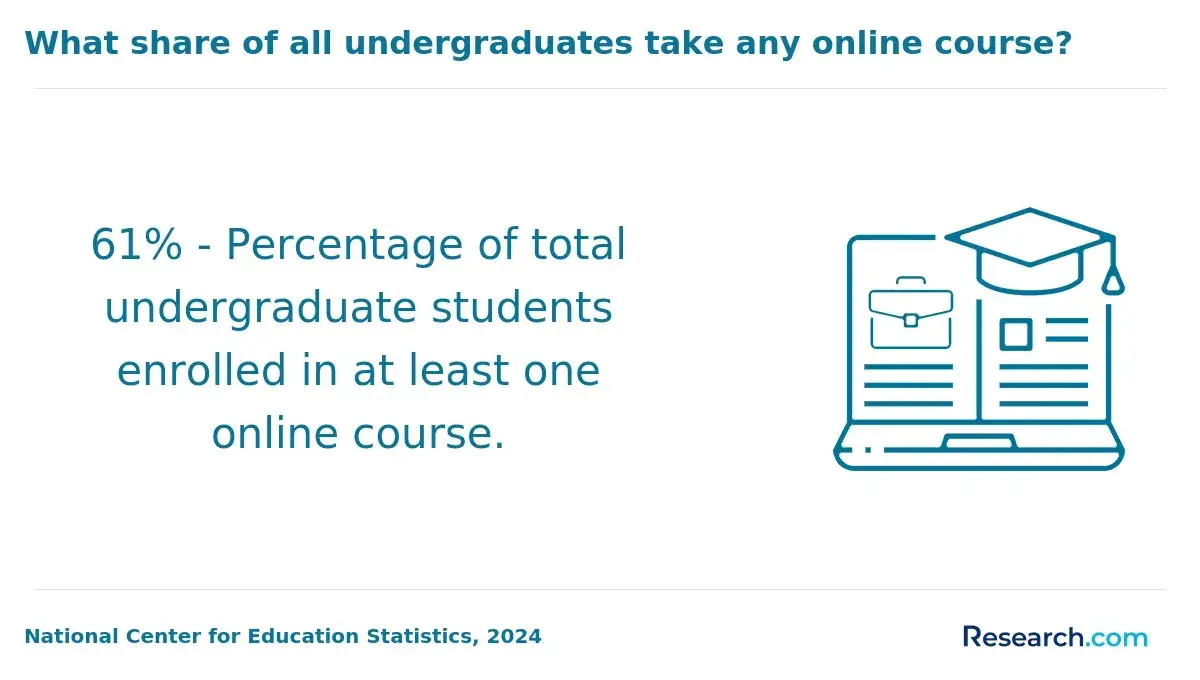
Returning students navigating how online versus hybrid versus campus-based ABSN programs benefit returning students face distinct tradeoffs shaped by work demands, discipline, and clinical readiness. Online ABSN formats offer unmatched scheduling flexibility for working adults but require disciplined self-management to meet the benchmark of 10+ faculty-guided study hours weekly, a key factor doubling first-attempt NCLEX pass rates compared to less engaged peers. This reality reflects the higher autonomy-and corresponding risk-borne by online learners pursuing adult degrees.
Hybrid models integrate digital coursework with mandatory on-campus clinical sessions, balancing flexible theory learning with in-person skill application. Students often emerge from hybrid programs with practical readiness valued especially in acute care settings, where employers prize adaptability between classroom knowledge and real-world fast-paced environments.
Campus-based ABSN programs demand rigid attendance but provide immersive, hands-on exposure through daily lectures and clinical rotations, fostering teamwork and mentorship critical to seamless hospital integration. However, working professionals frequently encounter scheduling conflicts requiring significant lifestyle adjustments to capitalize on these benefits.
The comparison of learning experiences in online, hybrid, and campus ABSN formats for adult learners underscores the necessity for a choice aligned with personal discipline, employment schedules, and clinical immersion needs. For prospective ABSN students considering strategic career pivots, understanding these operational realities is essential.
Those interested may also consider exploring available online PhD nursing programs as part of long-term advancement planning.
How long does an ABSN program take and what schedule strategies support success?
Accelerated Bachelor of Science in Nursing (ABSN) programs compress extensive clinical and academic requirements into 12 to 18 months, demanding rigorous time management and strategic scheduling. Students balancing work must adjust commitments-shifting to reduced hours or flexible shifts-to allocate 30 to 40 weekly hours for study, labs, and clinical rotations. For instance, a nurse moving from a nonclinical position may negotiate a four-day workweek to focus intensively on clinical and academic duties.
Success strategies emphasize embedding structured academic support such as tutoring and study groups, which have proven to elevate NCLEX-RN pass rates substantially. Northeastern University data show cohorts engaging fully with these resources achieved pass rates between 97 and 100 percent from 2021 to 2024, compared to as low as 92.9 percent for less engaged students, indicating the impact of deliberate, consistent preparation in ABSN program duration and success strategies.
Effective scheduling also requires accounting for variability in clinical placements, which can disrupt workloads and study plans. Planning buffer periods for remediation mitigates burnout and preserves preparation quality, critical for meeting employer expectations for ready-to-deploy nurses in competitive health systems. Those entering practice post-ABSN face intensive onboarding coupled with ongoing education demands.
Certain working professionals evaluating further advancement might consider programs like the best online DNP program, which offer nonclinical pathways aligned with clinical experience. Overall, adopting effective scheduling tips for ABSN students ensures manageable pacing without sacrificing depth of clinical skill acquisition or critical thinking development.
What does the ABSN curriculum include and how demanding are nursing courses?
Accelerated Bachelor of Science in Nursing (ABSN) programs demand students rapidly assimilate comprehensive nursing knowledge and practical skills within 12 to 18 months-a timeframe that compresses traditional curricula without reducing competency expectations. This intensity translates to weekly commitments surpassing 40 hours of combined lectures and clinical rotations in high-acuity settings, where students must demonstrate psychomotor skills and critical decision-making akin to graduates of longer tracks.
Employers expect ABSN graduates to manage real-world clinical complexities immediately, including multitasking patient care under pressure. As a result, attrition rates remain elevated for candidates unable to maintain resilience and effective time management in these environments.
Financially, the average tuition at private nonprofit institutions approaches $70,000, a substantial investment requiring upfront financial planning and often limiting part-time employment due to program demands. Working professionals face a strategic tradeoff between temporarily reduced income and positioning themselves for potential wage gains post-graduation, particularly in healthcare markets prioritizing accelerated pathways to staffing shortages.
Key considerations include:
- Ability to sustain cognitive load and high-stress clinical application without performance decline
- Balancing tuition costs and financing options against temporary income loss
- Assessing personal time management and adaptability to condensed training
Prospective students should weigh these elements realistically as the fast pace and financial strain of ABSN programs significantly influence both completion rates and subsequent employability outcomes.
How do clinical placements work in ABSN programs and what should students expect?
Clinical placements in accelerated bachelor of science in nursing programs operate as intensive, scheduled practica where students translate classroom knowledge into patient care amid complex hospital environments. These rotations are coordinated to align clinical milestones with academic progression and frequently rotate through distinct specialties including medical-surgical, pediatrics, maternity, and critical care units. Students must manage demanding, often 8-12 hour shifts alongside rigorous coursework, which creates a test of endurance and time management.
Assignments are shaped primarily by institutional affiliations with local healthcare providers, limiting student control over placement sites but ensuring exposure to diverse case mixes essential for comprehensive skill development. Variability in preceptor availability and differing hospital protocols impact consistency of supervision, making proactive engagement and reliability crucial to securing favorable evaluations and competitive job references.
Essential logistical hurdles include arranging transportation, completing immunizations, passing background checks, and fulfilling state-specific licensure prerequisites-any delay in these areas can postpone clinical start dates or prolong program length. Students must anticipate and strategically navigate these administrative demands early to prevent disruptions.
Workforce outcomes emphasize the tangible value of clinical placements beyond skills acquisition. Over 90% of UMass Amherst ABSN graduates secure RN positions within six months, reflecting effective leveraging of clinical networks and documented competencies. Targeting high-demand specialties during rotations can meaningfully influence employability within a constrained labor market.
How can students verify ABSN accreditation, NCLEX eligibility, and state licensure pathways?
Confirming accreditation through the Commission on Collegiate Nursing Education (CCNE) or the Accreditation Commission for Education in Nursing (ACEN) before enrolling in an accelerated nursing program is an essential safeguard against losing time and resources. Graduates from programs lacking recognized accreditation are often ineligible to sit for the NCLEX or obtain state licensure, which halts workforce entry and disrupts career timelines.
The NCLEX exam is a baseline credential, but meeting state board of nursing requirements is equally decisive. States differ considerably in licensure processes, demanding specific coursework, clinical hours, background checks, or fingerprinting-as in California's case-affecting the practical timeline and out-of-pocket expenses.
Key verification strategies include:
- Cross-referencing the program's accreditation status on CCNE or ACEN databases.
- Reviewing the licensure handbooks of target state boards to align educational planning with their criteria.
- Documenting all credential requirements early in the process to anticipate retakes, remedial work, or additional paperwork.
Given that more than 60% of accelerated nursing students report clinically significant stress linked to administrative uncertainty, proactive verification mitigates delays that can reduce clinical practice time and increase burnout, especially among working professionals balancing employment and studies. States offering endorsement licensure or transitional permits create variable pathways, so early state-centric planning avoids costly surprises and supports realistic graduation-to-employment trajectories.
What are typical ABSN tuition costs, financial aid options, and ways to manage expenses?
Accelerated BSN programs carry significant upfront costs ranging from $30,000 to $70,000, with public institutions generally offering lower tuition than private ones. Beyond tuition, students face additional expenses including clinical fees, textbooks, and exam preparation materials, which can total an extra $3,000 to $6,000. This financial weight is compounded by the intensive full-time nature of the program, lasting 12 to 18 months, which limits opportunities for part-time work or work-study income.
Federal financial aid such as Pell Grants and Direct Loans is accessible but often insufficient to cover all costs, pushing many students to seek parent PLUS loans or private education loans. These options bring higher interest rates and more complex repayment demands, presenting long-term financial tradeoffs. Tuition reimbursement programs are occasionally available through healthcare employers but typically require upfront employment commitments or post-graduation service.
Students must also consider living costs near clinical sites or transportation expenses, which can strain tight budgets during the study period. Strategic budgeting and exploring scholarships focused on accelerated nursing students are critical to managing these demands.
Despite the financial strain, accelerated programs shorten time to licensure and workforce entry, a key advantage that can justify the upfront cost for many. For example, the University of Southern Mississippi reported a 100% first-attempt NCLEX pass rate in its inaugural accelerated BSN cohort, suggesting that the rigor and intensity of these programs can translate into competitive outcomes for graduates.
What nursing roles, salary ranges, and career advancement opportunities follow an ABSN?
Nursing roles after an Accelerated Bachelor of Science in Nursing (ABSN) typically begin with registered nurse (RN) positions in hospitals requiring immediate clinical proficiency in patient assessment, medication management, and team collaboration. UMass Amherst ABSN graduates report median starting salaries near $70,000, notably above the national median of $65,000. This premium aligns with the program's intensive clinical focus, yet geographic and workplace contexts cause wide salary variance.
Urban tertiary hospitals often offer faster wage growth compared to rural or long-term care settings, where budgets and patient acuity differ significantly. Nurses holding specialized certifications-such as critical care (CCRN) or emergency nursing (CEN)-can expect salaries exceeding $90,000, underscoring the labor market's preference for advanced skill sets.
Advancement pathways after 1-2 years of bedside experience usually involve pursuing a Master of Science in Nursing (MSN) to enter higher-paying advanced practice roles like nurse practitioner or clinical nurse specialist, with median earnings over $120,000. Leadership roles such as charge nurse or nurse manager generally start around $85,000 and increase with experience but present a different career track than clinical advancement.
Employers frequently expect rapid competency and adaptability from ABSN graduates entering fast-paced, high-acuity environments, making early mentorship and certification essential. These practical realities of varied salary prospects and role demands should shape how candidates prioritize credentialing and job searches.
How can returning students choose a reputable ABSN program and avoid common pitfalls?
Choosing an accelerated BSN program demands scrutiny beyond advertised NCLEX-RN pass rates by examining program completion metrics and support frameworks. For instance, Arkansas State University's 2024 data reveals some ABSN tracks with completion rates as low as 59% despite NCLEX pass rates exceeding 95%. This contrast signals that factors like retention strategies and academic support materially affect overall outcomes, not just exam readiness.
Programs with robust advising, counseling, and remediation directly confront the industry's roughly 40% attrition rates. This mitigates the risk that strong licensure statistics alone conceal dropout or burnout, which ultimately impact workforce supply and individual career trajectories. Additionally, alignment between clinical placements and intended employment regions is critical to prevent delays in securing relevant positions after graduation.
Full-time accelerated pacing requires disciplined time management and employer or family flexibility. Lengthened ABSN timelines due to interruptions may raise concerns for employers despite eventual licensure, affecting early-career reputation and advancement opportunities.
Accreditation and state board approvals must be confirmed as gaps here can create licensing obstacles and hamper employability. For example, returning professionals in urban hospitals benefit most from programs with proximal clinical sites and documented supports, reducing attrition risk. Conversely, rural candidates might prioritize completion rates given limited local placements and less flexible employer policies.
Other Things You Should Know About ABSN
To manage time in a 2027 ABSN program, prioritize tasks and set clear goals. Use digital planners or calendars to track deadlines. Establish a dedicated study routine and set aside specific times each week for relaxation to avoid burnout. Effective communication with instructors and peers can also help manage heavy workloads.
Possessing a non-nursing bachelor's degree satisfies many absn program prerequisites and can speed admission, but it does not reduce the program's intensity or clinical workload. Employers recognize the accelerated nature but focus on nursing competencies gained during absn training. Graduates must be prepared to demonstrate proficiency equivalent to traditional BSN graduates in clinical skills and critical thinking, meaning prior degrees offer limited advantage beyond initial entry.
Employers generally view absn graduates as competent but expect them to quickly close gaps in clinical experience compared to traditional BSN nurses. Absns typically have fewer hours in varied clinical settings, so early career mentorship and continued learning are vital. Candidates should prioritize programs with strong clinical partnerships and seek residencies or fellowships to fast-track workplace readiness and integration into nursing teams.
A shorter absn program enables quicker entry into the workforce but increases risk of burnout and may limit experiential depth. Longer programs offer more time to absorb complex material and practice clinical skills, improving retention and confidence. Returning students with significant external commitments should prioritize program length and scheduling flexibility over speed to optimize learning outcomes and reduce attrition.
References
- Accelerated BSN Programs: Who Qualifies | Betternurse.org https://betternurse.org/accelerated-bsn-program-guide/
- Hybrid-Online Accelerated Bachelor of Science in Nursing (ABSN) Program - Roseman University https://www.roseman.edu/academic-programs/college-of-nursing/accelerated-bachelor-of-science-in-nursing/online-absn/
- Top 15 Nursing Career Paths You Should Consider | MAS Medical https://www.masmedicalstaffing.com/blog/nursing-career-paths/
- Is an ABSN Program Harder than a BSN? | University of Bridgeport https://www.bridgeport.edu/news/is-an-absn-program-harder-than-a-bsn/
- How to Prepare For Nursing School In 9 Steps - Marian ABSN https://onlineabsn.marian.edu/blog/how-to-prepare-for-nursing-school-9-things/
- 21 Highest-Paying Nursing Careers in the U.S. (2025 Edition) https://nurseslabs.com/highest-paying-nursing-careers/
- 5 Tips on How to Survive an Online ABSN Program https://onlinedegrees.elmhurst.edu/blog/tips-surviving-accelerated-nursing-programs
- INSTITUTE OF HEALTH & MANAGEMENT https://ihm.edu.au/blog/12-nursing-specialisations-that-can-transform-your-career/
- Nursing Degree You Need to Become an RN https://www.allnursingschools.com/registered-nursing/degrees/
- What Is a Hybrid BSN Program? How Online and Clinical Nursing Education Work https://stmary.edu/nursing-accelerated/what-is-a-hybrid-bsn-program.html