2027 ABSN Programs for CNAs

Co-Founder and Chief Data Scientist
Registered nurses progressing from CNA certification face a narrow window to secure ABSN enrollment that aligns with their work schedules and financial constraints. Over 45% of accelerated nursing candidates in recent national surveys report delaying application due to rigid start dates or insufficient online components, according to a 2024 National Student Clearinghouse Research Center report.
This trend illustrates a growing mismatch between program structures and adult learners' availability, forcing many to choose between career momentum and program accessibility. For CNAs targeting accelerated nursing education, understanding program timelines, delivery modes, and admission flexibility is vital to avoid setbacks and maximize career mobility.
This article evaluates ABSN program options tailored for CNAs, focusing on admissions timing, format flexibility, and practical considerations to guide optimized enrollment decisions.
Key Things You Should Know
- Average ABSN program costs in 2026 have risen 7% nationally, surpassing typical CNA-to-RN bridge programs, which pressures candidates to weigh immediate financial strain against accelerated RN licensure timelines reported by the National Student Clearinghouse.
- Employers increasingly prioritize ABSN graduates with clinical hours exceeding 1,000 due to documented readiness gaps in shorter programs, affecting CNA career pivots where experience quality often outweighs program brand.
- National nursing workforce analyses reveal that ABSN pathways reduce RN staffing shortfalls by 12% faster but present a burnout risk 18% higher for CNAs accelerated through intensive curriculums, influencing retention strategies.
What is an ABSN program for CNAs, and how does it accelerate nursing careers?
The compressed nature of accelerated nursing bridge programs for CNAs in the United States demands more than prior health care experience; it requires sustained academic stamina and strategic time management to meet licensure goals swiftly.
A CNA transitioning through an ABSN program leverages practical skills gained during direct patient care, such as those built on medical-surgical units. This foundation minimizes redundant training and enhances clinical decision-making throughout the 12 to 18 months of intensive coursework, compared to traditional four-year tracks.
Despite faster entry into registered nurse roles, this pathway imposes significant tradeoffs. Balancing full-time study with ongoing employment challenges student accessibility, and the demanding pace may not suit all. Employers' increasing preference for BSN-prepared nurses heightens the importance of these programs in expanding responsibilities and leadership eligibility.
However, candidates must weigh the immediate benefit of rapid credential attainment against the financial pressures of tuition, living costs, and potential lost wages.
Effective planning includes evaluating program structures offering flexible clinical schedules or hybrid delivery modes. Some institutions participate in employer tuition assistance programs, easing the financial burden. Given these factors, understanding how ABSN programs help CNAs fast-track nursing careers involves assessing both accelerated curriculum demands and workforce placement outcomes.
For CNAs examining options for rapid advancement, identifying the easiest ABSN program to get into may offer a practical starting point, balancing acceptance rates with rigor and real-world applicability.
What education and CNA experience are required to qualify for ABSN programs?
Meeting CNA experience requirements for ABSN admission typically involves holding a current CNA license plus documented clinical hours, usually between 500 and 1,000. This baseline shifts program focus toward complex nursing skills rather than basic patient care. Competency in vital signs, infection control, and patient communication is expected upfront, aligning candidate readiness with employer demands for acute care settings rather than long-term care or entry-level roles.
Academic requirements prioritize recent coursework in anatomy, physiology, and microbiology, generally within five years, with minimum grades near "C" or better and cumulative GPAs commonly between 2.5 and 3.0. These standards reflect a need for contemporary scientific understanding essential to accelerated nursing curricula.
Non-native English speakers face additional barriers, although support programs have expanded from 43.7% to 56% among nursing schools since 2019, providing targeted tutoring and clinical communication training. Without such resources, students risk impacting licensure exam outcomes and employability, especially in high-pressure environments where language precision affects patient safety.
Consider a CNA in long-term care with 600 clinical hours and recent biology coursework who meets ABSN programs CNA prerequisites but is a non-native English speaker. Access to educational support significantly influences their success trajectory.
For candidates exploring options beyond ABSN, comparing these prerequisites with ASN programs online may reveal alternative pathways with differing admission criteria and workforce outcomes.
How do online, hybrid, and campus-based ABSN programs compare for CNAs?
Comparing online hybrid and campus ABSN programs for CNAs reveals critical tradeoffs impacting time management, clinical experience, and employment readiness. Online ABSN programs maximize scheduling flexibility and geographic reach, enabling CNAs to maintain jobs or family duties. Yet, they pose logistical challenges in securing high-quality local clinical placements, which risks fragmented practical training and possible delays in program completion.
Hybrid ABSN programs moderate these issues by combining remote coursework with scheduled in-person labs, allowing urban CNAs to integrate workplace clinical hours efficiently. However, fixed lab times and commuting demands can disrupt routines, especially for those in rural settings.
Benefits of campus-based versus online ABSN programs for CNAs hinge on structure and outcomes: campus-based formats offer consistent faculty oversight, standardized clinical sites, and peer collaboration, often resulting in higher NCLEX-RN pass rates. The compromise is significantly reduced scheduling flexibility, frequently requiring CNAs to cut work hours or take leaves, which can be untenable without financial support.
With 7-9% projected growth for registered nurses from 2020 to 2030-translating to roughly 193,100 annual job openings-CNAs must weigh how each format affects clinical skill development and employer preferences. Employers increasingly prioritize demonstrated competency in complex care over academic credentials alone.
For CNAs seeking the easiest BSN program to get into, program structure and clinical quality remain decisive factors beyond mere admission criteria.
How long do ABSN programs for CNAs take, and what schedules are offered?
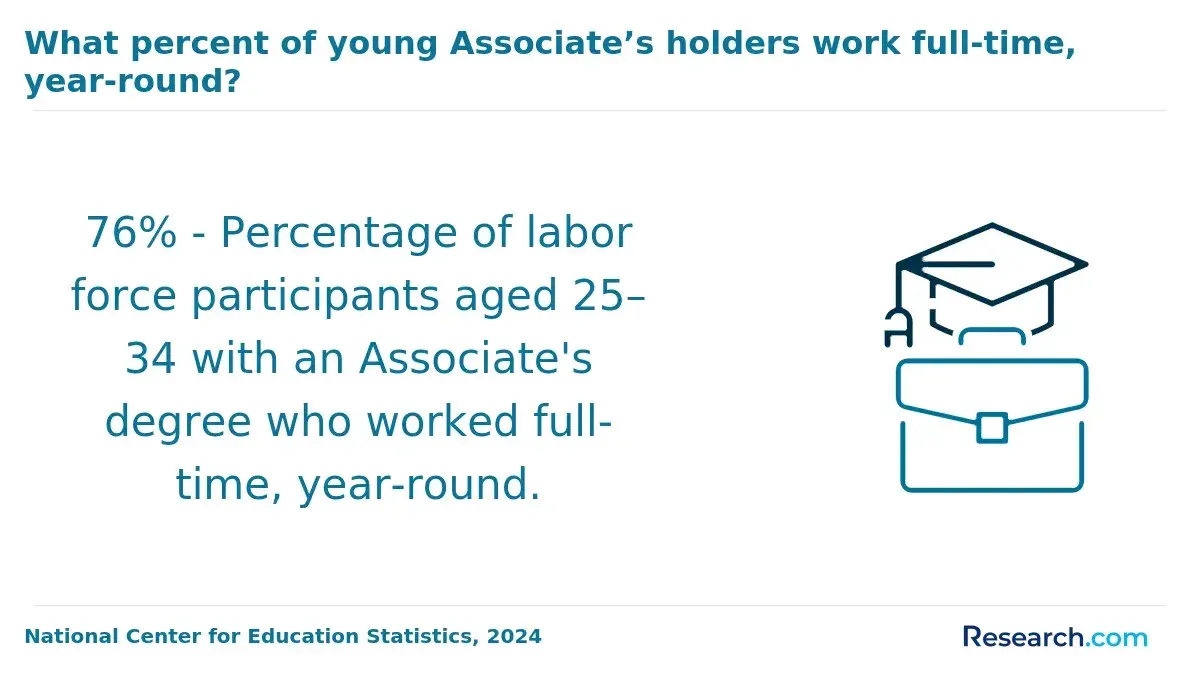
Accelerated BSN programs for CNAs typically run between 12 and 18 months, compressing a traditional four-year nursing curriculum into an intensive format. This duration reflects the reality that 76% of ABSN students enter nursing as a second career, which directly influences how programs structure schedules to accommodate working adults. Prospective students must weigh how the program length impacts their ability to balance coursework, clinical hours, and existing employment.
Common ABSN program schedules available for certified nursing assistants include full-time daytime tracks, evening/weekend options, and hybrid models combining clinical in-person practice with online classes. For example, a CNA continuing employment might select an evening/weekend track to maintain income while completing often over 1,000 clinical hours. Conversely, those without work constraints can pursue a full-time schedule to accelerate program completion.
This demanding pace imposes practical tradeoffs around childcare, transportation, and time management, which employers recognize as indicators of student commitment and readiness. The competitive nature of ABSN admissions-emphasizing prior degree attainment-requires candidates to align their personal circumstances with program rigor and scheduling.
Students evaluating post-graduation outcomes should also consider career earnings variability by specialization. Detailed insights on DNP salary by specialty highlight how educational efforts translate into workforce remuneration, informing long-term planning decisions.
How can CNAs verify ABSN program accreditation and NCLEX-RN eligibility?
Verification of accelerated bachelor of science in nursing (ABSN) program accreditation is a nonnegotiable step to ensure licensure eligibility and avoid costly detours. Only graduates from programs approved by recognized bodies-such as the Accreditation Commission for Education in Nursing (ACEN) or the Commission on Collegiate Nursing Education (CCNE)-and authorized by the state board of nursing qualify to sit for the NCLEX-RN.
For example, a CNA aiming to advance in California must consult the California Board of Registered Nursing to confirm program approval and alignment with jurisdiction-specific NCLEX requirements.
Beyond accreditation, documentation of clinical hours substantially influences employability. Employers typically prefer candidates from ABSN tracks with comprehensive, supervised clinical training. Over half of nursing programs have expanded tailored academic and clinical support to address workforce diversity demands, enhancing readiness for complex care environments.
Candidates should secure official transcripts alongside clinical verification to verify completion of mandated practicum hours, which directly affect licensure and hiring outcomes.
CNAs without straightforward access to state validation should proactively request accreditation confirmation and NCLEX candidacy verification from program administrators. Failure to validate these credentials can lead to licensure delays, which in multi-state or compact licensing contexts may cause unpredictability in employment eligibility.
Key considerations include:
- State-specific accreditation lists as a primary source for program legitimacy.
- The critical role of documented clinical practicum in meeting employer expectations.
- Risks tied to unverified programs in licensure and employment timelines.
What nursing coursework, clinical hours, and skills training do ABSN programs include?
Accelerated Bachelor of Science in Nursing (ABSN) programs designed for CNAs demand rigorous coursework and extensive clinical training within a compressed 12 to 18-month timeframe. These programs intensify learning with advanced topics such as pharmacology, pathophysiology, and nursing ethics, moving beyond CNA foundational knowledge to cultivate critical thinking and management of complex patient cases.
Clinical hours, typically between 500 and 700, span diverse settings including acute care and community clinics, reflecting state board mandates and National Council of State Boards of Nursing standards.
Employers in high-acuity hospital settings expect ABSN graduates to demonstrate immediate competence, pressuring programs to enforce strict attendance and performance standards in clinical modules. Students balancing CNA work face real scheduling and income tradeoffs to meet these demands, which can impact both educational progression and financial stability.
Tuition costs range roughly from $50,000 to $60,000, as exemplified by $52,000 at Manchester University and $57,800 at Colby-Sawyer College for similar program lengths. Prospective students must weigh this significant investment against accelerated graduation's potential to boost earning power and job market preference due to combined clinical experience and degree attainment.
What are typical tuition, fees, and financial aid options for ABSN programs?
Bachelor of science in nursing accelerated programs demand significant financial commitment, often totaling between $45,000 and $75,000 after mandatory fees. Public universities offer discounted in-state tuition rates, reducing costs by 20% to 40%, though out-of-state candidates face full tuition. This price variability influences financing approaches and may affect decisions about program choice and residency status.
Financial aid options are limited by the compressed timeframe of accelerated programs, with most students relying on unsubsidized federal or private loans rather than grants. Employer tuition reimbursement offers some relief for working CNAs moving into nursing roles but depends heavily on employer policies and regional healthcare systems. Workforce development grants tied to service commitments provide alternatives but restrict flexibility.
NCLEX-RN first-time pass rates for these programs range broadly from 87% to 95%, aligning with an increasingly competitive entry-level nursing job market. New RN salaries typically fall within $58,000 to $72,000 nationally, creating a narrow margin when balancing debt repayment and living expenses after graduation.
Prospective students should closely weigh total educational costs against realistic post-graduation earnings and debt load to ensure sustainable career entry in nursing.
What RN roles, practice settings, and advancement pathways can CNAs pursue after an ABSN?
Certified nursing assistants transitioning into registered nurse roles via an accelerated bachelor of science in nursing face distinct practical challenges and opportunities depending on the clinical setting. Hospital medical-surgical units remain a common entry point, leveraging CNA experience to manage acute patient care.
However, emergency and critical care areas demand advanced assessment skills and adaptability rarely developed outside targeted clinical exposure during the accelerated program.
The timing and format of ABSN programs directly influence workforce entry for working CNAs. While typical program lengths range from 12 to 18 months, some intensive tracks condense curricula into 11 months, increasing pressure on students balancing employment and study. This tradeoff affects readiness and job placement speed, as employers prioritize nurses capable of independent decision-making in high-pressure environments.
Career trajectories often hinge on specialized credentials such as CCRN or CNOR and a strategic selection of graduate education pathways aligned with clinical specialties or leadership roles. CNAs with ABSN preparation also find opportunities in post-acute and long-term care, where managing chronic conditions and mentoring nursing assistants is a critical function.
In community health or outpatient settings, registered nurses coordinate across interdisciplinary teams, applying patient care insights that CNAs inherently develop. ABSN programs integrating clinical rotation in these diverse environments improve graduates' adaptability and marketability.
What salary ranges and job outlook can ABSN-trained RNs expect nationwide?
Transitioning from a CNA to a registered nurse through an accelerated bachelor of science in nursing program involves weighing the tangible financial uplift against the intensive academic and scheduling demands. Median annual wages for ABSN-trained RNs hover around $86,070, more than double typical CNA earnings under $40,000, with top 10% nurses earning upwards of $120,000.
These figures vary regionally; urban hospitals specializing in critical or surgical care routinely offer premium salaries, whereas rural or long-term care roles often remain closer to median levels due to budget and demand constraints.
Employment projections indicate a 6% growth rate for RNs through 2032, maintaining strong demand driven by an aging population requiring complex care. However, balancing full-time coursework over 12 to 18 months with ongoing financial responsibilities is challenging, often requiring reduction in work hours. For many, the initial income loss recoups within one to two years post-graduation due to higher pay and broader employment options.
Employers favor candidates who combine clinical competence with demonstrated hands-on experience, making ABSNs with prior CNA backgrounds stronger contenders for specialized roles and faster promotions. This practical blend enables a smoother shift into advanced nursing duties where compensation escalates meaningfully.
How should CNAs evaluate and choose a reputable ABSN program that fits their goals?
Not all accelerated entry-level nursing programs (ABSN) are equal in preparing CNAs for a sustainable nursing career; evaluating accreditation, NCLEX pass rates, clinical placement rigor, and graduate employment outcomes is essential. Programs accredited by CCNE or ACEN indicate adherence to industry and regulatory educational standards, which matters to employers and licensing bodies.
NCLEX pass rates above 85% typically reflect effective curriculum and student readiness. Clinical rotations based in diverse, high-acuity settings offer tangible advantages in job preparedness compared to more limited clinical experiences.
Given the wide geographic availability of ABSN programs across all states, D.C., and Puerto Rico by 2024, CNAs can weigh options based on learning format and convenience. A working CNA in a rural area might prioritize programs partnering with local hospitals to reduce commute challenges and maintain work-life balance, while urban CNAs might benefit from programs with multiple clinical sites providing exposure to specialty units.
Cost considerations must factor in return on investment; higher tuition programs with strong employer networks and job placement rates can outweigh cheaper alternatives lacking these connections.
Accelerated programs demand 12 to 18 months of intense, full-time study-candidates should honestly assess stamina and support resources before committing. Prioritizing a program's outcomes data over surface-level convenience options helps CNAs choose pathways that align with realistic workforce expectations and sustainable employment.
Other Things You Should Know About ABSN
Balancing work as a CNA with an ABSN program in 2027 can be challenging due to the intensive nature of these programs. Many students find it beneficial to reduce work hours or take a break to focus on their studies and clinical placements, as maintaining a manageable schedule is crucial for success.
The workload in an accelerated nursing program is intense and compressed, often involving long days of didactic learning, labs, and clinical rotations without traditional semester breaks. Time management skills and resilience are essential since the pace leaves minimal downtime and little margin for falling behind. Recognize that this rigor is standard; choosing a program with adequate student support services can improve retention and reduce stress-related dropout.
Employers increasingly view ABSN graduates as competent RNs, but some prefer traditional BSN candidates due to longer clinical training exposure and perceived readiness. ABSN graduates should proactively seek diverse clinical experiences and demonstrate adaptability to counter any employer bias. Prioritize programs with strong hospital partnerships and high NCLEX pass rates to strengthen employability.
CNA experience can provide a practical advantage in understanding patient care basics, but ABSN curricula assume minimal prior clinical experience. The primary benefit is familiarity with healthcare environments, which may ease the transition into intense clinical training. However, rely on the ABSN program's structured training rather than CNA background alone for success; strong academic preparation remains critical.
References
- Is an Accelerated Nursing Program Right for Me? https://www.iona.edu/blog/accelerated-nursing-program-admissions-guide
- Accelerated BSN Program https://www.mnu.edu/pgs/accelerated-bsn-program/
- ABSN vs. BSN: Is an Accelerated Nursing Program Worth It? https://onlinedegrees.elmhurst.edu/blog/absn-vs-bsn-is-an-accelerated-nursing-program-worth-it
- Nursing Workforce Fact Sheet https://www.aacnnursing.org/news-data/fact-sheets/nursing-workforce-fact-sheet
- Are Accelerated Nursing Programs Right for You? https://credenzahealth.com/career-advice/what-is-an-accelerated-nursing-program
- Is an Accelerated BSN Worth It? Salary, ROI, and Career Outlook https://stmary.edu/nursing-accelerated/is-an-accelerated-bsn-worth-it.html
- Nursing School Accreditation https://nursinglicensemap.com/nursing-degrees/nursing-accreditation/
- How Many Credits Do Online Accelerated BSN Programs Require? https://www.nursingcolleges.com/faq/rn-bsn-program-credit-requirements
- How Long Does BSN Nursing Degree Take? 8-48 Months | West Coast University https://westcoastuniversity.edu/blog/how-long-does-bsn-take-timeline-guide
- Accelerated Nursing Programs https://www.allnursingschools.com/articles/accelerated-nursing-programs/