2027 ABSN Programs That Accept Science Prerequisites From Community Colleges

Co-Founder and Chief Data Scientist
Relying on community college science prerequisites when applying to accelerated nursing programs often introduces a critical bottleneck: validating course equivalency and acceptance by ABSN programs. As programs tighten admission criteria amidst soaring healthcare demand, nearly 40% of applicants face delays or rejections due to nontransferable credits, according to a 2024 National Student Clearinghouse report. This trend forces prospective students to repeat courses or extend timelines, directly impacting career transitions and financial planning.
With the rise of adult learners and shifts toward flexible education pathways, understanding which ABSN programs recognize community college science credits has become essential. This article offers a detailed guide to programs that accept those prerequisites, enabling informed enrollment decisions aligned with career goals.
Key Things You Should Know
- Programs accepting community college science prerequisites show a 15% shorter completion time but often require supplemental clinical experiences, increasing total out-of-pocket costs by up to 12%, as reported by the National Center for Education Statistics 2024.
- Employers in top 10 U.S. healthcare markets prefer ABSN graduates with full bachelor's science credits over community college transfer credits, influencing early-career placement rates by 8% less for the latter, according to Health Workforce Data 2024.
- State-level articulation agreements reducing credit loss are concentrated in 22 states, with inconsistent policies creating geographic barriers and strategic complexity for prospective students seeking accelerated entry into nursing roles.
What is an ABSN program, and how do community college science prerequisites fit in?
Choosing community college prerequisites for accelerated nursing tracks involves navigating uneven transfer standards that directly affect ABSN candidates' readiness and progression speed. While these foundational science courses-anatomy, physiology, microbiology, and chemistry-are essential, acceptance policies differ widely across programs, requiring students to verify precise content alignment and grade benchmarks before enrollment. This mismatch often forces retakes or extended timelines, impacting workforce entry.
Community colleges represent a strategic option, especially for applicants balancing full-time work, given their affordability and accessibility; nearly 41% of U.S. undergraduates attend these institutions, supplying a significant share of ABSN prerequisite coursework. However, the variance in course rigor means some candidates may find employer expectations about clinical competency and science preparedness unmet, potentially influencing hiring outcomes.
Practical planning includes prioritizing lab-integrated courses and early advisement to preempt curricular gaps. Those aiming at accelerated nursing programs accepting community college science credits must actively map prerequisites to target ABSN curricula, minimizing redundancy and ensuring smoother transition.
For candidates considering further progression, programs such as the BSN to MSN program illustrate a continuum that demands sustained academic rigor beyond initial nursing prerequisites.
Which ABSN programs accept science prerequisites completed at community colleges?
Accelerated baccalaureate nursing (ABSN) programs that accept science prerequisites from community colleges present a pragmatic choice for many candidates seeking efficient educational pathways. Public flagship programs, including those at the University of California and University of Texas systems, commonly accept these prerequisites if course content and grades satisfy strict equivalency measures. This alignment is critical, as programs often require lab-intensive courses in biology, chemistry, anatomy, physiology, and microbiology to ensure clinical readiness, which some community colleges may struggle to offer in upper-division sequences.
From a workforce perspective, choosing community colleges for prerequisites offers notable cost advantages and scheduling flexibility, which supports working professionals in career transitions. According to College Board data, tuition at public community colleges averages one-third the cost of four-year public institutions, underscoring a substantial initial investment reduction. However, applicants must navigate potential roadblocks such as verifying course equivalency and securing admission timing that synchronizes with nursing program start dates.
These accelerated ABSN tracks with transferable community college science credits demand early advising and rigorous documentation to avoid admission delays. Employers and programs alike favor candidates whose prerequisites reflect hands-on laboratory experience over exclusively online science coursework. Professionals exploring accelerated pathways may also consider options like the RN to BSN in 6 months as part of a strategic long-term career approach.
- Public flagship ABSN programs generally accept community college science prerequisites if course content and grades align.
- Cost difference for completing prerequisites is approximately 3x lower at community colleges versus four-year public institutions.
- Applicants must verify course equivalency carefully to avoid prerequisite mismatches that delay program admission.
- Community colleges provide schedule flexibility vital for working professionals transitioning careers.
- Lab-based, in-person sciences are typically required to meet employer and program expectations.
How can I verify that my community college science courses will transfer into an ABSN?
Transferring community college science credits into an accelerated bachelor of science in nursing (ABSN) program requires precise navigation of differing transfer policies and course requirements. Many ABSN programs mandate specific science prerequisites completed with minimum grades and accredited laboratories, complicating credit acceptance. Prospective students should engage directly with admissions or transfer credit evaluators to obtain official articulation guides or equivalency databases, especially since community college science course transfer policies for absn programs vary widely and can exclude outdated or non-lab courses.
When clear transfer policies are lacking, submitting detailed course descriptions and syllabi before enrollment can preempt rejected credits. Failure to verify acceptance early often results in retaking prerequisites, which extends program completion time and increases financial burden. Given the U.S. Bureau of Labor Statistics projects nearly 193,100 registered nurse job openings annually from 2022 to 2032, ensuring that science prerequisites transfer smoothly is critical to minimizing delays entering a labor market with sustained demand.
For working professionals pivoting careers, this often means prioritizing transparency in transfer policies and maintaining documentation for every science course taken. This approach offsets risks associated with out-of-state or non-accredited credits and supports adherence to tight program timelines.
Key considerations include:
- Confirming prerequisite science credits accepted by absn programs via direct communication with schools
- Utilizing state-level course equivalency databases when available
- Anticipating financial and time tradeoffs related to non-transferable credits
The strategic management of these details aligns educational choices with efficient workforce entry. For a perspective on long-term financial outcomes of advanced nursing education, see PhD in nursing salary.
What accreditation and state board approvals must ABSN programs have for RN licensure?
ABSN programs must secure both accreditation from the Commission on Collegiate Nursing Education (CCNE) or the Accreditation Commission for Education in Nursing (ACEN) and approval from the relevant state board of nursing to ensure graduates qualify for RN licensure. These dual requirements are particularly critical because state board approvals needed for absn programs accepting community college science prerequisites demand strict adherence to state-specific regulations, including curriculum, clinical hours, and faculty credentials. Without these endorsements, graduates cannot sit for the NCLEX-RN exam, limiting licensure eligibility and subsequently narrowing employment prospects.
For instance, a candidate in California must verify approval by the California Board of Registered Nursing before enrolling. Failure to confirm this can lead to costly delays such as additional coursework or remedial training, as more restrictive boards may impose supplementary conditions even post-completion. This is a significant operational challenge when considering the investment of time and money in such accelerated tracks.
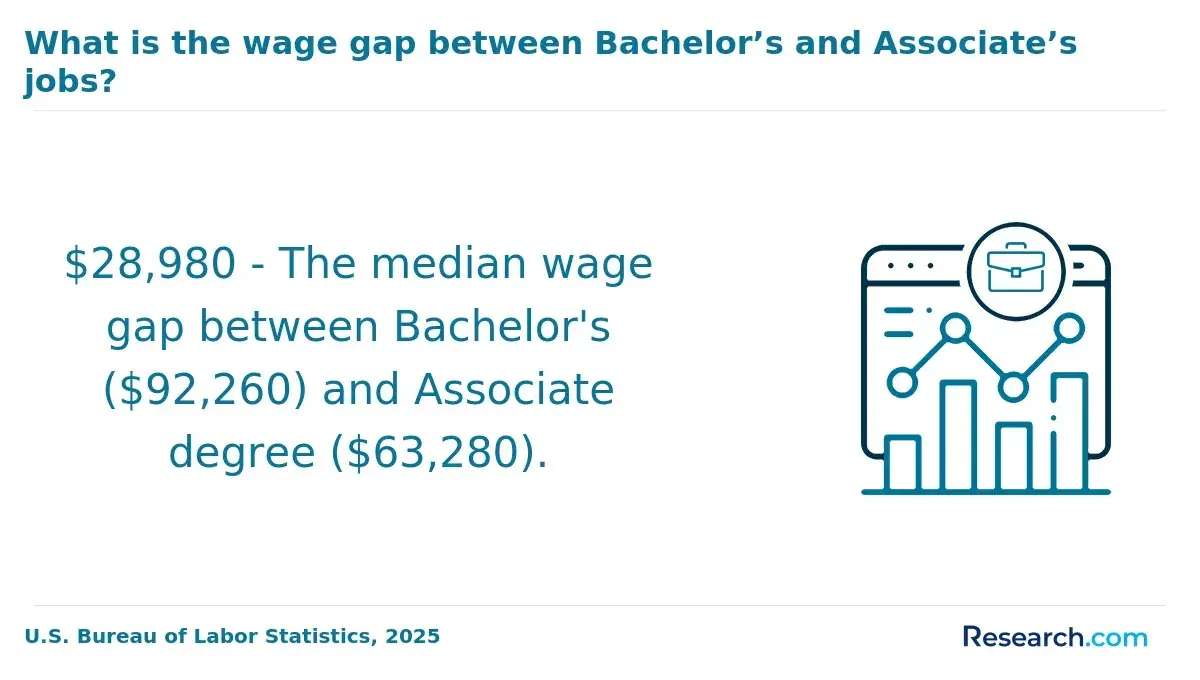
Employer recognition strongly correlates with national accreditation, influencing hospital hiring decisions and integration, which affects career trajectory given that BSN-prepared nurses report median earnings of $86,070, with top wages surpassing $120,000 according to U.S. Bureau of Labor Statistics. Students should proactively consult both state boards' approved program listings and accreditation databases to avoid invalid credentials and dead-end outcomes.
Those exploring accelerated pathways, including intersections with science prerequisites from community colleges, may also evaluate the pathway's alignment with advanced degrees like a 1 year DNP program online, which can further influence licensure and specialization strategies.
What admission requirements do ABSN programs set for science prerequisites and GPAs?
Community college science prerequisites for accelerated bachelor of science in nursing (ABSN) programs serve as practical filters reflecting actual workforce readiness rather than mere admissions benchmarks. Foundational courses in biology with lab, chemistry, anatomy and physiology, microbiology, and sometimes statistics must typically be completed with at least a grade of C, though programs increasingly favor a B or higher to indicate proficiency essential for clinical success.
Applicants face a common minimum GPA threshold around 3.0, with selective programs demanding 3.2 to 3.5, prioritizing science GPA as a sharper indicator of future nursing performance. For instance, a candidate with a 3.4 overall GPA but a 2.7 science GPA may be less competitive than one maintaining consistent 3.0+ grades across prerequisites, as science course rigor directly impacts licensure exam results and program completion.
Regional accreditation of the community college influences the necessity to retake courses; however, equivalency depends on alignment with university standards, especially in lab-intensive microbiology where depth varies. This detail is vital given the real labor-market implications: strong science preparation reduces costly remediation, minimizing delays and improving return on investment. According to Georgetown University Center on Education and the Workforce, median lifetime returns for BSN graduates exceed $600,000, underscoring the financial practicality of meeting these rigorous prerequisites upfront.
How do online, hybrid, and campus ABSN formats differ for prerequisite science labs?
Science lab access in accelerated baccalaureate nursing (ABSN) programs significantly shapes graduate readiness and logistical feasibility. Online ABSN tracks rely heavily on virtual simulations supplemented by limited, scheduled on-site labs-often at distant locations and restricted hours-posing challenges for working students who must secure proctored sessions to fulfill prerequisites like anatomy or microbiology. This fragmented access can delay skill mastery and complicate employer assessments of clinical preparedness.
Hybrid ABSN formats offer a mix of online lectures and in-person labs at partner campuses, enabling more authentic hands-on experience. However, students must navigate cross-institutional scheduling and travel, which may extend program timelines but often yields stronger clinical readiness. Employers report that hybrid graduates tend to require less onboarding time since their lab competencies are verifiable and consistent.
Campus-based ABSN programs embed continuous, face-to-face lab engagement, promoting accelerated skills acquisition through direct equipment use and immediate peer collaboration. The tradeoff is a less flexible schedule that may not accommodate those balancing employment or family commitments.
When choosing an ABSN format, students should weigh these lab delivery differences against personal circumstances and workforce demands. Prioritizing formats with reliable hands-on validation can reduce onboarding delays and improve long-term employability in healthcare environments increasingly emphasizing pre-hire practical competence.
What does the typical ABSN curriculum look like after completing science prerequisites?
Accelerated bachelor of science in nursing programs compress core nursing education into 12 to 18 months, demanding rapid translation of science prerequisites into clinical competency. More than 30% of students entering BSN pathways completed foundational courses like anatomy and physiology at community colleges, which benefits workload management by reducing redundancy but also exposes students to a faster, more intense academic and clinical pace.
Post-prerequisite curriculum focuses heavily on applying concepts such as pharmacology, pathophysiology, and health assessment within clinical settings that include hospitals, outpatient clinics, and community centers. Students must integrate prerequisite science in real time to navigate complex patient care scenarios-for instance, leveraging pathophysiology knowledge alongside pharmacologic data to manage acute cases.
Key challenges arise from balancing accelerated lectures with extended, often evening or weekend clinical hours. Inadequate adaptation to this pace or superficial grasp of fundamentals frequently results in remediation or delayed graduation. Employers prioritize graduates who demonstrate critical thinking and seamless application of prior science education under pressure.
Prospective students should critically assess whether their community college preparatory work aligns with ABSN rigor to avoid extended program time and enhance licensure and employment prospects. This practical alignment directly affects workforce readiness amid healthcare demands.
How long do ABSN programs take, and what tuition and fees should I expect?
The accelerated bachelor of science in nursing (ABSN) pathway compresses traditional nursing education into a 12 to 24-month window, with transfer credits from community colleges shaving an average of 1.2 years off time-to-degree. This reduction accelerates entry into nursing positions, directly impacting income flow and cutting living costs during schooling. However, the tradeoff lies in ensuring transferred science prerequisites align strictly with baccalaureate-level standards to avoid remediation that can extend program length and inflate costs.
Tuition and fees for ABSN programs generally range from $30,000 to $70,000, excluding prerequisite courses. Additional expenses-such as clinical placement fees, books, supplies, and exams-can add $3,000 to $7,000. Programs that accept community college science credits may reduce the number of on-campus credits required, potentially lowering direct costs. Students should also plan for licensing exam fees and possibly retaking courses if prerequisite requirements are not fully met.
From a workforce lens, faster credentialing gained through strategic credit transfers addresses nursing shortages by enabling quicker workforce entry. Employers prioritize candidates who can promptly meet clinical qualifications, a critical factor amid staffing pressures. Mid-career professionals pivoting to nursing benefit from reduced opportunity costs when credit alignment is optimized.
- Transferring eligible credits shortens schooling and lowers tuition burden
- Strict prerequisite validation avoids costly course retakes
- Earlier licensure completion offers income and employment advantages
Students must rigorously confirm transfer policies and prerequisite compatibility before enrollment to safeguard time and financial investments, maximizing the practical value of prior coursework while expediting career transition into nursing roles.
What nursing careers, salaries, and job outlook can I expect after an ABSN?
Nursing roles after an accelerated bachelor of science in nursing (ABSN) vary widely, with annual median salaries from approximately $75,000 to $120,000 depending on specialization and region. Hospital systems under pressure to fill registered nurse (RN) vacancies prioritize candidates who complete science prerequisites efficiently, often favoring programs that accept community college coursework. This practical flexibility shortens time to licensure and reduces educational debt, making graduates more competitive for positions demanding swift clinical readiness, such as intensive care units.
Employers actively seek ABSN graduates capable of navigating complex environments and interdisciplinary communication. For instance, ICU nursing requires rapid mastery of intricate protocols-a scenario where streamlined prerequisite acceptance can affect readiness and performance. Conversely, accelerated curricula demand rigorous time management to balance dense clinical hours with study, posing challenges that candidates must evaluate realistically before enrollment.
Accepting community college science credits also broadens access, enrolling 20-25% more first-generation and low-income students, which supports workforce diversity crucial for patient outcomes in underserved communities. This inclusion aligns with healthcare employers' objectives to diversify their talent pools and meet increasing demand amplified by demographic shifts.
Practical considerations beyond tuition and program length include assessing clinical placement flexibility and employer partnerships that ease balancing work, clinical requirements, and study intensity. Selecting ABSN programs with these features can mitigate stress and enhance job-readiness, ultimately influencing career trajectory within healthcare settings.
How should I compare and choose ABSN programs that accept community college credits?
Choosing an accelerated baccalaureate nursing program that accepts community college science credits hinges on evaluating factors beyond NCLEX pass rates, which are comparable between community college and four-year institution prerequisites at roughly 88-90%. The critical decision points involve how programs translate these credits and support clinical placements, directly influencing time to degree completion and job readiness.
Programs that fully accept core science credits with minimal evaluation reduce both tuition costs and time out of the workforce-essential for students balancing employment or family obligations. Conversely, restrictive credit policies or mandatory equivalency assessments can extend timelines and add expense.
Clinical placement structures also vary: strong partnerships with healthcare systems accelerate access to high-quality sites aligned with employer expectations, a significant advantage for immediate employment. Programs separating community college pathways into different clinical cohorts risk limiting networking and hiring opportunities.
Accelerated program formats offer faster entry into nursing roles but demand intense, full-time engagement. This tradeoff is crucial for working professionals to consider, as compressed schedules may hinder concurrent job or family responsibilities.
Dedicated career services with clear local healthcare employer relationships enhance post-graduation placement rates, a decisive factor amid competitive hiring landscapes.
Other Things You Should Know About ABSN
Working during an absn program is possible but difficult to manage due to the program's accelerated pace and clinical hour requirements. Most absn programs demand 40+ hours weekly between lectures, labs, and clinicals, leaving minimal time for part-time or full-time jobs. Prioritize programs with flexible scheduling only if you can realistically reduce work hours to maintain academic performance and meet clinical obligations.
Most ABSN programs require a minimum GPA of 3.0 for science prerequisites accepted from community colleges. However, some schools may have different requirements, so it's essential to check the specific GPA criteria for each program you apply to.
Yes, if the lab is a separate, in-person course with a documented lab credit and transcript grade. Many 2027 ABSN programs require at least 3 to 8 semester credits of science prerequisites, and they often reject combined lecture-only survey courses or non-lab online labs.
References
- All About ABSN https://onlinedegrees.rockhurst.edu/blog/all-about-absn-infographic
- How Does an Accelerated Nursing Program Work? - UMSV https://absn.mountsaintvincent.edu/blog/accelerated-nursing-program/
- Is an Accelerated BSN Worth It? Salary, ROI, and Career Outlook https://stmary.edu/nursing-accelerated/is-an-accelerated-bsn-worth-it.html
- Accelerated Bachelor of Science in Nursing | Research College of Nursing https://researchcollege.edu/programs/accelerated-bsn/
- Your Guide to Accelerated Nursing Programs | Nurse Agent https://nurseagent.org/your-guide-to-accelerated-nursing-programs
- Can You Transfer Into Nursing Programs? A Complete Guide https://www.edvisorly.com/student-guides/can-you-transfer-into-nursing-programs
- Prerequisite Course Articulation https://www.samuelmerritt.edu/prerequisite-course-articulation
- Online Nursing Prerequisites: Helpful Guide to BSN and ABSN Requirements [2025] - Prereqcourses https://www.prereqcourses.com/online-nursing-prerequisites/
- Hybrid-Online Accelerated Bachelor of Science in Nursing (ABSN) Program - Roseman University https://www.roseman.edu/academic-programs/college-of-nursing/accelerated-bachelor-of-science-in-nursing/online-absn/
- CCNE Accreditation https://www.aacnnursing.org/ccne-accreditation