2027 ABSN Technology Skills Employers Look For

Co-Founder and Chief Data Scientist
Facing the challenge of aligning accelerated nursing prerequisites with evolving clinical technology demands, many applicants encounter delayed program entry due to rigid curricula and limited skill preparation. Federal data reveals a 35% surge in online nursing program enrollment since 2022, driven largely by adult learners whose career transitions depend on flexible, technology-integrated education.
This rise signals systemic shifts in accessibility and employer expectations for digital competence in patient care and healthcare informatics. Navigating these dynamics, prospective ABSN students must pinpoint vital technical skills that employers prioritize to enhance employability and reduce time-to-practice. This article identifies those essential ABSN technology skills and clarifies how mastering them advances career outcomes efficiently.
Key Things You Should Know
- Employers prioritize proficiency with electronic health records and telehealth platforms, with 68% of health facilities requiring ABSN graduates to demonstrate these skills per the 2024 U.S. Bureau of Labor Statistics, influencing hiring competitiveness.
- The accelerated nature of ABSN programs compresses clinical hours, creating a tradeoff where intense tech skill acquisition may reduce hands-on patient interaction, impacting readiness for complex care environments.
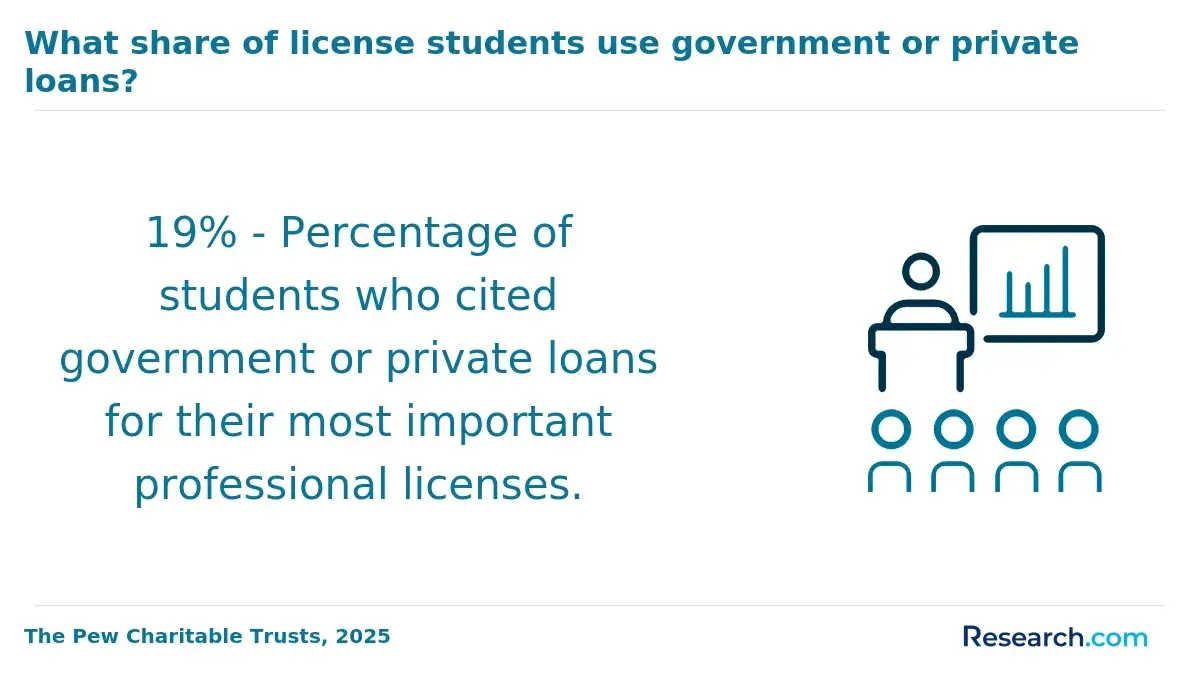
- Time- and cost-intensive ABSN curricula correlate with a 12% higher debt burden among enrollees than traditional routes, prompting employers to weigh candidates' financial strain against practical digital competencies.
What technology skills do ABSN employers look for?
Employers prioritizing ABSN employer technology skills for hires in 2026 place clear emphasis on operational competence with electronic health records (EHR) over traditional credentials. Mastery of EHR systems directly influences patient safety and workflow efficiency, often determining a candidate's suitability for clinical roles. Alongside EHR, proficiency in integrated clinical decision support tools enables nurses to interpret data in real time without disrupting care delivery.
Data literacy within healthcare technology competencies for ABSN graduates is increasingly vital. Half of technology-focused employers value demonstrated analytical skills more than formal degrees or experience, noting the ability to manage patient dashboards and support evidence-based treatment through actionable clinical data. Candidates who translate digital metrics into improved care coordination provide measurable workforce value.
Real-world scenarios underline the necessity of telehealth platform fluency, where ABSN nurses troubleshoot virtual assessments and video interfaces-skills that reduce appointment delays and enhance remote care access. Competency in mobile health apps and interoperability standards further streamlines communication across multidisciplinary teams.
To align with these demands, ABSN students should seek targeted training or tech certifications that validate applied skills, filling experience gaps in clinical rotations or simulation labs. As students evaluate pathways, exploring the best RN to BSN programs can provide insights into programs that integrate these technology competencies effectively.
What technology competencies are taught in ABSN programs?
ABSN program technology skills for nursing students now extend beyond basic electronic health records (EHR) literacy to include clinical informatics competencies taught in accelerated nursing programs, which emphasize simulation and telehealth. Mastering EHR workflows is a non-negotiable expectation as clinical environments demand precision and speed in handling digital patient data.
For example, nurses working in acute care must efficiently navigate these systems to avoid costly errors and enhance patient safety, reflecting employer prioritization of such digital proficiency.
Simulation training uses high-fidelity mannequins and virtual scenarios, replicating emergencies and complex cases that improve critical thinking. Candidates with this hands-on experience often face shorter orientation periods and higher retention rates, a practical benefit given the high costs of staff turnover. Telehealth training equips students to support outpatient and remote monitoring needs, a response to rural health demands increasingly relying on virtual care technology.
Employers expect ABSN graduates to rapidly adapt to proprietary software and evolving tech standards, highlighting the tradeoff between programs that integrate current technology rigorously and those that fall short. Students should scrutinize program curricula carefully, ensuring alignment with local health system requirements and workforce realities before committing to a pathway.
While AI and machine learning are emerging in nursing education, only select programs are integrating these competencies, enabling nurses to contribute to predictive analytics and workflow optimization. Students investigating options may also consider an RN to BSN program without clinicals if seeking alternatives tailored to specific professional goals or constraints.
How does online ABSN technology training differ from campus learning?
Online ABSN technology training prioritizes flexible digital skill acquisition but falls short in offering the immersive, hands-on experience typical of campus programs. Campus learning provides direct clinical equipment use and instructor feedback, fostering better situational judgment and adaptability through real patient interactions and teamwork.
In contrast, online students rely on simulations and virtual labs, a format that may restrict exposure to tactile healthcare technologies and nuanced communication essential for multidisciplinary teams.
Employers often prefer candidates with campus-based clinical experience for their proven ability to apply technology reliably in patient care settings. Online ABSN technology training advantages include accelerated pacing and accessibility, enabling working professionals or remote students to upskill without relocating or leaving jobs.
However, challenges arise when securing local clinical placements that meet program standards, potentially delaying graduation and complicating licensure-especially where specialized technology exposure is limited.
Workforce data show that technology expertise is increasingly critical, with computer and information technology occupations growing rapidly. Online platforms can swiftly incorporate new digital tools, yet the absence of verified tactile proficiency may raise hiring concerns for some employers.
Students contemplating online versus campus ABSN learning must balance modular convenience and current software skills against the comprehensive, hands-on foundation valued in clinical practice.
For those exploring advanced paths beyond initial licensure, the cheapest online nursing PhD programs offer a cost-effective continuation of nursing education, often integrating flexible online models similar to accelerated ABSN formats.
Which healthcare systems should ABSN students know?
Electronic health record platforms dominate the technical skillset required of accelerated Bachelor of Science in Nursing (ABSN) graduates in the United States, directly impacting job readiness and clinical performance. Epic, with roughly 28% hospital market share, demands precise patient data management and seamless interdepartmental communication.
Cerner's prevalence in integrated care networks requires familiarity with population health functions, while Meditech's stronghold in community hospitals focuses on distinct charting and medication workflows. The variability in these healthcare information systems used by ABSN students in the United States challenges graduates to rapidly adapt to customized implementations that differ significantly by facility size and setting.
This operational diversity influences employer expectations: over 38% prioritize adaptability and 37% emphasize communication skills when hiring, reflecting the real-world need for navigating evolving EHR interfaces and multidisciplinary collaboration tools.
For example, a new ABSN nurse employed at a large urban hospital faces a steep learning curve mastering vendor-customized Epic workflows, whereas a rural facility's Meditech system may demand alternative documentation precision, affecting clinical efficiency and error rates.
To mitigate these hurdles, curriculum designers should integrate simulation labs or partner with healthcare providers to expose students to the top electronic health record platforms for ABSN graduates in North America.
Without such practical training, graduates risk delayed productivity and potential patient safety concerns. In parallel, nurses exploring education alternatives may consider online DNP programs without clinicals to expand their qualifications and flexibility in career pathways.
What clinical technology skills matter most for new nurses?
Proficiency in electronic health records (EHR) systems and patient monitoring technologies is a non-negotiable skill for nurses, particularly in high-acuity hospital environments where swift data retrieval can prevent fatal medication errors. Navigating multiple EHR platforms demands precision and speed, directly influencing patient outcomes in real time.
For instance, ICU nurses rely on interpreting cardiac monitor waveforms promptly to make critical care decisions, demonstrating how technology mastery intertwines with clinical judgment.
Telehealth integration adds complexity in outpatient and rural settings, where nurses must not only operate remote monitoring devices but also manage connectivity challenges that influence care continuity. Beyond operational knowledge, effective communication with interdisciplinary teams holds tangible value; 37% of hiring managers emphasize this skill, underscoring its role alongside technical expertise.
Students pursuing the accelerated bachelor of science in nursing pathway confront the dual pressure of mastering these digital competencies while maintaining clinical responsibilities.
Adaptability and continual learning-often via simulation labs mimicking authentic tech environments-are essential to mitigating risks tied to inadequate technology integration, such as compromised patient safety and workforce unpreparedness.
How do ABSN programs build EHR and documentation skills?
Accelerated BSN programs focus on imparting hands-on electronic health record (EHR) and documentation skills through immersive clinical rotations and simulation labs, enabling students to navigate various hospital and outpatient systems effectively. This specialized training reduces onboarding time post-graduation by familiarizing students with real-world documentation demands, such as precise patient histories and medication administration in acute care settings, which helps minimize clinical errors.
Students confront the practical challenge of adapting to multiple, inconsistent EHR interfaces, often addressed by vendor-specific software simulations that build cognitive flexibility. Employers now expect new nurses not only to document accurately but to contribute to quality improvement initiatives using EHR data analytics. Accelerated BSN programs integrate data interpretation exercises that prepare graduates to translate patient data into actionable clinical outcomes.
Such programs cultivate problem-solving and critical thinking within documentation workflows, aligning with workforce trends where 57% of technology employers prioritize transferable skills like these, according to Cengage Group's 2025 State of Employability. Graduates often manage complex cases requiring timely, legally sound records that support interdisciplinary communication under pressure.
Tradeoffs include the steep learning curve presented by diverse EHR platforms and the pressure to demonstrate immediate documentation competence. However, this targeted skill development enhances employability by meeting evolving sector needs for nurses who handle both clinical care and digital health data effectively.
What certifications strengthen technology skills for ABSN graduates?
Technology certifications for ABSN graduates must be chosen with an eye on tangible employer demand and task-specific skill application rather than broad credential accumulation. For example, the Certified Professional in Healthcare Information and Management Systems (CPHIMS) certification offers targeted expertise in navigating electronic health records (EHR) systems-a critical capability as hospitals transition to complex digital platforms.
Certifications like the American Nurses Credentialing Center's Informatics Nursing Certification (RN-BC) validate the ability to analyze and apply clinical data effectively, a frequent necessity in fast-paced acute care environments where timely decisions depend on nuanced data interpretation.
Additionally, telehealth certifications equip ABSN nurses to meet rising demands in remote monitoring and virtual care, crucial for expanding services in rural or underserved regions. Hiring managers emphasize adaptability, with 38% rating it a top skill, underscoring the ongoing need for nurses to update their tech proficiency continually.
Graduates should weigh certification investments against their intended sector's technological sophistication to avoid redundant training. Practical steps include:
- Align certifications with employer-specific software and data tool requirements.
- Prioritize credentials that complement targeted clinical roles.
- Plan renewals and further education to maintain competitiveness.
The strategic selection of technology certifications determines how effectively ABSN graduates can integrate into evolving workflows and influence patient care quality amid growing digital complexity.
How can you verify an ABSN program's accreditation?
Accreditation from the Commission on Collegiate Nursing Education (CCNE) or the Accreditation Commission for Education in Nursing (ACEN) determines whether an ABSN program delivers recognized educational quality essential for licensure and employment.
State nursing board approval alone is insufficient, as national accreditation directly affects eligibility for the NCLEX-RN exam and impacts employer acceptance. For instance, a healthcare professional seeking to shift careers must confirm accreditation before enrolling to avoid licensing setbacks and delayed workforce entry.
Prospective students should verify accreditation status via official CCNE and ACEN databases, which identify valid programs and flag probationary or revoked standings. This step safeguards against investing in programs that jeopardize licensure or professional mobility.
Employers increasingly expect ABSN graduates to possess digital literacy skills, including proficiency with electronic health records and telehealth technology. Accredited programs are more likely to provide such training, aligning graduates with workforce expectations. Non-accredited programs may omit these competencies, limiting a graduate's market relevance.
Practical verification steps include:
- Visiting the CCNE and ACEN websites to confirm accreditation.
- Checking for state board approval as a baseline.
- Requesting curriculum details emphasizing digital and clinical skills.
- Reviewing recent NCLEX-RN pass rates published by accredited programs.
These factors emphasize that accreditation directly correlates with meeting regulatory requirements and preparing nurses for increasingly digital healthcare settings.
What jobs can ABSN graduates get with strong tech skills?
ABSN graduates with strong technology skills access nursing roles that go beyond standard entry-level positions, including informatics nursing, telehealth coordination, clinical data analysis, and patient education technology specialties.
These roles demand fluency in electronic health records (EHR) systems, integration of medical devices, and proficiency with digital communication tools-capabilities increasingly prioritized by healthcare organizations moving toward data-driven and remote care models. For instance, an informatics nurse in a large hospital deploying new patient monitoring software can materially improve treatment precision and optimize workflow efficiency.
Employers now expect ABSN graduates to blend clinical proficiency with technical agility. Industry data shows approximately 65% of healthcare roles require intermediate to advanced technical skills, enhancing competitiveness in specialized areas like critical care where real-time interpretation of data from connected health devices is vital.
Key professional skills include:
- Technical adaptability to keep pace with evolving software and hardware.
- Teamwork that supports effective interdisciplinary technology adoption.
- Continuous learning to manage interoperability between legacy and modern healthcare systems.
However, this technical demand presents challenges such as mastering complex, fast-changing systems and navigating inconsistent data compatibility-tradeoffs that call for ongoing training and flexibility. For example, a telehealth coordinator must translate IT solutions across diverse care teams to maintain smooth patient interactions, highlighting that technical expertise alone does not supplant collaboration skills.
How do technology skills affect ABSN job outlook and salary?
Technology proficiency significantly expands an accelerated nursing (ABSN) graduate's access to specialized clinical and leadership roles that integrate healthcare informatics. Employers now prioritize candidates holding certifications in managing electronic health records (EHRs), telehealth systems, and data analytics to meet the demands of increasingly digital care environments.
According to Cengage Group's 2025 State of Employability, nearly half of technology employers actively seek candidates with industry-recognized technical credentials, illustrating a shift beyond conventional nursing qualifications.
ABSN graduates skilled in clinical informatics often qualify for positions such as hospital IT liaisons, quality improvement team members, and data analytics specialists-roles that can command salaries 10-15% higher than typical entry-level nursing jobs. For instance, a nurse adept in clinical decision support systems reduces documentation errors and optimizes workflows, making them valuable to large healthcare organizations navigating complex digital integrations.
To leverage these advantages, students must weigh the investment of time and money required to obtain certifications like Certified Informatics Nurse (RN-BC) against quicker bedside entry.
Employers tend to favor nurses who combine clinical expertise with technical fluency-this dual skill set becomes a decisive factor in talent competition and salary negotiations, particularly as hospitals pursue digital transformation and regulatory compliance.
Other Things You Should Know About ABSN
Clinical rotations in diverse settings expose students to different healthcare technologies and patient populations, which employers value for adaptability on the job. Programs with limited or narrowly focused clinical experiences may leave graduates less prepared for varied clinical environments. When selecting an ABSN program, prioritize those offering broad clinical placements to enhance competence across multiple care contexts and improve employability across healthcare settings.
While ABSN curricula cover essential digital tools, gaining proficiency with advanced health informatics or emerging clinical technologies can give graduates a competitive edge. Employers increasingly seek nurses who can navigate evolving systems efficiently. Candidates should evaluate the return on investment of additional training against time constraints but generally benefit from targeted upskilling, especially in settings adopting cutting-edge health technology.
Online ABSN programs offer convenience but may reduce hands-on interaction with clinical technology compared to hybrid formats. Hybrid programs integrate in-person labs and simulations, critical for mastering equipment and software crucial to nurse competency. For students intending to work in technology-intensive healthcare environments, prioritizing hybrid programs typically results in stronger technical skills and smoother transitions to practice.
References
- Top Skills Employers Want in Practical Nursing Graduates https://vervecollege.edu/what-employers-look-for-in-practical-nursing-graduates/
- Best Practices in Training Nurses to Use Electronic Health Records: A Literature Review https://cjni.net/journal/
- Most In-Demand IT Skills Employers Want in 2026 - NRI Staffing, Inc. https://www.nri-staffing.com/2026/03/13/most-in-demand-it-skills-employers-want-in-2026/
- Accelerated BSN vs BSN: What’s the Difference? https://stmary.edu/nursing-accelerated/acclerated-bsn-vs-bsn.html
- Informatics Competencies: Preparing Nursing Students for a Preferred Future https://library.ania.org/p/s/informatics-competencies-preparing-nursing-students-for-a-preferred-future-10729
- ABSN vs Traditional BSN - Which Is Right for You? https://absn.madonna.edu/blog/absn-vs-traditional-bsn-right/
- CCNE Accredited Programs https://www.aacnnursing.org/ccne-accreditation/find-accredited-programs
- Accelerated Second Degree in Nursing Program (BS) https://www.iona.edu/academics/explore-majors-programs/accelerated-second-degree-nursing-program-bs
- Nursing Education Enters a New Era With Tech-Driven Overhaul | Insight Into Academia https://insightintoacademia.com/nursing-tech-overhaul/
- Essential Tech Skills for IT Jobs in Ireland | FRS Recruitment https://www.frsrecruitment.com/top-technology-skills-required-for-it-jobs-in-ireland