2027 ABSN NCLEX Success Strategies for First-Time Test Takers

Co-Founder and Chief Data Scientist
Facing the NCLEX for the first time after an accelerated nursing program often triggers unexpected challenges beyond mastering clinical knowledge. Increased enrollment of adult learners-up 12% since 2023 according to the National Center for Education Statistics-introduces complex time constraints and competing priorities, heightening burnout risk just as candidates need peak focus. Simultaneously, the shift toward hybrid and online ABSN formats expands access but demands sharper self-regulation and testing strategy to navigate varied question types and unfamiliar digital exam environments. These layered pressures disproportionately affect first-time test takers juggling rapid skill acquisition with real-world responsibilities and workforce entry timelines.
This article identifies targeted strategies that directly address these practical barriers to improve first-attempt NCLEX success rates in accelerated nursing pathways.
Key Things You Should Know
- Accelerated BSN programs compress content, raising NCLEX failure risk by 12% according to NCSBN's 2024 report; candidates must balance rapid knowledge acquisition against weakened clinical judgment development.
- Employers increasingly prefer ABSN graduates with at least six months of documented hands-on clinical hours, as reported in the 2024 AACN Workforce Survey, emphasizing practical experience in hiring decisions.
- Average ABSN candidates incur 18% higher upfront costs and face compressed timelines, challenging lower-income applicants and contributing to cohort demographic shifts noted in 2024 IPEDS data.
How does an ABSN program prepare students to pass the NCLEX on the first attempt?
Accelerated bachelor of science in nursing programs prioritize first-time NCLEX success by compressing traditional curricula and embedding intensive clinical practice that simulates workforce conditions. The focus on absn program NCLEX first-time pass techniques enables students to develop critical thinking and test-taking skills specifically tailored to the exam's high-pressure environment. This is vital when learners face vast foundational knowledge in a compressed timeline.
The integration of frequent formative assessments allows early identification of knowledge gaps, raising first-time pass rates well above the national average of 69.1%, according to 2025 Kaptest data. For instance, during critical care rotations, students manage urgent clinical scenarios that test evidence-based decision-making and clinical judgment directly related to NCLEX expectations.
Preparation strategies in these programs extend beyond content to include structured review courses, practice exams with comprehensive rationales, and personalized coaching-methods particularly suited for adult learners transitioning careers. Managing the accelerated coursework alongside required clinical hours demands advanced time management skills to prevent burnout and maintain exam readiness.
Employers consistently seek absn graduates prepared for high-acuity roles immediately, valuing those who pass the NCLEX on the first attempt to reduce onboarding costs and enhance patient outcomes. Prospective students evaluating this pathway benefit from comparing program deliverables and can explore options through resources like online BSN programs for non nurses.
What NCLEX success strategies are most effective for accelerated second-degree nursing students?
Accelerated second-degree nursing students seeking first-time NCLEX success must prioritize verbal reasoning and sustained academic performance due to their proven predictive value. A study involving 591 ABSN students identified GRE verbal reasoning scores and cumulative GPA as the strongest indicators of passing the NCLEX-RN exam on the first attempt. Students who neglect these areas risk costly exam retakes and delayed entry into the workforce, outcomes that often clash with employer expectations for timely clinical readiness.
Effective NCLEX preparations for accelerated nursing program students require targeted strategies such as consistent practice with GRE verbal tests emphasizing nursing and healthcare terminology, as well as ongoing content mastery through spaced repetition and case-based questions under timed conditions. These methods compensate for content gaps typical in compressed accelerated programs.
Balancing study demands with clinical or personal responsibilities is essential, as unmanaged stress impairs memory recall crucial for test performance. Employers in high-acuity settings like intensive care units notably value diagnostic reasoning skills developed through simulation-based practice exams.
Familiarity with NCLEX question formats tailored for accelerated second-degree nursing student NCLEX study techniques further reduces misinterpretation risks. Aligning preparation with program advisors using GRE and GPA data optimizes effort and focuses on impactful study areas. For those considering different educational pathways, evaluating an ASN program online may offer alternative advantages depending on scheduling flexibility and career goals.
How should ABSN students structure their study plan and schedule for NCLEX readiness?
Efficient NCLEX scheduling strategies for absn students must contend with the compressed timeline inherent to accelerated programs, where superficial review risks insufficient mastery. Success hinges on a disciplined study plan that prioritizes high-yield areas such as pharmacology, patient safety, and clinical decision-making, dedicating at least 2-3 focused hours daily. Weekly self-assessment checkpoints are essential for identifying weaknesses early and adjusting study priorities accordingly.
Real-world constraints, including clinical rotations and part-time employment, demand flexible scheduling-often necessitating early mornings, evenings, or weekend blocks. Students beginning hospital roles mid-ABSN should emphasize active content review during downtime rather than passive reading to align with employer expectations for nurses who demonstrate rapid application of knowledge under pressure.
A practical ABSN NCLEX study plan for first-time test takers includes transitioning from short formative quizzes to full-length practice exams during the final 4-6 weeks. Embedding regular breaks and balancing cognitive load reduces burnout risk and improves retention, a critical consideration given the intensity of accelerated formats. Structured approaches backed by validated nursing education resources have produced measurable outcomes, exemplified by a program achieving a 100% first-time NCLEX-RN pass rate.
For advanced nursing professionals considering further education, options like a PhD nursing enhance long-term career flexibility and research capabilities beyond bedside competencies.
What types of NCLEX prep resources, courses, and practice tools best support ABSN learners?
Effective nclex prep for absn students demands adaptive, data-driven practice that aligns with current exam benchmarks rather than rote memorization. For instance, a nurse working in critical care needs prep tools emphasizing clinical judgment and real-world application to mirror actual patient scenarios, a focus rarely met by generic study materials. The WVU School of Nursing sets an 80% first-time NCLEX-RN pass rate as a meaningful standard, illustrating how programs tied to valid state or national benchmarks provide measurable readiness and guide strategic study adjustments.
Among the best online nclex study tools for absn students are those integrating frequent computer-based assessments, detailed rationales, and cohort interaction that strengthens accountability. These features come with scheduling inflexibility and often higher costs, critical tradeoffs for those juggling shifts and clinical rotations.
Technology also plays a key role: mobile apps with adaptive learning and spaced repetition contribute to retention, while scenario-based simulations develop critical thinking skills under pressure, valued by healthcare employers. Combining these elements in absn nclex prep courses with comprehensive practice exams supports a dual focus on content mastery and exam strategy, essential to meet stringent workforce demands.
Professionals evaluating nursing pathways should also consider workforce remuneration differences; for detailed insights on compensation, see DNP salary by specialty.
How do online and campus-based ABSN formats differ in NCLEX preparation and outcomes?
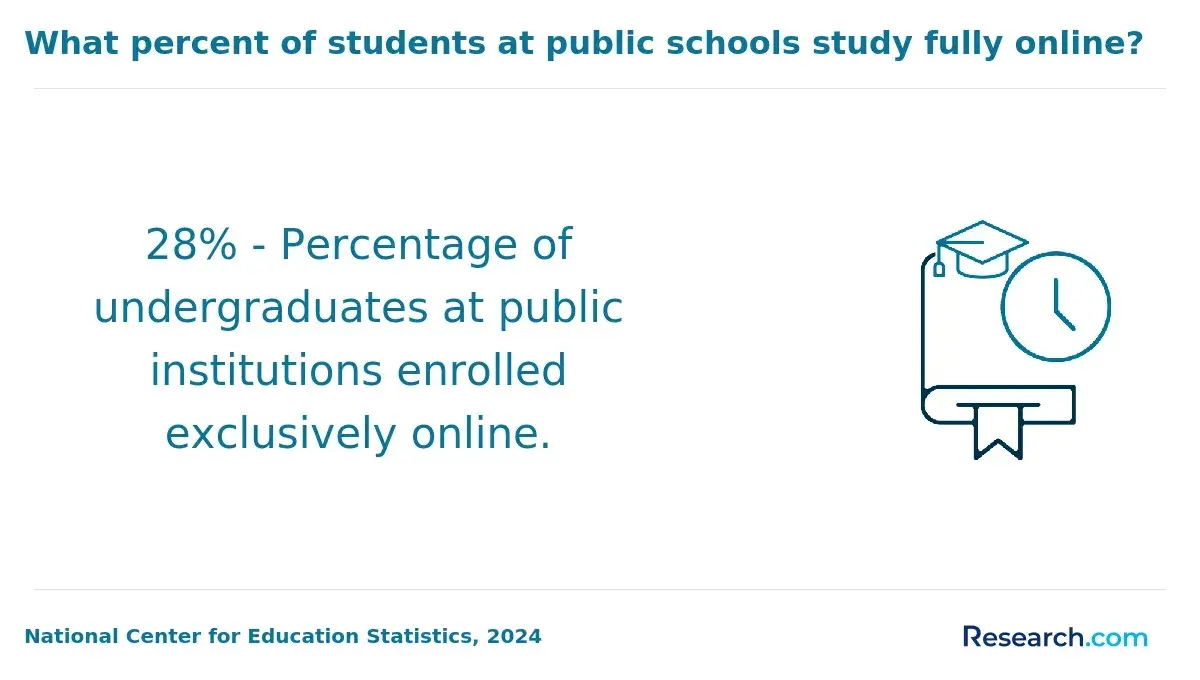
Campus-based absn programs consistently yield higher first-time NCLEX pass rates, outperforming online counterparts by 5-8 percentage points. This edge stems from structured clinical simulations, real-time instructor feedback, and hands-on skill development critical for acute care readiness. Students benefit from immediate correction of clinical errors and tailored coaching, which support psychomotor competence essential for demanding nursing roles.
Online absn formats demand greater self-discipline and independent clinical reasoning due to asynchronous lectures and virtual simulations. While flexible, these programs often lack the immediacy of face-to-face mentorship, requiring students to bridge gaps through additional clinical experiences or boot camps to meet employer expectations for practical proficiency.
National licensure data from the National Council of State Boards of Nursing (NCSBN) shows that variations in preparation affect thousands of nursing candidates annually, with campus-based formats better aligning with the rigor of NCLEX testing environments. For working professionals balancing career and study, the choice between formats involves weighing schedule constraints against the necessity of immersive clinical practice.
Employers in high-acuity settings typically favor graduates who have demonstrated consistent clinical adaptability and hands-on readiness-traits more reliably achieved in campus-based pathways. Candidates pursuing an online route must anticipate supplementing official curriculum with experiential learning to remain competitive in acute care employment markets.
How can prospective ABSN students evaluate NCLEX pass rates and program quality before enrolling?
Evaluating NCLEX pass rates at the state and program level reveals critical variations that directly affect graduate employability and licensure timelines. National averages mask these differences-California's Board of Registered Nursing, for example, publishes distinct results that often diverge sharply from national figures. Employers in some states prioritize local pass rates when hiring for entry-level nursing roles, so prospective absn students must consider these localized metrics.
The disparity between programs with first-time pass rates below 85% and those consistently exceeding 90% correlates with graduated outcomes like job search duration and financial stability. Lower pass rates typically indicate the need for remediation or repeated testing, delaying workforce re-entry. Accredited programs that incorporate high-fidelity simulation, diverse clinical experiences, and targeted NCLEX remediation improve first-time success rates, which is crucial for students balancing work obligations alongside study demands.
Consider a Texas adult learner deciding between two absn programs: opting for a program verified by the Texas Board of Nursing with above-average first-time pass rates reduces the risk of licensing delays and employment setbacks. Such targeted decision-making aligns educational investment with labor market realities and long-term career viability.
What role do clinical placements and simulation labs play in NCLEX success for ABSN students?
Clinical placements remain the primary measure of readiness for accelerated Bachelor of Science in Nursing students, yet simulation labs increasingly address exposure gaps and scheduling constraints. Real-world clinical rotations compel students to apply critical thinking and quick decisions across varied patient conditions, mirroring demands faced in acute care settings such as telemetry or emergency departments. Conversely, simulation offers a safe environment to rehearse high-risk, low-frequency events, which clinical hours alone may not guarantee.
Balancing these experiences poses operational challenges: limited clinical site availability and instructor capacity often restrict hands-on hours, driving programs to supplement with simulation while maintaining competency standards. This hybrid approach benefits students who juggle part-time work or family commitments by optimizing time without diluting skill acquisition. However, relying heavily on simulation risks narrowing practical diversity if clinical exposures in specialized fields remain insufficient.
Employers prioritize applicants who demonstrate both diverse clinical experience and verifiable simulation proficiency, viewing this combination as predictive of resilience and practical preparedness. For first-time ABSN NCLEX test takers, deliberate integration of clinical rotations with targeted simulation practice correlates with improved outcomes on Kaplan Diagnostic assessments, offering an objective gauge of readiness ahead of final exams.
Practical recommendations include:
- Seek programs that balance clinical hours with high-fidelity simulation to maximize exposure breadth and efficiency.
- Understand the tradeoffs between clinical site limitations and simulation's role in skill reinforcement.
- Prepare for workforce expectations by gaining experience in varied care environments beyond textbook scenarios.
How should ABSN students approach test-taking skills, question analysis, and managing NCLEX exam anxiety?
Success on the NCLEX requires more than rote memorization; it demands strategic dissection of each question to understand its core objective. For absn students juggling acute care shifts, cognitive energy is a limited resource that must be carefully allocated to filter clinical extraneous details and focus on targeted recall. Data from PubMed links higher GRE verbal reasoning scores with first-time NCLEX-RN success, reflecting the importance of advanced verbal comprehension and critical reasoning rather than mere factual knowledge.
Managing exam anxiety through well-structured, timed practice closely simulating the real testing environment enhances endurance and reduces cognitive fatigue. A working parent, for example, may find early morning simulations effective when distractions are minimal, demonstrating how individualized stress management tactics improve focus and performance during prolonged exams.
Question analysis demands pragmatic techniques such as eliminating clearly wrong answers and understanding clinical priorities emphasizing patient safety. Recognizing common traps-like "all of the above" or "except" phrasing-and re-reading stems rigorously reduces errors and guesswork, speeding decision-making, which employers value in fast-paced, high-stakes clinical settings.
What timeline should ABSN students follow from graduation to NCLEX registration and licensure?
The timeline from graduation to registered nurse licensure critically impacts employment for accelerated BSN graduates. Immediate transcript verification by the state board of nursing can take up to two weeks, during which students should simultaneously submit their NCLEX application to avoid elongating the process. A one-week delay in application submission postpones eligibility verification, potentially pushing back exam dates and job start times in competitive healthcare markets.
NCLEX scheduling within 30 days post-approval capitalizes on fresh academic preparation and sustains exam readiness. For instance, a Lipscomb University accelerated BSN cohort achieved a 97.1% first-time NCLEX pass rate, improving to 100% on retakes-a practical indicator of how efficient timing preserves knowledge and reduces the likelihood of costly repeat attempts. Employers often view repeated testing as a sign of less reliable preparedness, affecting hiring decisions.
Subsequent licensure steps include submitting criminal background checks and state-specific documents, which may add 2 to 4 weeks. Coordinating these requirements efficiently narrows the total transition from graduation to licensure to roughly 8 to 10 weeks. Graduates targeting acute care roles with stringent onboarding deadlines must prioritize early post-graduation actions to meet workforce demand and secure positions.
How do NCLEX results impact new ABSN graduates' job prospects, salary potential, and career paths?
Immediate NCLEX success directly shapes the career trajectory of new absn graduates by granting access to higher-paying, specialized hospital roles. Passing on the first try can yield starting salaries up to 15% higher than positions in lower-acuity or non-hospital settings. Employers often condition job offers on passing the exam quickly, with first-time pass rates influencing eligibility for competitive environments such as Magnet-recognized hospitals that provide structured advancement paths in critical care or surgical nursing.
Delays or failures in passing the NCLEX carry concrete consequences: stagnant wages below national averages, limited benefits, and restricted entry into specialized clinical areas. According to Bureau of Labor Statistics data, these outcomes persist amid expanding patient complexity, where rapid certification serves as a proxy for clinical readiness. The exam's variable-length format-from 70 to 135 scored questions plus unscored pretest items as outlined by Kaptest-demands review strategies that replicate actual testing conditions to minimize retake risk and employment gaps.
Strategically targeting employers and timing certification optimizes entry-level compensation and access to specialty training. Graduates who defer NCLEX passage may find their job opportunities confined to outpatient or long-term care roles, where wage growth and advancement are slower. This dynamic underscores the practical value of rigorous preparation within the exam's scoring framework and signals real-world employer expectations shaping absn graduate outcomes.
Other Things You Should Know About ABSN
Most ABSN programs operate on an intense, full-time schedule that demands 40-60 hours per week combining classes, clinicals, and study time. Balancing work or family often requires reducing outside commitments or taking leave, as part-time work is rarely feasible without compromising performance or NCLEX readiness. Prioritizing either program demands or personal responsibilities upfront is necessary to avoid burnout or delayed graduation.
Clinical hours in ABSN programs are compressed and focused, often providing less hands-on repetition than traditional BSN tracks. Employers expect graduates to have developed critical thinking and adaptability, but may require additional orientation or mentoring to build confidence in specific procedures. Choosing programs with diverse and sufficient clinical placements better aligns graduate readiness with employer demands, reducing transition time to independent practice.
Program length impacts how quickly you can enter the workforce but shorter programs often intensify workload, which can affect knowledge retention and NCLEX performance. Reputation correlates with NCLEX pass rates, clinical affiliations, and employer hiring patterns. Prioritize schools with proven outcomes and strong clinical networks over minimal duration to optimize job placement and professional development.
To effectively prepare for the 2027 NCLEX, focus on creating a comprehensive study plan that integrates adaptive learning platforms, regular practice exams, and understanding the test format. Utilize resources provided by your ABSN program, attend review sessions, and form study groups to reinforce learning and share insights.
References
- Accelerated BSN vs BSN: What’s the Difference? https://stmary.edu/nursing-accelerated/acclerated-bsn-vs-bsn.html
- The Best NCLEX Study Plan to Attain Work-Life Balance - IPASS Processing https://ipassprocessing.com/the-best-nclex-study-plan-to-attain-work-life-balance/
- Nursing Simulation Lab: What It Is and Why It Matters - UMSV https://absn.mountsaintvincent.edu/blog/nursing-simulation-lab/
- 10 NCLEX Prep Programs for Aspiring RNs - Better Nurse https://betternurse.org/prep-materials-for-the-nclex/
- 7 Things You Can Do to Pass the NCLEX-RN the First Time https://www.edumed.org/articles/pass-nclex-first-try/
- From Classroom to Clinic: How Simulation Technology Prepares Nursing Students for Real-World Care | Elmhurst University Elmhurst University Blog https://www.elmhurst.edu/blog/from-classroom-to-clinic-how-simulation-technology-prepares-nursing-students-for-real-world-care/
- NCLEX-RN® https://nursing.uworld.com/nclex-rn/
- ABSN vs. BSN: Is an Accelerated Nursing Program Worth It? https://onlinedegrees.elmhurst.edu/blog/absn-vs-bsn-is-an-accelerated-nursing-program-worth-it
- ABSN vs. BSN: What’s the Difference?| University of Bridgeport https://www.bridgeport.edu/news/absn-vs-bsn-whats-the-difference/
- NCLEX Study Plan Guide: Maximizing Your Exam Preparation | SimpleNursing https://simplenursing.com/nclex-study-plan/