2027 ABSN Careers in Pediatrics

Co-Founder and Chief Data Scientist
Accelerated bachelor of science in nursing students committed to pediatrics face the urgent challenge of balancing intensive clinical demands with timely program completion amid a national nursing shortage. Recent data from the National Center for Education Statistics reveals a 15% surge in enrollment for accelerated nursing tracks over the last two years, reflecting broad demand among adult learners for compressed, flexible pathways. This shift highlights pressures on ABSN students to rapidly acquire pediatric competencies while navigating limited clinical placements and evolving employer expectations for specialized pediatric care experience.
This article analyzes pediatric-focused ABSN career trajectories, program structures, and workforce alignment to guide prospective students toward informed decisions that optimize both education efficiency and long-term employability.
Key Things You Should Know
- ABSN pediatric specialization averages 15% higher licensing exam pass rates nationally but demands 1,200+ clinical hours, extending program length and delaying workforce entry compared to general ABSN tracks.
- Pediatric nurse shortages, rising 12% since 2022 per Bureau of Labor Statistics, prioritize ABSN graduates with pediatric competencies, pressuring employers to favor experience over accelerated program speed.
- Median cost of pediatric-focused ABSN programs is 18% above general ABSN tuition, forcing candidates to weigh upfront financial burden against higher pediatric role placement rates within 6 months post-graduation.
What is an ABSN and how can it prepare you for a pediatric nursing career?
Accelerated bachelor of science in nursing (ABSN) programs designed for pediatric careers present a technical bottleneck: graduates must rapidly develop specialized pediatric competencies that exceed general nursing fundamentals, given pediatric nurses represented only 8.4% of all registered nurses in 2023. The compressed 12 to 18-month timeline demands intense focus on clinical skills like growth assessment and family-centered communication, which are critical for pediatric roles but challenging to master amid a swift learning curve.
Employers expect new pediatric nurses to efficiently use pediatric electronic health records and adapt care priorities in high-pressure settings involving multidisciplinary teams. ABSN programs with pediatric clinical rotations in acute care, outpatient, or neonatal environments better equip graduates to meet these demands. However, competition for pediatric nurse positions remains stiff due to workforce scarcity, often requiring additional pediatric certifications such as pediatric advanced life support (PALS) or initial roles in broader pediatric units before specialization.
For professionals transitioning into pediatric nursing, the value of an ABSN degree prepares you for pediatric nursing only when paired with strategic networking and ongoing pediatric-specific education to offset limited field experience. These programs particularly suit career changers seeking compressed credentials but necessitate strong time management and resilience. Hybrid ABSN programs offering flexible learning modalities can aid in balancing these pressures while allowing expedited entry into pediatric healthcare practice.
Explore options for flexible program delivery through hybrid ABSN programs to better navigate these practical tradeoffs.
What pediatric nursing roles can you pursue after completing an ABSN program?
Pediatric nursing career paths after ABSN program completion require strategic alignment of clinical experience with employer expectations in a specialized and competitive sector. Entry-level pediatric registered nurse (RN) roles in children's hospitals, urgent care centers, and outpatient specialty clinics demand hands-on expertise in bedside care, medication administration, and family interactions. Yet, real-world hiring trends show that candidates with prior adult nursing backgrounds who acquire pediatric certifications, such as pediatric advanced life support (PALS), significantly enhance their employment prospects in specialized pediatric settings compared to general hospital roles.
Specialized pediatric nursing roles available to ABSN graduates-like neonatal intensive care unit (NICU) nurse or pediatric oncology nurse-require focused clinical hours and early career decisions to build the necessary skills for intensive monitoring and multidisciplinary care coordination. These roles highlight the practical tradeoff between immediate RN placement and longer-term specialization that demands advanced clinical training.
The U.S. pediatric nursing sector's rapid growth, including a 102% expansion in pediatric nurse practitioner (PNP) roles from 2010 to 2020, indicates increasing demand for advanced practice nurses diagnosing and treating childhood conditions. For working professionals considering a strategic pivot, targeted clinical rotations, pediatric certifications, and familiarity with pediatric patient populations are crucial factors shaping career trajectories in this evolving landscape.
Applicants should also explore foundational nursing education options such as ASN online programs to reinforce core competencies supporting further pediatric specialization.
How do ABSN programs with a pediatric focus differ from traditional BSN pathways?
Choosing between ABSN pediatric nursing training programs versus traditional BSN pathways hinges on a critical tradeoff: accelerated specialization versus extended foundational breadth. Pediatric-focused accelerated pediatric nursing degree program differences reveal a condensed curriculum-typically 12 to 18 months-with integrated pediatric clinical rotations from the outset. This accelerates readiness for pediatric roles, such as neonatal intensive care or child-focused community health, but demands managing compressed timelines and more intense workloads than the usual four-year BSN.
Traditional BSN tracks tend to cluster pediatric content late or offer it as electives, extending time to pediatric competency but allowing more gradual skills development across diverse nursing domains. Employers of pediatric nurses expect swift proficiency in pediatric assessment and family communication from ABSN graduates, increasing pressure during the accelerated learning phase. This can be a significant consideration for students balancing external commitments or seeking comprehensive clinical exposure.
The employment outlook materializes these distinctions into opportunity: a 6% growth in registered nurse jobs from 2024 to 2034 with 1.9 million annual openings reflects robust demand, especially for pediatric nurses holding specialized qualifications. Absence of pediatric integration in some BSN programs may limit quick workforce entry in these niches.
Prospective students evaluating options should also consider program cost and delivery. For those interested in flexible alternatives, cheap online nursing programs offer additional pathways that may complement or substitute traditional formats depending on individual needs.
What pediatric-specific courses and clinical experiences are included in ABSN curricula?
Pediatric-specific courses in accelerated bachelor of science in nursing (ABSN) programs shape competencies essential for high-acuity pediatric units by focusing on advanced pathophysiology, growth and development, and family-centered care. These core pediatric courses in accelerated bachelor of science in nursing curricula integrate pediatric pharmacology and health assessment, targeting the specialized needs of young patients. Given that 68.5% of pediatric-focused hospital nurses work in acute care settings, clinical training responds directly to workforce demands through targeted pediatric clinical rotations in accelerated nursing programs.
Students typically complete 100 to 150 hours of pediatric clinical rotations within tertiary or quaternary children's hospitals. These rotations expose students to complex pediatric cases like neonatal intensive care, pediatric oncology, and congenital disorders, fostering decision-making skills and technical competence. However, competition for placements and hospital affiliation restrictions can limit access, particularly affecting prospective students who require adequate pediatric clinical hours to remain competitive for roles in specialized children's hospitals.
The curriculum emphasizes interdisciplinary collaboration and family communication, essential in navigating pediatric care complexities. Simulation labs and supervised interactions instill evidence-based protocols enabling graduates to manage rapid clinical changes. This prepares ABSN students to meet employer expectations in demanding environments.
Prospective students should verify clinical site partnerships before enrollment to ensure relevant experience aligns with pediatric workforce realities. Additionally, understanding regional salary variations, such as those detailed in the DNP salary data, can inform long-term career and financial planning.
What accreditation and state licensure requirements apply to pediatric nurses educated through ABSN programs?
Achieving licensure and accreditation is a critical hurdle for accelerated bachelor of science in nursing (ABSN) graduates aiming for pediatric nursing roles. Without national accreditation from either the Commission on Collegiate Nursing Education (CCNE) or the Accreditation Commission for Education in Nursing (ACEN), candidates cannot sit for the NCLEX-RN, halting their career progression in specialized pediatric settings.
State licensure requirements complicate workforce mobility. For instance, an ABSN graduate licensed in California must secure a separate license in Texas to practice there, incurring administrative delays and potential employment gaps. This fragmentation requires strategic planning for nurses targeting pediatric hospitals across multiple jurisdictions. Beyond licensure, employers may also require pediatric certifications or continuing education credits to verify child health competencies.
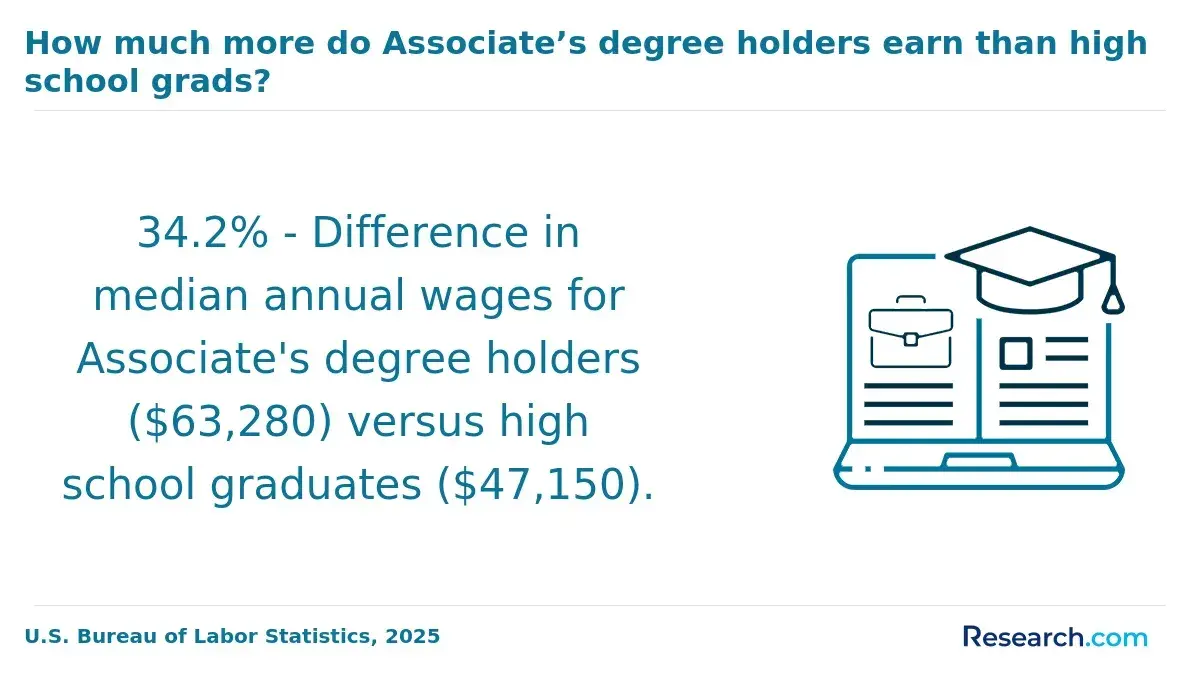
Salary data reinforce the operational value of these credentials: registered nurses in pediatric hospitals earned a median wage of $87,800 versus the national RN median of $83,090. This reflects a tangible pay premium for meeting rigorous accreditations and state requirements, underscoring the practical incentives behind timely program completion and licensure readiness.
How do online, hybrid, and campus-based ABSN programs compare for aspiring pediatric nurses?
Programs offering accelerated bachelor of science in nursing present distinct tradeoffs that significantly affect pediatric nursing career trajectories. Online ABSN pathways maximize schedule flexibility for working adults but often lack the immersive pediatric clinical mentorship critical for skill mastery. Nurses balancing caregiving or jobs demanding remote learning accessibility may find online formats practical yet face delays or added burdens securing adequate external pediatric clinical experience. Hybrid models blend in-person clinical labs and seminars with virtual coursework, enabling hands-on pediatric patient care without full campus residency. This suits students needing partial workplace flexibility but who must complete competency-based pediatric clinical hours to meet employer expectations.
Fully campus-based ABSN programs remain the gold standard for candidates targeting demanding pediatric units or specialty children's hospitals. Structured immersive rotations facilitate nuanced pediatric assessments and direct supervision by seasoned pediatric nurses, aligning with hiring priorities in specialized care settings. Employers typically regard campus and hybrid graduates as better prepared, given their concrete clinical exposure, which is essential since over 50,000 actively certified pediatric nurses show stringent competence standards in practice.
For professionals transitioning from nonclinical roles, hybrid or campus ABSN formats reduce credentialing delays by guaranteeing pediatric clinical placements that online programs often cannot directly provide. Ultimately, program choice hinges on balancing personal logistics against pediatric unit competitiveness, with clinical immersion critically impacting readiness and employability.
What are typical admission requirements and prerequisites for ABSN programs leading to pediatric practice?
Accelerated Baccalaureate Nursing (ABSN) programs aimed at pediatric nursing demand more than a baseline degree and coursework. Candidates typically must hold a bachelor's degree in a non-nursing field, maintain a GPA around 3.0, and complete core sciences such as anatomy and microbiology within the last five to seven years to ensure relevant, current knowledge. This temporal restriction reflects the need for immediate readiness given the specialized nature of pediatric care.
Competition intensifies because pediatric clinical placements are limited, while workforce shortages in over 80% of pediatric subspecialties create pressure to identify candidates capable of swift knowledge absorption and clinical adaptability. Admission often hinges on standardized nursing exam performance (TEAS or HESI) and demonstrated science competence, emphasizing proficiency over mere credentials.
Applicants already working in healthcare-related but non-clinical or social service roles may find an edge due to familiarity with pediatric environments. Yet, the typical 12 to 18-month program compresses study and practice hours-40+ weekly-raising concerns about adequate hands-on exposure, especially for high-acuity pediatric specialties where clinical readiness cannot be compromised.
To mitigate experience gaps, some programs embed pediatric simulation labs and mandatory internships focused on pediatrics, which prospective students must verify during program selection. These features can materially influence employability and preparedness in pediatric nursing amid ongoing workforce shortages.
How long do ABSN programs take, and what tuition and financial aid options exist for pediatric-focused students?
Enrolling in an accelerated Bachelor of Science in Nursing (ABSN) program demands assessing the tradeoff between rapid credentialing and the intensive workload it entails. These programs typically span 12 to 18 months, enabling swift entry into pediatric nursing but offering minimal flexibility for part-time employment during study. For instance, students in pediatric-focused tracks often face additional clinical rotations that can extend completion time and increase scheduling complexity.
Tuition variability, ranging roughly from $40,000 to over $80,000, presents a significant financial consideration. When coupled with costs for pediatric-specific certifications and immunizations that may exceed $1,500, the total investment warrants careful debt planning. Data from the 2025 Texas Early Career Nurses Survey reveals that 41% of nurses carry over $40,000 in educational debt, underscoring the need to weigh financing strategies against projected early-career salaries and mobility limitations.
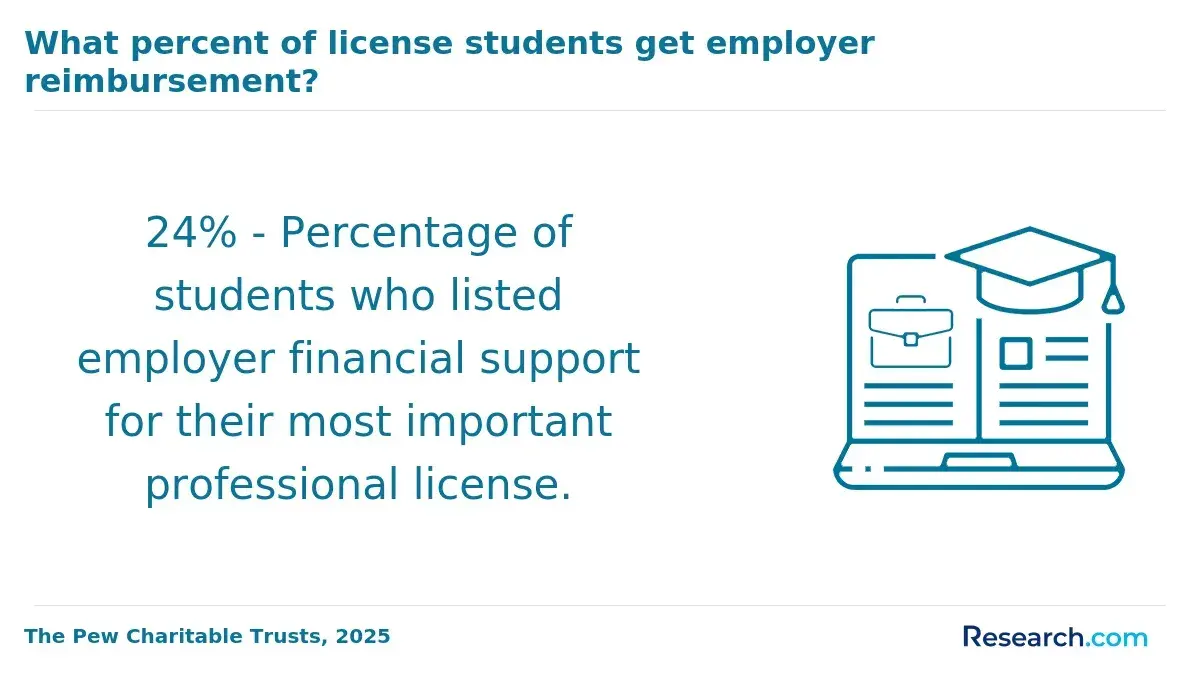
Financial aid avenues include federal loans, targeted scholarships, institutional grants, and employer tuition reimbursement-especially from pediatric healthcare providers who may also offer loan forgiveness or bonuses contingent on pediatric ABSN credentials. Those unable to secure substantial aid might explore programs with lower tuition or hybrid formats that support simultaneous employment.
Decision-making must balance accelerated timelines against the potential for burnout and debt load, while recognizing that extending program duration can ease financial strain but delay workforce entry in a specialty experiencing persistent demand.
What are the salary ranges and job outlook for pediatric nurses who graduate from ABSN programs?
Starting salaries for pediatric nurses who graduate from ABSN programs typically range between $65,000 and $80,000 annually, with location and healthcare setting significantly influencing compensation. Employers in large metropolitan hospitals and specialized children's hospitals generally pay toward the higher end due to cost of living and the demand for advanced pediatric care skills. Conversely, rural and community settings often offer lower base wages but sometimes provide additional incentives like sign-on bonuses or housing stipends.
Experience rapidly becomes a key factor; salaries for pediatric nurses with proven competencies in both inpatient and outpatient pediatric settings often rise to between $85,000 and $110,000. However, new graduates should be prepared for competitive hiring markets that favor candidates with pediatric-focused internships or residency experiences. This can delay access to more lucrative roles and necessitates flexibility around shift work and possible geographic relocation.
The job outlook remains favorable through 2030, supported by integration trends in Med-Peds care models where nearly 90% of Med-Peds physicians cover all age groups. This cross-disciplinary environment requires pediatric nurses to be adaptable collaborators within multidisciplinary teams, facilitating patient care transitions from childhood to adulthood. Employers place high value on demonstrated clinical skills that align with these evolving care frameworks.
How can prospective pediatric nurses evaluate and choose a reputable ABSN program in the U.S.?
Choosing an accelerated bachelor's in nursing (ABSN) program demands prioritizing accreditation, NCLEX pass rates, and pediatric-specific clinical placements with practical workforce outcomes in view. Accreditation from entities like the Commission on Collegiate Nursing Education (CCNE) or the Accreditation Commission for Education in Nursing (ACEN) is a non-negotiable baseline that ensures national licensure eligibility and employer recognition.
For candidates targeting pediatrics, the nature and location of clinical hours significantly shape readiness and employability. One example: aspiring neonatal intensive care nurses must confirm that pediatric rotations occur in specialized units rather than generic hospital wards, as this hands-on experience directly affects skill applicability and hiring competitiveness.
Program duration and delivery also influence career and financial timing. Part-time or hybrid ABSN options can maintain income streams during study, reducing workforce interruption. Conversely, longer programs delay entry into a field where pediatric nurse practitioner roles are projected to grow over 50% in the coming decade, creating tension between thorough preparation and accelerated market entry.
Evaluate employment support rigorously; programs with established pediatric employer partnerships and verifiable alumni placement rates enhance the likelihood of pediatric job offers post-graduation. Finally, cost must be assessed in relation to anticipated salary premiums within pediatric specialties to avoid overpaying for programs without commensurate career advantage.
In sum, verify robust accreditation, NCLEX success, focused pediatric clinical training, flexible program formats aligned with individual circumstances, and transparent pediatric placement outcomes before committing to an ABSN pathway.
Other Things You Should Know About ABSN
ABSN programs condense clinical hours into intensive rotations, often requiring quick adaptation to pediatric settings. While the clinical exposure covers essential skills, the compressed schedule limits opportunities for varied case experience compared to traditional BSN timelines. Students should prioritize programs with pediatric-focused clinical placements and seek supplementary pediatric internships after graduation to build confidence and competence.
The accelerated nature of ABSN programs results in a demanding workload, with dense course content and clinical hours packed into 12 to 18 months. This intensity can lead to burnout or reduced mastery of pediatric nursing concepts if students do not manage time effectively. Candidates should assess their capacity for sustained high performance and consider program supports like tutoring or flexible scheduling to improve outcomes.
Employers value ABSN graduates for their diverse academic backgrounds and accelerated preparation, but some pediatric units prefer candidates with longer, traditional BSN experience due to perceived depth of clinical exposure. ABSN graduates should target employers known for innovation or staffing flexibility and emphasize pediatric clinical competencies and certifications when applying.
References
- How to Become a Pediatric Nurse - Career Guide https://nursinglicensemap.com/nursing-specialties/registered-nurse/pediatric-nurse/
- Accelerated BSN Programs: Who Qualifies | Betternurse.org https://betternurse.org/accelerated-bsn-program-guide/
- Online Accelerated BSN https://onlinedegrees.elmhurst.edu/programs/accelerated-bsn-online
- Accelerated BSN vs BSN: What’s the Difference? https://stmary.edu/nursing-accelerated/acclerated-bsn-vs-bsn.html
- Your Guide to Becoming a Pediatric Nurse https://www.allnursingschools.com/specialties/pediatric-nursing/
- Accelerated Nursing Program Prerequisites | University of Bridgeport https://www.bridgeport.edu/news/accelerated-nursing-program-prerequisites-requirements/
- Accelerated Bachelor of Science in Nursing | Research College of Nursing https://researchcollege.edu/programs/accelerated-bsn/
- Accelerated Bachelor of Science in Nursing (ABSN) | York College of Pennsylvania https://www.ycp.edu/academics/programs/accelerated-nursing
- Accelerated Bachelor of Science in Nursing (ABSN) https://www.creighton.edu/academics/programs/accelerated-bachelor-science-nursing-absn
- Accelerated BSN Program | Ursuline College | Ursuline - Liberal Arts College in OH https://www.ursuline.edu/academics/programs/accelerated-bachelor-of-science-in-nursing-absn-program