2027 Can You Work Part Time During an ABSN Program?

Co-Founder and Chief Data Scientist
Balancing a demanding accelerated nursing program with part-time work poses a critical dilemma for many students attempting an accelerated bachelor of science in nursing (ABSN). Given the program's intense clinical schedules and compressed timelines, working even modest hours risks compromising academic performance and licensure timelines. This tension is intensified by the fact that over 40% of post-baccalaureate nursing students in recent surveys from the National Student Clearinghouse juggle employment during their studies, reflecting a generational shift toward financing education amid rising costs. Understanding how part-time work interacts with program structure and outcomes is essential for making realistic enrollment decisions.
This article examines whether part-time employment can be sustained during an ABSN program and outlines strategies to align work commitments with academic demands effectively.
Key Things You Should Know
- Balancing part-time work with an ABSN program reduces study time by 20-30%, extending completion timelines and increasing total tuition and living expenses by up to 15%, per recent higher education cost analyses.
- Employers prioritize clinical competency and availability post-graduation; programs with rigorous clinical hours see a 40% higher employment rate, pressuring students to limit work hours during the ABSN to maintain competitive readiness.
- Federal student aid eligibility caps hours worked during ABSN enrollment; exceeding these hours can jeopardize financial aid, forcing students into tradeoffs between immediate income and long-term debt reduction, according to 2024 workforce funding reports.
What is an Accelerated Bachelor of Science in Nursing (ABSN) program?
Accelerated nursing programs in the United States compress extensive clinical and theoretical training into 12 to 24 months, creating an environment where maintaining part-time employment is impractical. ABSN students typically engage in 40 to 60 hours weekly on academic and clinical responsibilities, leaving minimal capacity for work without jeopardizing skill acquisition and performance. For example, a student managing 10 to 15 weekly hours in flexible healthcare-adjacent roles may still struggle to meet program demands fully.
Employers expect ABSN graduates to enter the workforce with advanced critical thinking and clinical proficiency, achievable only through sustained, full-time program engagement. The U.S. Bureau of Labor Statistics projects a 3% employment growth for registered nurses over the next decade, translating to about 194,500 annual openings. This labor market dynamic favors candidates who prioritize completion speed over immediate income, reinforcing the tradeoff between short-term financial constraint and accelerated career entry.
Balancing intense academic workloads with part time work options during an accelerated nursing degree requires strict time management and often depends on alternative funding sources such as savings or financial aid. Decision makers must consider these real-world constraints against the benefit of expedited access to a stable, high-demand profession.
An informed assessment of online BSN programs for non nurses reveals that limited work during an ABSN pathway is typical, not optional, given the program's rigors and employer expectations.
How intensive is the coursework in an ABSN program?
The coursework in an accelerated bachelor of science in nursing (ABSN) program demands 40 to 60 hours weekly, combining academic study, clinical practicums, and skill labs. This intensity severely limits opportunities to balance part time work with accelerated nursing program studies without compromising performance. Clinical rotations alone can require 20 to 30 hours per week, often with unpredictable schedules that conflict with typical evening or weekend employment.
A 2025 study published in Nurse Education Today showed students who maintain consistent study habits and structured time management achieve better academic outcomes and higher licensure exam pass rates. This finding signals a tradeoff: part-time employment can disrupt these essential routines, risking delays in graduation and diminished clinical competence expected by employers.
Practical considerations for students include assessing job hours, commute times, and intensity versus the compressed schedule of an ABSN program. Full-time retail or service jobs are particularly challenging, as fatigue and inconsistent recovery time undermine the absorption of complex nursing concepts. Universities may offer resources like time management coaching, which can mitigate but not eliminate these challenges.
Prospective students examining accelerated nursing pathways should also review options among the top rated online nursing schools WGU that may offer different scheduling flexibilities suited to varied work commitments.
Is it feasible to work part-time while enrolled in an ABSN program?
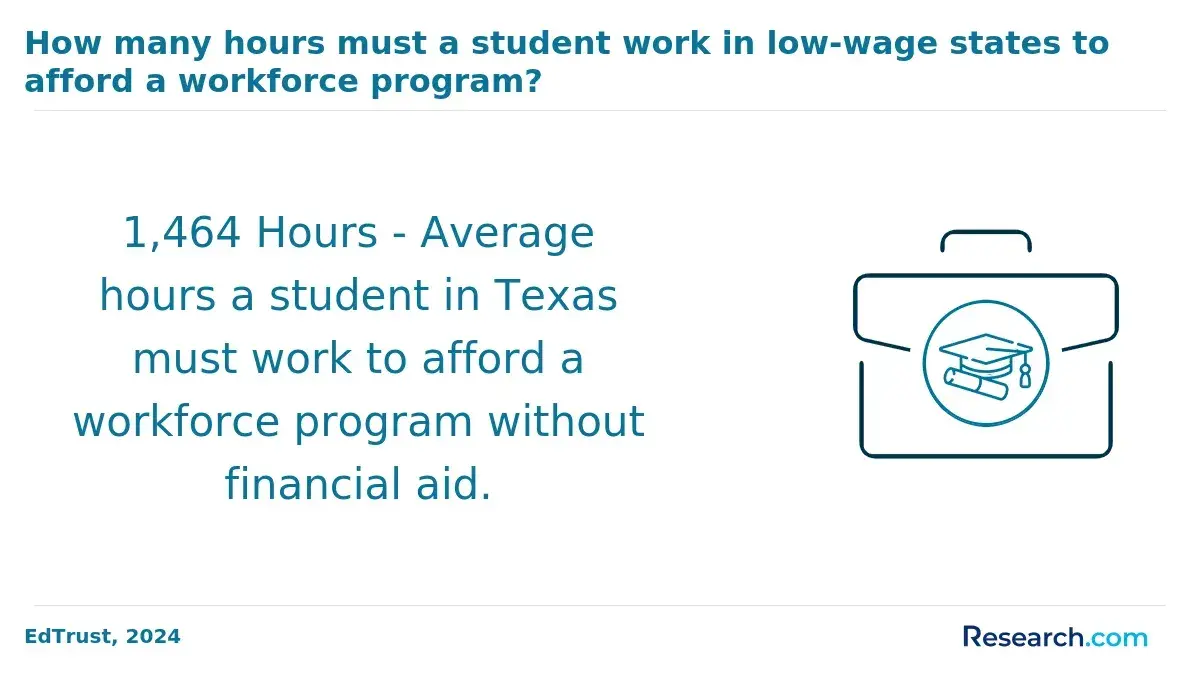
Attempting to work part time during an ABSN program typically creates a conflict between employment demands and the program's intensive schedule. With coursework and clinical components often requiring 40-60 hours weekly, students managing part time jobs while enrolled in ABSN courses face scheduling clashes that can delay progression or degrade clinical skill retention. For instance, a retail job occupying 15 hours per week may directly compete with mandatory clinical shifts scheduled mornings, evenings, or weekends, forcing difficult tradeoffs.
These scheduling conflicts have tangible consequences. Employers hiring ABSN graduates expect candidates to have completed rigorous clinical training without compromises. Data from the National Center for Education Statistics shows graduates focused exclusively on their studies secure employment faster and at higher starting salaries than peers who extend program duration by juggling work. Financial pressures that prompt students to consider part-time employment risk undermining timely graduation and workforce readiness.
Prospective students should weigh financial reserves, scholarships, loans, or stipends as alternatives to working during the program. Such strategies preserve academic focus and optimize absorption of clinical knowledge critical for licensure and high-acuity care settings. Those evaluating an ABSN program must realistically assess whether working part time during an ABSN program is feasible given these operational demands and post-graduate expectations.
Students seeking in-depth analysis of nursing pathways and affordability can consult nursing PhD programs for broader context on advanced nursing education trajectories.
What are the typical schedules and time commitments for ABSN students?
Accelerated BSN programs demand a full-time commitment of 40 to 60 hours weekly, with clinical rotations often extending 8 to 12 hours per day. Typical ABSN student schedules and time commitments rarely allow flexibility for traditional part-time work during program hours, which predominantly run Monday through Friday with possible weekend clinical shifts. This intensity reflects employer priorities for recent clinical exposure, particularly in acute care nursing, where hands-on competence is critical for hiring.
Financial pressures are significant; for example, Roseman University charges a tuition of $65,600 for 18 months, prompting many students to seek part-time work. Yet, balancing work beyond 10 to 15 hours weekly risks burnout and decreased academic performance, which can delay licensure and weaken post-graduation employability.
Part-time work options during ABSN programs tend to be limited to evening shifts, remote, or gig roles with deadline flexibility, though even these may be impractical during peak clinical periods. Effective time management is essential, including prioritizing clinical days, focused study blocks, and utilizing campus resources such as tutoring or counseling.
Students should weigh the financial benefits against the potential academic setbacks and entry delays into the healthcare workforce. Those exploring advanced pathways might also consider the shortest post master's DNP program as a strategic option for reducing time-to-practice while maintaining clinical currency and marketability.
How do different ABSN program formats (online, on-campus, hybrid) affect the ability to work?
Students pursuing an accelerated Bachelor of Science in Nursing (ABSN) must confront significant scheduling conflicts when combining work with study, with the burden varying sharply by program format. Traditional, fully on-campus ABSN programs demand 40 to 60 hours weekly, mainly during daytime clinicals and labs, leaving virtually no opportunity for consistent employment. This intensity often forces students to choose unpaid leave or highly constrained evening and weekend jobs.
Hybrid ABSN formats that mix online coursework with in-person clinicals offer somewhat more flexibility, allowing limited part-time work of about 10 to 15 hours per week. However, fixed weekday clinical rotations restrict work windows, requiring negotiation with employers familiar with healthcare scheduling conventions. Such tradeoffs can significantly reduce earning potential during a costly, approximately $60,000 program investment.
Online ABSN programs with local clinical placements provide the greatest scheduling latitude. Students can study didactic material remotely at varied hours but still must commit over 30 hours weekly to clinical labs during peak terms, limiting availability to flexible part-time roles.
Effective time management, employer understanding of mandatory clinical attendance, and proactive planning are crucial for employed students. For example, a healthcare administrator might leverage remote evening shifts during online coursework but must prioritize clinical requirements during intensive in-person semesters. Differing employer flexibility and program demands can sharply affect financial stability and workload balance during training.
What financial aid options are available to ABSN students who cannot work during the program?
Accelerated baccalaureate nursing (ABSN) students face a significant financial balancing act because their intensive schedules typically preclude steady employment. The University of Tennessee College of Nursing notes part-time work is permissible only when absolutely compatible with clinicals, labs, and classes-a constraint that limits income options and complicates living expense coverage.
Federal aid such as Pell Grants and Direct Unsubsidized Loans remain primary resources. Pell Grants require no repayment, while Direct Loans offer lower interest rates with deferred repayment until after graduation. Additionally, many states provide nursing workforce development grants tied to local practice commitments, which can ease financial pressure but demand geographic and professional dedication.
Private scholarships, especially those geared toward career changers, serve as crucial supplements. For instance, awards from professional organizations like the American Association of Colleges of Nursing target accelerated program enrollees, offsetting some reliance on high-interest private loans.
Absent regular work income, students often face tradeoffs: working part time risks missed clinical hours and delayed graduation, while reduced working hours may push dependence on costlier loans. This contrasts with full-time employment settings where employer tuition assistance potentially lowers overall debt but is inaccessible during enrollment.
Prospective ABSN students must create comprehensive budgets incorporating all available aid and consult with advisors about institutional assistance and emergency grants that do not require employment verification, strategies critical to maintaining on-time program completion and manageable post-graduate debt.
What strategies can help manage the workload of an ABSN program without employment?
Opting out of employment during an accelerated nursing (ABSN) program involves a strategic tradeoff: dedicating full attention to the program anchors mastery and reduces academic risks but requires disciplined time management to handle its demanding schedule. ABSN students typically juggle daytime, evening, and weekend obligations, making it practically impossible to maintain traditional work shifts without sacrificing performance or rest.
Successful navigation demands intentional structuring of study blocks, prioritizing complex subjects early and reserving discrete evening or weekend windows for clinical lab preparation. Institutional resources such as tutoring and peer study groups should be leveraged proactively to prevent bottlenecks near key clinical deadlines.
Pragmatically, students who abstain from employment often demonstrate higher NCLEX success rates and clinical competency-two critical factors influencing employer selection-compared to peers balancing part-time work. The ability to flexibly adapt to fluctuating clinical hours without employment conflicts signals reliability to recruiters. Conversely, working part-time elevates the risk of schedule clashes that can degrade experiential learning quality.
Electronic calendars become vital tools for synchronizing coursework, clinical rotations, and skill labs, allowing students to anticipate workload peaks and reprioritize tasks accordingly. Explicitly reserving daily time for self-care reduces burnout risk, a common dropout factor.
In workforce terms, this singles-minded academic investment translates to stronger clinical evaluations and improved early-career hiring prospects, particularly in competitive healthcare markets.
How do ABSN programs prepare students for the NCLEX-RN exam?
Accelerated BSN programs condense core nursing education and clinical experience into an intense schedule that directly reflects NCLEX-RN exam priorities. Their focused approach prioritizes critical thinking and patient care competence within categories such as safe care environments, psychosocial integrity, and physiological health, demanding disciplined study and clinical engagement.
Because of the program's rapid pace, students often cannot sustain significant work hours, creating a financial tension that impacts their ability to focus solely on exam preparation. For example, a student working part-time in a clinical setting may gain immediate practical benefit reinforcing academic content, but balancing employment with accelerated coursework can reduce overall efficiency, potentially extending time to competency.
Institutions like UMass Boston offer tuition at $700 per credit for the 2024-2025 academic year, a competitive rate that may ease financial strain enough for students to reduce external work commitments. This pricing detail plays a practical role in evaluating the return on investment for those weighing the sacrifices involved in ABSN pathways.
Key operational elements include:
- Use of scenario-based simulations targeting the NCLEX's major content areas
- Formative assessments and diagnostic tests to identify and remediate knowledge gaps early
- Emphasis on heavily weighted topics such as pharmacology and maternal-child health
The design reflects employer expectations for practice-ready nurses and recognizes that intensive study environments necessitate tradeoffs between financial necessity and academic concentration.
What are the career prospects after completing an ABSN program?
An accelerated Bachelor of Science in Nursing (ABSN) program demands concentrated investment of time and money, which drastically limits the opportunity for part-time work during study. For example, institutions like Bushnell University charge around $1,225 per credit for their 12-month onsite ABSN, illustrating the significant financial commitment combined with an intensive academic schedule. This intensive pace prepares graduates for immediate clinical readiness but reduces flexibility to offset expenses through employment.
The labor market for registered nurses remains strong, with employment projected to grow 9% through 2032 according to U.S. Bureau of Labor Statistics data. Graduates often find roles in hospitals, outpatient clinics, or specialty care, frequently earning competitive starting salaries above $70,000 in urban areas. Employers prioritize recent clinical experience and demonstrated competence, so first-year nurses must focus sharply on skill development and ongoing education to advance.
Career paths beyond entry-level nursing include specialization in critical care, pediatrics, or nurse management, contingent on accruing professional experience and certifications. For professionals pivoting to nursing from other fields, an ABSN expedites licensure but does not eliminate competition-especially since academic settings favor diverse educational backgrounds including BSN-trained candidates.
Key tradeoffs for prospective students involve balancing financial strain, rigorous clinical rotations, and limited work options during the program. Immediate healthcare support roles or part-time employment are often impractical, making upfront savings or loans essential to navigate the program successfully.
How can prospective students choose the right ABSN program for their needs?
Choosing an ABSN program demands a pragmatic assessment of how its intensity and clinical requirements fit with ongoing employment. Since these programs often require 40 to 60 hours weekly-including clinical rotations-maintaining a job beyond 10 to 15 hours per week typically jeopardizes both academic success and clinical completion. For example, a working parent in a rural area may face extended daily travel for clinical sites, further compressing available study or rest time, making part-time work less viable. The tradeoff is clear: limiting work in the short term aligns with NurseJournal's reported average annual salary of $99,000 for ABSN-prepared nurses, reflecting a long-term financial uplift that offsets temporary income sacrifice.
Students should critically evaluate clinical placement arrangements, prioritizing programs with multiple hospital affiliations to enhance scheduling flexibility and reduce commute burdens. This factor disproportionately affects students balancing employer obligations and study.
Financial considerations extend beyond tuition: scholarship access tailored to career changers, tuition deferrals, and emergency grants can reduce immediate work pressures. For those already in healthcare jobs, exploring employer-sponsored paid education leave or flexible scheduling options that synchronize with ABSN demands can mitigate economic strain.
Finally, comprehensive support services are essential to managing high workload stress. Reliable academic advising and mental health resources facilitate adaptive strategies like course load adjustments, minimizing burnout risk. Prospective students should also research graduate employment rates and employer reputation to ensure the program's value translates into practical workforce advantage.
Other Things You Should Know About ABSN
Clinical placements require fixed shifts that often fall during standard work hours, limiting flexibility for outside employment. Many absn students find that these mandatory hours restrict their ability to maintain consistent part-time work, especially in healthcare roles that may conflict with clinical schedules. Programs rarely accommodate work priorities over clinical duties, so prioritizing clinical attendance is essential to avoid falling behind and risking graduation delays.
The compressed timeline of absn programs creates continuous academic and clinical pressure, significantly increasing stress levels. Students who attempt to work while enrolled often experience burnout that impairs both their job performance and academic success. It is advisable to minimize work hours or pause employment to preserve mental health and maintain the focus necessary for passing licensure exams and meeting program obligations.
Employers generally do not expect ABSN graduates to have work experience specifically gained during their studies. However, any related experience can enhance a graduate’s resume and may be beneficial during the job application process. Flexibility and time management skills gained from balancing work and study can also be seen as valuable assets.
Delaying absn enrollment to work full-time allows financial stability but often extends the total timeline to career advancement. Entering the program without significant employment commitments tends to yield better academic outcomes and faster licensure. For those balancing immediate financial needs and career goals, prioritizing uninterrupted absn study and planning income sources outside work-such as savings or support-is generally the more effective approach to shortening completion time and improving long-term employability.
References
- Roseman University Accelerated Bachelor of Science in Nursing https://www.roseman.edu/academic-programs/college-of-nursing/accelerated-bachelor-of-science-in-nursing/
- A Day in the Life of a Marian University ABSN Student https://onlineabsn.marian.edu/blog/day-life-marian-university-nursing-student/
- How to Pass the NCLEX: 5 Powerful Tips - Madonna ABSN https://absn.madonna.edu/blog/how-to-pass-the-nclex/
- How to Prepare for The NCLEX-RN Exam | University of Bridgeport https://www.bridgeport.edu/news/how-to-prepare-for-nclex/
- What Is a Hybrid BSN Program? How Online and Clinical Nursing Education Work https://stmary.edu/nursing-accelerated/what-is-a-hybrid-bsn-program.html
- ABSN Timeline: What to Expect Month by Month https://mylifeassugar.com/blogs/blog/absn-timeline-what-to-expect-month-by-month
- How to Choose a Nursing Program: 9 Important Factors - Concordia Texas Accelerated Bachelor's in Nursing https://absn.concordia.edu/blog/absn-comparison-texas-whats-right/
- A Day in the Life of a Nursing Student - Find Nursing Schools https://findnursingschools.com/blog/life-of-a-nursing-student/
- What is an Accelerated Bachelor of Science in Nursing? | Incredible Health https://www.incrediblehealth.com/blog/accelerated-bachelor-of-science/
- Working In Nursing School | Can You Work During an ABSN Program? https://bayadaeducation.org/resources/absn/working-in-nursing-school