2027 ABSN Adult Health Courses You'll Likely Take

Co-Founder and Chief Data Scientist
Balancing family obligations, part-time work, and prerequisite course completion leaves many adult students grappling with how to fit accelerated nursing programs into already congested schedules. With the National Center for Education Statistics reporting a 12% surge in adult learner enrollment in accelerated-degree nursing courses since 2023, flexibility now drives program design and admission policies.
Yet, the compressed timelines and rigorous curricula force tough choices about which core adult health courses best equip students for immediate clinical demands and licensure requirements. This article breaks down the typical adult health courses you will likely encounter in accelerated nursing programs to clarify their relevance and help you plan your academic trajectory.
Key Things You Should Know
- Accelerated BSN courses concentrate clinical hours within 12-18 months, heightening burnout risk by 35% per the National Institute for Occupational Safety and Health, challenging candidates balancing full-time workforce reentry.
- Employers prioritize ABSN graduates with extensive adult health rotations, linking 28% higher early-career retention to diverse medical-surgical experience, signaling critical programmatic focus on acute care breadth.
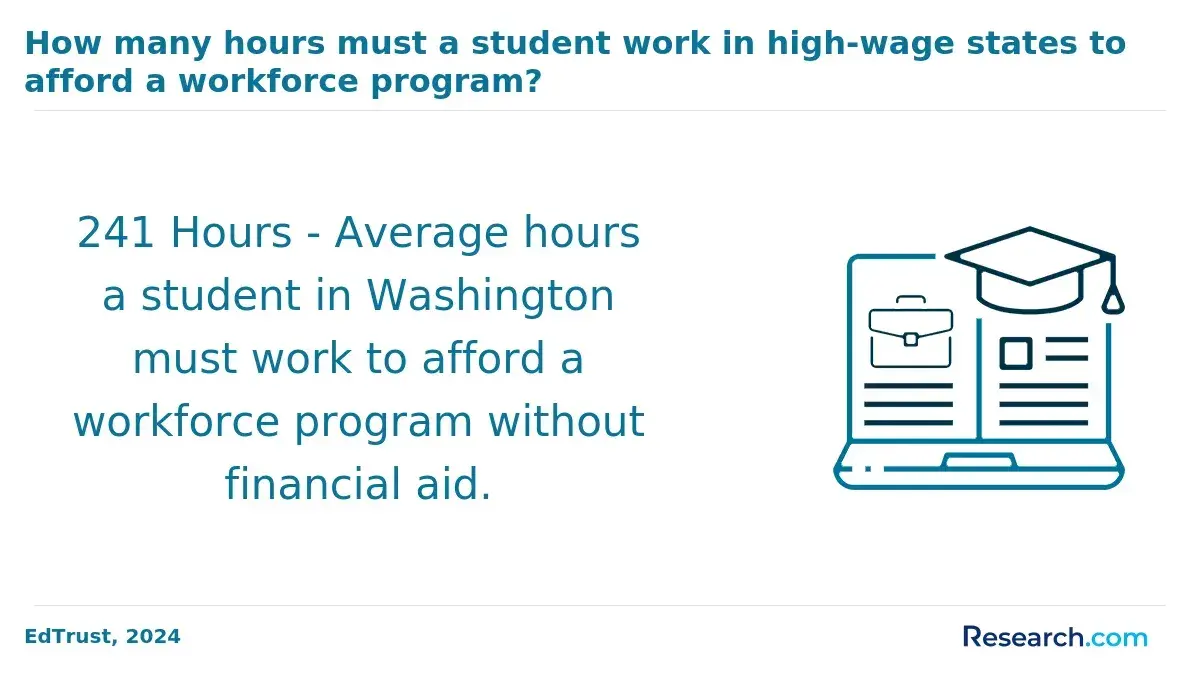
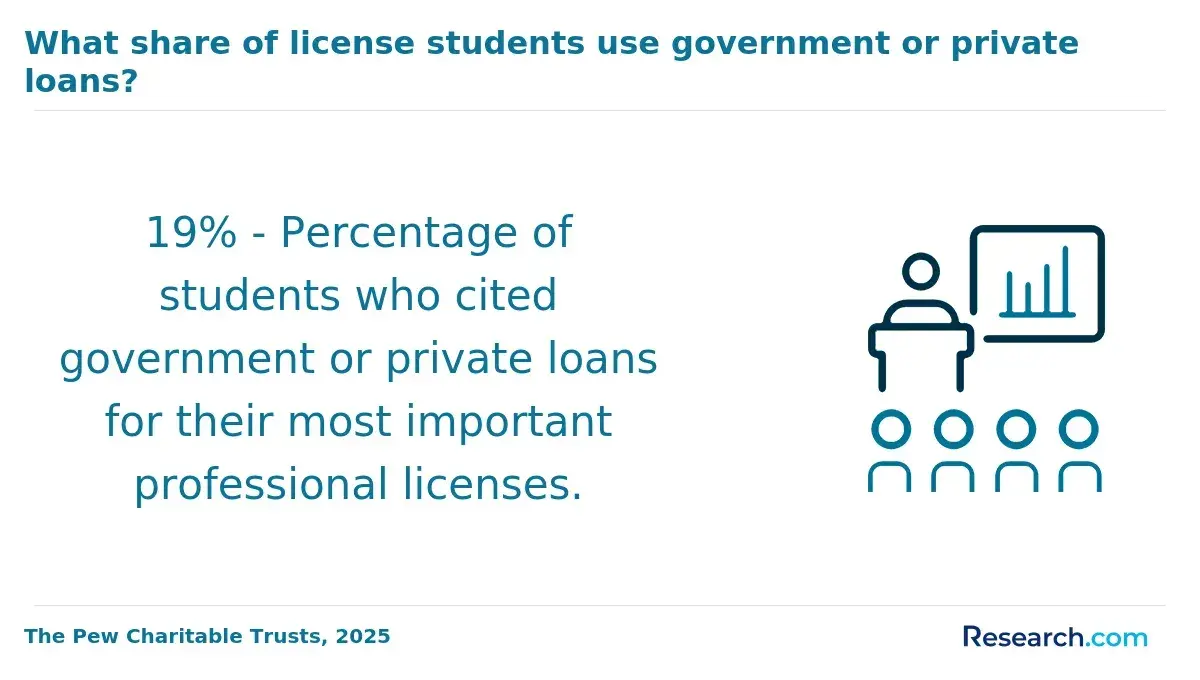
- Program costs averaging $40,000 nationally, combined with limited federal aid due to accelerated pacing, result in 23% higher early debt-to-income ratios, influencing candidate selection based on financial resilience and timing.
What is an ABSN program and how does adult health nursing fit into the curriculum?
The accelerated bachelor of science in nursing curriculum structure fast-tracks individuals from unrelated bachelor's degrees into nursing by concentrating heavily on adult health nursing. This area-covering adult-gerontology and medical-surgical care-forms the backbone of absn programs because it addresses the most frequent and demanding clinical situations nurses face. Students encounter high-intensity clinical rotations focused on managing chronic illnesses like heart failure or diabetes, reflecting workforce demand and the realities of acute care environments.
The emphasis on adult health nursing courses in absn programs corresponds to its disproportionate representation in licensure exams, with adult-gerontology and medical-surgical topics making up over 30% of the NCLEX-RN test plan. This prioritization shapes the rigorous scheduling and course sequencing that absn candidates must navigate within the compressed 12 to 18-month timeframe. Balancing clinical hours with pharmacology, pathophysiology, and patient safety modules is critical for passing the licensure exam and for meeting employer expectations in hospitals and long-term care.
For candidates from non-nursing backgrounds, such as business, adjusting to the clinical demands and prioritization of adult health content rather than pediatric or obstetric care is a significant tradeoff. This focus reflects employer demand and acute care patient acuity, though it may narrow clinical exposure early on. Prospective students should anticipate this specialized training emphasis as they assess their educational pathways alongside alternatives like online adn programs for non nurses that may offer different structures and timelines.
Which adult health nursing courses are typically required in ABSN programs?
The selection of core adult health nursing courses in accelerated nursing programs reflects the evolving demand for nurses skilled in managing both stable and critically ill adult patients. Adult Health Nursing I prioritizes care for stable patients, a critical focus given that 56% of U.S. hospital inpatient stays involve adults aged 50 and older. This foundational course covers essential assessment, pathophysiology, and intervention strategies for prevalent chronic conditions such as diabetes, hypertension, COPD, and heart failure, equipping nurses to manage common clinical scenarios typical of general medical units.
Adult Health Nursing II shifts emphasis to complex and critical care, preparing students to function effectively in intensive care and step-down units, where rapid clinical decision-making and interdisciplinary coordination are vital. This progression from foundational to specialized adult health nursing skills addresses real-world workforce needs. Many ABSN programs also embed pharmacology, health promotion, and gerontology content to address age-related changes and improve patient outcomes.
Choosing the required clinical adult health courses for ABSN students involves weighing the practical impact of each course on clinical competence and employability across diverse settings, including hospitals and community health. Nurses with comprehensive adult health competencies better navigate staffing constraints and complex patient populations. Those evaluating these pathways should also consider the availability of cheapest direct entry MSN programs to extend their qualifications strategically.
- Core adult health nursing courses in accelerated nursing programs provide a tiered skill set from stable to critical patient care.
- Adult Health Nursing I addresses prevalent adult chronic conditions relevant to a majority of inpatient populations.
- Adult Health Nursing II prepares nurses for ICU-level decision-making and collaborative care.
How do adult health theory and clinical courses prepare ABSN students for NCLEX-RN licensure?
Adult health courses in ABSN programs focus on managing chronic, complex conditions that dominate contemporary nursing roles, directly supporting NCLEX-RN success. With half of U.S. adults projected to have at least one chronic illness by 2025, these courses emphasize integrated clinical and theory preparations for NCLEX-RN in ABSN programs by prioritizing skills in pathophysiology, pharmacology, and evidence-based interventions for illnesses like diabetes and heart failure. This alignment reflects employer demands for nurses adept in real-world patient care challenges.
Clinical rotations provide a realistic lens on workforce expectations. For example, students often encounter long-term care settings where medication reconciliation and patient education reduce costly readmissions. Acute care experiences sharpen skills in crisis management and clinical judgment, which are crucial for inpatient nursing roles. Such immersive exposure reinforces competency benchmarks tested on the NCLEX.
Case studies within these courses simulate multi-morbidity scenarios, encouraging students to synthesize complex assessment data into patient-centered care plans. This active focus on clinical judgment and safety closes the gap between academic preparation and professional nursing demands for caring for aging populations.
Deciding to pursue pathways like the ABSN requires balancing intensive study with practical application across chronic care scenarios to meet both exam and employer standards. For those evaluating pathways, comparing program rigor and clinical exposure is key, which can be aided by researching options such as the easiest BSN program to get into.
What adult health clinical rotations and practice settings can ABSN students expect?
The clinical rotations for adult health in absn programs present distinct operational challenges that shape both student experience and workforce readiness. Emphasizing inpatient medical-surgical units, oncology, and palliative care, these rotations demand navigating high patient acuity and complex symptom management, often lasting 6 to 12 weeks each. Due to the rising need-highlighted by a 17% increase in hospice care patients since 2019, per the National Hospice and Palliative Care Organization-there is a pronounced employer preference for absn graduates with oncology and end-of-life care experience.
Practice settings in adult health nursing absn programs often require shift flexibility, including nights and weekends, reflecting real-world clinical demands. Outpatient and community health exposure remains limited but valuable for addressing chronic disease and patient education, which influences nurse retention in ambulatory settings. Typical workloads involve managing 4 to 6 patients daily while balancing direct care with interdisciplinary coordination and documentation.
Students aiming for oncology or hospice rotations should pursue placements in systems with integrative cancer care or established hospice programs to strengthen employability. These rotations require resilience and rapid clinical judgment under emotional stress, factors affecting long-term career sustainability. Strong preceptor support is critical given the complexity of chemotherapy protocols and psychosocial dynamics.
Those evaluating pathways for advancement might consider programs like the shortest post master's FNP program to supplement clinical expertise, balancing educational investment with workforce positioning.
How do online, hybrid, and campus-based ABSN programs deliver adult health coursework differently?
Choosing between online, hybrid, and campus-based accelerated bachelor of science in nursing (ABSN) programs requires weighing real-world tradeoffs in clinical skill acquisition and scheduling flexibility. Online ABSN formats primarily use asynchronous content and virtual simulations to teach complex adult health topics, such as cardiovascular care, which drives significant hospital utilization and costs in the U.S. This model suits working students but can limit immediate hands-on experience, making local clinical placement quality and timing crucial variables.
Hybrid ABSN programs integrate online coursework with scheduled on-campus labs, offering targeted in-person training. This balance often enhances students' clinical readiness, especially in managing resource-intensive conditions, but necessitates periodic travel that may disrupt employment commitments.
Fully campus-based ABSN tracks immerse students in continuous, supervised clinical environments. This immersion facilitates frequent patient interactions and direct faculty oversight, translating into stronger competency in acute care scenarios prized by employers-particularly in cardiovascular units. However, this option presents less scheduling flexibility and higher living or commuting expenses.
Employers place a premium on hands-on clinical experience. Graduates from on-campus or hybrid ABSN programs frequently demonstrate superior proficiency handling cardiovascular complexities, an advantage when competing for high-acuity hospital roles. Prospective students must realistically assess whether they can maintain regular on-site attendance or effectively manage autonomous learning combined with clinical rotations.
What prerequisites and admission requirements are needed before taking adult health courses in an ABSN?
Admission into adult health courses within an accelerated bachelor of science in nursing program requires a strategic balance between academic preparation and practical readiness. Employers particularly value candidates who have successfully completed prerequisites with strong grades-usually a minimum 3.0 GPA-and who perform well on standardized exams like TEAS or HESI. These benchmarks act as early indicators of a student's capacity to handle complex clinical scenarios common in adult nursing, such as managing chronic illnesses like diabetes, which carries a projected $460 billion cost burden nationally by 2025.
Beyond academics, documented healthcare exposure through roles like certified nursing assistant or volunteer work in clinical settings is often essential. This experience narrows the gap between theory and practice and signals a student's commitment and familiarity with the adult patient landscape. Logistical hurdles-including immunizations, drug screenings, and CPR certification-must be cleared upfront; failure to satisfy these can delay clinical placement and extend program duration.
- Completed non-nursing bachelor's degree
- Prerequisite science coursework (anatomy, physiology, microbiology, chemistry, statistics) with no grade lower than a B
- Minimum GPA typically at or above 3.0
- Passing standardized exams such as TEAS or HESI
- Verified hands-on healthcare experience preferred or required
- Fulfillment of health clearance and certification requirements
Students must also cultivate strong time management skills to sustain the accelerated pace where clinical and didactic components converge intensely. Those who meet these entrance criteria tend to have smoother progression and better employer outcomes, as clinical readiness directly correlates with performance in managing adult diseases including heart and renal disorders prevalent in the aging population.
How long does it take to complete adult health courses within an accelerated BSN program?
Accelerated BSN adult health courses compress complex respiratory and critical care nursing material into 8 to 12 weeks, demanding students quickly develop practical and theoretical expertise under intense time pressures. This fast pace, paired with clinical rotations in acute hospital environments, requires an unwavering commitment, often exceeding 40 hours weekly, blending study and hands-on experience.
Working professionals transitioning into nursing must navigate significant schedule realignments, sometimes reducing employment hours temporarily to meet clinical and educational demands. Key competencies include ventilator management, pulmonary assessment, and emergency protocols, skills essential in adult care units where chronic lower respiratory diseases and pneumonia drive over 500,000 hospitalizations annually and incur more than $30 billion in inpatient costs as reported by the Agency for Healthcare Research and Quality.
Students should assess program clinical partnerships carefully; robust affiliations shorten adaptation periods post-graduation and improve workplace readiness. Conversely, weaker curricula frequently delay competency development, complicating employability in critical care settings. Graduates must demonstrate abilities aligned with employer expectations for rapid acclimation in fast-paced units where clinical precision and resilience are nonnegotiable.
- Expect an intensive schedule combining academic and clinical demands surpassing 40 hours weekly
- Prioritize programs with established clinical sites to enhance critical care readiness
- Prepare for potential adjustments in current employment to accommodate rigorous study and clinical commitments
How do adult health courses connect to common RN job roles and practice areas?
Adult health courses within absn programs shape nurses to meet critical employer demands across diverse care settings. The emphasis on chronic disease management and rehabilitation targets conditions most frequently encountered in med-surg units, emergency care, and primary care. For example, nurses trained in neurologic and musculoskeletal modules are more prepared to manage complex cases such as stroke recovery or arthritis, which currently drive workforce needs due to an aging population. Employers increasingly prioritize candidates with demonstrated ability to coordinate care that reduces hospital readmissions.
Forecasted demographic trends-like the Alzheimer's Association projection that Alzheimer's cases will reach 7.2 million by 2025-signal growing demand for neurologic nursing expertise. Meeting this demand requires a strong clinical foundation, particularly in pathophysiology and pharmacology, alongside simulated scenarios that replicate high-pressure decision-making.
Consider a postoperative patient with limited mobility: a nurse must differentiate between neurologic complications and musculoskeletal pain, determining appropriate neurovascular monitoring and pain management. This necessity to integrate broad clinical skills highlights a tradeoff for students: adult health courses are rigorous and require adapting general nursing knowledge to highly specialized roles.
- Target conditions in adult health courses align with major employment sectors including memory care, rehabilitation, and community health.
- Curricula focusing on clinical judgment and technical skill development increase employability but raise academic and practical challenges.
- Graduates must assess program content against current population health trends to ensure relevance to evolving workforce needs.
What are typical salary ranges and job outlook for nurses specializing in adult health care?
Nurses specializing in adult renal and urologic care encounter a salary spectrum typically ranging from $75,000 to $110,000, subject to geographic location, facility type, and experience. This variance reflects the sector's demand shaped by chronic conditions affecting an aging demographic, with kidney disease patient counts projected to surpass 900,000 by 2025 according to the U.S. Renal Data System. Employment settings such as hospitals, outpatient nephrology clinics, and dialysis centers prioritize expertise in adult health nursing, partially driven by Medicare's substantial $124 billion annual expenditure on kidney disease management.
The adult health nursing employment outlook predicts a 10-15% growth through 2031 based on U.S. Bureau of Labor Statistics data, fueled by population aging and chronic illness prevalence. Nurses with ABSN credentials entering this field should prepare for entry-level compensation near the lower salary bound, especially in rural or underfunded systems. However, moving into specialized metropolitan or integrated healthcare contexts often translates to elevated salaries and enhanced job stability.
Practical decision points for ABSN students include balancing the program's intensity against on-the-job skill development within high-demand renal specialties to safeguard career resilience. Additional income may derive from shift differentials, critical care bonuses, or advanced practice pathways, with compensation sometimes exceeding $120,000 after experience accrual. Considering the concrete tradeoffs between early career earnings and long-term specialization benefits is essential for informed workforce transitions.
How can prospective students evaluate the quality and accreditation of ABSN adult health coursework?
Choosing an accelerated bachelor of science in nursing (ABSN) program without verifying the accreditation of its adult health coursework risks limiting employment opportunities, especially in adult chronic disease care. Accreditation from bodies like the Commission on Collegiate Nursing Education (CCNE) or Accreditation Commission for Education in Nursing (ACEN) signals compliance with academic rigor and eligibility for licensure exams. Employers in hospitals and specialty clinics prioritize graduates familiar with adult comorbidities, such as nonalcoholic fatty liver disease, predicted to affect one in three U.S. adults by 2025.
Practical outcomes matter: programs should report graduation rates over 80%, NCLEX-RN first-time pass rates above 85%, and clinical placements focused on adult chronic illness management. For instance, a hospital choosing between nursing candidates will likely favor those trained in adult care environments addressing liver conditions over those trained primarily for pediatric care.
Partnerships with clinical sites specializing in chronic liver disease provide valuable hands-on experience, enhancing a nurse's marketability. However, accelerated programs that compress adult health content risk graduates lacking the clinical depth needed to confidently manage complex conditions. Students must weigh the advantage of faster completion against potential deficits in specialized expertise demanded by employers.
Other Things You Should Know About ABSN
Adult health courses in an accelerated bachelor of science in nursing program have intense, condensed schedules that demand consistent full-time commitment. Working part-time can severely limit the time available for study and clinical practice, increasing the risk of falling behind. Students must prioritize coursework and clinical hours above work, and if employment is necessary, limiting hours to minimal is essential to avoid burnout and maintain academic progress.
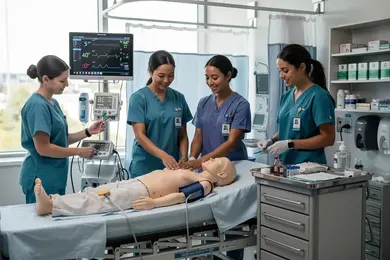
Adult health clinical rotations are shorter but more frequent in ABSN programs, requiring rapid skill acquisition and adaptation. This structure intensifies learning but may leave less time for reflective practice compared to traditional programs. Employers expect ABSN graduates to be ready for fast-paced environments; therefore, students who actively engage in clinical opportunities and simulation labs improve their transition to employment, while those less engaged might struggle with real-world patient care demands.
In 2027, ABSN adult health courses typically cover key subjects such as pathophysiology, pharmacology, medical-surgical nursing, and mental health nursing. These courses provide foundational knowledge and practical skills essential for adult patient care and prepare students for various clinical settings.
The intensive nature of adult health courses in ABSN programs prepares graduates primarily for acute and adult care settings, potentially narrowing immediate skill breadth. While this specialization is valuable for hospital roles, it can limit exposure to pediatrics, community health, or other nursing fields early on. Graduates seeking broad long-term flexibility should plan for additional certifications or continued education beyond the ABSN to expand practice options.
References
- Nursing | NHSScotland Careers https://www.careers.nhs.scot/explore-careers/nursing/
- 21 Highest-Paying Nursing Careers in the U.S. (2025 Edition) https://nurseslabs.com/highest-paying-nursing-careers/
- What is an ABSN program? | WCU Nursing Glossary https://westcoastuniversity.edu/glossary/absn-program
- Nursing Workforce Fact Sheet https://www.aacnnursing.org/news-data/fact-sheets/nursing-workforce-fact-sheet
- Online Accelerated BSN https://onlinedegrees.elmhurst.edu/programs/accelerated-bsn-online
- Best Accelerated Nursing Programs 2025 | Fast-Track BSN https://www.educationconnection.com/resources/top-accelerated-nursing-programs/
- What You’ll Learn in an ABSN Program | University of Bridgeport https://www.bridgeport.edu/news/what-students-learn-in-absn-programs/
- What Is a Hybrid BSN Program? How Online and Clinical Nursing Education Work https://stmary.edu/nursing-accelerated/what-is-a-hybrid-bsn-program.html
- In-Person vs. Online Nursing Programs https://www.chamberlain.edu/blog/in-person-vs.-online-nursing-programs
- EdAssist | How to fit nursing school into your schedule as an adult learner https://www.brighthorizons.com/resources/blog/edassist/how-to-fit-nursing-school-into-your-schedule-as-an-adult-learner