2027 How ABSN Helps You Change Careers Faster

Co-Founder and Chief Data Scientist
A registered nurse career switcher faces a tight timeline: health systems increasingly prioritize candidates with current clinical experience and specialized training, leaving little margin for delayed credentialing.
This pressure intensifies amid a 12% projected growth in nursing roles by 2032 from the U. S. Bureau of Labor Statistics, which drives competition among accelerated second-degree nursing (ABSN) candidates aiming to enter the workforce rapidly. With many programs balancing intense clinical hours and didactic coursework, the risk of extended program duration or delayed licensure can jeopardize early employment opportunities.
This article examines how ABSN pathways streamline career transitions by optimizing program length, flexibility, and entry criteria to meet labor market demands efficiently.
Key Things You Should Know
- ABSN's condensed curriculum cuts traditional nursing education from four years to 12-18 months, but accelerated pacing raises attrition risks to 25%, forcing candidates to weigh speed against curriculum intensity.
- Employers prioritize clinical competency and NCLEX pass rates over program length; ABSN grads' 89% first-time pass rate nationally meets entry-level demand amid a 15% projected RN shortage by 2030.
- Median ABSN tuition exceeds $40,000, imposing substantial upfront costs that limit access to lower-income students despite accelerated time-to-degree reducing lost wages compared to traditional paths.
What is an ABSN program and how does it speed up career change?
Accelerated BSN programs for career changers offer a highly condensed nursing curriculum, stripping away general education redundancies and focusing solely on nursing theory, clinical practice, and licensure preparation. This model enables individuals with previous degrees to transition swiftly, often within 12 to 18 months, into frontline healthcare roles.
Unlike traditional four-year degrees, these programs demand rigorous full-time commitment, with clinical rotations scheduled intensively alongside online coursework. The pace requires students to rapidly develop complex patient care skills while managing the pressures of accelerated learning.
Employers increasingly value graduates from accelerated tracks for their current clinical competencies and prompt readiness to address nurse shortages. According to the U.S. Bureau of Labor Statistics 2024 data, registered nurses with a BSN earn a median wage of $91,080, outperforming the general healthcare median and reinforcing the economic viability of this educational route despite opportunity costs.
Practical challenges remain. Prerequisites such as chemistry and anatomy must be completed prior to enrollment, and balancing clinical hours with personal or work responsibilities often requires negotiation.
How accelerated nursing degrees speed up career transitions depends largely on individual circumstances, including prior academic preparation and flexibility for on-site clinical demands. Those considering this pathway should evaluate these factors alongside labor market demands to optimize outcomes. For prospective students exploring options, 12-month accelerated nursing programs online can offer alternatives accommodating diverse needs and timelines.
Why choose an ABSN over a traditional BSN?
The strategic value of accelerated baccalaureate nursing programs (ABSN) lies in their ability to compress nursing education into 12 to 24 months by leveraging a previous bachelor's degree, directly addressing the needs of career changers.
Unlike traditional BSN programs, which span four years and include broader general education, ABSNs focus exclusively on core nursing competencies, eliminating redundant coursework. This presents a critical advantage for professionals shifting fields who must minimize income disruption and expedite entry into nursing roles.
Employers regard ABSN graduates on par with traditional BSN holders since both meet identical state licensure standards and achieve comparable NCLEX pass rates. The tradeoffs include a demanding study pace and limited elective options, which may reduce time for academic exploration but accelerate workforce entry. For example, an individual moving from business to nursing might select an ABSN with evening or hybrid formats to balance part-time employment during training.
With annual enrollment in ABSN programs growing by 5-10% nationwide, these programs have emerged as tailored pathways for career changers seeking a focused, efficient route. They prioritize clinical skill development while omitting general education, addressing the disconnect between prior degrees and nursing requirements often cited in career pivots involving accelerated ABSN programs for career changers.
For students exploring flexible pathways after earning a prior degree, it's worth comparing ABSN options against traditional routes and examining alternatives such as RN to BSN programs with no clinicals, which may offer different advantages depending on professional goals and clinical experience.
How long does an ABSN take to complete?
The accelerated bachelor of science in nursing (ABSN) program duration in the United States typically spans 12 to 18 months, compressing prerequisite and core nursing coursework for students who already possess a non-nursing bachelor's degree. This abbreviated timeframe forces a demanding schedule often exceeding 40 hours per week, including clinical and lab components, requiring candidates to manage personal, financial, and logistical challenges alongside intense study.
Compared to traditional four-year nursing tracks, the average time to complete an accelerated nursing program presents a significant tradeoff—faster workforce entry versus heightened risk of burnout or attrition. Employers generally value ABSN graduates for filling urgent staffing gaps, with job placement rates between 85% and 95% within six months of graduation, reflecting the program's capacity to deliver workforce-ready nurses quickly.
Students should carefully vet curricula to ensure alignment with state licensure requirements since accelerated completion means earlier exam eligibility and onboarding in healthcare settings. The compressed timeline also demands proactive support systems, particularly in childcare and transportation during clinical rotations, which can otherwise threaten retention and mental health.
Prospective students seeking affordable online nursing programs can consult affordable online nursing programs to identify cost-effective acceleration routes compatible with career pivots.
What admission requirements do ABSN programs typically have?
Admission requirements for accelerated nursing programs in the United States reflect a strategic balance between foundational science education and practical readiness. Applicants must hold a bachelor's degree and complete rigorous prerequisites in subjects such as anatomy, physiology, microbiology, chemistry, and statistics, often with minimum grades of B or higher. These prerequisites for ABSN programs in the United States ensure candidates possess the necessary competencies before entering accelerated curricula.
Official transcripts and standardized test scores like the TEAS or HESI provide measurable validation of academic preparedness. Clinical observation or healthcare experience increasingly factors into admissions due to its positive correlation with student success and smoother transitions into clinical settings. Mandatory background checks and immunization records address the realities of placements in healthcare environments.
While the accelerated format compresses education timelines, the average total cost, approaching $76,462 in 2026, and the prerequisite rigor create upfront challenges. Yet, registered nurses with a BSN earn around $99,000 annually, supporting a payback period often under one year for those fully prepared.
For example, a career changer from business finance with completed prerequisites and healthcare volunteering leveraged a strong TEAS score to enter nursing efficiently. Conversely, lacking prerequisites can extend time and financial burdens, offsetting the accelerated model's intended advantage.
Students evaluating these demands alongside their backgrounds should note opportunities for more niche certifications and growth pathways, such as a 1 year PMHNP program, which can complement the core nursing degree with specialized skills.
Are online ABSN programs as credible as campus programs?
Accredited online ABSN programs replicate the academic rigor and clinical competencies of traditional campus offerings, but require decisive planning around hands-on experience.
Employers focus on clinical skills and NCLEX pass rates rather than program format, yet the need for supervised, in-person clinical rotations remains non-negotiable. Prospective students must confirm how programs coordinate with local healthcare sites to facilitate these essential experiences, especially if residing out-of-state.
From a workforce standpoint, registered nurse employment is projected to grow 6% by 2031, adding roughly 177,400 jobs. Accelerated online ABSN tracks can enable faster workforce entry, a key advantage for career changers aiming to minimize downtime. Nevertheless, this speed demands effective self-discipline and reliable technology access, as online learning places more responsibility on the student's time management and independent study.
Licensing constraints introduce another layer of complexity. Some states restrict clinical placements for students enrolled outside their jurisdiction, which can delay licensure and subsequent employment. Confirming state board approvals linked to clinical sites is critical before enrollment.
Choosing an online ABSN program is less about format and more about navigating logistical hurdles and matching personal learning preferences to program demands.
What accreditation should an ABSN program have?
Graduating from an ABSN program lacking national nursing accreditation severely limits eligibility for the NCLEX-RN licensure exam, restricting employment and career mobility.
Only programs accredited by the Commission on Collegiate Nursing Education (CCNE) or the Accreditation Commission for Education in Nursing (ACEN) qualify graduates for licensure recognized nationwide. For example, major hospital systems in competitive urban areas rigorously require a CCNE- or ACEN-accredited degree for entry into residencies or fellowships.
Adult learners, who constitute over 80% of ABSN students and typically hold prior non-nursing bachelor's degrees, must weigh accreditation alongside factors like credit transfer and access to federal aid, which directly affect program affordability and duration. Because ABSN tracks are accelerated, choosing a non-accredited or regionally but not nursing-specific accredited program risks delays or outright ineligibility for licensure, stalling career pivots.
Verification of accreditation through the U.S. Department of Education's database and official CCNE and ACEN rosters is a critical step before enrolling. Additionally, align curriculum selection with your state board's licensure criteria to avoid regional restrictions that could invalidate your training and licensure, especially for those planning inter-state moves.
What courses and clinical training are included in an ABSN?
Accelerated Baccalaureate Nursing programs demand sustained full-time commitment due to their compressed 12 to 18-month curricula, combining intensive science coursework with roughly 500 to 700 clinical hours across varied healthcare settings.
This structure forces prospective students, often career changers without prior healthcare experience, to navigate significant scheduling conflicts and logistical challenges, including relinquishing part-time work and arranging transport to clinical sites.
Core coursework covers anatomy, physiology, microbiology, pharmacology, and nursing theory, condensed to develop both critical thinking and safe patient care skills rapidly. The broad clinical rotations through medical-surgical, obstetrics, pediatrics, mental health, and community health sectors prepare graduates for the varied demands of frontline nursing roles.
Performance data from a 2025 ABSN cohort reveal that students entering with a cumulative GPA of 3.3 or higher achieved NCLEX-RN pass rates above 95%. This suggests that academic preparation acts as a key predictor not only of licensing success but of adaptability to accelerated curriculum intensity, reflecting employers' preference for academically strong candidates facing fast-paced clinical environments.
Decision-making around ABSN enrollment must weigh whether one's prior academic and life circumstances can accommodate rigorous accelerated training and the necessity of quick skill acquisition under pressure. These factors directly influence graduation likelihood and workforce readiness in demanding nursing roles with limited margin for error or delay.
How much does an ABSN cost, and what financial aid is available?
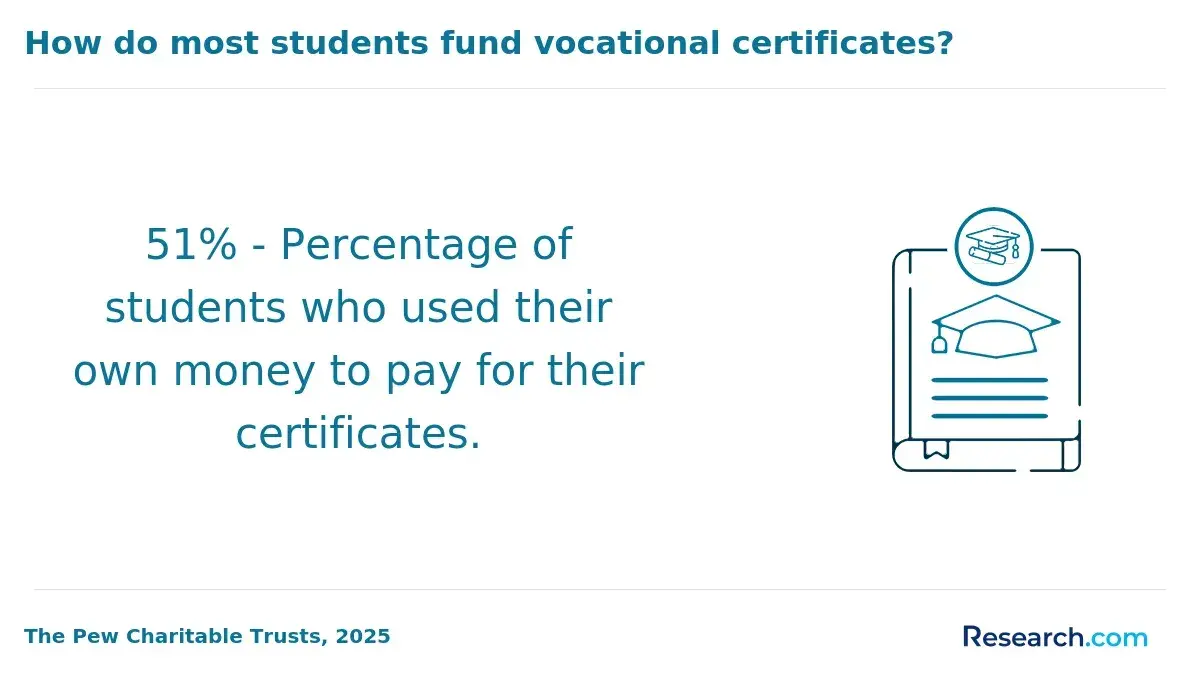
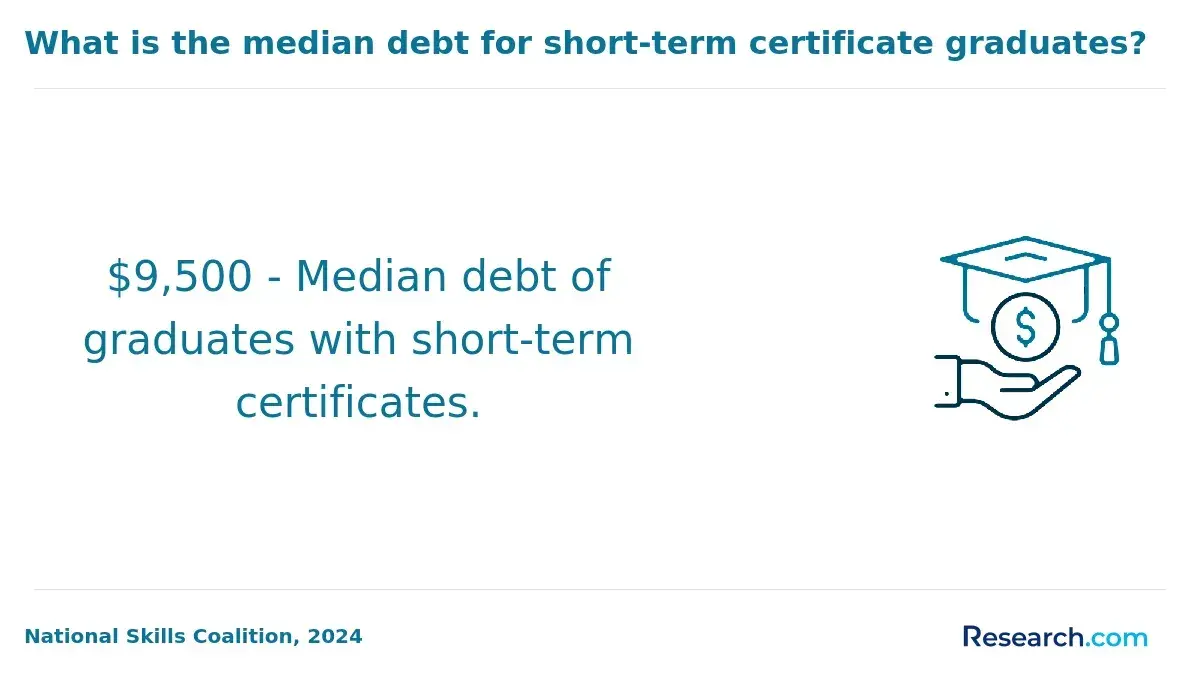
The upfront investment for accelerated bachelor of science in nursing programs ranges from $40,000 to $60,000, a substantial financial commitment that excludes ancillary costs like textbooks and exam fees. For career-changers, balancing this tuition burden with existing financial responsibilities often demands both careful planning and the utilization of strategic funding sources.
Key financing options include federal aid, such as Pell Grants and Direct Loans available through the Free Application for Federal Student Aid (FAFSA). While Pell Grants mostly target low-income applicants and are limited in availability, Federal Direct Loans provide moderate interest rates with flexible repayment plans.
Graduate-level ABSN students may also qualify for Graduate PLUS Loans. State-specific grants or scholarships, such as nursing workforce funds administered by health departments, can mitigate costs further.
Employer tuition reimbursement programs constitute a practical option for those already in healthcare or allied fields but typically require service commitments post-graduation. Veterans should capitalize on VA education benefits like the Post-9/11 GI Bill when applicable.
Loan forgiveness programs, often tied to service in underserved areas, reduce debt but require rigorous application processes and compliance with service obligations. Despite this, most students incur debt, which is offset by high NCLEX-RN pass rates, frequently reaching 98%, that expedite entry into nursing roles with competitive salaries.
What jobs can you get after earning an ABSN?
Accelerated bachelor of science in nursing (ABSN) graduates primarily enter registered nurse roles across diverse healthcare settings, yet employment outcomes depend heavily on clinical experience within high-demand specialties such as medical-surgical, emergency, ICU, or specialty units. These targeted clinical rotations align with employer expectations and increase immediate employability in acute care environments.
The ABSN pathway also opens avenues in case management, patient education, and care coordination, particularly within integrated care systems that value cross-disciplinary nursing competencies. Alternatives like occupational health and travel nursing provide rapid entry with geographic flexibility and potentially higher wages, contingent on national licensing via NCLEX-RN and state registration.
Program costs vary widely, from $40,000 to $85,000, with financial aid options like employer tuition assistance or loan forgiveness programs mitigating debt but not eliminating the intense time commitment. The accelerated format demands full-time study over 12-18 months. This reflects a strategic tradeoff, which is a faster workforce entry versus heightened academic pressure.
For individuals shifting from unrelated fields such as finance or education, median nursing wages exceed $35 per hour, but limited clinical background requires proactive pursuit of mentorship or residency programs to bridge practical skills gaps and navigate complex clinical realities.
What salary and job outlook can ABSN graduates expect?
Nurses graduating from accelerated bachelor of science in nursing (ABSN) programs typically start with salaries significantly higher than those holding associate degrees, reflecting a clear financial advantage that persists across their careers.
Entry-level ABSN nurses earn between $70,000 and $85,000 annually, varying by region and healthcare setting. Over time, ABSN-prepared nurses consistently earn $15,000 to $20,000 more per year compared to their associate degree peers.
Demand for nurses with bachelor's credentials remains strong as hospitals increasingly require or prefer this qualification due to Magnet status standards and regulatory shifts at the state level. The Bureau of Labor Statistics projects a 7-9% growth in nursing jobs through 2032, concentrated in specialties like critical care and community health where BSN credentials are often mandatory.
Practical workforce implications include a widening pay gap and limited upward mobility for nurses without a bachelor's degree. For example, a nurse with an associate degree may face a $5,000-$10,000 lower starting salary when employed by smaller regional hospitals versus ABSN graduates hired by urban centers.
This gap extends beyond salary, influencing eligibility for leadership positions and specialty certifications, factors tied directly to long-term earnings and career flexibility.
Other Things You Should Know About ABSN
Accelerated ABSN programs require an intense time commitment, often equating to full-time or more than full-time study and clinical hours. Most students cannot sustain part-time work during the program without compromising academic performance or clinical competency. Those with significant family obligations should assess whether they can secure external support or flexible scheduling before enrolling, as the program demands consistent, uninterrupted focus for success.
Employers generally value ABSN graduates similarly to traditional BSN holders, but the accelerated nature means less time for deeper clinical experience and specialty exposure. Graduates should proactively seek diverse clinical rotations and hands-on practice during the program to build competitive resumes. Prioritizing programs with strong clinical partnerships and job placement support can offset any perceived experience gaps from the abbreviated timeline.
In 2027, accelerated ABSN programs present challenges like intense coursework and time demands, which can elevate stress levels. This fast-paced environment might increase the risk of burnout or academic difficulty compared to traditional nursing programs. However, strong support systems and structured study plans can mitigate these risks.
While no prior healthcare experience is required, students without clinical familiarity face a steeper learning curve, affecting their adjustment and performance. Candidates lacking exposure to medical environments should consider supplementing with preparatory courses or volunteer work before or during the program. Prioritizing ABSN programs offering robust orientation, mentoring, and simulation labs improves readiness and reduces the risk of falling behind.
References
- Is an Accelerated BSN Worth It? Salary, ROI, and Career Outlook https://stmary.edu/nursing-accelerated/is-an-accelerated-bsn-worth-it.html
- Accelerated Bachelor of Science in Nursing (ABSN) Costs https://www.creighton.edu/cost-aid/find-costs/nursing-absn-costs
- How to Get Into an Accelerated Nursing Program | University of Bridgeport https://www.bridgeport.edu/news/how-to-get-into-an-accelerated-nursing-program/
- Your Guide to Accelerated Nursing Programs | Nurse Agent https://nurseagent.org/your-guide-to-accelerated-nursing-programs
- CCNE Accreditation https://www.aacnnursing.org/ccne-accreditation
- How Many Credits Do Online Accelerated BSN Programs Require? https://www.nursingcolleges.com/faq/rn-bsn-program-credit-requirements
- Accredited Nursing Program in NYC | UMSV ABSN https://absn.mountsaintvincent.edu/about/accreditations/
- How to Get into Nursing School: 5 Steps - Find Nursing Schools https://findnursingschools.com/blog/how-to-get-into-nursing-school-after-college/
- Are Nursing Graduates Getting Jobs? | ABSN Student Stories https://onlineabsn.marian.edu/blog/are-accelerated-nursing-graduates-getting-jobs-three-graduates-tell-their-stories/