2027 What ABSN Students Usually Wish They Knew Earlier

Co-Founder and Chief Data Scientist
Securing a seat in an accelerated nursing program often confronts candidates with unexpected timing challenges that ripple through personal and financial planning. Recent data from the National Center for Education Statistics reveals that over 60% of ABSN enrollees are adult learners balancing work and family, underscoring enrollment urgency yet emphasizing scheduling inflexibility as a barrier.
This dissonance frequently leads to delayed application or missed cohort starts, limiting career momentum and sometimes inflating education costs due to lost time. Understanding these operational constraints alongside key program structures can decisively influence admission strategy, financial navigation, and clinical placement timing.
This article clarifies the strategic insights ABSN students typically wish they had earlier to optimize enrollment timing, program selection, and workload management in pursuit of quicker, sustainable career transition.
Key Things You Should Know
- Accelerated nursing programs average 14-18 months but demand intense time commitment, reducing job flexibility; US Bureau of Labor Statistics reports 40% of students face delayed employment due to program pacing.
- Hospitals increasingly expect new nurses to have both clinical hours and demonstrated critical thinking; 2024 National Nursing Workforce Survey shows 65% of employers prioritize ABSN grads with simulation-rich experience.
- Upfront financial burden averages $40,000, with limited federal aid for second-degree students; Postsecondary Education Data System notes this leads 30% of ABSN learners to rely on personal loans, impacting post-graduation financial stability.
What is an ABSN program?
The accelerated bachelor of science in nursing (ABSN) programs in the US offer a rapid route into nursing for individuals with prior degrees, but this speed comes with pronounced challenges. Compression to 12-24 months demands swift assimilation of clinical and theoretical knowledge, setting a high bar unlikely to suit all learners.
High attrition is an operational reality. Among 98 ABSN students studied in 2025, 42% faced course failure and 21% withdrew, reflecting pressures uncommon in traditional paths. This signals that ABSN candidates must possess disciplined study strategies and robust support systems to navigate rigid schedules and demanding clinical hour requirements.
Employers recognize the benefits of fast-track ABSN courses for nursing career entrants yet frequently note gaps in hands-on experience. Job placement, especially in acute care or specialty sectors, can hinge on supplemental post-graduate training to bridge clinical exposure deficits common in accelerated formats.
Decision-makers weighing ABSN programs should consider these tradeoffs:
- Potentially faster entry into the workforce offset by higher risk of non-completion
- Reduced clinical immersion that may delay full professional competency
- Importance of program support services like academic advising and mental health resources
The pathway suits those able to absorb intense workloads and manage compressed learning without sacrificing competence. For others, misalignment between expectation and experience can increase turnover, impacting workforce stability. Prospective students can explore alternatives through resources such as the best online RN programs for non nurses to find more flexible options better matched to their needs.
What ABSN admission requirements do schools usually expect?
Admission to accelerated bachelor of science in nursing (ABSN) programs demands strict academic and logistical preparation that directly impacts enrollment and workforce readiness.
A completed bachelor's degree with a cumulative GPA usually near 3.0 is essential, alongside prerequisite coursework, including anatomy, physiology, microbiology, chemistry, nutrition, and statistics, completed recently to ensure foundational knowledge. These typical prerequisites for ABSN school applications in the United States serve as gatekeepers that differentiate candidates capable of managing intense, condensed curricula from those at risk of falling behind.
Applicants must demonstrate current competency with valid healthcare provider CPR certification. Many programs also require standardized tests such as the TEAS or HESI, where meeting minimum scores can significantly influence admission chances. Although clinical experience or shadowing is not universally compulsory, it enhances applications by showcasing familiarity with real-world healthcare settings.
Background checks and immunization records including TB testing, MMR, and influenza vaccination add non-negotiable procedural layers dictated by clinical placement regulations, often causing tangible delays if not addressed early. Once admitted, time management becomes critical as programs compress four years of nursing education into 12 to 18 months, a pace linked to a 2024 survey reporting 39% burnout and 45% emotional exhaustion among U.S. nurses.
Prospective students should assess their capacity to sustain this rigorous pace and meet all deadlines to avoid deferred admission or disqualification. For those concerned about clinical demands, reviewing an RN to BSN program without clinicals may offer alternatives consistent with their goals.
How do online and campus ABSN programs differ?
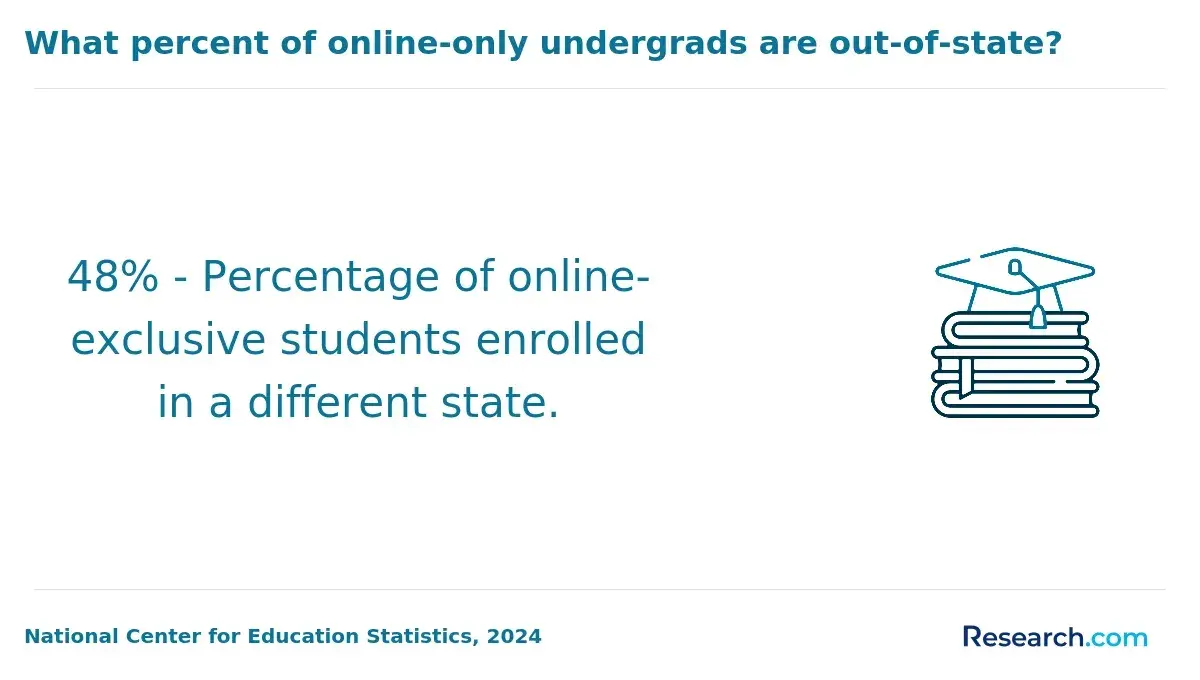
Comparing how online ABSN programs compare to campus options reveals significant tradeoffs in clinical preparation and logistical complexity that directly affect readiness for nursing roles. Campus-based ABSN programs typically secure clinical placements for students, offering structured, supervised experiences within established local hospital networks. This arrangement reduces administrative burden and generally results in more consistent clinical exposure, something employers view as essential for entry-level nursing competence.
Online ABSN students, by contrast, face the practical challenge of independently obtaining clinical hours, which often involves negotiating access to healthcare sites and managing transportation without institutional support.
National data shows that 67% of nursing students struggled to find sufficient clinical placements in 2025, with 41% reporting their clinical hours did not adequately prepare them for practice, issues more pronounced for remote learners. For instance, an online student in a rural area may encounter difficulties matching the diversity and oversight available to campus counterparts.
Key differences between online and traditional ABSN program formats also include time management and supervision. Campus students experience fixed schedules and immediate clinical feedback but must juggle these commitments with employment. Online students gain flexibility in didactic coursework yet accept fragmented clinical supervision and the risk of delayed progression toward licensure due to clinical placement hurdles.
Those evaluating these pathways should consider employer expectations for clinical proficiency alongside personal circumstances. Prospective students can explore nursing schools that are easy to get into as part of a broader strategy to identify programs balancing accessibility with quality clinical opportunities.
Why do ABSN programs require nursing accreditation?
Accreditation in nursing is a deciding factor for ABSN programs that directly affects employability and licensure eligibility. Without it, graduates often face ineligibility for state licensure, a mandatory step to practice, undermining the value of their extensive investment.
This dynamic is particularly significant considering that how ABSN program accreditation impacts nursing licensure is non-negotiable. Students from non-accredited programs frequently cannot sit for the NCLEX-RN exam, negating their educational effort and financial costs that can exceed $80,000 including living expenses.
Employers and state boards rely on accreditation to ensure graduates have met consistent, rigorous standards, making hiring from accredited programs a practical baseline. The absence of accreditation can limit clinical placement options, especially in competitive settings like critical care, as established hospital partnerships typically favor accredited institutions. Students must weigh the operational realities of this when evaluating program quality and workforce entry barriers.
Beyond licensure and placements, accreditation signals whether a program adequately prepares students for healthcare complexities including legal compliance and evidence-based practice. Selecting programs accredited by recognized bodies such as ACEN or CCNE reduces the risk of career-limiting outcomes tied to inadequate training.
Considering the landscape of accelerated nursing education and alternatives like DNP programs online, understanding these distinctions is critical for making strategic choices about accelerated clinical training and long-term career viability.
What coursework and clinicals are in an ABSN?
Accelerated bachelor of science in nursing (ABSN) programs demand intensive academic and clinical work compressed into 12 to 18 months, posing significant challenges for students who often must reduce external employment to meet rigorous time and performance requirements.
With coursework covering advanced anatomy, microbiology, pharmacology, and pathophysiology, students who come from STEM or health-related backgrounds, about 61% nationally, tend to handle the GPA expectations of around 3.3 more readily. However, maintaining this GPA is critical since 76% of admitted students meet this threshold, underscoring the competitive nature of admissions.
Clinical hours ranging from 500 to 700 are mandatory and distributed across diverse settings like acute care hospitals, community health, or specialty units. For example, students placed in urban hospitals must quickly adapt to high-acuity cases and fast-paced demands, while those in rural clinics gain broader but less specialized experience. Scheduling flexibility and readiness for weekend or evening shifts become necessary to complete these requirements.
The combination of academic intensity and clinical responsibilities directly affects students' work-life balance and program progression; missing clinical hours delays licensure eligibility. Employers prioritize graduates with strong clinical skills and critical thinking sharpened in these immersive settings. Students without robust STEM foundations might face longer adjustment periods transitioning into professional nursing roles.
How long does an ABSN usually take to finish?
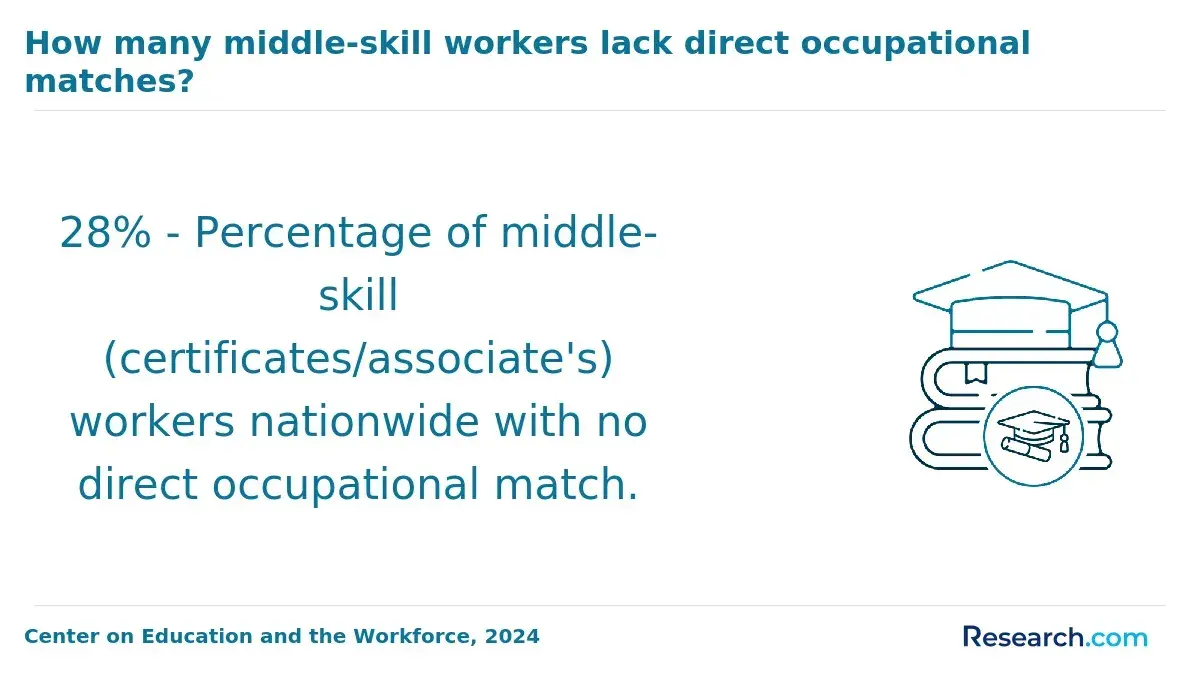
Accelerated Bachelor of Science in Nursing (ABSN) programs compress traditional nursing curricula into 12 to 18 months, demanding intense, full-time commitment from students already holding non-nursing bachelor's degrees. This condensed timeline requires absorption of roughly 60 to 75 credits focused exclusively on nursing science, often spread across consecutive semesters without the breaks typical in longer programs.
For working professionals, this intensity presents a notable challenge, as balancing clinical hours and coursework alongside employment leaves little room for flexibility.
Compared to traditional nursing pathways, ABSN programs prioritize speed and clinical readiness, targeting workforce entry within a significantly shortened timeframe. However, this rapid progression may not suit students who benefit from gradual learning or require part-time options due to personal or financial constraints.
Licensure outcomes remain strong; some ABSN programs report NCLEX-RN first-time pass rates exceeding 90%, above the national average of 86% reported by the Research College of Nursing. This indicates that accelerated programs maintain competency standards despite their pace.
The decision to pursue an ABSN often involves tradeoffs. While faster entry into the nursing workforce can enhance earning potential and relevance, it also demands substantial mental and physical stamina during the program. Students transitioning from unrelated fields should anticipate a challenging adjustment requiring rapid mastery of clinical skills to meet employer expectations from day one.
What does an ABSN typically cost, and how do students pay?
Accelerated bachelor of science in nursing (ABSN) programs demand a significant financial commitment, often ranging from $30,000 to $70,000. Candidates must account not only for tuition but also for limited income during 12 to 18 months of intensive study, as part-time work opportunities are constrained. For example, individuals switching from non-healthcare roles frequently rely on savings or partner income, complicating their budgeting and financial planning.
Funding typically involves federal student loans, private financing, and occasionally employer tuition assistance, though the latter generally applies only to nurses already employed within healthcare. Prospective students should anticipate interest accumulating during the condensed program and factor repayment strategies into their decision.
The economic tradeoff hinges on post-graduation salaries. Registered nurses with a BSN median $86,070 annually, earning an 8-10% premium compared to those without a bachelor's degree, according to the U.S. Bureau of Labor Statistics.
However, this wage increase must offset a period spent out of full employment and the debt accrued. Geographic job market differences and employer preferences increasingly prioritize BSN credentials for advancement or specialized positions, influencing long-term opportunities.
What license do ABSN graduates need to become RNs?
Securing an active Registered Nurse (RN) license through the NCLEX-RN is the pivotal step that transforms accelerated nursing graduates into employable professionals. Without this credential, clinical practice is off-limits regardless of academic achievement. The licensing timeline demands strategic planning since focused NCLEX-RN preparation typically spans six to twelve weeks. Any delay directly impacts job start dates and competitiveness.
For example, nearly half of hospitals now favor BSN-prepared nurses, elevating the urgency for graduates from accelerated programs to pass the exam swiftly. Employers use licensure as proof of both competency and legal authority to practice, making timely exam completion a key determinant in avoiding staffing gaps and retaining job offers.
Graduates should anticipate varying state fees between $200 and $400, fingerprinting costs, and potential transcript processing delays, all factors that can stall licensure. Prior coordination with state boards is essential to minimize bottlenecks.
The U.S. Bureau of Labor Statistics forecasts a 6% increase in RN roles through 2032, yet job market competition is intense. Candidates who falter in passing the NCLEX or navigating state-specific requirements risk exclusion from clinical roles, which diminishes earning potential and narrows career flexibility.
What jobs can ABSN graduates pursue after licensure?
ABSN graduates face elevated expectations immediately after licensure, often entering demanding hospital units such as medical-surgical or telemetry floors where swift clinical judgment and multitasking are required. The accelerated nature of ABSN programs compresses clinical training, making employers prioritize candidates who demonstrate both competency and adaptability in managing acute-care patients from day one.
Specialization in areas like critical care, emergency nursing, or labor and delivery generally follows foundational RN experience, as direct entry into these fields usually requires additional certifications or supervised training. This creates a pragmatic two-stage employment pattern. Graduates secure entry-level positions initially, then pursue specialty preparation on the job, which can extend workforce ramp-up times.
Workforce studies show that structured mentoring and clinical preceptorship can reduce early attrition by approximately one-third, improving retention and reducing burnout risk. ABSN graduates lacking such supports are more vulnerable during the early career transition when stress and workload peak.
Some graduates target roles beyond bedside nursing, such as case management, quality improvement, or health informatics, where acute-care insights paired with data skills are valued. However, these paths often necessitate further credentials and experience, demanding a strategic weigh-in between immediate RN employment prospects and longer-term career pivots that might delay income.
What do ABSN grads wish they knew before enrolling?
The intensified pace of accelerated nursing programs reshapes time management, demanding far more flexible scheduling from students than traditional formats. Clinical rotations routinely occupy evenings, weekends, and shift hours, creating persistent conflicts for those balancing part-time work or family obligations. Without early employer accommodations or childcare planning, stress and burnout become major risks.
Students frequently underestimate how much clinical placement variability affects skill development, with some assigned to lower-acuity units or less engaged preceptors. This uneven exposure can undermine confidence and readiness despite completing the program. Proactive engagement with faculty and clinical coordinators is necessary to optimize hands-on learning environments.
Financially, beyond tuition, indirect costs ripple through licensing fees, immunizations, uniforms, and travel, often exceeding original budgets. Employer preferences add complexity.
Although 89% of second-degree BSN graduates secure RN positions within six months, many healthcare organizations favor candidates with certifications or prior healthcare roles. Without early career planning and credentialing alignment, advancement into specialized or leadership positions, attained by only about 28% within five years, may stall.
Prospective students who grasp these operational realities before enrollment bolster both their educational outcomes and job market positioning, as reported by the AACN Accelerated Programs Fact Sheet updated 2025.
Other Things You Should Know About ABSN
Working part-time during an accelerated nursing program is generally not feasible due to the program's intensive schedule and demanding clinical hours. Most students report needing to treat the program like a full-time job with little margin for external work commitments. If financial concerns require employment, prioritizing flexible, low-hour positions or relying on financial aid and loans is necessary to avoid compromising academic performance and skill acquisition.
Shorter programs are often more intense, compressing a large volume of content and clinical experience into fewer months. While completing the degree faster may lead to quicker entry into the workforce, this comes with increased stress and less time to absorb material. If your priority is strong foundational knowledge and reducing burnout risk, opting for a slightly longer program with a balanced pace can improve retention and performance on licensing exams.
Accelerated programs require concentrated time that limits personal flexibility and may increase stress-related health risks. Financially, upfront costs come sooner, and there is minimal opportunity for income during study. Candidates must weigh the short-term intensity and potential debt burden against faster workforce entry, ensuring the compressed timeline aligns with their mental resilience and financial situation before committing.
References
- ABSN vs. BSN: Is an Accelerated Nursing Program Worth It? https://onlinedegrees.elmhurst.edu/blog/absn-vs-bsn-is-an-accelerated-nursing-program-worth-it
- How to Switch to Nursing as a Second Career | All Nursing Schools https://www.allnursingschools.com/articles/second-career-nursing/
- Accelerated BSN vs BSN: What’s the Difference? https://stmary.edu/nursing-accelerated/acclerated-bsn-vs-bsn.html
- CCNE Accreditation https://www.aacnnursing.org/ccne-accreditation
- ABSN vs. BSN: What’s the Difference? | University of Bridgeport https://www.bridgeport.edu/news/absn-vs-bsn-whats-the-difference/
- What’s the Deal with Accreditation? https://nursingcas.org/resources-for-current-schools/whats-the-deal-with-accreditation
- 5 Things I Wish I Knew Before Starting Nursing School - EduMed https://www.edumed.org/articles/5-things-i-wish-i-knew-before-starting-nursing-school/
- Is an Accelerated Nursing Program Right for Me? https://www.iona.edu/blog/accelerated-nursing-program-admissions-guide