2027 Best ABSN Careers for Parents

Co-Founder and Chief Data Scientist
Balancing childcare responsibilities with the demanding clinical hours of an ABSN program creates a bottleneck for many parents aiming to shift careers rapidly into nursing. Given that 45% of adult learners in accelerated nursing programs report time constraints as their primary barrier, this signals a pressing need for schedules that accommodate family duties without sacrificing clinical rigor-a challenge compounded by inconsistent program flexibility across institutions.
As healthcare demand grows, employers seek nurses who can quickly integrate into workflows, placing a premium on both competency and time-efficient preparation. This article identifies top ABSN career options tailored for parents seeking accessible, strategic pathways that optimize career mobility and work-life integration.
Key Things You Should Know
- Accelerated BSN programs reduce clinical time by 35-40%, shifting experiential learning burden onto students, increasing stress and requiring superior time management compared to traditional tracks, impacting completion rates among working parents.
- Facilities hiring ABSN graduates from 2024 onward increasingly favor candidates with prior healthcare experience, often excluding purely academic candidates, creating workforce segmentation that disproportionately challenges career changers without direct clinical backgrounds.
- Average tuition for ABSN routes surged 12% since 2022 according to U.S. Department of Education data, resulting in higher debt burdens that lengthen return-on-investment timelines and require strategic financial planning for parents balancing household expenses.
What is an ABSN and why can it be a strong career move for parents?
Choosing an accelerated bachelor of science in nursing (ABSN) program is a pragmatic decision shaped by intense study demands and real-world constraints, especially for parents. These fast track accelerated nursing programs for parents condense what traditionally takes four years into 12 to 18 months, enabling quicker reentry into a growing labor market. However, weekdays filled with clinical hours often require dependable childcare or robust support networks, which can affect feasibility.
The financial incentives are tangible: registered nurses earn a median wage of $86,070, with the top decile surpassing $120,000, making ABSN a strategic pathway for those seeking to offset income gaps or balance household expense pressures. Flexibility in scheduling is key, as flexible ABSN careers with family-friendly schedules-such as night or per diem shifts-allow parents to juggle work and childcare responsibilities more effectively.
Yet, not every program meets the nuanced needs of families. Local program logistics, including hybrid formats or part-time options, and integrated clinical placements near home, greatly impact successful credentialing and employability. Navigating these tradeoffs requires candid appraisal of personal time management and available external support. Parents willing to plan around ABSN's intensity can transition into nursing roles valued for both clinical expertise and practical experience.
Prospective students should carefully explore the best online BSN programs for non nurses to find options aligning with family demands and workforce outcomes.
What are the best ABSN career paths for parents seeking flexibility and stability?
Parents pursuing accelerated nursing paths often face a fundamental tradeoff between scheduling flexibility and income stability. Roles in outpatient clinics, home health, and school nursing commonly provide consistent daytime hours and fewer unexpected shifts, making them more suitable for those prioritizing family balance. These stable ABSN nursing jobs ideal for family balance avoid the 12-hour, irregular schedules typical of hospital bedside nursing but usually come with lower pay.
Flexible scheduling remains a decisive factor: part-time, per-diem, or self-scheduled shifts significantly improve retention among nurses with children. According to the 2024 NSI National Health Care Retention & RN Staffing Report, 57% of registered nurses with minors at home cite flexible scheduling as their primary retention reason. New graduates may find these options more accessible in smaller outpatient or community health settings, where rigid seniority requirements are less prevalent.
That said, employer expectations vary widely. Large health systems may offer shift-swapping and advanced planning but often restrict such privileges to full-time or senior nurses. Consequently, parents must weigh financial needs against desired childcare reliability and family time.
Proactive research into employer scheduling policies before accepting positions is essential to align roles with parenting demands. For those seeking additional credentials to enhance opportunities, considering an RN to BSN online program can supplement career flexibility and advancement prospects.
How do ABSN careers compare to traditional BSN nursing roles for working parents?
Accelerated nursing programs flexibility for working parents hinges on how compressed curricula interact with professional demands and family obligations. ABSN pathways condense nursing education to 12-18 months, allowing quicker workforce re-entry, which mitigates income disruption for parents. However, time-intensive clinical rotations still require strategic childcare planning during training, reflecting a key tradeoff compared to traditional BSN tracks with longer timelines but more predictable schedules.
Differences between accelerated nursing and traditional BSN careers for parents become most apparent in post-graduation employment settings. ABSN graduates are often better positioned for telehealth and remote nursing roles-fields that expanded notably with about 21% of outpatient visits conducted virtually-and this shift supports flexible work hours and reduced commute times. For example, a parent working remotely in outpatient telehealth can manage patient data or calls during school hours, contrasting with rigid hospital shift requirements typical of traditional BSN jobs.
Employers value ABSN candidates for their adaptability and pace but expect clinical competencies equivalent to those from conventional programs. Those evaluating online ABSN programs for non nurses should also research nursing schools easy to get into that offer accelerated tracks to balance admission feasibility with career goals. Understanding these operational realities is critical to aligning educational investments with long-term employment prospects in both inpatient and outpatient career pathways.
What admission requirements and prerequisites do ABSN programs typically have?
Admission to accelerated BSN programs demands more than a bachelor's degree; applicants must meet rigorous academic and clinical prerequisites that directly impact their ability to succeed in an intensive curriculum. Typical course requirements include anatomy and physiology, microbiology, chemistry, statistics, and developmental psychology, with minimum grades of C needed to demonstrate competence. Many programs enforce a cumulative GPA around 3.0, reflecting the expectation that students handle a fast-paced and demanding schedule.
Direct patient care experience, often between 100 and 500 hours, is a standard requirement. This aligns with employer priorities as the need for RN-level skills rises in community health settings where home health and personal care aide jobs are projected to grow 22% from 2022 to 2032, adding nearly 1 million roles. Applicants must also submit standardized test scores such as TEAS or HESI and pass background checks and immunizations due to clinical placement safety.
Parents considering accelerated BSN program admission requirements for parents must realistically assess the limited scheduling flexibility, as full-time enrollment and varied clinical hours often conflict with childcare demands. Programs that offer prerequisite courses with flexible or online formats may partially mitigate these challenges.
The prerequisites for ABSN programs in the United States demand strict adherence to science and clinical preparation, shaping candidate readiness and workforce integration. For those analyzing how much does a DNP make, understanding these entry-level requirements contextualizes the trajectory from RN preparation through advanced nursing roles. how much does a DNP make reflects significant long-term career impact from navigating these initial barriers.
How long do ABSN programs take, and what schedules work best for parents?
Accelerated BSN programs condense nursing education into 12 to 18 months, demanding intense time management, especially for parents balancing childcare and coursework. While full-time schedules offered by most programs foster rapid workforce entry, their continuous, break-limited semesters restrict availability for flexible study hours. Parents should prioritize programs with hybrid or evening clinical placements to reduce scheduling conflicts, although such options are not universally available.
Aligning clinical rotations and coursework with school calendars significantly mitigates parental strain. Roughly 65% of U.S. schools employ nurses full- or part-time, positioning school nursing as a strategic employment sector for graduates seeking synchronization between professional and parental schedules. ABSN tracks allowing summer intensives or breaks during school vacations can optimize childcare coverage without sacrificing clinical hours.
Parents face a choice between accelerated tracks that accelerate market entry but heighten household pressure, and part-time programs extending duration to 24 months or more, which offer greater family engagement through reduced daily intensity. The trade-off involves balancing time-to-completion with manageable workload distribution.
Practical steps for parent students include discussing clinical placement timing upfront with admissions, seeking cohorts experienced in family dynamics, and preparing for external childcare during peak clinical periods. Graduates entering school nursing may find enhanced alignment of income streams and caregiving duties post-graduation, reflecting a critical factor in long-term career sustainability within the nursing workforce.
How do online, hybrid, and campus ABSN formats differ for busy parents?
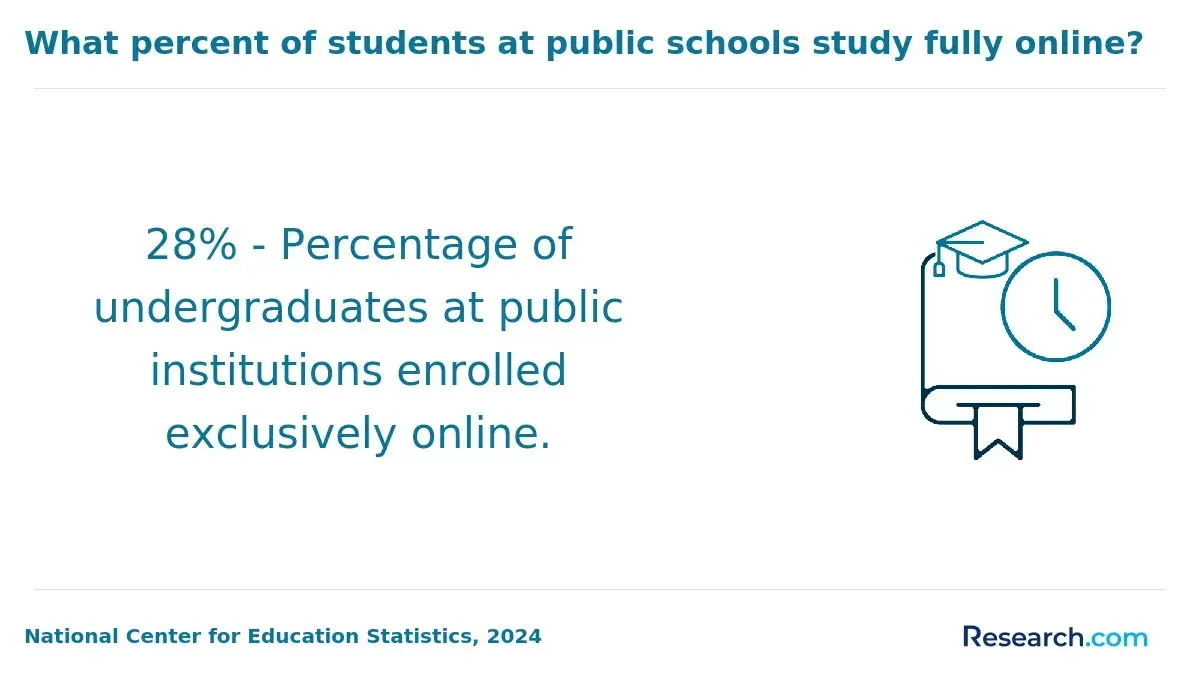
Choosing between online, hybrid, and campus ABSN formats hinges on daily scheduling realities that disproportionately affect parents balancing education with caregiving and work. Online ABSN programs offer flexibility through asynchronous coursework but mandate in-person clinical hours-often during standard workdays-creating a need for strategic arrangements or support. Hybrid programs reduce commuting by mixing online lectures with scheduled campus sessions, though fixed in-person blocks can still conflict with childcare or variable employment schedules.
In contrast, fully campus-based ABSN tracks demand consistent on-site attendance during typical daytime hours, limiting feasibility for parents without access to flexible childcare or adaptable work hours. This rigidity matters especially in occupational health nursing, where 38% of large employers now provide on-site health clinics, compressing clinical and job scheduling windows according to the Business Group on Health's 2024 Large Employer Health Care Strategy Survey.[3]
Pragmatically, a parent working full-time outside healthcare might prefer online didactics for off-hour study but must plan for daytime clinical rotations requiring time off or alternative care. Those with inconsistent work hours could find hybrid formats more manageable, though prioritizing programs that offer clinical placements close to home or work helps reduce disruption. Regardless of format, the demanding intensity of ABSN curricula necessitates careful integration of logistics, communication with coordinators, and dependable childcare to sustain progress toward licensure.
What accreditation and licensing requirements must ABSN graduates meet to become RNs?
Licensure through the NCLEX-RN exam is non-negotiable for ABSN graduates across all U.S. states and territories, with no exceptions. This baseline requirement dictates that candidates must hold a baccalaureate degree from a program accredited by agencies like CCNE or ACEN. Choosing an ABSN program without proper accreditation risks disqualifying graduates from licensure and employment.
Beyond passing the NCLEX-RN, licensure involves state-specific administrative obligations-background checks, fees, and transcript submissions-which can vary widely and pose timing challenges. For working parents, the necessity of periodically renewing licenses, often complemented by continuing education, adds ongoing complexity to balancing professional development and personal responsibilities.
Specializations such as pediatric or geriatric nursing require an active RN license but add layers of certification beyond initial licensure. In fields like nursing informatics, where demand grew over 20% from 2020 to 2024 and 63% of health systems have dedicated teams, employer preferences often include informatics credentials or advanced degrees, though a current RN license remains mandatory. Delays in securing or renewing licensure can directly stall employment opportunities, as employers must verify credentials to comply with legal and insurance requirements.
Graduates must therefore prioritize seamless accreditation compliance, timely NCLEX-RN passage, and proactive state-specific follow-through to minimize employment downtime. Managing these steps strategically is particularly crucial for those navigating accelerated pathways and work-life integration challenges.
What salaries and benefits can parents expect from common ABSN nursing careers?
Parents entering accelerated bachelor of science in nursing (ABSN) programs face a distinct tradeoff between upfront personal and financial strain and medium-term economic gains. Typical starting salaries for registered nurses after ABSN completion range from $65,000 to $75,000, representing a 15-20% increase compared to salaries in other bachelor's-level fields. However, this salary advantage comes amid demanding schedules, often involving 12-hour shifts and weekend work, which can conflict sharply with family responsibilities.
Healthcare employers frequently provide benefits such as comprehensive insurance, paid family leave, retirement contributions, and tuition reimbursement. Yet shift inflexibility remains a key challenge, making facilities with flexible scheduling or part-time roles attractive to parents despite a potential pay reduction. Choosing workplaces with strong support systems-like home health agencies offering daytime hours-can mitigate this tension.
Progressing into specialized nursing roles (nurse practitioner, nurse educator) generally requires further education but results in salaries exceeding $90,000 annually, which can justify ongoing investments in schooling. The projected 6% growth in RN jobs from 2022 to 2032 indicates steady demand, but parents must evaluate childcare costs, emotional strain, and schedule disruptions before committing. Long-term financial and career outcomes hinge on selecting employers with family-friendly policies and clear advancement pathways.
What is the job outlook for ABSN-trained nurses and parent-friendly specialties?
Demand for ABSN-trained nurses in 2026 favors specialties with scheduling stability and flexibility, critical for parents balancing work and caregiving. Outpatient care, school nursing, and community health roles often provide predictable daytime shifts and part-time options, unlike emergency or critical care units where long, variable hours impede family commitments.
In large healthcare systems, formal self-scheduling policies reduce nurse turnover by enabling greater control over work hours. This flexibility not only supports retention but also facilitates workforce re-entry for parents returning post-graduation or during career pivots.
The tradeoff for part-time or flexible ABSN nursing roles often involves slower salary growth and fewer advancement opportunities compared to full-time inpatient positions, which typically demand more rigid, intensive schedules.
Successful navigation of ABSN career paths requires analyzing local job markets and employer policies on flexible staffing. Nurses who prioritize roles with established part-time or per-diem options can better juggle clinical hours, continuing education, and family time without compromising professional development.
Careful evaluation of employer flexibility and specialty-specific workloads is essential to align ABSN training outcomes with realistic, parent-friendly career strategies.
How can parents choose a reputable ABSN program and evaluate clinical placement support?
Parents evaluating accelerated bachelor of science in nursing (ABSN) programs must weigh accreditation status and clinical placement support carefully, as these factors directly influence both education quality and practical scheduling feasibility. Accreditation bodies such as CCNE or ACEN certify program adherence to rigorous standards, safeguarding students from nontransferable credits or subpar clinical experiences.
Clinical placement logistics are particularly impactful for parents balancing family and study. Programs with established hospital partnerships and dedicated coordinators who arrange diverse shifts near home reduce commute time and childcare conflicts. For instance, a working parent in an urban setting benefits from programs that offer evening or weekend clinical rotations close by, thereby minimizing disruptions to daily routines.
Essential considerations include:
- The quantity and distribution of clinical hours relative to program length, as comprehensive clinical exposure influences employer confidence in new graduates.
- Consistency and transparency of placement outcomes, assessable through alumni feedback or official data, helping avoid last-minute placement challenges that may cause delays or additional expenses.
Long-term workforce data from the American Association of Colleges of Nursing's 2024 survey show that BSN-prepared nurses have a 2.5 times higher likelihood of moving into leadership within 10 years compared to ADN graduates. This emphasizes selecting ABSN programs that integrate leadership preparation alongside clinical skills, providing a strategic foundation for sustained career growth amidst parental responsibilities.
Other Things You Should Know About ABSN
The best ABSN careers for parents in 2027 include positions as a school nurse, which offers flexible hours, and community health nurses, which often provide regular daytime schedules. Telehealth nursing is another viable option, as it allows a work-from-home approach conducive to balancing family responsibilities.
Clinical rotations often have fixed schedules, limited shifts, and location constraints, which can create significant time conflicts for parents managing childcare and household duties. Programs differ in flexibility: some allow limited shift selection, but most require availability during regular business hours or weekends. Prioritizing programs with strong clinical placement support and transparent scheduling policies can reduce stress and prevent delays in program completion for parents.
Hybrid programs offer some coursework online, which helps parents balance study with family needs, but they still mandate intensive in-person clinical hours. Fully in-person programs may provide more predictable on-campus resources and peer collaboration but demand consistent time on site. For parents, a hybrid format often ranks higher in value if clinical placements are local and scheduling flexibility exists, enabling better time management without compromising hands-on practice.
Shorter ABSN programs concentrate coursework and clinical hours into 12-15 months with heavy weekly demands, increasing stress and limiting time for parenting duties. Longer programs spread out the content over 18-24 months, reducing weekly hours but extending overall time commitment and financial costs. Parents should assess whether they can handle short-term intensity or prefer steadier pacing to maintain family balance and avoid burnout during the program.
References
- Hybrid-Online Accelerated Bachelor of Science in Nursing (ABSN) Program - Roseman University https://www.roseman.edu/academic-programs/college-of-nursing/accelerated-bachelor-of-science-in-nursing/online-absn/
- 10 Best Nursing Jobs for Moms https://www.allheart.com/blog/best-nursing-jobs-for-moms.html
- Going to Nursing School | Berkeley Parents Network https://www.berkeleyparentsnetwork.org/recommend/advice/student-parents/nursing-school-kids
- 8 Best Careers for Single Parents: Great Pay, Flexibility & More - MedCerts https://medcerts.com/blog/8-best-careers-for-single-parents-great-pay-flexibility-more
- What Are the Benefits of Being a Nurse? https://onlinedegrees.elmhurst.edu/blog/what-are-benefits-being-a-nurse
- What Are the Most Flexible Career Paths Parents Should Know About for 2025? - https://www.northeastohioparent.com/work-career/what-are-the-most-flexible-career-paths-parents-should-know-about-for-2025/
- Career Stability With A Nursing Degree https://www.dewv.edu/career-stability-with-a-nursing-degree-unlocking-long-term-potential/
- What Is a Hybrid BSN Program? How Online and Clinical Nursing Education Work https://stmary.edu/nursing-accelerated/what-is-a-hybrid-bsn-program.html
- How to Get Into an Accelerated Nursing Program | University of Bridgeport https://www.bridgeport.edu/news/how-to-get-into-an-accelerated-nursing-program/
- Top Career Change Options for Parents: A Guide to Finding the Right Fit https://woombie.com/blog/post/top-career-change-options-for-parents-a-guide-to-finding-the-right-fit