2027 ABSN to DNP Long-Term Planning Guide

Co-Founder and Chief Data Scientist
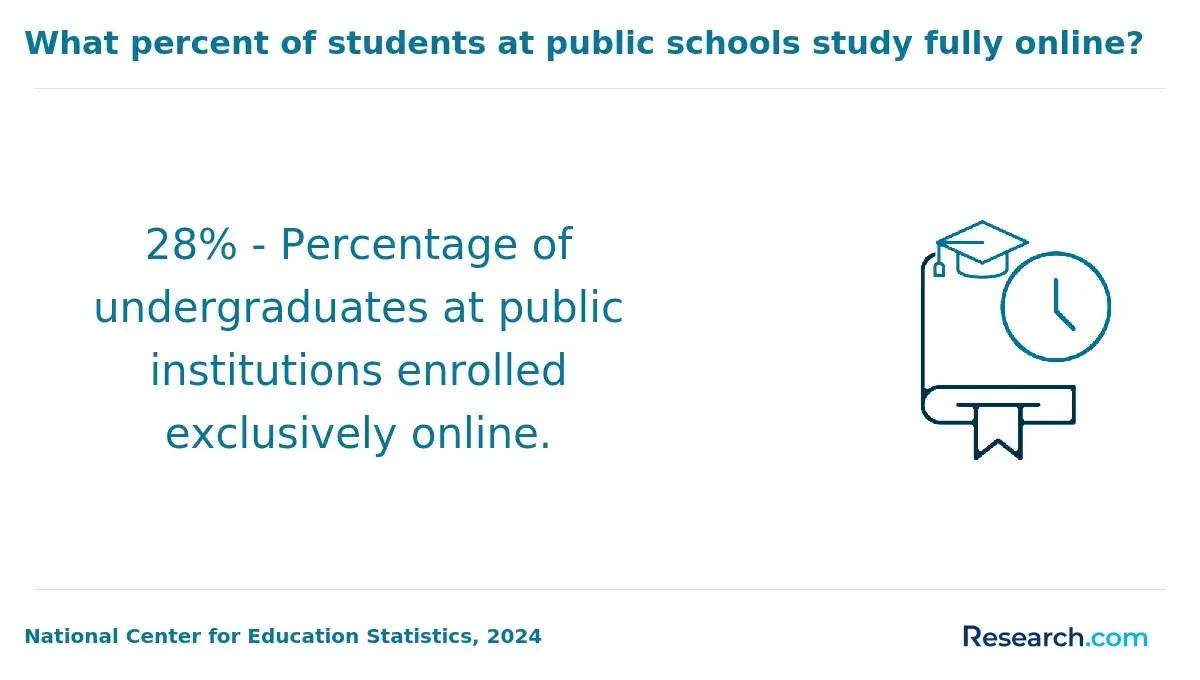
Navigating the shift from an accelerated nursing bachelor's program to a Doctor of Nursing Practice presents a critical challenge as many candidates face fragmented enrollment windows and fluctuating program accessibility. The National Center for Education Statistics reported a 27% increase in adult learner enrollment in online nursing programs since 2022, a growth that reshapes when and how applicants can enter advanced practice pathways.
This expanding reliance on hybrid and virtual formats influences the timing and flexibility of educational commitments, with direct implications for workforce readiness in a market experiencing ongoing nursing shortages. This guide will offer strategic insights on sequencing, timing, and program selection to align academic planning with evolving professional demands.
Key Things You Should Know
- Transition from ABSN to DNP demands balancing accelerated clinical hour requirements against full-time work; with median program lengths of 2.8 years per NCES data, students face financial strain that extends beyond tuition into lost income opportunities.
- Employers increasingly expect DNP-prepared nurses to lead evidence-based practice improvements; BLS projections show 12% nurse practitioner growth by 2032, pressuring candidates to pursue doctoral credentials for advanced leadership roles.
- Delayed DNP enrollment after ABSN completion risks skill atrophy and credential redundancy amid evolving competencies, with AACN 2024 surveys indicating a 15% drop in program matriculation within two years post-ABSN graduation.
What is the ABSN-to-DNP pathway, and how does it differ from traditional nursing routes?
The accelerated ABSN-to-DNP pathway bypasses traditional sequential nursing degrees by merging bachelor's and doctoral preparation into one rigorous program. Unlike conventional routes requiring a BSN, then MSN, then DNP, this approach targets individuals seeking rapid elevation to advanced clinical or leadership roles. Such candidates often include career changers who embrace a condensed timeline demanding early mastery of advanced skills.
Employers view the absn-to-DNP credential as evidence of readiness for complex responsibilities but expect graduates to demonstrate sophisticated critical thinking and management capabilities sooner than those following traditional paths. This creates distinct hiring advantages for roles like nurse practitioner or clinical director, where immediate competency is paramount.
Tradeoffs include an intense workload balancing clinical hours and advanced academics, requiring disciplined time management and access to strong support systems. With 322 post-baccalaureate DNP programs in the U.S., this track's growth signals shifting workforce needs but also signals variability in program rigor and experiential learning quality.
Prospective students should rigorously compare curricula, graduate outcomes, and employment data, especially among online ABSN programs. These factors substantially impact the practical value of an accelerated ABSN-to-DNP program.
How do you build a realistic long-term timeline from ABSN enrollment to earning a DNP?
Mapping a realistic, step-by-step timeline from accelerated nursing to DNP degree completion reveals inherent tradeoffs that every candidate must navigate. An accelerated bachelor of science in nursing (ABSN) usually lasts 12 to 24 months full-time, with many compressed to 12 to 18 months. However, immediately after ABSN, passing the NCLEX-RN demands several months of focused study, which varies by individual preparation and can delay subsequent steps.
RN licensure is only a gateway; most DNP programs, especially those tailored for ABSN graduates, expect 1 to 3 years of relevant clinical experience before enrollment. This period is crucial not only for eligibility but also for developing the practical competence and professional networks that impact both academic success and employability.
DNP coursework typically spans 3 to 4 years full-time or 5+ years part-time, presenting a financial and scheduling balancing act for working nurses. A practical example: an ABSN graduate who immediately gains 2 years of RN experience before embarking on a 3-year full-time DNP journey faces a 6 to 7-year total timeline.
Given employer demand projections-such as a 45% growth in nurse practitioner positions-planning includes setting milestone checkpoints from prerequisites through employer hiring cycles, with buffers for academic challenges or licensure delays. This level of ABSN to dnp long-term academic planning in the US highlights the complex interplay between study pace, workforce entry, and career progression.
For those evaluating entry points, considering alternatives like a 6-month RN to BSN program online might offer strategic advantages in reducing educational timelines while gaining licensure eligibility.
What admission requirements and prerequisites should you plan for at each ABSN and DNP stage?
Admission demands for the accelerated Bachelor of Science in Nursing (ABSN) and Doctor of Nursing Practice (DNP) reflect fundamentally different workforce preparation priorities, influencing strategic student decisions. ABSN applicants must present a completed bachelor's degree in a non-nursing field with a GPA above 3.0, backed by 45 to 60 semester credits in sciences such as anatomy, physiology, microbiology, general chemistry, and statistics.
Entrance exams like TEAS or HESI may be required. While clinical experience is typically not mandatory, it can be a decisive advantage in competitive cohorts applying to ABSN programs.
Doctor of Nursing Practice prerequisites and application process considerations sharply pivot to clinical readiness. Candidates generally need a valid RN license and a BSN degree, though select programs allow ABSN graduates to apply after gaining sufficient experience-usually at least one to two years in direct patient care.
Graduate-level prerequisites include advanced courses in pathophysiology, pharmacology, and health assessment. Some programs request GRE scores, though waivers are increasingly common based on professional background.
From a workforce perspective, timing and sequencing matter. Students aiming for nurse practitioner roles, which command a median wage of $126,860 and can exceed $170,000 for the top 10%, should plan ABSN prerequisites promptly and prioritize clinical experience post-licensure to strengthen DNP applications and employability.
Delays in completing prerequisites or gaining experience can hamper salary progression and job prospects. For those evaluating an online nursing school option, the fulfillment of ABSN program admission requirements and prerequisites requires careful alignment with both academic rigor and practical exposure to optimize outcomes.
How do online, hybrid, and campus-based ABSN and DNP programs compare for flexibility and clinicals?
Employers prioritize nurse practitioner candidates from programs with rigorous, supervised clinical hours, presenting a significant challenge for online ABSN to DNP pathways that often require students to secure clinical placements independently. This dynamic creates a practical tradeoff: online programs offer unmatched schedule flexibility but may extend program length or increase travel costs due to limited geographic clinical affiliations.
Hybrid ABSN and DNP programs attempt to reconcile these issues by combining online coursework with scheduled on-campus residencies, thereby improving hands-on skill development and peer networking without wholly sacrificing flexibility. Fully campus-based programs provide structured clinical placement support and direct hospital partnerships, benefiting students who can accommodate the rigid attendance and clinical schedule demands.
For working professionals balancing job responsibilities, the challenge lies in managing clinical requirements in online hybrid campus ABSN and DNP programs effectively. Critical factors include employer support for time-off and the student's ability to coordinate placements strategically.
The 2024 Journal of the American Association of Nurse Practitioners highlights a 336% increase in BSN-to-DNP graduations over five years, indicating a growing demand for direct post-baccalaureate paths that emphasize clinical readiness.
Students should weigh these operational realities carefully, especially in rural areas where clinical opportunities may be scarce. For those prioritizing a balance of flexibility and clinical exposure, hybrid programs often represent the most viable option. More detailed analysis of the best DNP programs can be found online.
What accreditation, state approval, and nursing board requirements must an ABSN-to-DNP route meet?
Accreditation by the Commission on Collegiate Nursing Education (CCNE) or the Accreditation Commission for Education in Nursing (ACEN) combined with state board approval directly affects eligibility for licensure and employment after ABSN-to-DNP programs. Without both, graduates face significant barriers securing advanced practice credentials or hospital privileges, impacting their workforce integration.
For instance, a registered nurse licensed in California pursuing an ABSN-to-DNP in New York must confirm that New York's nursing board recognizes the program to avoid clinical placement delays or licensure reciprocity issues. Such state-specific approval dictates clinical site permissions, curriculum alignment with local scope of practice, and ongoing requirements like maintaining active RN licensure and passing background checks or jurisprudence exams.
Financial considerations extend beyond tuition; the median debt for DNP students ranges from $40,000 to $80,000. Limited state approval often reduces available clinical sites, lengthening program duration and increasing total costs. Students balancing work should carefully weigh full-time enrollment, which may hasten workforce re-entry but heightens upfront debt, against part-time paths that delay income growth while spreading educational costs.
What curriculum, clinical hours, and advanced competencies should you expect from ABSN and DNP programs?
Accelerated BSN (ABSN) to Doctor of Nursing Practice (DNP) pathways demand a rigorous blend of clinical expertise and leadership acumen, imposing significant logistical and occupational challenges.
The program requires approximately 500 to 700 prelicensure clinical hours during ABSN coursework, followed by about 1,000 supervised post-BSN hours focused on advanced practice competencies.
This clinical intensity often makes simultaneous full-time employment unfeasible, forcing candidates to weigh financial tradeoffs and scheduling constraints carefully.
Clinical skill development varies by specialization; for example, nurse practitioners in community health must master population health and informatics, whereas those in acute care prioritize diagnostic reasoning and pharmacology. Employers increasingly assess graduates' clinical proficiency based on these advanced practical hours, influencing hiring and advancement opportunities.
Working professionals should consider programs that allow part-time enrollment or clinical placements aligned with their current work environments to reduce travel and time conflicts. Lack of strategic planning around clinical hour requirements can cause extended program durations and affect employer perceptions during recruitment.
Key considerations include:
- Balancing 1,000 supervised clinical hours with employment and personal commitments
- Selecting clinical sites that complement career goals and employer expectations
- Understanding that advanced competencies differ significantly by healthcare setting
Refer to Illinois State University Mennonite College of Nursing's detailed guidelines and clinical residency handbook for comprehensive clinical hour requirements and scheduling strategies.
How long do ABSN and DNP programs typically take, and what total costs should you anticipate?
Accelerated bachelor of science in nursing (ABSN) programs demand 12 to 18 months of full-time study, tailored for degree holders aiming for a rapid transition into nursing. However, the intense pace requires students to navigate tightly packed clinical hours and coursework while managing the practical challenges of licensure preparation.
Doctor of nursing practice (DNP) programs show wider variation in duration: post-bachelor's paths typically span 3 to 4 years, whereas post-master's candidates often complete in 1.5 to 2 years. These timelines often extend when balancing work or family responsibilities.
Cost considerations underscore significant tradeoffs. ABSN tuition varies widely between $40,000 and $80,000, while DNP expenses range from $35,000 to $120,000, with additional yearly costs of $5,000 to $15,000 for living expenses and required materials. Students relying on part-time study or online formats should anticipate longer completion times and potentially higher cumulative costs.
Employment outcomes heavily correlate with specialization choices. Over 70% of nurse practitioner DNP graduates focus on primary care, where job availability and employer demand remain strongest. In contrast, specialties like acute care may present limited openings and longer job searches, extending the financial and temporal investment beyond program costs.
Students balancing work and study should factor indirect costs such as lost wages and childcare, and proactively seek employer tuition support or federal loans. Efficient application to clinical placements is critical to avoid delays that can substantially increase program length and expense.
What nursing roles, practice settings, and specialization options are available after completing a DNP?
Completing a DNP after an accelerated BSN presents complex choices around specialization and work environments that directly shape job functions and career resilience.
Graduates often move into roles demanding both advanced clinical expertise and administrative leadership, such as nurse practitioners in primary care or chief nursing officers within hospital systems. These roles require distinct certifications beyond the degree and come with tradeoffs.
For example, rural clinics offer broader practice scope but less institutional support, while hospitals provide structured teams but more procedural constraints.
Specializations including family practice, psychiatric-mental health, pediatric, gerontological, and acute care determine settings and employer expectations, influencing clinical readiness demands and leadership responsibilities. Academic career paths, though possible, require competitive credentials like postdoctoral training or scholarly publications to navigate limited openings.
Attrition in accelerated Bsn programs matters here, with completion rates reportedly dropping from 72.38% to 55.28% in some contexts, emphasizing early pipeline challenges that eventually constrain DNP candidate pools and workforce supply. Employers prioritize reliability and rigorous clinical preparation, expecting candidates to manage extensive practicum hours and evidence-based initiatives.
Practical workforce considerations include balancing clinical versus administrative duties and mastering interdisciplinary collaboration-skills essential for navigating credentialing timelines and diverse healthcare settings, whether rural or urban.
What salary ranges and long-term earning potential can DNP-prepared nurses expect across specialties?
DNP-prepared nurses face a wide salary range influenced by specialty, geography, and role complexity. Clinical roles such as family nurse practitioners typically start between $95,000 and $120,000 annually, while leadership or administrative positions can command $130,000 to $180,000, reflecting systemic responsibilities.
Specialized roles like nurse anesthetists or midwives with DNP credentials often exceed $200,000 but require additional certification beyond the degree. Geographic location plays a significant role, with urban centers offering $20,000-$30,000 more than rural settings, demanding strategic job targeting.
Long-term earnings trend toward executive healthcare leadership or policy roles, with potential salaries topping $220,000. A practical example includes a DNP graduate managing a multi-hospital quality improvement program, whose salary growth is accelerated by expanded administrative duties and performance incentives compared to purely clinical roles.
Students must consider tradeoffs between clinical specialties, which provide patient-centered practice and steadier entry salaries, and leadership tracks demanding project management and policy expertise but offering higher advancement ceilings. Employers increasingly seek DNP nurses capable of system-level change, with over 80% of doctoral projects focusing on organizational impact rather than direct care.
How can you choose a reputable ABSN and DNP program aligned with your career and life goals?
Choosing an ABSN or DNP program involves more than accreditation; it demands alignment with certification outcomes and long-term employment data. Employers expect graduates from programs with proven NCLEX first-time pass rates above 85% for ABSN students and strong post-DNP job placement.
For instance, a nurse aiming for a leadership role in primary care should prioritize DNP curricula integrating health systems management and specialty certification preparation rather than generic tracks lacking this focus.
Delivery format also affects feasibility: fully online or hybrid DNP programs suit working professionals but require disciplined time management and proactive clinical placement navigation. Programs with established networks for practicum placements in preferred geographic and clinical settings significantly ease post-graduation employability. Tuition must be weighed against program length and financial aid availability to maximize investment without compromising quality.
Key considerations:
- Accreditation by CCNE or ACEN ensures licensure eligibility.
- NCLEX pass rate benchmarks predict immediate licensure success.
- Certification preparation aligns with prevailing employer demands.
- Program delivery formats must fit life circumstances without sacrificing rigor.
- Established clinical placement networks enhance practical experience and job prospects.
- Financial considerations should balance cost, duration, and aid opportunities.
Over 88% of nurse practitioners maintain national clinical specialty certification, and nearly all DNP-prepared NPs hold at least one active certification, emphasizing the competitive advantage of programs emphasizing these outcomes. Reliable workforce data, such as from the American Association of Nurse Practitioners, validates certification and employment claims, helping avoid misaligned expectations.
Other Things You Should Know About ABSN
Accelerated bachelor of science in nursing programs condense essential coursework and clinical hours into a shorter timeframe, often requiring full-time commitment without breaks. This intensity can cause significant stress and burnout if proper time management and support systems are not in place.
For long-term planning, students should prioritize developing strong personal resilience strategies early and consider the cumulative impact of continuous study when transitioning to the DNP, which is also demanding. Balancing work or family obligations during ABSN may limit opportunities for employment or rest, potentially affecting performance in the DNP phase.
In the 2027 ABSN to DNP Long-Term Planning Guide, clinical partnerships are vital as they provide practical experience and networking opportunities essential for advanced roles. Strong partnerships can offer guidance and exposure, making students more competitive when applying for DNP programs.
Working full-time as an RN after an ABSN provides income stability and practical experience but can delay entry into a DNP program. This delay may affect access to preferred DNP tracks or clinical sites, which can fill quickly, and potentially extend overall time to reaching advanced practice roles.
However, gaining experience can sharpen clinical judgment and clarify specialization interests, making DNP studies more focused and effective. Students should evaluate financial needs against the potential slowing of educational progression and aim for work environments supportive of future academic leave.
Employers often prefer candidates with solid RN experience before a DNP, emphasizing practical competence over accelerated credential acquisition. Direct-entry DNP programs after ABSN may limit hands-on exposure, which some employers view as a concern for readiness in leadership or advanced clinical roles.
Sequential RN-to-DNP pathways that include at least one to two years of bedside nursing enhance employer confidence and can improve job placement and advancement. Students targeting institutions with conservative hiring standards should prioritize gaining RN experience before or during DNP enrollment instead of pursuing direct entry without clinical practice.
References
- Become a Nurse Practitioner without a BSN https://nursinglicensemap.com/advanced-practice-nursing/nurse-practitioner/np-without-bsn-nursing-degree/
- Traditional vs. Accelerated BSN: Which is Right for You? https://blog.methodistcollege.edu/bid/198718/traditional-versus-accelerated-bsn-which-is-right-for-you
- Why Nursing School Accreditation Matters | All Nursing Schools https://www.allnursingschools.com/how-to-get-into-nursing-school/school-accreditation/
- How Long Does it Take to Go From BSN to DNP? Let’s Discuss. – FRESHRN https://www.freshrn.com/how-long-does-it-take-to-go-from-bsn-to-dnp/
- Frequently Asked Questions https://www.aacnnursing.org/essentials/tool-kit/faqs
- Accelerated Nursing Programs: 10 Helpful Tips to Fast-Track Your Nursing Career - Prereqcourses https://www.prereqcourses.com/accelerated-nursing-programs/
- ABSN Prerequisites - University of Mount Saint Vincent https://absn.mountsaintvincent.edu/admissions/prerequisites/
- Online ABSN Programs in TN: Review & Compare Top Schools https://www.edumed.org/online-schools/nursing-rn-programs/accelerated-bsn/tennessee-tn/
- Best Online BSN Programs | NursingEducation https://nursingeducation.org/degrees/best-online-bsn-programs/
- What Does It Cost to Earn a DNP (Doctor of Nursing Practice)? https://www.doctorofnursingpracticednp.org/what-does-it-cost-to-earn-a-dnp-doctor-of-nursing-practice/