2027 ABSN vs ADN: Which Path Is Better?

Co-Founder and Chief Data Scientist
Balancing a full-time job while choosing between accelerated nursing programs poses a critical challenge for many career switchers aiming to enter nursing swiftly without sacrificing financial stability. As institutions expand online and hybrid options, a National Center for Education Statistics report reveals a 25% surge in enrollment among adult learners in accelerated nursing tracks, emphasizing a shift towards flexible schedules and remote coursework. This trend influences how candidates weigh the depth and duration of ADN versus accelerated BSN programs, weighing immediate workforce entry against long-term career mobility.
This article provides a detailed comparison of ADN and accelerated BSN pathways to guide informed, outcome-focused decisions.
Key Things You Should Know
- ABSN programs accelerate registered nurse eligibility by 40%-60% compared to ADN paths, cutting clinical practice delays but demanding intense full-time commitment and elevated upfront costs per NCES 2024 data.
- Hospitals employing 72% of nurses nationally prioritize bachelor's-prepared candidates, creating measurable long-term wage and leadership barriers for ADN graduates despite immediate workforce entry advantages, per Bureau of Labor Statistics 2024.
- Geographic and demographic access disparities limit ABSN availability in rural areas, potentially prolonging care shortages; ADN remains the pragmatic alternative despite slower career mobility, according to HRSA workforce research.
What is the difference between an ABSN and an ADN?
Choosing between accelerated nursing programs vs associate degree nursing involves key tradeoffs centered on program length, curriculum scope, and career trajectory. An ABSN compresses a bachelor's nursing curriculum into 12 to 18 months for students with a prior bachelor's degree in a different field, emphasizing advanced theoretical and clinical competencies aligned with BSN requirements. Conversely, an ADN lasts about two years, focusing primarily on foundational nursing skills and direct patient care, often through community colleges.
Employers increasingly prioritize BSN qualifications, shifting workforce demand accordingly. For instance, hospitals targeting Magnet status-a quality benchmark-tend to prefer ABSN graduates for their broader skill set, while ADN graduates may enter the workforce faster but face limited advancement without returning for further education. The difference highlights a practical decision point for individuals balancing time commitment and long-term career mobility.
Students assessing key differences between ABSN and ADN programs should consider clinical scheduling intensity and resilience required by the accelerated model versus the more flexible pacing of ADN pathways. Both require licensure, but only the BSN immediately unlocks leadership and specialized roles. For those seeking alternative pathways, a review of online RN programs for non nurses in Florida can offer additional options tailored to non-traditional students.
Which is faster: ABSN or ADN?
Accelerated BSN programs complete nursing education more rapidly than ADN tracks, typically requiring 12 to 18 months compared to 18 to 24 months, a significant factor in the accelerated nursing programs duration comparison. This condensed timeframe results from an intensive curriculum that removes foundational course redundancies common in ADN programs.
Professionals pivoting careers-such as allied health workers holding a bachelor's degree-stand to gain the most from an ABSN program's timeline. In contrast, ADN programs offer more flexibility for part-time study and may align better with those needing employer tuition support, despite longer completion periods.
Retention data reinforce quality differences: BSN programs maintain an 85% retention rate through graduation versus 72% for ADN, reflecting ABSN's selective and demanding nature that filters out less-prepared candidates early, even as it shortens overall completion time. This difference is critical in evaluating ADN versus ABSN program completion time effectively.
Employers, particularly hospitals pursuing Magnet status, emphasize BSN credentials for improved patient outcomes. Although licensure timing is similar, ABSN students often join the workforce earlier with a stronger qualification profile, which influences hiring and advancement trajectories. However, the full-time commitment required increases dropout risk if students lack adequate support.
Students weighing options must factor in personal circumstances and financial readiness. ADN's extended schedule offers less intensity but may delay progression in competitive nursing markets that prioritize BSN preparation. Those interested in further nursing education should explore online RN to BSN programs as a strategic subsequent step.
Which degree costs less: ABSN or ADN?
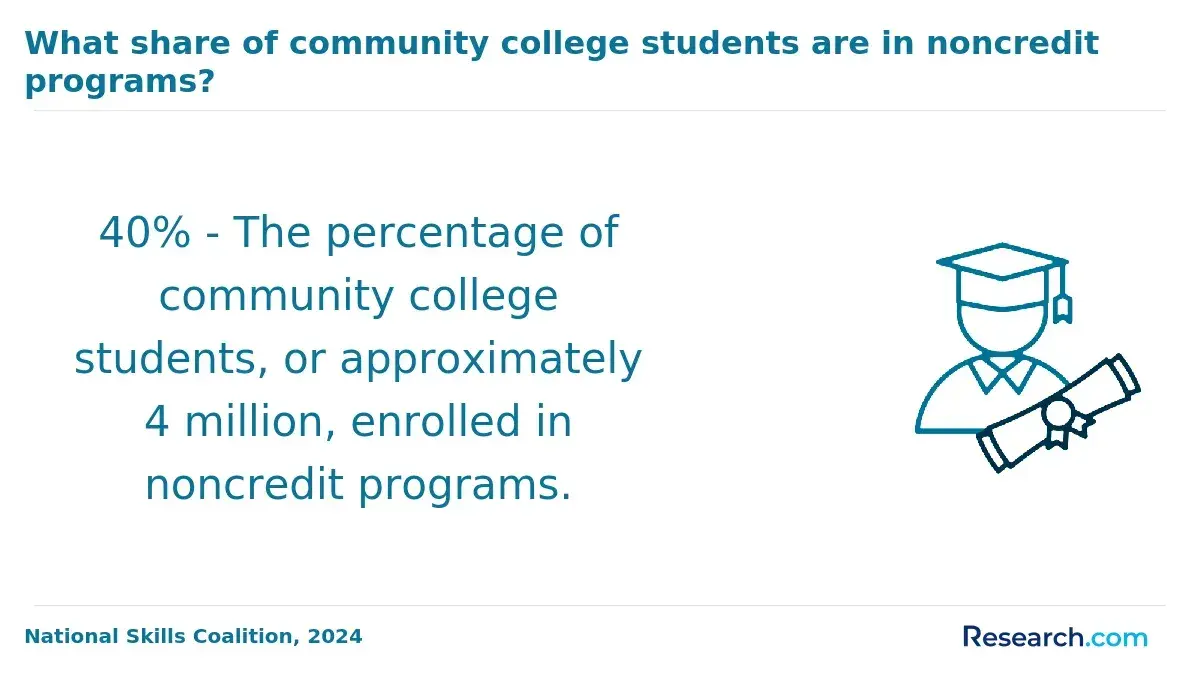
Choosing between an accelerated bachelor of science in nursing (ABSN) and an associate degree in nursing (ADN) requires balancing immediate affordability against strategic employability. ADN programs cost significantly less upfront-typically $10,000 to $20,000 at community colleges-compared to around $40,000 for public in-state BSN programs. This cost comparison ABSN versus ADN programs reflects a two- to four-fold difference in tuition burden, a critical factor for those managing tight budgets or working while studying.
However, employers often prefer BSN-prepared nurses for specialized and leadership roles, limiting ADN holders' long-term advancement. Those starting with ADN may face additional tuition and extended study if transitioning later via RN-to-BSN bridge programs, frequently adding 1-2 years of part-time studies. Meanwhile, ABSN programs, though more expensive, condense baccalaureate education into 12 to 18 months, accelerating access to BSN-level positions and potential higher salaries.
For students evaluating affordable nursing degree options ABSN and ADN each hold distinct value depending on career goals and financial capacity. The ADN suits entry-level roles and faster workforce entry, while ABSN anticipates evolving labor market demands favoring bachelor's credentials. Career-oriented decisions should also account for impacts on earnings trajectories and work flexibility.
Finally, for those considering advanced credentials, exploring PhD nursing programs online offers insight into pathways beyond clinical practice toward teaching or research, complementing BSN education.
What are the admission requirements for ABSN and ADN programs?
Admission criteria for accelerated bachelor of science in nursing (ABSN) and associate degree in nursing (ADN) programs in the US create distinct pathways reflecting differing student profiles and workforce demands. ABSN programs are tailored to career changers or degree holders, requiring completion of prerequisite science courses, a bachelor's degree in a non-nursing field, and often competitive GPAs around 3.0 plus standardized test scores like the TEAS or HESI. Practical clinical experience may impact admission decisions, reflecting how many programs prioritize readiness for intensive study.
In contrast, requirements for accelerated bn and associate degree nursing admissions are less stringent for ADN applicants, typically focusing on high school diplomas or GEDs, prerequisite coursework in biology and English, and sometimes placement exams rather than prior degrees. This lower entry barrier caters to those seeking entry-level nursing roles but may extend total educational time if a BSN is pursued later. Employers generally prefer BSN-prepared nurses, influencing these program choices and career trajectories.
Both programs lead to RN licensure, with May 2024 BLS data showing registered nurses earn a median annual wage of $93,600 and the top 10% exceeding $135,320. Students weighing these options should consider their timelines, workforce fit, and long-term goals. For those interested in further advancement, pathways include the fastest DNP program online, offering advanced clinical roles and leadership opportunities.
Is accreditation required for ABSN and ADN programs?
Accreditation is a decisive factor that separates a nursing program's legitimacy from mere credentialing, directly affecting licensure eligibility and job market viability.
Accelerated bachelor of science in nursing (ABSN) programs must secure national accreditation from agencies such as the Commission on Collegiate Nursing Education (CCNE) or the Accreditation Commission for Education in Nursing (ACEN). This ensures their graduates meet the educational standards required to sit for the NCLEX-RN exam and signals to employers a bachelor's-level competency that increasingly dictates hiring preferences. In practice, 94% of BSN graduates secured nursing employment within six months post-graduation, reflecting the industry's tilt toward bachelor-prepared candidates.
By contrast, associate degree in nursing (ADN) programs rely on regional accreditation combined with ACEN approval or state board endorsement to qualify graduates for RN licensure. ADN graduates typically enter the workforce more quickly and with less financial burden but face limitations in competitive hiring and promotion trajectories due to the absence of a bachelor's credential.
Consider a student who enrolls in an unaccredited ADN program: such a decision can obstruct timely NCLEX-RN eligibility and delay licensure, undercutting entry into the RN workforce. Employers increasingly associate BSN accreditation with improved patient outcomes and professional readiness, making it a practical necessity for those aiming beyond entry-level roles.
Prospective students must rigorously verify program accreditation to avoid stalled licensure, credit transfer challenges, and diminished employment prospects-all critical variables in the trajectory of a nursing career.

Can you earn an ABSN online or on campus?
Accelerated bachelor of science in nursing (ABSN) programs rarely allow fully remote completion due to mandatory clinical hours, which demand in-person supervised training. This limitation creates a practical tradeoff for students balancing employment or relocation needs, as even online or hybrid ABSN formats require arranging clinical placements locally. For example, a working professional moving states must secure clinical sites near their new residence, complicating logistics compared to unrelated fully online degrees.
Campus-based ABSN programs integrate clinical experiences directly within the curriculum, offering consistent, hands-on practice valued by many hospital employers. These settings suit learners who can commit to daily travel or relocation and who benefit from structured clinical environments aligned with institutional protocols. National data shows first-time NCLEX-RN pass rates favor BSN graduates (85.4%) over ADN graduates (76.9%), which reflects the comprehensive clinical training embedded in ABSN curricula.
Prospective students should weigh these key factors when choosing an ABSN delivery mode:
- Availability of clinical sites near their residence if pursuing online or hybrid options
- Willingness and ability to relocate or travel for campus-based clinicals
- Employer preferences in their target job market for in-person clinical familiarity
- Personal learning style and resilience in rigorous clinical settings
\\
What courses are included in ABSN and ADN programs?
The decision between accelerated bachelor of science in nursing (ABSN) and associate degree in nursing (ADN) programs hinges on the scope of training and subsequent employability in complex healthcare settings. ABSN programs integrate advanced coursework-such as pathophysiology, pharmacology, health assessment, and evidence-based research-with clinical rotations targeting specialties like critical care and mental health. This prepares graduates for roles demanding leadership and clinical versatility.
Conversely, ADN curricula emphasize foundational nursing skills and are usually limited to general medical-surgical clinical placements. This narrower focus restricts immediate access to specialized units and diminishes exposure to community health or administrative responsibilities.
Workforce data illustrate tangible consequences: hospitals expanding specialty services increasingly prefer ABSN-prepared nurses, as seen with BSN-level employment rising from 67% to 72%, while ADN nurse employment decreased from 65% to 60%. This shift influences job placement and career trajectories, favoring nurses with broader competencies for units focusing on population health or complex patient care.
Prospective students should weigh these factors pragmatically:
- ABSN programs require full-time engagement and yield broader clinical and research skills.
- ADN tracks offer quicker entry into nursing but limit advancement in higher-acuity environments.
Evaluating program fitness relative to targeted roles and employer expectations is essential for those seeking strategic positioning within hospital systems or specialty fields.
What nursing careers can you get with ABSN or ADN?
Graduates of both ADN and ABSN programs qualify as registered nurses, but employer preferences and career trajectories diverge sharply due to differences in educational breadth and professional readiness. ADN-prepared nurses typically start in bedside roles at hospitals or outpatient clinics, focusing on direct patient care. In contrast, ABSN graduates enter the workforce with a wider clinical and leadership foundation, favored for roles involving advanced decision-making, specialty care, and public health responsibilities. This distinction is supported by workforce data showing ADN graduation rates near 72%, while BSN pathways maintain retention around 85%, influencing hiring and promotion practices.
Consider a rural hospital where an ADN nurse efficiently manages day-to-day patient care but may face barriers moving into administration or community health without pursuing further education. Meanwhile, an ABSN nurse is better positioned for quicker transition into leadership, nurse educator roles, or clinical specialties like pediatrics or oncology, sectors prioritizing BSN credentials.
Both ADN and absn graduates can pursue:
- Staff nurse roles in acute care
- Home health nursing
- Rehabilitation and long-term care
- Entry-level management under supervision (more accessible for ABSN)
- Public health nursing (preferential for absn)
Choosing ABSN presents faster alignment with emerging healthcare workforce expectations and broader opportunities, while ADN offers lower cost and quicker entry at the expense of limited immediate advancement. Students and professionals must weigh financial resources, timing, and realistic career goals when selecting their pathway.
How do ABSN and ADN salaries compare?
BSN-prepared nurses consistently start with higher salaries compared to ADN graduates due to employer preference for bachelor-level qualifications. Median RN wages indicate a 10-15% salary premium for BSN holders, driven by hospitals increasingly requiring or favoring BSN or higher credentials in job postings. This employer-driven shift creates a salary ceiling for ADN nurses, limiting both starting pay and advancement potential within many institutions.
In practice, ABSN graduates often secure roles with increased responsibility in high-acuity settings such as urban hospitals or specialty clinics, including leadership and clinical specialist positions. Conversely, ADN nurses typically enter general care roles with lower compensation. For example, an ADN nurse might start around $60,000 annually in a community hospital, whereas an ABSN counterpart in the same location and role starts closer to $68,000.
Current enrollment trends reveal ADN programs account for only 28% of prelicensure RN students, underscoring a shrinking pipeline that intensifies demand for BSN-prepared nurses. This disparity pressures wages upward for ABSN graduates who are seen as more ready for complex clinical responsibilities and comply with accreditation or institutional hiring standards. ADN nurses must often invest additional time and expense in further education to compete for comparable salaries.
Choosing between ABSN and ADN pathways involves balancing upfront cost and program length against long-term earning potential and career flexibility. Career changers aiming for rapid income growth and leadership gain financial advantages through the ABSN route, despite its heavier initial investment. The ADN pathway remains a viable quicker, lower-cost option but may delay reaching competitive compensation levels without further credentials.
What is the job outlook for ABSN and ADN graduates?
Graduates from accelerated baccalaureate nursing programs enter a labor market where employers increasingly prioritize baccalaureate credentials, especially in urban hospitals, specialty units, and leadership roles. This trend arises from regulatory incentives and healthcare systems' preference for nurses with a bachelor's degree, reflecting a shift toward higher educational standards in clinical environments.
Between 2021 and 2022, prelicensure nursing enrollments grew by 3.5%, surpassing 160,000 students, with only 28% in associate degree nursing programs. This signals expanding opportunities for ABSN students but also underscores realistic tradeoffs:
- ADN graduates often find immediate employment in community hospitals, long-term care, and outpatient clinics where staffing needs and budgets favor quicker credentialing;
- ABSN graduates typically benefit from a broader hiring landscape, including Magnet hospitals and specialized roles, with stronger long-term job security;
- those pursuing nurse educator or clinical nurse specialist positions usually require the foundational bachelor's degree provided by ABSN pathways.
Budget limitations, program duration, and local labor markets remain critical factors for candidates. Where rapid workforce entry is a priority, ADN may offer accessibility, but without further study, competitiveness diminishes over time. States with robust RN licensure compacts and education outcome standards increasingly favor ABSN graduates with superior salary trajectories and promotion potential. Thus, choosing ABSN often aligns with strategic positioning for evolving healthcare demands, whereas ADN may serve immediate but narrower employment needs.
Other Things You Should Know About ABSN
An ABSN program can be intense, especially for those lacking a strong science foundation. The curriculum is fast-paced, requiring students to grasp complex concepts swiftly. However, with dedication and effective learning strategies, students can succeed regardless of their initial background.
Absn programs require a higher concentration of clinical hours completed in a shorter period compared to ADN programs that spread hours over two years. This intensity means clinical rotations often demand full days and occasional nights or weekends, limiting flexibility. For students balancing employment or family responsibilities, absn schedules are less accommodating and can cause significant stress and burnout.
Employers increasingly prioritize candidates with a bachelor's degree due to their broader training in leadership, research, and critical thinking. While ADN graduates remain valuable for many entry-level roles, absn holders often access better job opportunities and advancement prospects sooner. If long-term career progression is a priority, investing in an absn is strategically sound despite higher upfront effort.
Career changers benefit most from absn programs when they have the capacity to commit to full-time, intensive study because absn offers a faster route to a BSN, which is favored in many hospitals and specialties. However, if balancing work or family limits study time, an ADN with eventual BSN completion might be more practical. Prioritize absn if time is your limiting factor and you can handle the workload; otherwise, plan a stepwise approach starting with ADN to maintain stability while advancing.
References
- What Jobs Can a Nurse with an ADN Do? | All Nursing Schools https://www.allnursingschools.com/adn/career-paths/
- All About ABSN https://onlinedegrees.rockhurst.edu/blog/all-about-absn-infographic
- Online Accelerated BSN https://onlinedegrees.elmhurst.edu/programs/accelerated-bsn-online
- ABSN vs. ADN: What’s the Difference and Which Is Right for You? - Accelerated BSN Degrees https://absn.org/resources/absn-vs-adn/
- BSN vs ADN: Which Degree Should You Earn? - Marian ABSN https://onlineabsn.marian.edu/blog/bsn-vs-adn-which-degree-should-you-earn/
- What is an ABSN program? | WCU Nursing Glossary https://westcoastuniversity.edu/glossary/absn-program
- How to Get Into an Accelerated Nursing Program | University of Bridgeport https://www.bridgeport.edu/news/how-to-get-into-an-accelerated-nursing-program/
- ADN Nursing Salary: Overview and FAQ https://credenzahealth.com/career-advice/adn-nursing-salary-overview-and-faq
- ADN vs. BSN: What You Need to Know Before Pursuing a Nursing Degree - St. Thomas https://absn.stthom.edu/blog/adn-vs-bsn/
- Is an Accelerated BSN Worth It? Salary, ROI, and Career Outlook https://stmary.edu/nursing-accelerated/is-an-accelerated-bsn-worth-it.html