2027 ABSN Success Tips for Students With Part-Time Jobs

Co-Founder and Chief Data Scientist
Balancing a demanding accelerated nursing program with part-time work often forces students into razor-thin margins between clinical hours, study deadlines, and job shifts. The average ABSN student logs 30-40 clinical hours weekly, yet a 2024 National Center for Education Statistics report shows over 40% of adult learners juggle employment alongside full-time study.
This signals a growing shift in how nursing education must accommodate workforce realities without compromising competency outcomes. However, the intense pacing of ABSN curriculums leaves minimal room for downtime, risking burnout and academic decline for working students.
This article provides actionable strategies to optimize time, manage stress, and excel academically while maintaining part-time employment in accelerated nursing tracks.
Key Things You Should Know
- The accelerated nature of ABSN programs compresses clinical hours by 25%-40%, intensifying scheduling conflicts with part-time work and often extending total time-to-licensure by 10%, per 2024 NCLEX data.
- Employers increasingly prioritize applicants with clinical hours completed within 12 months, heightening pressure to frontload practicum commitments and reducing part-time job feasibility in year-long programs, as reported by the Nursing Workforce Report 2024.
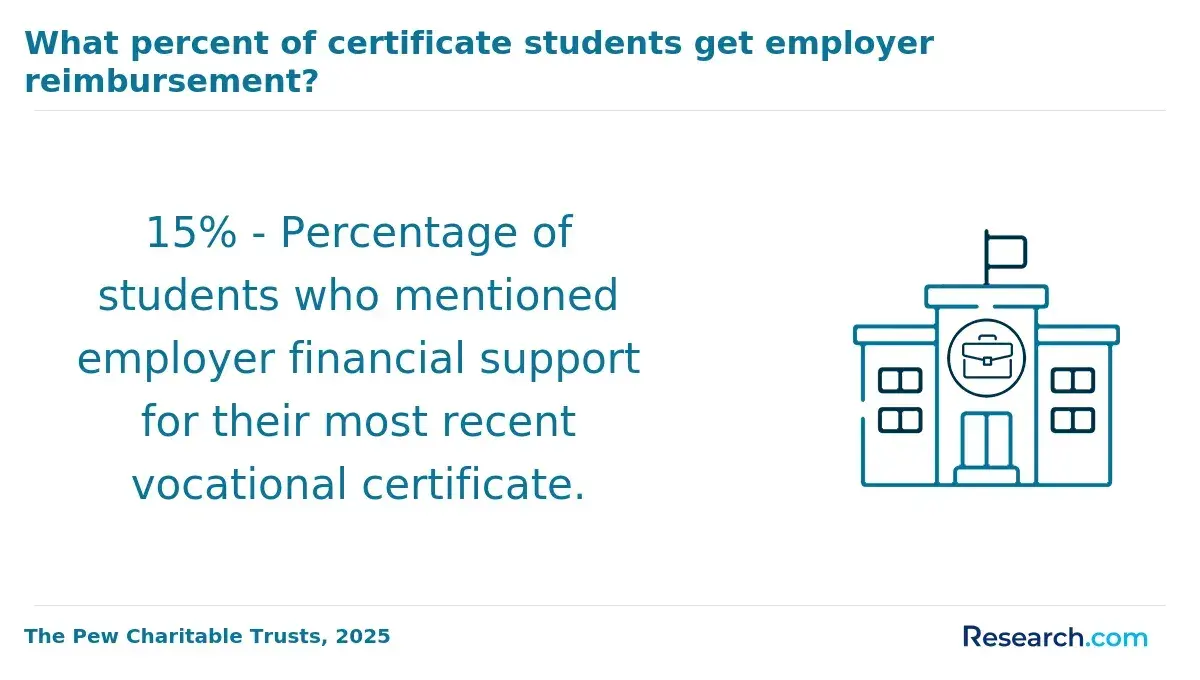
- Financial aid eligibility for ABSN enrollees working under 20 hours weekly declines sharply, increasing out-of-pocket burdens by up to 30%, which disproportionately impacts career changers without employer tuition support, according to the Department of Education 2024 statistics.
What are ABSN success tips for students with part-time jobs?
Balancing an ABSN program with a part-time job demands precise time management amid rigorous clinical and academic workloads. With clinical site placements constrained by faculty shortages, as evidenced by the American Association of Colleges of Nursing rejecting over 78,000 qualified applicants in 2024, students must prioritize mandatory clinical hours above all else.
For many, this means negotiating fixed or reduced work hours to align with unpredictable clinical schedules. This tradeoff involves weighing short-term income loss against the long-term benefit of completing the program on time, which significantly improves employability in a competitive healthcare job market.
Employers in healthcare settings often provide more adaptable shifts, making synergy with ABSN rotations smoother. For jobs outside healthcare, transparent communication about time constraints is essential. Employing effective ABSN study strategies for working students includes leveraging online learning tools, study groups centered on core competencies, and early academic advising to prevent setbacks and reduce stress.
The reality of time management tips for ABSN students with jobs involves disciplined scheduling and clear priority-setting to mitigate burnout. Choosing part-time work relevant to nursing practice can enhance learning integration and reduce attrition risks. Those seeking flexible programs may explore ABSN programs online designed for non-nurses, which often accommodate working students more effectively.
Strategic tradeoffs between work hours and academic demands directly influence program success and workforce readiness, underscoring the importance of practical alignment over ideal scheduling preferences.
How do part-time jobs affect ABSN coursework and clinicals?
Employing part-time while enrolled in accelerated Bachelor of Science in Nursing (ABSN) coursework and clinical rotations imposes significant constraints on students' time management, often forcing a reduction in study hours and critical clinical preparation. Approximately 42% of full-time undergraduates work, with 24% exceeding 20 hours weekly, which directly conflicts with the rigid scheduling and intense demands of ABSN programs.
For instance, a student working over 20 hours risks missing clinical exposures essential for skill acquisition, delaying competency milestones and potentially lowering clinical evaluations, an important consideration when balancing clinical hours with part-time work during ABSN.
Employers hiring ABSN graduates expect demonstrable clinical proficiency combined with effective time management, both of which deteriorate under excessive work commitments. Fatigue from long shifts can undermine performance in clinical settings and hamper academic retention, ultimately affecting employability.
While healthcare-related part-time roles offer relevant experience, they still require careful scheduling to avoid clashes with clinical rotations. Non-healthcare jobs generally add stress and heighten the risk of course failure or delayed graduation.
Strategies to mitigate these risks include:
- Choosing part-time positions with flexible or limited hours, ideally under 15 per week
- Scheduling work outside clinical and study blocks
- Proactively using academic support and communicating with employers and program coordinators to adjust shifts during clinical peaks
Those deciding between programs may find it valuable to compare institutional impacts on such challenges. See which school is better SNHU vs WGU for an example of program comparisons relevant to practical student concerns.
Can you work while completing an ABSN program?
Balancing work while enrolled in an ABSN program in the US requires deliberate workload planning to avoid compromising clinical competency and academic performance. Data from the American Nurses Association highlights that over 70% of nursing students report high stress levels, with work-study balance cited as a leading stress factor. Clinical rotations often demand rigid schedules that can conflict with work hours, especially for those exceeding 15 hours weekly.
For instance, a student working 20 hours in retail may face schedule overlaps that interrupt mandatory clinical shifts, impairing practical proficiency and increasing burnout risk. Employers in healthcare increasingly expect graduates to demonstrate advanced clinical judgment, a standard challenged by fatigue and split focus caused by extended work hours.
Managing part-time jobs during ABSN studies in America benefits from prioritizing flexible or healthcare-related roles, such as certified nursing aide positions, which align with clinical learning objectives and offer schedule adaptability.
Effective strategies include:
- Mapping clinical and academic commitments monthly before accepting work shifts
- Limiting employment to 15 hours per week during clinical-intensive periods
- Negotiating for scheduling flexibility during exams and clinical weeks
- Utilizing institutional resources like counseling and academic advising for workload management
Students must weigh whether the financial or experiential gains justify increased burnout risks. Navigating these tradeoffs is critical for successful program completion and sustained career viability. Those aiming to advance beyond ABSN training might also explore pathways like a PhD in nursing education to deepen expertise and meet evolving workforce demands.
How do online and campus ABSN formats compare?
Choosing between online and campus ABSN programs fundamentally affects students balancing part-time work with their education. Online ABSN program advantages for working students include scheduling flexibility through asynchronous lectures and coursework, which reduces conflicts with unpredictable job shifts and eliminates commute time. This format demands high self-motivation and independent clinical placement efforts, factors often underestimated in practical decision-making.
In contrast, campus ABSN formats impose fixed clinical rotations and class times, which may necessitate reduced work hours or complex employer coordination. However, they offer immediate, face-to-face guidance and peer interaction, enhancing mastery of clinical skills and networking, factors that some acute-care employers value highly when hiring, despite equivalent licensure outcomes to online formats.
Students evaluating these differences between campus and online ABSN formats should consider employer expectations within their target nursing sectors, time management capacity, and income reliance during training. For example, a student working evenings in a hospital may find online programs more compatible with their schedule, whereas those aiming for high-acuity hospital roles might prioritize campus experience to improve job competitiveness.
Both paths lead to RN licensure, with median annual wages around $86,070 and top earners exceeding $120,000 according to the U.S. Bureau of Labor Statistics. Given this economic context, maintaining part-time employment while studying can be a strategic safeguard. For students seeking alternatives that ease admission hurdles, opportunities such as a nursing school with no entrance exam might also be considered to optimize time and resource investment.
What admissions requirements do ABSN programs usually require?
The accelerated bachelor of science in nursing (ABSN) pathway demands more than prior academic credentials; it requires navigation of compressed coursework and clinical requirements that challenge time-strapped students.
Prospective students typically hold a non-nursing bachelor's degree with a minimum GPA around 3.0, ensuring a solid academic foundation before tackling rigorous science prerequisites like anatomy, physiology, microbiology, chemistry, and statistics completed within the past 5 to 7 years.
Standardized tests such as TEAS or HESI, with competitive thresholds near the 70th percentile, serve as gatekeepers to confirm readiness for accelerated curricula. Letters of recommendation focus on resilience and time management, skills critical for those balancing employment with intense study demands.
Many ABSN programs require current immunizations, background clearances, and CPR certification before clinical participation. This regulatory compliance underscores the practical challenges of an accelerated timeline, where clinical hours are condensed, leaving little margin for administrative delays.
Employers value graduates who swiftly transition into registered nurse roles; 89% of ABSN completers secure employment within six months. Failing to meet baseline admission requirements or underestimating the program's pace can stall a student's entry into the workforce and delay crucial income stabilization, especially for working adults.
How long does an ABSN program usually take?
The compressed nature of accelerated bachelor of science in nursing (ABSN) programs forces students to balance relentless course demands with financial realities, often impacting their timeline and future employability. Because clinical rotations require full-day attendance, students working 20+ hours weekly tend to extend their program to 15-18 months to manage both responsibilities without jeopardizing academic performance.
Employment income supports day-to-day expenses for 58% of nursing majors, a notably higher rate than other fields, highlighting that financial pressure influences program pacing. Students able to reduce work commitments may finish in as little as 12 months but often at the cost of significant financial strain.
Employers prefer graduates who complete the program within standard timelines, viewing this as evidence of resilience and reliability. Lengthening the ABSN due to heavy work commitments can signal risk, potentially affecting hiring outcomes.
Decision-making involves weighing these tradeoffs:
- A shorter, intensive program minimizes time to workforce entry but limits income and work flexibility.
- A longer program accommodates financial needs but delays career start and may carry implicit hiring biases.
Strategic negotiation of part-time work schedules or employer support during clinical rotations can mitigate program extension risks and enhance employability prospects, underscoring the need for proactive planning beyond academic efforts.
How much do ABSN programs cost?
Accelerated BSN programs present a significant financial commitment, with combined tuition, fees, and clinical costs typically ranging from $40,000 to $90,000. This variance stems from factors such as institutional prestige, program length, geographic location, and the scope of clinical placements offered. For working professionals, the cost burden intensifies if extended coursework or retakes become necessary, demanding advanced financial planning.
Public state institutions generally offer the lower end of this spectrum, often charging between $40,000 and $60,000, but their eligibility requirements and residency rules can restrict access or delay program completion. Beyond tuition, prospective students frequently overlook ancillary expenses including supplies, uniforms, background checks, and licensing exam preparation, which can add an extra $2,000 to $5,000.
Loan programs may cover upfront expenses but introduce long-term debt that must be balanced against potential reduced earnings during study. For example, a hospital nurse aide might view a $50,000 tuition investment as reasonable if clinical training closely mirrors their duties, improving employment prospects and easing post-program transitions.
Conversely, individuals shifting from nonmedical fields should carefully weigh program costs against uncertain clinical placements or lack of employer tuition support.
Effective time management techniques such as structured weekly planners and time-blocking correlate with a 20% improvement in course completion rates, reducing costly delays and enabling sustained part-time employment during the program. This pragmatic approach helps students preserve income streams essential to managing accelerated BSN costs while maintaining academic progress.
What classes are included in an ABSN curriculum?
The accelerated baccalaureate in science nursing curriculum condenses essential nursing knowledge and skills into an intense timeframe, demanding rapid mastery of core subjects such as pathophysiology, pharmacology, health assessment, nursing research, ethics, leadership, and clinical practicums.
This compression significantly limits flexibility, particularly for students trying to juggle employment. Employers expect clinical competence immediately upon graduation, making insufficient clinical preparation a critical risk for employability.
Data reveals that nursing students working more than 24 hours weekly face over twice the risk of failing compared to peers working fewer than 16 hours. For instance, a student clocking 25 hours weekly might struggle to grasp complex pharmacology concepts with direct patient safety implications. The typical Monday-to-Friday class and clinical schedule further restricts opportunities for part-time work outside of peak academic demands.
Managing workload involves realistic decisions such as:
- Reducing work hours in peak academic terms to prioritize competency development
- Securing highly flexible or healthcare-related employment aligned with clinical shifts
- Utilizing employer support for schedule accommodations
- Leveraging time management tools to optimize study and practice
Without these adjustments, students risk prolonging program duration or compromising their readiness for healthcare roles. Online course elements do not substitute for hands-on clinical experience, underscoring that work-study balance is central to success in this rigorous program.
What jobs can ABSN graduates pursue after licensure?
Post-licensure employment for ABSN graduates most often centers on registered nurse roles across diverse healthcare environments. Positions in medical-surgical units, intensive care, emergency departments, and specialty practices like oncology or pediatrics vary widely by regional demand and employer preferences, significantly affecting salary and growth prospects.
Many graduates transition into specialized roles such as nurse case managers or care coordinators, particularly within insurance firms or rehabilitation centers, balancing clinical expertise with administrative duties. Opportunities in outpatient dialysis clinics, home health, or public health nursing offer more predictable schedules conducive to managing ongoing part-time work or education.
Data from the National Council of State Boards of Nursing shows that exceeding part-time work commitments during nursing education correlates with lower NCLEX-RN pass rates, approximately 88% for first-time bachelor's candidates, with pass rates declining as work hours increase.
This highlights a key tradeoff. Choosing demanding shifts or physically taxing jobs early on risks diminished exam outcomes and potential burnout.
Employers typically expect new nurses to handle rotating shifts and 12-hour days, complicating concurrent external employment. Graduates often benefit from seeking roles with more stable hours, such as outpatient or school nursing, which can mitigate fatigue and support credentialing progress.
Successful navigation requires aligning clinical workload intensity with personal capacity and life responsibilities, a strategic necessity for credible skill development within strict licensing timelines.
How do you choose an accredited ABSN program?
Choosing an accredited ABSN program is critical, as employers often require graduation from Commission on Collegiate Nursing Education (CCNE) or Accreditation Commission for Education in Nursing (ACEN) approved programs. This accreditation not only validates curriculum quality but directly affects licensure eligibility and job competitiveness. For example, metropolitan hospitals frequently prefer graduates from nationally recognized programs due to consistent clinical standards.
Graduation rates and NCLEX-RN pass rates provide a measurable indicator of program effectiveness. Lower pass rates may signal curriculum weaknesses or insufficient student support, impacting how quickly a graduate can enter the workforce.
Programs offering part-time or flexible scheduling accommodate working professionals, though accelerated tracks demand 12 to 18 months of near full-time study, presenting challenges for those balancing employment.
The U.S. Bureau of Labor Statistics projects a 6% growth in registered nurse employment from 2024 to 2034, with 189,000 annual openings driven primarily by retirements and workforce attrition.
Students should prioritize programs with strong employer connections and clinical placements aligned with target job markets to improve employment prospects amid competitive environments. Location-specific clinical opportunities can significantly influence hiring outcomes between urban hospitals and rural clinics.
Pragmatic decision-making requires balancing program intensity, clinical site relevance, and credential recognition while weighing personal capacity to meet rigorous time commitments and employer expectations during training.
Other Things You Should Know About ABSN
Choosing full-time enrollment typically accelerates licensure and entry into the workforce but demands intense time commitment and limits work hours. Part-time ABSN tracks offer flexibility but extend completion time and may fragment clinical learning, potentially affecting skill integration. For students managing part-time jobs, prioritizing a program with structured clinical schedules that minimize shift conflicts improves learning outcomes and reduces burnout. Selecting full-time study is recommended if financial circumstances allow, as prolonged part-time enrollment can delay earning potential and clinical readiness.
Clinical schedules in ABSN programs are often rigid and may include early mornings, evenings, or weekends, limiting students' work availability. Employers expect strict adherence to clinical hours, making last-minute work shift changes risky and possibly jeopardizing program progress. Students should assess programs that offer consistent clinical rotations with predictable schedules to enable better job planning or consider reducing work hours during peak clinical phases. Prioritizing clinical commitments over employment shifts ensures compliance with program standards and stronger hands-on training.
ABSN programs compress nursing content into a shorter timeframe, increasing cognitive load and stress levels, especially for students juggling jobs. The intensity requires prioritizing study and clinical hours, often leaving little downtime, which can contribute to burnout and reduced academic performance. Recognizing this tradeoff is critical. Students should implement strong time management strategies and consider temporary reduction in work hours or seeking employer support to accommodate academic demands. Neglecting these considerations risks compromising both mental health and outcomes in licensure exams.
References
- Online Accelerated Nursing Coursework - Mercer University https://absn.mercer.edu/accelerated-nursing/online-coursework/
- ABSN vs. BSN: Is an Accelerated Nursing Program Worth It? https://onlinedegrees.elmhurst.edu/blog/absn-vs-bsn-is-an-accelerated-nursing-program-worth-it
- Working In Nursing School | Can You Work During an ABSN Program? https://bayadaeducation.org/resources/absn/working-in-nursing-school
- Accelerated Nursing School Checklist| University of Bridgeport https://www.bridgeport.edu/news/what-to-look-for-in-accelerated-nursing-program/
- Accelerated BSN Program | Ursuline College | Ursuline - Liberal Arts College in OH https://www.ursuline.edu/academics/programs/accelerated-bachelor-of-science-in-nursing-absn-program
- 9 Success Tips to Work Part-Time While Studying https://eduadvisor.my/articles/success-tips-to-work-part-time-while-studying
- What Is an Accelerated BSN? (ABSN Degree Guide + Timeline) https://stmary.edu/nursing-accelerated/what-is-accelerated-bsn.html
- How to Switch to Nursing as a Second Career | All Nursing Schools https://www.allnursingschools.com/articles/second-career-nursing/