2027 What Jobs Can You Get After an ABSN Program?

Co-Founder and Chief Data Scientist
Facing a condensed nursing curriculum, many accelerated bachelor of science in nursing (ABSN) graduates confront a critical dilemma: securing roles that match their rapidly acquired skills without the traditional clinical time most employers expect. The National Council of State Boards of Nursing noted in 2024 that accelerated program graduates comprise nearly 30% of new nurses nationwide, pressuring healthcare systems to adjust hiring protocols amid ongoing nurse shortages. This enrollment surge reshapes workforce dynamics, emphasizing the need for flexible, outcome-focused hiring rather than rigid experience benchmarks.
This article explores the precise job opportunities available after an ABSN, helping candidates navigate employer expectations and career transitions effectively.
Key Things You Should Know
- Graduates from ABSN programs face a compressed job-entry timeline: median program length under 18 months reduces earning interruptions but often limits clinical hours, which 47% of employers cite as a key hire barrier, impacting initial job offers.
- Healthcare systems increasingly prefer ABSN candidates for acute care roles due to accelerated knowledge integration, with 62% of hospitals incorporating targeted upskilling within six months post-hire, shaping workforce retention strategies.
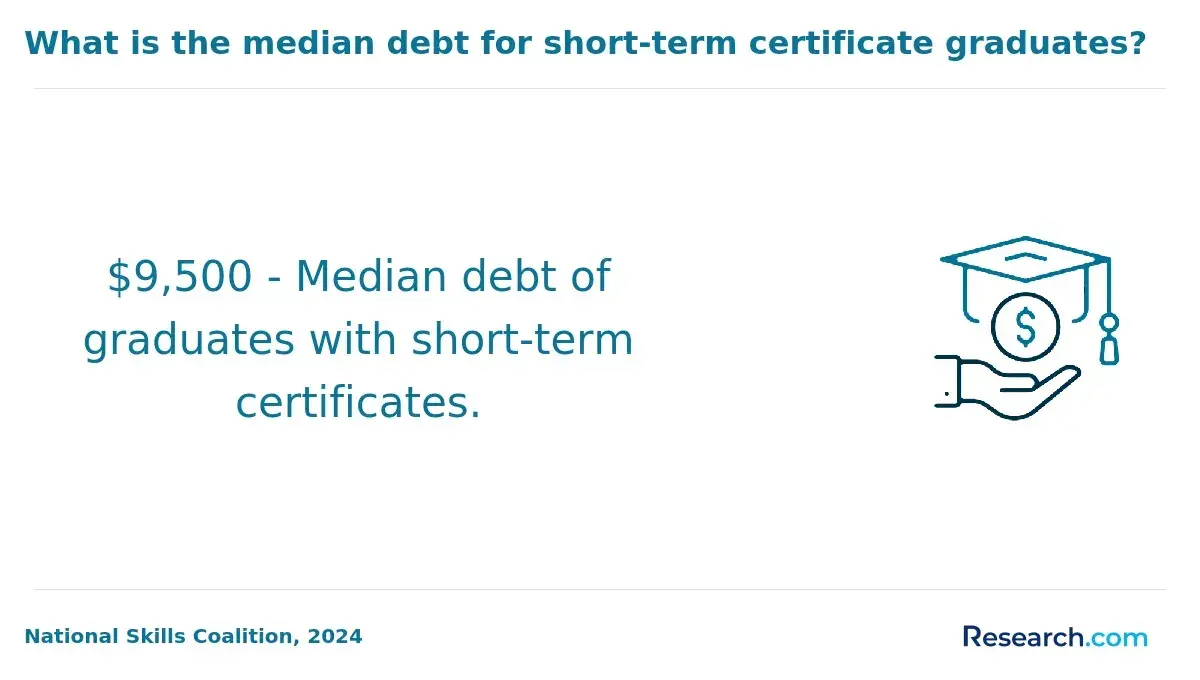
- Costly ABSN tuition, frequently exceeding $40,000 and less eligible for federal aid compared to traditional programs, creates a financing tradeoff influencing candidate diversity and delaying entry into nursing roles amid rising debt-to-salary ratios.
What jobs can you get after completing an ABSN program?
Post-ABSN program employment is heavily concentrated in hospital inpatient settings, where approximately 54% of BSN-prepared registered nurses operate. These roles demand rapid clinical decision-making and adaptability within dynamic environments such as medical-surgical, critical care, perioperative, and emergency nursing. For many graduates, hospitals offer structured orientation and high demand, making them the most accessible entry point.
In contrast, about 18% of BSN-prepared nurses choose ambulatory care roles, including outpatient clinics and specialty centers. These positions require proficiency in patient education and chronic disease management, alongside stronger communication and care coordination skills. The tradeoff here is a more predictable schedule but potentially less acute clinical exposure.
Long-term care employs roughly 10% of BSN graduates, focusing on elder care and rehabilitation through interdisciplinary collaboration and medication management. While this setting offers impactful patient advocacy opportunities, it may demand additional certifications for ABSN graduates seeking to improve employability outside hospital settings.
Realistically, specialized roles such as nurse educator or informatics nurse require experience beyond an ABSN. Targeting initial hospital employment can expedite skill-building critical for subsequent career mobility. Those exploring RN BSN pathways should weigh these workforce patterns alongside their long-term goals.
Students must recognize that job opportunities for ABSN graduates in the US vary considerably by setting, and strategic choices early on influence the trajectory and scope of their nursing careers.
What entry-level RN roles are common for ABSN graduates?
Entry-level registered nurse jobs after ABSN program completion typically involve roles in medical-surgical nursing, telemetry, emergency departments, and post-acute care settings. These positions prioritize rapid mastery of foundational skills such as patient assessment, medication administration, and interdisciplinary communication. For instance, a new nurse on a telemetry floor must interpret cardiac rhythms promptly while managing documentation and collaborating with specialists-demanding fast skill acquisition and decision-making under pressure. Medical-surgical units often serve as the initial placement, offering broad exposure to diverse patient needs that are critical for acute care competence.
Though ABSN programs condense training into 12 to 18 months, employers expect graduates to meet traditional RN competencies. Balancing heavy patient loads with complex electronic health record systems requires strong organizational skills and resilience. Graduates benefit from targeting clinical rotations in specialties where openings concentrate. Common RN roles for ABSN graduates in healthcare emphasize adaptability and awareness of employer expectations regarding clinical skills and shift flexibility.
Massachusetts projects an 11% growth in registered nurse employment from 2020 to 2030, surpassing the national average. This demand enhances entry-level job opportunities but also intensifies competition for specialized assignments requiring certifications. Typically, new ABSN nurses start in generalist roles, often covering nights or weekends, while gaining experience that can facilitate movement into areas like ICU or oncology nursing. Students exploring accelerated pathways should consider how online ASN options may offer complementary or alternative routes to meet workforce demands.
How do ABSN graduates qualify and apply for hospital nursing jobs?
ABSN graduates qualify for hospital nursing roles first by securing RN licensure through the NCLEX-RN exam, a mandatory credential that confirms essential clinical competence in all U.S. states. Hospitals then focus on candidates' clinical rotation successes and specific skills aligned with patient care demands during their accelerated program. The ABSN program graduates hospital nursing job application process involves targeted resume customization to navigate applicant tracking systems (ATS), emphasizing keywords from job postings to improve screening outcomes.
Hospitals typically seek ABSN graduates who excel in acute care environments, supported by demonstrated abilities in electronic health record (EHR) use, critical care basics, and interdisciplinary communication. Many large institutions operate residency programs for new graduates, meaning applicants indicating willingness to participate gain a competitive edge. Applicants should also prepare thoroughly for background checks, immunizations, and state nursing board prerequisites to meet hiring standards promptly.
Salary negotiations often reflect a median RN wage near $86,070, with nurses holding BSN degrees earning approximately $17,000 more annually than those with associate degrees, which cumulatively can translate to a half-million-dollar difference over a 30-year career. However, regional job markets and hospital funding capacity significantly influence starting offers, requiring Graduates to balance ambition with market realities.
For working professionals weighing accelerated nursing paths, exploring online nursing programs for working adults may further affect scheduling and financial decisions.
What non-hospital nursing careers are available to ABSN graduates?
Non-hospital nursing career options for ABSN graduates often provide more predictable schedules and less acute stress compared to hospital roles, making them attractive for those prioritizing work-life balance or geographic flexibility. High-demand nursing jobs outside hospital settings include occupational health, school nursing, community health, and case management. For instance, occupational health nurses focus on employee wellness within industrial or corporate environments, requiring strong assessment skills but fewer emergency interventions.
School nurses manage student health services aligned with academic calendars, demanding pediatric care expertise and public health knowledge. Community health nursing typically involves outreach to vulnerable populations, emphasizing preventive care and disease management within local social contexts. These roles require familiarity with social determinants of health and collaboration with community agencies.
Case management requires navigating insurance complexities, coordinating multidisciplinary care, and advocating for patients across settings. Employers value ABSN graduates' clinical insight coupled with organizational ability. Given the 96% job placement rate for new BSN graduates within 4-6 months reported by the American Association of Colleges of Nursing New Graduate Employment survey (2024 update), these fields actively recruit graduates for their adaptability.
Certification, such as Certified Occupational Health Nurse (COHN) or Certified School Nurse, is often necessary. Graduates should also adapt communication styles and documentation suited for non-acute care. Market demand varies regionally, so assessing local opportunities early and gaining non-hospital experience through internships or volunteering can ease transitions. Those exploring long-term choices should also consider how much do DNP nurses make in varied settings to align educational investments with financial goals.
Can an ABSN lead to advanced practice roles like nurse practitioner?
Completing an accelerated bachelor's of science in nursing (ABSN) fast-tracks entry into registered nurse roles but does not directly qualify graduates for nurse practitioner (NP) positions, which require graduate degrees. The essential value of an ABSN lies in earning the BSN credential quickly to start clinical practice and build the experience needed to enter competitive NP programs.
This pathway presents practical tradeoffs: ABSN students can begin bedside nursing nearly a year earlier than traditional BSN candidates, gaining income and clinical exposure sooner. However, most graduates spend 2-3 years accumulating RN experience before applying to NP graduate programs, which demand advanced coursework in pharmacology, pathophysiology, and clinical decision-making not covered in ABSN curricula.
The timing and financial commitments extend beyond the accelerated degree itself. Students must budget for graduate tuition, standardized test preparation, and clinical practicums required for advanced practice roles. Employers and graduate schools consistently prefer BSN-prepared RNs for their foundational leadership and clinical training, but achieving NP status requires deliberate post-ABSN educational and experiential milestones.
Key operational factors to consider include:
- ABSN's efficiency in reaching RN status and starting income sooner
- The multi-year clinical experience typically required before NP program admission
- The need for separate graduate-level preparation distinct from ABSN training
- Financial and time investments that accumulate after ABSN completion
What are typical salaries for ABSN-trained registered nurses by setting?
Choosing an accelerated bachelor of science in nursing (ABSN) program often comes down to balancing immediate educational intensity against faster access to higher RN salaries. Registered nurses with ABSN credentials earn a median wage around $99,000 annually-significantly above the $86,070 median for traditional RNs-due to a streamlined curriculum that primes graduates for complex clinical environments faster.
Salary differences based on practice settings illustrate important tradeoffs:
- Hospital roles, particularly in urban centers and specialty units like ICU or surgical floors, offer $95,000 to $110,000, reflecting demand for ABSN-trained nurses capable of rapid adaptation and independent decision-making.
- Community settings such as outpatient clinics or long-term care generally pay $80,000 to $90,000, a factor that prospective ABSN graduates must weigh if considering less acute care pathways.
- Travel nursing can exceed $110,000 but demands geographic flexibility and temporary contracts-conditions not suitable for all candidates.
Employers prefer ABSN candidates given their compressed yet comprehensive education, which reduces onboarding times and augments early clinical performance. However, upfront program costs and rigorous schedules present significant student challenges. Those weighing an ABSN program must critically assess whether the accelerated route aligns with their long-term professional goals and lifestyle constraints.
This earnings premium and employer preference underscores that choosing ABSN is a strategic decision requiring a realistic assessment of workforce demands, individual adaptability, and career timing. For detailed program and labor market analysis, refer to the NurseJournal ABSN overview 2024.
How does the job outlook for ABSN graduates compare to other nursing degrees?
Employers assessing accelerated bachelor of science in nursing graduates weigh clinical experience more heavily than educational pathway alone, affecting initial role placement and salary negotiation. For instance, a new accelerated bachelor of science in nursing graduate entering pediatric nursing at a major urban hospital may undergo more rigorous orientation and competency evaluations compared to a traditional bachelor of science in nursing graduate whose clinical internships are integrated during a four-year program. This divergence often requires accelerated bachelor of science in nursing graduates to seek residencies or fellowships to bridge experience gaps.
In Massachusetts, those in specialized roles like critical care or operating room nursing report starting salaries between $70,000 and $90,000, indicating competitive entry compensation. Median registered nurse pay in the state was $94,960 as of May 2022, according to Bureau of Labor Statistics data summarized by UMass Boston's accelerated bachelor of science in nursing report.
Long-term career progress depends more on advanced certifications and specialty training than the initial degree. The workforce demand favors nurses in acute and complex care settings, where higher pay and hiring rates concentrate. Accelerated bachelor of science in nursing graduates should therefore plan for continuous professional development to align their clinical skills with market realities and offset potential gaps resulting from accelerated program structures.
How do licensing and NCLEX requirements impact ABSN career opportunities?
Licensure requirements and NCLEX outcomes fundamentally constrain the immediate and long-term employment options available to ABSN graduates. Without passing the NCLEX-RN exam and obtaining state licensure, graduates cannot legally practice as registered nurses. This gatekeeping varies significantly by state, creating friction for those aiming for geographic flexibility. For instance, graduates licensed in California may experience weeks-long processing delays before starting work, unlike states with expedited licensure compacts that facilitate faster transitions into nursing roles. Such regulatory variability directly shapes job market access and timing.
Employers weigh NCLEX results differently depending on care settings. In acute hospital environments with high patient acuity, stronger NCLEX performance is often a non-negotiable to demonstrate clinical readiness. Conversely, outpatient and community health roles may prioritize having an active license over test scores, adjusting hiring preferences accordingly. Graduates seeking rapid employment must therefore consider licensure landscapes and employer priorities in target locations.
Salary discrepancies also link tightly to licensure scope. In regions like Boston-Cambridge-Nashua, licensed RNs command median salaries around $96,610 annually, reflecting how state authorization intersects with local wage scales and job availability.
What career pathways can ABSN nurses pursue beyond direct patient care?
The decision to pursue an accelerated bachelor of science in nursing (ABSN) carries significant tradeoffs beyond bedside care, particularly when considering career pathways that extend into healthcare systems and administration. For instance, roles in nursing informatics require blending clinical expertise with IT and data analytics, often necessitating costly additional certifications and limiting immediate financial returns. This path tends to concentrate in urban markets with robust tech infrastructure, making geographic flexibility a key consideration.
Case management presents an alternative focusing on navigating patient resources and insurance logistics, appealing to those less interested in direct care but willing to engage complex coordination responsibilities. Leadership or education roles typically arise after several years of clinical work and may demand advanced degrees and strong organizational skills, with the tradeoff of greater administrative demands and variable compensation dynamics.
Community and public health nursing allow influence over broader population health policies but may pose challenges in job availability depending on local funding and infrastructure. Prospective students must evaluate regional employment trends carefully to avoid misaligned expectations.
Financially, ABSN program costs range widely-from approximately $17,000 to over $100,000-imposing a broad spectrum of debt burdens. This variance, coupled with post-graduation credentialing expenses and variable salary trajectories across specialties, underscores the importance of aligning educational investment with realistic workforce outcomes within a 1 to 2 year horizon.
How can students choose an ABSN program that supports their career goals?
Choosing an accelerated bachelor of science in nursing program must be grounded in how well it aligns with your targeted clinical roles and realistic labor market demands. Not all programs offer exposure to specialty areas that match high-demand sectors such as acute care or outpatient services, which directly affects job placement opportunities. For instance, aspiring critical care nurses benefit most from programs partnered with Level I trauma centers rather than general hospitals, as those connections smooth transition into specialized roles.
Key decision factors include programs' clinical placement sites, since geographic and specialty alignment influences both practical experience and professional networking. Additionally, robust exam prep and career support services-such as interview coaching-impact your licensure success and employment prospects, areas often overlooked in program evaluations.
Graduate performance metrics reported to licensing boards and accreditation agencies reveal which programs deliver measurable outcomes rather than marketing claims. According to ClinicalGate's analysis, BSN-prepared registered nurses earn approximately $17,000 more annually than those with associate degrees, equating to nearly $500,000 extra lifetime income. This financial differential highlights why program quality directly ties to long-term economic mobility.
Consider logistical constraints like program length, cohort size, hybrid options, and bridge pathways. These practical elements affect your ability to maintain employment or manage personal responsibilities, preventing unnecessary delays and income loss during training.
Other Things You Should Know About ABSN
ABSN graduates receive similar clinical exposure as traditional BSN students, but the compressed format means less time for skill repetition and reflection. Some employers question the depth of practical readiness, particularly in highly specialized units. To offset this, ABSN graduates should seek diverse clinical placements and possibly post-graduate residencies to reinforce competence and build stronger clinical judgment.
ABSN graduates often compete with more experienced RNs and traditional BSN holders who had longer clinical training and elective opportunities. Employers in saturated markets may prioritize candidates with prior healthcare experience or advanced certifications. ABSN graduates are advised to actively pursue internships, volunteer roles, or bridge programs to differentiate themselves and demonstrate practical expertise early on.
Program accreditation is non-negotiable for licensure eligibility and employer acceptance, so it must be a top priority. Additionally, ABSN programs with established clinical partnerships provide stronger pathways to quality hands-on training and professional networking, directly impacting job placement success. Prospective students should weigh these factors heavily and avoid programs lacking formal clinical affiliations or relevant state approvals.
References
- All About ABSN https://onlinedegrees.rockhurst.edu/blog/all-about-absn-infographic
- Accelerated BSN Programs: Who Qualifies | Betternurse.org https://betternurse.org/accelerated-bsn-program-guide/
- Advanced Practice Registered Nurses (APRN) https://nursinglicensemap.com/advanced-practice-nursing/
- Accelerated Nursing School Checklist| University of Bridgeport https://www.bridgeport.edu/news/what-to-look-for-in-accelerated-nursing-program/
- How to Become an Advanced Practice Nurse - ABSN@CTX https://absn.concordia.edu/blog/how-to-become-an-advanced-practice-nurse/
- How Much Can I Earn With a BSN? https://www.allnursingschools.com/bsn/salary/
- What Can You Do With a BSN? Careers, Salary, and Next Steps https://stmary.edu/nursing-accelerated/what-can-you-do-with-a-bsn.html
- 4 Nursing Careers You Can Pursue With a Pre-Med Degree https://onlinedegrees.elmhurst.edu/blog/4-nursing-careers-you-can-pursue-pre-med-degree
- Exploring ABSN Programs | BAYADA Education https://bayadaeducation.org/absn
- 31 Non-Hospital Nursing Jobs to Check Out https://credenzahealth.com/career-advice/non-hospital-nursing-jobs-to-check-out