2027 ABSN Salary by State Report

Co-Founder and Chief Data Scientist
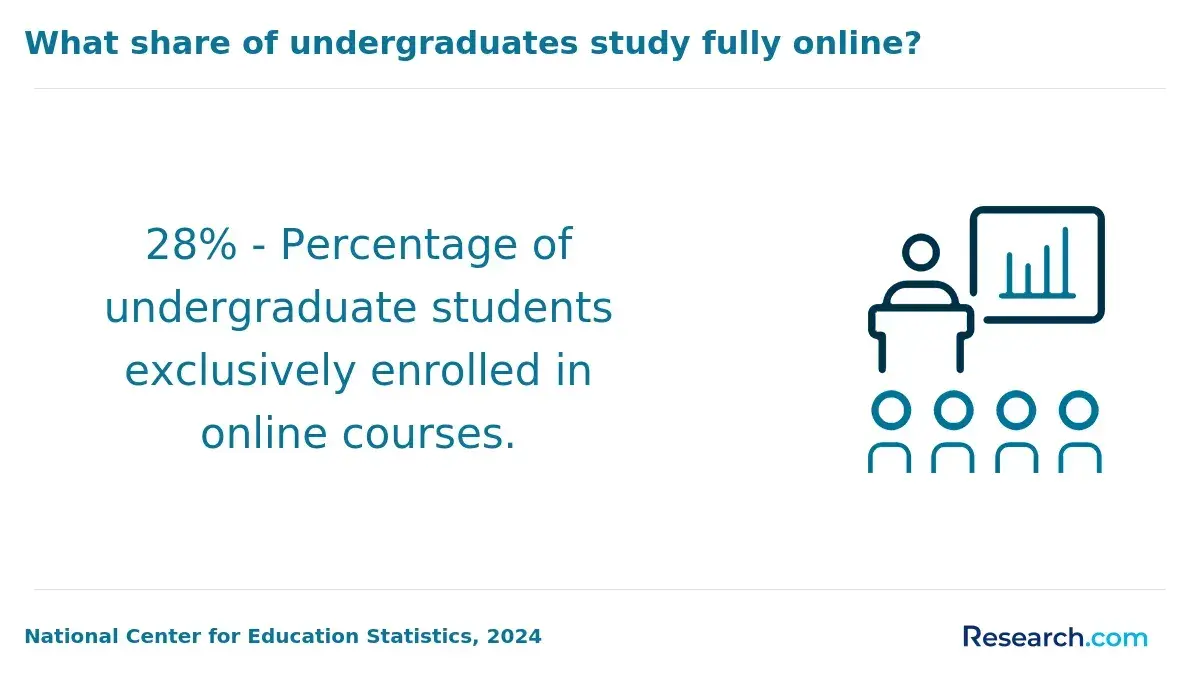
Choosing the right state to pursue an ABSN degree can define salary trajectories and long-term career mobility, especially as recruiters increasingly prioritize regional labor market demand. A 2024 National Center for Education Statistics report reveals that 38% of accelerated nursing students prioritize programs offering hybrid or online components, signaling shifts in accessibility that directly affect when and where students enter the workforce.
This evolving enrollment behavior interacts with local healthcare shortages and reimbursement structures, making salary potential highly variable across states. This article provides a detailed salary comparison by state, equipping prospective ABSN students with actionable insights to align educational investments with realistic income expectations and labor conditions.
Key Things You Should Know
- States with higher ABSN salaries, like California averaging $106K annually per BLS 2024, pose cost-of-living tradeoffs that reduce net gains despite top-tier wages, affecting long-term career investment decisions.
- Employer demand for ABSN graduates peaks in states with nursing workforce shortages such as Texas, where turnover rates above 20% increase job security yet pressure accelerated credential completion.
- Variations in state licensing fees and clinical placement availability create enrollment bottlenecks directly impacting ABSN program start times, often delaying workforce entry by 3-6 months in Northeast states.
What is an ABSN and how does it impact registered nurse salary by state?
Salary outcomes for accelerated bachelor of science in nursing (ABSN) graduates vary significantly due to differing state markets and employer priorities. While the national average for ABSN salary is approximately $54,791 annually, registered nurse salary differences with ABSN credentials across states often exceed this midpoint depending on healthcare demand and cost of living.
For example, nurses in states like California and New York frequently earn more than $70,000 per year, reflecting high operational costs and competitive labor markets. Conversely, states such as Mississippi and Arkansas report salaries closer to the 25th percentile of $31,492, revealing geographic wage disparities tied to regional economic factors.
Employers in labor-tight environments often value ABSN graduates for their swift entry readiness, sometimes offering signing bonuses to secure talent quickly. However, the accelerated nature of this pathway can limit clinical exposure compared to traditional BSN tracks, which may affect long-term advancement and salary progression within certain facilities.
Navigating these realities requires considering state licensure rules, employer preferences regarding experience versus credentials, and the typical salary scales for ABSN program impact on registered nurse salary by state.
Prospective students should also explore options like ABSN programs online to balance accessibility with the practical demands of the accelerated curriculum, recognizing that program choices influence employability and financial outcomes in varied regional markets.
What is the average ABSN graduate salary in each state?
Salary disparities for ABSN graduate salaries by state reveal critical tradeoffs between earning potential and cost of living that directly influence job location decisions. New York leads with an average annual salary of $59,901, followed by Washington at $58,827, both reflecting dense healthcare markets but also notably high living expenses.
Contrastingly, states like Florida offer lower salaries around $48,000, yet substantially reduce housing and daily costs, producing a distinct net income balance that impacts practical financial outcomes for new nurses.
Beyond salary figures, prospective nurses must factor in state-level licensing processes. Delays caused by stricter or non-compact licensure can postpone employment start dates, affecting earnings timelines and total first-year compensation. This procedural friction is a meaningful barrier distinct from market demand or pay scales and shapes workforce entry speed and job flexibility.
Employers in areas with nursing shortages often supplement pay with bonuses or flexible scheduling, though average salaries typically remain below major metropolitan hubs. This dynamic underscores the importance of assessing long-term career growth tied to healthcare system size rather than immediate salary alone.
Key considerations for graduates evaluating average salary for ABSN nurses in each state include:
- Balance between upfront earnings and local living costs.
- Licensure and employment timing constraints.
- Growth prospects in larger or more specialized healthcare systems.
- Access to specialty nursing roles that offer premium compensation.
Prospective candidates seeking comparative data on accelerated nursing programs and their outcomes may find additional insights in the best value nursing education online WGU analysis, streamlining pathway decisions with an emphasis on practical return on investment.
Which states offer the highest and lowest salaries for ABSN graduates?
California, Massachusetts, and New York consistently offer the highest ABSN graduate salaries by state, exceeding $60,000 annually. This premium is shaped by intense demand in dense urban healthcare systems, higher living expenses, and extensive hospital networks prioritizing accelerated nursing talent.
For example, a newly graduated ABSN nurse in California often experiences faster promotion trajectories, but must carefully balance these gains against steep housing and day-to-day costs.
In contrast, states with the lowest ABSN nurse salaries, like West Virginia and Mississippi, tend to be more rural with fewer healthcare facilities and limited specialty services.
Average salaries in these areas can fall below $40,000, reflecting constrained funding and facility density. Graduates opting for these markets face notable tradeoffs between lower wages and more affordable living expenses, alongside fewer clear paths for advancement.
Job seekers should consider:
- Salary differences that create wage gaps exceeding $20,000 annually between top and bottom-paying states.
- How cost of living offsets or compounds raw earning potential.
- Employer incentives such as sign-on bonuses and formal career ladders.
- Regional competition levels and their impact on employment stability.
Evaluating these factors alongside professional development options is vital for aligning career moves with realistic ROI goals. Prospective nurses also benefit from exploring advanced educational opportunities linked to nursing pathways, including online nursing PhD programs, which can influence long-term employability and leadership potential.
How do ABSN nurse salaries compare to traditional BSN nurse salaries by state?
Salary differences between ABSN and traditional BSN nurses persist across states, with ABSN nurse salary comparison by state showing a consistent gap favoring BSN-prepared nurses. Median wages highlight this divide: registered nurses average $93,600 annually, while BSN holders earn about $112,350, translating into roughly a 20% premium. This disparity remains even after adjusting for regional cost-of-living variances.
In states like California and New York, the difference can range from $15,000 to $25,000 annually, illustrating how state-by-state ABSN vs traditional BSN salary differences reflect employer preferences in high-demand markets. For instance, hospitals in Texas may hire ABSN nurses quickly for entry roles but require BSN credentials for promotions or specialty certifications, directly affecting salary trajectories and career mobility.
Employers' emphasis on academic credentials affects long-term earning potential and job placement within clinical or leadership tracks. ABSN programs typically attract career changers seeking expedited entry, yet the reduced salary ceiling and limited advancement suggest strategic planning for BSN completion after an ABSN is vital.
Candidates should weigh state-specific hiring policies, salary data, and roles when deciding their pathway. Those pursuing advanced clinical roles may also consider combined credentials or programs to bridge gaps, such as a 1 year PMHNP program online, which can enhance specialization options beyond initial ABSN qualifications.
How do experience level and specialty affect ABSN nurse salaries in different states?
Salary growth for ABSN nurses varies sharply by region, driven by local healthcare demand and infrastructure. Entry-level ABSN/BSN nurses earn a median around $80,321 annually, approximately $24,000 above the U.S. average starting wage-this differential signals early career advantage in employability and compensation.
After 5 to 10 years, pay typically increases 20% to 35%, but the gains depend heavily on geography. For instance, veterans in California or New York often surpass $110,000 annually, whereas states like Mississippi or West Virginia cap closer to $90,000.
Specializations influence income notably. Critical care, emergency, and nurse anesthetist roles command a 15% to 40% premium over general ABSN nurses due to skill intensity and staffing scarcity. A critical care nurse in Texas or Florida might earn $15,000 more than a similarly experienced medical-surgical nurse. However, rural states frequently show smaller specialty premiums due to limited high-acuity facilities.
These patterns underscore the importance of balancing geographic flexibility with targeted certifications. Practical tradeoffs include navigating cost of living differences, licensure variability, and demand fluctuations. Candidates who strategically align specialization choices with location market conditions optimize salary trajectories and mitigate stagnation risks prevalent in less competitive or general practice settings.
How do cost of living and regional demand influence ABSN salaries across states?
Effective purchasing power shapes the salary landscape for ABSN graduates more than nominal wages alone. California's BSN nurses earn about $119,102 annually when adjusted for cost-of-living, maintaining the nation's highest real pay. Yet, the elevated expenses in housing, childcare, and transportation in urban hubs like the Bay Area significantly erode these financial gains, forcing candidates to weigh gross income against local economic realities.
Conversely, states such as Texas and Arizona offer more moderate nominal salaries but lower living costs, providing a financial edge through increased savings and stability. Employers in some regions are rapidly expanding recruitment budgets to combat nursing shortages, reflecting demand-driven wage increases that do not always align with cost-of-living disparities.
Prospective ABSN students should prioritize regional economic variables and workforce demand dynamics when evaluating opportunities to maximize long-term financial and professional outcomes.
What licensing and NCLEX requirements affect ABSN graduates' earning potential by state?
State licensing variations and NCLEX-RN requirements sharply influence ABSN graduates' early earning potential by controlling access and practice scope. While all states mandate passing the NCLEX-RN exam, divergent procedures-such as California and New York's extended background checks-delay licensure and postpone income receipt. In contrast, faster credentialing states like Texas and Florida allow quicker workforce entry, affecting both timing and bargaining power.
Licensure mobility is another critical dimension. The Nurse Licensure Compact (NLC), encompassing 39 states, permits multistate practice under one license, offering graduates increased geographic and sector flexibility. Those outside the NLC face higher administrative burdens and costs due to multiple licenses, often driving states to compensate through slightly elevated starting salaries.
The national RN median wage at $86,070, with a 6% increase between 2023 and 2024, partly reflects demand favoring streamlined licensure environments, according to NurseJournal.
Additional certifications or clinical requirements in some states directly shape long-term earning ceilings, especially when targeting advanced roles or metropolitan hospitals.
For instance, Massachusetts expects accelerated RN-to-BSN program completion to advance salary grades. Strategic early planning to complete all prerequisites and certifications optimizes employability and pay differentials where employers prioritize licensure portability and specialty credentials.
How do online versus campus-based ABSN programs influence salary outcomes by state?
Salary differences between online and campus-based accelerated nursing programs generally narrow when graduates meet the same licensure and clinical requirements. For example, states with extensive healthcare infrastructures like California and Texas offer median registered nurse salaries from $80,000 to $110,000 annually regardless of whether the ABSN education was completed online or on campus.
Employers prioritize verified clinical proficiency and reputable accreditation, demonstrated through licensure exam results and clinical training quality, over delivery format.
Nevertheless, the choice between program types influences job market access. Campus ABSN students often benefit from embedded clinical partnerships, which can foster relationships with local employers in competitive, high-cost regions such as New York or Massachusetts, potentially accelerating placement in top-paying roles.
In contrast, online ABSN candidates must proactively build local clinical site connections and professional networks, a necessity particularly in rural or less centralized markets.
The projected 5% growth in registered nurse employment from 2024 to 2034, creating roughly 189,100 openings annually, sustains demand across all states, minimizing program-related disparities as long as licensure standards are met. Prospective nurses should weigh their personal circumstances-such as need for scheduling flexibility or prioritizing in-person clinical immersion-to choose a pathway aligned with both career goals and practical constraints.
Key considerations include:
- Local healthcare market dynamics affecting employer preferences.
- The balance between clinical immersion and flexible scheduling.
- Active engagement in networking for online students to replicate campus-based advantages.
What tuition, financial aid, and debt factors shape ABSN return on investment by state?
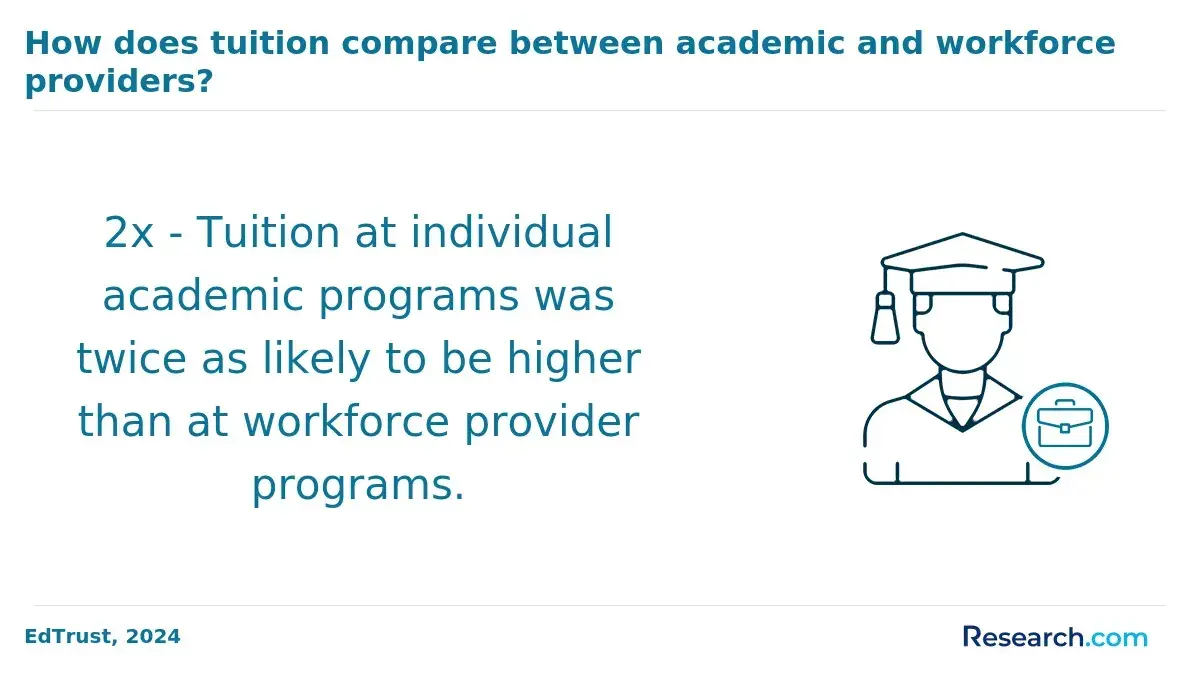
Tuition disparities between states decisively shape the return on investment for ABSN students, with costs ranging from $30,000 to over $70,000. High tuition states generally translate into greater debt burdens, which delay financial stability post-graduation. For instance, a California graduate faces tuition near $60,000 and often accrues debt exceeding $40,000, pushing back their financial breakeven compared to a Texas graduate whose tuition averages $35,000 and typically involves lighter debt.
Financial aid availability also varies widely, significantly affecting cash flow and debt reliance. States with generous need-based grants reduce loan dependence, shortening repayment timelines and improving early-career financial flexibility.
Median total debt often surpasses $30,000 nationally for ABSN graduates, while average starting salaries hover around $112,350-competitive with or exceeding related professions such as public school teachers ($74,495) or higher education faculty ($105,657). However, wage growth in some states lags behind rising debt, lengthening repayment periods and diminishing effective ROI unless mitigated by loan forgiveness or employer assistance.
Consider a New York graduate with $50,000 in tuition and substantial living expenses, who secures only average financial aid. Monthly loan payments can consume nearly 20% of gross income early on, restricting financial mobility and career choices.
By contrast, a Florida graduate with $35,000 tuition supported by state grants achieves faster loan payoff and better cash flow. Prospective students must weigh these geographic variations in tuition, aid, and wages carefully to forecast ABSN ROI with greater precision.
How can prospective students use state salary data to choose an ABSN program?
Choosing an ABSN program based on median state salary data shapes long-term financial outcomes and career trajectory more than many students realize. Washington's BSN average salary of $113,758 annually outpaces North Carolina's $69,270 by over $44,000, a difference that far exceeds typical cost-of-living variations.
For example, graduates aiming for West Coast healthcare systems enter markets where wage premiums amplify the return on investment substantially compared to lower-paying regions.
Students targeting higher-paying states should prioritize ABSN programs with recognized accreditation and clinical placements aligned to those labor markets, which facilitates licensure reciprocity and smoother employment transitions. Conversely, enrolling in programs primarily serving lower-salary states may limit initial earning potential and negotiating leverage despite potential tuition savings.
Beyond salary, demand fluctuations and hiring practices vary dramatically by state and hospital network. Programs tied to institutions with strong regional employer networks often yield faster job placement and better position graduates in competitive salary negotiations.
Actionable considerations include:
- Aligning clinical rotations with states showing top BSN salaries.
- Confirming licensure transferability post-graduation.
- Analyzing local healthcare turnover and employer demand.
- Weighing tuition and relocation expenses against projected salaries.
This data-driven approach to selecting an ABSN program clarifies practical workforce integration and supports strategic decision-making for candidates seeking measurable career returns.
Other Things You Should Know About ABSN
Some states' healthcare employers prioritize traditional BSN graduates for entry-level roles due to the perceived breadth and depth of coursework, especially in research and leadership content absent or condensed in ABSN tracks. Employers in states with established academic medical centers, like Massachusetts and Minnesota, often prefer BSN degree holders, which can influence starting salaries and advancement opportunities for ABSN graduates. ABSN candidates should assess local employer demand and consider supplementing their education or experience in these markets to avoid wage stagnation.
Choosing a state with lower ABSN salaries but greater job openings, such as Texas or Florida, requires balancing income against employment stability and clinical experience. While higher volume hiring can accelerate job placement and clinical exposure, the initial earning sacrifice may limit early career savings and loan repayment. Graduates should prioritize states with a sustainable mix of salary and demand to support financial goals without compromising continued professional growth.
Graduates from accelerated programs with in-person clinical experiences tend to achieve faster salary growth in their states compared to those from mostly online ABSN tracks, due to stronger employer confidence in practical readiness. States with high clinical complexity often reward direct patient care experience, which is less accessible in online-heavy programs. For long-term earnings maximization, candidates should select ABSN pathways emphasizing intensive, hands-on clinical training tied to local healthcare employer expectations.
References
- How to Pay for Nursing School: 7 Ways to Finance Your BSN - CTX https://absn.concordia.edu/blog/how-to-pay-for-nursing-school/
- Understanding the Landscape of RN Salaries Across the USA - All Med Search https://www.allmedsearch.com/2024/04/18/understanding-the-landscape-of-rn-salaries-across-the-usa/
- Roseman University Accelerated Bachelor of Science in Nursing https://www.roseman.edu/academic-programs/college-of-nursing/accelerated-bachelor-of-science-in-nursing/
- 2025â26 Nurse Salary: How Much Do RNs Make in Each State? https://credenzahealth.com/career-advice/nurse-salary-facts-figures-and-rn-salary-rates-by-state
- How to Pay for Nursing School - Madonna ABSN https://absn.madonna.edu/blog/how-to-pay-for-nursing-school/
- What Factors Influence a Registered Nurse Salary? - Wanderly https://www.wanderly.us/blog/average-registered-nurse-salary-2/
- 2025 Nurse Salaries By State: RN, CNA, LPN, and NP https://nursa.com/salary
- Nursing Salary by State https://teach.com/online-ed/healthcare-degrees/online-msn-programs/nursing-salary-by-state/
- Nurse Salary https://nursinglicensemap.com/resources/nurse-salary/
- Highest Paying States for RNs 2025 - TAG MedStaffing https://www.tagmedstaffing.com/blog/highest-paying-states-rn/