2027 Best ABSN Careers for Long-Term Stability

Co-Founder and Chief Data Scientist
Facing a compressed timeline and mounting costs, many accelerated nursing students wrestle with limited program options that balance clinical hours and flexible scheduling. The challenge intensifies as healthcare employers increasingly favor candidates with adaptive skills and diverse clinical exposures. According to the National Student Clearinghouse Research Center, enrollment in accelerated nursing programs surged 12% in 2024, signaling shifting student priorities toward faster degree completion without compromising depth.
This shift compels prospective ABSN students to scrutinize programs not only for speed but for long-term career resilience amid evolving workforce demands. This article identifies top ABSN career paths that optimize stability, growth, and strategic fit for accelerated graduates navigating this complex landscape.
Key Things You Should Know
- ABSN program graduates face a median student debt of $55,000, exceeding traditional BSN routes, forcing candidates to weigh accelerated entry against long-term financial burden and delayed asset accumulation.
- The 2024 National Healthcare Workforce Report notes hospitals prioritize ABSN graduates with clinical simulation experience, intensifying inter-program competition and pressuring curricula to align tightly with employer skill thresholds.
- State-specific licensure delays, averaging three months post-graduation per 2024 NCSBN data, create critical transition gaps that can disrupt employment timing and weaken initial earning potential for ABSN graduates.
What are the most stable career paths available to ABSN graduates?
Nursing roles that offer long-term security to ABSN graduates are largely concentrated in clinical registered nurse positions within acute care, outpatient, and community health environments. Workforce data confirm a 6% expansion in registered nurse opportunities over the decade following 2023, an expansion translating to about 197,200 new jobs. These projections underscore sustained demand, especially for specialties such as medical-surgical nursing, critical care, and emergency nursing, which navigate consistently high patient volumes and complex care requirements. In contrast, outpatient clinics and home health services, benefiting from aging populations, provide a steadier pace and chronic condition management focus.
The most stable nursing careers for ABSN graduates in the US often involve navigating the tradeoff between specialized versus generalist roles. Specialized fields like oncology or pediatrics deliver enhanced job security but impose additional certification and hands-on experience demands, delaying full workforce integration. Generalist nursing positions facilitate quicker workforce entry but expose practitioners to fiercer competition and variable regional needs. For instance, hospital critical care nurses must demonstrate acute clinical competencies and resilience but can expect higher compensation and job stability. On the other hand, outpatient settings offer predictable schedules suitable for professionals prioritizing work-life balance.
Employers increasingly prioritize ABSN graduates who showcase clinical adaptability and effective teamwork aligned with integrated care models. Recruiting organizations value candidates committed to continuous professional development to sustain career growth and retention. Navigating these dynamics helps prospective nurses better align their education with workforce realities.
For those considering further academic investment, exploring affordable options is practical. Resources detailing the cheapest RN to BSN programs highlight pathways to enhance qualifications without excessive financial strain.
Which ABSN nursing specialties offer the strongest long-term job security?
Among ABSN nursing specialties with strongest job security, gerontology, critical care, and psychiatric nursing present distinct but equally durable pathways shaped by demographic trends and healthcare system needs. For instance, gerontological nurses remain in steady demand owing to the aging U.S. population and care requirements in home health and skilled nursing environments. However, this specialty often involves adapting to variable schedules and less traditional clinical settings.
Critical care nurses encounter constant hospital demand fueled by chronic illness rates and surgical case complexity, yet the high-pressure environment and required certifications, such as CCRN, can be significant hurdles. Psychiatric nursing benefits from expanded mental health services and insurance coverage but demands resilience amid workforce shortages and emotionally intense work, with certifications like PMH-BC often favored by employers.
Long-term career stability for ABSN nurses hinges not only on specialty choice but also on regional workforce variances and employer credential preferences. Registered nurses holding a bachelor's degree earn a median salary of $93,600, surpassing the median for all bachelor's degree holders, and specializations can enhance income through shift differentials or shortage premiums.
Graduates eyeing these specialties should weigh physical and emotional demands against growth prospects, including pathways into nurse practitioner or administrative roles. Considering real-world workforce demands alongside certification requirements aligns educational investment with viable, resilient careers.
Prospective students interested in educational options that minimize clinical hours may also explore online RN to BSN programs no clinicals, which can ease the logistical challenges of balancing education with professional obligations.
How does an ABSN degree compare to traditional BSN for career growth?
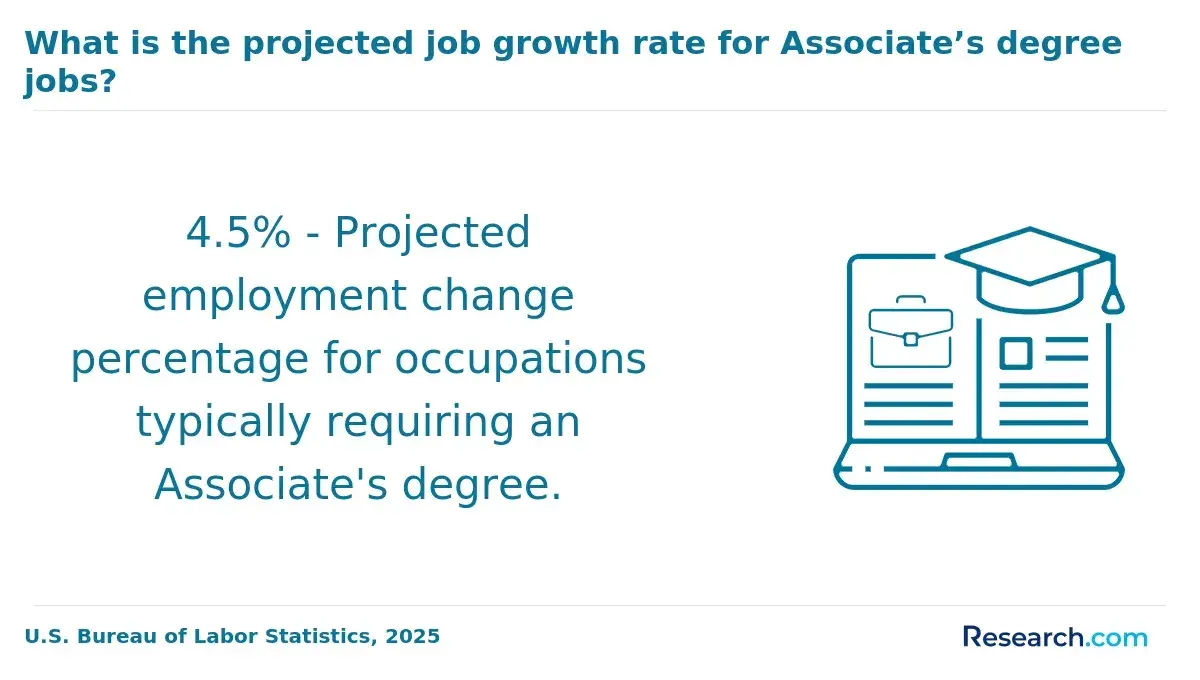
Accelerated nursing degree career advancement hinges on balancing swift entry into the workforce with sustained professional growth. ABSN graduates typically enter hospital settings faster, often within 12 to 18 months, compared to traditional BSN students, enabling earlier hands-on experience and potential promotion opportunities. However, this condensed timeline demands rigorous time management and resilience, as the curriculum affords less depth in specialized areas.
The career growth differences between ABSN and traditional bsn pathways are significant when considering roles beyond acute care. Traditional BSN programs usually provide extended clinical practicum and research involvement, advantages for those targeting academic, community health, or specialized nursing positions. Conversely, employers prioritize completion of a BSN-level education and clinical readiness over the duration, leading to comparable earning potential in many hospital environments. Registered nurses with BSN or ABSN credentials in general medical and surgical hospitals report a median wage near $90,600 annually based on May 2023 labor data.
A practical scenario: a working professional using an ABSN program to pivot careers can join the hospital workforce sooner, potentially advancing two years faster. Yet, this path may limit early opportunities for leadership or educational roles that favor extensive clinical or research backgrounds. For students exploring acceptance rates and program accessibility, institutions like Chamberlain university warrant consideration within this context.
Employers emphasize licensed RN status, clinical competence, and BSN-level completion, diminishing concerns around accelerated formats. The ABSN route offers a direct pivot without sacrificing long-term stability, but candidates must weigh immediate workforce entry against potential scope limitations inherent in abbreviated study designs.
What accreditation and licensing requirements must ABSN programs and nurses meet?
Accreditation standards for ABSN programs in the United States significantly influence graduate eligibility for licensure and employment. Only programs accredited by the Commission on Collegiate Nursing Education (CCNE) or the Accreditation Commission for Education in Nursing (ACEN) ensure compliance with licensing boards, allowing graduates to sit for the NCLEX-RN exam required in every state. Selecting a non-accredited program, or one misaligned with state requirements, can delay entry into the workforce by blocking access to licensure and complicating clinical practice across state lines.
Licensing requirements for ABSN nurses to practice clinically center on the NCLEX-RN exam but include variable state mandates such as jurisprudence exams and background checks. For instance, a graduate aiming to work in California must satisfy specific board conditions beyond the NCLEX-RN, impacting timing and cost considerations. This makes program selection a strategic decision balancing accreditation, curriculum rigor, and state regulatory compatibility.
To advance into roles like nurse practitioners, graduates face further credentialing involving state-level licenses and national certifications linked to specialties. The projected 45% job growth for nurse practitioners through 2032, adding over 118,000 jobs, intensifies the value of planning for these steps. However, these additional requirements demand time and financial resources, with practical tradeoffs for students prioritizing rapid workforce entry versus long-term specialization.
Understanding how accreditation and licensing shape employability supports informed educational choices. Also, comparing market outcomes like the highest paid DNP specialties provides insight into the financial implications of advanced nursing pathways.
What ABSN career settings provide the best combination of salary and stability?
Within abcn career trajectories, travel nursing and specialized clinical roles in acute care settings present a unique balance of elevated earnings and professional resilience. Travel nurses addressing critical staffing shortages typically earn between $3,000 and $5,000 per week, outpacing traditional staff RN salaries, as reported by the UST ABSN blog summary of 2024 travel nurse market data. This pay premium arises from urgent demand spikes and geographic flexibility requirements.
Conversely, academic medical centers and large urban hospitals provide more predictable schedules, comprehensive benefits, and stability-factors paramount for long-term career sustainability-though often accompanied by comparatively modest base salaries. Such roles favor continuity and structured professional development but limit opportunities for accelerated income growth.
Alternative paths such as nurse informatics, case management, and occupational health capitalize on the clinical foundation of abcn graduates while reducing physical strain and offering more regular hours. These roles align well with evolving technological and administrative health sector demands, enhancing job security.
Strategic career navigation involves weighing tradeoffs:
- Travel nursing offers rapid capital accumulation but requires frequent relocation and adaptation, increasing burnout risk within 1-3 years.
- Hospital-based clinical work emphasizes stability and progression over peak earnings.
- Combining initial travel assignments with later transition into informatics or management balances financial gain with sustainable work-life integration.
Such considerations are critical for abcn graduates aiming to optimize both immediate income and long-term workforce positioning.
How do online and campus-based ABSN programs affect future career opportunities?
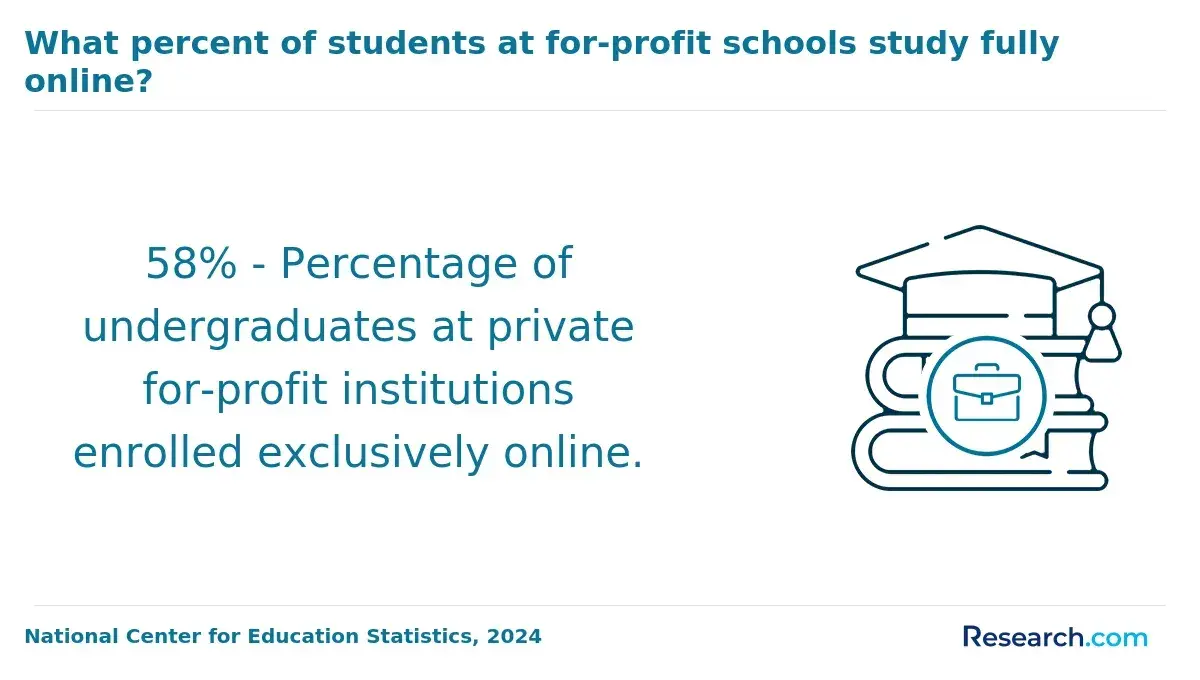
Choosing between online and campus-based ABSN programs entails significant tradeoffs in clinical exposure, networking, and employer perception that directly impact career trajectories.
Campus-based ABSN graduates typically benefit from immersive clinical rotations and real-time mentoring, which align with the expectations of hospital systems that prioritize acute care proficiency and team integration. For instance, those aiming for high-intensity acute care roles in metropolitan hospitals often experience smoother onboarding due to the hands-on experience their program provided.
In contrast, online ABSN programs are often better suited for students balancing work or geographical constraints. However, the decentralization of clinical placements requires initiative to secure quality rotations, which may limit access to top-tier specialty training sites. Despite this, online graduates remain competitive in community health and public health nursing fields, where BSN qualification is paramount and salaries can range from $110,000-$130,000 per year nationally. This sector's growing demand allows online ABSN holders to achieve comparable market outcomes.
Decision factors include:
- Employer preferences in specific geographic regions
- Access to reputable clinical sites essential for hospital employment
- Individual constraints such as employment and family that affect program feasibility
Employer scrutiny focuses on accreditation and documented clinical hours rather than delivery mode, but tangible clinical experience and professional networks remain decisive in competitive hospital job markets.
What is the long-term salary outlook for ABSN nurses across different roles?
Salary outcomes for accelerated Bachelor of Science in Nursing graduates depend heavily on setting, specialization, and location, shaping both immediate earnings and growth potential. Entry salaries in acute care areas like intensive care units typically begin around $95,000 but can rise beyond $130,000 within five years, particularly with specialty certifications. In contrast, roles in community health or primary care often start near $80,000, reflecting budget constraints and demand differences.
Advanced practice roles-such as nurse practitioners or nurse anesthetists-require additional graduate education but offer substantially higher wages, often exceeding $120,000 within a few years after certification. Geographic factors also influence pay: metropolitan hospitals usually value ABSN candidates with strong clinical experience, offering faster wage escalation, whereas rural positions may start lower, around $75,000, yet provide benefits like loan forgiveness and overtime opportunities that offset initial offers.
Career advancement depends on meeting licensure requirements and actively pursuing certifications in sought-after specialties. Employers reward demonstrated competence in complex, high-pressure environments, so targeting sectors like critical care or ambulatory specialties often yields better long-term returns than general med-surg roles, where wage growth plateaus more rapidly. Federal labor data reinforces that aligning ABSN credentials with in-demand skills is critical for sustainable earnings growth across diverse healthcare markets.
How do ABSN grads advance into leadership, advanced practice, or specialized roles?
Advancement after an ABSN requires strategic investment in graduate education, clinical leadership, and geographic flexibility. Employers rarely promote directly from entry-level nurse roles; instead, candidates typically need a Master of Science in Nursing (MSN) or Doctor of Nursing Practice (DNP), coupled with specialty certifications and demonstrable management experience such as charge nurse or clinical coordinator positions.
A nurse aiming for a nurse practitioner role, for example, faces a 2-4 year MSN commitment post-ABSN, plus national certification. This process often extends if prerequisite coursework follows accelerated programs. Candidates should weigh this timeline against immediate work opportunities, balancing income needs with long-term returns. Geographic relocation is a critical factor: states with higher wages-ranging from $110,000 to $130,000 annually for BSN-prepared nurses-increase earning potential and access to advanced care settings, which can expedite professional growth.
Continuing education units (CEUs), engagement with professional organizations, and fellowships targeted at accelerated graduates offset common barriers. Decisions to pursue advanced degrees versus immediate employment should depend on financial capacity, career ambitions, and state-level licensure complexities.
What factors indicate strong long-term demand for ABSN-qualified nurses?
Recruiters prioritize ABSN graduates because their accelerated education meets urgent staffing needs without sacrificing clinical readiness, especially in settings where patient acuity and workforce shortages intersect. For instance, urban hospitals managing complex cases require nurses who can quickly assume advanced responsibilities, while rural clinics face chronic gaps that ABSN-prepared nurses help address more rapidly than traditional pathways.
Key employer demands include adaptability, evidence-based skills, and leadership potential developed during rigorous clinical training. This means candidates must balance intense coursework with licensure preparation and bear substantial financial costs upfront, factors that can influence both completion rates and workforce entry timing.
Those seeking to secure sustainable, higher-paying roles-often exceeding a $120,000 median annual wage-should strategically align post-graduate certifications with regional clinical shortages, such as geriatrics or mental health nurse practitioners. This targeted approach enhances job security beyond initial staff nurse positions and supports stable career growth.
Retention data indicate that ABSN nurses who advance into specialized roles experience improved long-term stability, highlighting that professional development and upward mobility are critical to maximizing the investment in accelerated nursing education.
How can prospective students choose an ABSN program that maximizes career stability?
Choosing an accelerated bachelor of science in nursing (ABSN) program with diverse clinical placements directly impacts a graduate's long-term career flexibility. Programs that integrate experiences across hospitals, outpatient clinics, rehabilitation, and long-term care settings equip nurses to navigate shifting labor demands without repetitive retraining. For instance, a nurse trained exclusively in acute hospital care may face barriers transitioning to outpatient rehabilitation without additional certification, delaying income growth.
Unlike narrowly focused tracks, programs offering broad exposure reduce vulnerability to sector-specific layoffs and regional market fluctuations by maximizing employability in multiple care environments. Graduates from these programs can pivot more easily between specialties such as emergency care and community health nursing.
Key factors prospective students should scrutinize include:
- The spectrum of clinical rotations reflecting current employer needs across healthcare sectors
- Active employer networks and job placement support that facilitate career mobility
- Transparent outcome data on employment rates across specialties and settings
- Licensure preparation aligned with national standards that minimizes costly retraining disruptions
According to Nebraska Methodist College's 2024 career paths analysis, nurses with BSN credentials demonstrate notably higher adaptability in clinical roles. Therefore, ABSN pathways emphasizing both acute and community health nursing not only broaden immediate opportunities but also mitigate longer-term workforce risk amid evolving healthcare demands.
Other Things You Should Know About ABSN
Programs with higher clinical hour requirements offer more hands-on experience, which employers value as it enhances readiness and confidence in patient care. However, excessive clinical hours without balanced theoretical grounding can limit the development of critical decision-making skills. For long-term stability, prioritize programs that integrate clinical practice with robust theoretical instruction, as this combination better prepares graduates for diverse nursing roles and complex healthcare environments.
Campus-based ABSN programs typically provide more direct access to clinical sites, networking opportunities, and facilities that employers recognize. Online or hybrid ABSN programs may offer flexibility but sometimes have fewer local clinical partnerships, potentially affecting hands-on experience and local employer relationships. Evaluating program reputation and clinical placement quality is more important than format alone, but for immediate job market competitiveness, traditional campus-based programs often hold an edge.
ABSN graduates often encounter stiff competition for entry-level positions due to the surge of new nurses, requiring proactive networking and clinical excellence to stand out. Employers expect strong critical thinking and adaptability, which some accelerated graduates may lack if their program did not emphasize these skills. Navigating initial job placement with an emphasis on gaining diverse clinical experience and pursuing continuous education reduces risks to long-term stability and advancement.
References
- Accelerated BSN vs BSN: What’s the Difference? https://stmary.edu/nursing-accelerated/acclerated-bsn-vs-bsn.html
- Career Stability With A Nursing Degree https://www.dewv.edu/career-stability-with-a-nursing-degree-unlocking-long-term-potential/
- Why Are Nurses in Demand? - ABSN@CTX https://absn.concordia.edu/blog/why-are-nurses-in-demand/
- INSTITUTE OF HEALTH& MANAGEMENT https://ihm.edu.au/blog/high-demand-nursing-specialisations-for-career-growth-in-australia/
- ABSN vs Traditional BSN - Which Is Right for You? https://absn.madonna.edu/blog/absn-vs-traditional-bsn-right/
- Online Accelerated BSN https://onlinedegrees.elmhurst.edu/programs/accelerated-bsn-online
- Accelerated BSN Programs: Who Qualifies | Betternurse.org https://betternurse.org/accelerated-bsn-program-guide/
- Accelerated Nursing School Checklist| University of Bridgeport https://www.bridgeport.edu/news/what-to-look-for-in-accelerated-nursing-program/
- Benefits of a Nursing Career - Mercer ABSN https://absn.mercer.edu/blog/benefits-of-a-nursing-career-8-reasons-to-change/
- CCNE Accreditation https://www.aacnnursing.org/ccne-accreditation