2027 Best ABSN Programs With Strong Career Services

Co-Founder and Chief Data Scientist
Prospective accelerated nursing students face the challenge of selecting programs that offer swift pathways to licensure and provide robust career services to solidify employment prospects amid fierce competition.
With healthcare employers increasingly valuing graduates' readiness, the 2024 National Center for Education Statistics report reveals a 15% rise in online ABSN enrollment, signaling a shift toward flexible program structures. However, this trend raises concerns about adequate clinical placement support.
This article identifies the best programs balancing accelerated completion with strong career services to directly address these critical decision factors. Careful evaluation of program career support relative to delivery mode and clinical accessibility is essential.
Key Things You Should Know
- Accelerated BSN programs with high clinical placement rates reduce post-graduation job search time by up to 25%, per National Council of State Boards of Nursing 2024 data, optimizing early practitioner workforce entry while limiting clinical experience diversity.
- Employers increasingly prioritize ABSN graduates from programs with embedded career services, correlating with 15% higher retention over 3 years per Nursing Workforce Survey 2024, revealing the direct impact of tailored employer-network integration.
- Faster ABSN completion typically demands upfront financial investment exceeding $75,000, per Bureau of Labor Statistics 2024, necessitating prospective students weigh debt load against accelerated earning potential and evolving market demands.
What is an ABSN program and how does it differ from a traditional BSN?
Accelerated baccalaureate nursing (ABSN) programs offer a compressed route into nursing licensure by condensing traditional BSN curricula into 12 to 24 months, targeting individuals with prior bachelor's degrees. This pace suits career changers aiming for rapid workforce entry but demands an intensive full-time commitment, often restricting outside work or personal time.
The difference between accelerated BSN and traditional nursing degrees lies not only in duration but also in the intensity and clinical experience structure.
- ABSN graduates typically enter clinical roles faster, meeting urgent nursing shortages especially in hospitals with high turnover.
- Condensed clinical placements can limit exposure diversity, requiring graduates to seek additional professional development post-licensure to build broader competencies.
- Time management and support systems are critical for success given the accelerated pacing and complex scheduling logistics.
According to AACN, there are 330 ABSN programs nationwide, underscoring competition for clinical sites and employer emphasis on accelerated readiness rather than prolonged academic depth.
For working professionals, the choice between accelerated nursing programs with enhanced career services versus traditional pathways hinges on balancing speed against the scope of experiential learning. Those exploring nursing pivots may also consider online RN programs for non nurses as an alternative accommodating flexible schedules and extended timelines.
How do I evaluate and compare the best ABSN programs with strong career services?
Programs with strong career support for accelerated baccalaureate nursing students materially affect employment outcomes by bridging the typical 11-18 months education-to-employment gap. For prospective students evaluating how to compare the best ABSN programs with robust career support, focus on graduate job placement rates within six months and the quality of career services such as targeted internship placements, employer networking events, and tailored job coaching.
These elements reduce employment latency, which is crucial given the competitive regional hiring landscape.
Effective programs integrate comprehensive career counseling that includes resume workshops specific to nursing roles, simulated interviews mimicking healthcare employers, and expedited guidance on state licensure processes. Working professionals pivoting into nursing often need flexible scheduling that does not compromise access to career advisors-a practical consideration when prioritizing programs.
Robust hospital and healthcare system partnerships constitute pipelines that directly influence hiring priority. Programs with high NCLEX pass rates combined with ongoing employer engagement ensure smoother transitions to practice, while assistance with geographic placement mitigates move-related job search barriers. Active alumni networks also provide extended mentorship and referral opportunities beyond formal career services.
Applicants interested in flexible pathways may also consider online RN to BSN programs no clinicals, offering alternative scheduling and clinical requirements that can complement their career goals.
What accreditation and NCLEX licensing requirements must a quality ABSN program meet?
Accredited ABSN programs, meeting the accreditation standards for ABSN programs in the United States set by the Commission on Collegiate Nursing Education (CCNE) or the Accreditation Commission for Education in Nursing (ACEN), are non-negotiable prerequisites for candidates hoping to sit for the NCLEX-RN exam. Without this credential, graduates face immediate barriers to licensure and legal nursing practice, undermining both time and financial investment in their education.
State boards also enforce NCLEX licensing requirements for quality accelerated nursing programs, typically mandating a minimum first-time pass rate of 75%. Programs failing to meet these thresholds often reflect curriculum deficiencies or insufficient clinical training, factors that employers rigorously assess due to the direct impact on patient safety and onboarding expenses.
Given the condensed nature of accelerated nursing curricula, the quality and diversity of clinical placements become paramount. Leading ABSN programs provide supervised experiences across acute care, community health, and specialty areas, which equip graduates to transition smoothly into varied healthcare environments with minimal skill gaps.
The Association of American Colleges of Nursing confirms that accelerated nursing education is widely accessible nationwide, yet prospective students should critically verify accreditation status and NCLEX pass rates to avoid stalled licensure timelines and disrupted workforce entry.
For working professionals contemplating advanced pathways, the doctor of nursing practice online option offers a pragmatic route balancing flexibility with educational rigor.
How do online, hybrid, and campus-based ABSN formats differ for clinical and career support?
The clinical and career support resources available through accelerated BSN programs with comprehensive career support services directly affect graduate employability and skill development. Online ABSN models rely on students to secure local clinical placements, which often varies in quality and can delay practical experience acquisition.
Employers tend to favor graduates who complete clinical hours under closely supervised and consistent conditions, typically more accessible in hybrid or campus programs. Campus-based ABSN formats provide structured clinical rotations at affiliated hospitals and on-site career services such as employer recruitment events and resume clinics, which enhance networking and hiring prospects.
Hybrid programs offer a balance, combining in-person clinical training with flexible online coursework, enabling stronger institutional connections and timely job placement.
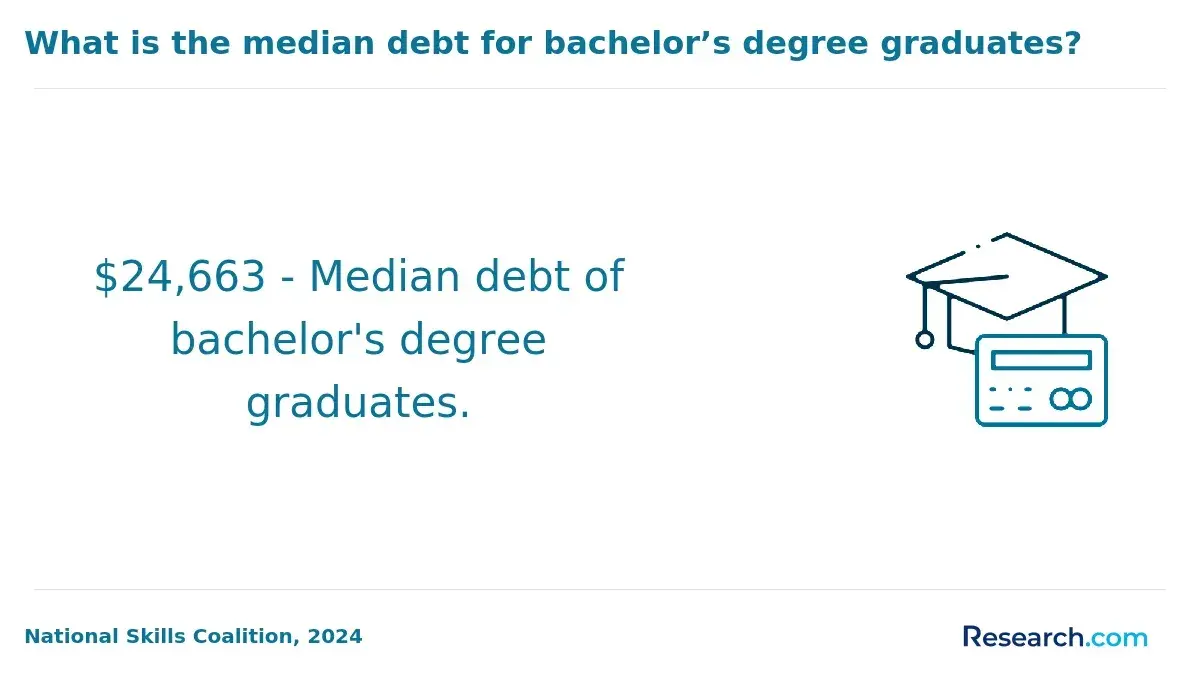
Considering cost, Xavier University's ABSN program-totaling $61,605 including tuition and fees-reflects the investment needed for reliable clinical access and robust career support, a key factor when weighing program ROI.
For students in regions with scarce clinical sites, campus or hybrid ABSN programs minimize delays and skill gaps. By contrast, online candidates must proactively secure clinical sites and navigate virtual career networking, which may impact job search efficiency. Employers valuing verified clinical experience may thus prefer hybrid or campus-trained candidates, influencing hiring outcomes and competitive positioning.
Those evaluating accelerated BSN programs should also review related resources such as best PMHNP programs for additional pathways in nursing advancement.
What are typical admission requirements and prerequisites for accelerated BSN programs?
Accelerated BSN programs demand a solid science foundation and relevant healthcare experience, which creates a distinct barrier for many applicants despite the promise of fast-track nursing credentials. Most programs require a bachelor's degree-with prerequisites like anatomy and physiology, microbiology, chemistry, nutrition, and statistics completed at a grade C or higher. This baseline knowledge is essential to manage the intensity of the curriculum and clinical requirements.
Beyond academics, hands-on patient care experience, typically 500 to 1,000 hours in roles such as certified nursing assistant or EMT, is often mandatory. This requirement is not just regulatory but practical: employers consistently prioritize candidates with patient-facing familiarity, which smooths clinical training transitions and enhances employment prospects post-graduation.
Admission processes also include standardized tests like the TEAS or HESI, interviews assessing motivation and communication, and mandatory background and immunization checks tied to clinical placements. Financially, candidates face compressed timelines that can inflate living expenses, with programs like an online Florida ABSN listing tuition close to $26,000, underscoring the need for comprehensive budgeting.
Strategically, prospective students must weigh the time and cost to fulfill science prerequisites against accelerated entry benefits. Skipping direct patient care experience may delay employability and reduce competitiveness; conversely, fulfilling these elements upfront supports quicker workforce readiness and aligns with documented employer demands for well-prepared nursing graduates.
How long do ABSN programs take, and what tuition, fees, and financial aid should I expect?
Choosing an accelerated baccalaureate nursing (ABSN) program demands balancing an intense schedule against both cost and career objectives. These programs compress nursing prerequisites and clinical experience into roughly 12 to 18 months, requiring full-time focus often with evening and weekend clinical rotations. This setup severely limits the ability to maintain outside employment during the program, creating financial and scheduling challenges for working professionals.
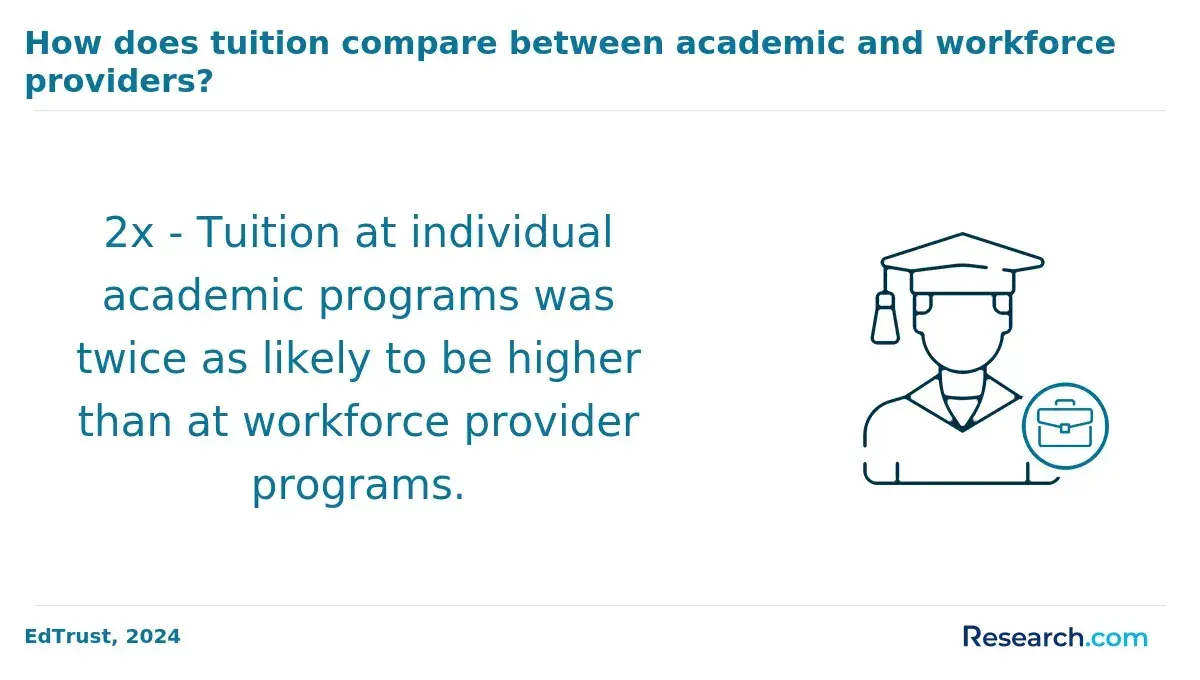
Tuition and fees typically range from $40,000 to $80,000, influenced by public or private status, location, and whether lab or clinical costs are included. Beyond tuition, students must budget for uniforms, licensing exam fees, and necessary background checks or health screenings.
Financial aid is more limited than for traditional undergraduates, with fewer scholarships targeting ABSN students and fewer opportunities for paid internships or work-study due to clinical demands. Federal loans and some state grants remain primary funding sources.
The widespread preference among employers for ABSN graduates-330 programs exist nationwide compared to only 10 entry-level master's programs-reflects the nursing workforce's need for rapid entry-level readiness. However, ABSN graduates pursuing advanced nursing roles must plan for additional education after completing the program.
Professionals seeking swift transition into bedside nursing might prioritize program speed and cost, accepting the compressed timeline and limited earning potential during study. In contrast, those targeting leadership or specialized clinical roles should anticipate longer-term investment beyond the initial ABSN credential.
What core nursing coursework, clinical rotations, and experiential learning do ABSN programs include?
Accelerated bachelor's in science in nursing (ABSN) programs serve as a highly concentrated pathway for individuals holding prior degrees to re-enter healthcare as registered nurses. The compressed format demands rapid mastery of advanced subjects like pathophysiology, pharmacology, health assessment, and nursing research, eliminating typical undergraduate science prerequisites to shorten time to licensure without compromising clinical competence.
Clinical rotations-spanning 500 to 700 hours-are crucial for skill acquisition, distributed across varied settings such as hospitals, outpatient clinics, and long-term care. These placements are rigorously aligned with coursework to ensure that students convert theoretical knowledge into acute clinical judgment promptly. Experience with multidisciplinary teams and fast-paced workflows addresses employer expectations for adaptable, practice-ready graduates.
Simulation labs and standardized patient encounters complement clinical hours by reinforcing decision-making and emergency response techniques before direct patient contact. While this approach expedites licensure, the scarcity of clinical placements can create bottlenecks that extend program length, a frequent issue when programs cannot scale partnerships with healthcare providers.
Professionals aiming for a strategic pivot must weigh the intensity and scheduling demands of ABSN programs against clinical site availability. Employer recruitment often targets pipelines with embedded clinical relationships, emphasizing the importance of selecting programs connected to regional employment hubs. These factors significantly impact timing for workforce entry and job market competitiveness.
How do ABSN program career services support internships, job placement, and networking in nursing?
The compressed duration of absn programs-typically 12 to 19 months-demands career services that function as structured, efficient pathways rather than optional extras. Programs that offer exclusive clinical placements aligned with student specialization reduce uncertainty and expedite practical readiness, a necessity when clinical hours and licensure preparation must occur in a greatly shortened timeframe.
For instance, securing internships in major hospital systems early can differentiate candidates when hiring timelines overlap tightly with graduation dates.
Career support extends beyond placements through tailored resume workshops emphasizing nursing-specific terminology, interview preparation mirroring actual hospital panels, and direct job fairs with employer partnerships. These proactive strategies aim to maximize employment within the critical three-month window post-graduation, where the pace of hiring for absn grads diverges significantly from longer, traditional nursing pathways.
Networking via mentorship programs connecting students with practicing nurses provides insider context on workplace culture and staffing needs, often bridging geographic gaps for specialized roles like critical care. However, the intensity of absn schedules inherently limits students' ability to pursue external job leads, making integrated career services a non-negotiable component of program design.
Key operational considerations include:
- Alignment of clinical placements with geographic and specialty preferences to enhance job market fit
- Dedicated professional development focused on actionable hiring criteria within compressed timelines
- Recognition that program rigidity may restrict engagement with broader employment resources, potentially impacting long-term career trajectories
Evaluating ABSN offerings requires scrutiny of career services relative to program length and flexibility. Without robust, embedded support, students risk entering a competitive market without the practical leverage needed for swift, sustainable employment.
What nursing roles, settings, and advancement pathways can I pursue after an ABSN?
Employers in nursing prioritize clinical readiness and licensure success when evaluating absn graduates, often using high NCLEX pass rates as a benchmark for program quality and job preparedness. For instance, a program reporting a 97.4% NCLEX-RN pass rate signals strong alignment with critical skillsets demanded across acute and outpatient care settings.
However, rapid integration into hospital residencies or mentorship pathways means new nurses must quickly adapt to high-pressure environments that test both critical thinking and resilience.
Career roles for absn nurses vary significantly by setting and specialization. Hospital-based nurses frequently start on medical-surgical or intensive care units, where swift clinical judgment is vital.
Conversely, outpatient or community roles emphasize patient education and coordination, demanding communication skills and holistic care perspectives. Advancement typically involves targeted certifications in areas such as oncology or pediatrics, which increase employability but also require ongoing time and financial investment.
Long-term care sectors offer leadership and case management opportunities focused on sustained patient outcomes, but may present slower career mobility than acute care pathways. Importantly, absn graduates must balance the immediate need for licensure and workforce entry with strategic planning for further graduate-level training if aiming for advanced practice roles like nurse practitioner. This tradeoff defines the practical contours of educational and career decision-making in the field.
What salary ranges and job outlook should ABSN graduates expect in today's nursing workforce?
Starting salaries for ABSN graduates in 2026 typically range between $65,000 and $85,000 annually, strongly influenced by geographic location, healthcare setting, and prior experience.
Entry-level registered nurses from accelerated programs often earn near $70,000 in urban hospitals, with potential growth to $90,000 or higher within five years through specialization or leadership roles. According to the latest U.S. Bureau of Labor Statistics data, the median annual wage for registered nurses stands at about $77,600 nationwide, with the top 10% exceeding $113,000.
The employment outlook projects a 9% growth from 2024 to 2034, faster than the average for all occupations. However, graduates in saturated markets face heightened competition and must leverage practical clinical experience and certifications such as CCRN to distinguish themselves, especially when targeting specialized units like critical care. Conversely, roles in school or community health nursing offer less pay but greater scheduling flexibility.
Financial viability depends not only on salary but also on factors like relocation, licensure preparation, and ongoing education. Employers prioritize candidates who balance the academic rigor of accelerated programs with adaptable, hands-on skills. Graduates evaluating the accelerated nursing path should carefully consider how regional cost of living and demand affect compensation and long-term career sustainability.
Other Things You Should Know About ABSN
Accelerated BSN programs compress the same core nursing curriculum into a significantly shorter timeframe, often 12 to 18 months. This results in a highly demanding schedule that requires full-time commitment with limited flexibility for outside work or personal activities. Prospective students should prioritize programs with strong academic support and realistic clinical scheduling to manage stress and avoid burnout.
When selecting an ABSN program, prioritize elements like dedicated career services, strong clinical partnerships, and accreditation. Career services provide essential support such as job placement assistance, resume building, and networking opportunities, enhancing graduates' employment prospects and facilitating smooth entry into the nursing field.
Employers recognize ABSN graduates as qualified nurses but may weigh clinical experience and program reputation more heavily than the degree format. Hiring managers expect ABSN candidates to demonstrate adaptability and resilience due to accelerated training. Advancement opportunities hinge more on ongoing performance and experience rather than degree entry point, so new ABSN graduates should focus on securing positions with strong mentorship and growth pathways.
Most accelerated BSN programs require intense, continuous study with a fixed schedule of clinical hours, leaving minimal room for external commitments. Students with significant family or work responsibilities should carefully assess program flexibility and support services before enrolling. Choosing programs with part-time options or extended timelines may be necessary, despite a longer completion period, to maintain work-life balance and ensure program success.
References
- Professional Networking in Nursing - UMSV ABSN https://absn.mountsaintvincent.edu/blog/networking-in-nursing/
- ABSN vs Traditional BSN - Which Is Right for You? https://absn.madonna.edu/blog/absn-vs-traditional-bsn-right/
- Accelerated BSN Program | Ursuline College | Ursuline - Liberal Arts College in OH https://www.ursuline.edu/academics/programs/accelerated-bachelor-of-science-in-nursing-absn-program
- What Can You Do with a BSN? 15 Career Paths - UST https://absn.stthom.edu/blog/learn-what-can-you-do-with-a-bsn/
- Decoding the ABSN: How It Differs From Traditional Nursing Degrees | BAYADA Education https://bayadaeducation.org/resources/absn/decoding-the-absn-how-it-differs-from-traditional-nursing-degrees
- How to Build Your Nursing Career Network While Still in School https://nursegrid.com/blog/how-to-build-your-nursing-career-network-while-still-in-school/
- Best Online BSN Programs | NursingEducation https://nursingeducation.org/degrees/best-online-bsn-programs/
- Your Guide to Accelerated Nursing Programs | Nurse Agent https://nurseagent.org/your-guide-to-accelerated-nursing-programs
- ABSN Admission Requirements - Bushnell University https://www.bushnell.edu/absn-admission-requirements/
- Accelerated Bachelor of Science in Nursing, ABSN | Colby-Sawyer College | New London, NH https://www.colby-sawyer.edu/postgraduate/professional/absn