2027 Best ABSN Programs With the Best Student Support

Co-Founder and Chief Data Scientist
Accelerated nursing students frequently confront the dilemma of balancing intense coursework with the unpredictable demands of clinical placements, which can derail even the most committed candidates' progress. With registered nurse positions expected to grow 11% by 2032 according to the U. S. Bureau of Labor Statistics, timely program completion directly impacts employability and income trajectory.
Yet, rigid cohort scheduling and limited academic advising contribute to high attrition rates, especially among adult learners managing family and work commitments. The shifting landscape of hybrid and online components adds both opportunities and complexity to support needs. This article evaluates the best accelerated nursing programs grounded in robust student support systems designed to navigate these exact challenges.
Key Things You Should Know
- ABSNs with integrated clinical simulation reduce total hands-on hours by up to 20%, lowering costs but increasing risk of underpreparedness, demanding careful evaluation of readiness vs. program price for career entry timing.
- Programs aligned with high-demand healthcare markets report 85%+ employer satisfaction in 2024 surveys, making employer-focused support a critical lever for job placement amid nurse shortages.
- Accelerated pathways compressing curriculum into 12 months increase burnout risk by 35% per 2024 academic health data, forcing students to weigh faster licensure against mental health and long-term retention tradeoffs.
What makes an ABSN program high-quality and supportive for second-degree nursing students?
Programs offering accelerated nursing degrees must demonstrate near-perfect graduate employability to justify the intense investment and career pivot involved. For example, Emory University's distance ABSN reported 100% job placement for 2025 graduates, a benchmark achievable only through robust clinical partnerships and career services aligning student skills with employer needs. The absence of such alignment increases risks of prolonged unemployment and stagnant entry-level wages.
One key operational difference in second-degree ABSN curricula is the front-loading of clinical experiences. Early and frequent hands-on training directly addresses knowledge gaps from prior non-nursing careers, accelerating time-to-competency.
However, this also intensifies program pace, necessitating comprehensive support tailored to ABSN candidates, such as personalized academic advising and mental health counseling. These supports are found in top-rated second-degree ABSN programs offering personalized academic advising, which mitigate attrition and burnout.
The practical value of these programs also hinges on transparent outcomes data; students should scrutinize state board pass rates and employer feedback rather than institutional claims alone. Accreditation aligned with industry standards significantly impacts hiring decisions, influencing career mobility and long-term prospects.
Students seeking 12-month accelerated nursing programs online must weigh the tradeoff between program intensity and available student support structures, especially if balancing existing professional or family responsibilities.
How do the best ABSN programs structure academic advising, tutoring, and faculty support?
High-performing ABSN programs differentiate themselves through precise academic advising calibrated to the program's compressed timeline and high intensity. Advisors who provide individualized course planning help students navigate clinical prerequisites without burnout, a decisive factor given the program's accelerated pace and the 6% nursing employment growth projected from 2022 to 2032.
Early identification of at-risk students is a critical function, allowing interventions that prevent exam and clinical failures, which are common causes of attrition.
Effective tutoring in top ABSN programs extends beyond generic group study by offering targeted, subject-specific sessions in pharmacology and pathophysiology, often with flexible scheduling for students balancing jobs or family demands.
Peer tutoring and simulation labs serve as strategic tools to improve clinical performance and reduce failure rates in rotations, directly influencing licensure readiness and employability. Such practices align closely with the workforce realities that generate approximately 193,100 annual RN openings.
Faculty engagement strategies in leading programs emphasize accessibility through low student-to-faculty ratios and real-time mentoring. In practice, this means a student struggling with medication administration can receive immediate, personalized coaching instead of delayed group feedback, boosting clinical competence. These layers of support collectively address the pressures faced by ABSN students and the complexity of nursing roles.
Prospective students should closely compare these support structures when evaluating ABSN pathways. For example, the WGU vs Chamberlain programs highlight distinct approaches to academic advising, tutoring, and faculty interaction that significantly impact student outcomes and workforce readiness.
How top ABSN programs design personalized academic advising support is a fundamental determinant of student persistence, while effective tutoring and faculty engagement strategies in leading ABSN programs critically shape competence and long-term career sustainability.
How do top ABSN programs provide clinical placement, preceptor matching, and NCLEX preparation?
Effective clinical placement coordination in top ABSN programs directly shapes student readiness by leveraging strong partnerships with diverse healthcare systems. These collaborations secure placements across hospital units, outpatient clinics, and community health sites that align with students' prior experience and specialty interests, minimizing delays common in competitive local markets.
Preceptor matching follows a precise framework that pairs students with seasoned registered nurses skilled in mentorship, reducing variability in clinical instruction. Leading programs maintain active preceptor pools trained to adapt to evolving care standards, which is particularly vital in complex settings like intensive care units where hands-on, specialized guidance is essential.
Support structures for NCLEX preparation are increasingly multifaceted, integrating standardized tests, simulation labs, and targeted review courses that enhance critical thinking and exam strategy. For instance, the FastBacc® Accelerated BSN program at Baylor University exhibits a 97% NCLEX-RN pass rate, underscoring how comprehensive academic support can translate into measurable licensure success-a significant factor for employer confidence.
From a workforce perspective, programs balancing clinical site variety, expert preceptors, and rigorous NCLEX prep demonstrate lower student attrition and faster transition into high-demand nursing roles. Prospective candidates should critically evaluate ABSN tracks with transparent clinical placement policies and proven outcomes to avoid common pitfalls such as inconsistent preceptor quality or limited specialty exposure.
Those weighing competing options may also consider exploring easy nursing programs to gauge entry barriers in relation to clinical placement coordination in top ABSN programs and effective preceptor matching and nclex preparation support.
What accreditation and state nursing board approvals should an ABSN program have?
National recognition through accreditation by the Commission on Collegiate Nursing Education (CCNE) or the Accreditation Commission for Education in Nursing (ACEN) is mandatory for every accelerated Bachelor of Science in Nursing program in the United States. This accreditation guarantees that graduates remain eligible to take the NCLEX-RN licensure exam and meet essential employer and state board standards.
Alongside this, securing explicit state nursing board approvals for each clinical training site is a non-negotiable operational requirement. Without these approvals, students risk delayed licensure or being denied practical hours credit-critical setbacks in an accelerated program where time efficiency is the core value.
Consider a California resident enrolled in an accelerated BSN program not approved by the California Board of Nursing: such a student may face significant barriers, including having to repeat courses or endure protracted licensing processes, which compromise the accelerated trajectory.
The difference is stark when compared with programs like Samuel Merritt University's ABSN, which maintains extensive state-approved clinical placement networks supporting 97% graduation rates through sustained hands-on experience.
Key practical factors to verify before enrollment include:
- Confirming program accreditation by CCNE or ACEN
- Ensuring state nursing board approval specifically for the physical locations of clinical hours
- Evaluating clinical placement network robustness tied to state approvals
Prospective students should recognize that missing either accreditation or state nursing board approvals imposes real-world consequences on eligibility and employment prospects in nursing. For those exploring alternative admissions routes, consulting listings such as no-entrance-exam nursing schools may provide insight into varying institutional requirements and program structures.
How do online, hybrid, and campus-based ABSN programs compare for student support?
The prevalent 75% burnout rate among nursing students necessitates robust mental health frameworks aligned with each ABSN program's delivery model. Online ABSN formats rely on asynchronous telehealth and peer networks, demanding disciplined time management and self-motivation from students juggling full-time work. Without active engagement, the absence of immediate support can hinder persistence through intense coursework.
Hybrid ABSN pathways integrate digital learning with scheduled campus visits, offering access to wellness resources and face-to-face counseling during clinical trainings. This model can reduce isolation inherent in online formats but introduces logistical hurdles such as travel and rigid scheduling, which may exacerbate stress unless institutions provide sufficient accommodations.
Campus-based ABSN programs embed mental health professionals and structured work-life balance initiatives directly into the daily academic environment. These settings benefit students who need immediate intervention and thrive in immersive, hands-on clinical experiences. Employers frequently value graduates from this model for their demonstrated resilience and preparedness in high-pressure hospital settings.
Prospective students must weigh their personal resilience, external obligations, and the effectiveness of mental wellness support when selecting an ABSN program. Decision makers aiming to mitigate attrition risk should prioritize programs verified for integrated mental health services tailored to workforce demands and individual needs.
What are typical ABSN admission requirements, and how competitive are leading programs?
Accelerated Bachelor of Science in Nursing (ABSN) programs impose a demanding blend of academic, experiential, and financial prerequisites that shape applicant viability and post-graduation trajectories. Candidates require a completed bachelor's degree outside nursing, with prerequisites in human anatomy, physiology, microbiology, chemistry, and statistics, typically maintaining a minimum GPA between 3.0 and 3.5 to remain competitive.
High-stakes assessments such as the TEAS or HESI exams filter candidates further, while meaningful healthcare experience-often spanning 500 to 1,000 clinical hours-is increasingly non-negotiable, situating applicants within a rigorous admissions environment frequently marked by acceptance rates below 30%.
Professionals pivoting into nursing face the dual challenge of balancing intensive clinical schedules over 12 to 15 months with personal and financial commitments, frequently requiring reduced work hours or temporary leave. Employers expect resilience and adaptability, qualities often evaluated through professional recommendations and personal statements, reinforcing the necessity for well-rounded preparation beyond academic metrics.
Key considerations for prospective students include:
- Maintaining strong GPA and prerequisite coursework performance
- Securing 500-1,000 documented clinical experience hours
- Preparing rigorously for TEAS or HESI exams
- Developing professional recommendations and reflective personal statements
- Evaluating program tuition differences in relation to potential debt and employment prospects
Cost disparities are substantial, varying from approximately $18,000 to nearly $100,000 in tuition, which fundamentally influences access and indebtedness, thereby affecting early career decisions. Strategic applications that align prerequisites across multiple programs, combined with early and focused healthcare experience and targeted exam preparation, can mitigate financial risk and optimize admission chances.
How long do ABSN programs take, and what curriculum and prerequisites are included?
Accelerated Bachelor of Science in Nursing (ABSN) programs demand an intense, full-time commitment that compresses clinical and academic requirements typically into 12 to 24 months. For example, Emory University's 54-week distance ABSN entails over 660 clinical hours, requiring students to rapidly assimilate hands-on skills while maintaining rigorous academics.
These condensed schedules challenge working professionals and those with family obligations to manage significant logistical and cognitive pressures simultaneously.
Coursework integrates foundational sciences-such as anatomy, physiology, microbiology, pharmacology-and nursing theory with diverse clinical rotations covering medical-surgical, pediatrics, obstetrics, psychiatry, and community health. This breadth prepares graduates for varied care settings but leaves little margin for subpar performance, underscoring that successful navigation requires balancing accelerated learning with demanding clinical competencies.
Entry prerequisites universally include a bachelor's degree in a non-nursing field plus completed coursework in human anatomy and physiology, microbiology, statistics, and chemistry. Delays often occur when prerequisites are incomplete, affecting timely program start. Students must also meet immunization, background check, and CPR certification standards before clinical placements to comply with legal and employer mandates.
Professionals transitioning from non-acute care roles should expect steep learning curves adapting to inpatient workflows. Employers prioritize ABSN graduates able to demonstrate immediate clinical aptitude, making program selection, especially those with robust simulation components and clinical hour requirements, a direct factor in employability. Planning for accelerated academic demands alongside personal and job-related changes is essential for realistic outcomes.
What do the best ABSN programs offer for financial aid, scholarships, and cost transparency?
Transparent cost structures in accelerated nursing programs are essential for informed financial decision-making, particularly as indirect expenses like lost wages during clinical rotations often exceed initial estimates. Prospective students must evaluate total out-of-pocket costs beyond tuition, including fees, supplies, and technology, to prevent unexpected debt accumulation that can delay workforce entry.
Financial aid offered by these programs typically combines federal loans with targeted scholarships, sometimes reducing personal expenses by 30% or more. Such aid often includes proactive counseling on FAFSA deadlines and loan repayment projections, which is vital for managing debt without derailing mid-program. Employer partnerships within some programs further lower financial risk by providing tuition waivers in exchange for commitments to underserved regions or high-demand specialties.
For example, New York University Rory Meyers' accelerated nursing program, which sustains an 89.8% NCLEX pass rate, integrates aggressive scholarship opportunities with career services that facilitate earlier job placement. This synergy enables faster loan repayment and aligns the program with workforce realities, a critical consideration for mid-career professionals.
When comparing programs, students should look for those with:
- Early, formalized financial aid packages
- Transparent, online cost calculators
- Ongoing scholarship updates throughout the program duration
Ignoring these factors risks greater debt and postpones entry into nursing roles, counteracting the strategic career pivot that the accelerated nursing path offers.
What nursing careers, specialties, and advancement paths follow graduation from an ABSN?
Graduates of accelerated BSN programs typically enter direct care roles such as medical-surgical, critical care, emergency, or labor and delivery nursing with limited specialty experience. Employers prioritize hire readiness and clinical competence over prior specialty training due to the ABSN's condensed timeframe of 11 to 22 months, demanding swift skill acquisition.
Early certification-such as Certified Emergency Nurse (CEN) or Critical Care Registered Nurse (CCRN)-within two to three years is often critical to expanding clinical scope and increasing earning potential.
While accelerated entry into the RN workforce is advantageous for career changers, the tradeoff comes with substantial time and financial investments for advanced practice roles like nurse practitioner (NP) or clinical nurse specialist (CNS), which require graduate degrees (MSN or DNP) and specified clinical hours. This pathway warrants deliberate planning, especially for those balancing work and education simultaneously.
Key practical recommendations include:
- Pursuing specialty certification early to meet employer demands.
- Engaging in employer-sponsored leadership development for role diversification.
- Planning financially and temporally for advanced degree requirements when targeting NP or CNS tracks.
Post-ABSN, some nurses transition into education, case management, or healthcare informatics within 3-5 years, leveraging foundational knowledge while navigating evolving employer expectations tied to diversity, inclusion, and healthcare technology integration.
What salaries and job outlook can ABSN graduates expect in today's nursing workforce?
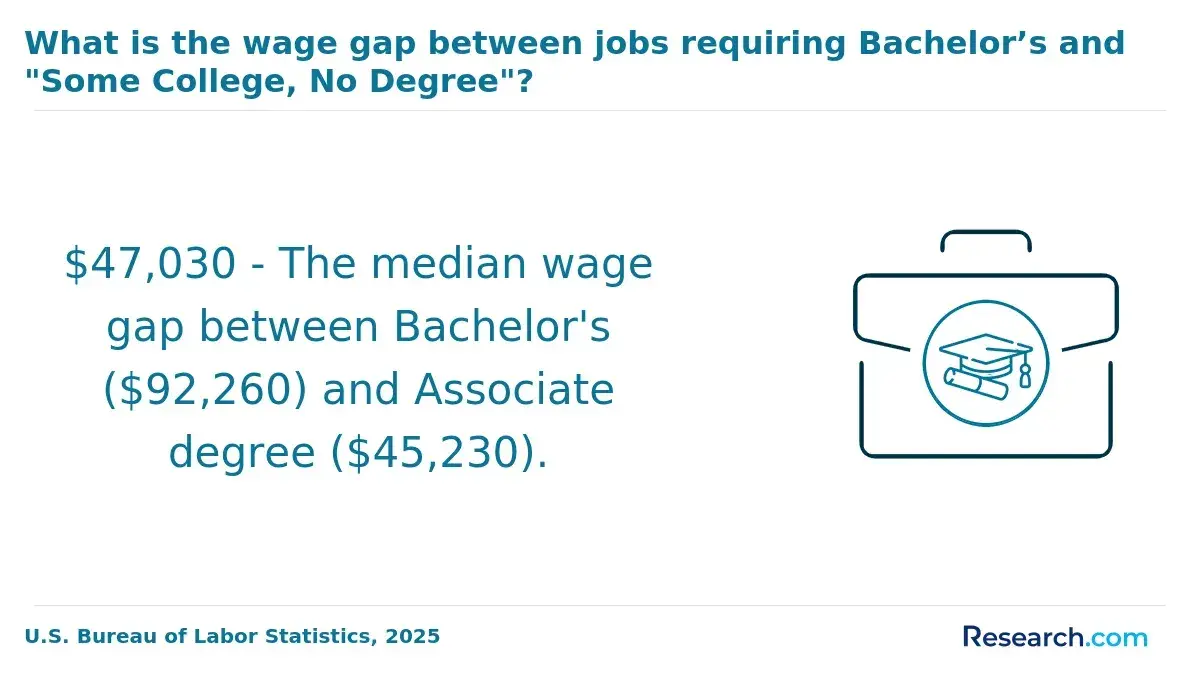
Starting salaries for accelerated Bachelor of Science in Nursing (ABSN) graduates typically range between $65,000 and $80,000 annually, with metropolitan hospitals tending to offer higher wages than rural or outpatient settings due to local demand and living costs. A 15% job growth projection through 2032 positions this workforce segment above average in occupational expansion, driven primarily by aging demographics and healthcare accessibility.
An important consideration for candidates is the correlation between program outcomes and employability. Hiring managers often favor ABSN graduates from schools with high NCLEX pass rates and transparent, manageable tuition expenses, acknowledging these as indicators of clinical readiness and reduced debt burden.
For example, California State University Los Angeles combines a 96.12% NCLEX pass rate with tuition of approximately $36,835, making it a cost-effective choice that supports stronger salary negotiation leverage.
In regions facing nursing shortages, employers may provide signing bonuses or retention incentives exceeding $5,000 annually, but these require multi-year employment commitments. Graduates targeting high-demand states such as California or Texas experience not only better job security but also faster salary progression, amplifying the return on investment for an accelerated nursing degree.
Other Things You Should Know About ABSN
In 2027, top ABSN programs with excellent student support enhance manageability by offering flexible scheduling, online resources, personalized academic advising, and mental health services, helping students balance the intense pace with work or family duties effectively.
Clinical hour requirements vary widely, with some programs meeting only minimal state board mandates while others exceed them to provide diverse hands-on training. Programs with higher clinical hour counts tend to prepare students better for complex care environments, which employers value. When comparing programs, prioritize those with ample, varied clinical placements rather than simply focusing on program length or brand recognition to ensure stronger practical skills upon graduation.
ABSN graduates are not at a systematic disadvantage in most employment settings, as employers increasingly recognize the rigor of accelerated tracks. However, some competitive specialties and residency programs prefer candidates from traditional BSN routes due to perceived greater depth of academic exposure. To mitigate this, ABSN candidates should emphasize clinical experience quality, NCLEX pass rates, and seek programs with strong employer networks to boost job placement prospects.
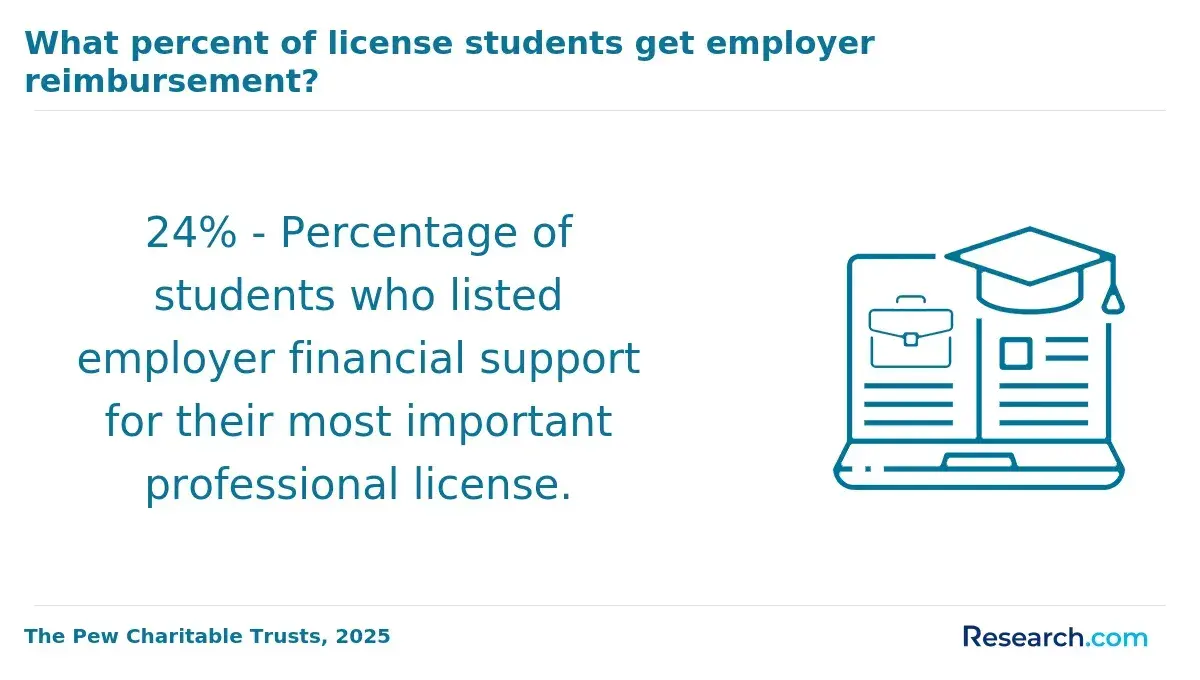
Employer tuition reimbursement varies widely and often requires upfront payoff or reimbursement only after course completion or licensure. Students should select ABSN programs with clear credit transferability and alignment with employer requirements for reimbursement eligibility. Prioritize programs known for delivering licensure swiftly to synchronize education completion with employer reimbursement cycles, minimizing out-of-pocket risk and maximizing financial return on investment.
References
- Financing Your Accelerated Bachelor of Science in Nursing (ABSN) https://www.assumption.edu/admissions-financial-aid/financing-post-bacc-nursing-program
- The Rising Demand for Accelerated BSN Program Tracks | Brookline College https://www.brooklinecollege.edu/blog/the-rising-demand-for-accelerated-bsn-program-tracks/
- Online Accelerated BSN https://onlinedegrees.elmhurst.edu/programs/accelerated-bsn-online
- Why Nursing School Accreditation Matters | All Nursing Schools https://www.allnursingschools.com/how-to-get-into-nursing-school/school-accreditation/
- Is an Accelerated BSN Worth It? Salary, ROI, and Career Outlook https://stmary.edu/nursing-accelerated/is-an-accelerated-bsn-worth-it.html
- What is an ABSN program? | WCU Nursing Glossary https://westcoastuniversity.edu/glossary/absn-program
- Nursing Workforce Fact Sheet https://www.aacnnursing.org/news-data/fact-sheets/nursing-workforce-fact-sheet
- Accelerated Bachelor of Science in Nursing, ABSN | Colby-Sawyer College | New London, NH https://www.colby-sawyer.edu/postgraduate/professional/absn
- 5 Nursing Career Paths in OKC and Nashville - Marian https://onlineabsn.marian.edu/blog/nursing-career-paths/
- Academic Support for Undergraduate Nursing Students: A Proactive Approach https://nacada.ksu.edu/Resources/Academic-Advising-Today/View-Articles/Academic-Support-for-Undergraduate-Nursing-Students-A-Proactive-Approach