2027 ABSN Programs With Employer Tuition Support Options

Co-Founder and Chief Data Scientist
Securing a Bachelor of Science in Nursing through an accelerated program often confronts candidates with a formidable financial obstacle, especially when balancing current employment and family responsibilities. The National Center for Education Statistics recently reported a 15% uptick in adult learner enrollments in accelerated degree programs, signaling growing demand among professionals seeking career shifts without prolonged gaps in income.
This trend reflects a critical need for flexible financing options that align with tight schedules and employer expectations. Navigating absn programs that offer employer tuition support can mitigate financial strain while preserving employment continuity. This article examines key absn programs featuring employer tuition support, providing clarity on options that optimize both education affordability and career progression.
Key Things You Should Know
- Employer tuition support reduces upfront costs but often requires multi-year work commitments, limiting post-graduation mobility; the U.S. Department of Labor finds 35% of ABSN grads face contract-related job constraints.
- Healthcare employers sponsoring ABSN programs see a 22% faster placement rate within their systems, impacting workforce retention but narrowing employment scope outside sponsoring networks, per 2024 HIMSS workforce data.
- Compressed ABSN schedules combined with employer funding reduce financial barriers but escalate clinical intensity, increasing burnout risk during training and affecting both academic outcomes and early-career resilience, supported by recent AACN workload analyses.
What is an ABSN program and how does employer tuition support typically work?
Accelerated Bachelor of Science in Nursing (ABSN) programs with employer tuition assistance reshape the pathway for non-nursing degree holders by compressing nursing education into 12 to 18 months. These programs meet urgent healthcare workforce needs but require candidates to navigate intensive clinical schedules alongside possible part-time work.
Employer tuition support is often structured through contracts involving tuition reimbursement, upfront scholarships, or repayment clauses tied to service commitments. For example, hospitals facing critical nurse shortages may sponsor ABSN students who agree to two-year post-graduate employment, balancing financial relief with demands on time and career flexibility.
This model directly impacts retention but restricts students' ability to pivot or pause during the rigorous program. Candidates must assess what portion of their tuition is covered versus loaned and understand repayment triggers to avoid unforeseen financial obligations. Importantly, clinical placements aligned with employer expectations may limit geographic or institutional choice, affecting career advancement options.
Given projections of over 78,000 nurse shortages by 2036, ABSN programs with employer tuition reimbursement support ABSN students in accelerating entry into critical roles while maintaining workforce pipelines. Decision-makers should weigh employer support arrangements alongside accreditation and NCLEX pass rates to evaluate a program's long-term career viability and return on investment.
For those comparing different models and exploring alternatives, reviewing online ADN programs for non nurses offers insights into less intensive pathways that may better suit balancing education and ongoing work demands.
Which U.S. nursing schools offer ABSN programs with employer tuition assistance or reimbursement?
Employer tuition assistance in accelerated nursing programs fundamentally reshapes the financial and employment equation for students, converting upfront costs into workforce investments. For example, the University of Rochester's UR Nursing Scholars Program offers 100% tuition coverage for selected ABSN students in exchange for a mandatory three-year employment commitment within its health system. This model promotes rapid workforce entry but restricts geographic and career mobility during the contract period.
Other top U.S. nursing schools offering ABSN employer reimbursement options, such as Indiana University and the University of Texas Health Science Center at Houston, collaborate with hospital systems to provide partial tuition reimbursement contingent on post-graduation employment within affiliated facilities. These arrangements create a tradeoff: reduced tuition debt versus limited early career flexibility. Employers pursue this model to secure a stable, skilled labor pipeline amid nursing shortages, often recruiting diverse cohorts.
Students considering these pathways must scrutinize employer reputation, contract terms, and eligibility criteria, particularly as clinical placements and schedules align with employer networks. Employer tuition support suits career changers or those lacking liquidity for full tuition but entails obligations that can conflict with long-term plans.
For candidates evaluating accelerated nursing programs in the US with employer tuition assistance, weighing these practical considerations is essential. Those seeking flexible options without clinical requirements may also explore RN to BSN online no clinicals programs as an alternative pathway.
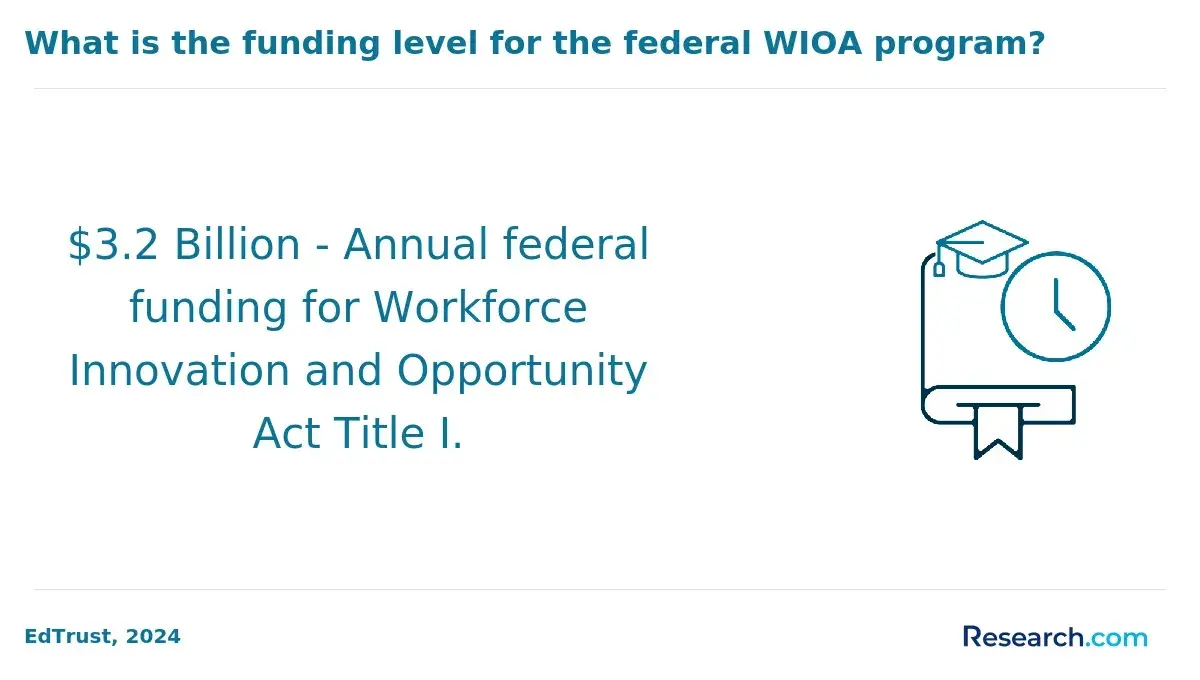
How do employer-sponsored tuition benefits affect the total cost of an ABSN program?
Employer-sponsored tuition reimbursement fundamentally alters the financial equation for students pursuing an accelerated Bachelor of Science in Nursing (ABSN) by shifting steep out-of-pocket costs-such as the $57,040 tuition reported by Utica University as of March 2025-to the employer.
Leveraging these resources reduces student debt but introduces tradeoffs, including service commitments post-graduation that can restrict employment flexibility. This dynamic is particularly salient for registered nurses aiming to pivot or advance through an absn program while sustaining income.
Such employer tuition support often requires managing administrative requirements: proof of enrollment, consistent academic progress, and adherence to grade thresholds. Failure to navigate these processes risks reimbursement delays or loss of benefits, demanding proactive oversight from candidates.
In high-turnover sectors like hospital systems and long-term care, these programs function as retention strategies, shaping workforce stability but potentially limiting career mobility. Candidates should weigh the financial relief against obligations that may influence their professional trajectory. The employer-sponsored tuition reimbursement impact on ABSN program cost transforms access but imposes strategic considerations beyond tuition alone.
Prospective students also must evaluate alternatives carefully; for instance, institutions such as Chamberlain university offer varying admission pathways that could affect admission speed and program affordability, complementing employer tuition benefits and influencing overall cost structures.
What are the admissions requirements for ABSN programs that partner with healthcare employers?
Accelerated nursing programs partnering with healthcare employers set admissions standards that balance rigorous academic prerequisites with tangible workforce readiness. Candidates must hold a bachelor's degree-often in unrelated fields-and complete prerequisite science courses like anatomy and microbiology. A GPA between 3.0 and 3.5 is typically required, reflecting the intensity of employer-supported accelerated nursing program admissions criteria and the clinical demands placed on students.
Practical healthcare exposure is essential, usually demanding a minimum of one year in clinical or patient-facing roles. For instance, some hospital systems require demonstrated abilities as certified nursing assistants (CNAs) before acceptance, limiting entry for those without such experience unless employer tuition assistance or sponsorship is secured. These requirements reduce onboarding friction but can narrow candidate pools.
Financial strategies often combine the 2025-2026 Federal Pell Grant maximum of $7,395 with employer tuition support, lessening student debt but often obligating graduates to service contracts with limited scheduling or relocation flexibility. Applicants should weigh these tradeoffs carefully. Additionally, standard background checks, drug screenings, and immunization verifications streamline compliance with clinical settings.
Students considering healthcare employer partnership ABSN program entry requirements must evaluate readiness to meet both strict academic benchmarks and practical work commitments. For those needing alternative pathways, certification or experience acquisition before applying may be required. Prospective students can also explore pathways like the shortest DNP program online to plan longer-term qualifications.
How do online, hybrid, and campus ABSN formats compare when using employer tuition support?
Employer tuition support shifts the cost-benefit dynamics among online, hybrid, and campus accelerated bachelor of science in nursing (ABSN) formats by mitigating direct tuition expenses while imposing distinct operational challenges. Online ABSN programs afford maximum scheduling flexibility, enabling employed nurses to balance work shifts with coursework.
This format works best for hospital systems that require trainees to sustain income without extensive leave, though mandatory clinical on-site sessions can complicate time management despite the academic content being remote.
Hybrid ABSN formats blend remote theory with required on-campus labs and simulations, easing financial pressure via tuition assistance but still necessitating commuting and work-release accommodations. Such programs demand negotiation with employers around leave policies, especially in healthcare settings with inflexible staffing demands.
Fully campus-based ABSN cohorts typically require immersive full-time attendance and leave nursing staff vulnerable to lost wages during clinical rotations. Tuition reimbursement helps reduce debt but rarely offsets opportunity costs associated with reduced hours or unpaid leave. Hospital systems with nursing residency pathways often prefer campus programs for controlled clinical training despite these financial tradeoffs.
Practical choice among these formats depends heavily on the employer's willingness to accommodate clinical scheduling, the student's capacity for uninterrupted study, and the structure of tuition support-factors that collectively influence feasible pathways and long-term return on investment.
What accreditation and state licensure requirements must ABSN programs with employer support meet?
Employer tuition support for accelerated bachelor of science in nursing (ABSN) programs hinges on rigorous accreditation by the Commission on Collegiate Nursing Education (CCNE) or the Accreditation Commission for Education in Nursing (ACEN). Without this, candidates risk missing critical licensure steps, notably sitting for the NCLEX-RN exam. State nursing boards impose specific curriculum and clinical hour requirements, meaning programs must align both with accrediting bodies and state mandates to produce immediately employable graduates.
Consider the UR Nursing Scholars initiative: it offers tuition-free seats tied to a three-year employment commitment, reflecting employers' strategic reliance on accredited ABSN programs to secure staffing pipelines. Such arrangements illustrate the workforce implications of investing in approved programs rather than convenience or cost alone.
Students training across state lines confront complexities as out-of-state clinical hours often demand explicit approval. This creates logistical hurdles affecting licensure timing and workforce entry, especially when employer-sponsored education spans multiple jurisdictions.
Key factors for candidates with employer tuition support include:
- Verifying program accreditation by CCNE or ACEN.
- Ensuring curriculum meets state Board of Nursing clinical hour mandates.
- Confirming clinical site approvals, particularly for cross-state training.
- Understanding service contracts and potential penalties tied to tuition benefits.
Failing to navigate these intersecting layers risks delayed licensure, voided tuition agreements, and lost employment opportunities in a profession already strained by nursing shortages.
What coursework, clinical hours, and training are included in employer-supported ABSN pathways?
Employer-supported ABSN pathways effectively link accelerated nursing education with specific workforce demands but require careful evaluation of inherent tradeoffs. These programs integrate about 500 to 700 clinical hours across acute, long-term, and community care settings tailored to employer priorities, emphasizing hands-on competencies such as patient assessment, pharmacology, and care coordination. However, clinical placements often focus on employer facilities, which can limit geographic or institutional flexibility post-graduation.
Data from the National Council of State Boards of Nursing show ABSN graduates benefit from supplementary practical training beyond traditional coursework, including simulation and interprofessional workshops, to meet the urgent pace of clinical settings. Students must navigate compressed schedules balancing daytime clinical rotations with asynchronous online modules, demanding robust time management and clear communication between schools and employers.
For example, Indiana Tech's Parkview ABSN Scholars Program offers full tuition coverage contingent on a multi-year commitment to a specific health system, a model that reduces financial barriers but restricts post-program employment options. Prospective ABSN students should assess how employer tuition support and clinical site obligations affect licensing requirements, job prospects, and long-term career mobility before committing.
What nursing roles, settings, and career pathways are common after an ABSN with tuition support?
Employer tuition support after an accelerated bachelor of science in nursing (ABSN) typically funnels graduates into specific clinical settings, where loan forgiveness is contingent on service commitments. These roles-often in acute care, telemetry, emergency departments, or long-term care-reflect institutional priorities to staff high-acuity units with newly trained nurses, restricting geographic and specialty flexibility during the forgiveness period.
Consider Manchester University's Questa Parkview ABSN Scholars program as an example: it covers two-thirds of tuition through a forgivable loan that requires three years of employment at Parkview Health for full forgiveness. This arrangement eliminates upfront costs but demands careful assessment of personal career goals versus contractual obligations linked to scholarship benefits.
Early employment in these roles often catalyzes specialization or leadership development paths, including nurse educator or clinical specialist positions, but initial employer agreements can impede mobility and necessitate strategic planning.
Prospective students must weigh:
- Loan forgiveness timelines relative to career shifts or relocation plans.
- Alignment of funded roles with personal clinical interests and professional aspirations.
- Legal fine print addressing repayment triggers from voluntary or involuntary job changes.
This dynamic underscores the tradeoff between financial support and professional agility in early nursing practice. Data from government and employer surveys demonstrate these patterns dominate early rns' employment trajectories post-ABSN, emphasizing the need for transparent negotiation and realistic anticipation of role and setting constraints before program entry.
What salary ranges and job outlook can ABSN graduates expect in different U.S. regions?
Salary disparities for ABSN graduates illustrate the impact of geography and institutional support on early-career earnings. Entry salaries range from around $65,000 annually in Midwest states to $95,000 or more along the West Coast, with states like Texas and Florida offering moderate starting wages near $68,000 to $75,000.
Higher pay in California and Washington-often approaching $90,000-correlates with greater living costs and healthcare demand, which can complicate cost-of-living considerations for new nurses.
Employment growth for ABSN professionals is strong, projected at 15% nationally through 2034, driven by aging populations and expanded health programs especially in high-density states such as California, New York, and Florida. However, these areas exhibit more competitive entry markets, often requiring nurses to leverage employer tuition support to meet elevated credentialing or specialization requirements.
Hospitals with embedded tuition reimbursement programs, like Hackensack Meridian Health's model, facilitate advancement opportunities. Nurses who access employer-funded certifications commonly experience median salary increases of 20-30% within five years, underscoring the value of professional development infrastructure. By contrast, grads in regions without such support may encounter stagnant wages and increased job mobility to access comparable roles.
Prospective students and workers should weigh initial salary metrics alongside employer tuition support availability and career pathway structures, as these factors significantly influence total compensation growth and workforce stability in diverse U.S. healthcare markets.
How can prospective students evaluate and choose a reputable ABSN program with tuition benefits?
Programs that link tuition funding directly to employer commitments shift financial risk but impose strict service obligations. For example, a health system may fully subsidize an accelerated nursing degree in exchange for a multi-year work agreement, as seen in models similar to the University of Rochester's approach. This arrangement demands close attention to contract details such as minimum employment periods, penalties for early exit, and the employer's track record in job placement and clinical training quality.
Successful navigation of these programs requires verifying accreditation through recognized bodies like CCNE or ACEN and ensuring graduate NCLEX pass rates exceed 85%, corroborated by official nursing board data. Employer-backed programs with extensive healthcare networks often provide robust clinical practicum experiences and faster job placement, with employment rates commonly verified by independent labor statistics within six months post-graduation.
A practical consideration is the impact of enforced employment duration on geographic mobility and career flexibility. Nurses under such contracts might face limitations transferring benefits or roles outside the sponsoring health system, affecting long-term professional development.
Assess cost-benefit dynamics by factoring tuition reimbursement structures, living expenses, and potential earnings during training or deferment periods. Evidence indicates employer-funded accelerated programs reduce student debt but demand strategic alignment of career goals with contractual constraints to avoid unforeseen financial or professional setbacks.
Other Things You Should Know About ABSN
Employer tuition support often comes with expectations to maintain employment or a certain work schedule while enrolled in an ABSN program. These programs are accelerated and require intensive study and clinical hours, making it difficult to manage full-time work simultaneously. Students must prioritize rigorous time management and should clarify workload flexibility with their employer before committing, as insufficient adjustment can lead to burnout or compromised academic performance.
In 2027, entry into ABSN programs with employer tuition support typically requires a non-nursing bachelor's degree, completion of specific science prerequisites, and current employment with an employer offering tuition support. Additional requirements may include a minimum GPA and letters of recommendation.
Yes. Employer tuition assistance over $5,250 per calendar year is usually taxable wages under IRS rules unless it qualifies for a specific exclusion. Nursing students should review Form W-2 reporting and ask whether the benefit covers tuition only or also books, fees, and exam costs.
References
- Accelerated Nursing Programs: 10 Helpful Tips to Fast-Track Your Nursing Career - Prereqcourses https://www.prereqcourses.com/accelerated-nursing-programs/
- Online ABSN Programs in TN: Review & Compare Top Schools https://www.edumed.org/online-schools/nursing-rn-programs/accelerated-bsn/tennessee-tn/
- Types of Nursing Careers & Specialties https://nursinglicensemap.com/nursing-specialties/
- Employer Tuition Assestance Boosts Student Success, Provides Revenue to Community Colleges http://perspectives.acct.org/stories/employer-tuition-assistance
- Accelerated Nursing BSN: ABSN Program https://www.widener.edu/academics/adult-continuing-studies/accelerated-nursing-absn-program
- Sign Up for the Journal of Nursing. https://www.asrn.org/journal-advanced-practice-nursing/3370-why-aren%E2%80%99t-nurses-using-employer-education-benefits-new-report-explains-why.html
- Accelerated Nursing Programs https://www.aacnnursing.org/students/nursing-education-pathways/accelerated-programs
- 7 Career Pathways for Nurses in Hospital Settings - Interstaff | Leading with Care https://www.interstaffinc.com/career-pathways-for-nurses/
- Accelerated BSN vs BSN: What’s the Difference? https://stmary.edu/nursing-accelerated/acclerated-bsn-vs-bsn.html