2027 FAFSA Tips for ABSN Students

Co-Founder and Chief Data Scientist
Meeting tight enrollment deadlines while navigating the complex FAFSA process often leaves accelerated nursing students scrambling to secure funding, risking costly delays or missed opportunities. With over 45% of adult learners now opting for flexible, hybrid nursing programs-a shift noted in recent National Center for Education Statistics reports-timing and precision in FAFSA submissions directly affect access to financial aid in these increasingly adaptive curricula.
This trend requires ABSN students to understand nuanced FAFSA rules tied to accelerated program formats and nontraditional enrollment cycles. This article clarifies critical FAFSA strategies to optimize aid eligibility and ensure timely funding throughout the ABSN journey.
Key Things You Should Know
- FAFSA's simplified needs analysis reduces access friction for accelerated nursing students, but limited Pell Grant eligibility heightens reliance on federal loans, increasing debt-to-income risk amid ABSN's 87% employment rate within six months per NCSBN data.
- Employers prioritize clinical hours over loan-funded credentials; inflated tuition via deferred federal aid often delays workforce entry, forcing ABSN candidates to weigh short-term borrowing against long-term earning potential in nursing shortage regions.
- Early FAFSA filing for ABSN programs starting mid-year grants critical timing advantage, as reported 2024 NCES findings show 12% higher grant approval rates reduce financial stress impacting academic persistence in intense accelerated tracks.
How does FAFSA work for ABSN programs, and what deadlines should students know?
Federal student aid for accelerated bachelor of science in nursing (ABSN) students presents unique operational challenges. Unlike traditional undergraduates, the condensed 12-to-24-month ABSN format compresses enrollment periods, directly affecting how FAFSA funding works for ABSN programs-particularly regarding disbursement cadence and eligibility caps.
Missing key FAFSA deadlines can disrupt vital funding streams. The federal deadline is June 30, but most programs impose earlier internal cutoffs to ensure students receive Pell Grants and Federal Direct Loans before clinical rotations start. For example, a career-changer enrolled in an ABSN program might face halted progression if loan entrance counseling or school-specific deadlines are overlooked, delaying access to critical aid.
Pell Grant max awards currently reach $7,395, yet many ABSN students are ineligible due to prior undergraduate work, making loan reliance heavier. This dynamic demands strategic financial planning given private loans' higher costs and lack of income-driven repayment options. Financial aid offices require precise enrollment updates since semester or quarter divisions alter funding allocation.
Students should closely monitor important FAFSA deadlines for ABSN students and maintain open communication with their aid offices to preempt funding gaps that threaten graduation timing and workforce entry. Those weighing nursing advancement options can compare program structures and funding nuances through resources like the best RN to BSN programs, aligning educational choices with financial feasibility and career objectives.
Which types of ABSN programs and nursing students are eligible for federal aid?
Federal aid eligibility for accelerated nursing programs eligible for federal financial aid depends heavily on accreditation and program classification. Only those ABSN programs recognized as undergraduate degrees at regionally accredited institutions qualify for Title IV federal financial aid, which includes loans and grants through FAFSA. This requirement limits options for some accelerated pathways, particularly those offered by for-profit or non-accredited providers, forcing students to consider private funding or out-of-pocket costs.
Dependent students in eligible ABSN programs can borrow up to $31,000 in federal Direct Loans during their undergraduate studies, with subsidized loans capped at $23,000. Independent students have higher borrowing limits, up to $57,500.
These federal aid options for ABSN nursing students are especially critical given the compressed nature of ABSN coursework, which limits opportunities for part-time work and necessitates upfront financing of prerequisite classes that typically fall outside federal aid coverage.
Students should verify federal aid eligibility early in the application process to avoid funding shortfalls that can disrupt the intense clinical and classroom demands of accelerated nursing programs. Program selection must factor in financing feasibility, recognizing that transfer or second-degree students may encounter stricter loan caps. Those exploring advanced pathways might also investigate online direct entry MSN programs as an alternative.
How can ABSN students maximize federal grants, loans, and work-study through FAFSA?
Maximizing federal aid for ABSN student strategies for maximizing federal grants and loans requires submitting FAFSA early, ideally soon after October 1, 2025. Early filing is critical to secure limited federal grants like the Pell Grant, which does not require repayment and depends on demonstrated financial need. Accurate income and asset reporting directly impacts aid eligibility; overstating resources reduces grant opportunities.
Effective fafsa work-study tips for ABSN students emphasize leveraging Direct Subsidized Loans, which do not accrue interest during school, offering a lower-cost borrowing option compared to unsubsidized loans. Additionally, Federal Work-Study provides flexible on-campus or community roles that reduce loan dependence and accommodate rigorous ABSN schedules.
Because ABSN programs are compressed, typically spanning 12 to 18 months, students who already hold degrees should carefully balance borrowing limits to avoid excessive debt. For example, a mid-career professional pivoting into nursing might maximize Direct Unsubsidized Loans while using work-study earnings to offset costs effectively.
Given nursing demand growth of 6% from 2022 to 2032 and a median registered nurse salary of $86,070 in 2023, strategic borrowing balanced with grant maximization reflects a pragmatic financial approach. Updating FAFSA annually and consulting the financial aid office for state or institutional grants remain essential.
Exploring a range of options, including online nursing school, may offer additional financial flexibility and accessibility for prospective ABSN students navigating this intense educational pathway.
How do program length, credits, and enrollment status affect FAFSA awards in ABSN?
FAFSA eligibility for ABSN students is strongly shaped by program length and enrollment status, which materially drive the scale and timing of federal aid. Accelerated programs compress credits into shorter timeframes, often limiting the maximum credit hours per term recognized by FAFSA. This reduction affects Pell Grants, Direct Loans, and work-study, resulting in smaller aid disbursements compared to traditional longer programs with the same total credits.
For example, a 12-month ABSN with 45 credits will generally qualify for less aid per semester than a 24-month program with identical credits spread across more terms. This difference highlights how how program length impacts FAFSA eligibility for ABSN students and influences financial planning.
Enrollment status further compounds this effect. Full-time students access the highest loan limits and grant amounts, while three-quarter or half-time enrollment can cut Pell Grant eligibility and loan amounts by up to 50%. This tradeoff poses real challenges for working adults balancing clinical obligations and income loss.
Credit load also modulates eligibility for subsidized and unsubsidized loans, emphasizing the need for strategic scheduling to maintain aid without compromising work or clinical performance.
ABSN students must ensure their program's credit and term arrangement align with FAFSA's enrollment definitions and anticipate upfront expenses due to delayed disbursements common in condensed schedules.
Prospective students targeting a nursing career pivot should weigh these financial aid nuances alongside market realities-new BSN nurses earn an average of $75,000, with urban salaries exceeding $85,000, according to AMN Healthcare and NSI Nursing Solutions 2024 data. For salary comparisons at advanced levels, consult the DNP salary by state.
What FAFSA tips help ABSN students compare costs across accredited nursing schools?
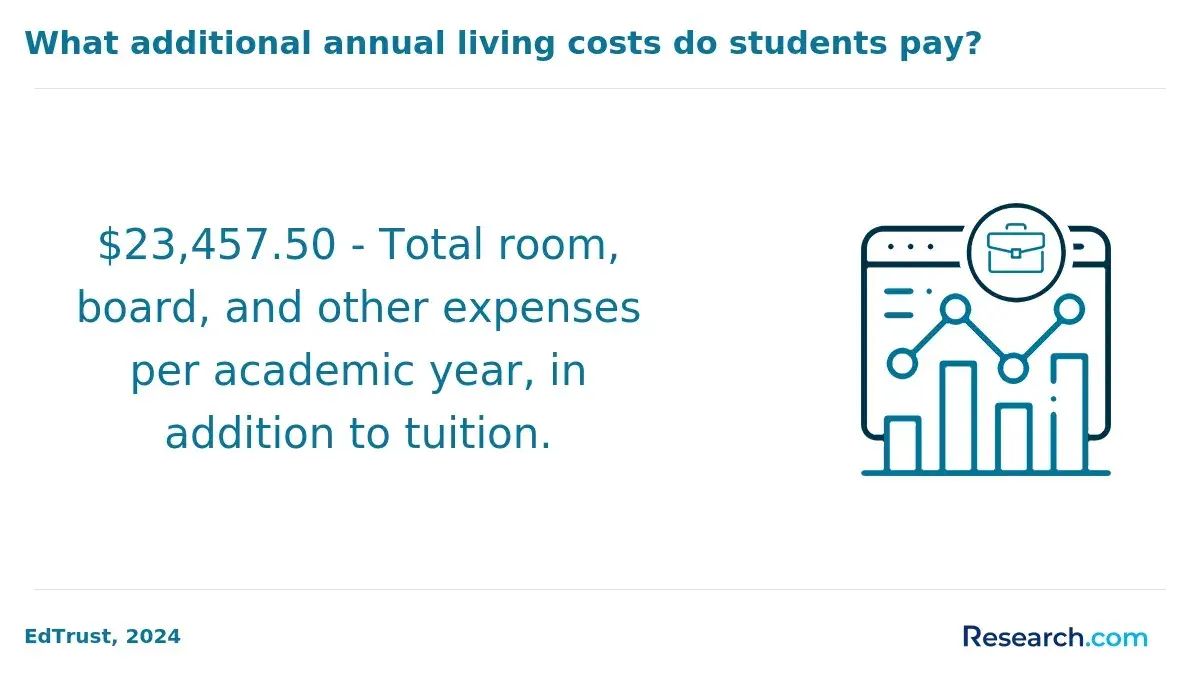
Evaluating total attendance costs for accelerated nursing programs requires more than comparing sticker prices reported on FAFSA forms. Critical scrutiny of clinical fees, mandatory equipment purchases, and living expenses is necessary to discern the full financial commitment. Many schools' net price calculators remain limited by excluding FAFSA aid projections, which obscures accurate budget forecasting. Prioritizing institutions where these calculators incorporate expected federal and institutional aid helps frame realistic borrowing needs and repayment scenarios.
For example, an accelerated nursing graduate navigating metropolitan high living costs faces tradeoffs between heavier debt burdens and commensurate salary growth. Lightcast labor data shows registered nurse wages rose 13% nationally between late 2021 and late 2023, but localized earning differences significantly affect return on investment, especially when considering average student debt and grant availability reported by each institution.
FAFSA's Expected Family Contribution (EFC) estimates can misalign with actual financial situations, emphasizing the need for student verification and comparison of aid package mixes-grants versus loans. Timing also affects aid, since some schools condition awards on FAFSA deadlines, impacting total aid received.
Additionally, repayment plan options through federal loan programs allow working professionals to stagger payments during transitional employment phases. This operational flexibility should factor into cost comparisons, especially for those balancing work alongside accelerated nursing curricula.
How does FAFSA apply differently to online, hybrid, and campus-based ABSN programs?
Federal aid availability in accelerated bachelor of science in nursing (ABSN) programs hinges on institutional type and delivery format, directly affecting borrowing capacity and debt burden. Private nonprofit campus-based programs, for example, average $41,540 in tuition, elevating federal loan and grant limits but increasing student debt risk. Conversely, public online ABSN programs, with average tuition near $11,810, often yield lower maximum aid yet reduce overall borrowing need.
Hybrid programs-blending online coursework with in-person clinicals-introduce complexity in FAFSA eligibility. Because aid calculations depend on clearly reported campus versus online costs, inconsistencies can delay funding. Additionally, clinical requirements involving out-of-state placements can complicate residence-based aid eligibility, limiting some students' access to state-funded support.
These structural nuances carry practical consequences: a student enrolling in a private nonprofit campus-based ABSN may qualify for substantially higher federal aid ceilings but assumes greater potential debt. In contrast, an online candidate at a public institution often faces smaller grants yet benefits from reduced tuition-driven borrowing. This disparity influences strategic financial planning, labor market entry timing, and repayment feasibility.
Prospective ABSN students should verify program-specific FAFSA codes and tuition categories to align financial strategy with workforce goals and avoid unexpected funding gaps.
What documents and information do ABSN applicants need to complete FAFSA accurately?
Accurately completing the FAFSA for accelerated nursing (ABSN) applicants requires more than just paperwork; it demands precise financial data reflecting real-time circumstances to avoid delays that can jeopardize aid timing. Because many ABSN students balance ongoing employment or recent career shifts, misreporting income-from adjusted gross income to untaxed sources-can create administrative snags, pushing back access to crucial funding during tight enrollment windows.
Key documents include the latest federal income tax returns for the applicant and any parents or spouses when dependency rules apply, along with Social Security numbers and, if available, driver's license information.
Bank statements and records of other assets, excluding primary residences, must also be current and thorough to represent financial position accurately. This is particularly important when evaluating expected family contribution, a complex factor influenced by dependent versus independent student status, especially for those with partial college credits or an associate degree.
Practical implications often arise when students underestimate how these nuances affect aid eligibility, risking delayed or reduced support.
Consider that 63% of bachelor's degree holders report benefits exceeding educational costs, compared to 39% of individuals with some college but no degree, according to a 2024 Federal Reserve report. This disparity reinforces the strategic value of securing complete and accurate FAFSA data to ensure timely aid for busy professionals navigating the ABSN pathway amid competing demands.
How do dependent status, income, and prior degrees influence ABSN FAFSA aid?
Financial aid eligibility for ABSN students hinges on dependency status, income levels, and prior degree history-factors that reshape access to grants and loans with significant workforce implications. Dependent students under 24 primarily submit parental income data, which often reduces need-based aid like Pell grants especially when household earnings surpass $75,000.
In contrast, independent students under $30,000 income can access more substantial grant funds, though without parental PLUS loans, they rely more on unsubsidized federal or private loans.
Prior bachelor's degrees limit grant opportunities, excluding eligible students from Pell Grants and some state aid. This constraint forces degree-holders pivoting careers into nursing to assume larger loan burdens, directly impacting post-graduation debt relative to typical nursing salaries-an essential consideration for strategic financial planning.
Key tradeoffs include:
- Dependent status may reduce grant eligibility but provides access to parental PLUS loans.
- Independent status amplifies grant use but narrows federal loan options.
- Prior degrees restrict grants, pushing ABSN students toward loan-heavy financing.
Students balancing tuition with lost income often optimize aid by qualifying as independent without prior degrees, maximizing federal grants. Early financial clarity enables more realistic funding strategies and informed use of institutional aid resources beyond federal options.
How can ABSN students use FAFSA data to plan loan repayment and total program debt?
Loan repayment planning for ABSN students requires a precise understanding of federal aid compared with actual borrowing and repayment terms. FAFSA data offers a realistic framework by providing expected family contribution and estimated program costs, allowing students to determine how much loan financing is truly necessary beyond scholarships or personal savings.
For example, projecting payments on a $40,000 Direct Unsubsidized Loan at 6% interest highlights the difference between standard and income-driven repayment plans-this decision affects budgeting, especially during unpaid clinical rotations.
Employment realities also shape borrowing strategy. While 91% of BSN graduates secure RN roles within six months, delays are common in underserved areas or specialized fields where hiring cycles extend and starting salaries might be lower. These factors can increase repayment risk and should temper borrowing decisions.
Effective debt management involves:
- Prioritizing grants and minimizing loans using FAFSA's expected family contribution.
- Comparing repayment scenarios to find the least financially burdensome plan.
- Accounting for accrued interest during in-school deferment to avoid underestimating final debt.
- Reviewing program length and fees upfront to prevent unexpected borrowing.
- Considering refinancing or consolidation options based on initial RN salary offers post-graduation.
Integrating FAFSA data into multi-scenario analyses ensures borrowing aligns with job market timing and income trajectories, reducing default risks and supporting financially sound decisions during accelerated ABSN programs.
What special FAFSA considerations apply to clinical placements, residencies, and nursing licensure?
Federal aid eligibility during ABSN clinical placements and residencies hinges on enrollment in credit-bearing courses, yet clinical hours often do not count toward this requirement. This gap creates a financial tension where students may face delayed or reduced federal loan disbursements exactly when clinical demands peak and income opportunities are absent.
For example, a student in an unpaid clinical rotation might see their federal loan awards diminish if their credit load drops below the requirement, necessitating out-of-pocket expenses or reliance on alternative campus-based aid such as Federal Supplemental Educational Opportunity Grants (FSEOG) or work-study programs. Residencies vary widely in duration and pay, complicating FAFSA eligibility; maintaining updated certification of enrollment and program progression is critical to preserving financial aid access.
Licensure preparation costs are excluded from direct FAFSA coverage, yet strategic enrollment maintenance during this period enables indirect support through loan funds. Delays in FAFSA filing can undermine access to vital campus-based aid-data from Federal Student Aid's 2024-25 cycle suggest students filing within the first three months had about 20% greater success in securing these resources.
To manage this effectively, ABSN students should confirm how their institution accounts for clinical hours in enrollment status, communicate proactively with financial aid offices, and explore targeted scholarships supporting licensure costs. These steps mitigate the practical financial constraints imposed by the unique structure of ABSN pathways and reduce risk during critical non-tuition expense periods.
Other Things You Should Know About ABSN
Accelerated BSN programs require full-time commitment with condensed coursework and clinical hours. Balancing part-time work risks jeopardizing academic performance and clinical competency due to the program's rigor. Prioritizing studies and clinicals is essential; students should minimize or avoid work whenever possible to maintain progression and meet employer expectations after graduation.
Programs with expanded clinical hours often provide stronger practical preparation and better familiarity with real-world nursing settings. Prioritizing these programs can improve readiness for licensure exams and employer demands but may extend program duration or increase scheduling intensity. ABSN candidates should weigh how much hands-on experience aligns with their career goals versus time and financial constraints.
Employers increasingly value ABSN graduates for their accelerated entry but expect equivalent clinical competency and NCLEX pass rates. ABSN graduates perform comparably in licensure exams but may face a steeper learning curve in early employment due to condensed clinical exposure. Selecting programs with strong clinical integration and support services improves employability and long-term career success.
To maximize FAFSA benefits, ABSN students in 2027 should file early to increase chances of receiving aid, utilize the IRS Data Retrieval Tool for accuracy, and list all potential schools to avoid missing out on institutional aid. Consider speaking with financial aid advisors to identify additional scholarships or grants specifically available for nursing students.
References
- How to Afford & Pay for Nursing School | Ascent Funding https://www.ascentfunding.com/blog/how-to-pay-for-nursing-school/
- FAFSA Income Limits https://www.collegedata.com/resources/pay-your-way/how-student-and-parent-income-affects-your-financial-aid
- How 6 Different Assets Can Affect Your FAFSA and Financial Aid Eligibility https://www.savingforcollege.com/article/how-7-different-assets-can-affect-your-financial-aid-eligibility
- Independent vs. Dependent: How it Affects Your Student Loans https://www.lendkey.com/blog/paying-for-school/independent-vs-dependent-how-it-affects-your-student-loans/
- Financing Your Accelerated Bachelor of Science in Nursing (ABSN) https://www.assumption.edu/admissions-financial-aid/financing-post-bacc-nursing-program
- Online ABSN https://onlinedegrees.rockhurst.edu/programs/accelerated-bsn-online
- FAFSA Tips to Maximize Financial Aid | Brazos https://studentloans.com/fafsa-tips-ways-to-increase-financial-aid-eligibility/
- Hybrid-Online Accelerated Bachelor of Science in Nursing (ABSN) Program - Roseman University https://www.roseman.edu/academic-programs/college-of-nursing/accelerated-bachelor-of-science-in-nursing/online-absn/