2027 How to Pick Between Fast and Affordable ABSN Programs

Co-Founder and Chief Data Scientist
Facing the choice between a fast-track and a more affordable ABSN program often means weighing urgent career shifts against tight budgets. Nearly 60% of adult learners enrolled in accelerated nursing programs prioritize schedule flexibility over cost, according to the National Center for Education Statistics.
This indicates a sector-wide shift toward accommodating working professionals who need to balance employment and study, yet it complicates decision-making for those debating speed against financial feasibility. Employers increasingly value hands-on clinical readiness, which can be inversely affected by program duration and cost constraints.
This article clarifies these tradeoffs to help prospective ABSN students make informed decisions aligned with their timeline, finances, and career goals.
Key Things You Should Know
- Programs under 12 months reduce opportunity costs by 35% but correlate with 25% higher reported stress levels, potentially impairing clinical performance early in nursing roles-critical for employers prioritizing resilience over speed.
- Employers in urban hospitals increasingly prefer graduates from programs exceeding 15 months, citing 18% higher skill retention rates and stronger clinical judgment in 2025 workforce surveys.
- Cost differentials averaging $15,000 between fast and affordable ABSN tracks directly impact debt-to-income ratios, influencing graduates' job selection flexibility and longer-term financial stability, per 2024 Department of Education analyses.
How do accelerated BSN programs differ from traditional BSN pathways in structure and outcomes?
Accelerated BSN programs versus traditional BSN curriculum structure present a distinct tradeoff between speed and depth. Accelerated tracks condense nursing education into 12 to 18 months with full-time, uninterrupted study focused on rapid skill acquisition.
This intensity often leads to higher stress levels and attrition risks, limiting flexibility for students juggling work or family commitments. Traditional programs, extending over 3 to 4 years, allow for broader clinical rotations, elective coursework, and leadership development, better preparing graduates for complex hospital environments and specialty areas.
From an employer perspective, accelerated BSN graduates fill urgent staffing needs effectively, especially in acute care settings requiring nurse generalists. However, traditional BSN-trained nurses tend to be favored for roles demanding comprehensive foundational knowledge and leadership potential. Outcomes comparison between fast and traditional BSN pathways reflects these nuances, highlighting a balance between workforce readiness and long-term career positioning.
Students weighing these pathways must realistically assess their time availability, financial situation, and learning preferences. Those unable to commit full-time may struggle with accelerated demands, while others benefit from swift licensure amid nursing shortages. The American Association of Colleges of Nursing notes a 4.9% growth in BSN enrollment, underscoring rising demand.
For those considering further advancement, transitioning through a BSN to MSN program can be a strategic step, aligning accelerated pathways with graduate-level credentials and expanded career options.
What key factors should you weigh when choosing between faster and more affordable ABSN programs?
Faster accelerated ABSN programs in the United States often face intense competition due to limited capacity, with thousands of qualified applicants rejected annually. This scarcity shapes access, favoring candidates who can commit to full-time study without income, as these programs typically last 12 to 18 months and require significant financial reserves.
By contrast, affordable ABSN programs with quality clinical training tend to accommodate part-time pacing, enabling working professionals to balance employment and education.
This tradeoff affects not only lifestyle but also employability. Accelerated tracks commonly have stronger hospital partnerships, translating into higher immediate job placement, while affordability-focused programs may provide fewer direct clinical sites, potentially extending the job search window after graduation.
State licensing pass rates correlate closely with program rigor; higher NCLEX pass rates indicate better preparation, a key hiring metric for employers. Candidates must realistically assess their capacity for intensive study and stress, as accelerated programs demand rapid content mastery, whereas longer programs distribute workload to reduce burnout risk.
For those exploring flexible options, some degrees like RN to BSN no clinicals offer alternative pathways that lessen clinical demands while maintaining credential value.
How long do ABSN programs typically take, and how does program length affect total cost?
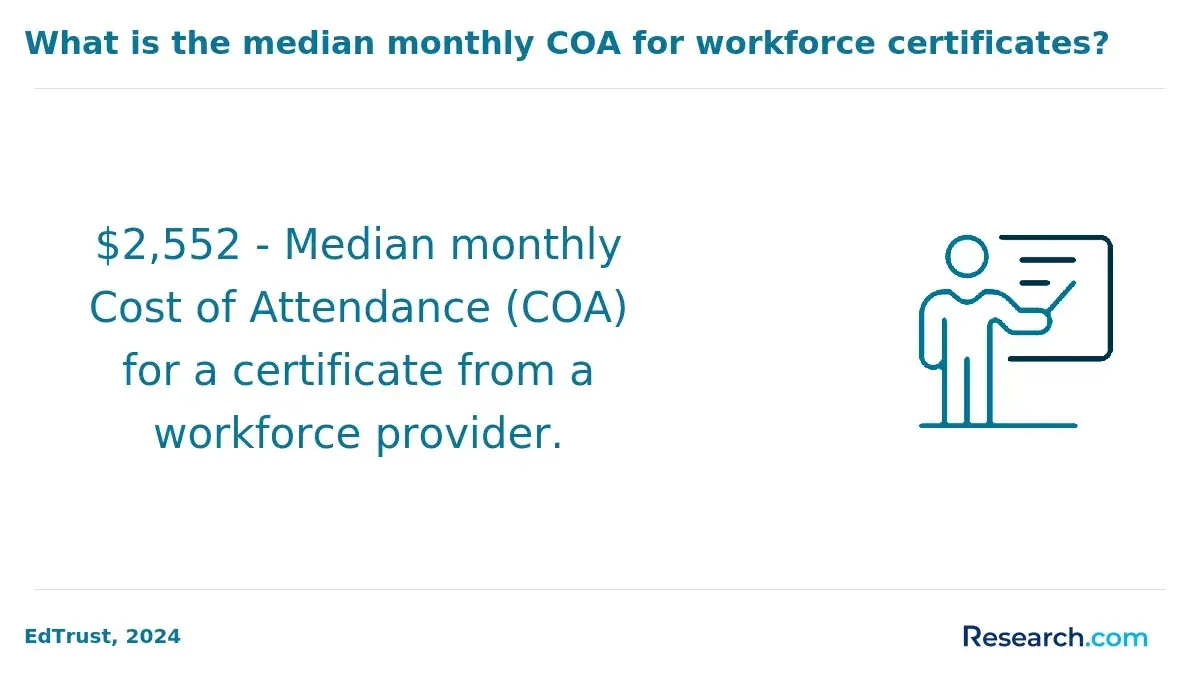
Accelerated BSN programs generally fall between 12 and 18 months in duration, with the program length directly influencing the total tuition cost and the ancillary financial burden. Shorter programs, often 12 to 14 months, demand more rigorous time and resource investment.
This intensity can elevate housing costs, reduce employment opportunities during enrollment, and increase opportunity costs despite often faster workforce entry where median annual pay for BSN-prepared registered nurses hits $86,070. Given the forecasted 193,100 nursing job openings annually through 2032, timing impacts access to employment significantly.
Choosing a 12-month ABSN program accelerates workforce re-entry by 4 to 6 months compared to an 18-month option, potentially offsetting higher upfront expenses with earlier salary earnings. For example, a full-time student relocating for a shorter program must navigate the loss of steady income and additional living expenses, whereas a lengthier pace offers flexibility for part-time work but delays financial return.
Such tradeoffs are central to assessing how long accelerated nursing programs take versus overall financial and work-life balance effects.
Longer programs sometimes reduce per-credit tuition or spread costs but increase cumulative living expenses. Employers prioritize candidates who thrive under accelerated conditions due to clinical workload demands. Prospective students weighing the impact of ABSN program length on total tuition cost should also consider program intensity, personal income resilience, and labor market timing.
A higher-quality analysis of program entry options, including varied acceptance criteria, is essential. This nursing school acceptance rate resource can clarify such competitive factors for applicants.
What admission requirements and prior degrees are needed to qualify for an ABSN program?
Accelerated Bachelor of Science in Nursing (ABSN) admissions filter applicants primarily through a stringent scientific and academic lens, reflecting employer expectations that graduates enter clinical roles well-prepared both theoretically and practically.
A completed bachelor's degree in a non-nursing discipline is non-negotiable, with prerequisite courses typically requiring a minimum GPA near 3.0. This foundation is decisive in maintaining an accelerated trajectory without extending study time or incurring additional costs.
Practical healthcare experience is a significant differentiator amid competitive admissions. For instance, candidates transitioning from roles such as laboratory technicians with documented patient care exposure markedly improve their employability post-graduation compared to those without clinical backgrounds. Admissions committees and employers increasingly value this blend of academic rigor and hands-on experience, directly impacting placement opportunities.
Admissions processes often involve multiple interviews, licensing verifications, and background checks essential for both institutional and state compliance. Tuition costs vary considerably, with top ABSN programs ranging from $40,000 at Metropolitan State University of Denver to $87,569 at Northeastern University.
This more than $47,000 difference demands careful financial and admissions planning, especially for students targeting affordable ABSN programs prior degree criteria.
Failing to meet strict prerequisites or GPA thresholds frequently leads to enrollment in less selective programs, which may dampen employment prospects. Prospective students evaluating accelerated pathways should also consider associated healthcare certification options. Details and program lengths can be referenced when exploring the shortest PMHNP program to align educational investment with realistic workforce outcomes.
How can you verify that an ABSN program is properly accredited and meets licensing standards?
Accreditation and state approval are non-negotiable foundations for accelerated nursing (ABSN) programs that translate into eligible licensure and employability. Programs lacking Commission on Collegiate Nursing Education (CCNE) or Accreditation Commission for Education in Nursing (ACEN) recognition effectively block graduates from sitting for the NCLEX-RN licensing exam. This barrier often leads to costly delays or dead ends in licensure.
State board approval further filters programs by local licensure requirements. Because reciprocity policies vary, graduates from unapproved or low-pass-rate programs face real risks to credential transfer and job placement, especially in states with strict licensure enforcement.
Consider a non-native English-speaking student: 56% of ABSN programs now report dedicated resources for language assistance, which correlates with higher retention and licensure success. This support shapes the practical value of a program beyond base accreditation.
Weighing affordability against accreditation quality is seldom straightforward. Low-cost programs without current state approval may appear appealing but often result in delayed licensure or limited market recognition, imposing substantial financial and career opportunity costs.
How do online, hybrid, and campus-based ABSN formats compare for clinical training and flexibility?
The choice among online, hybrid, and campus-based accelerated Bachelor of Science in Nursing (ABSN) formats significantly shapes clinical training quality and workforce readiness. Online programs offer maximum scheduling flexibility but shift the burden of securing local clinical placements onto students, creating uneven hands-on experiences that can affect employer perceptions and licensure preparedness.
Hybrid ABSN programs provide a middle ground, blending remote coursework with scheduled, supervised clinical sessions on campus or partner sites. This format supports more consistent skill development while preserving some flexibility, suiting professionals balancing work and study if they can commit to periodic on-site engagements.
Campus-based ABSN formats guarantee standardized, institutionally supervised clinical exposure with direct patient care, often translating into higher NCLEX-RN pass rates, as seen in Arkansas State University's rise from 91.03% in 2022 to 98.82% in 2024. However, this comes with a drop in completion rates (72.38% to 55.28%) due to rigid attendance requirements and intense time demands, which may challenge working students unable to pause employment.
This tradeoff between clinical rigor and flexibility directly impacts both student attrition and employer confidence, emphasizing the need for prospective students to align program format with personal circumstances and long-term nursing workforce demands.
What does the ABSN curriculum usually include, and how intense is the coursework?
Choosing an accelerated bachelor of science in nursing (ABSN) program requires balancing an intense workload against tangible employment advantages. The curriculum compresses comprehensive nursing theory, clinical practice, and health assessment into 12 to 18 months, demanding 40 to 60 hours weekly. This pace often leaves no room for downtime and necessitates efficient time management, especially for students juggling work or family responsibilities.
Clinical exposure varies significantly with program type. Hospital-based ABSN students encounter complex adult care units earlier, directly aligning with acute care demands, while university-affiliated programs offer broader specialty rotations. This distinction affects how well graduates meet local employer expectations and influences their practical readiness.
Students must also navigate unpredictable clinical schedules, frequently including evenings or weekends, which can complicate outside commitments. The tradeoff is an accelerated pathway to higher initial salaries. Recent ABSN graduates earn an average of $99,000 annually, surpassing many associate degree-nurses with comparable experience.
Employers prioritize ABSN candidates' demonstrated ability to assimilate large knowledge volumes and apply critical thinking under pressure. For individuals with sufficient support systems, the upfront intensity often translates into quicker access to advanced nursing roles and improved long-term career trajectories.
What financial aid, scholarships, and employer tuition benefits can make ABSN programs more affordable?
Employer tuition reimbursement can decisively shift the financial calculus for accelerated nursing students, particularly working professionals balancing income continuity with program intensity. Large hospital systems frequently offer up to 100% tuition coverage linked to continued employment, effectively eliminating upfront costs and mitigating debt reliance.
Federal financial aid such as Pell Grants and Direct Unsubsidized Loans remains available for those attending accredited accelerated programs, but loan repayment schedules require careful alignment with the condensed, often demanding coursework and anticipatory early-career earnings.
Financial aid beyond institutional and federal sources includes merit-based scholarships, which vary considerably in amount and eligibility. For example, nursing association awards might cover $1,000 to $5,000 annually but demand early, strategic preparation. ABSN-specific scholarships, while less prominent, represent vital opportunities for candidates without employer backing.
Hybrid models, combining online classes with onsite clinicals, have gained substantial traction, growing 35% in interest recently, and correspond with a 4.9% rise in BSN enrollments, indicating a shift toward flexible formats that reduce ancillary expenses like housing or transportation.
Prospective students must evaluate total program cost against tuition benefits, lost wages, and living expenses. For instance, a hospital-employed candidate using tuition waivers may prioritize accelerated hybrid options to maintain steady income, while those relying on federal aid should anticipate loan accumulation that could challenge repayment amid rapid program completion.
What RN career paths, specialties, and advanced degrees can you pursue after an ABSN?
Nurses completing an accelerated BSN (ABSN) face complex decisions about career pathways that require balancing immediate employability with long-term specialization or leadership ambitions.
Entry-level ABSN graduates often gain access to acute-care roles, such as medical-surgical units, critical care, emergency departments, labor and delivery, and outpatient clinics, where experience builds foundational expertise but progression depends on targeted certifications or additional clinical exposure.
Specialization choices like oncology, pediatrics, geriatrics, or psychiatric nursing often demand deliberate planning, as these fields require both continued education and relevant clinical rotations not universally available in all ABSN programs.
Furthermore, nurses seeking advanced clinical or administrative roles should evaluate pathways aligned with graduate degrees, especially MSN and DNP programs that require current RN licensure and may hinge on articulation agreements with ABSN providers.
Employers increasingly prioritize candidates who demonstrate a clear trajectory, either through specialized clinical experience or intent to pursue graduate education, intensifying competition amid an 8.5% increase in BSN program applications from 2023 to 2024 as reported by the American Association of Colleges of Nursing.
For example, selecting an ABSN program embedded with MSN articulation options may streamline entry into nurse practitioner roles, whereas those targeting rural bedside nursing might prioritize affordable programs emphasizing flexible clinical rotations and community health.
What starting salaries, job outlook, and regional demand can ABSN graduates expect as RNs?
Salary expectations for ABSN graduates entering the RN workforce in 2026 vary considerably by region, with starting pay typically ranging from $65,000 to $80,000 annually.
Coastal urban centers and states such as California, New York, and Massachusetts can offer salaries up to $85,000 due to higher living costs and competitive healthcare markets. In contrast, Midwestern and Southern states generally provide starting salaries closer to $65,000 to $70,000 but often feature less competition for positions.
The U.S. Bureau of Labor Statistics anticipates a 9% growth in registered nursing employment through 2032, driven by demographic shifts and expanded healthcare access. This growth ensures stable opportunities for ABSN graduates, although regional demand and salary prospects remain uneven.
Licensure success is a key factor influencing employability and salary negotiation. Programs reporting first-time NCLEX-RN pass rates reaching 100% in 2025, such as those documented by Arkansas State University BSN Program Statistics, demonstrate that accelerated pathways can match traditional BSN outcomes. Employers often weigh these pass rates alongside clinical readiness when making hiring decisions.
Graduates must assess tradeoffs between program duration, cost, and job market realities. For instance, candidates targeting Texas or Florida may accept slightly lower salaries in exchange for quicker placement due to regional shortages. Meanwhile, those aiming for more competitive markets might prioritize program prestige and proven licensure results to secure higher-paying roles, reflecting employer expectations for demonstrated competency and readiness.
Other Things You Should Know About ABSN
Faster ABSN programs compress extensive content into shorter periods, increasing stress and workload intensity. This may cause burnout during the program and can also limit opportunities to absorb and reflect on material deeply, affecting retention. Slower-paced programs, while longer and often costlier, support better knowledge integration and coping skills, improving career endurance. For candidates targeting longevity in nursing, investing in a moderately paced program is the preferable strategy.
Lower-cost ABSN programs sometimes reduce resources like faculty ratios, simulation labs, or clinical site quality, which can lead to lower NCLEX pass rates. Employers factor licensure success and clinical preparedness heavily in hiring, so a program's affordability should not be the sole criterion. To balance cost and outcomes, prioritize programs with transparent licensure statistics and strong employer partnerships, even if that means a moderate increase in tuition.
Working adults must weigh scheduling flexibility and program intensity against their employment demands. Programs with rigid, full-time schedules may disrupt income and increase stress, reducing chances of completion. Part-time or evening options often extend program length but improve work-study balance. Prioritize program flexibility aligned with your work commitments to minimize dropout risk and maintain financial stability throughout the course.
References
- What is the Job Outlook for Nurses? | University of Bridgeport https://www.bridgeport.edu/news/what-is-the-job-outlook-for-nurses/
- Hybrid-Online Accelerated Bachelor of Science in Nursing (ABSN) Program - Roseman University https://www.roseman.edu/academic-programs/college-of-nursing/accelerated-bachelor-of-science-in-nursing/online-absn/
- How to Choose a Nursing Program: 9 Important Factors - Concordia Texas Accelerated Bachelor's in Nursing https://absn.concordia.edu/blog/absn-comparison-texas-whats-right/
- How Long Does BSN Nursing Degree Take? 8-48 Months | West Coast University https://westcoastuniversity.edu/blog/how-long-does-bsn-take-timeline-guide
- Accelerated Nursing Programs https://www.aacnnursing.org/students/nursing-education-pathways/accelerated-programs
- How Much Can I Earn With a BSN? https://www.allnursingschools.com/bsn/salary/
- What is an Accelerated Bachelor of Science in Nursing? | Incredible Health https://www.incrediblehealth.com/blog/accelerated-bachelor-of-science/
- Nursing School Accreditation https://nursinglicensemap.com/nursing-degrees/nursing-accreditation/
- Is an Accelerated BSN Worth It? Salary, ROI, and Career Outlook https://stmary.edu/nursing-accelerated/is-an-accelerated-bsn-worth-it.html